A round dining table is brilliant for everyday life — everyone faces each other, nobody gets stuck in a corner seat, and it tucks neatly into small rooms. The only problem is dinner parties, and that is exactly what a circular extending dining table solves.
This guide explains how these clever tables work, how to size one for your space, and which styles suit Canadian homes — from compact condo kitchens to country cabins. If you are starting from scratch, our dining room table guide covers the basics first.
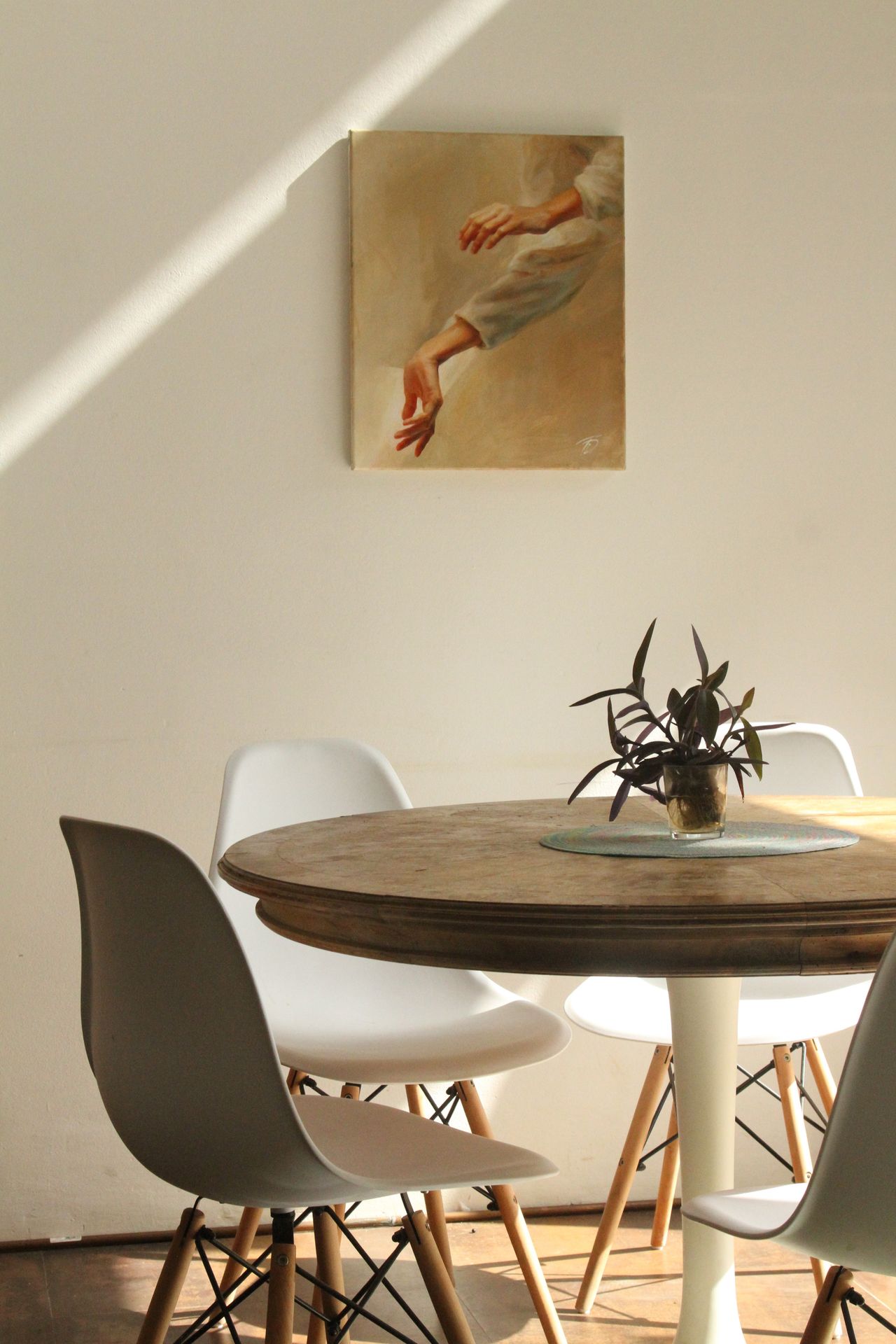
Image: Pexels
Table of Contents
- 1. How the Extension Mechanism Works
- 2. Getting the Size Right
- 3. Perfect for Small Kitchens and Nooks
- 4. Pedestal vs Four-Leg Bases
- 5. Marble and Stone Tops
- 6. White and Painted Finishes
- 7. Styling the Centre
- 8. Lighting Above a Round Table
- 9. Open-Plan Kitchen Diners
- 10. Cottage and Country Style
1. How the Extension Mechanism Works
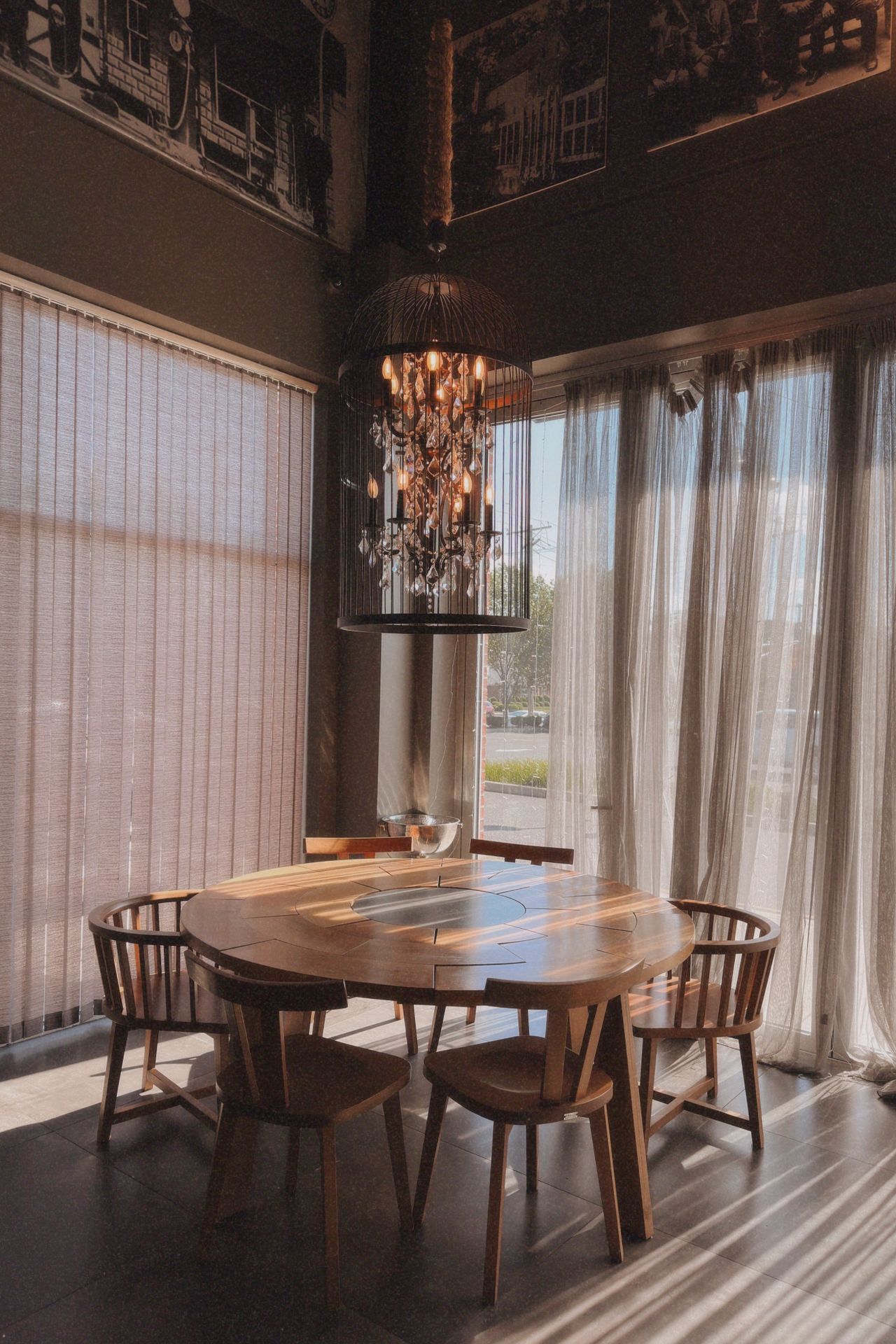
Image: Pexels
Most round extending tables hide one or two leaves inside the tabletop. You pull the two halves apart, flip the butterfly leaf up from its storage slot underneath, and push the halves back together — the whole operation takes under a minute with no loose parts to store in a closet.
Self-storing butterfly leaves are the most convenient design, while removable leaves give the biggest size jump but need storage space. Test the mechanism in the showroom: it should glide smoothly with one hand and lock firmly with no wobble.
2. Getting the Size Right
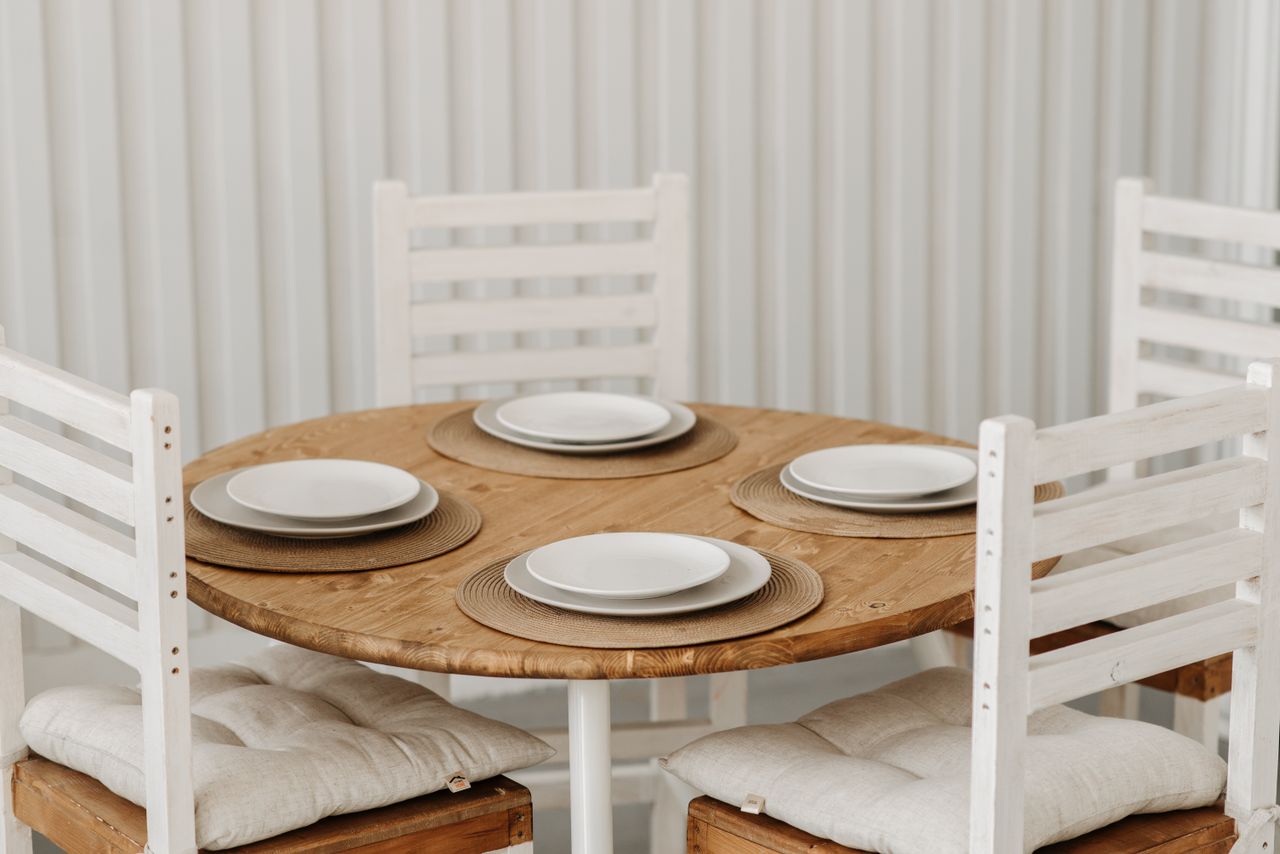
Image: Pexels
A 105 to 120 cm round table seats four comfortably for daily meals; extended to 150 cm or more it handles six to eight guests. Allow about 60 cm of table edge per person and at least 90 cm of clearance behind each chair so people can push back.
Measure your room before shopping, not after. Mark the closed and extended footprints on the floor with painter’s tape and walk around them — the extended size must still leave room to serve and circulate, especially in narrow dining rooms.
3. Perfect for Small Kitchens and Nooks
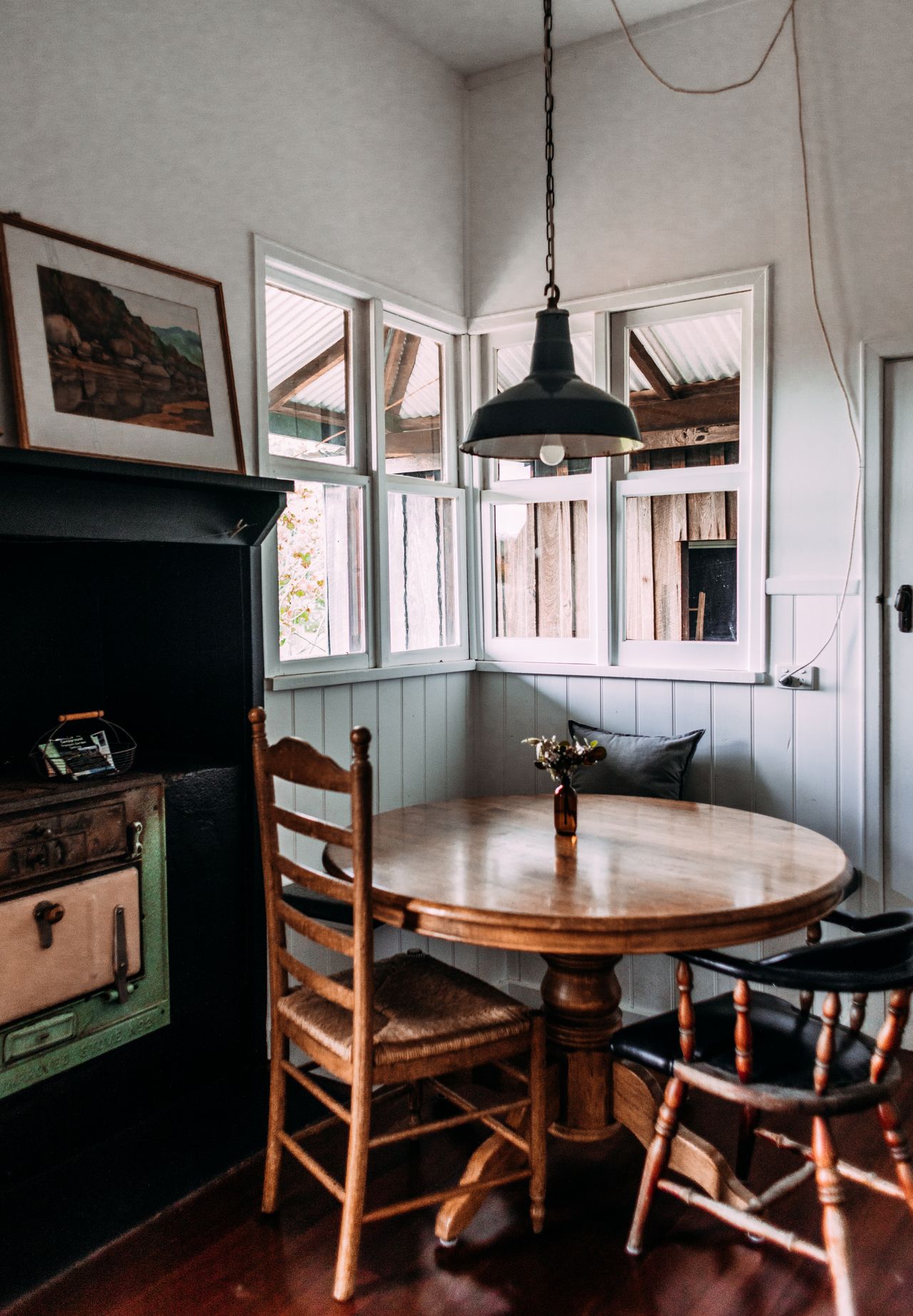
Image: Pexels
Round tables are the kindest shape for tight kitchens: no corners to bump, and a pedestal base means chairs tuck fully underneath. A 90 cm round seats two to three daily and still leaves the kitchen feeling open.
In a breakfast nook, centre the table under the window and use a bench on one side to squeeze in an extra seat. Light wood or white finishes keep a small nook feeling airy rather than crowded.
4. Pedestal vs Four-Leg Bases
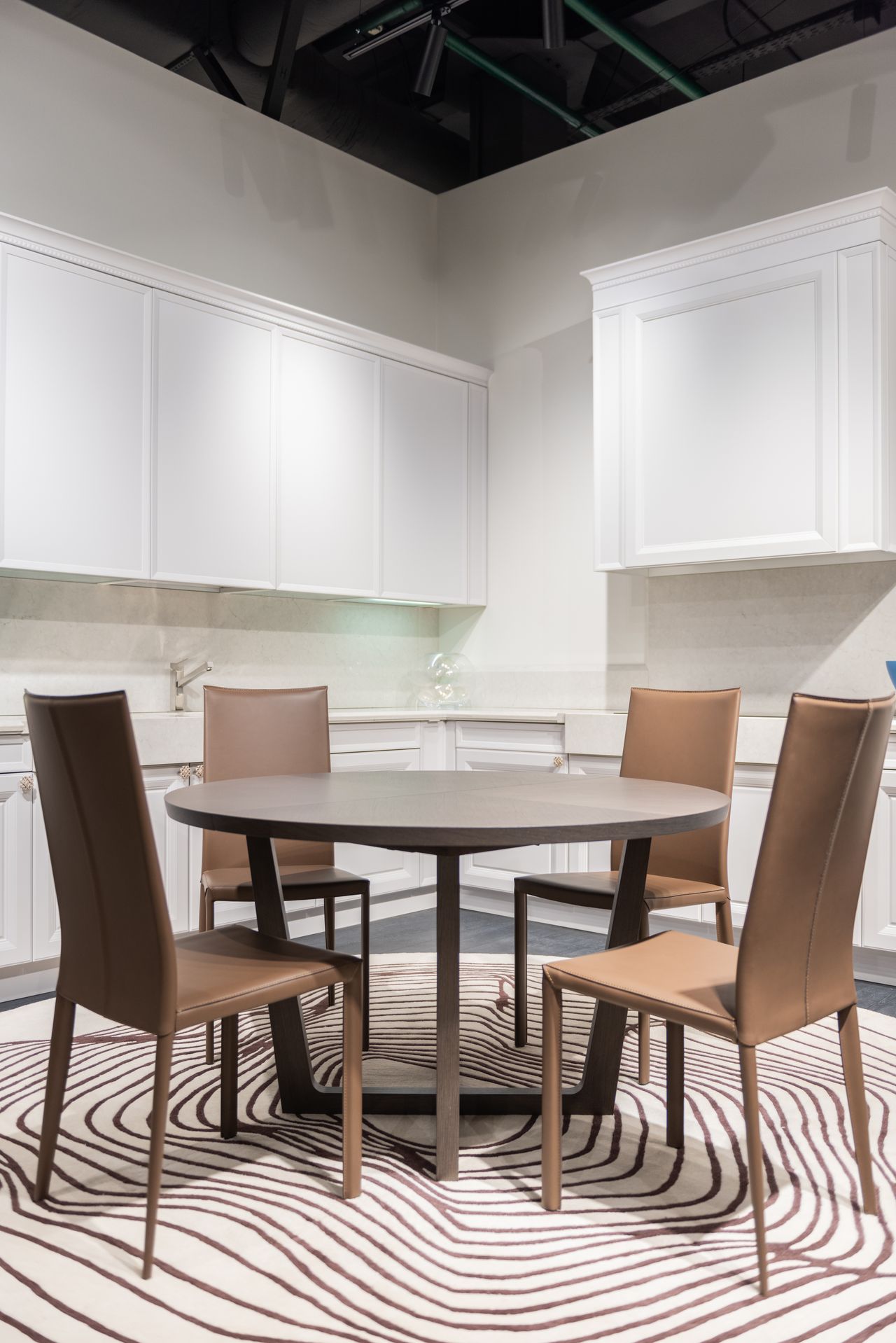
Image: Pexels
A single pedestal base is the classic partner for a round top: it leaves legroom unobstructed all the way around, so seating is flexible and chairs slide in fully. It also makes the extension mechanism simpler and sturdier.
Four-leg bases look more traditional and suit larger tables, but the legs can intrude on knee space when the table is extended. If you choose four legs, check that no leg lands where a guest’s knees will be at the extended size.
5. Marble and Stone Tops
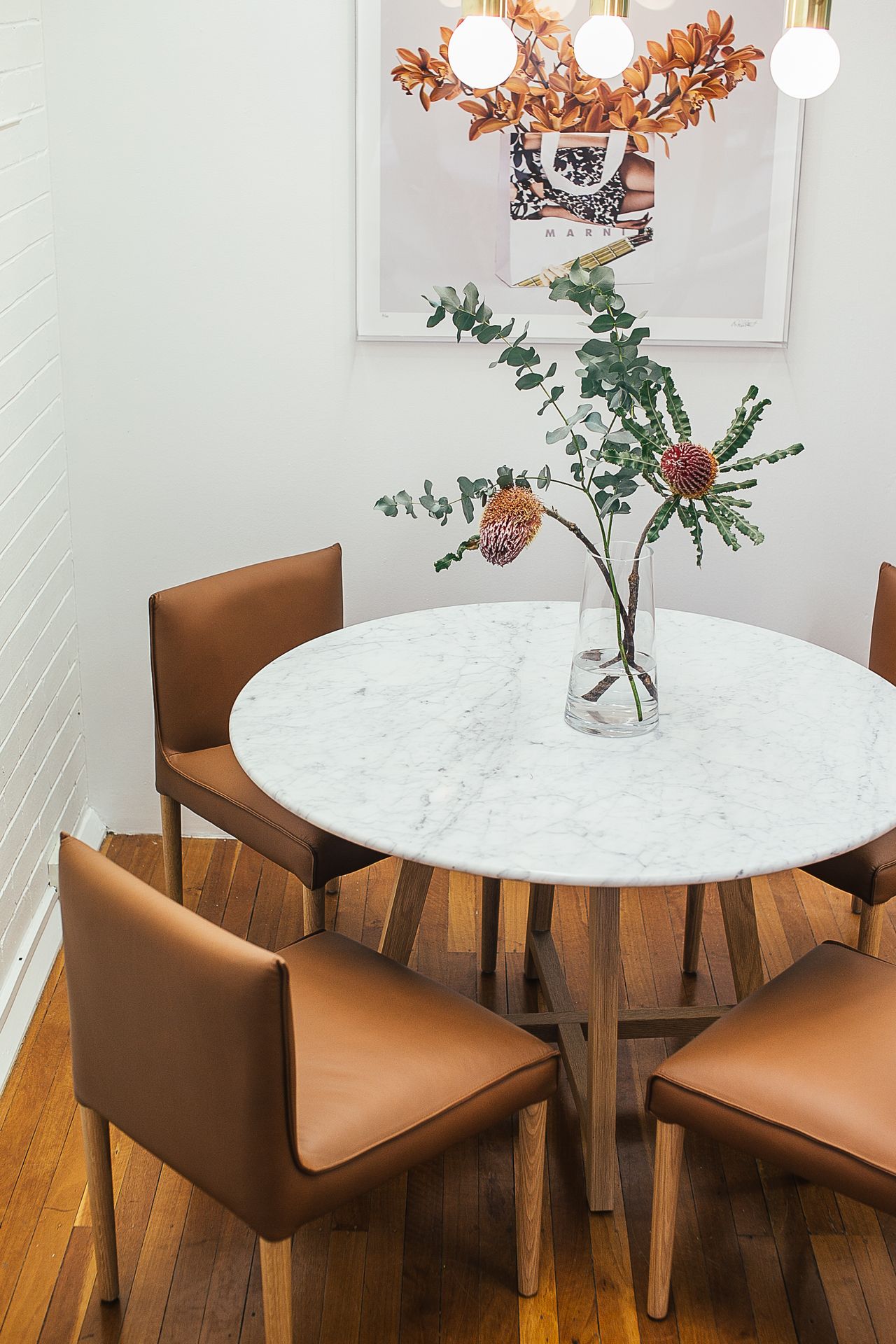
Image: Pexels
A marble-top round table brings instant elegance, and the cool stone is practical — it resists heat from serving dishes far better than wood. White marble with soft grey veining suits both modern and classic dining rooms.
Real marble is heavy and needs sealing against red wine and citrus, so sintered stone or marble-effect porcelain are smart alternatives at lower cost. Expect $1,200 to $3,500 CAD for a quality stone-top extending table. Pair with our dining chairs for round tables guide to finish the look.
6. White and Painted Finishes

Image: Wikimedia Commons
White round tables are a small-room secret weapon: they reflect light and visually recede, making the dining area feel larger. A white tulip-style pedestal table with moulded chairs is a timeless Scandinavian pairing.
Painted finishes do chip with daily use, so keep a touch-up pen handy and choose a satin or semi-gloss sheen that wipes clean. Budget-friendly white extending tables start around $400 CAD at IKEA and Structube.
7. Styling the Centre
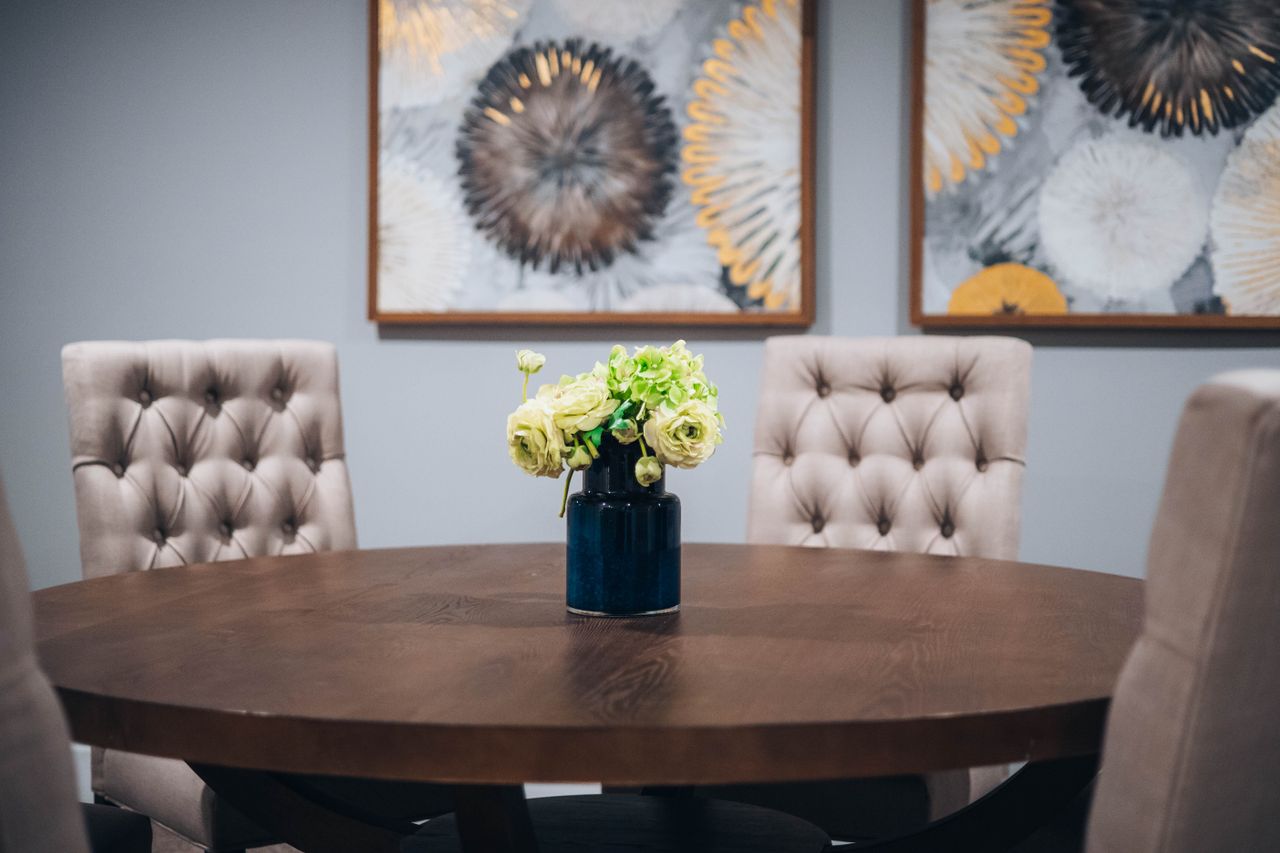
Image: Pexels
A round table begs for a centred arrangement, but keep it low — anything above 30 cm blocks sightlines across the table and kills conversation. A shallow bowl of fruit, a low vase of fresh flowers, or a cluster of candles all work.
Use a round placemat or a circular tray as an anchor so the centrepiece looks intentional rather than random. When the table is extended for guests, simply add a second small arrangement to fill the longer surface.
8. Lighting Above a Round Table
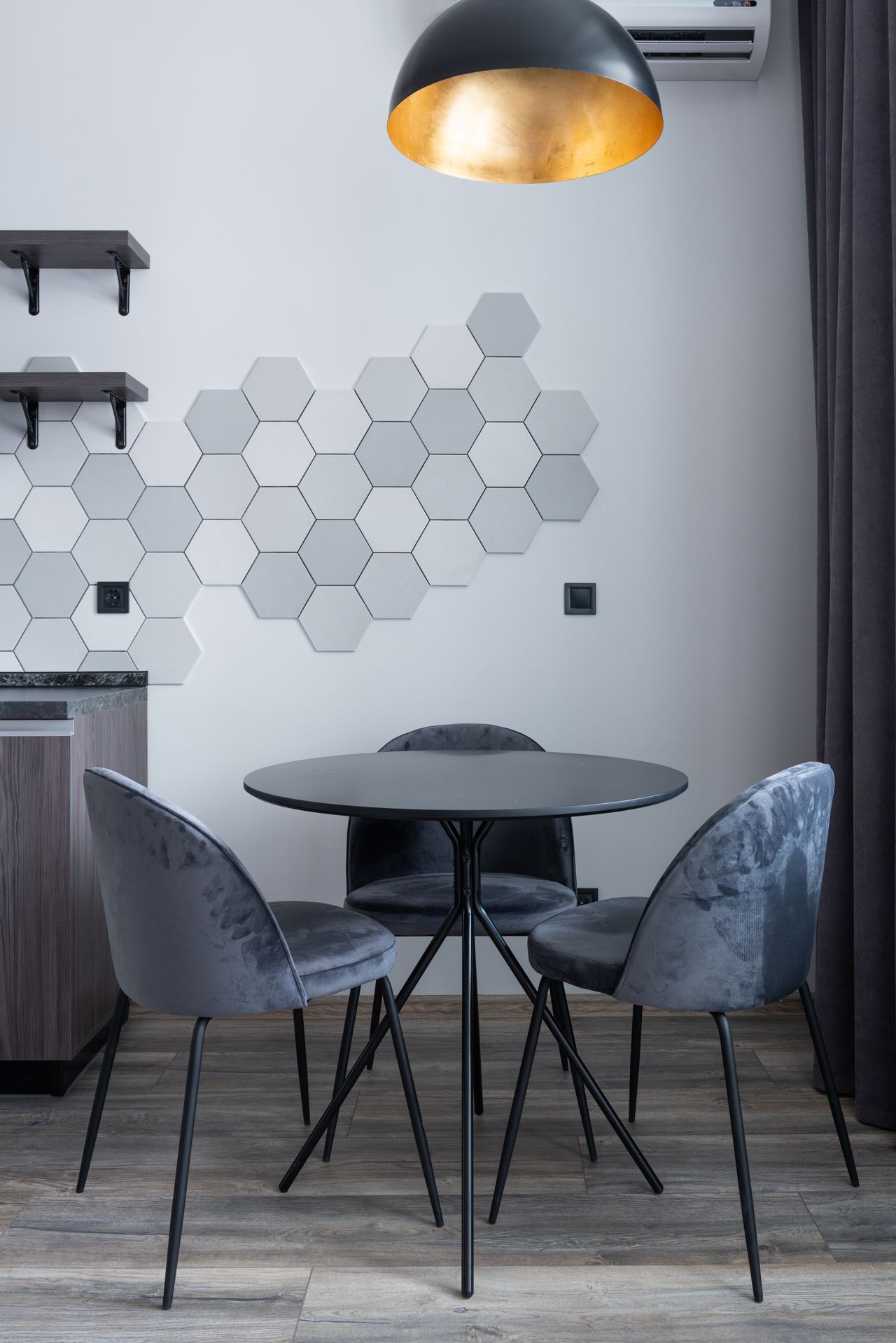
Image: Pexels
One statement pendant centred over a round table is all you need. Hang it 75 to 90 cm above the tabletop — low enough to feel intimate, high enough to see across. A dimmer switch is essential for shifting from homework to dinner party.
The pendant’s diameter should be roughly half to two-thirds of the table’s closed diameter. For extended tables, a linear multi-light pendant or two smaller pendants cover the longer surface more evenly.
9. Open-Plan Kitchen Diners
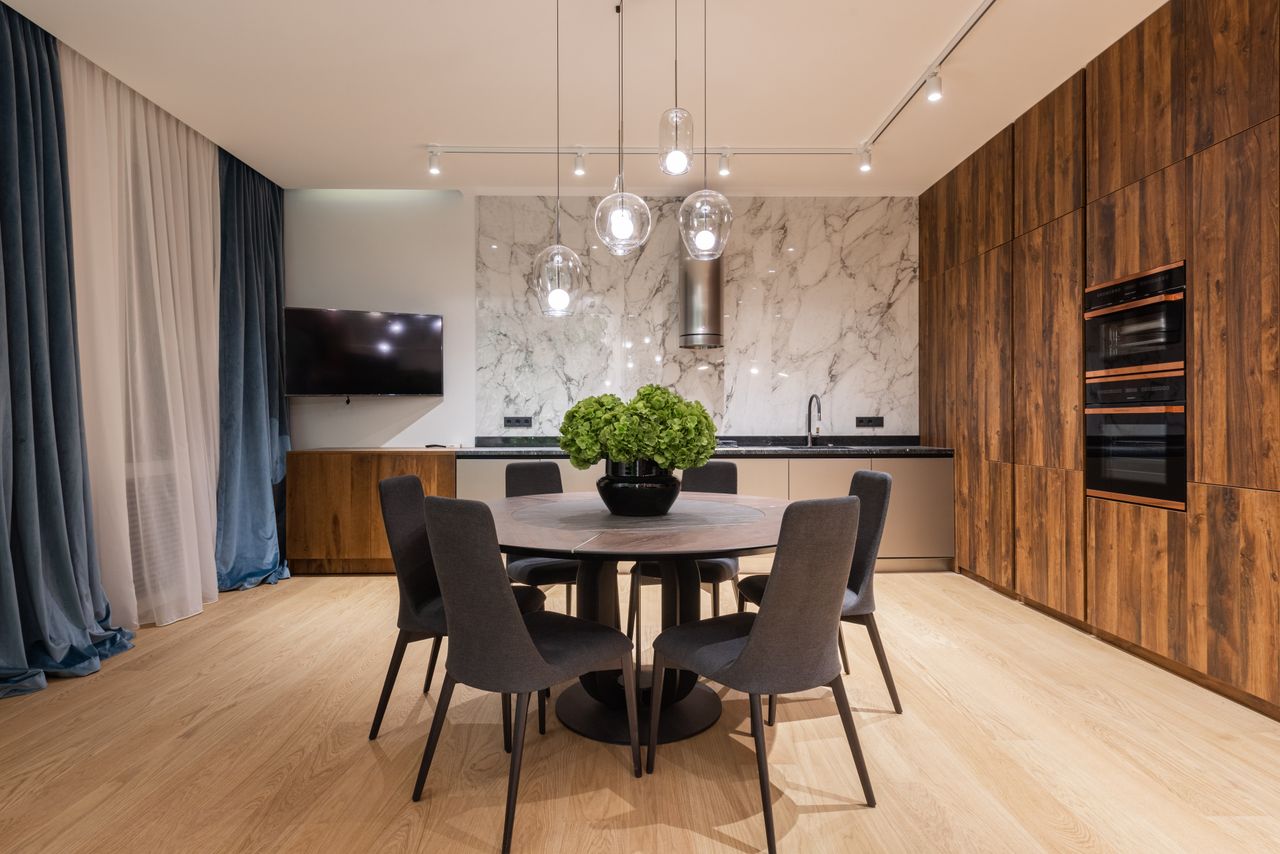
Image: Pexels
In open-plan spaces, a round table softens the hard lines of kitchen cabinetry and keeps traffic flowing around it. Position it where it defines the dining zone without blocking the work triangle between sink, stove, and fridge.
A rug under the table anchors the dining zone visually — choose one at least 60 cm wider than the table on every side so chairs stay on it when pulled out. Low-pile, washable rugs survive dining spills best.
10. Cottage and Country Style
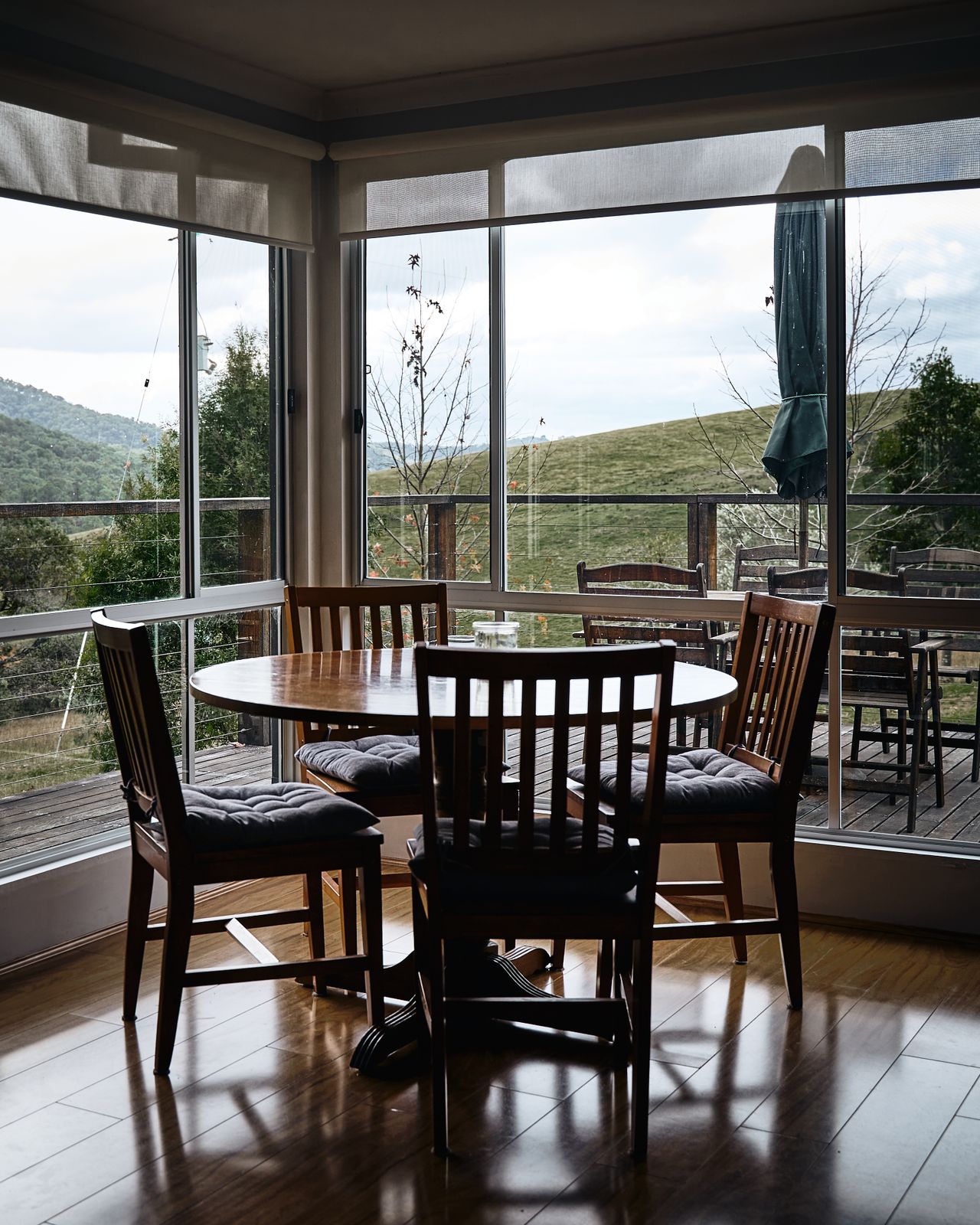
Image: Pexels
Round pedestal tables feel right at home in cottages and country kitchens, where their friendly shape suits relaxed gatherings. Oak, pine, or reclaimed wood tops with simple turned pedestals nail the look.
Mix in Windsor or ladder-back chairs rather than a matching set for an collected-over-time feel. A round table by a big window, as in many Muskoka and Kawartha cottages, makes the view part of every meal.
FAQs
How does a circular extending dining table work?
The top splits in the middle and a butterfly or removable leaf unfolds to fill the gap, turning a 4-seat round into a 6- or 8-seat oval in under a minute.
What size round table seats six people?
A 135 to 150 cm round seats six comfortably. For everyday use by four with room to extend for six, buy a 105 to 120 cm table with one extension leaf.
Are round extending tables sturdy when open?
Good ones are: look for a locking mechanism, a solid pedestal or leg frame, and a top at least 2.5 cm thick. Avoid ultra-cheap models where the halves do not align flush.
Is a round or rectangular table better for a small room?
Round wins in small square rooms — it seats more people per centimetre of floor and has no corners blocking walkways. Rectangular suits long narrow rooms better.
How much does a round extending dining table cost in Canada?
Budget $400 to $900 CAD for basic models, $1,000 to $2,500 for solid wood, and $2,500-plus for stone tops or designer pieces. For broader inspiration, browse our dining room inspirations for every home style.
Final Thoughts
A round extending table is the most versatile dining choice for Canadian homes: compact and sociable daily, generous when it matters. Measure both the closed and extended footprints, test the leaf mechanism before buying, and invest in the sturdiest base you can afford — it is the part that takes the daily strain.
Sources
Gallery
Image: Pexels
Image: Pexels
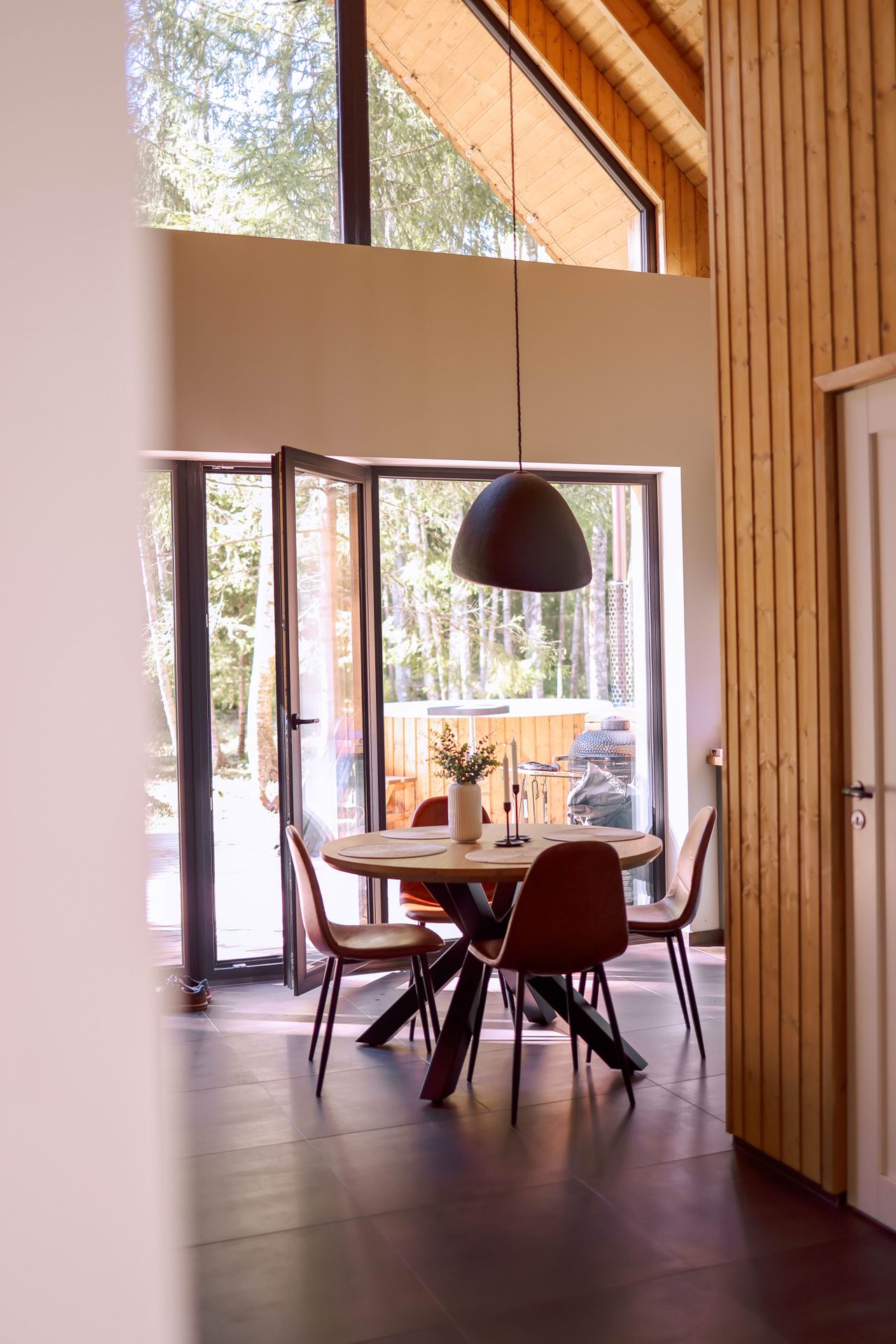
Image: Pexels

No comments:
Post a Comment