If you have ever stood in the doorway and thought, "I want to refresh my living room, but I do not want a remodel," you are not alone. That tired feeling usually does not come from bad furniture. It comes from a room that has stayed exactly the same for too long: the same layout, the same pillows, the same light, and the same clutter in the same spots, day after day.
The good news is that most living rooms do not need new furniture to feel new. They need a few smart changes, done in the right order. Start with what costs nothing, like moving furniture and clearing surfaces. Then spend a little where it shows the most, like pillows, light, and one good rug. The ten ideas below follow that order, so you can stop after one weekend afternoon or keep going until the whole room feels different.
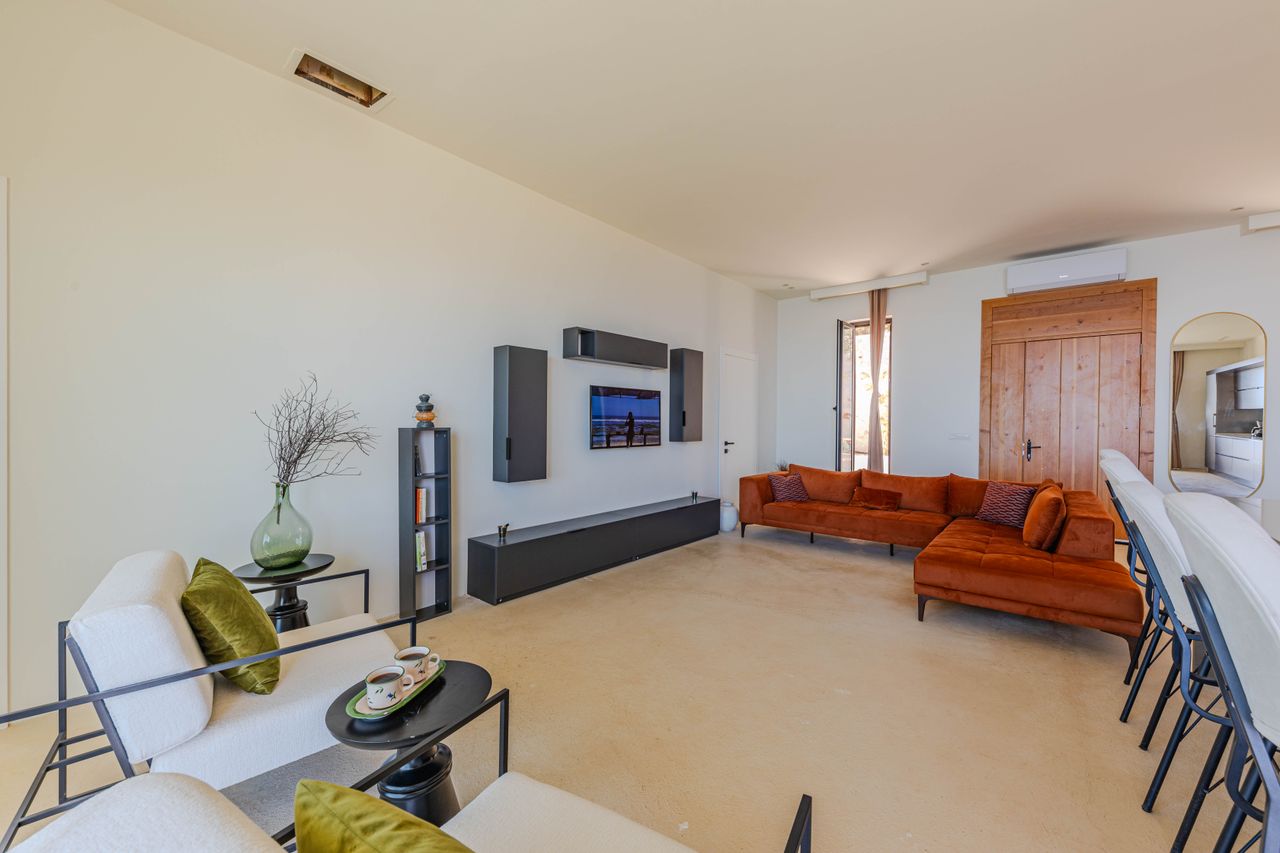
Bright, open living room with an orange sofa — Photo via Pexels
Contents:
- 1. Move the Furniture First
- 2. Edit Before You Add Anything
- 3. Swap the Pillows and Throws
- 4. Get the Rug Right
- 5. Paint One Wall, or Fake It
- 6. Layer the Lighting
- 7. Add Greenery That You Can Keep Alive
- 8. Change the Art, Not the Walls
- 9. Dress the Windows for Daylight
- 10. Style the Coffee Table Last
- Frequently Asked Questions
- Final Thoughts
- Sources
- Gallery
1. Move the Furniture First
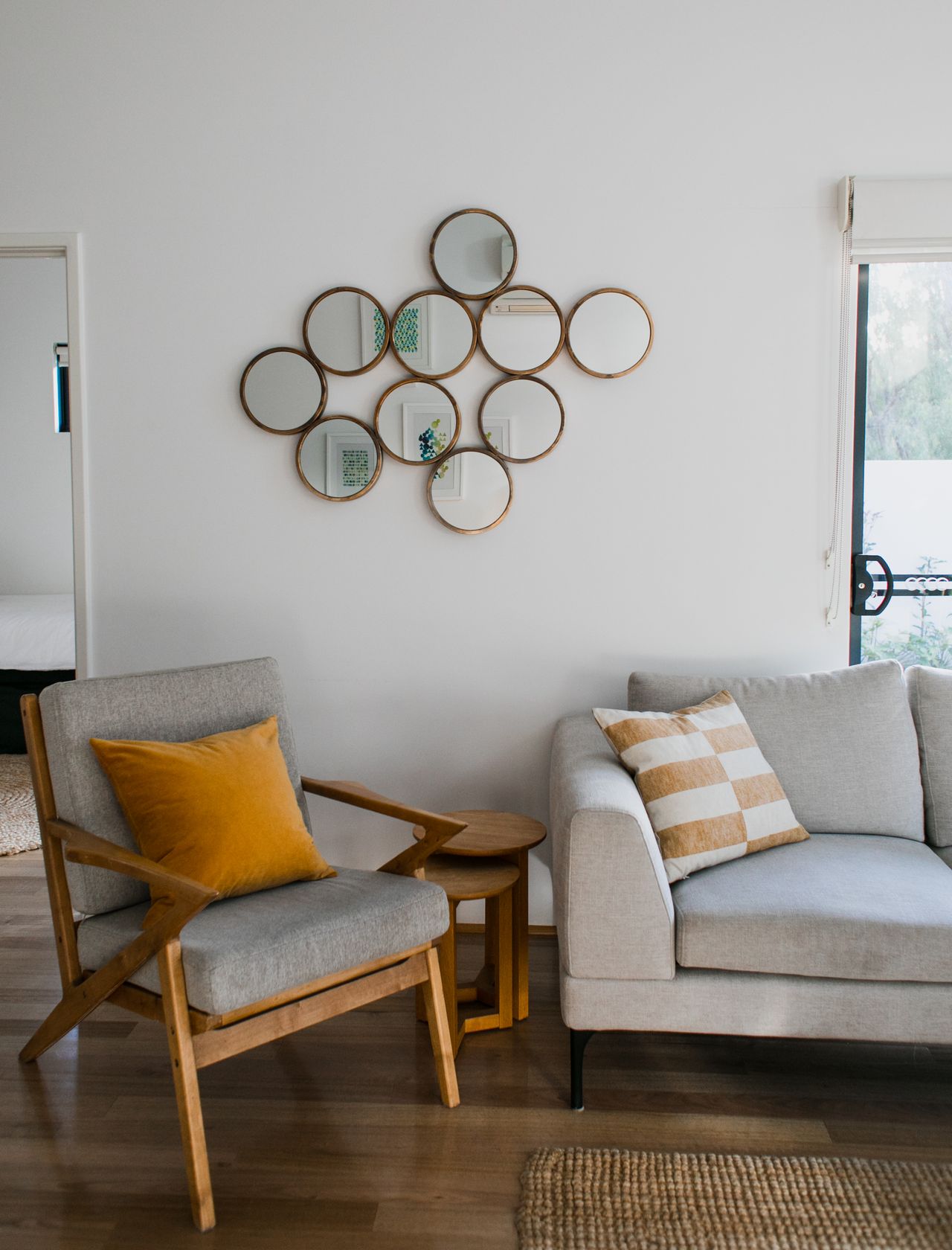
Sofa and armchair grouped for easy conversation — Photo via Pexels
Moving furniture costs nothing, and it is still the fastest way to make a room feel different. Before you lift anything heavy, take a phone photo of the room as it is now, then sketch two or three layouts on paper. Try pulling the sofa a few inches off the wall, turning a chair at an angle toward the sofa, and making a clear path at least 30 inches wide from the door to the rest of the house. Designers often say a new layout gives you a fresh view of what you already own, and that is true: a chair you stopped noticing suddenly becomes the best seat in the house.
Live with a new layout for a day or two before you judge it. Sit in every seat, open the curtains, watch TV from the sofa, and walk the normal routes through the room. If a layout looks great in a photo but blocks the way to the kitchen, it will annoy you every single day. The winning layout is the one that makes talking easy, keeps walkways clear, and puts the best seat near the best light. When you find it, the room will feel larger even though nothing in it changed size.
2. Edit Before You Add Anything
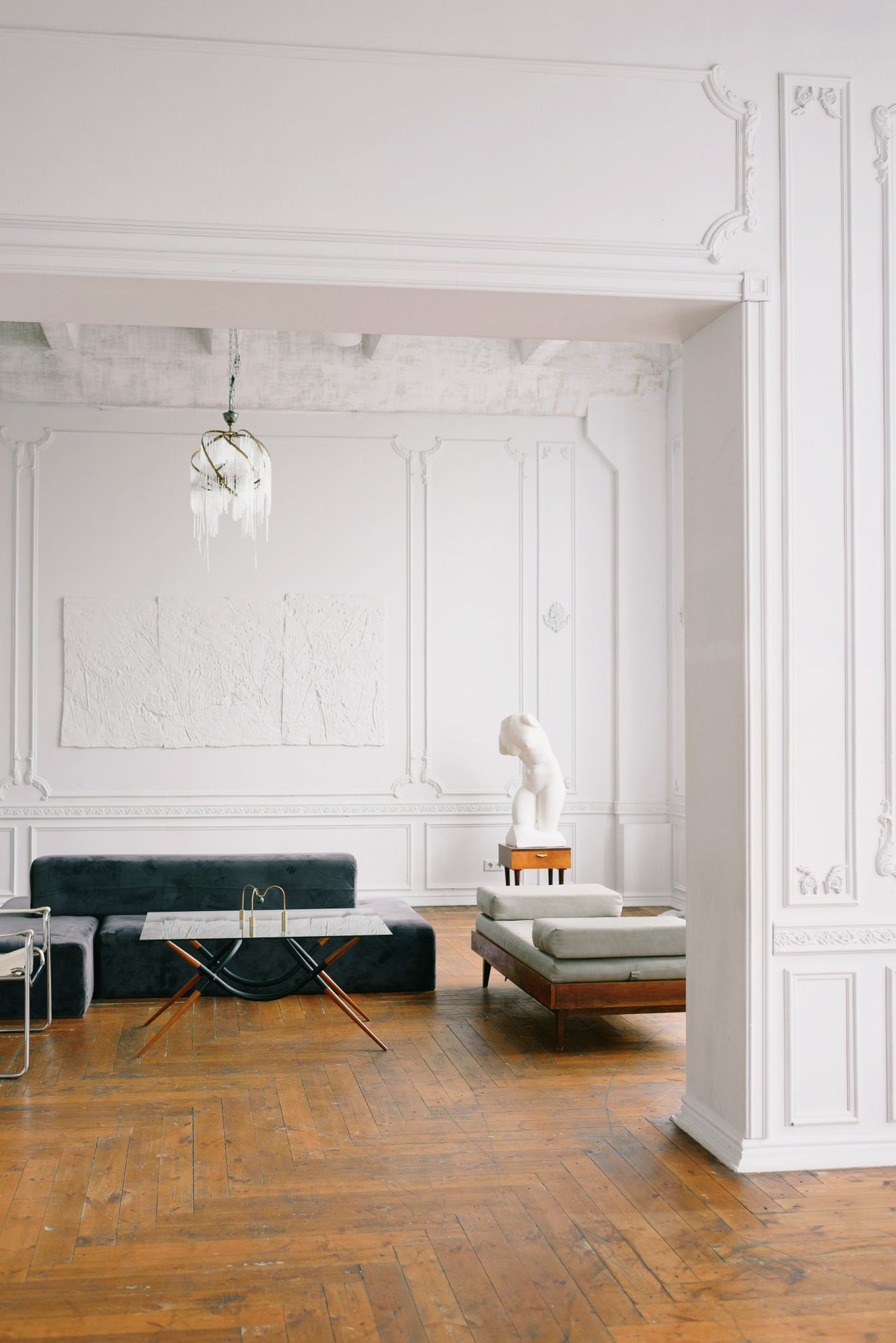
An edited, calm living room with room to breathe — Photo via Pexels
It is tempting to start a room update by shopping, but the smartest first purchase is no purchase at all. Take everything off one surface at a time — the coffee table, then the shelves, then the console — and put back only the pieces you truly like. Use a simple test for each item: if you moved tomorrow, would you pack it with care, or would you leave it behind? Readers on home forums ask this question again and again, and the honest answer is that most tired rooms are not under-decorated. They are over-decorated, with too many small things competing for attention.
Editing also makes every later change work harder. A new pillow looks expensive on a clean sofa and cheap on a sofa buried under magazines, chargers, and yesterday's mail. Give the things you keep a little breathing room, hide remotes and cords in a basket or drawer, and leave at least one surface mostly empty. That empty space is not wasted space. It is what lets your eyes rest, and it is the reason a calm room feels more costly than a crowded one, even when the furniture is exactly the same.
3. Swap the Pillows and Throws

Green pillows and a soft throw change a gray sofa in minutes — Photo via Pexels
If you only have $50 and one afternoon, spend them on pillows and a throw. This is the change designers mention most for a quick update, because pillows sit at eye level and cover a large part of the sofa. Pick two or three colors that already appear somewhere in the room, like the rug, the art, or a plant pot, and stay inside that small palette. Mix textures instead of adding more colors: smooth velvet next to nubby linen next to a chunky knit looks rich even in quiet shades. If your sofa is light, these cream couch living room ideas show how the same trick works with a pale base.
Do not buy four identical pillows. Start with the largest pillows at the back, in a solid texture, then add a medium patterned pillow in front, and finish with one smaller accent pillow slightly off center. That little bit of unevenness is what makes a sofa look styled rather than staged. Buy inserts one size larger than the covers for a plump look, fluff the pillows every few days, and wash or rotate the covers when they start to look flat. A throw folded in thirds over one arm, not tossed in a heap, finishes the job and gives you something warm on a cool evening.
4. Get the Rug Right
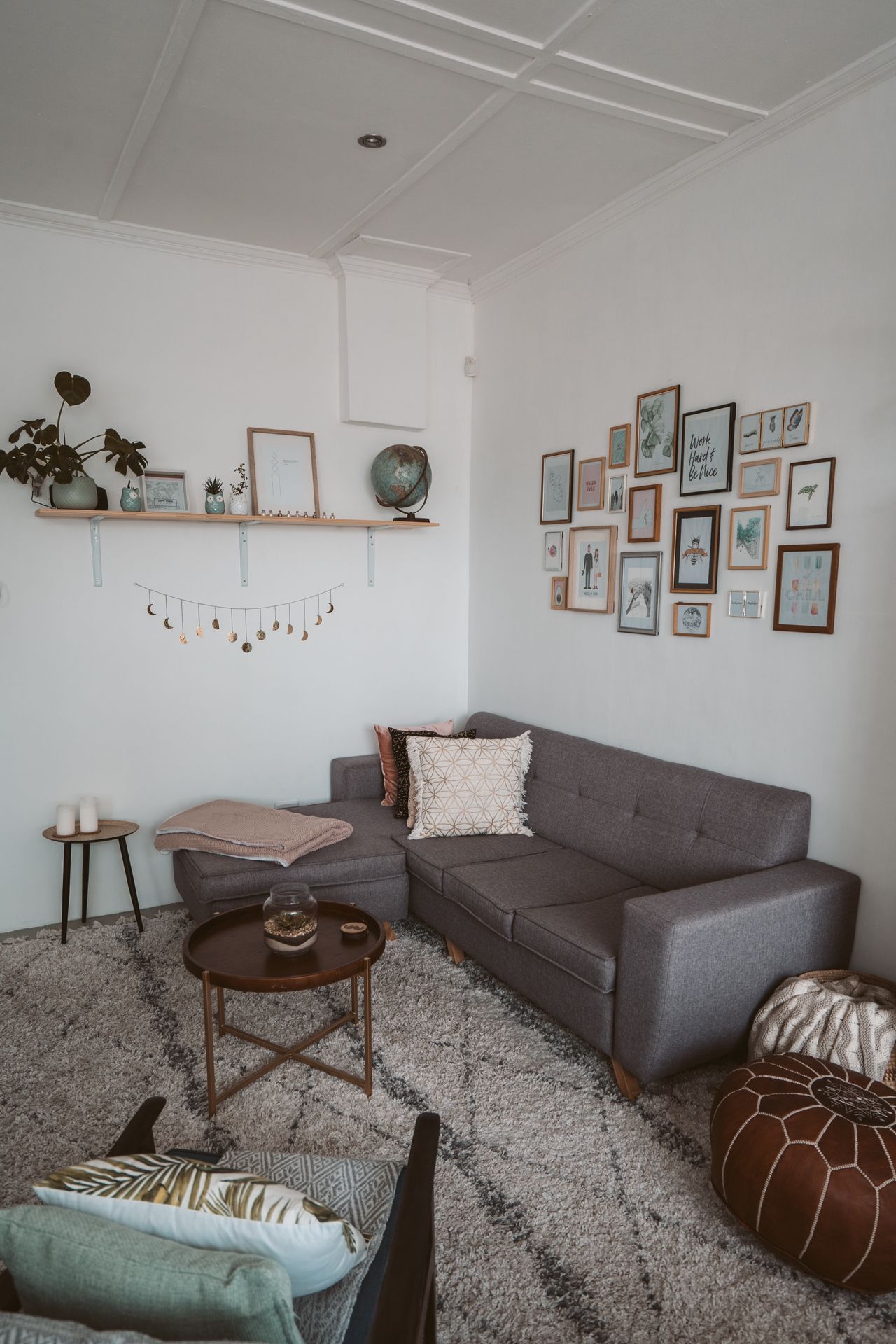
A large rug pulls the whole seating area together — Photo via Pexels
A rug is the anchor of a living room, and a rug that is too small is one of the most common reasons a room feels unfinished. As a simple rule, the front legs of the sofa and chairs should rest on the rug. For most three-seat sofas, that means an 8 by 10 foot rug, with 12 to 18 inches of bare floor showing between the rug edge and the walls. Tape the outline on the floor with painter's tape before you buy, and live with the tape lines for a day. It takes five minutes and can save you a costly return.
If a new rug is not in the budget right now, work with what you have. Deep-clean the rug you own, straighten it, and try layering a smaller patterned rug over a large plain one for color and texture. A flat, low-pile rug works well in busy homes with kids and pets because it is easy to vacuum, while a soft, thick rug feels wonderful under bare feet in a quieter room. Choose a pattern that hides a little daily life if your house is busy, and keep the rug color a step darker than the sofa if you want the seating area to feel grounded rather than washed out.
5. Paint One Wall, or Fake It
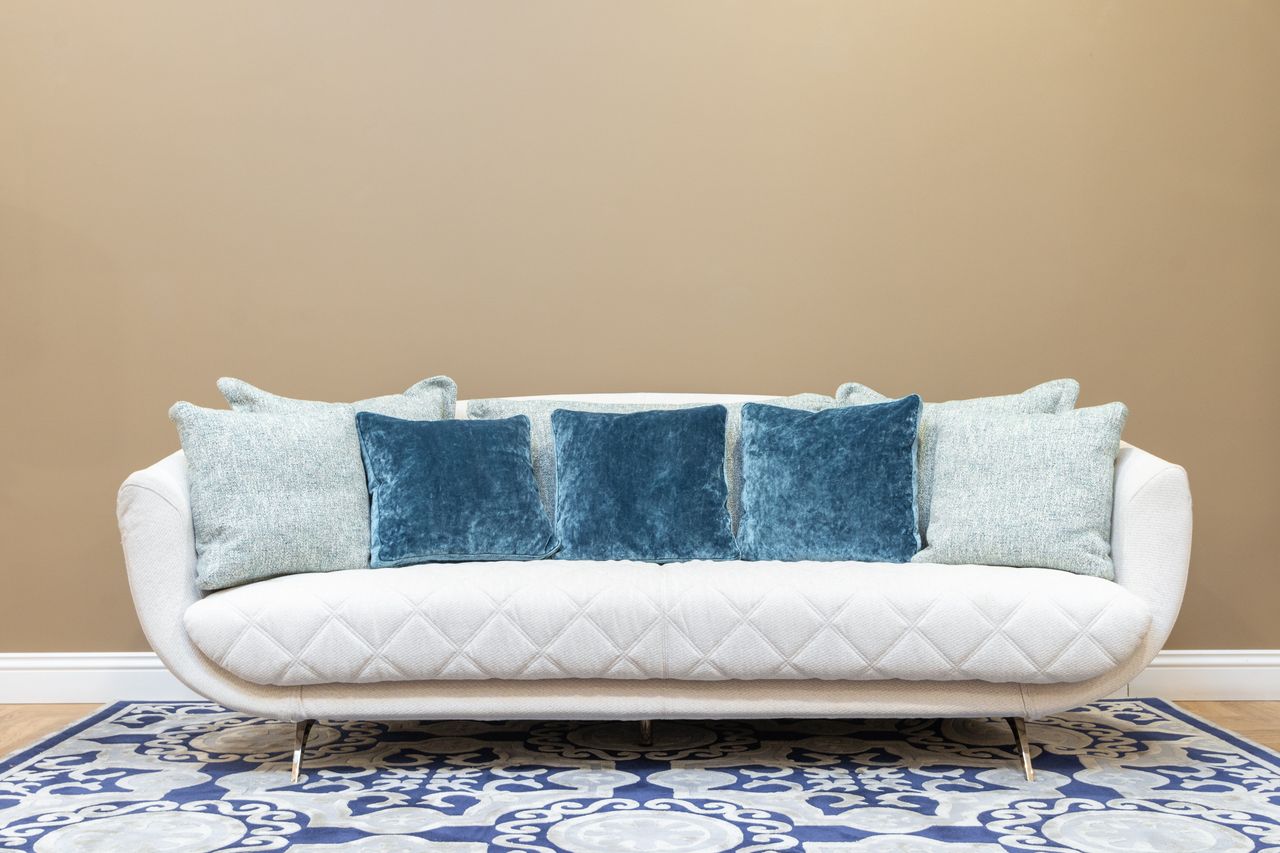
A warm wall color makes a white sofa look intentional — Photo via Pexels
Paint is the best value change in a living room, and you rarely need to paint the whole room. One accent wall behind the sofa changes how every other piece looks, often for under $60 in paint and supplies. Warm white is the safe choice that brightens a dark room, while a deep green, navy, or warm clay on one wall adds drama without making the room feel small. Test three paint chips on the wall and look at them in morning light, afternoon light, and lamplight before you commit, because the same color can look very different at 9 a.m. and 9 p.m.
Renters do not have to miss out. Peel-and-stick wallpaper, a large piece of art in your favorite deep shade, or a tall leaning mirror can give you the same focal point with no paint at all. These renter-friendly living room ideas are full of no-damage tricks for exactly this situation, from adhesive hooks to tension rods. Whichever route you take, keep the other three walls calm. One strong wall looks confident; four loud walls just look loud.
6. Layer the Lighting
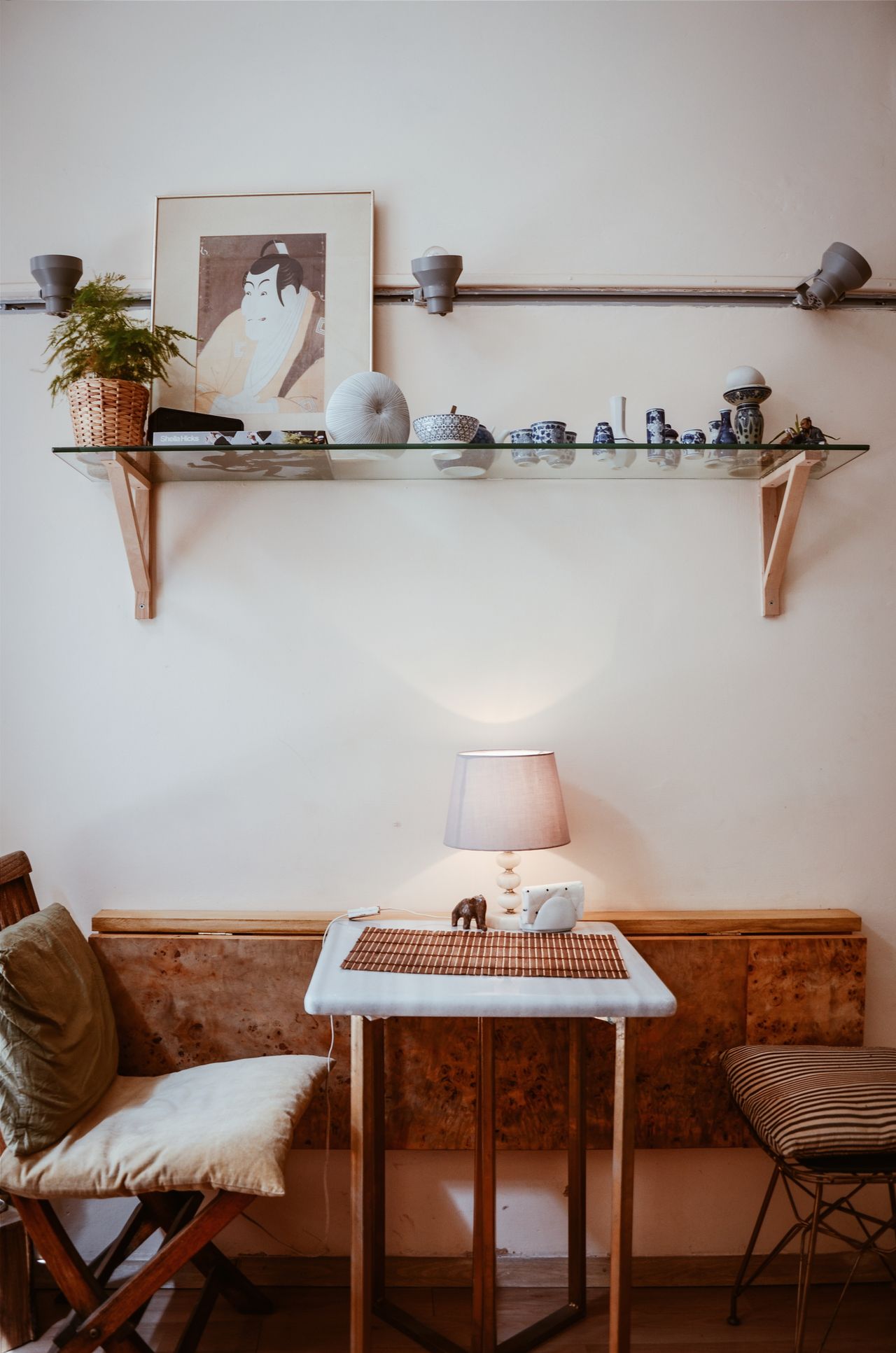
One warm lamp softens a whole corner after dark — Photo via Pexels
Most living rooms rely on one harsh ceiling light, and that single light is often why a room feels flat after dark. Designers instead layer three kinds of light: a general light for the whole room, a task light beside the sofa for reading, and a small accent light on a shelf or in a dark corner. You do not need to buy all three at once. Start with a floor lamp in the darkest corner and warm bulbs around 2700K, which give a soft golden glow instead of a cold office white. Put the main lamps on dimmers if you can, because dimmed warm light in the evening is the cheapest luxury there is.
Pay attention to lamp height and shade, too. A table lamp should sit so the bottom of the shade is about eye level when you are seated, so you get light on your book without glare in your eyes. Clean dusty bulbs and shades, because dust alone can dim a lamp more than you think. If you work or read in the room, place the task lamp on the side of your non-writing hand to avoid shadows on the page. Good lighting will not just make the room prettier; it will make you want to spend time in it after sunset.
7. Add Greenery That You Can Keep Alive
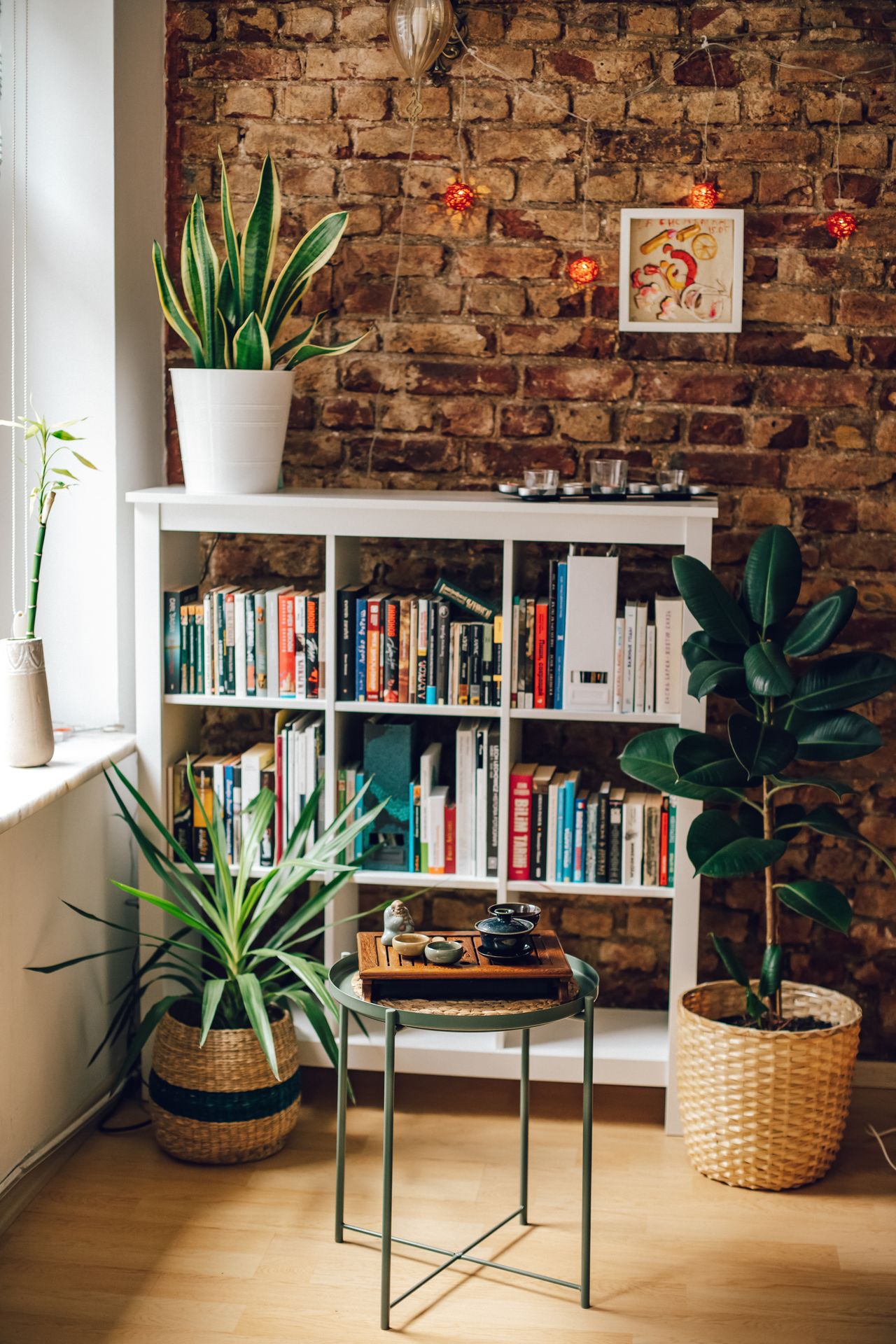
Houseplants at different heights fill an empty corner — Photo via Pexels
Nothing makes a room feel alive faster than a plant, and you do not need a jungle to get the effect. One tall plant in a corner, like a snake plant, a ZZ plant, or a fiddle leaf fig, draws the eye upward and makes the ceiling feel higher. Group plants at three heights — tall on the floor, medium on a side table, small on a shelf — for a layered look that feels natural instead of lined up like soldiers. Homeowners in forums and design guides point to greenery first when they name a low-cost, instant lift, and it is easy to see why: green softens hard furniture and adds color without a single paint stroke.
Be honest about your light and your habits before you buy. A sunny window suits a fiddle leaf fig; a dark corner suits a snake plant or pothos, both of which forgive missed watering. Always use pots with drainage holes and a saucer underneath to protect floors, and check the soil with your finger before watering — most houseplants die from too much water, not too little. If real plants stress you out, one convincing faux stem in a vase, plus fresh flowers on the coffee table when guests come, still gives you the color and life without the daily care.
8. Change the Art, Not the Walls
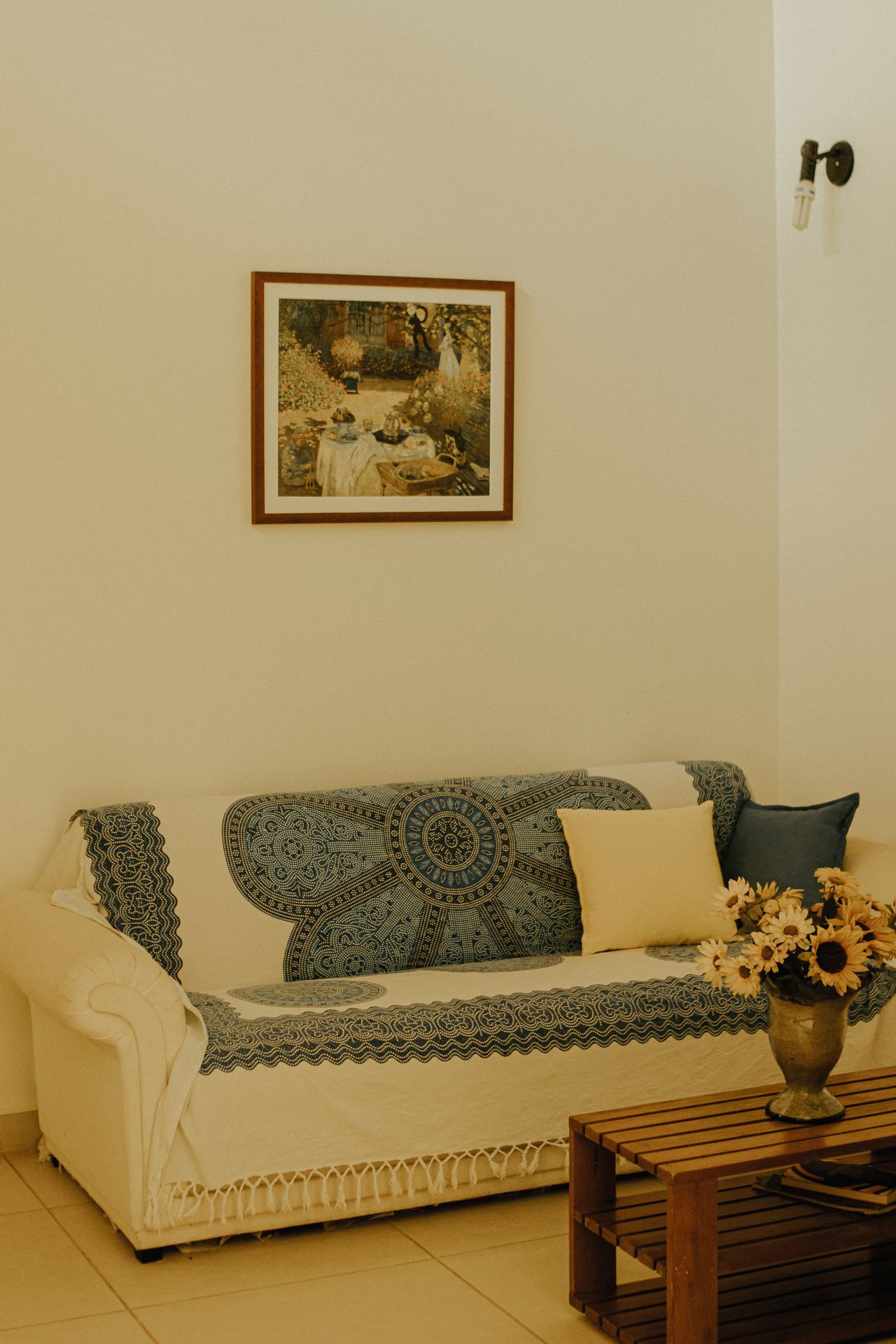
One framed piece above the sofa sets the tone for the wall — Photo via Pexels
If your wall art has hung in the same spot for years, your eyes have stopped seeing it. Swap a piece from another room, turn a large print to a different wall, or build a small gallery from frames you already own. Hang the center of the main piece about 57 to 60 inches from the floor, which is close to average eye level, and hang art above a sofa about 6 to 8 inches above the sofa back. Art hung too high is a classic mistake: it floats away from the furniture and makes the whole wall feel disconnected.
You do not need expensive art to make this work. A large framed photo you took yourself, a free museum print, a child's drawing in a clean frame, or a piece of fabric stretched over a frame can all look intentional if the frame is simple and the size is right. Aim for art about two-thirds as wide as the sofa below it. If you have several small pieces, group them close together with just 2 to 3 inches between frames so they read as one display instead of scattered spots on the wall. Step back, squint, and check that the group forms one rough shape rather than a random trail.
9. Dress the Windows for Daylight
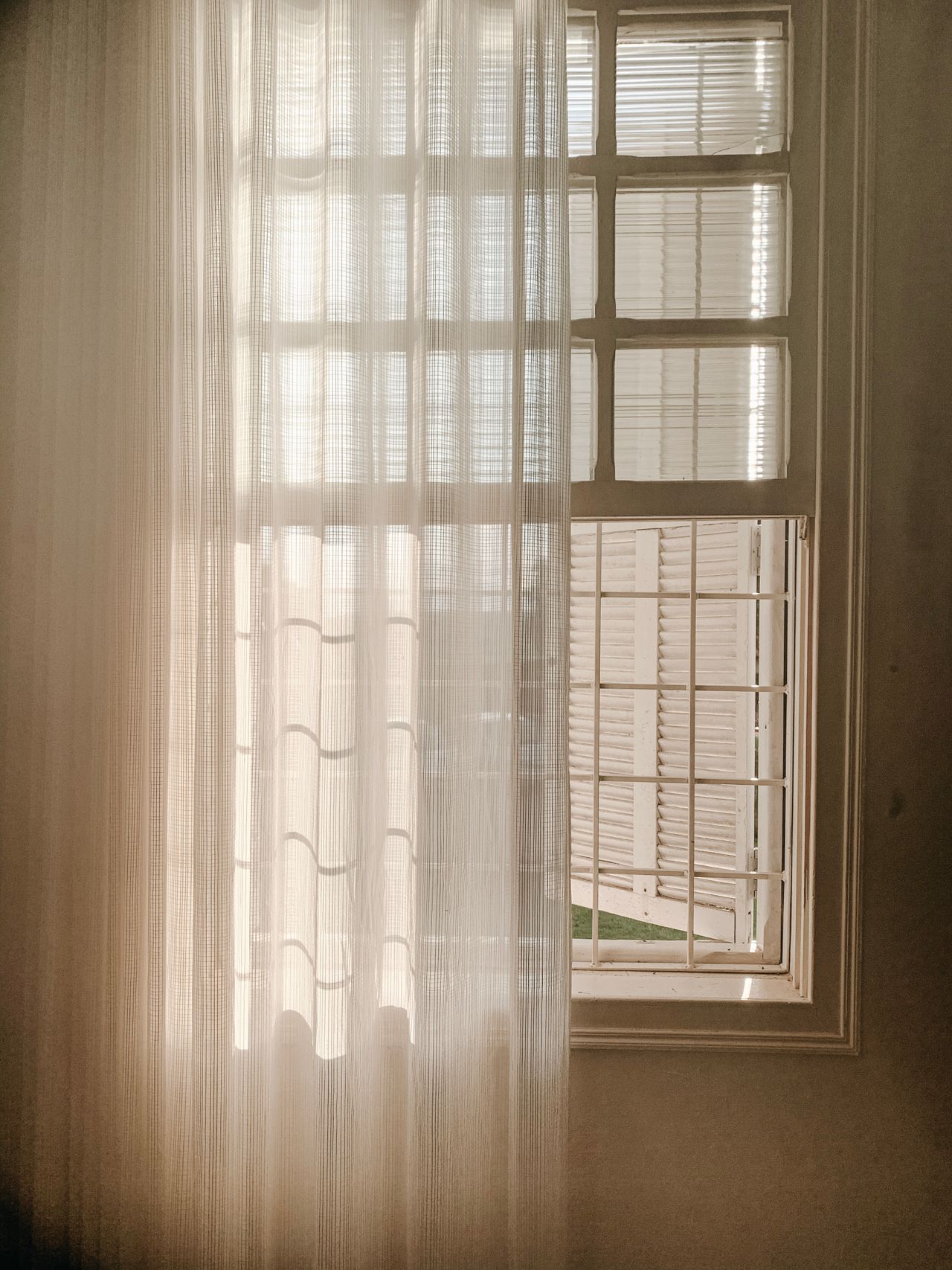
Sheer curtains soften daylight without blocking it — Photo via Pexels
Windows decide how big and how bright a living room feels, and heavy or dusty curtains can undo all your other work. Start by washing the windows inside and out and cleaning the curtain fabric if it is washable. Readers are often surprised by how much brighter a room looks after this free step alone, because dirty glass and dusty fabric quietly block a lot of light. Then look at the curtain length and height: hang the rod 4 to 6 inches above the window frame, or close to the ceiling in a room with low ceilings, and let the curtains just brush the floor. That extra height makes the window, and the room, look taller.
Sheer white curtains are a good middle ground if you want privacy without darkness, since they soften harsh sun while still letting daylight through. For evening privacy, add a heavier outer curtain on the same rod, or use a simple roller blind behind the sheers. Avoid curtains that stop halfway down the wall unless the window sits above a radiator or built-in seat, because short curtains tend to chop the wall in half. If your windows face a dull view, a sheer layer also blurs the outside just enough to keep the focus inside the room.
10. Style the Coffee Table Last
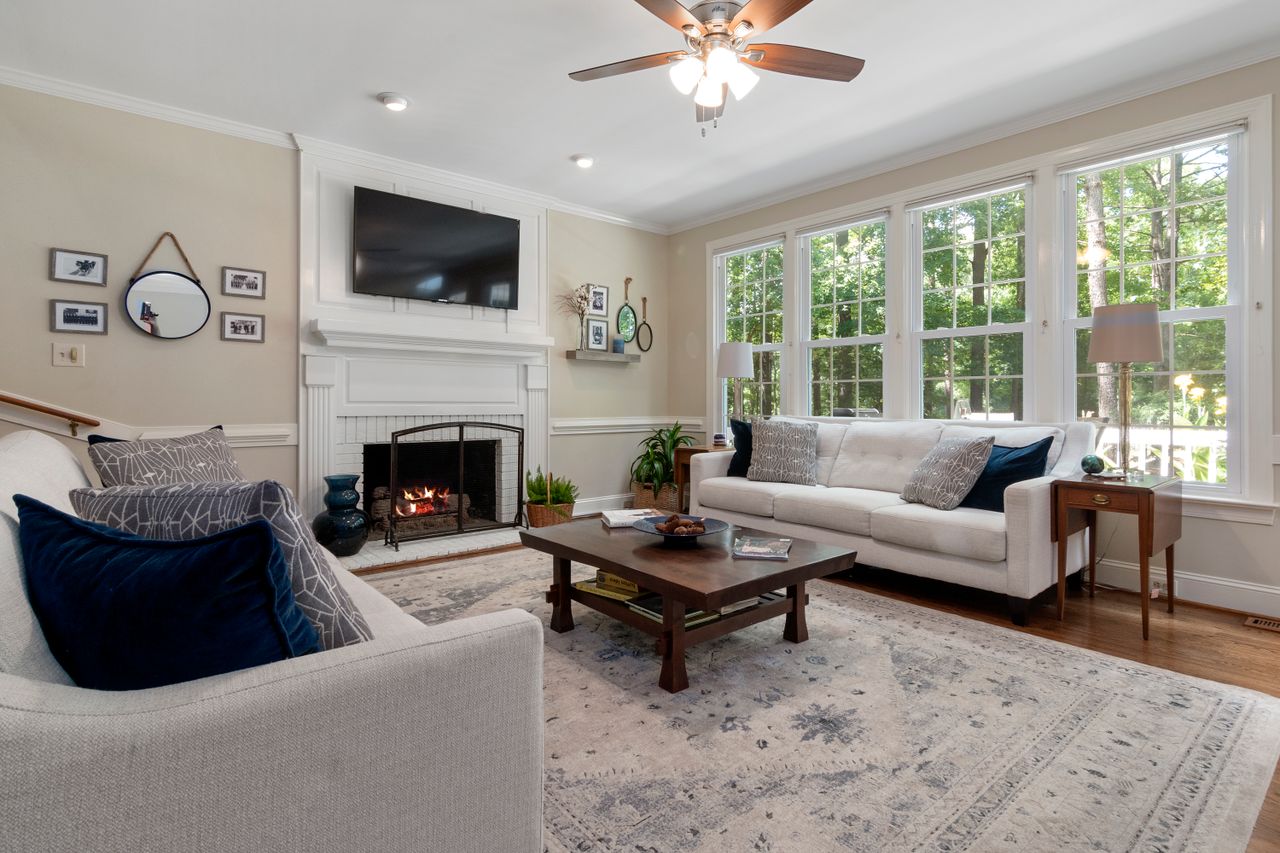
A simple coffee table display leaves room for daily life — Photo via Pexels
Style the coffee table last, because it is the easiest surface to overfill. Start with the rule of three: a tray, a stack of two books, and one small plant or candle will almost always look better than six unrelated items scattered across the top. A tray is the secret weapon here, since it gathers the remote, the coasters, and the candle into one neat island and leaves the rest of the table free for cups and books. Keep the display low enough that people can see each other across the table, and leave at least half the surface empty on purpose. If you need help with size and placement, these living room table set ideas walk through coffee table length, height, and distance from the sofa.
Finish with the senses people notice without thinking: a candle or diffuser in a calm scent like linen or citrus, a soft throw folded nearby, and a clear spot for a guest's drink. Open the windows for ten minutes to let in fresh air, fluff the pillows one more time, and straighten the rug corners. That last ten-minute reset is what turns a styled room into a welcoming one. Do it every Sunday evening, and the room will stay feeling fresh long after the big update weekend is over.
Frequently Asked Questions
Can I update a living room without buying new furniture?
Yes. Move the furniture, clear clutter, wash the curtains, swap pillow covers, and change the light bulbs. Those five free or low-cost steps change how the room looks and feels before you spend anything on new pieces.
What is the cheapest change that makes the biggest difference?
Rearranging the furniture, followed closely by warm lighting. Both cost little or nothing, and both change the room every time you walk in, day and night.
How big should a living room rug be?
Big enough for the front legs of the sofa and chairs to sit on it. For most sofas, an 8 by 10 foot rug works well, with 12 to 18 inches of bare floor between the rug and the walls.
How many pillows should I put on a sofa?
Three to five is plenty for most sofas: larger solid pillows at the back, a patterned pillow in front, and one small accent pillow. More than that starts to look crowded and leaves no room to sit comfortably.
What if I rent and cannot paint the walls?
Use peel-and-stick wallpaper on one wall, lean a large piece of art, hang curtains on a tension rod, or add color through pillows, throws, and a rug. All of these move with you and leave no damage behind.
Final Thoughts
A fresh living room is not about having perfect taste or a big budget. It is about making one good change, living with it, and then making the next one. Move the furniture this weekend. Clear one shelf. Swap two pillow covers. Add one warm lamp. Each small step makes the next one easier to see, and before long the room you walk into will feel like a place you chose, not a place you just ended up with.
Start with the idea that bothers you most when you walk in the door. That is usually the right first move, because it is the thing you will notice every day. Fix that one thing well, enjoy it for a week, and then pick the next idea from this list. Slow, steady updates also give your home time to develop character, instead of looking like it was bought in one afternoon from one store.
Sources
- Real Simple: 10 Ways to Refresh a Tired Living Room Without Overspending
- From House to Home: Quick and Easy Living Room Refresh Ideas Under a Day
- Good Homes: Big Style, Small Budget: Refresh Your Living Room
Gallery
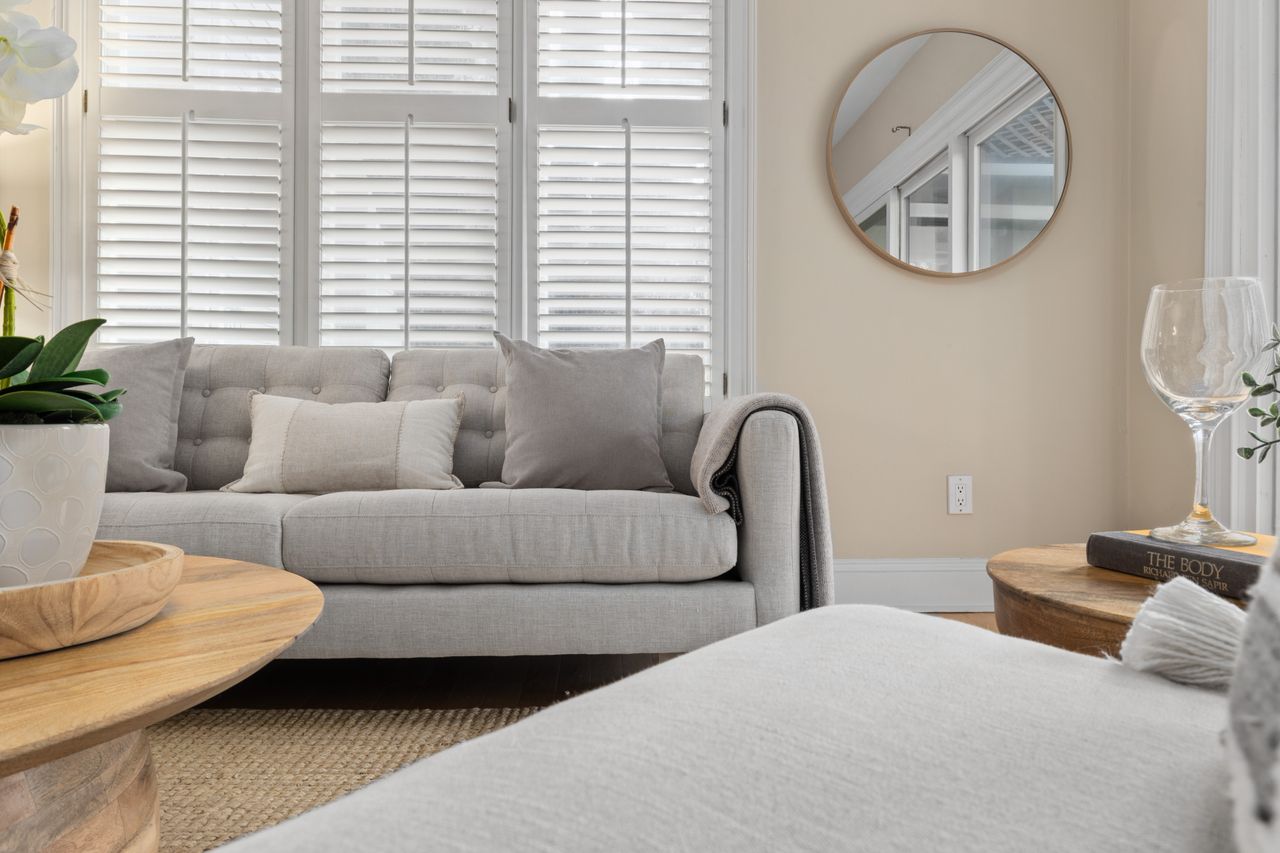
Gray sofa with shutters and a round mirror — Photo via Pexels
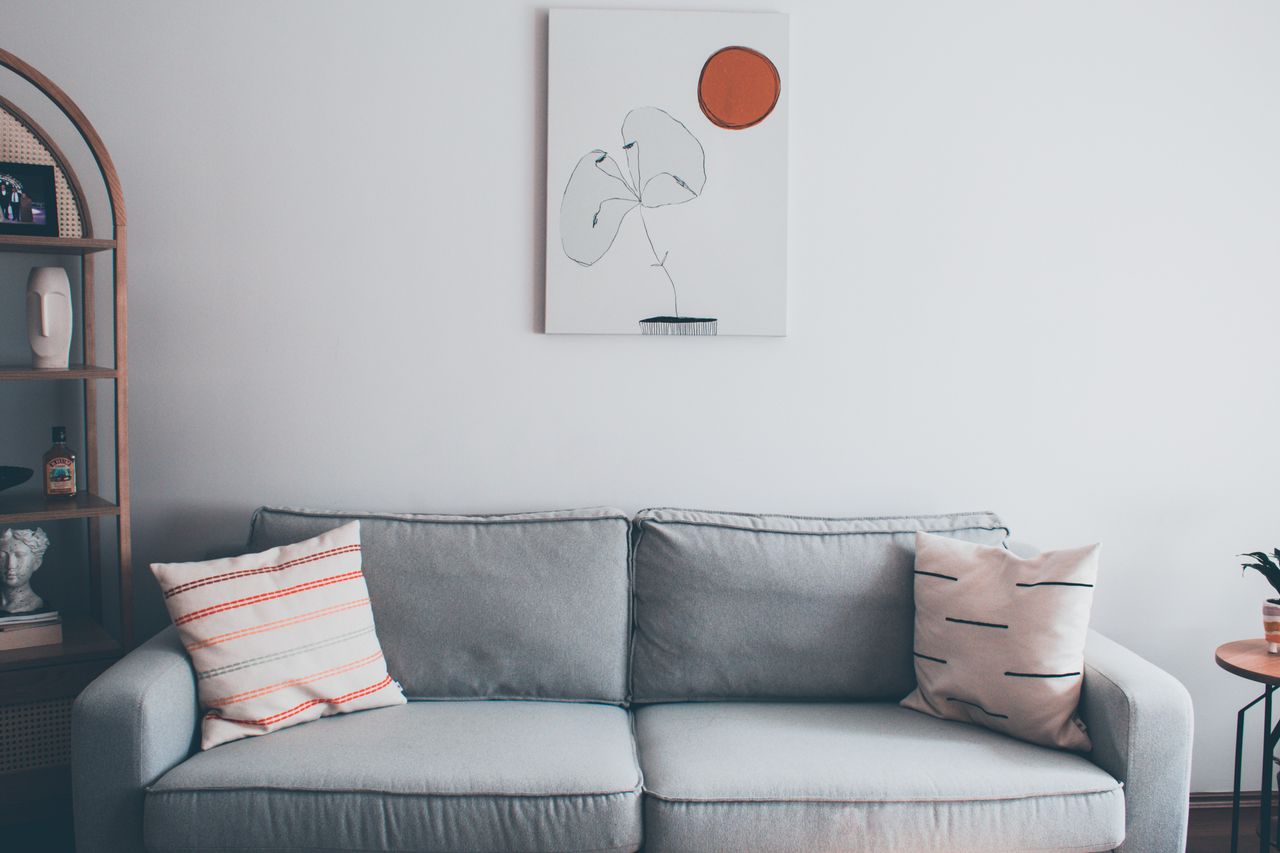
Gray sofa with simple abstract art — Photo via Pexels
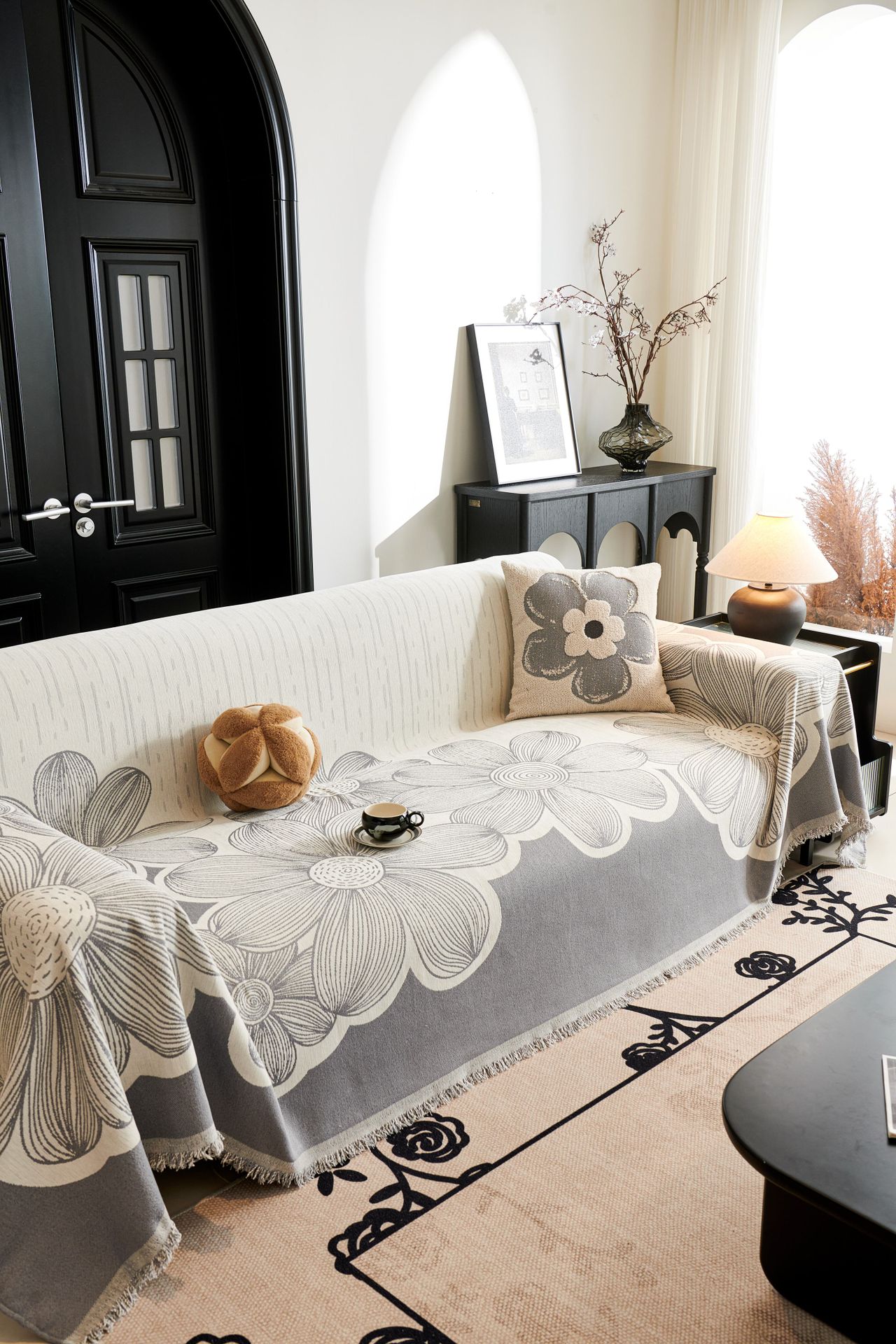
Sofa with a floral cover in a bright room — Photo via Pexels

No comments:
Post a Comment