A neighbour's second-storey window, a busy sidewalk, or a deck that faces the street can make an outdoor space feel exposed. Metal privacy screens solve that problem without the weight and upkeep of a full fence. They are slim panels of steel or aluminum, often with a cut-out pattern, that block sightlines while still letting light and air through.
In Canada, where patios get heavy use from May to September and sit through snow the rest of the year, the material matters. Powder-coated aluminum resists rust, weathering steel develops a protective patina, and most panels are light enough for one person to install. If you are planning the wider space too, our covered patio ideas attached to the house pair well with the screening ideas below. These ten ideas show how to use metal screens, from a single decorative panel to a full run of screening.
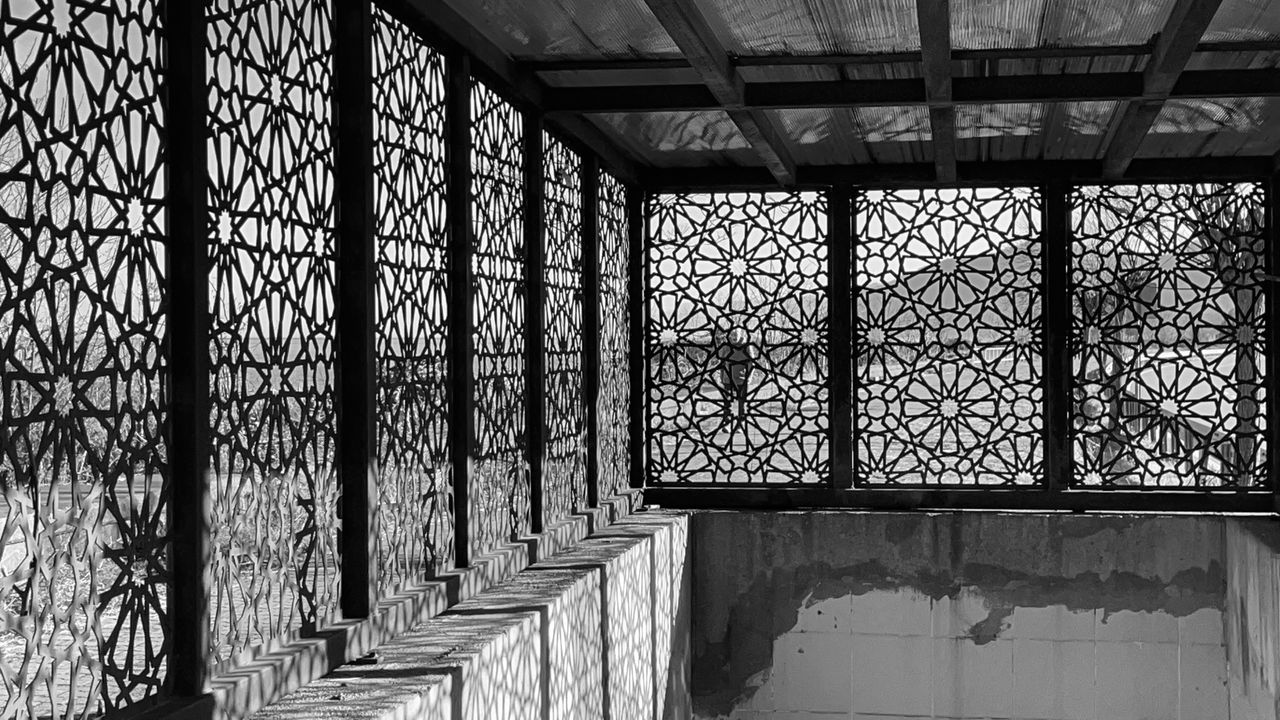
Photo: Canan İldeniz via Pexels
Table of Contents
- 1. Laser-Cut Decorative Panels
- 2. Corten Steel Screens
- 3. Freestanding Screen Dividers
- 4. Screens with Climbing Plants
- 5. Balcony Privacy Screens
- 6. An Outdoor Dining Nook
- 7. Hide the Ugly Stuff
- 8. A Full Screen Fence Run
- 9. Screens with Evening Lighting
- 10. A Decorative Garden Gate
1. Laser-Cut Decorative Panels
Laser-cut panels are the most popular style of metal screen, with patterns ranging from maple leaves and trees to simple geometric grids. A standard panel measures about 120 by 180 cm and costs between $150 and $400 CAD, depending on the metal and the complexity of the design. Mount two or three in a row on steel posts to form an instant privacy wall.
Look for powder-coated aluminum if your patio is exposed to rain and snow. The coating seals the metal so it will not rust, and it comes in colours like matte black, bronze, and charcoal that suit most outdoor furniture. Keep the pattern open enough — around 40 to 50 percent solid — so the space behind the screen still gets daylight.
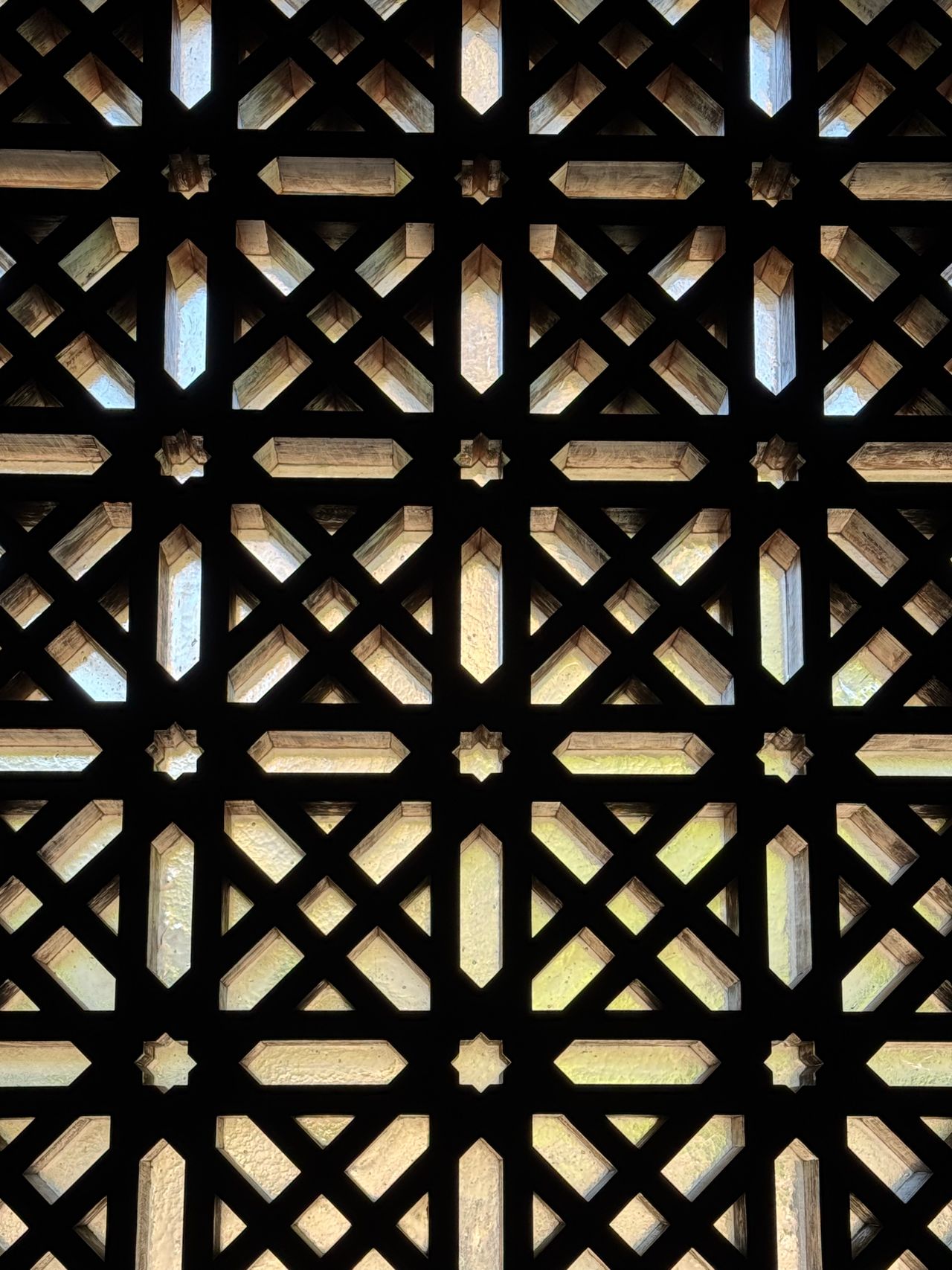
Photo: Petra Nesti via Pexels
2. Corten Steel Screens
Corten, also called weathering steel, is a metal that forms its own rust-coloured patina. That layer is not damage; it seals the surface and stops further corrosion, so the panel never needs painting. The warm orange-brown colour looks striking against green planting and grey stone.
Because the patina develops over the first few months, expect some rusty runoff at the start. Set the panel on a gravel strip or pavers rather than a light-coloured deck until the finish settles. A 3 mm thick Corten panel is rigid enough to stand between two posts with no frame, which gives a clean, modern look.
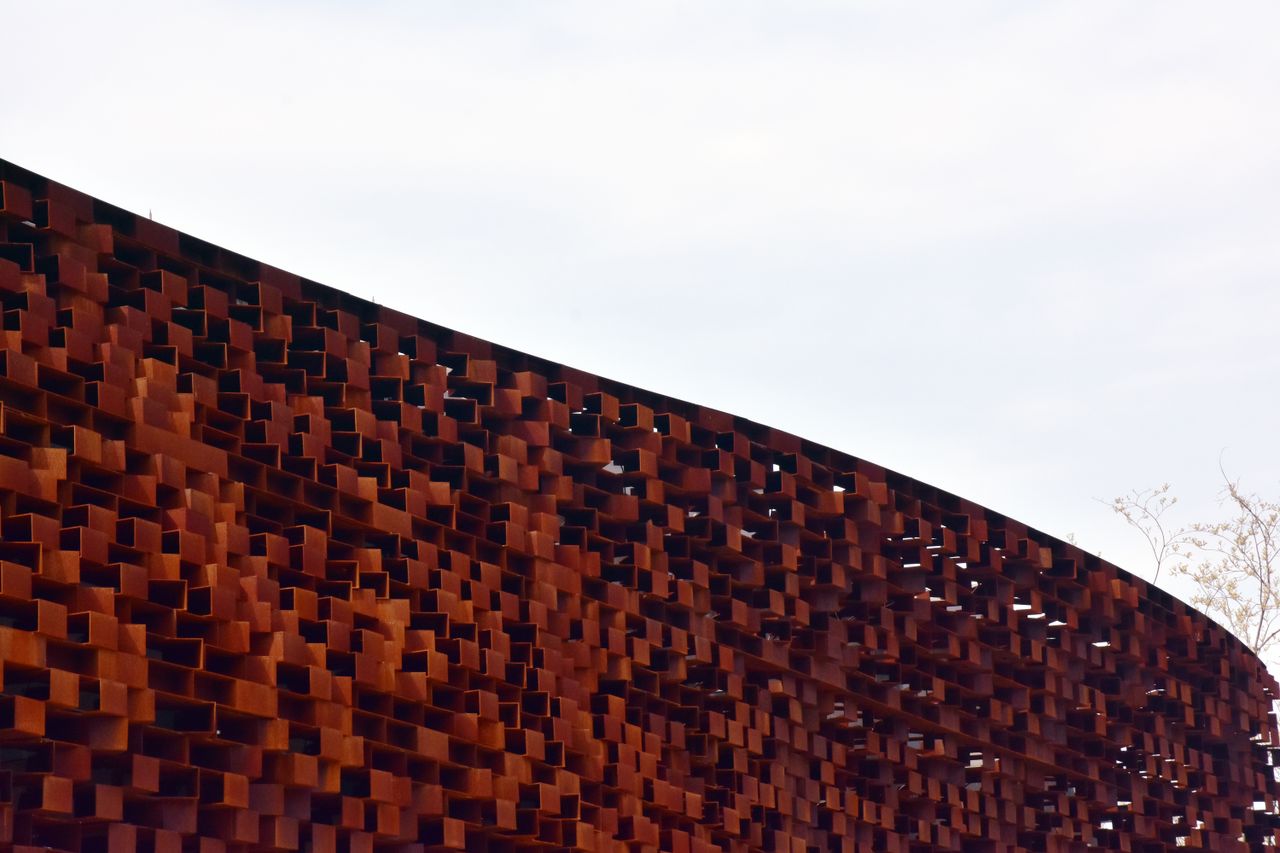
Photo: Raven Zhou via Pexels
3. Freestanding Screen Dividers
Not every privacy problem needs posts in the ground. Freestanding screens come with weighted feet or a fold-out base, so you can move them wherever the neighbours' sightline is worst. They are ideal for renters and for patios where digging post holes is not an option.
Choose a divider at least 180 cm tall if you want to block standing sightlines, and check that the base is heavy enough for wind — a panel that catches the breeze needs 20 kg or more per foot in an open yard. In autumn, fold them flat and store them in the garage to protect the finish from winter ice.
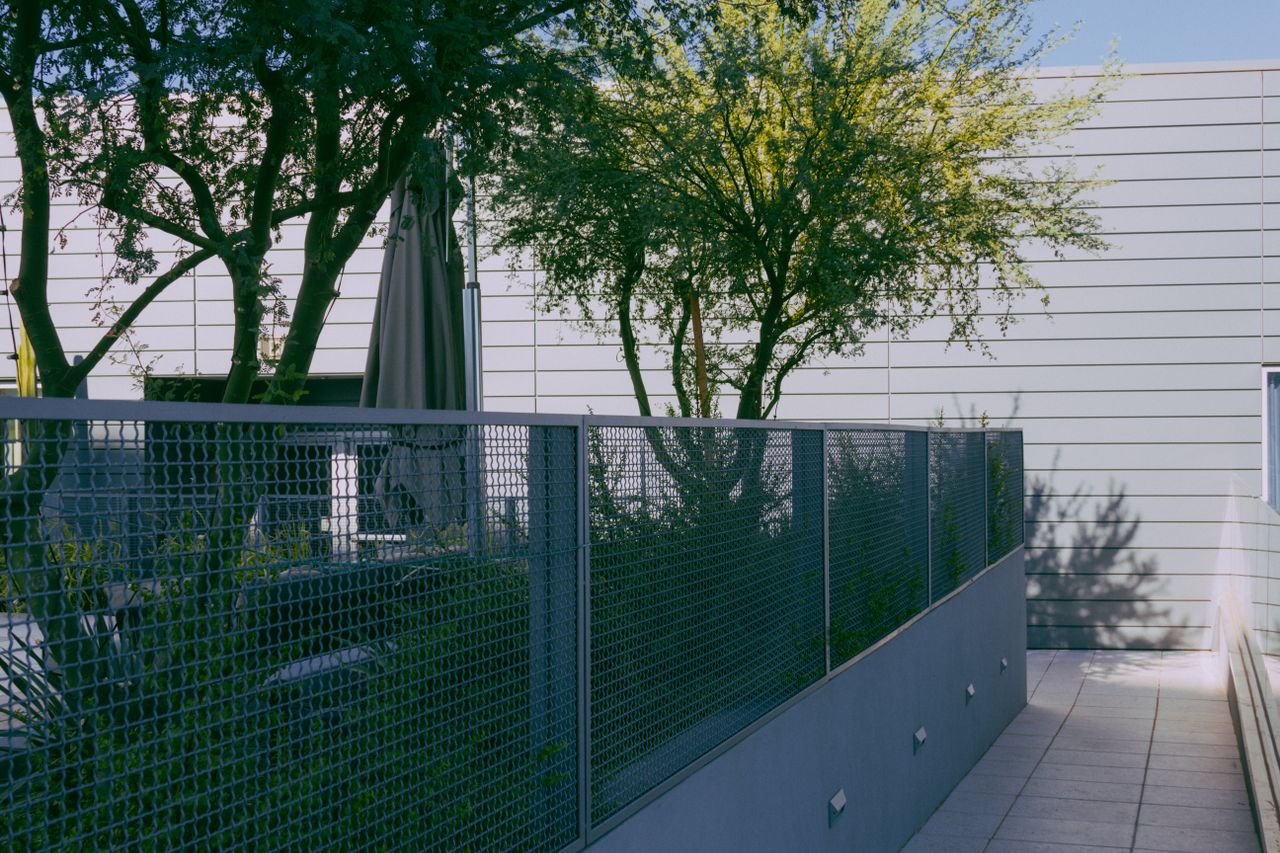
Photo: mars l via Pexels
4. Screens with Climbing Plants
A metal screen becomes a living wall when you train plants up it. The open pattern of a laser-cut or mesh panel is perfect for clematis, Virginia creeper, or hardy climbing roses, all of which survive Canadian winters in zones 3 to 5. Plant at the base in spring and guide the first shoots through the openings with soft ties. For more planting inspiration along boundaries, see our landscaping ideas along a fence.
Give the roots a proper bed — at least 30 cm of good soil mixed with compost — and water deeply through the first summer. By the second year, the foliage fills in and the metal nearly disappears behind leaves and flowers, giving you privacy that changes with the seasons.
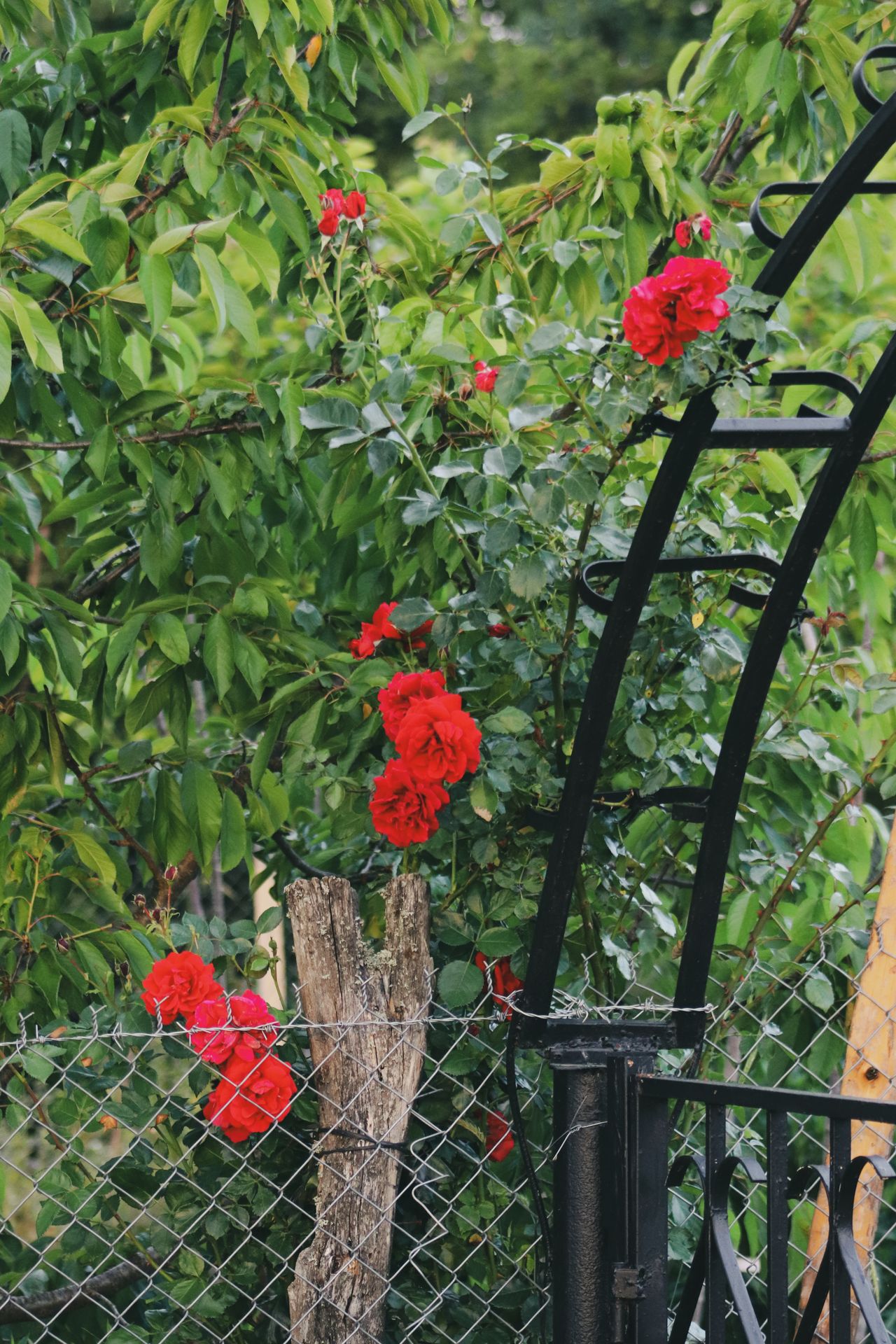
Photo: Gizem Gökce via Pexels
5. Balcony Privacy Screens
Balcony railings leave you fully visible to the building next door, but a full fence is usually against condo rules. Narrow metal panels, 60 to 90 cm wide, clamp directly to the railing without drilling. Many are designed to match the height of a standard railing plus a little extra.
Before you buy, check your condo board's rules on balcony modifications — most allow clamp-on screens but ban anything screwed into the building. Our condo balcony garden ideas show how to combine screening with planting. Choose aluminum for the light weight, and pick a pattern that blocks the view from the neighbouring balcony while keeping your own outlook pleasant.
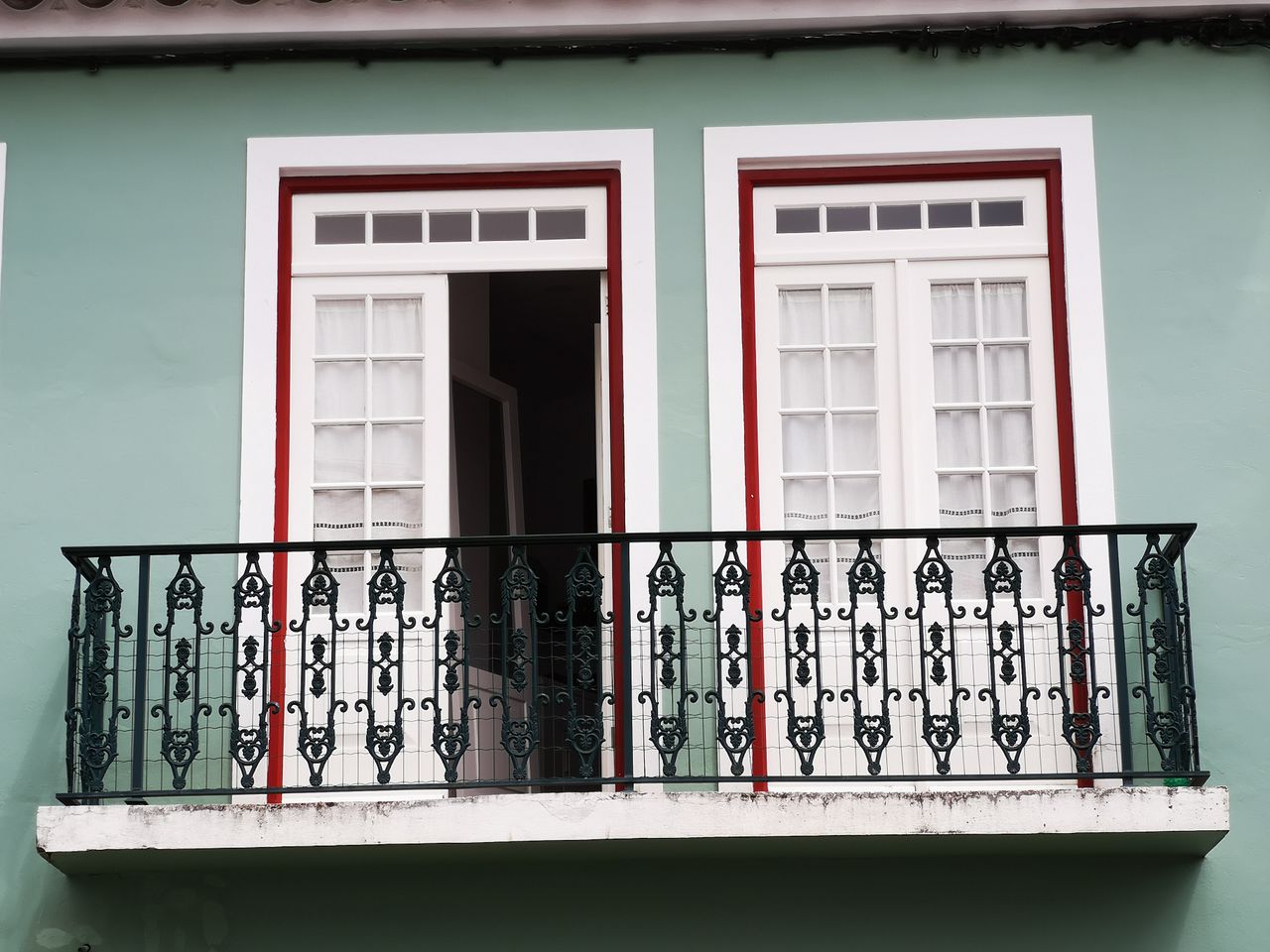
Photo: Nuno Gonçalves via Pexels
6. An Outdoor Dining Nook
An L-shaped arrangement of two screens turns a corner of the patio into a sheltered dining nook. The screens cut the wind that cools food and blows out candles, and they give the table a sense of enclosure that makes meals feel more private. Two 180 cm panels set at a right angle are enough for a four-person table.
Anchor the panels to the patio with bolt-down feet if the nook is permanent, or use heavy planter bases so the setup can move. Face the open side toward the garden and the screened sides toward the neighbours or the street for the best balance of view and privacy.
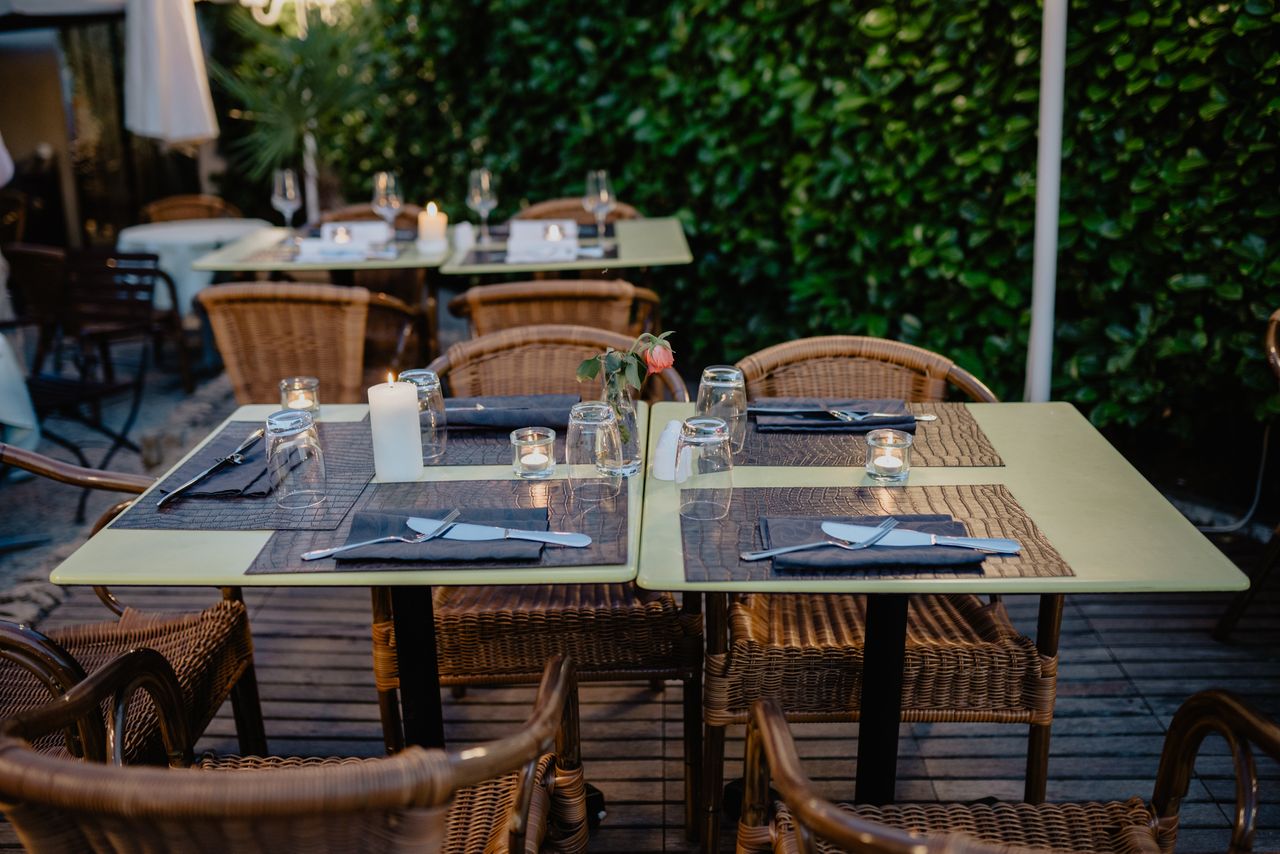
Photo: Boris Ivas via Pexels
7. Hide the Ugly Stuff
Every yard has something worth hiding: the air-conditioning unit, garbage bins, or the pool pump. A low metal screen, 90 to 120 cm tall, conceals these eyesores while keeping them easy to reach. Unlike a hedge, it looks tidy from day one and never needs trimming.
Leave at least 60 cm of clearance around an air conditioner so it can draw air freely — blocking its airflow raises your cooling bill and shortens the unit's life. For bins, leave the screen open at one end or fit a small gate so collection day is not a wrestling match.

Photo: Shixart1985 via Wikimedia Commons
8. A Full Screen Fence Run
When you need real seclusion, run metal panels post to post along the whole property line. Set steel posts every 180 cm in concrete footings that go below the frost line — 120 cm deep in most of Canada — so the fence does not heave in winter. Panels then bolt between the posts in an afternoon.
Check your municipal bylaw before you build: most Canadian cities cap backyard fences at about 2 m, and some require permits above a certain height. A run of decorative panels reads lighter than a solid wood fence, so neighbours are less likely to object, and the pattern lets the garden feel open rather than boxed in.

Photo: Vlad Chețan via Pexels
9. Screens with Evening Lighting
A metal screen looks completely different after dark when it is lit. A low-voltage spotlight placed 60 to 90 cm in front of the panel throws the cut-out pattern as shadows across the patio, doubling the decoration. Solar spotlights work well and need no wiring.
For a softer effect, run a warm-white LED strip along the back of the frame so the panel glows from behind. Keep lights at 2700K for a cosy amber tone, and put them on a timer so they switch off by midnight — your neighbours will thank you.
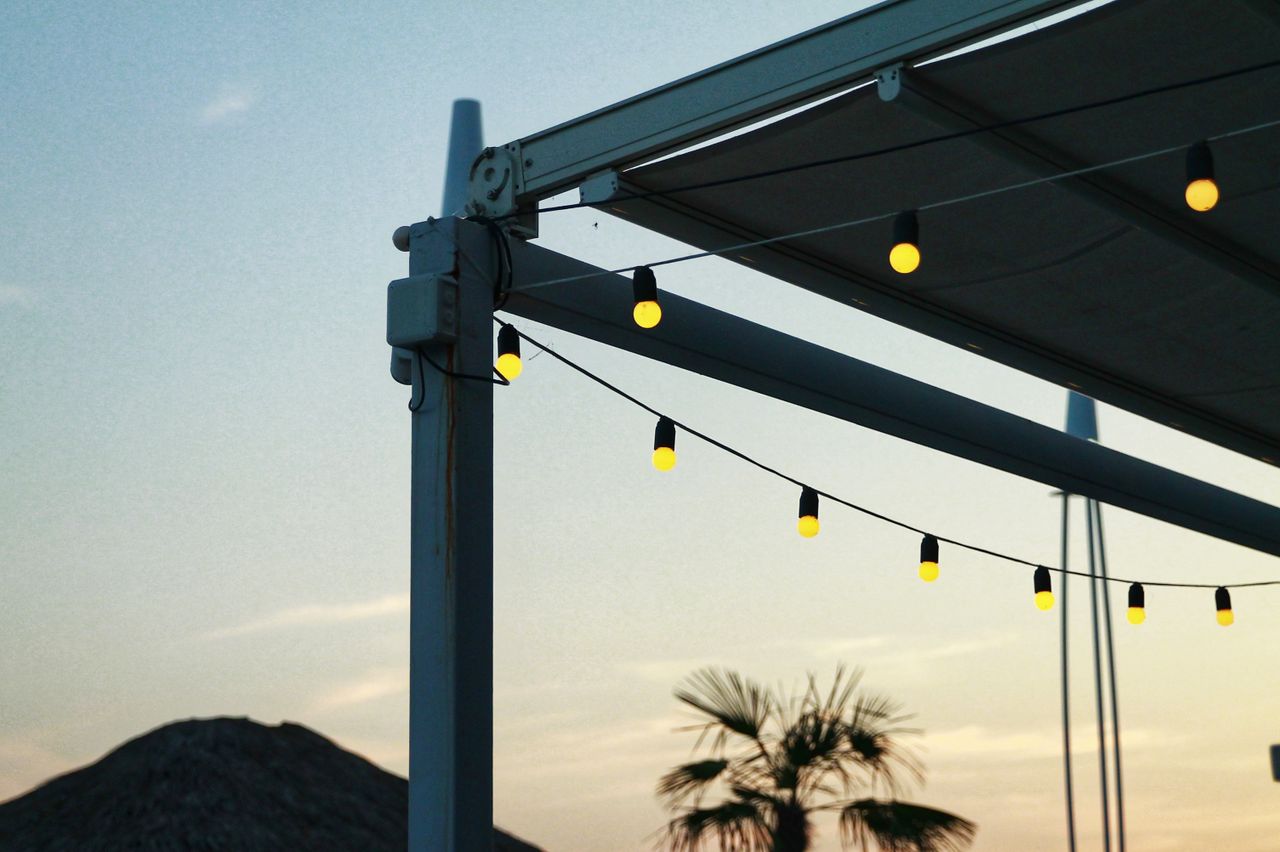
Photo: Alina Rossoshanska via Pexels
10. A Decorative Garden Gate
A single decorative panel makes a gate that is both an entrance and a piece of art. Have the panel framed in a steel tube frame, hung on heavy-duty hinges, and fitted with a simple latch. At 90 to 100 cm wide it suits a garden path; go 120 cm if you need to wheel a barrow through.
Match the gate's pattern to the other screens in the yard so the whole space feels designed rather than pieced together. A small solar cap light on the gate post marks the entrance at night and costs under $20 CAD.
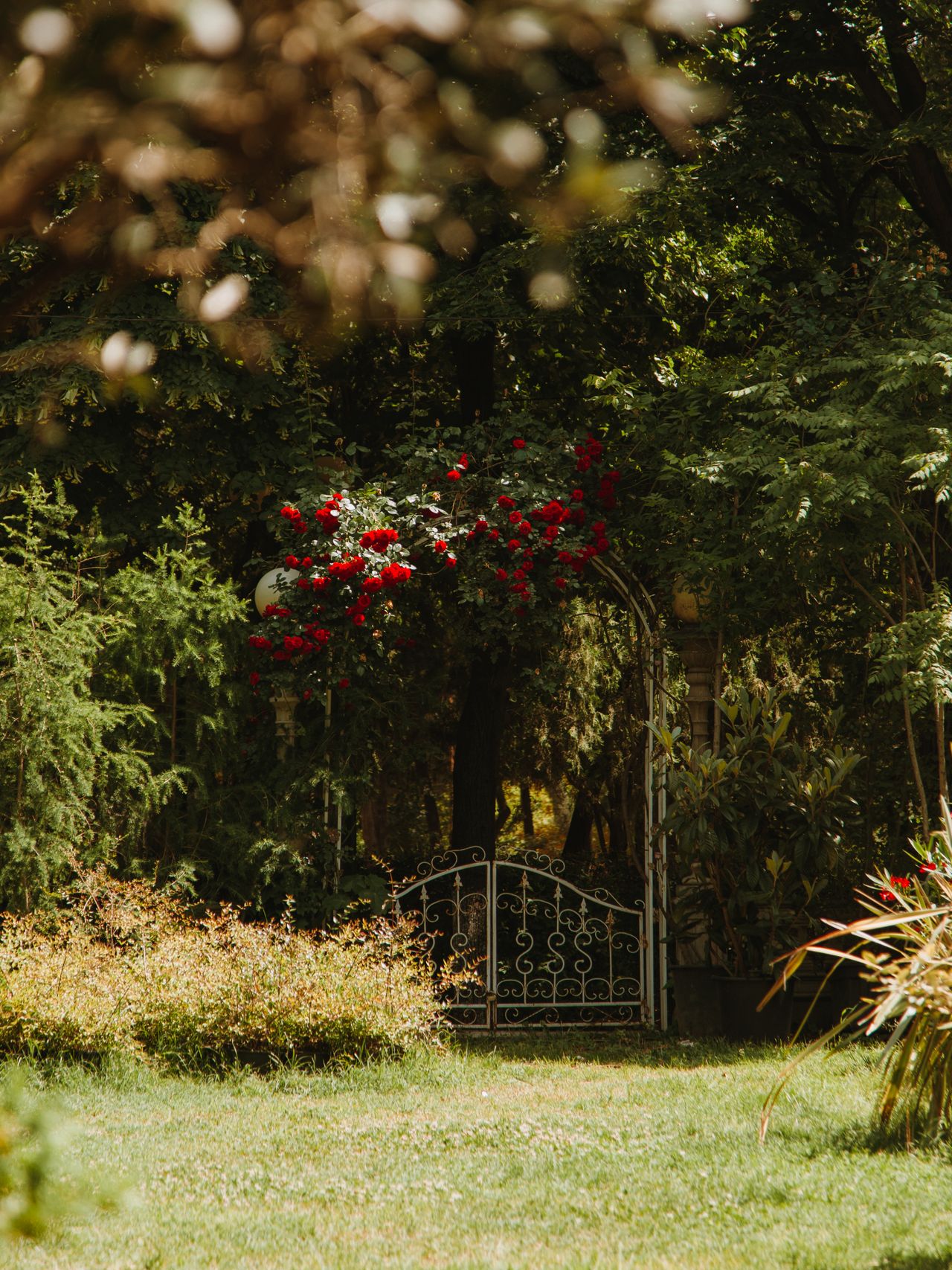
Photo: ROMAN ODINTSOV via Pexels
FAQs
Will metal privacy screens rust in a Canadian winter?
Powder-coated aluminum will not rust at all. Painted steel can chip and rust where the coating is damaged, so touch up scratches before winter. Corten steel rusts on purpose — its patina protects it.
How much do privacy screen panels cost in Canada?
Expect $150 to $400 CAD per decorative panel, $100 to $200 for plainer mesh or slat styles. Posts, footings, and hardware add roughly $50 to $100 per panel if you install it yourself.
Can I install them without pouring concrete?
Yes. Freestanding screens with weighted bases need no footings, and bolt-down feet work on existing patios and decks. For a permanent fence run, though, concrete footings below the frost line are the reliable choice.
Are they allowed on condo balconies?
Usually, if they clamp on without drilling into the building. Always check your condo board's rules first — most restrict height, colour, and how the screen attaches.
How tall can my screen be?
Most cities allow backyard fences up to about 2 m without a permit. Freestanding decorative panels are commonly sold at 180 cm, which suits most bylaws. Front yards often have lower limits, so check before placing screens near the street.
Final Thoughts
A metal privacy screen is one of the fastest ways to make a patio feel like your own. Start with a single panel where the exposure bothers you most, live with it for a few weeks, and add more only if you need them.
With the right metal and a solid footing, these panels will outlast the deck furniture around them — and they look better every year as the garden grows in around them.
Sources
- Family Handyman — 10 Best Outdoor Privacy Screens for Secluded Decks and Patios
- Family Handyman — 10 Modern Fence Ideas for Your Backyard
Gallery
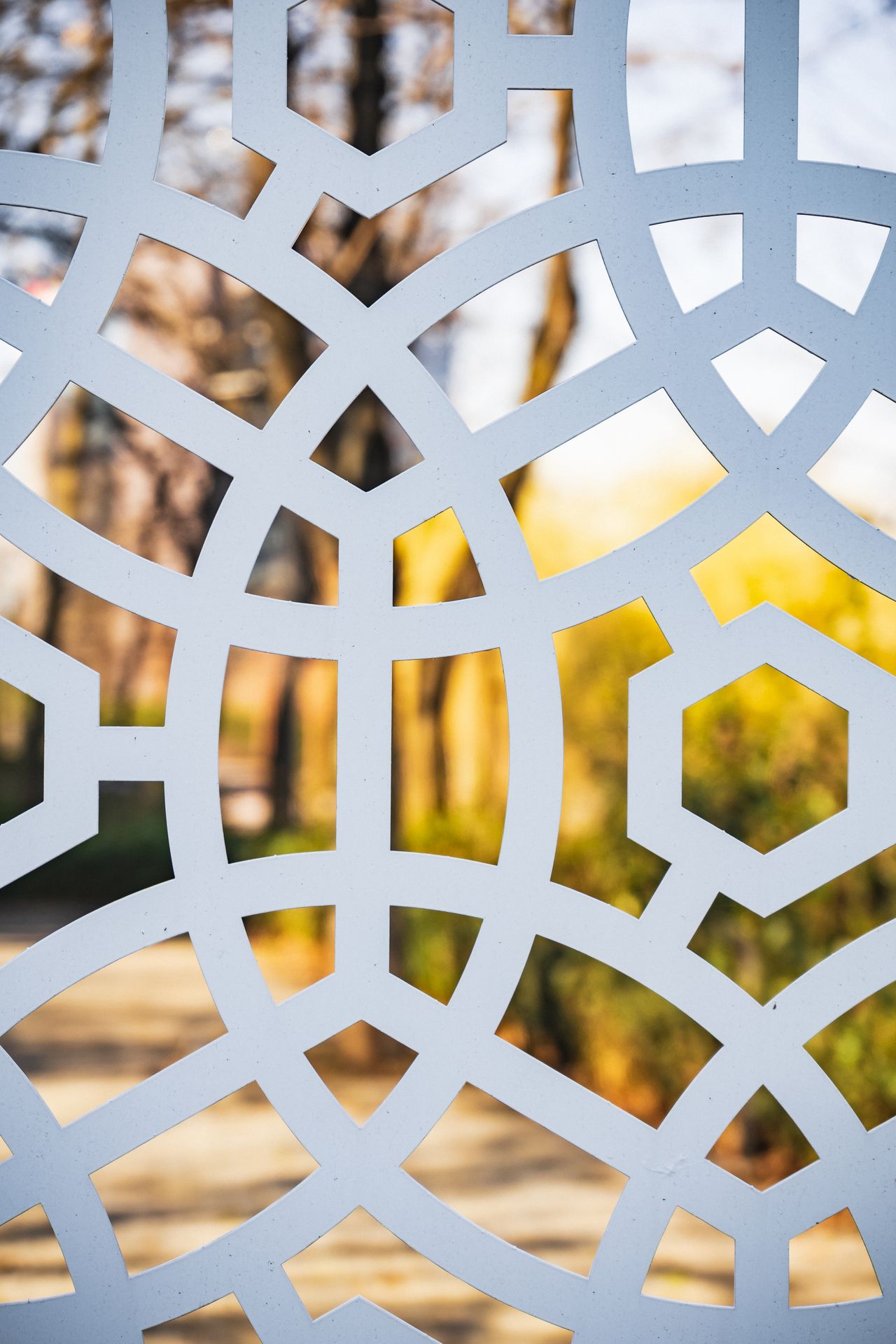
Photo: Vlad Chețan via Pexels
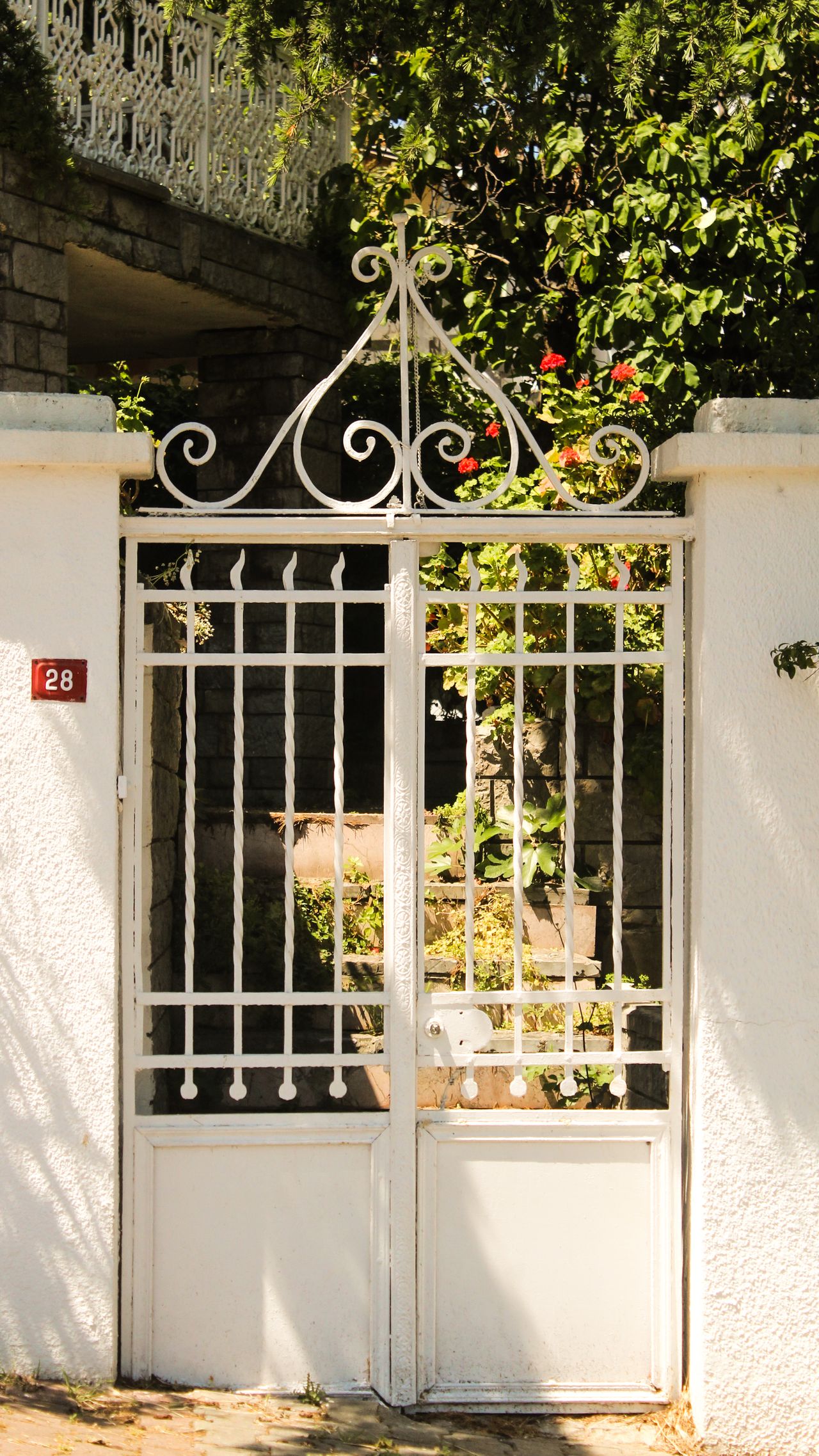
Photo: elif s. via Pexels

Photo: Acabashi via Wikimedia Commons

No comments:
Post a Comment