Moving into your first place is exciting, right up to the moment you stand in an empty room and realize you do not own a single chair, towel, or trash bag. A short, honest list of first apartment essentials fixes that. Instead of one giant shopping spree, this guide splits everything into 10 simple groups, in the order you should actually buy them. You will see real prices in US dollars, the measurements that matter, and clear notes on what can wait a few weeks. Whether your new home is in New York, Austin, Toronto, or Vancouver, the same basics apply.
Here is the honest truth first: you do not need a finished, magazine-style apartment in one weekend. You need to sleep well, take a shower, cook a simple meal, and keep the place clean. Everything else can grow slowly as your budget allows. Most people spend between $1,500 and $5,000 on essentials only, and much less when they mix in secondhand finds. Before you buy anything, measure your rooms, your closet, and every doorway the furniture must pass through. If you are still planning the layout, our guide on how to furnish a small apartment walks through the order room by room.
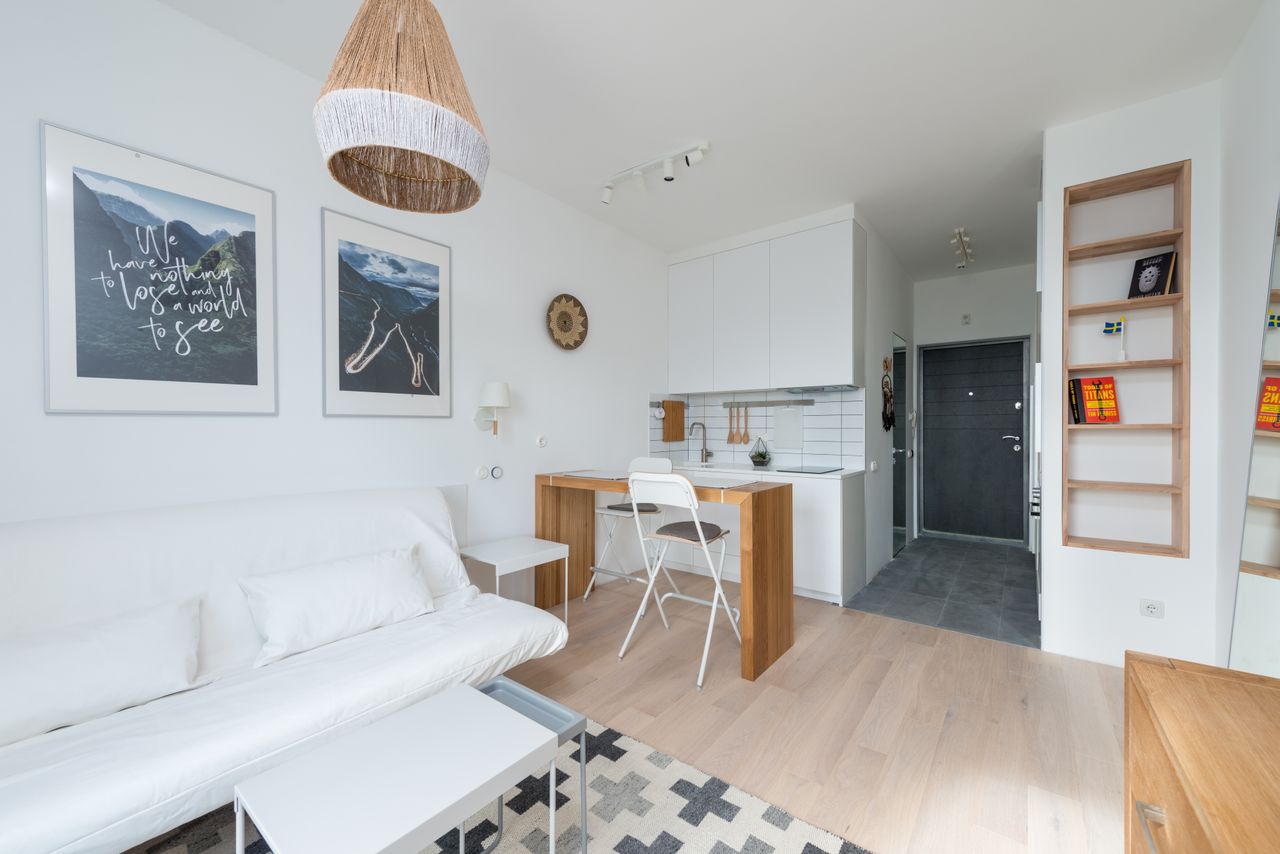
Photo by Max Vakhtbovych via Pexels
Table of Contents
- 1. A Bed and Bedding Basics
- 2. Seating That Fits
- 3. Lighting and Lamps
- 4. A Kitchen Starter Kit
- 5. A Cleaning Kit for Move-In Day
- 6. Bathroom Basics
- 7. Storage and Organization
- 8. A Basic Tool Kit
- 9. Window Coverings and Privacy
- 10. Small Comforts That Feel Like Home
- Frequently Asked Questions
1. A Bed and Bedding Basics for Your First Night
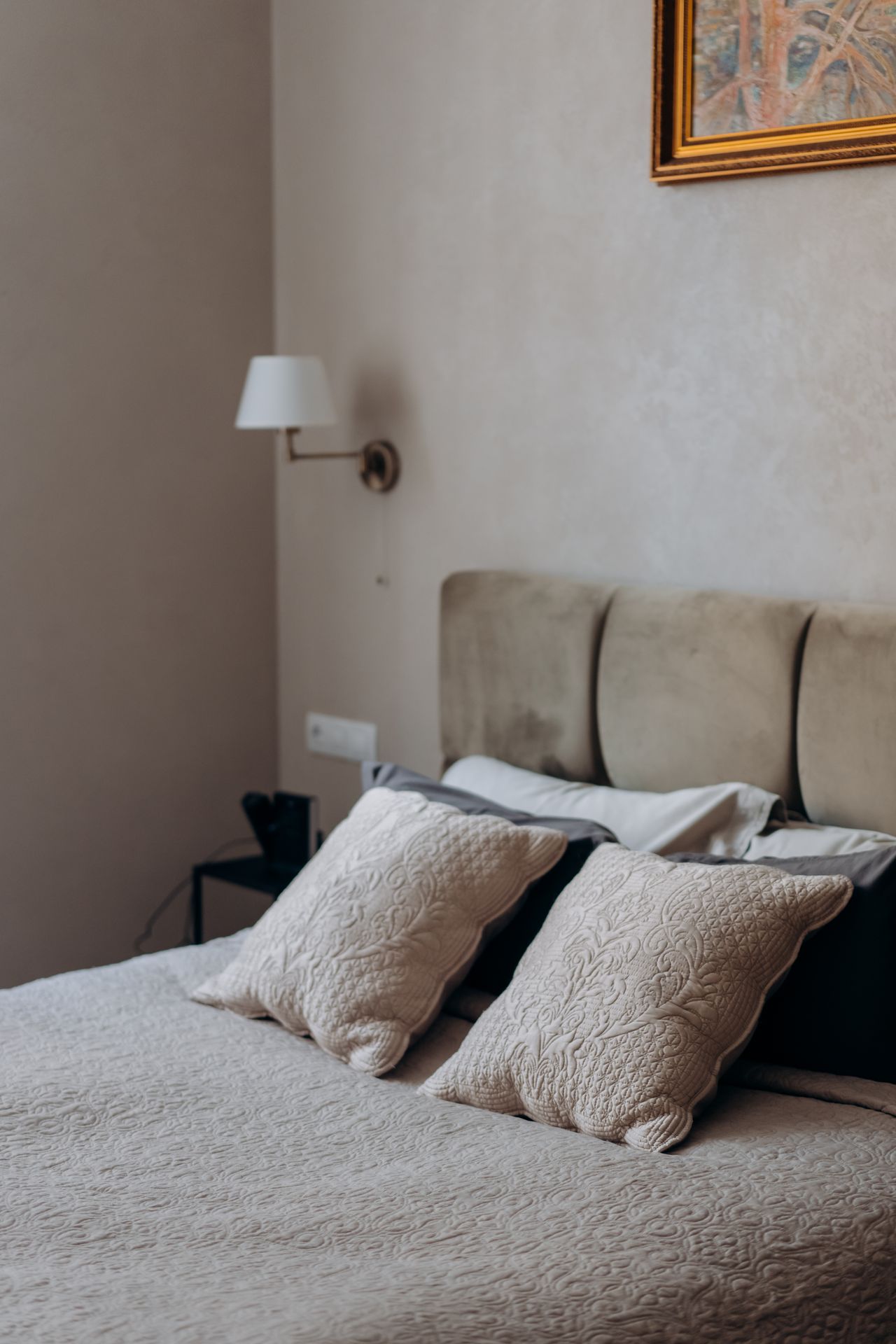
Photo via Pexels
Buy the bed first, before anything pretty. You will spend a third of your life on it, and one bad week of sleep makes the whole move feel miserable. A decent queen mattress in a box costs about $300 to $600, with fair options from $150 to $800. A queen is 60 by 80 inches, which fits most one-bedroom apartments. Add a simple platform frame for $100 to $250. A platform frame needs no box spring, so it saves real money. Measure your bedroom door and any tight hallway corners before ordering, because a mattress that cannot get into the room is an expensive problem.
For bedding, keep it plain and practical. A mattress protector costs around $25 and guards your biggest purchase from spills. Buy two full sheet sets, usually $40 to $80 for both, so one set is always clean while the other is in the wash. Add two pillows, a mid-weight comforter or duvet for $40 to $90, and one extra blanket for cold nights. That is all you need for the first month. Fancy throw pillows, a headboard, and matching decor can wait until you know how the room feels to live in.
2. Seating: A Sofa or Loveseat That Actually Fits
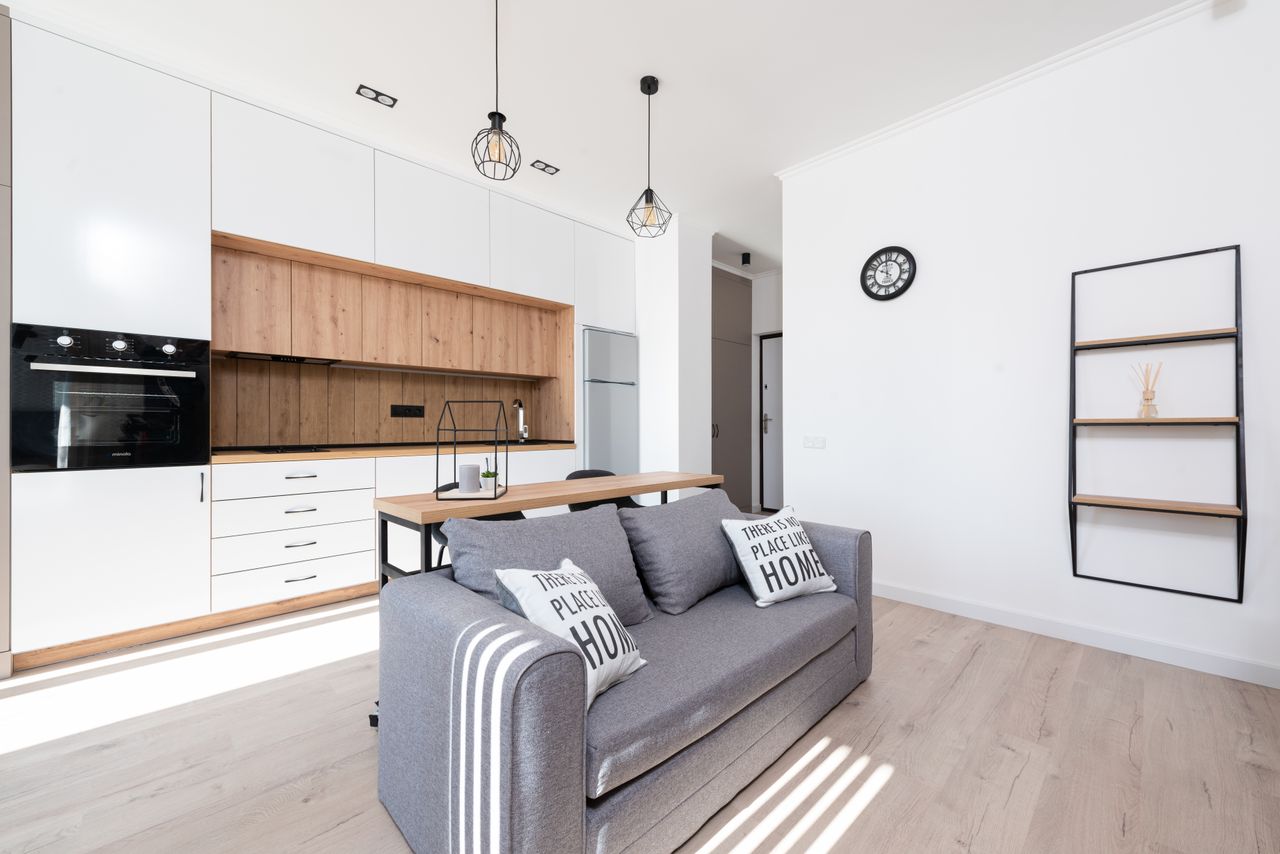
Photo by Max Vakhtbovych via Pexels
One good seat beats a room full of cheap furniture. For most small living rooms, a loveseat about 55 to 70 inches wide is the sweet spot. New sofas run from $300 to $1,200, while a futon or sofa bed costs $200 to $400 and doubles as a guest bed, which is gold in a studio or one-bedroom. Before you fall in love with any piece, measure your entry door, which is often only about 32 inches wide, plus the elevator and every turn in the hall. Our tips on choosing furniture in a small living room can help you judge scale before you spend.
Secondhand seating is the smartest place to save. Solid couches show up on Facebook Marketplace and in thrift stores for $50 to $200 all the time. Check any used piece carefully for stains, smells, sagging cushions, and signs of bedbugs, and skip anything that fails those tests. Round out the setup with one small coffee table or side table, $50 to $150, so you and your guests have somewhere to set a drink. A floor cushion or a simple folding chair can cover extra guests until your budget catches up.
3. Lighting: Lamps Beat One Bare Ceiling Bulb

Photo via Wikimedia Commons
Many rentals have one harsh ceiling light, and some living rooms have no ceiling light at all, just an outlet controlled by the wall switch. Plan on two lamps from the start. A floor lamp beside the sofa costs about $40 to $90, and a small table lamp for a desk or nightstand runs $20 to $50. Choose warm LED bulbs, around 2700K and 800 lumens, so the light feels soft instead of blue and clinical. A four-pack of good LED bulbs is only about $10 and lasts for years.
Lamps change how a room feels more than almost any decor purchase, and renters who cannot paint will feel the difference on the first evening. Buy your lamps early, because you will likely be building furniture and unpacking boxes under them on night one. Add one power strip with surge protection, $15 to $25, since your lamps, chargers, and router will all cluster in the same corner. Smart bulbs, dimmers, and statement light fixtures are fun upgrades, but they belong at the bottom of the list, not the top.
4. A Kitchen Starter Kit That Cooks Real Meals
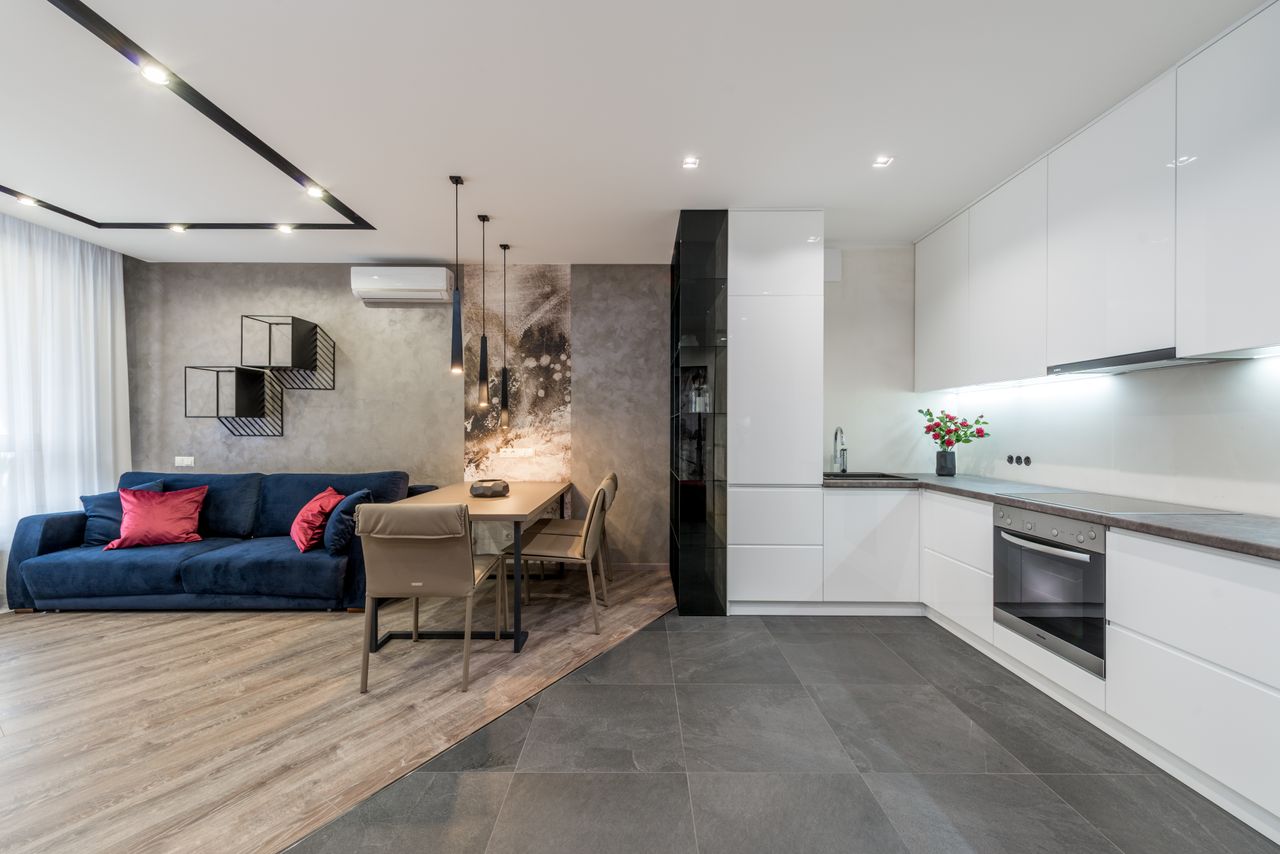
Photo by Max Vakhtbovych via Pexels
You do not need a chef's kitchen. You need to cook simple, real food without ordering takeout every night. Start with three pieces: a 10-inch skillet, a medium saucepan, and one bigger pot or Dutch oven style pot for pasta and soup. A basic cookware set costs $50 to $200 and covers all three. Add one good 8-inch chef's knife for $20 to $40 and a solid cutting board. One sharp knife you actually use beats a cheap block of twelve dull ones every single time.
Finish the kit with the small tools that make cooking and cleanup easy: a spatula, a wooden spoon, tongs, a can opener, a vegetable peeler, and measuring cups and spoons. Buy plates, bowls, glasses, and mugs for four people, about $20 to $80, plus a simple silverware set. Food storage containers, dish soap, a sponge, dish towels, and a trash can with bags complete the setup. The whole starter kitchen lands around $150 to $400. In a compact space, the space-saving ideas in these small kitchen ideas that save space help every one of these pieces earn its spot.
5. A Cleaning Kit Ready Before the Furniture Arrives
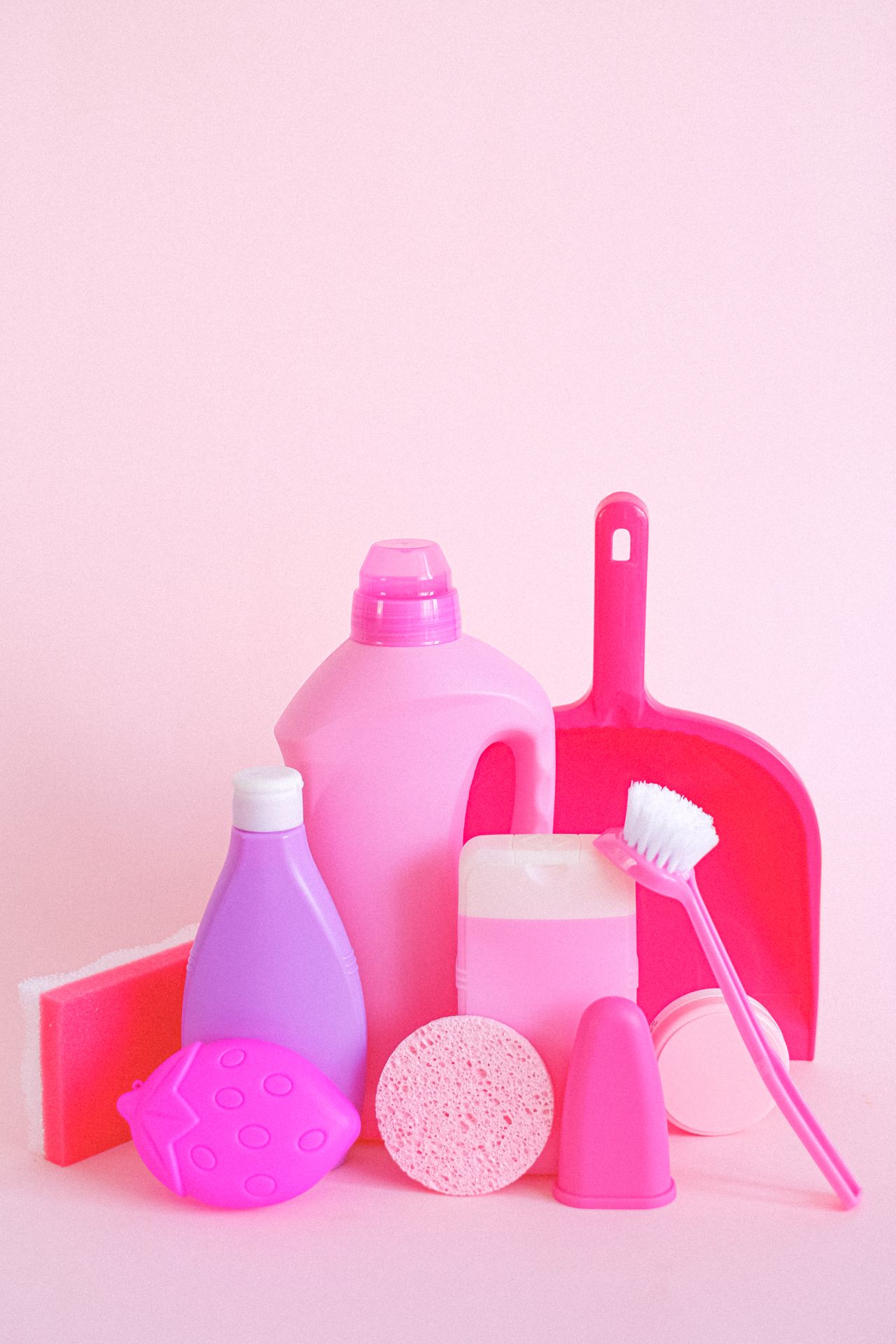
Photo via Pexels
Clean the apartment while it is still empty. Move-in day is the only time every corner, closet floor, and cabinet shelf is easy to reach, and you honestly do not know how the last tenant left things. The supply side is simple: an all-purpose cleaner, dish soap, sponges, microfiber cloths, paper towels, trash bags, a toilet brush, and a bathroom cleaner with disinfectant. Most of this comes from one dollar-store or big-box trip, and generic brands work fine.
For tools, get a broom and dustpan for $12 to $20, or a stick vacuum for $40 to $100 if you have carpet. A basic mop or spray mop handles hard floors, and a laundry basket plus detergent covers wash day if your building has machines. The full cleaning kit usually totals $60 to $150. It is the least exciting money you will spend, but it protects your security deposit. Landlords compare move-out condition against move-in condition, and starting spotless sets a clear, fair standard from day one.
6. Bathroom Basics: Shower Curtain, Towels, and a Plunger
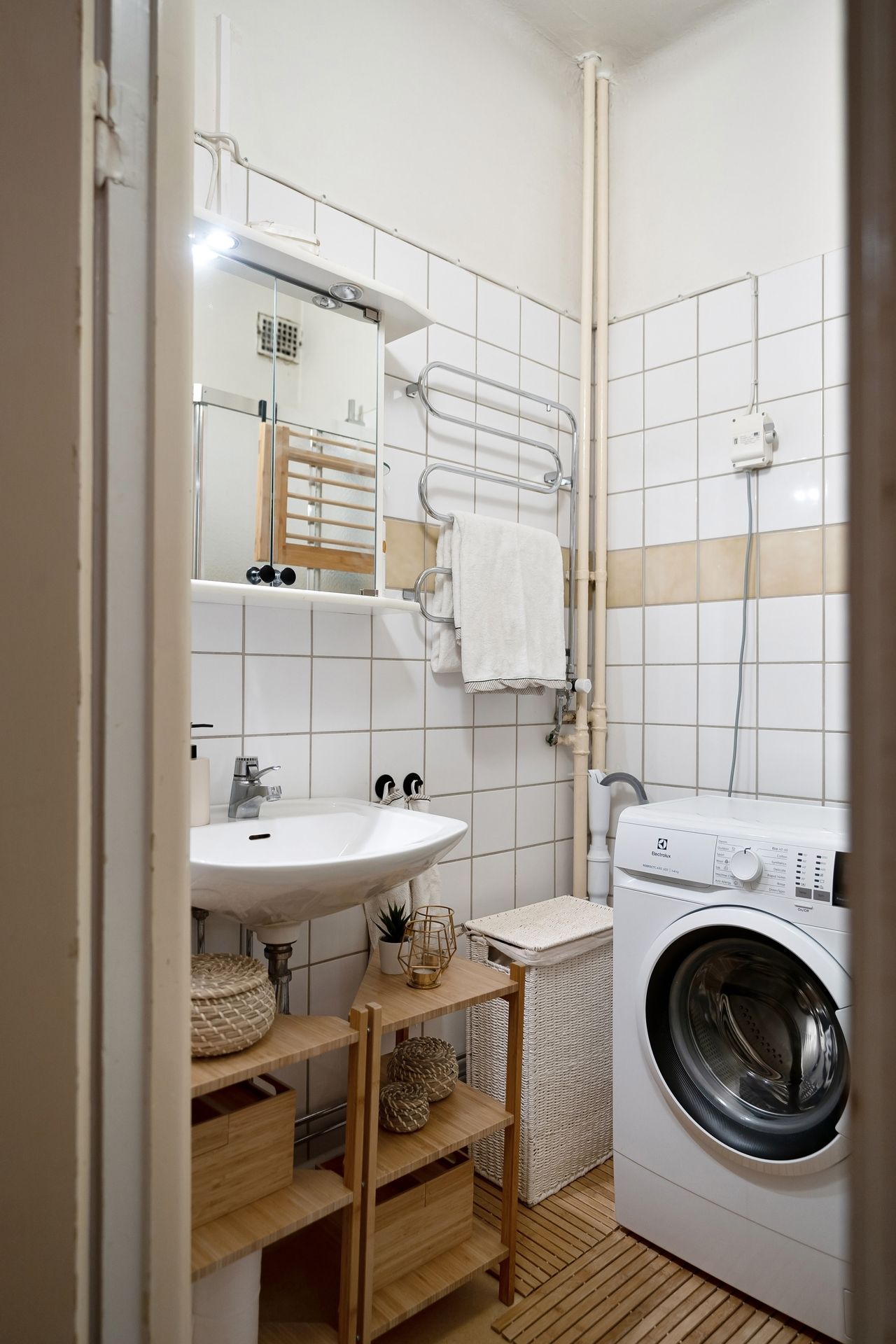
Photo via Pexels
The most forgotten item in every move is the shower curtain. Many rentals have a tub with a rod but no door and no curtain, and without one you simply cannot shower on your first night. A standard curtain is 72 by 72 inches, and a curtain, liner, and ring set costs only $15 to $40. Buy it before moving day and pack it where you can reach it fast. While you are at it, confirm whether your tub needs a straight or curved rod setup, and grab a bath mat for $15 to $30 so you are not stepping onto cold, wet tile.
Stock the rest of the room in one pass: two bath towels per person, hand towels, and washcloths, about $20 to $60 for a decent set. Add hand soap, a small trash can, and a toothbrush holder or simple cup. Buy a plunger now, for $10 to $15, not during an emergency at midnight. Keep toilet paper stocked and reachable from day one, and tuck a small first-aid kit with bandages and basic pain relievers into the cabinet. None of this is glamorous, and all of it matters by the second morning.
7. Storage and Organization for Small Spaces
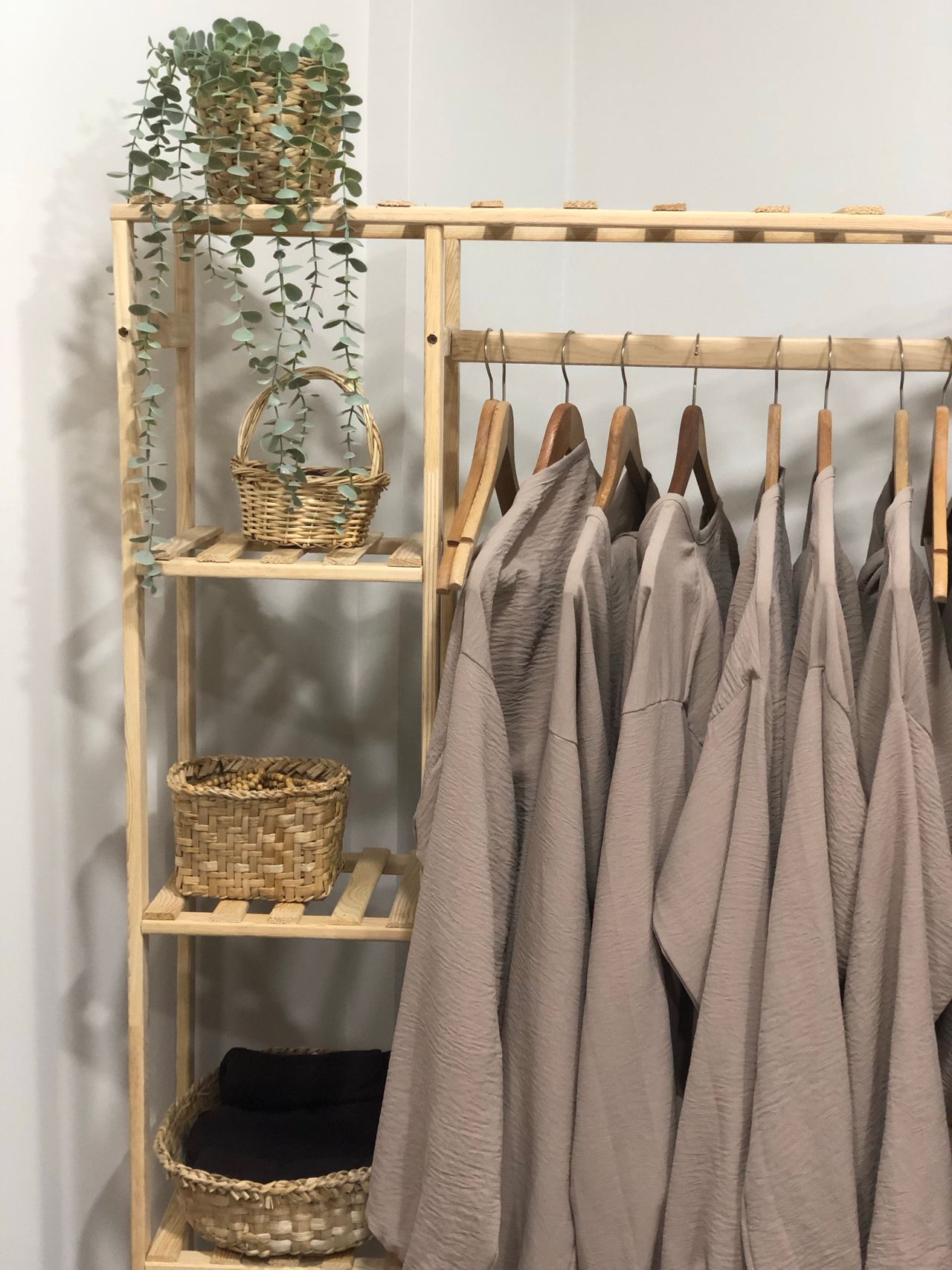
Photo via Pexels
A first apartment feels cluttered fast, mostly because everything arrives at once and nothing has a home yet. Start with 30 to 40 hangers, $10 to $20 for a pack, because clothes live on the floor until they can be hung up. Under-bed storage bins are the second hero. Most are about 6 inches tall, cost $15 to $30 for a pair, and quietly swallow off-season clothes, spare bedding, and towels. In a small bedroom, that hidden space is like gaining an extra dresser you never have to look at.
Over-the-door hooks, $10 to $20, add storage for towels, bags, and jackets without drilling a single hole, which keeps your landlord happy. One small shelf unit or cube organizer, $40 to $90, plus a few baskets, corrals chargers, mail, and everyday clutter. Our renter-friendly guide to bookshelf styling in rental apartments shows how shelves can store a lot and still look calm. One honest tip: live in the place for two weeks before buying more organizers. You will learn what actually needs a home, and you will buy once instead of twice.
8. A Basic Tool Kit and Fix-It Supplies
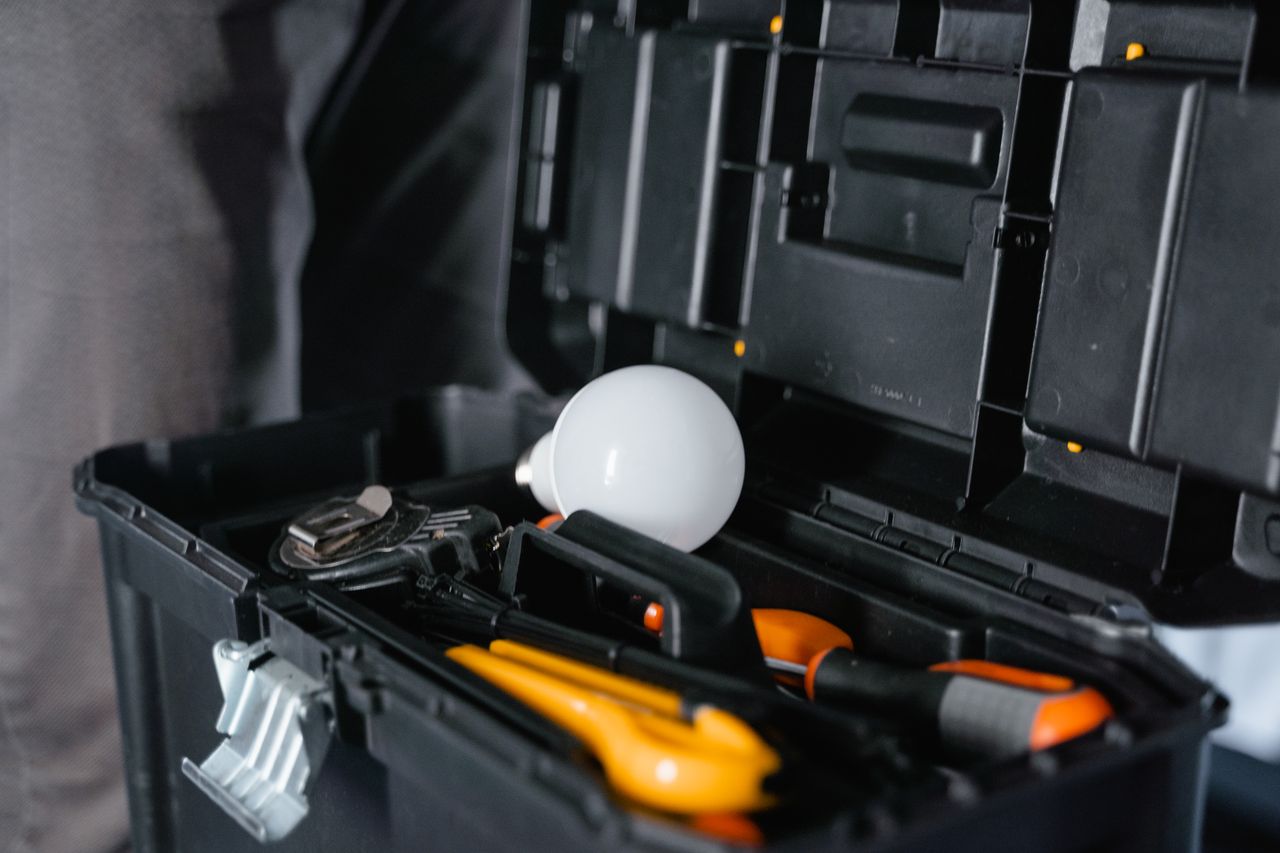
Photo via Pexels
Almost every piece of starter furniture needs assembly, and small fixes start on day one. A basic tool kit, $30 to $60, should include a hammer, Phillips and flathead screwdrivers, pliers, an adjustable wrench, and a set of Allen keys, since flat-pack furniture almost always needs them. A 25-foot tape measure deserves its own mention. It is the tool that prevents the classic mistake of buying a sofa or shelf that does not fit the wall, the closet, or the door it has to pass through.
Add the fix-it extras to the same box: a flashlight, spare batteries, spare LED bulbs, duct tape, and removable picture-hanging strips that hold frames without damaging walls or risking your deposit. Keep everything in one toolbox or bag so you are never hunting for a screwdriver at midnight. This little kit pays for itself during the very first weekend, somewhere between the curtain rod, the wobbly chair, and the flat-pack marathon. Bigger tools and power drills can wait until a real project asks for them.
9. Window Coverings for Privacy and Better Sleep
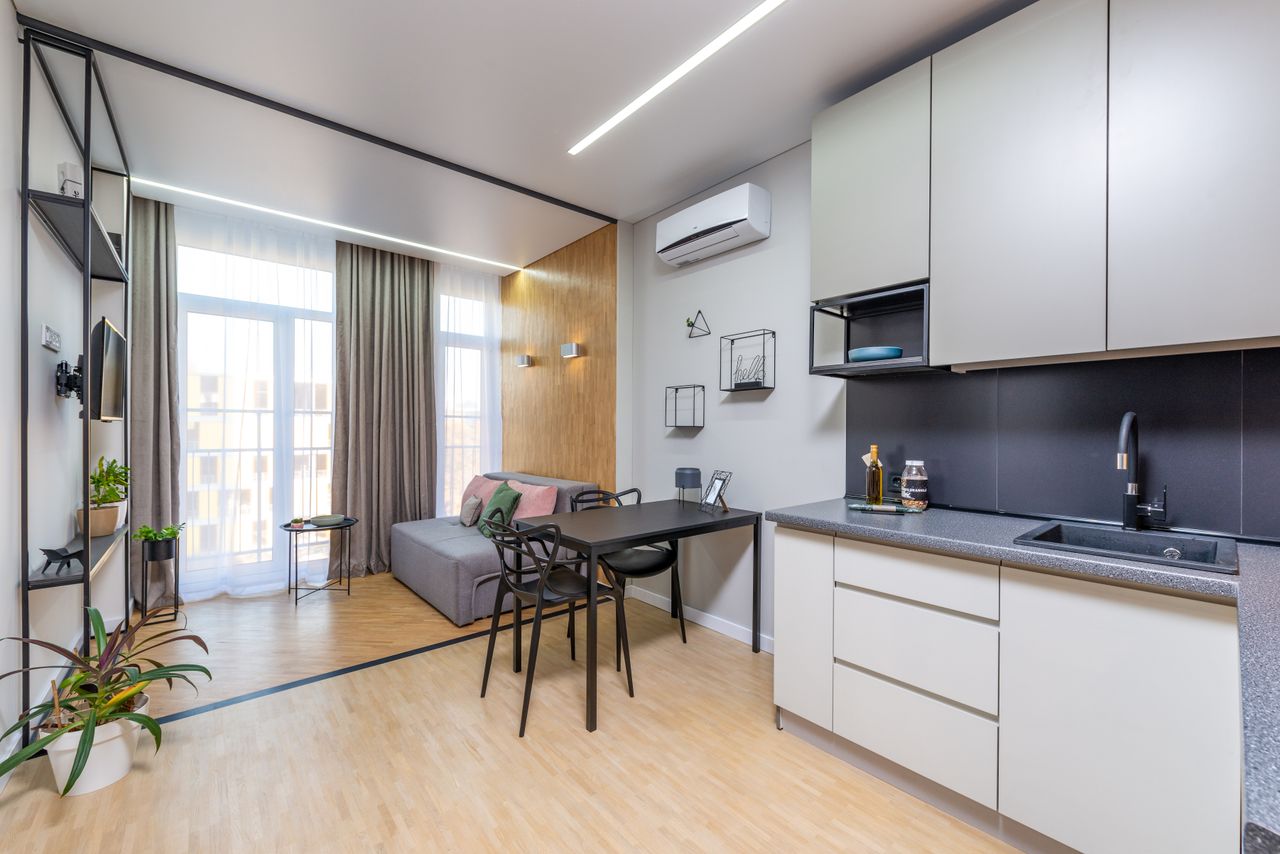
Photo by Max Vakhtbovych via Pexels
Bare windows mean no privacy at night and sunrise in your face at 6 a.m. Measure each window before you buy anything: the width of the frame, plus a few extra inches on each side, and the drop from above the frame to the sill or the floor. Curtain panels run $30 to $100 per window. For the bedroom, blackout panels at $25 to $50 a pair are worth every cent if your room faces a streetlight or the morning sun. One pair of curtains per window is enough to start.
Renters have easy, no-damage options. A tension rod, $10 to $20, sits inside the window frame with no screws at all, and many apartments already have a rod or blinds you can simply dress up. Ask your landlord before drilling into walls or trim. If decisions feel slow, temporary paper shades cost about $6, stick on in minutes, and give you privacy on night one while you choose real curtains. Layering a sheer panel under heavier drapes, like the windows above, lets you soften daylight without living in the dark.
10. Small Comforts That Make It Feel Like Home
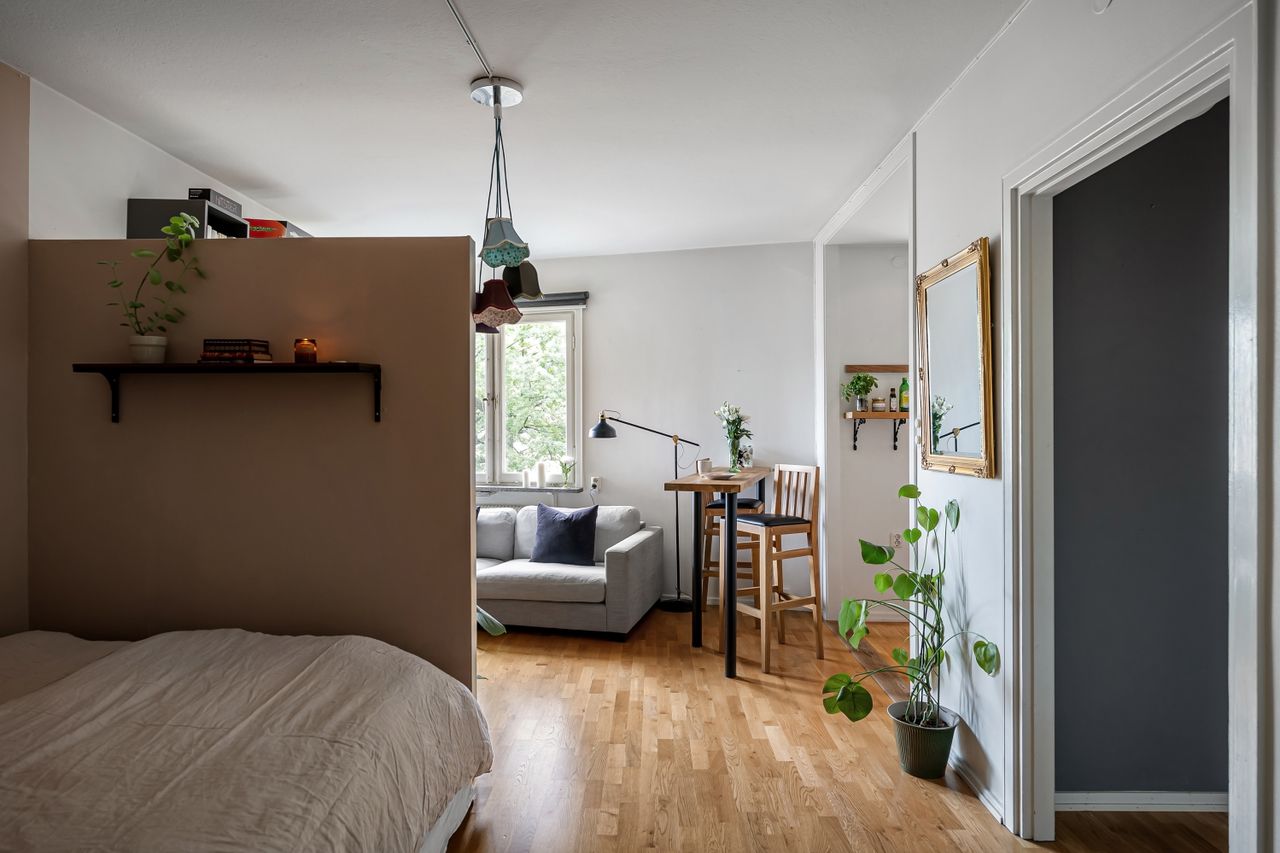
Photo by Lisa Anna via Pexels
Once you can sleep, sit, cook, and shower, add the layer that makes the place yours. An area rug, $60 to $200 for a 5 by 7 foot size, warms up hard floors and quiets the echo that makes new apartments feel empty. A soft throw blanket for $20 to $40 turns the sofa into the best seat in the house. One or two easy houseplants, $10 to $25 each, add life fast. A pothos is the classic beginner choice because it forgives missed waterings and grows almost anywhere with light.
A mirror, $20 to $60, bounces light around and makes a small room feel noticeably bigger, and it is handy near the door for a last look before you leave. Hang the photos and art you already own before buying new decor, and light a candle or switch on a small lamp in the evening to make the space feel settled. Buy these comforts slowly, and secondhand where you can. Your taste after a month of living somewhere is smarter than any list, and a home that grows piece by piece usually ends up meaning more.
Frequently Asked Questions
What do I absolutely need on the first night?
Pack a first-night box you keep with you, not on the truck. It should hold your bedding, one towel, toilet paper, the shower curtain and rings, hand soap, a phone charger, basic toiletries, trash bags, paper towels, snacks, and one pan with a plate and mug. If you can make the bed, take a shower, and eat something simple, your first night will feel calm instead of chaotic.
How much should I budget for first apartment essentials?
For a one-bedroom, essentials only, most people spend between $1,500 and $5,000 in the US and Canada. The mattress and sofa take the biggest share. You can land near the low end by buying the sofa, tables, lamps, and dishes secondhand, and by spreading purchases over your first two or three paychecks instead of buying everything in one weekend. Delivery and assembly fees add up, so include them in your budget from the start.
What do people forget to buy most often?
The same handful of items shows up in almost every first-move story: a shower curtain with rings, a plunger, a can opener, trash bags, light bulbs, and toilet paper. A tape measure is the quiet runner-up, usually missed right after an oversized purchase. Walk through your daily routine morning and night, and write down everything you touch. That list catches most of the forgettable items before moving day does.
Should I buy everything new or secondhand?
Buy new for anything that touches sleep and hygiene: the mattress, pillows, towels, and cleaning supplies. Buy secondhand for solid, washable, or hard-surface pieces like wooden tables, lamps, dishes, bookshelves, and frames, where savings are big and risks are low. For upholstered pieces, inspect carefully for stains, odors, and pests, and walk away from anything questionable. A roughly half-and-half mix is the sweet spot for most budgets.
What can safely wait until later?
Plenty. Decorative pillows, wall art beyond what you own, a TV stand, guest bedding, specialty kitchen gadgets, a full matching dish set, and extra seating can all wait until you have lived in the space for a few weeks. Your real habits will tell you what is missing. Buying later, on purpose, almost always leads to better choices and a home that fits your life instead of a store display.
Final Thoughts
Your first apartment essentials are not about filling rooms. They are about covering the basics of daily life in a smart order: sleep, shower, cook, clean, sit, and store. Buy the bed and bedding first, keep your receipts, measure everything twice, and let the pretty extras arrive slowly as your budget and your taste catch up. A first home built piece by piece, on purpose, almost always ends up more comfortable, and far cheaper, than one bought in a single panicked weekend. Welcome home.
Sources
- Apartment List: First Apartment Checklist
- All Things Apartments: 35 Essentials You Actually Need (And What Can Wait)
- Rent.com: The Ultimate First Apartment Checklist
- FullFlat: New Apartment Furnishing Guide 2026
Gallery
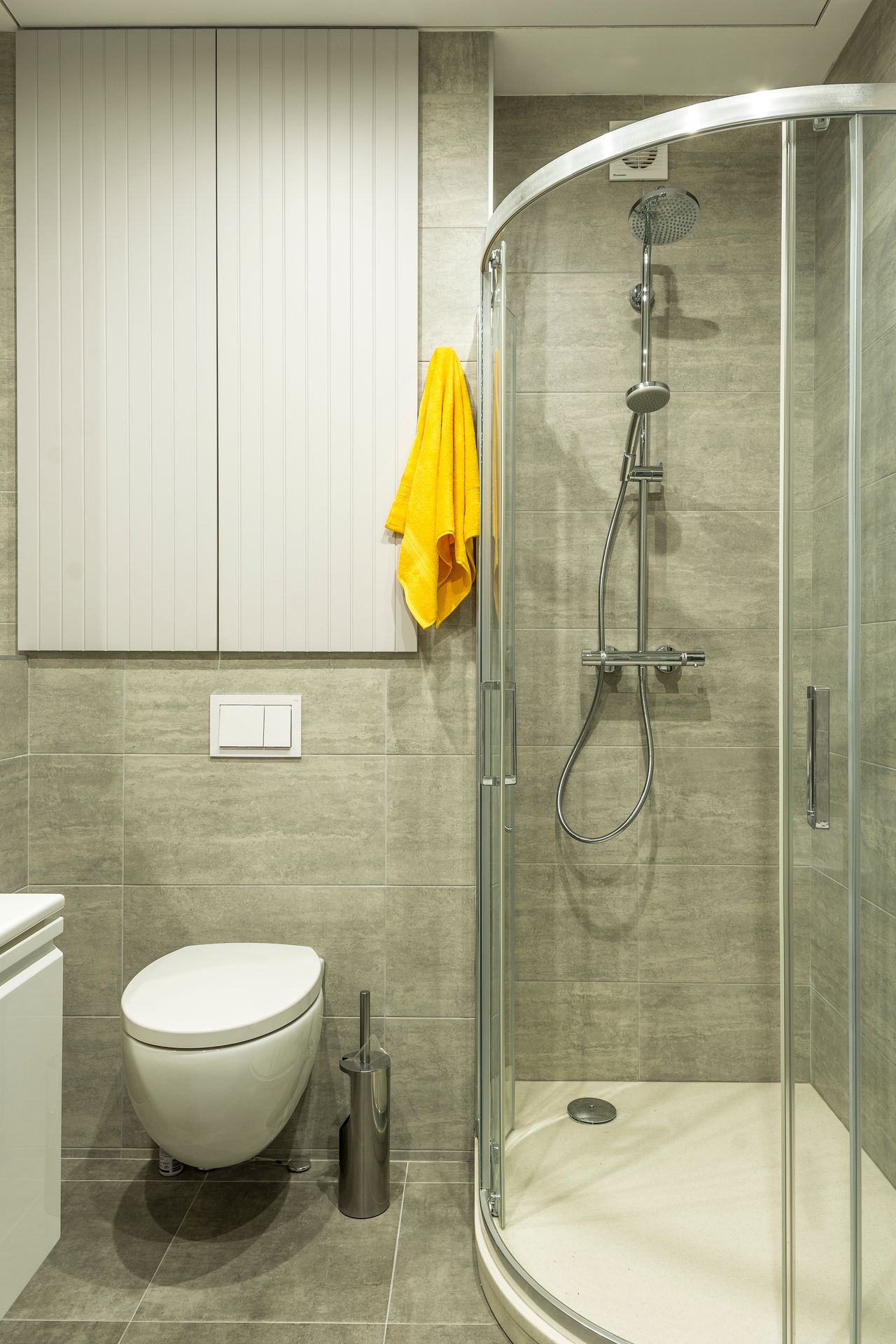
Photo via Pexels. A compact bathroom needs very little: a shower, dry towels, and a place for everything.
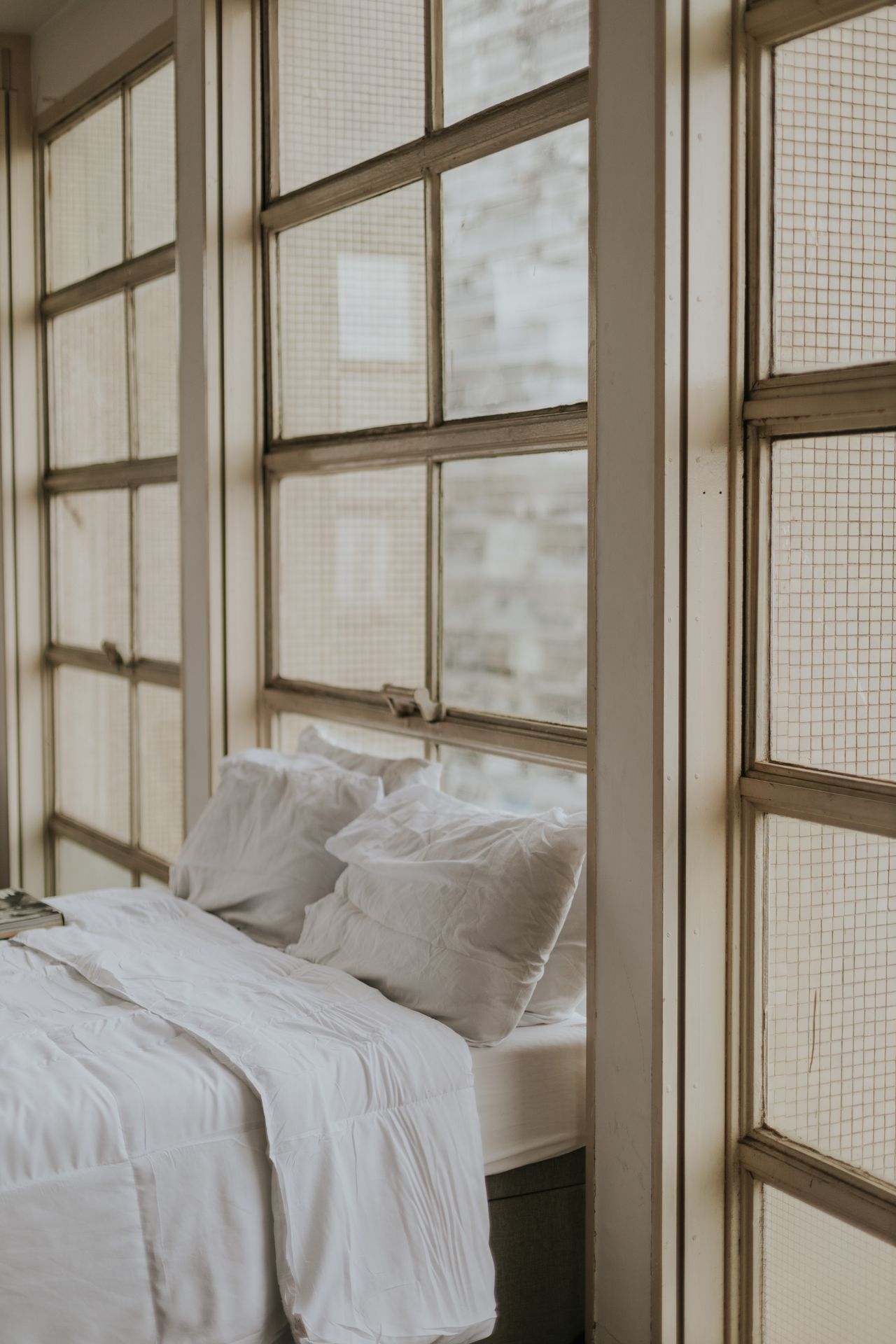
Photo via Pexels. Simple white bedding looks clean in any first bedroom and matches everything you add later.
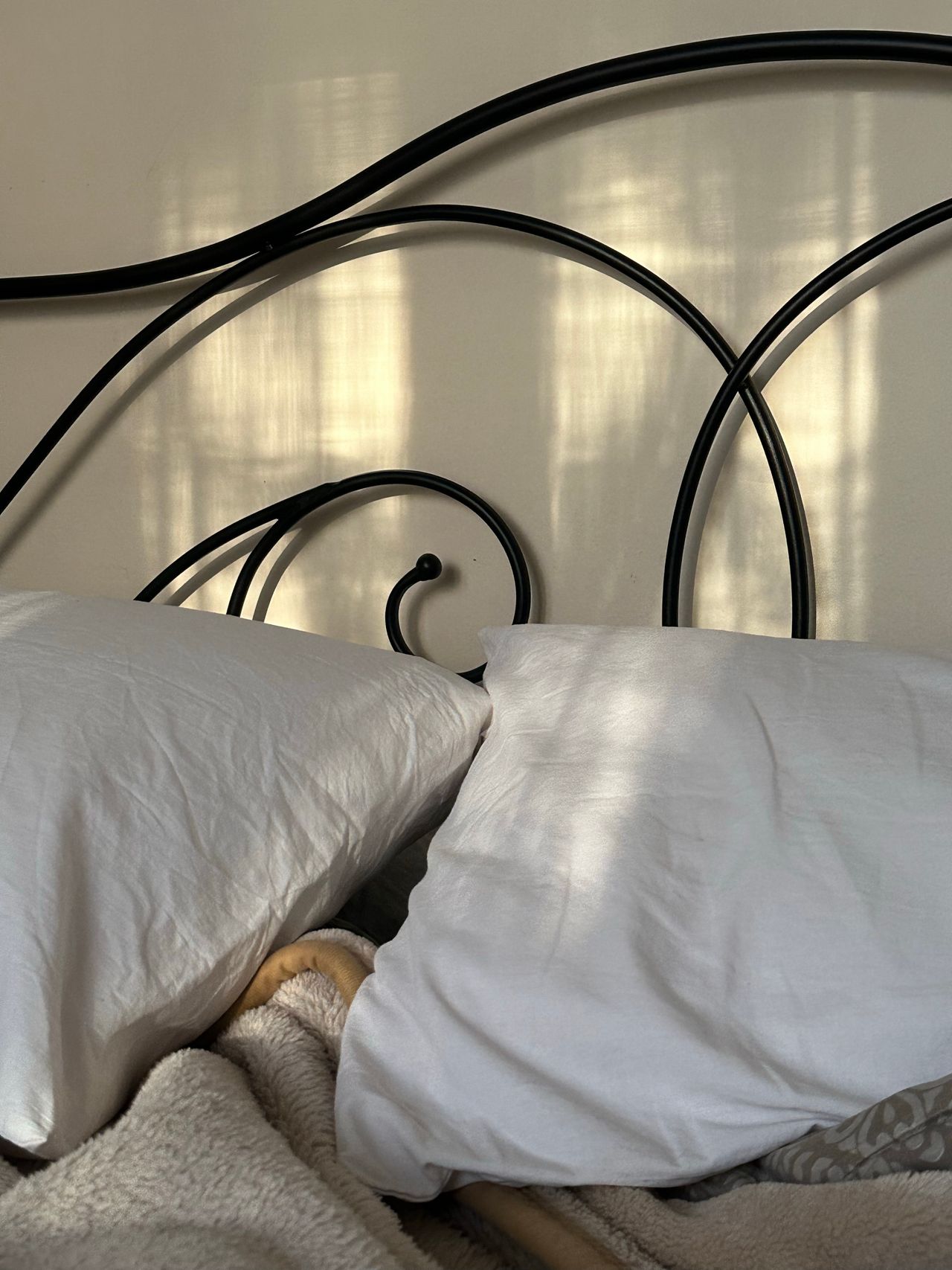
Photo via Pexels. Good pillows and one warm throw are the cheapest comfort upgrade in any starter home.

No comments:
Post a Comment