Shopping for winter footwear gets more particular with age: stiff fingers struggle with laces, swollen feet reject narrow fits, and icy sidewalks demand real traction. The good news is that comfortable winter boots for seniors now come in styles that look good while solving all three problems.
This is a buying guide, not a styling manual. Each pick below focuses on one comfort feature that matters most to older adults, from side zippers and touch-fastener straps to wide toe boxes and non-slip soles, with guidance shaped by podiatrists and senior-living experts.
In This Article
- 1. Side-Zip Ankle Boots
- 2. Pull-On Boots
- 3. Touch-Fastener Straps
- 4. Wide Widths and a Roomy Toe Box
- 5. Removable Insoles for Orthotics
- 6. Lightweight Pairs
- 7. Low, Stable Heels
- 8. Warm Faux-Fur Linings
- 9. Deep-Lug Non-Slip Soles
- 10. Taller Shafts for Deep Snow
1. Side-Zip Ankle Boots
A side zipper is the single most useful feature for anyone whose fingers ache in the cold. You set the laces or fit once, then use the zipper every day after, which means no bending over to fuss with knots when your hands are stiff.
Look for a zipper with a large, easy-grip pull rather than a tiny metal tab. Ankle height is ideal for everyday errands because it is lighter than a tall boot while still keeping snow out of your shoes.
2. Pull-On Boots
Pull-on styles with sturdy heel loops or side handles let you step in and go, which is a blessing on mornings when bending is difficult. The best designs use stretchy gussets at the ankle so the opening gives without the boot feeling loose once on.
Try them on with the socks you will actually wear, and walk around the store for several minutes. A pull-on boot should feel snug at the heel with no slipping, since you cannot tighten it the way you would a lace-up.
3. Touch-Fastener Straps
Touch-fastener straps, the kind most people call Velcro, are a favorite in arthritis-friendly footwear because they adjust with one easy motion. They are also ideal when feet swell during the day, since you can loosen the fit in seconds.
Wide straps hold better than narrow ones and are easier to grab with limited hand strength. Footwear specialists note that adjustable closures like these help accommodate bunions and daily size changes without pressure points.
4. Wide Widths and a Roomy Toe Box
Many older adults need a wider fit than they wore at forty, thanks to bunions, arthritis changes, or simple swelling. A genuinely wide boot with a rounded toe box lets toes spread naturally instead of pressing together, which reduces soreness on longer walks.
Buy the width your feet need now, not the size you remember wearing. If a brand does not offer wide widths, that is useful information too; several comfort footwear makers build their whole line around wide and extra-wide fits.

5. Removable Insoles for Orthotics
If you wear custom orthotics or over-the-counter arch supports, removable insoles are non-negotiable. Pulling out the factory insole frees the depth your insert needs without making the boot tight across the top of your foot.
Podiatrists who treat older patients recommend structured arch support and a deep heel cup for steadiness, so bring your orthotics to the fitting and test the combination together. A boot that feels fine with the stock insole can feel completely different with yours inside.
6. Lightweight Pairs
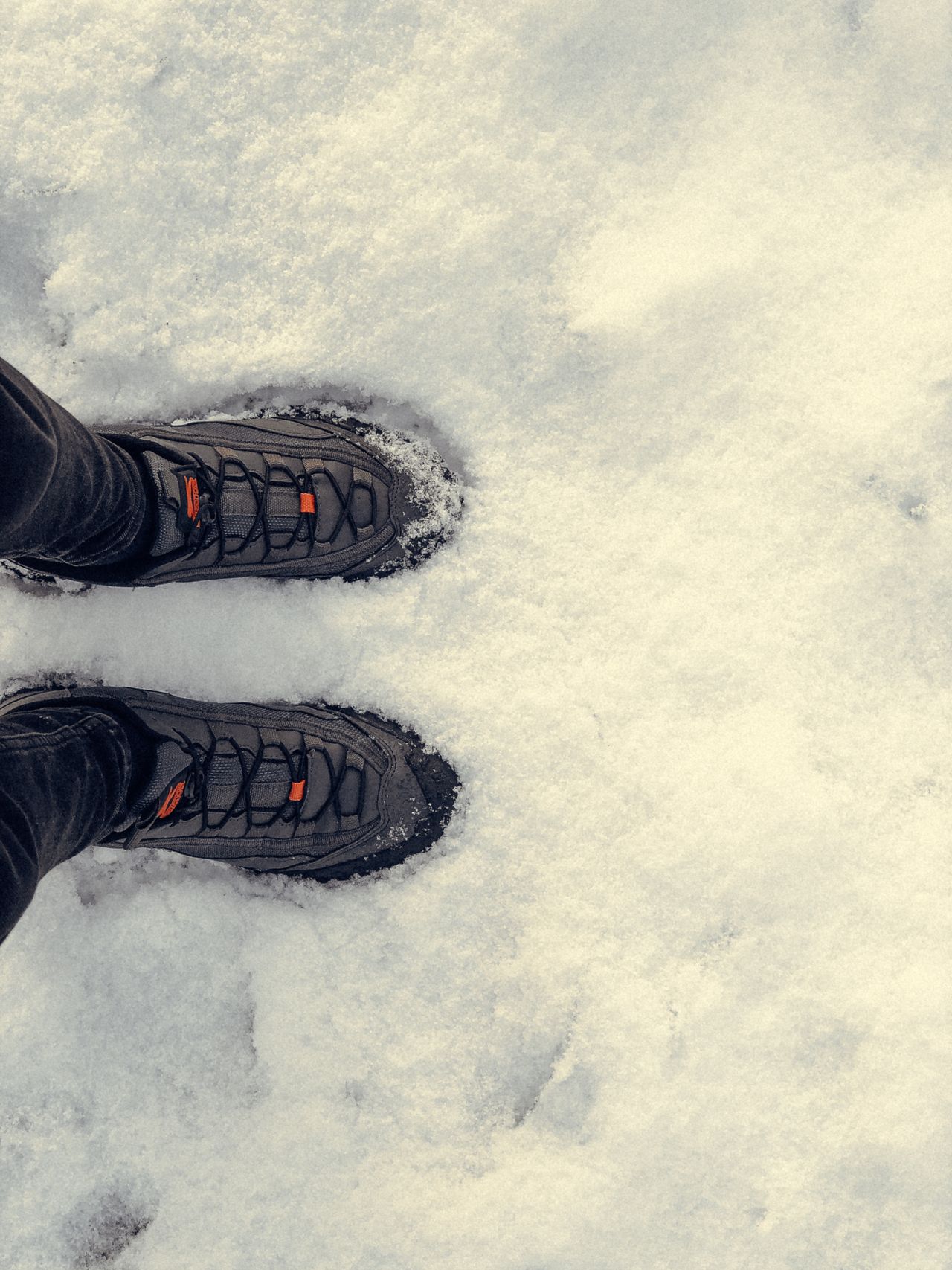
Heavy boots tire legs faster, and tired legs are unsteady legs. Modern insulation like synthetic fill and fleece linings deliver serious warmth at a fraction of the weight of old-fashioned heavy rubber boots.
Pick up the boot in the store and notice the weight in your hand before you even try it on. If one boot feels like a small dumbbell, keep looking; you will feel every extra ounce by the end of a winter walk. For general fit guidance, see our snow boot sizing guide.
7. Low, Stable Heels
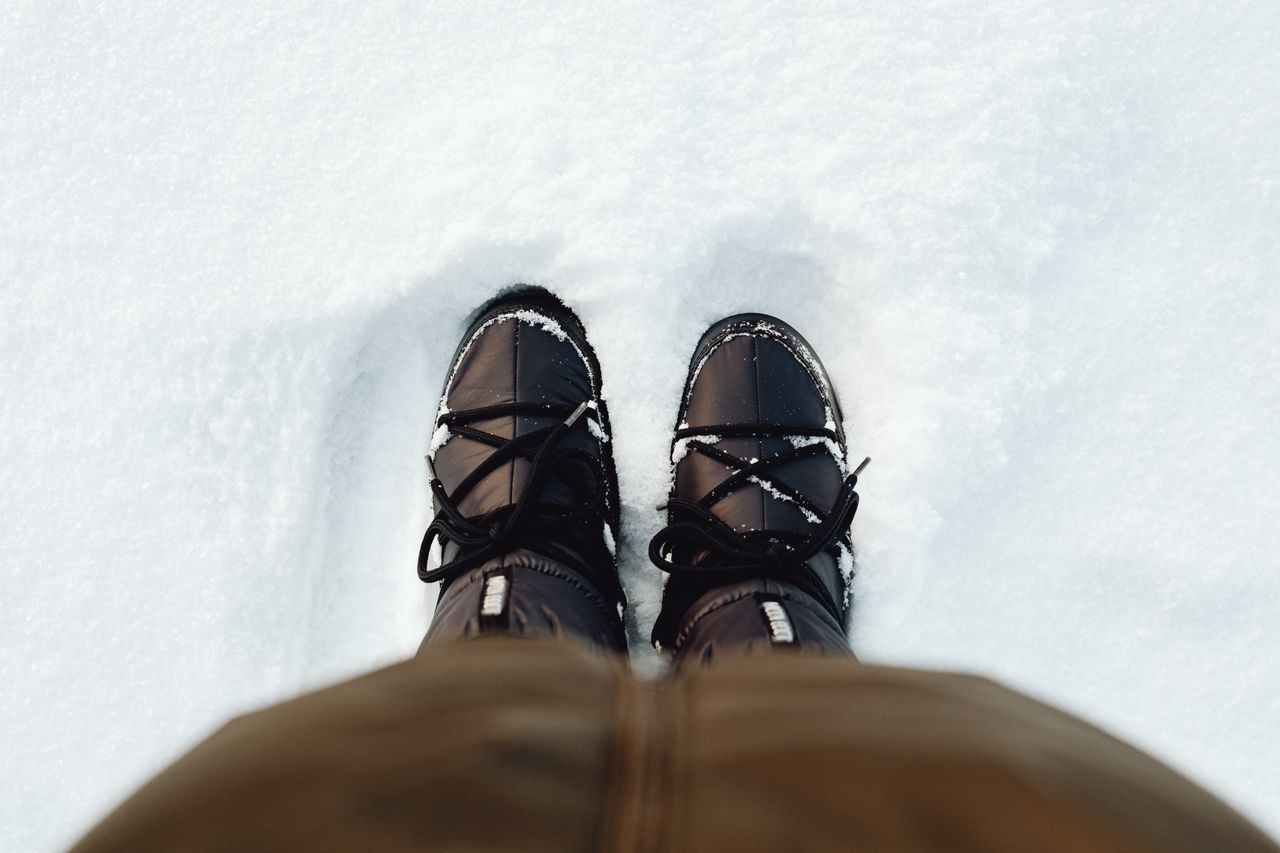
For balance, flat or nearly flat wins. A wide, low heel with a broad base under it gives a steadier platform than any narrow or elevated heel, and podiatrists consistently steer older adults toward stable, supportive soles over soft, wobbly ones.
That does not mean the boot must feel hard; good pairs combine a stable base with cushioning on top. When trying boots on, stand on one foot for a moment. If you wobble in the store, you will wobble on an icy sidewalk.

8. Warm Faux-Fur Linings
Cold stiffens arthritic joints, so warmth is not just comfort, it is function. A plush faux-fur or fleece lining keeps feet warm without the care that real shearling demands, and it feels cozy from the first wear with no break-in.
Check that the lining is attached smoothly with no bunched seams that could rub. Warmth ratings help compare options; many insulated boots list the lowest temperature they are designed for, which takes the guesswork out of choosing.
9. Deep-Lug Non-Slip Soles
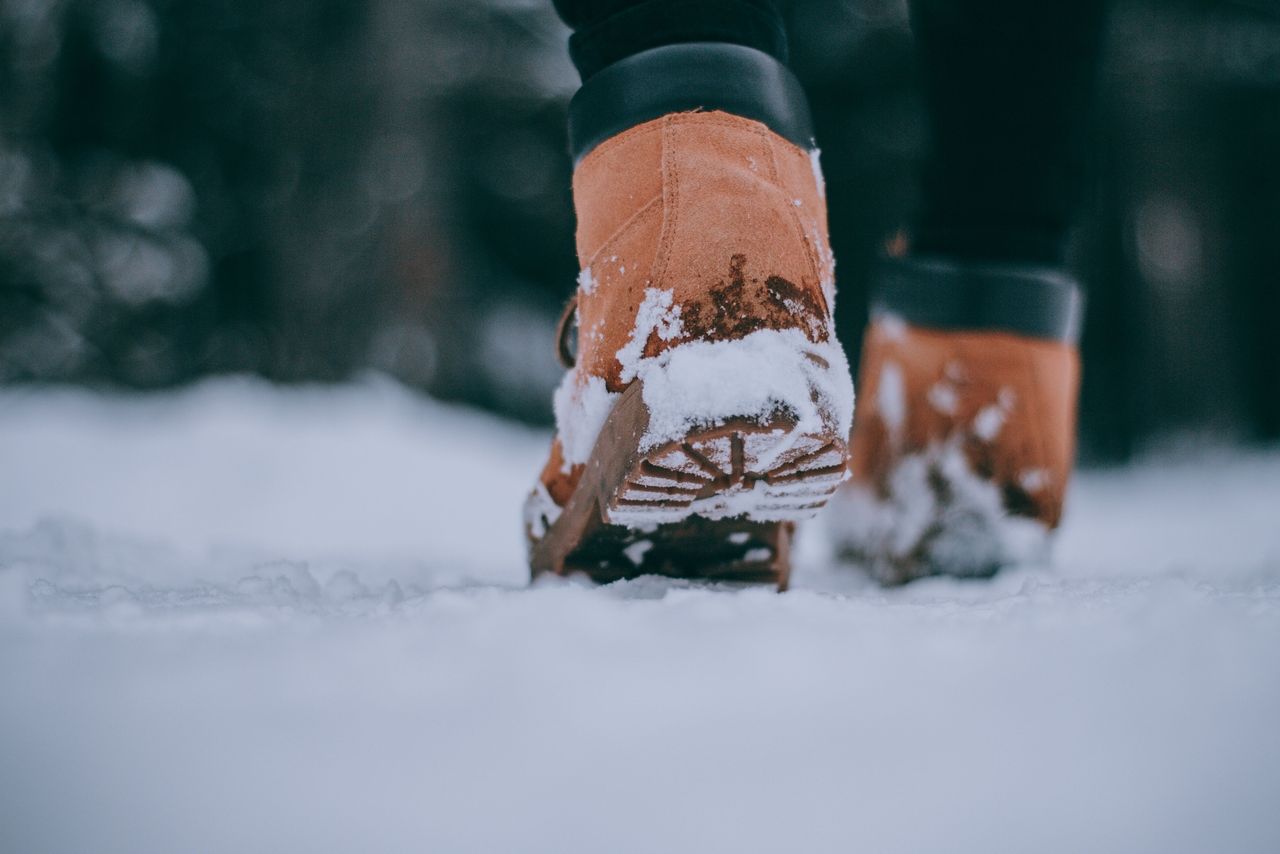
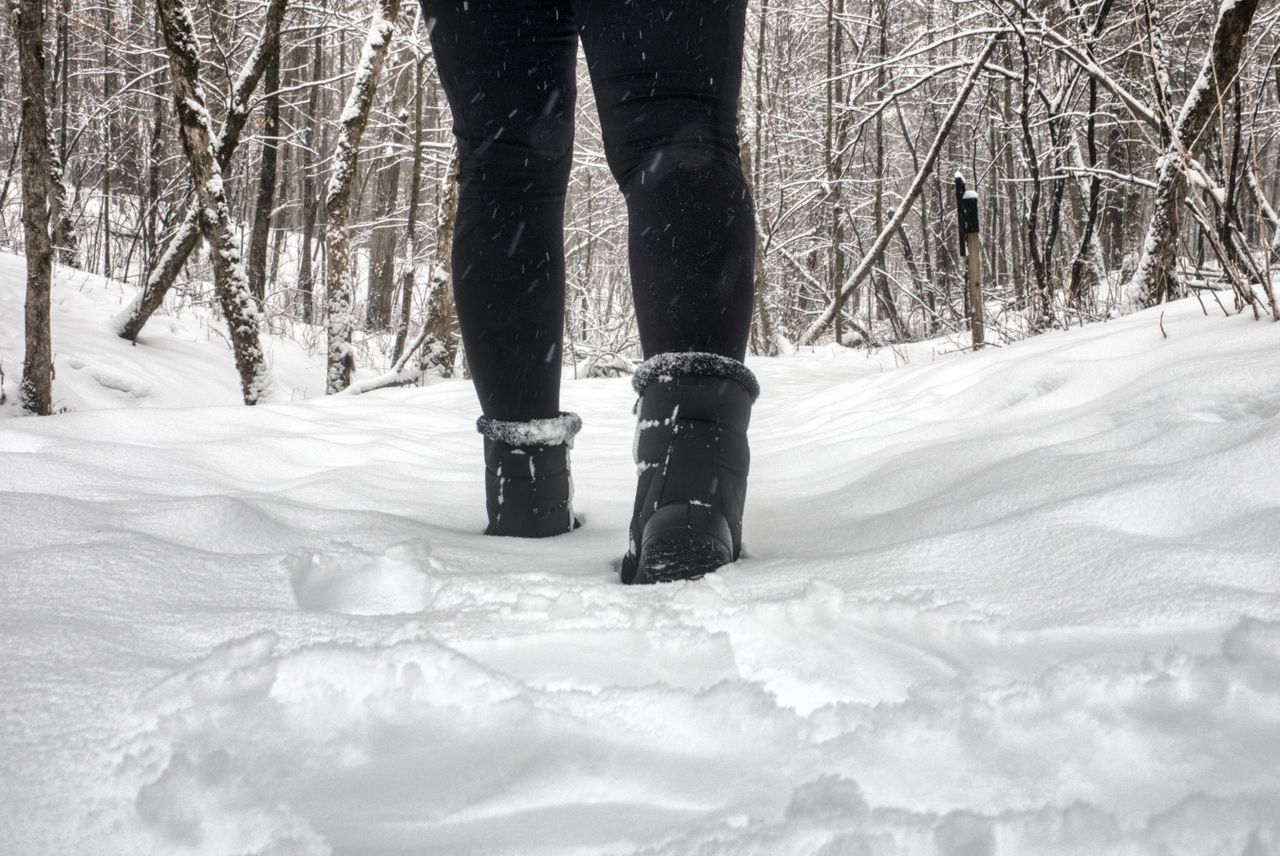
Traction is the safety feature that matters most. Look for rubber outsoles with deep, multidirectional lugs that can bite into snow and slush, rather than smooth fashion soles that turn every sidewalk into a skating rink.
Be honest about limits, though: no boot is truly slip-proof on glare ice. Good tread plus a careful, flat-footed stride and a hand on the railing is the combination that actually prevents falls. Pair them with the right socks for winter boots to avoid blisters on longer outings.
10. Taller Shafts for Deep Snow
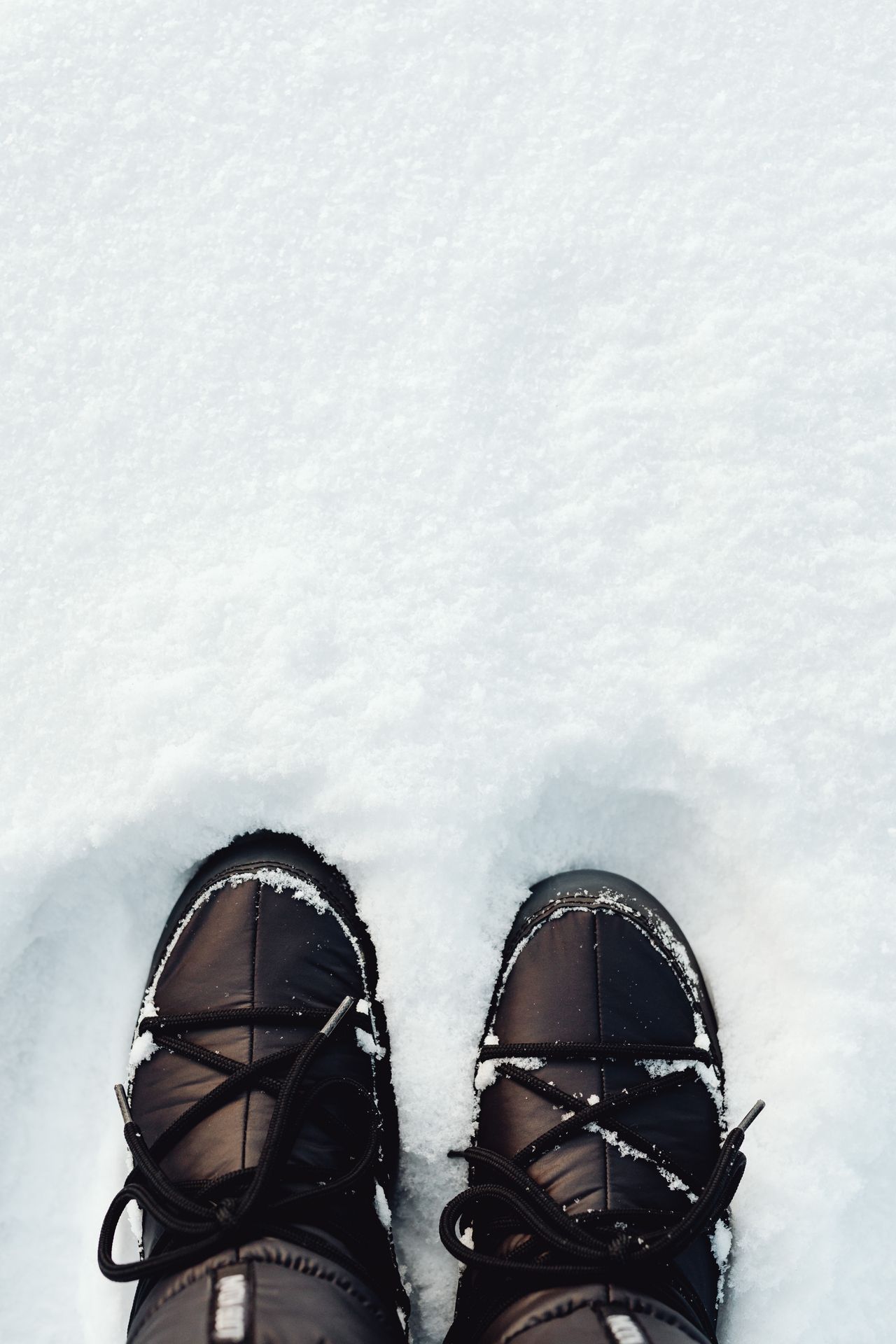
When snow is deep, ankle boots let it pour in over the top. A mid-calf or taller shaft keeps snow out and adds welcome support around the lower leg, which some walkers find reassuring on uneven ground.
The tradeoff is weight and warmth; taller boots run hotter indoors and heavier on the foot. Many seniors keep two pairs: a tall insulated boot for snowy days and a lighter ankle boot for cleared sidewalks and errands.
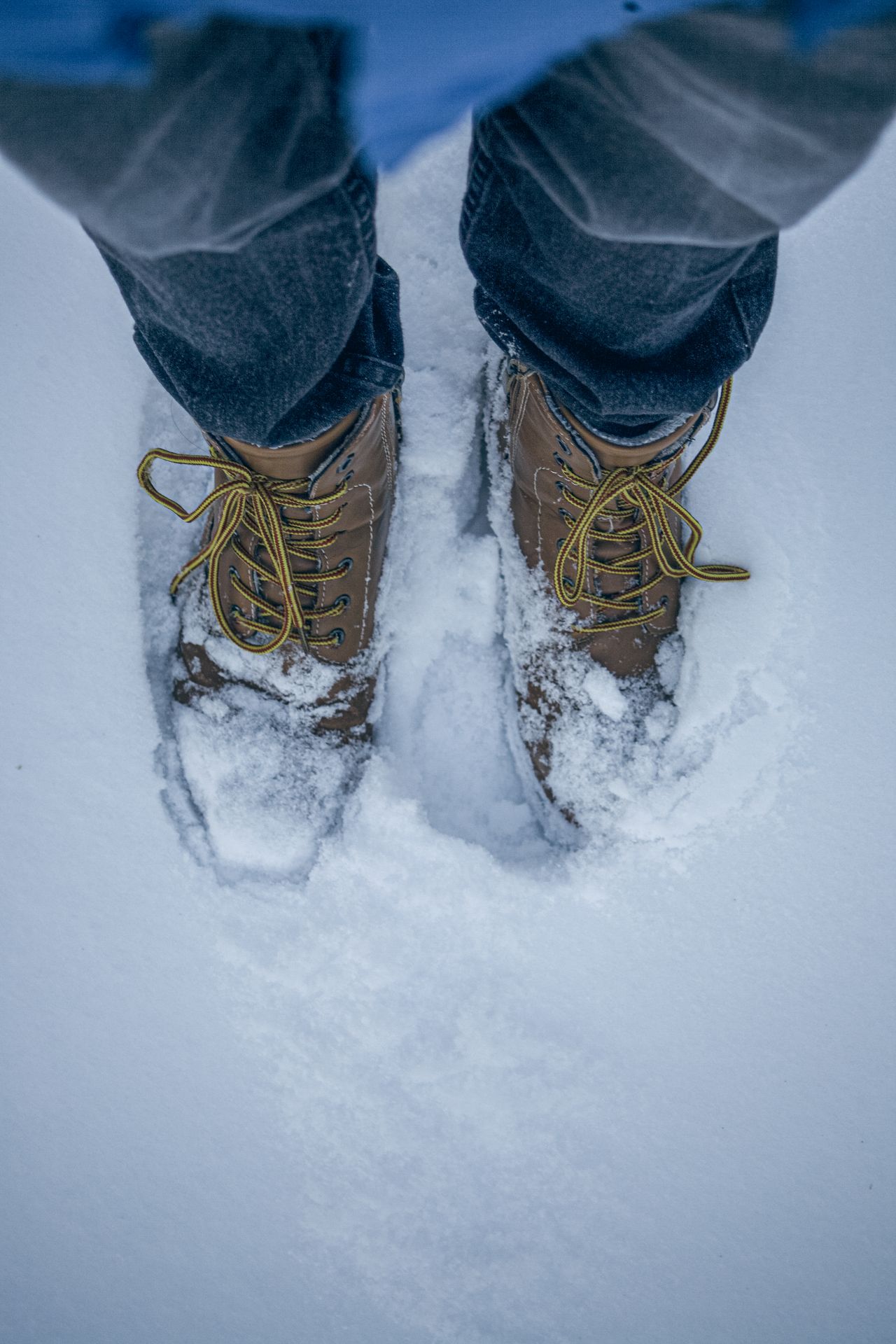
FAQs
What should older adults look for in winter boots?
Prioritize non-slip rubber soles, easy closures like zippers or straps, a wide fit with a roomy toe box, warm insulation, and light weight. Comfort features matter more than fashion details.
Are lace-up boots a bad choice for arthritis?
Not necessarily, but they are harder to manage with stiff fingers. Look for speed lacing, elastic no-tie laces, or a side zipper that lets you skip the laces day to day.
How can I avoid slipping on ice?
Choose boots with deep rubber lugs, take short flat-footed steps, keep your hands free for balance, and use railings. On true glare ice, add removable traction cleats over your boots.
Do winter boots need to be waterproof?
For snowy climates, yes. Wet feet get cold fast, and cold aggravates stiff joints. Waterproof membranes or sealed seams keep melting snow out through a full day.
Can I fit my orthotics into winter boots?
Yes, if the boot has removable insoles and enough depth. Always bring your orthotics when trying boots on, since they change the fit significantly.
Final Thoughts
The right pair of comfortable winter boots for seniors makes the difference between dreading icy months and enjoying them. Focus on the features above, try boots on with your real socks and orthotics, and choose the pair your feet thank you for.
Sources
- Graying With Grace: Best Boots for the Elderly
- Safer Senior Care: Best Snow Boots for Elderly Seniors
- Michigan Foot Doctors: Best Shoes for Seniors and Balance (Podiatrist, 2026)
- Paul the Podiatrist: Why Soft Cushioned Shoes Are Dangerous After 60 (YouTube)
- DB Wider Fit Shoes: Best Wide Fitting Shoes for Arthritis
- DC Urban Mom Forum: Boot Recommendations for Sore, Arthritic Feet
Gallery




No comments:
Post a Comment