If you have eggs in the fridge, you already have breakfast. These breakfast recipes with eggs turn one cheap, simple ingredient into ten very different morning meals, from soft scrambled eggs that take five minutes to a French toast bake you put together the night before. Eggs are filling, full of protein (about 6 grams in one large egg), and they cook fast, which is exactly what a busy morning needs.
Every recipe below uses basic ingredients most home cooks already keep on hand, with amounts in cups, ounces, and Fahrenheit so nothing needs converting. You will find skillet classics, two make-ahead bakes for feeding a crowd, and a few fun ideas from other parts of the world, like shakshuka and egg fried rice. Pick one for tomorrow morning, or work through the whole list over the next two weeks and find your family favorite.

Photo: Wikimedia Commons
What You Will Find in This Post
- 1. Classic Scrambled Eggs, Done Right
- 2. Garden Veggie Omelet
- 3. Breakfast Burritos
- 4. Shakshuka (Eggs in Spicy Tomato Sauce)
- 5. Egg Fried Rice
- 6. Overnight French Toast Bake
- 7. Egg in a Hole
- 8. Cheesy Sausage Breakfast Casserole
- 9. Avocado Toast with Poached Egg
- 10. Egg and Cheese Quesadilla
- Frequently Asked Questions
- Final Thoughts
- Sources
- Gallery
1. Classic Scrambled Eggs, Done Right

Photo: Wikimedia Commons
Great scrambled eggs need only a few things: low heat, real butter, and a little patience. For two servings, whisk 4 large eggs with 2 tablespoons of milk or cream (optional), 1/4 teaspoon of salt, and a pinch of black pepper until the yolks and whites are fully blended and slightly foamy, about 30 seconds of good whisking. Use 1 tablespoon of butter for the pan. That is the whole ingredient list, plus chopped chives or a little shredded cheddar if you like. Whisking well at the start is what puts air into the eggs and makes them fluffy instead of flat and dense.
Melt the butter in a nonstick skillet over medium-low heat until it foams but does not brown. Pour in the eggs, wait about 20 seconds, then use a silicone spatula to push the eggs slowly from the edges toward the center, letting the runny egg flow into the empty space. Keep the movement slow and gentle for 3 to 4 minutes, until soft curds form. Take the pan off the heat while the eggs still look slightly glossy and a little underdone, because they keep cooking on the warm plate. This one step fixes the most common complaint home cooks share online, that their eggs come out rubbery: high heat and overcooking squeeze the water out of the eggs and make them tough. Season, add chives, and serve right away on warm toast.
2. Garden Veggie Omelet

Photo: Wikimedia Commons
An omelet is the best way to use up small amounts of vegetables before they go soft in the fridge. For one big omelet, you need 3 eggs, 1 tablespoon of milk, 1/4 cup of diced bell pepper, 1/4 cup of chopped onion, 1/2 cup of fresh spinach, 1/4 cup of diced tomato, 1/4 cup of shredded cheddar cheese, 1 teaspoon of butter or oil, plus salt and pepper. Mushrooms, zucchini, or leftover cooked broccoli all work here too. The one rule that matters: cook the vegetables first, because raw vegetables release water into the eggs and make the omelet soggy.
Heat the butter in an 8 or 10-inch nonstick skillet over medium heat and cook the pepper and onion for 3 to 4 minutes until soft, then stir in the spinach and tomato for 1 more minute and set the vegetables aside on a plate. Wipe the pan, melt a little more butter, and pour in the eggs whisked with the milk, salt, and pepper. Tilt the pan so the egg covers the bottom, let it set for about 1 minute, then gently lift the edges with a spatula and tilt again so the runny egg flows underneath. When the top is almost set but still a little shiny, spoon the vegetables and cheese over one half, fold the omelet in half with the spatula, and slide it onto a warm plate. Rest it for 1 minute so the cheese finishes melting.
3. Breakfast Burritos

Photo: Wikimedia Commons
Breakfast burritos are warm, filling, and easy to eat on the go, and they freeze better than almost any other egg dish. For 4 burritos, gather 6 large eggs, 1/4 cup of milk, 4 large flour tortillas, 1/2 cup of cooked breakfast sausage or chopped bacon, 1/2 cup of diced bell pepper, 1/4 cup of diced onion, 1/2 cup of shredded cheddar or Monterey Jack cheese, 1 tablespoon of butter, salt, and black pepper. A pinch of seasoning on the filling adds a lot of flavor, and our homemade taco seasoning mix recipe works perfectly here. Salsa, avocado, or sour cream on the side makes it feel like a cafe breakfast at home.
Cook the pepper and onion in the butter over medium heat for 4 to 5 minutes until soft, then push them to one side of the skillet. Pour in the eggs whisked with the milk, salt, and pepper, and scramble gently over medium-low heat until they are just set but still soft, about 3 minutes, then stir the vegetables and sausage through. Warm the tortillas in a dry skillet for about 20 seconds per side so they roll without cracking. Divide the filling among the tortillas, top with cheese, fold in the sides, and roll up tightly. Place each burrito seam-side down in the hot skillet for 1 to 2 minutes per side until golden and crisp. To freeze, wrap each burrito in foil, freeze for up to 1 month, and reheat in the microwave for 2 to 3 minutes.
4. Shakshuka (Eggs in Spicy Tomato Sauce)

Photo: Wikimedia Commons
Shakshuka comes from North Africa and the Middle East, and it is one of the most flavorful ways to cook eggs: they poach right in a rich, spiced tomato sauce, and you scoop everything up with crusty bread. For 4 servings, you need 1 tablespoon of olive oil, 1 diced onion, 1 sliced red bell pepper, 3 minced garlic cloves, 1 teaspoon of paprika, 1 teaspoon of ground cumin, 1/4 teaspoon of red pepper flakes, one 28-ounce can of crushed tomatoes, 6 eggs, 1/4 cup of crumbled feta cheese, and a handful of fresh parsley or cilantro, plus salt and black pepper.
Heat the olive oil in a large skillet over medium heat and cook the onion and bell pepper for 5 to 6 minutes until soft and sweet. Stir in the garlic and spices for just 30 seconds, until they smell strong and warm, then pour in the tomatoes with 1/2 teaspoon of salt. Simmer for about 10 minutes, stirring now and then, until the sauce thickens enough that a spoon leaves a trail. Use the back of a spoon to make 6 small wells in the sauce and crack one egg into each well. Cover the skillet and cook on low heat for 5 to 8 minutes, until the whites are set but the yolks are still soft and runny. Scatter the feta and herbs over the top and bring the whole skillet to the table with thick slices of crusty bread for dipping.
5. Egg Fried Rice

Photo: Wikimedia Commons
Egg fried rice is the breakfast of leftovers, and in many homes it is a normal morning meal, not just takeout food. The key ingredient is cold, day-old cooked rice, because fresh rice is wet and turns mushy in the pan. For 3 to 4 servings, you need 3 cups of cooked and chilled rice, 3 eggs, 2 tablespoons of neutral oil, 1 cup of frozen peas and carrots (thawed), 2 minced garlic cloves, 3 sliced green onions, 2 tablespoons of soy sauce, 1 teaspoon of sesame oil, and a pinch of white or black pepper. Diced ham, leftover chicken, or a handful of shrimp turns it into a full meal.
Heat 1 tablespoon of oil in a large skillet or wok over medium-high heat until it shimmers. Pour in the eggs beaten with a pinch of salt and scramble them quickly, about 1 minute, then slide them onto a plate while they are still soft. Add the second tablespoon of oil, then the cold rice, breaking up any clumps with your spatula. Spread the rice out and let it sit for 30 seconds at a time so some grains get lightly crisp, stir-frying for 3 to 4 minutes in total. Add the peas, carrots, and garlic for 2 minutes, then drizzle the soy sauce around the edges of the hot pan so it sizzles. Fold the eggs back in, take the pan off the heat, and finish with sesame oil and green onions.
6. Overnight French Toast Bake

Photo: Wikimedia Commons
This is the recipe to make when you want a special breakfast without standing at the stove in the morning. You build it the night before, and the oven does the work while you make coffee. For a 9x13-inch dish that serves 8, you need 1 loaf of brioche or challah (about 14 ounces) cut into 1-inch cubes, 8 eggs, 2 cups of milk, 1/2 cup of heavy cream, 1/3 cup of brown sugar, 2 teaspoons of vanilla extract, 1 teaspoon of cinnamon, and 1/4 teaspoon of salt. For the topping, mix 1/2 cup of chopped pecans with 2 tablespoons of soft butter and 2 tablespoons of brown sugar. Day-old bread works best because it soaks up more custard without falling apart.
Grease the baking dish, spread the bread cubes in it evenly, and whisk the eggs, milk, cream, sugar, vanilla, cinnamon, and salt in a large bowl until smooth. Pour the custard slowly over the bread, press the cubes down gently with a spoon so every piece gets wet, then cover the dish and refrigerate it overnight, or for at least 2 hours. In the morning, heat the oven to 350°F, sprinkle the pecan topping over the dish, and bake for 45 to 50 minutes, until the top is puffed and deep golden and the center no longer looks wet. Rest it for 10 minutes before cutting. Serve warm with maple syrup and fresh berries, and if you are building a bigger brunch table, our banana loaf ingredients guide helps you bake the perfect loaf to go with it.
7. Egg in a Hole

Photo: Wikimedia Commons
Egg in a hole is toast and a fried egg cooked together in one pan, and kids love it because the egg sits right inside the bread. It also goes by other names, like egg in a basket or toad in the hole in some American homes. For each serving, you need 1 thick slice of sturdy bread, such as sourdough or brioche, 1 egg, 1 tablespoon of butter, salt, and black pepper. A pinch of paprika or a tablespoon of shredded cheese on top is optional but very good. Thick bread matters here: thin sandwich bread tears and lets the egg leak out the bottom.
Use a cookie cutter or the rim of a small glass to cut a hole about 2 1/2 inches wide in the center of the bread, and keep the cut-out circle. Butter both sides of the bread and the circle. Heat a skillet over medium heat, lay the bread in it, and toast for 1 minute until the bottom is lightly golden. Crack the egg into a small cup first (this makes it easy to pour), then slide it into the hole. Cook for 2 to 3 minutes, until the white is mostly set, then flip the whole slice carefully with a wide spatula. Cook 30 to 60 seconds more for a runny yolk, or up to 2 minutes for a firm one. Toast the little bread circle in the same pan and serve it on top for dipping into the yolk.
8. Cheesy Sausage Breakfast Casserole

Photo: Wikimedia Commons
When family stays over or a holiday morning gets busy, this casserole feeds everyone from one dish. For 8 servings, you need 1 pound of breakfast sausage, 8 eggs, 2 cups of milk, 3 cups of frozen hash browns (thawed) or 4 cups of cubed day-old bread, 2 cups of shredded cheddar cheese, 1/2 teaspoon of salt, 1/2 teaspoon of black pepper, 1/2 teaspoon of paprika or dry mustard, and 2 sliced green onions. The sausage brings most of the flavor, so pick one you really like, and use spicy sausage if your family enjoys a little heat in the morning.
Brown the sausage in a large skillet over medium heat for 6 to 8 minutes, breaking it into small crumbles, then drain the fat. Whisk the eggs, milk, salt, pepper, and paprika in a big bowl. Grease a 9x13-inch baking dish and layer in the hash browns, the sausage, and half the cheese, then pour the egg mixture evenly over everything and top with the rest of the cheese. Bake at 350°F for 40 to 45 minutes, until the center is set and a knife pushed into the middle comes out clean. Rest for 10 minutes, scatter the green onions on top, and cut into squares. You can also assemble the whole dish the night before and bake it in the morning, and leftovers keep in the fridge for 3 days and reheat well next to a spoonful of our easy mashed potatoes for a big weekend brunch.
9. Avocado Toast with Poached Egg

Photo: Wikimedia Commons
This cafe favorite is easy at home once you know one small skill: poaching an egg. For 2 servings, you need 2 thick slices of sourdough bread, 1 ripe avocado, 2 eggs, 1 teaspoon of lemon juice, 1 tablespoon of white vinegar for the poaching water, salt, black pepper, a pinch of red pepper flakes, and a small drizzle of olive oil. The avocado should give a little when you press it gently; a rock-hard avocado will not mash, and a very soft one turns brown and bitter.
Toast the bread until crisp and golden. Mash the avocado in a small bowl with the lemon juice, 1/4 teaspoon of salt, and a few grinds of pepper, keeping it a little chunky, and spread it thickly on the toast. For the eggs, bring a medium pot of water to the gentlest simmer, with small bubbles just forming on the bottom (about 180 to 190°F), and stir in the vinegar. Crack each egg into its own small cup, make a slow swirl in the water, and slip the eggs in one at a time. Poach for 3 to 4 minutes, until the whites are set and the yolks are still soft, then lift them out with a slotted spoon and drain for a few seconds on a paper towel. Set one egg on each toast, and finish with salt, pepper, red pepper flakes, and the olive oil.
10. Egg and Cheese Quesadilla
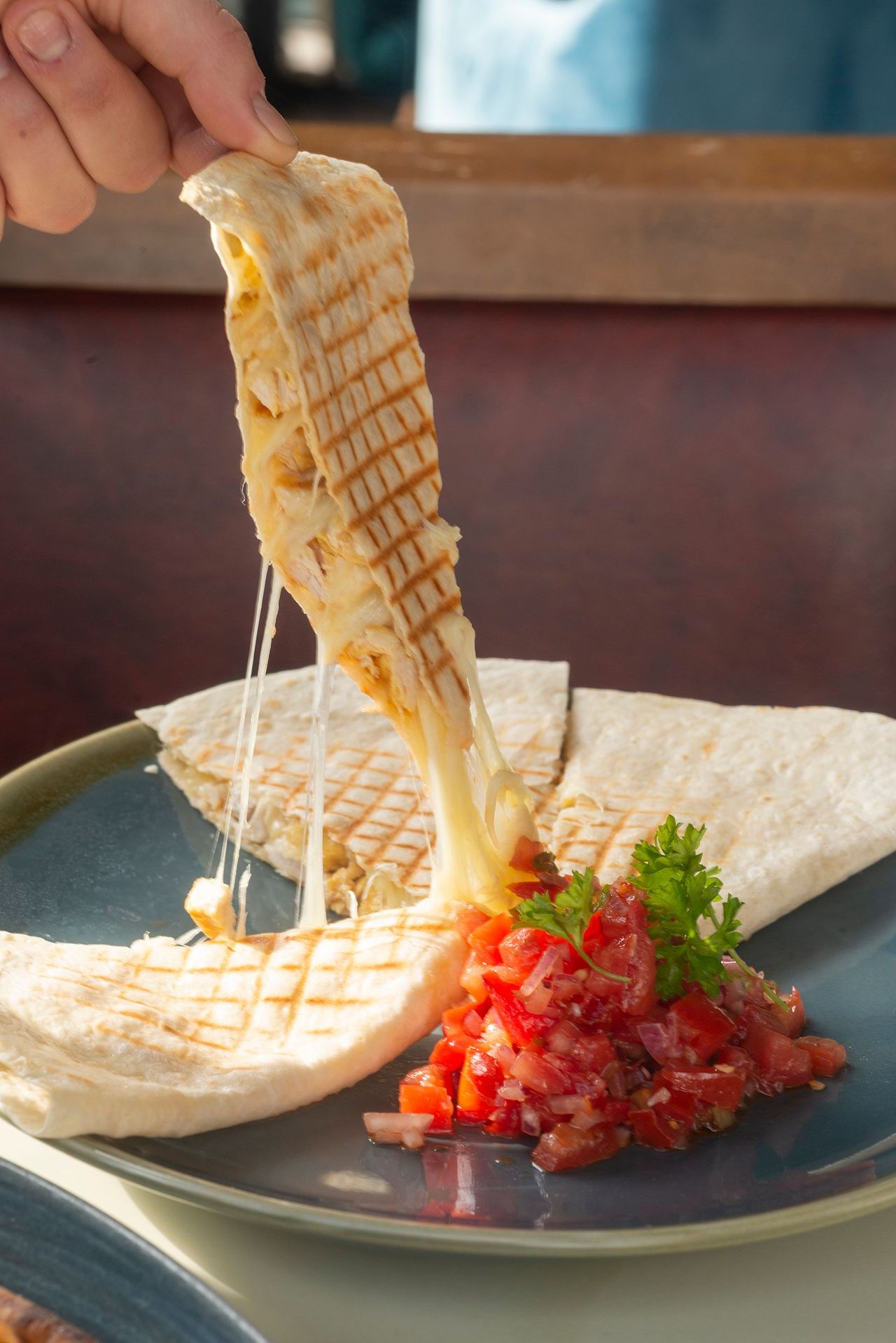
Photo: Pexels
A quesadilla for breakfast sounds simple, and it is, but the egg inside makes it a real meal with almost no work. For 1 to 2 servings, you need 2 large flour tortillas, 3 eggs, 1 tablespoon of butter, 3/4 cup of shredded Monterey Jack or cheddar cheese, 2 tablespoons of sliced green onions, salt, and black pepper. Salsa and sour cream for serving are not required, but they make the plate. The trick that keeps this quesadilla great instead of soggy is to scramble the eggs on their own first and keep them just barely set, because they cook a second time inside the tortilla.
Melt half the butter in a nonstick skillet over medium-low heat and scramble the eggs with a pinch of salt and pepper for about 2 minutes, until soft curds form and they still look a little glossy, then slide them onto a plate. Wipe the skillet, set it over medium heat, and lay in one tortilla. Sprinkle half the cheese over it, spread the eggs and green onions on top, add the rest of the cheese, and cover with the second tortilla. Cook for 2 to 3 minutes per side, pressing down lightly with a spatula, until both sides are crisp and golden and the cheese has fully melted. Rest for 1 minute so the filling settles, then cut into wedges and serve with salsa.
Frequently Asked Questions
Why do my scrambled eggs turn out rubbery or watery?
This is the question home cooks ask most, and the answer is almost always the heat. Eggs cooked over high heat, or left in the pan too long, tighten up and squeeze out their water, which makes them tough and rubbery with liquid pooling on the plate. Cook them over medium-low heat, stir gently, and take the pan off the burner while the eggs still look slightly soft and glossy. Watery eggs also come from adding raw vegetables straight into the pan, so cook peppers, mushrooms, and tomatoes first, like in the omelet recipe above.
Should I add milk to scrambled eggs?
You can, but you do not need to. A small splash, about 1 tablespoon per 2 eggs, makes the curds a little softer. Too much milk dilutes the egg flavor and can make the eggs weep on the plate. Some cooks use a tablespoon of water instead, which turns to steam and makes the eggs lighter. For richer eggs, stir in a spoonful of cream, sour cream, or cream cheese at the very end of cooking instead of milk at the start.
How many eggs should I plan per person?
Plan on 2 to 3 eggs per adult for scrambled eggs and omelets. For baked dishes like the casserole and French toast bake above, the eggs are stretched across the whole pan, so one batch of 8 eggs serves about 8 people. For food safety, egg dishes should be cooked until they reach 160°F in the center, and casseroles should look set, not wet, in the middle.
Can I make egg breakfasts ahead of time?
Yes, and it makes weekday mornings much easier. The French toast bake and the sausage casserole are both designed to be assembled the night before and baked in the morning. Breakfast burritos freeze well for up to 1 month wrapped in foil. Plain scrambled eggs are best fresh, but if you reheat leftovers, warm them gently in a buttered pan over low heat so they stay soft instead of turning rubbery in a hot microwave.
How long do eggs keep in the fridge?
Eggs in the shell keep for 3 to 5 weeks in the refrigerator, and the date on the carton is a guide, not a hard rule; a quick check is that a fresh egg sinks in a bowl of water while an old one floats. Cooked egg dishes like the casserole should be eaten within 3 to 4 days. Store leftovers in a covered container and put them in the fridge within 2 hours of cooking.
Final Thoughts
Eggs might be the hardest-working ingredient in the kitchen. One carton gives you a five-minute scramble on a rushed Monday, a pan of shakshuka for a slow Sunday, and two make-ahead bakes that feed a house full of guests without any stress. Start with the recipe that fits your morning tomorrow, learn the few small techniques in it, like low heat for scrambling and cold rice for fried rice, and the rest of the list will feel easy.
That is the real value of keeping good breakfast recipes with eggs in your regular rotation: they are cheap, fast, filling, and never boring, because the same ingredient can taste completely different from one day to the next. If you try one of these, the overnight French toast bake is the one readers come back to most, and the breakfast burritos are the one that saves the most busy mornings. Happy cooking, and enjoy your breakfast.
Sources
- The Cozy Cook, Fluffy Scrambled Eggs: https://thecozycook.com/fluffy-scrambled-eggs/
- Family Food on the Table, 5 Easy Make-Ahead Egg Breakfasts: https://www.familyfoodonthetable.com/5-easy-make-ahead-egg-breakfasts/
- Incredible Egg, American Egg Board (egg cooking basics and nutrition): https://www.incredibleegg.org/
Gallery

Photo: Wikimedia Commons

Photo: Wikimedia Commons

Photo: Wikimedia Commons

No comments:
Post a Comment