Scroll through any gardening group right now and you will see it: flower beds covered in mulch so dark it looks almost black. It makes red tulips glow, white daisies pop, and green shrubs look richer. The trend started in commercial landscaping and has moved firmly into home gardens across Canada.
But is it just about looks? This guide explains what the dark product actually is, whether the colouring is safe for your soil, how much it costs at Canadian garden centres, and where it works best — plus honest cases where plain bark is the smarter pick.
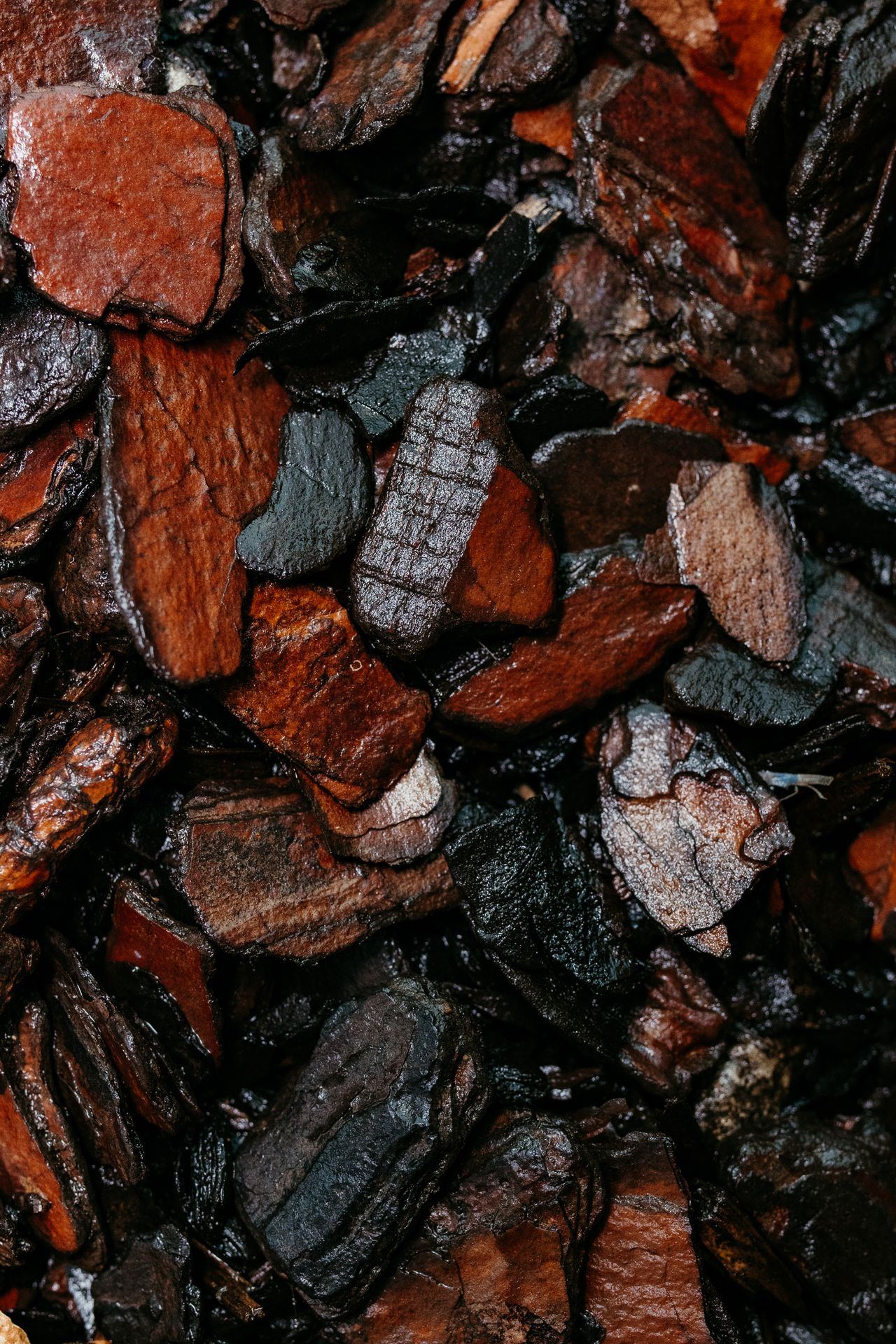
Photo: Pexels
Table of Contents
- 1. What This Dark Mulch Actually Is
- 2. Why the Contrast Looks So Good
- 3. Is the Dye Safe for Soil and Pets?
- 4. Using It in Flower Beds
- 5. Rings Around Trees and Shrubs
- 6. The Heat Question in Vegetable Gardens
- 7. Paths and Edging That Look Sharp
- 8. Fading and When to Top Up
- 9. What It Costs in Canada
- 10. Natural Dark Alternatives
- 11. Should You Lay Fabric Underneath?
- 12. Best Time of Year to Spread It
1. What This Dark Mulch Actually Is
Most bagged black mulch is shredded hardwood bark or wood fibre that has been coloured with a carbon-based or iron-oxide dye. The dye is the same family of pigment used in cosmetics and concrete colouring. It coats each chip so the whole bed reads as a deep, even charcoal rather than the mixed browns of natural bark.
You will see it sold as "black cedar mulch" or "black hardwood mulch" at Home Depot, Canadian Tire, and garden centres. A standard bag is 42.5 litres and covers about 1 square metre at a 5 cm depth. Bulk yards in most cities also sell dyed mulch by the cubic yard if you have a large area.
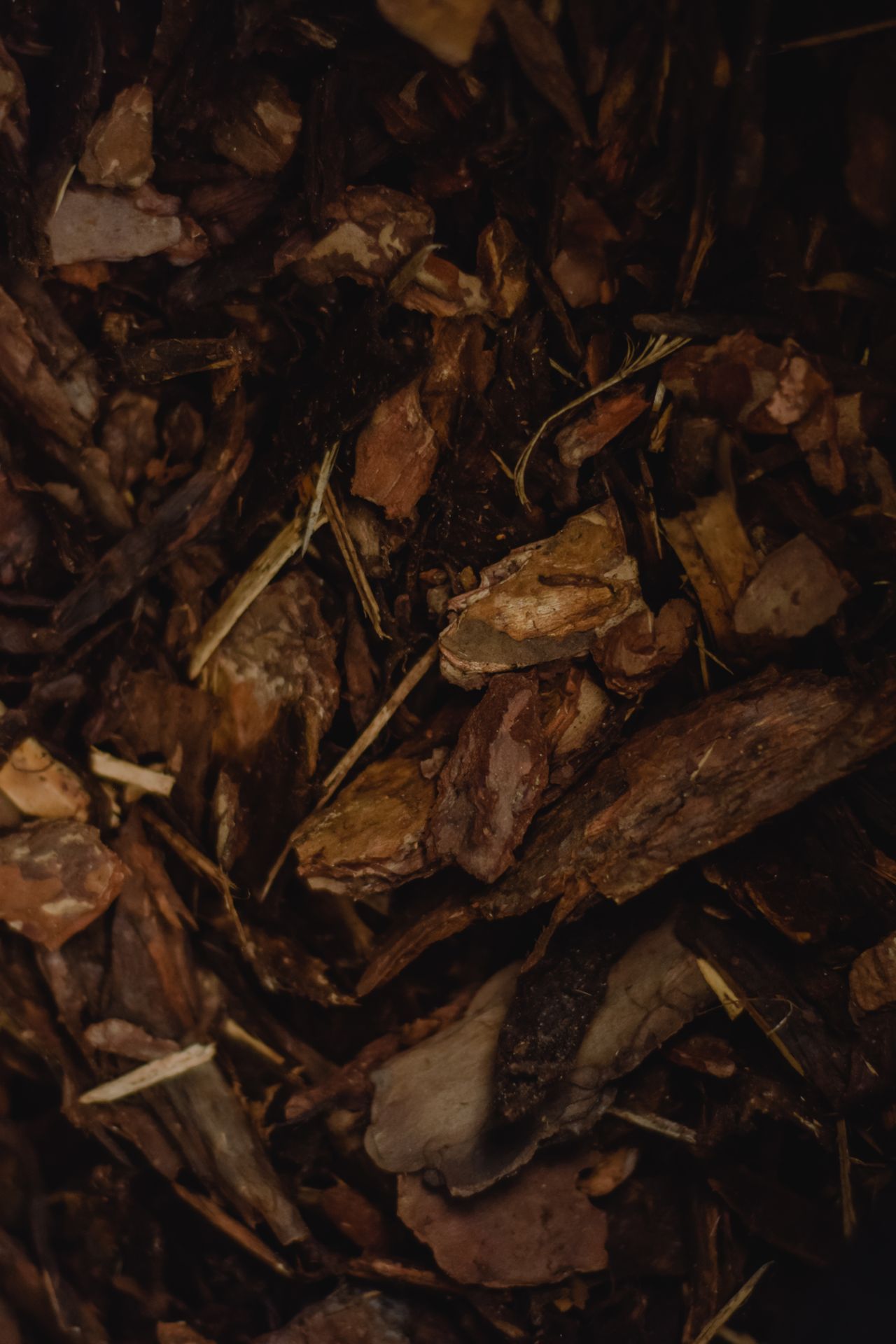
Photo: Pexels
2. Why the Contrast Looks So Good
Dark backgrounds make colours appear more vivid — that is simple colour theory, and it is why florists use black paper behind bright bouquets. Against near-black mulch, green foliage looks lusher, white flowers glow, and reds and yellows seem to jump forward. The effect is strongest in full sun, where the matte surface soaks up light instead of bouncing it back.
This is also why landscape designers love it along foundations and walkways. A crisp dark bed edge reads as intentional and tidy even when the planting inside is simple. If your front garden feels messy, a fresh dark layer is one of the cheapest visual upgrades, and it pairs beautifully with clean flower bed edging ideas that keep the line sharp.

Photo: Wikimedia Commons
3. Is the Dye Safe for Soil and Pets?
This is the question gardeners ask most, and the honest answer is reassuring with one caveat. The carbon-black and iron-oxide pigments used by major brands are non-toxic and break down in soil without releasing heavy metals. Studies by university extensions have found dyed mulches no more harmful than natural bark once weathered for a few weeks.
The caveat is the wood itself. Cheap dyed mulch can be made from recycled pallet wood or construction waste, which may carry contaminants the dye then hides. Buy from known brands, look for the Mulch and Soil Council certification on the bag, and let a fresh layer weather for two or three weeks before letting pets dig in it. If the bag smells strongly of chemicals, return it.
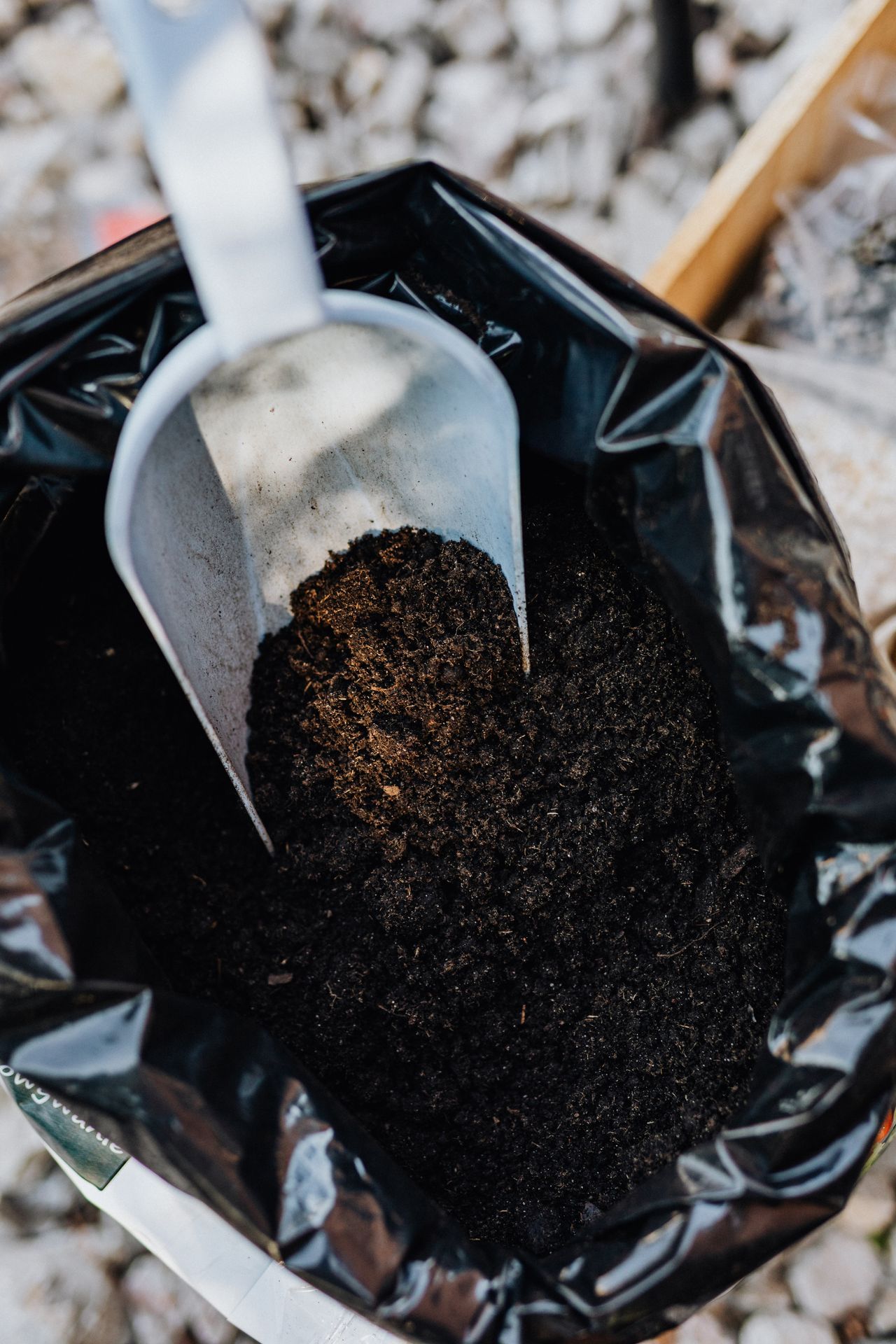
Photo: Pexels
4. Using It in Flower Beds
Flower beds are where dyed mulch earns its reputation. Spread it 5 to 7 cm deep, keeping it pulled back 5 cm from stems and crowns so moisture does not sit against the plants. Water the bed first, then mulch — the dark layer will hold that moisture in through hot July afternoons.
One practical tip: lay the mulch, then plant through it rather than the other way around. Pushing transplants through a fresh dark layer keeps the surface unbroken and clean-looking. For beds you replant each spring with annuals, expect to fluff and top up the layer every year, since digging disturbs it. These beds also shine next to garden aesthetic ideas that lean on strong colour contrast.
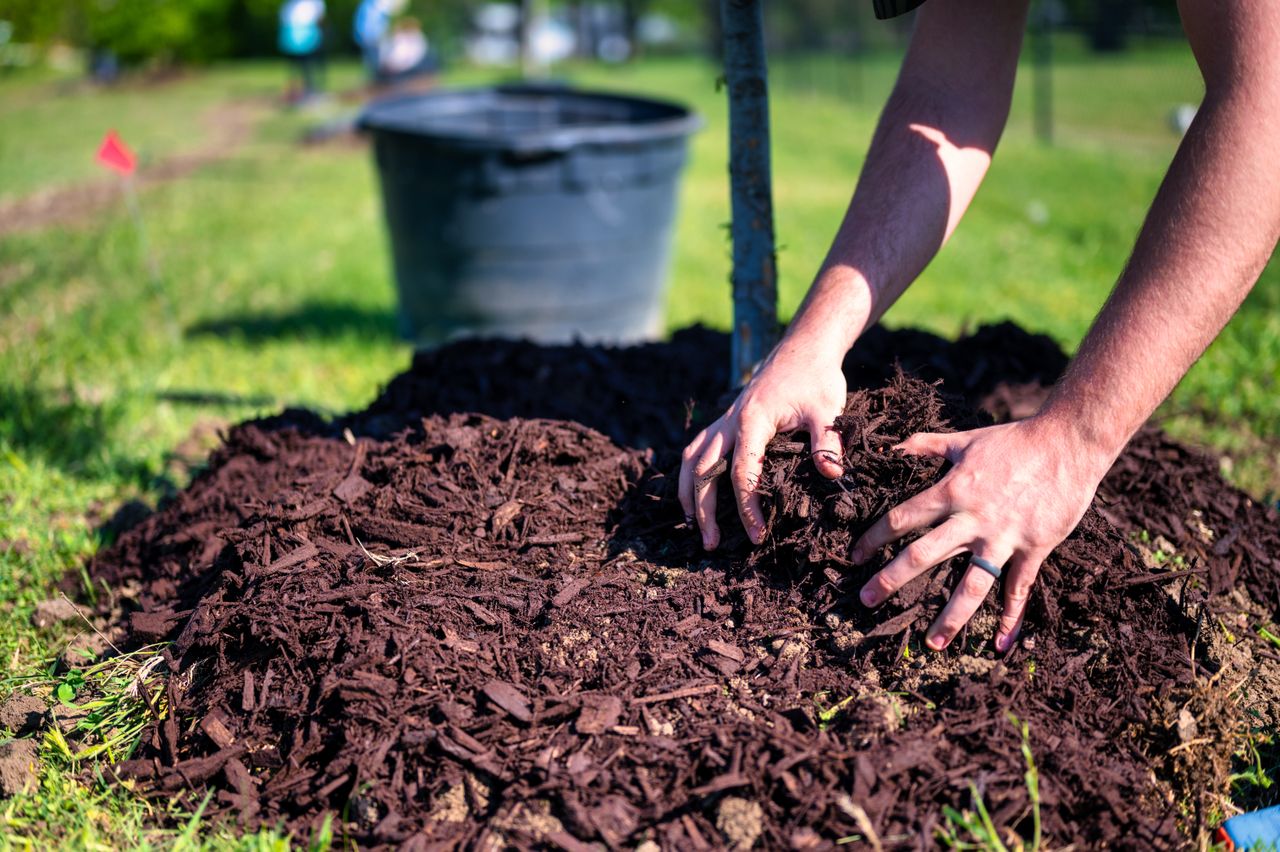
Photo: Pexels
5. Rings Around Trees and Shrubs
A dark ring around a tree trunk looks sharp and actually helps the tree. Mulch keeps mowers and trimmers away from bark, holds soil moisture, and moderates temperature swings. Make the ring at least 1 metre wide for young trees, and keep the depth at 5 to 8 cm.
Never pile it against the trunk in a volcano shape — that traps moisture against bark and invites rot and rodents. Leave a clear 10 cm gap around the trunk flare. This donut shape, not a volcano, is what arborists recommend, and the dark colour makes the ring read as a deliberate design feature rather than a pile of chips.
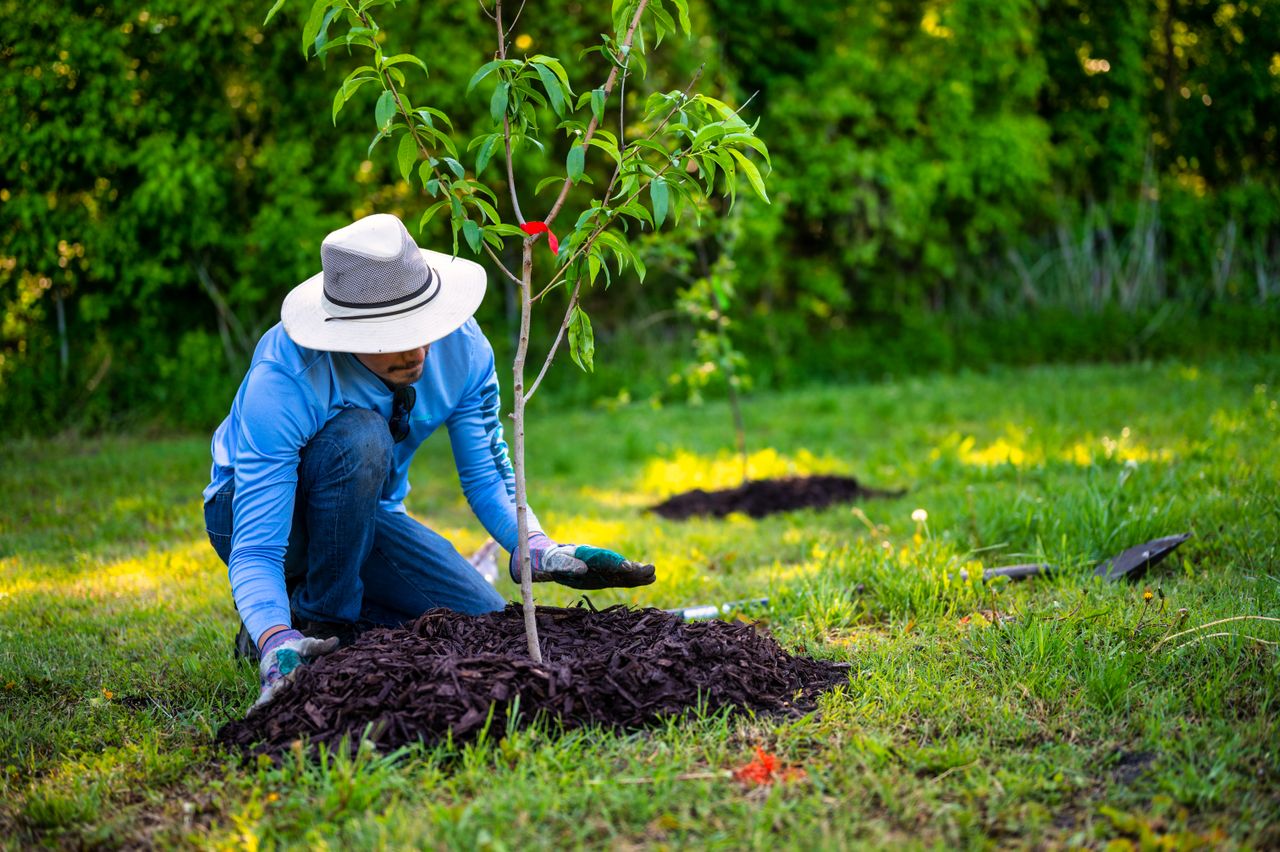
Photo: Pexels
6. The Heat Question in Vegetable Gardens
Here is where you should pause. Dark surfaces absorb more solar radiation — a black-mulched bed can run 3 to 5°C hotter at the surface than a straw-mulched one on a sunny afternoon. For heat-loving crops like tomatoes, peppers, and melons in cooler zones, that extra warmth is a genuine bonus and can speed ripening by a week or more.
But for lettuce, spinach, and peas — crops that bolt in heat — that same warmth works against you. In southern Ontario or the Prairies during a hot June, dark mulch around cool-season greens can push them to flower early. Use the dark product for your heat lovers and stick with straw or natural bark for the salad bed. Your rustic vegetable garden ideas will thank you for the distinction.
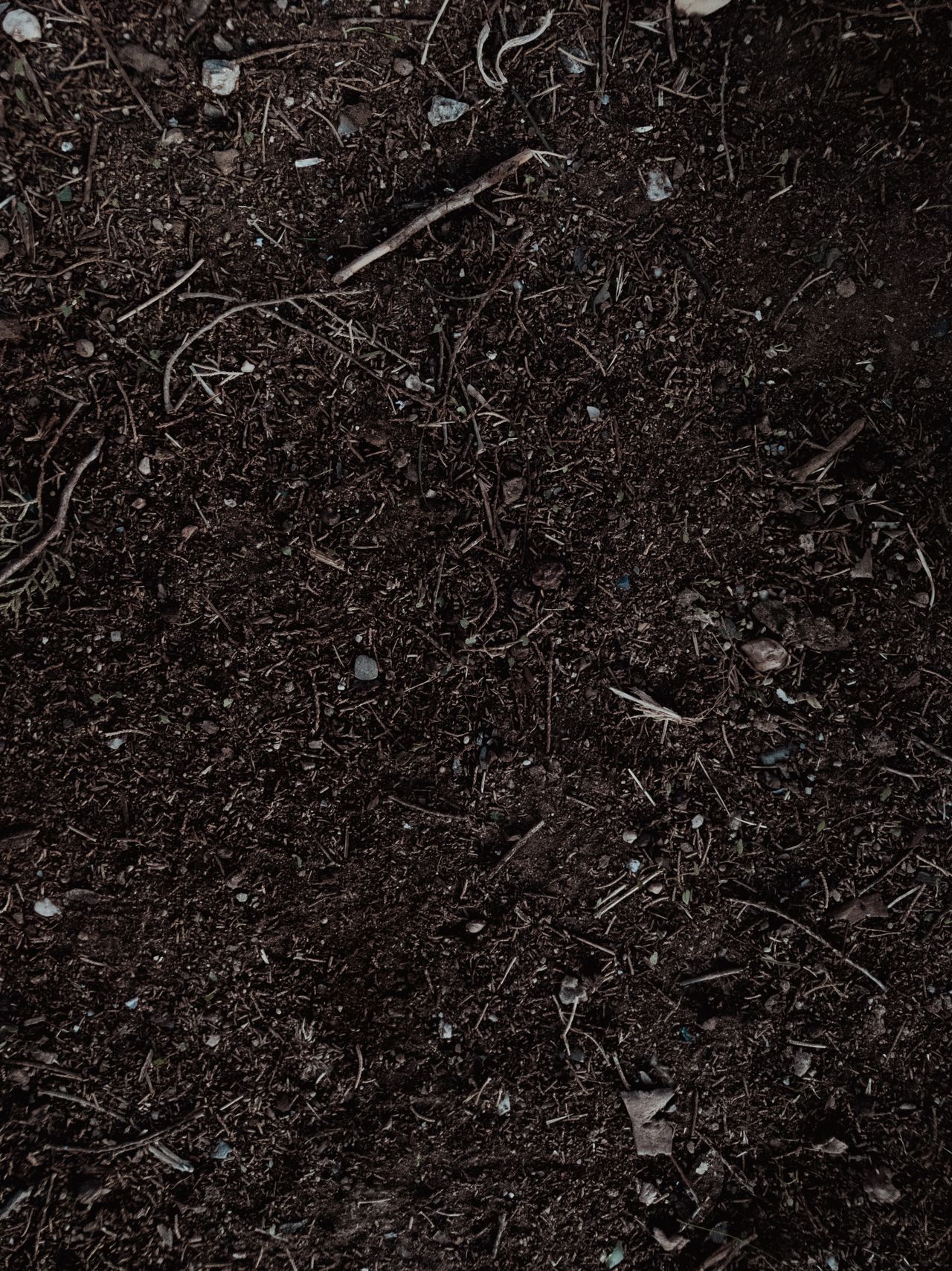
Photo: Pexels
7. Paths and Edging That Look Sharp
Dark mulch makes an excellent path surface between beds. It is soft underfoot, suppresses weeds, and the dark tone hides soil stains that would show on light gravel. Lay it 8 to 10 cm deep on paths since foot traffic compacts it, and refresh the top 3 cm each spring.
For edging, the dark colour creates a crisp line against lawn grass without needing plastic or metal strips — though a simple trench edge still helps. Cut a 10 cm deep V-shaped trench along the bed edge with a spade, and the mulch stays put instead of spilling onto the grass. This is one of the simplest landscape design tricks for a tidy-looking yard.
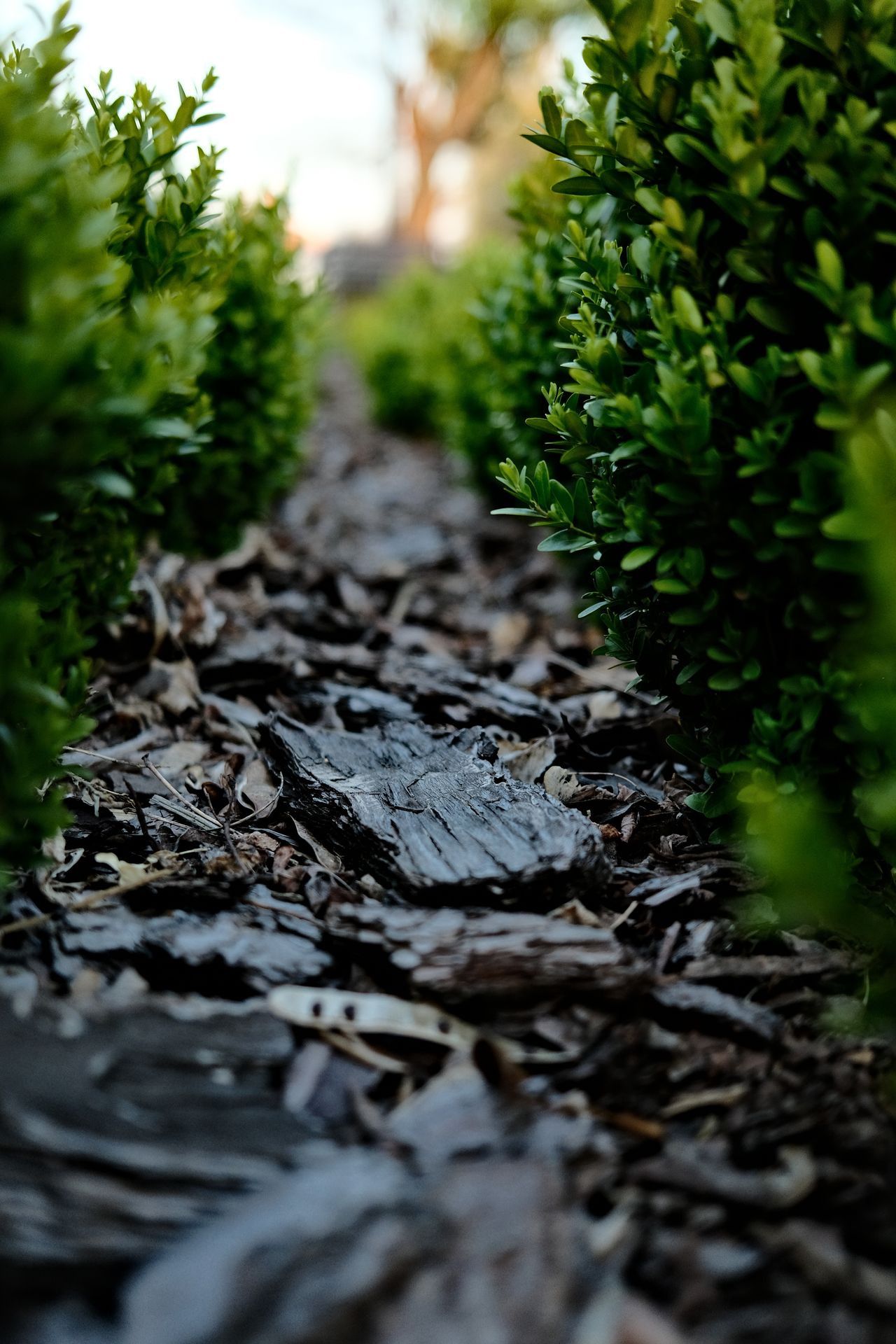
Photo: Pexels
8. Fading and When to Top Up
The deep colour is not permanent. Sunlight breaks down the dye over 12 to 18 months, and by the second summer a black layer usually fades to a weathered grey-brown. That is normal and harmless — the wood underneath is still doing its job of holding moisture and blocking weeds.
If you want the bold look year after year, plan on a 2 to 3 cm top-up each spring rather than a full replacement. Rake the old layer lightly to fluff it, then spread the fresh dark mulch on top. This is cheaper than stripping and redoing, and the layered material composts down into the soil over time, feeding it.
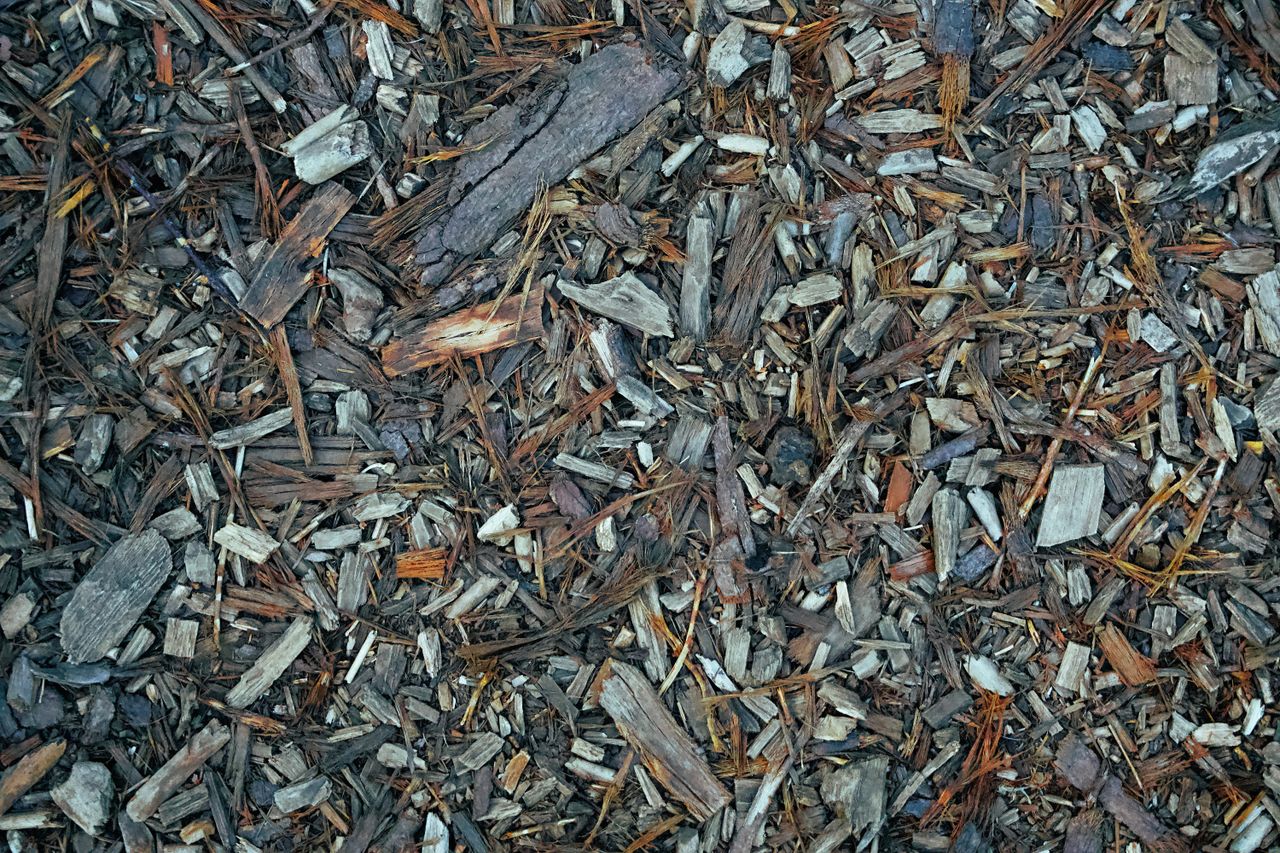
Photo: Pexels
9. What It Costs in Canada
Expect to pay $6 to $9 per 42.5-litre bag at big-box stores during spring sales, or $45 to $70 per cubic yard in bulk from a landscape supply yard. A cubic yard covers about 9 square metres at 7 cm deep — roughly 20 bags — so bulk is far cheaper for big beds. Delivery usually adds $50 to $80 within the city.
Dyed mulch runs about $1 to $2 more per bag than natural cedar or pine bark. For a typical 10-square-metre front bed at 7 cm deep, budget $70 to $100 in bags or $60 to $80 bulk plus delivery. Watch for Victoria Day and Canada Day sales, when garden centres often drop bagged mulch to $5 a bag.
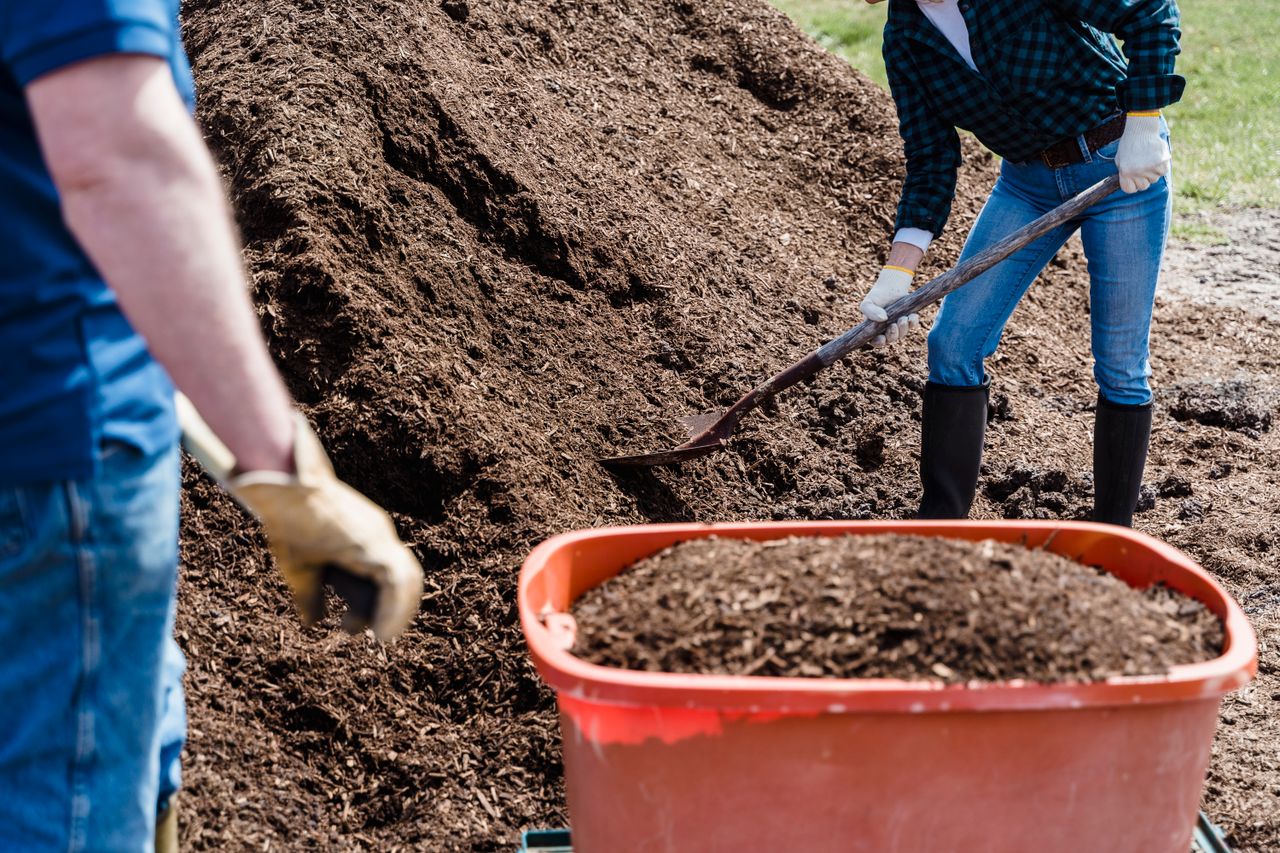
Photo: Pexels
10. Natural Dark Alternatives
If the dye idea bothers you, nature offers dark options. Composted bark fines, dark hemlock mulch, and well-aged wood chips all read as deep brown without any added colour. Cocoa shells are nearly black and smell faintly of chocolate, though they are pricey and must be kept away from dogs.
The trade-off is consistency. Natural dark mulches vary bag to bag and fade faster, usually within one season. They also cost more — hemlock and cocoa shell often run $9 to $14 a bag. For many gardeners the honest answer is a mix: dyed product in the highly visible front beds, natural bark in the back where nobody scrutinizes the colour.
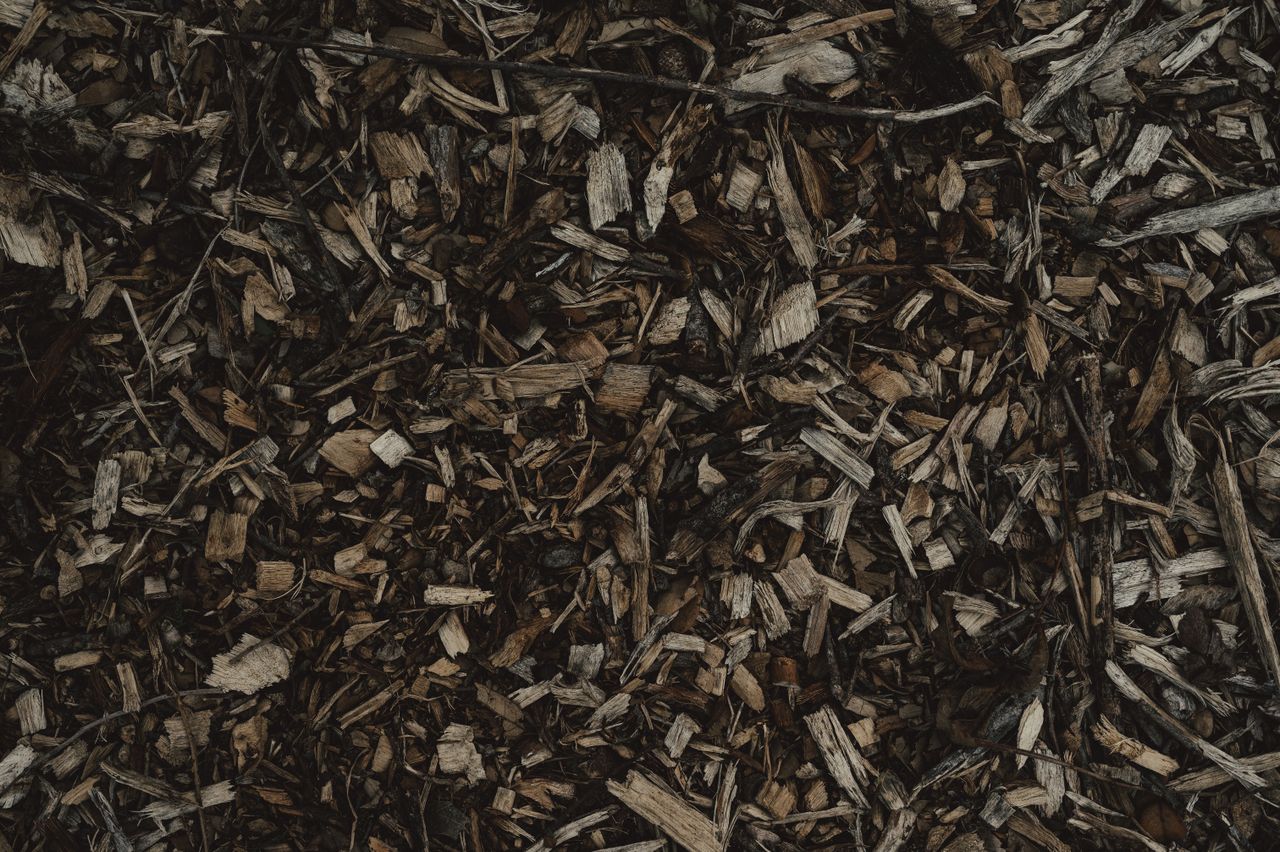
Photo: Pexels
11. Should You Lay Fabric Underneath?
Landscape fabric under mulch is one of gardening's great debates. Fabric does block weeds initially, but soil and seeds settle on top of it within a season or two, and then weeds root through it — making them harder to pull. It also stops the mulch from breaking down into the soil, which is half the point.
For most home beds, skip the fabric. Lay 8 to 10 cm of cardboard or 10 sheets of newspaper directly on the weeds instead, wet it thoroughly, then mulch over it. The paper smothers weeds, earthworms love it, and it rots away within a season leaving better soil. Save fabric for under gravel paths, where it actually earns its keep.
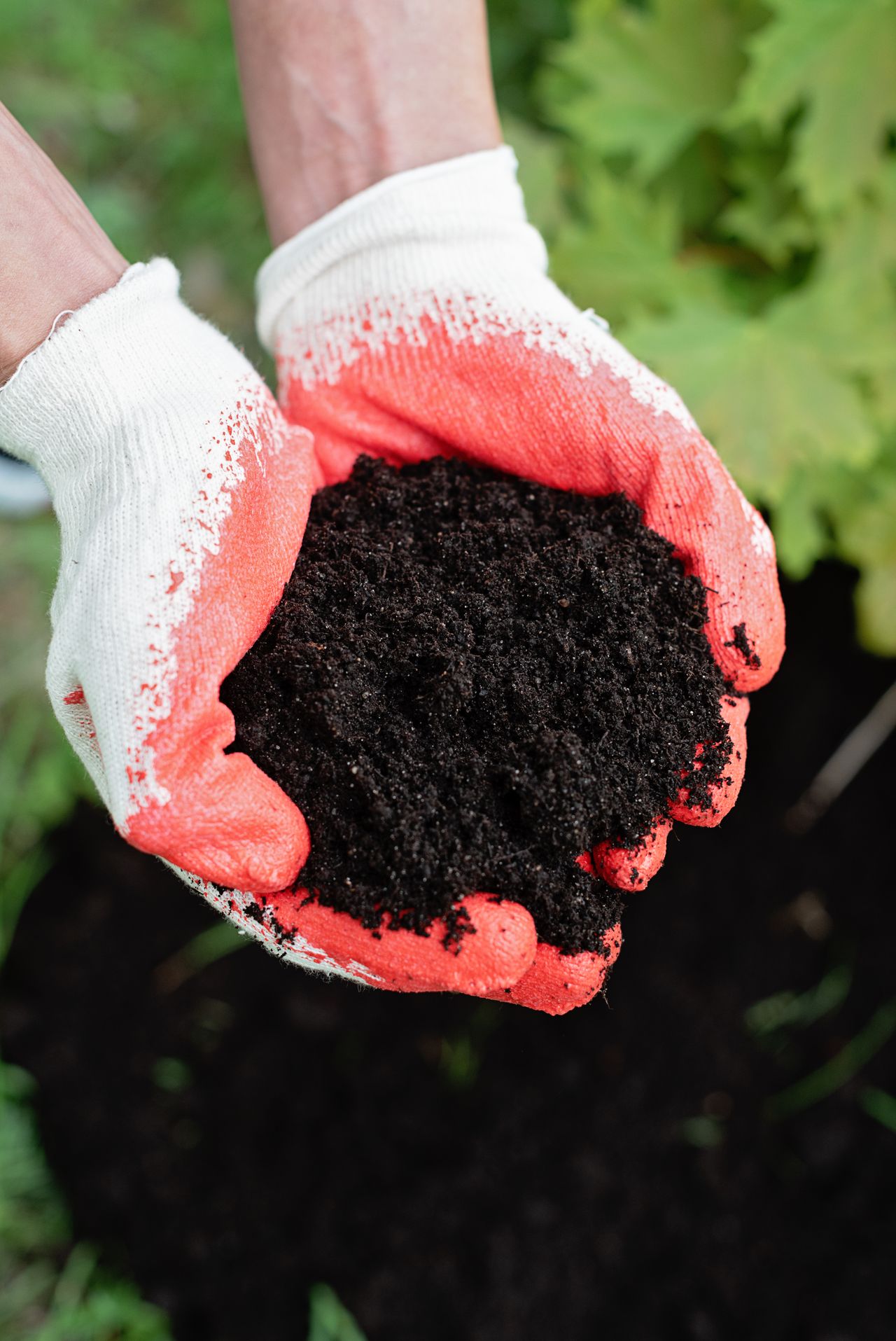
Photo: Pexels
12. Best Time of Year to Spread It
Late spring — after the soil has warmed but before summer heat — is ideal. In most of Canada that means mid-May to early June. Spreading too early in cold, wet April can trap chill in the soil and slow down perennials. Spreading in the July heat is fine too, as long as you water the bed deeply first.
Fall is the second-best window. A fresh layer in October insulates roots through freeze-thaw cycles and means one less job in the spring rush. Avoid piling it on right before a heavy rain is forecast, since fresh dye can bleed slightly and stain concrete edging — a quick rinse of hard surfaces after spreading prevents marks.
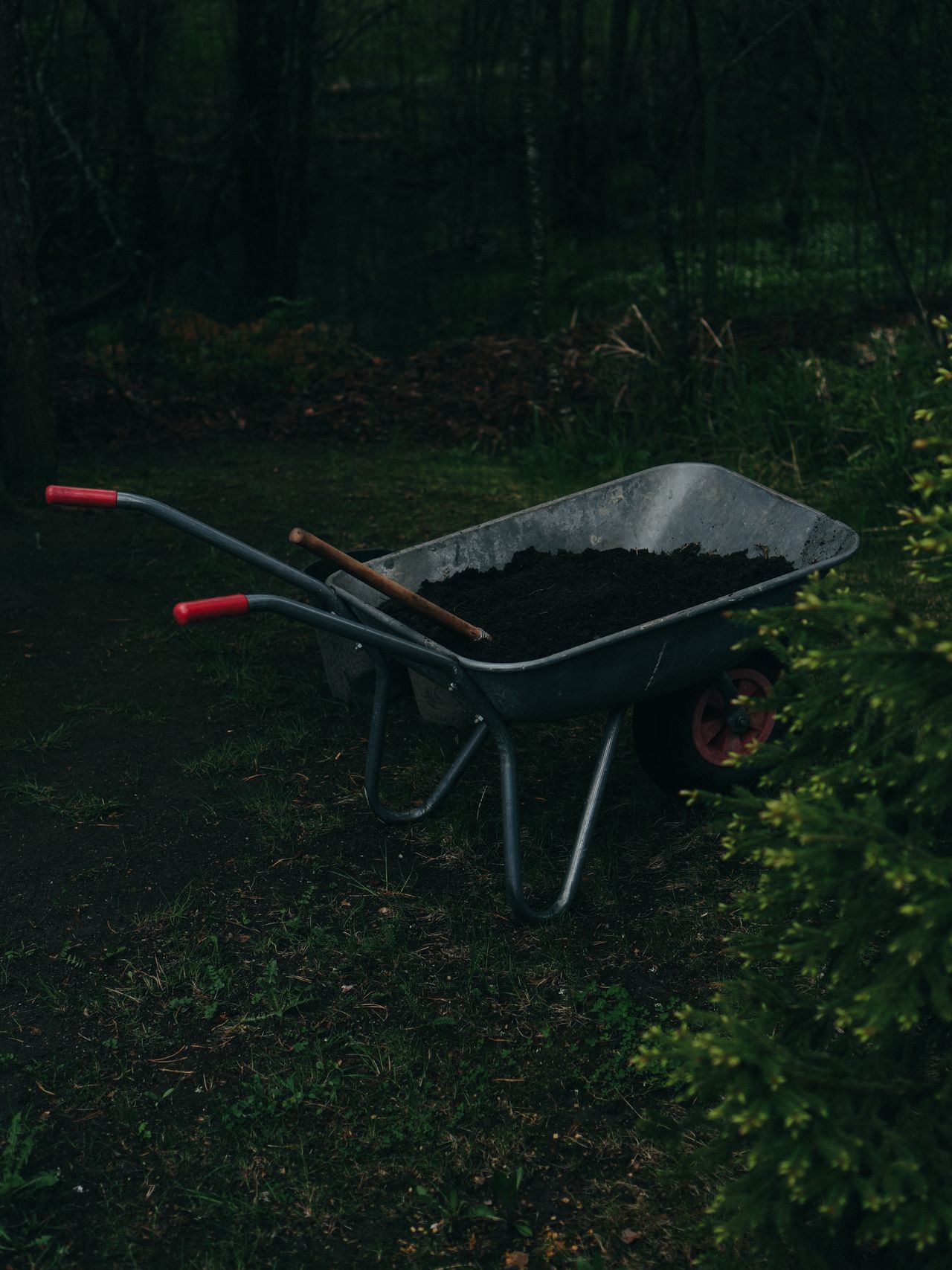
Photo: Pexels
FAQs
Does black mulch attract more insects?
No more than any wood mulch. Earwigs and pillbugs like all damp mulch, dyed or not. Keep it away from house foundations and siding to discourage pests from wandering indoors.
Will the dye stain my clothes or concrete?
Freshly spread mulch can transfer some colour when wet. Wear gloves, and rinse patios and edging with a hose right after spreading. Once weathered for a few weeks, staining stops.
How long does the black colour actually last?
About one full growing season of deep colour, fading to grey-brown by month 12 to 18. A light spring top-up each year keeps it looking fresh.
Can I use it around acid-loving plants like blueberries?
Yes, but hardwood-based dyed mulches are roughly neutral, not acidic. Blueberries prefer pine needles or pine bark, which are naturally more acidic.
Is it safe for vegetable gardens?
Certified dyed mulches are considered safe, but many gardeners prefer straw or natural bark for edibles out of caution. Never use rubber mulch around food crops.
Final Thoughts
Dark mulch is not magic — it is coloured bark doing the same quiet work as any mulch: holding moisture, blocking weeds, and feeding soil as it breaks down. What it adds is drama, and in the right bed that drama is worth the small price premium. Use it where you want contrast, choose natural bark where you want simplicity, and always buy from a brand you trust.
Sources
- Wikipedia — Mulch
- Garden Myths — Robert Pavlis
- University of Minnesota Extension — Mulching Trees and Shrubs
Gallery
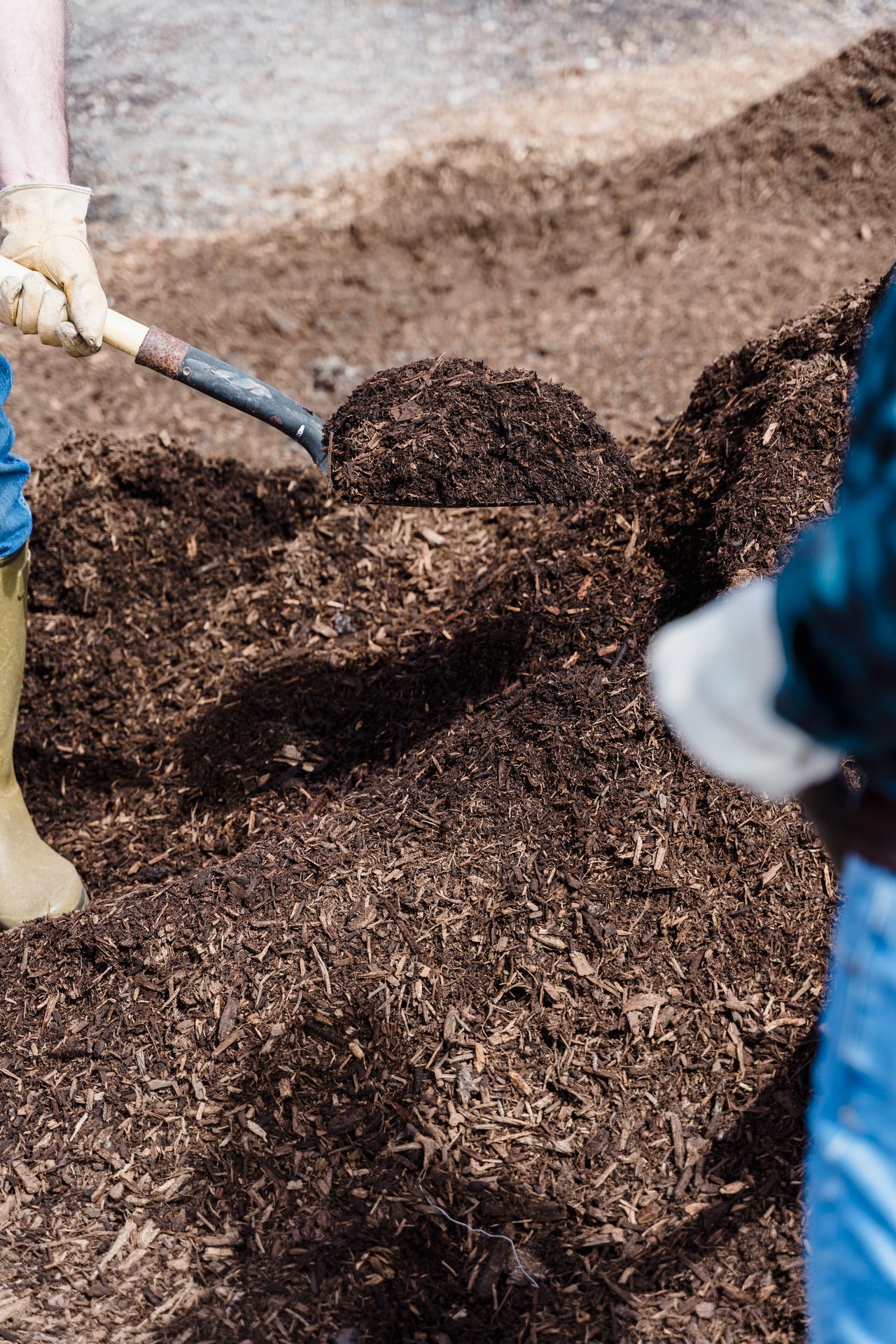
Photo: Pexels
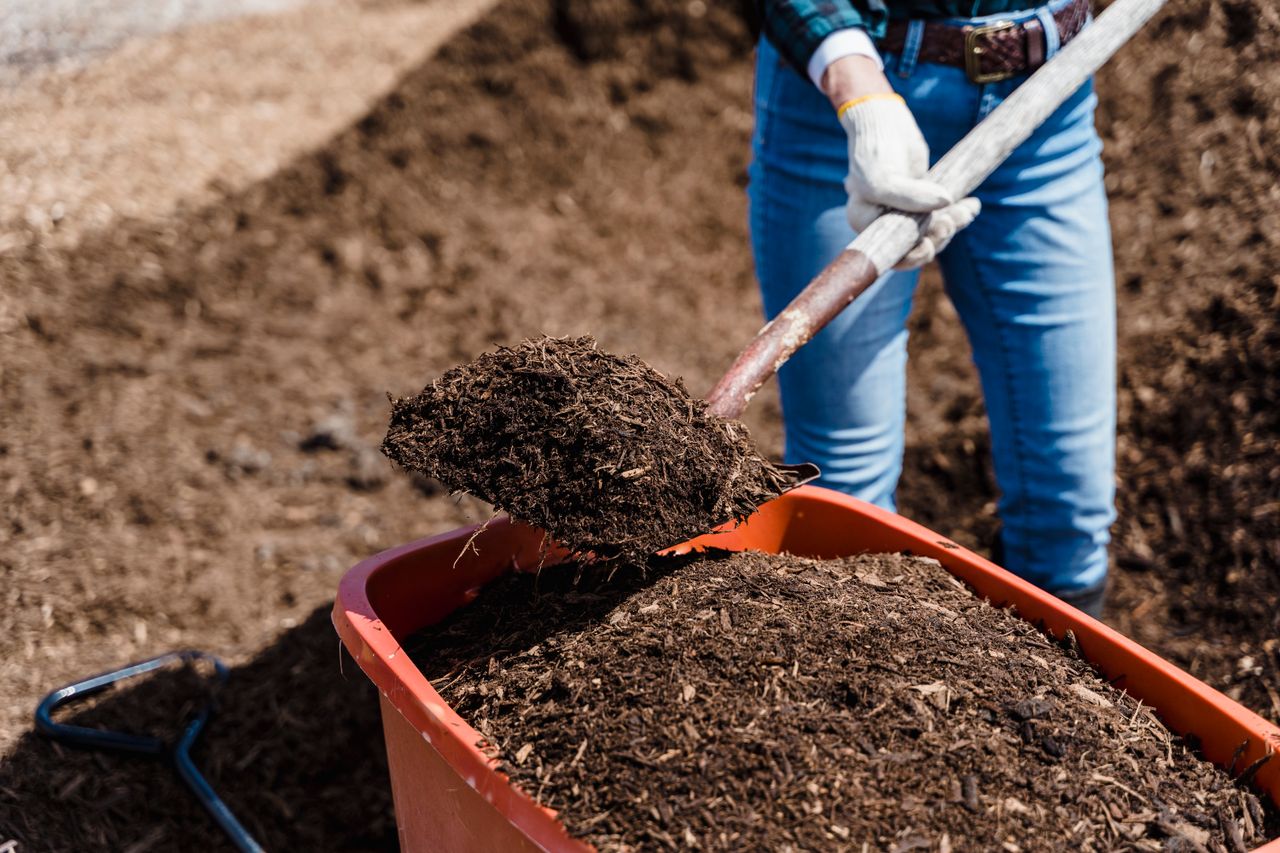
Photo: Pexels

Photo: Wikimedia Commons

No comments:
Post a Comment