Boots are the one winter purchase you should never cheap out on blindly — cold, wet feet will ruin any Canadian winter faster than anything else. The best winter boots for Canadian winters share three things: a real published temperature rating, a fully waterproof build, and a sole that grips ice instead of skating on it.
I have worn through enough pairs — from cracked fashion boots in Toronto slush to expedition boots on prairie cold snaps — to know where the money matters and where it doesn't. These 10 picks cover every scenario, with honest Canadian prices. Pair them right with our guide to the best socks to wear with winter boots, and check our snow boot sizing guide before you order — fit is half the warmth.
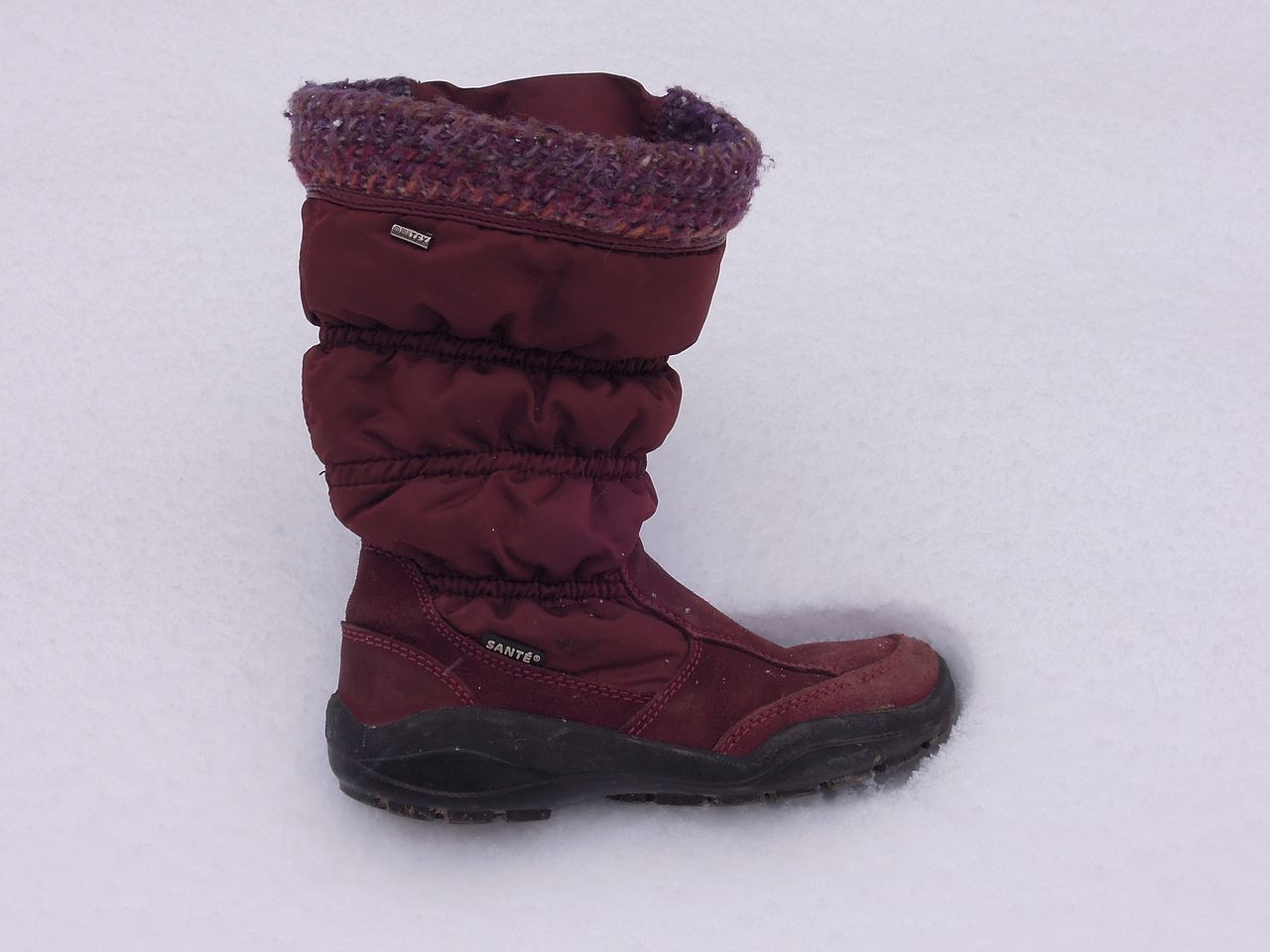
Photo via Wikimedia Commons
Table of Contents
- 1. Best Overall: Classic Lace-Up Pac Boots
- 2. Best for Extreme Cold: Expedition Boots
- 3. Best Budget: Everyday Insulated Boots
- 4. Best for Deep Snow: Tall Puffy Boots
- 5. Best Ice Traction: Grip-Ready Boots
- 6. Best for Slush: Waterproof Pull-On Boots
- 7. Best Winter Chelsea: Insulated Chelsea Boots
- 8. Best Heritage Pick: Beaded Mukluks
- 9. Best Rugged Work Boot: Military-Grade Insulated
- 10. Best Rubber Winter Boot: Insulated Wellies
1. Best Overall: Classic Lace-Up Pac Boots
The lace-up pac boot — waterproof rubber lower, leather or nylon upper, removable felt liner — is the boot Sorel built its name on. The iconic Sorel Caribou pairs a vulcanized rubber shell with a removable ThermoPlus felt inner boot and carries a published rating of -40°C, which is why it remains the default recommendation across Canada.
Why it wins: the removable liner is the secret. Pull it out to dry overnight and the boots are warm again by morning; non-removable boots stay damp for days. Expect roughly $220–$260 CAD. Size up half a size — pac boots run snug, and tight boots mean cold feet no matter the rating.
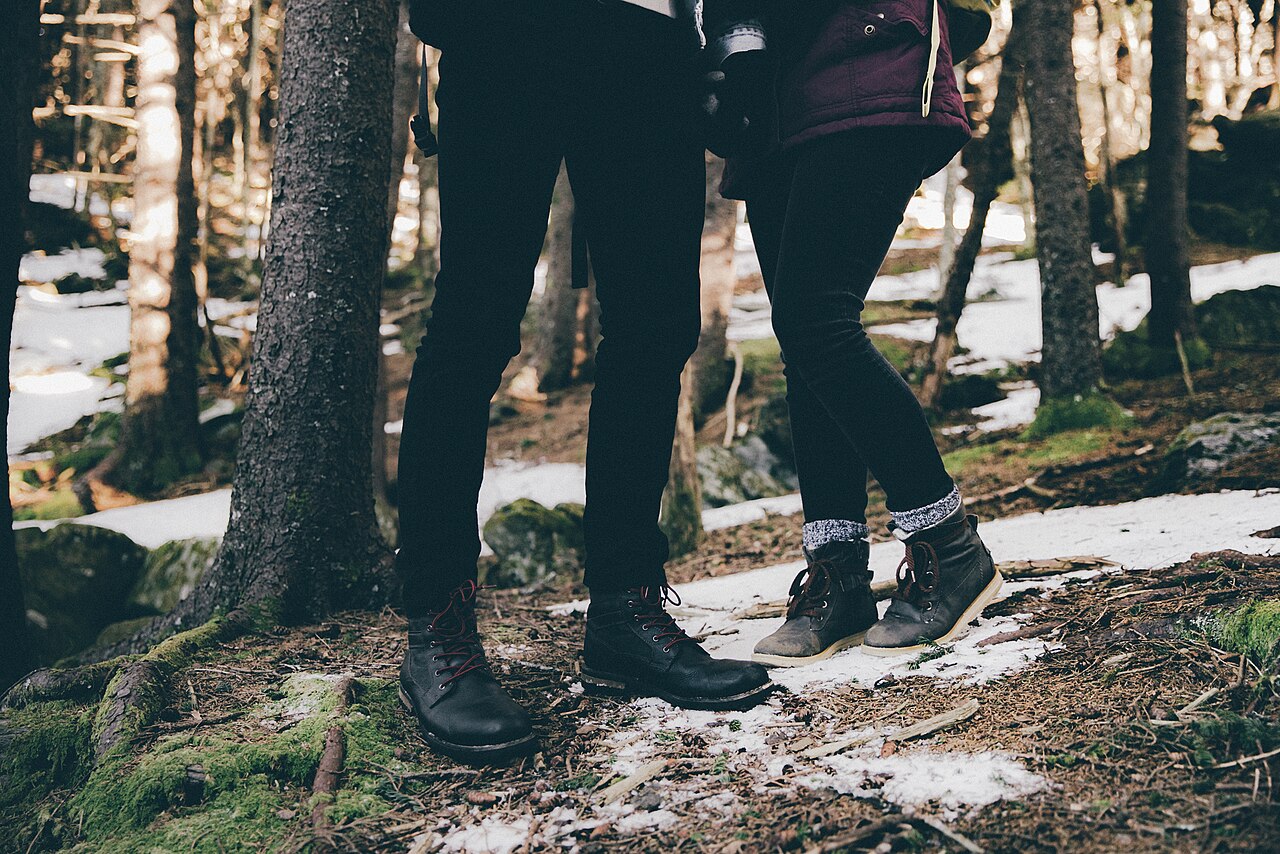
Photo via Wikimedia Commons
2. Best for Extreme Cold: Expedition Boots
When the forecast says -40°C and you still have to work outside, you want expedition-grade boots. Baffin's Impact boots use an 8-layer inner boot system with a published rating down to -100°C — the warmest mainstream rating in the industry — plus a polar rubber outsole that stays flexible instead of turning to plastic in deep cold.
Honest caveat: these are overkill for city commuting and they are heavy. But for farm work, ice fishing, or northern postings, nothing else keeps feet functional all day. Budget roughly $280–$330 CAD, and try them with your thickest socks before committing.

Photo via Wikimedia Commons
3. Best Budget: Everyday Insulated Boots
You do not need $300 to stay warm. Kamik — a Canadian company — builds boots like the Greenbay 4 with a removable 8 mm thermal liner and a -40°F rating for roughly $110–$160 CAD. That is genuine extreme-cold spec at half the price of the big names.
The trade-off is weight and style, not warmth. Budget boots tend to be bulkier and the liners pack down faster, so replace liners every couple of seasons. For students, newcomers buying their first real winter kit, or anyone outfitting a whole family, this is the smart-money pick.

Photo: SAKURAKO via Wikimedia Commons
4. Best for Deep Snow: Tall Puffy Boots
Tall, puffy insulated boots — the moon-boot style — are built for one thing: deep, dry snow. The high shaft keeps powder out, the synthetic insulation stays warm even if damp, and the wide footprint floats instead of punching through drifts. Think shovelling the driveway, tobogganing, and ski-hill parking lots.
They are not hiking boots: the soft sole and loose fit make them clumsy on ice or long walks. But for standing around in snow at -20°C, tall puffy boots outperform everything else per dollar. Look for a drawcord top to seal out snow.

Photo via Wikimedia Commons
5. Best Ice Traction: Grip-Ready Boots
Warmth means nothing if you cannot stay upright. Standard rubber hardens in deep cold and slides on black ice, which is why traction tech matters: Vibram Arctic Grip soles use a special polymer (look for the blue-speckled lugs) engineered to grip wet ice, and brands like Pajar build flip-out ice cleats into the sole.
Cheaper fix that genuinely works: slip-on microspikes or coils (about $40–$70 CAD at MEC or Canadian Tire) that stretch over any boot. I keep a pair in my bag all winter — they turn any boot into an ice boot in ten seconds, and they have saved me on more frozen parking lots than I can count.
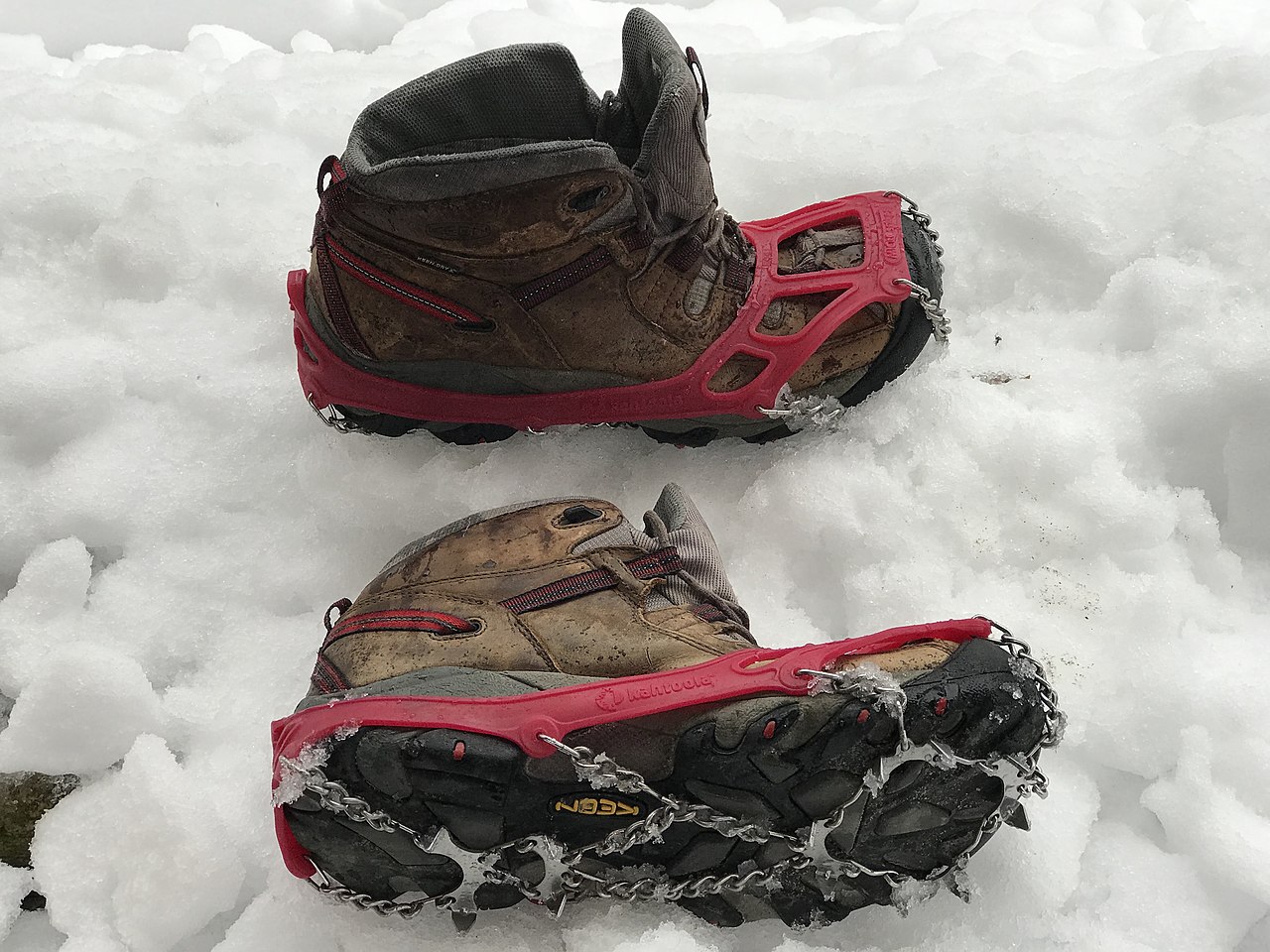
Photo via Wikimedia Commons
6. Best for Slush: Waterproof Pull-On Boots
Toronto and Vancouver winters are wet, not just cold — grey slush that finds every seam. Pull-on neoprene boots in the Bogs style are seamless, fully waterproof, and slide on in seconds, which makes them perfect for dog walks, school runs, and sloppy commutes.
Neoprene insulates even when wet, unlike leather. The compromise is breathability: feet can get sweaty on long indoor stretches, so kick them off inside. For pure wet-weather duty from October to April, nothing is more practical.

Photo via Wikimedia Commons
7. Best Winter Chelsea: Insulated Chelsea Boots
For office days and evenings out, an insulated Chelsea boot — Blundstone's Thermal series is the benchmark — looks like a normal boot but hides Thinsulate insulation and a weatherproof build. You get the sleek profile without the frozen toes.
Be realistic about limits: Chelseas handle cold sidewalks and light snow, not blizzards or deep drifts. Treat the leather with waterproofing wax each fall, and accept that this is a -15°C boot, not a -30°C boot. Within its lane, though, it is the most versatile winter boot you can own.

Photo via Wikimedia Commons
8. Best Heritage Pick: Beaded Mukluks
Mukluks — soft-soled, fur-and-hide boots perfected by Indigenous northerners over centuries — remain among the warmest footwear designs ever made. Modern makers like Manitobah, an Indigenous-owned Canadian company, craft beautiful beaded and fur-trimmed mukluks with modern waterproofing.
Traditional soft soles are wonderfully warm in dry, deep cold but wear fast on city pavement and soak through in slush — choose modern versions with crepe or rubber soles for town use. They are an investment (roughly $250–$350 CAD), but they are also wearable art with genuine northern heritage.

Photo via Wikimedia Commons
9. Best Rugged Work Boot: Military-Grade Insulated
If your winter involves job sites, long rural driveways, or genuinely punishing conditions, military-style extreme-cold boots (the famous white "bunny boots" and their modern equivalents) are built to a different standard: vapour-barrier insulation, oversized fit for heavy socks, and total waterproofing.
They are heavy, ugly, and gloriously effective. The vapour-barrier design means sweat stays in your sock, not your insulation — so change socks midday on long shifts. Surplus pairs are cheap; modern equivalents run $150–$250 CAD and last a decade of abuse.

Photo: U.S. Department of Defense via Wikimedia Commons
10. Best Rubber Winter Boot: Insulated Wellies
For farmyards, rainy coastal winters, and spring melt season, an insulated rubber boot (neoprene-lined wellies) is unbeatable: 100% waterproof, hose-cleanable, and warm enough with thick socks. They are the default footwear of rural Canada for good reason.
Fit tip: rubber does not stretch, so buy for your thickest sock and add a cushioned insole — the flat footbed of most wellies gets uncomfortable on long days. They run about $80–$150 CAD, making them the cheapest truly waterproof winter option.

Photo via Wikimedia Commons
Frequently Asked Questions
What temperature rating do I actually need?
Match the rating to your coldest regular use: -20°C to -25°C covers most southern Canadian cities, -40°C for the Prairies and northern Ontario, and expedition ratings only for outdoor work. Remember ratings assume you are moving — standing still, you will feel colder than the number suggests.
Should I size up in winter boots?
Usually half a size, sometimes a full size in pac boots. You need room for thick socks plus a little air space — air is insulation, and tight boots cut circulation. Always try boots on with the socks you will actually wear. Our snow boot sizing guide walks through it step by step.
How do I dry winter boots properly?
Pull removable liners out every night and stand them open near (not on) heat. Stuff non-removable boots with newspaper, replacing it once. Never put boots directly on a radiator — high heat cracks leather and melts adhesives. A $30 CAD boot dryer pays for itself in one winter.
Are expensive winter boots really worth it?
Up to a point, yes: waterproofing, real temperature ratings, and replaceable liners are worth paying for. Past about $250 CAD you are mostly paying for brand and style. The sweet spot for most Canadians is $150–$250 for a boot that lasts 5+ winters.
Can winter boots look stylish?
Absolutely — insulated Chelseas, sleek leather pac boots, and beaded mukluks all look great. Just be honest about each boot's limits: wear the stylish pair for the commute and keep the expedition pair for the storm. No single boot does everything.
Final Thoughts
The right winter boot is the one matched to your actual winter: slushy city, deep-snow suburb, or -40°C work site. Start from the temperature rating, demand real waterproofing, and never trust a smooth sole on ice.
Get those three right and the best winter boots for Canadian winters will carry you through February with warm, dry feet — which, as every Canadian knows, is the whole game. Happy stomping.
Sources
- https://www.thetechedvocate.org/the-best-boots-for-canadian-winters/
- https://www.thetechedvocate.org/the-best-boots-for-canadian-winters-2/
- http://decentfoot.com/best-mens-winter-boots-canada/
- https://www.fashionvstyle.com/fashion/best-womens-winter-boots-canada-reviews-2024.html
- https://coursereps.upsu.net/bold-post/best-winter-boots-canada-2025-1769543347
Gallery

Photo: Justin Hodge via Wikimedia Commons

Photo via Wikimedia Commons

Photo via Wikimedia Commons

No comments:
Post a Comment