Wondering what a bathtub renovation costs in Canada? The honest answer is anywhere from a few hundred dollars for a professional refinish to $8,000 or more for a full high-end replacement. Where you land depends on the tub you choose — and on how much of the bathroom comes apart with it.
This guide breaks down realistic 2026 price ranges in Canadian dollars for every approach — refinishing, alcove swaps, freestanding tubs and clawfoot restorations — plus the hidden costs (plumbing, tile, disposal) that blow up budgets.
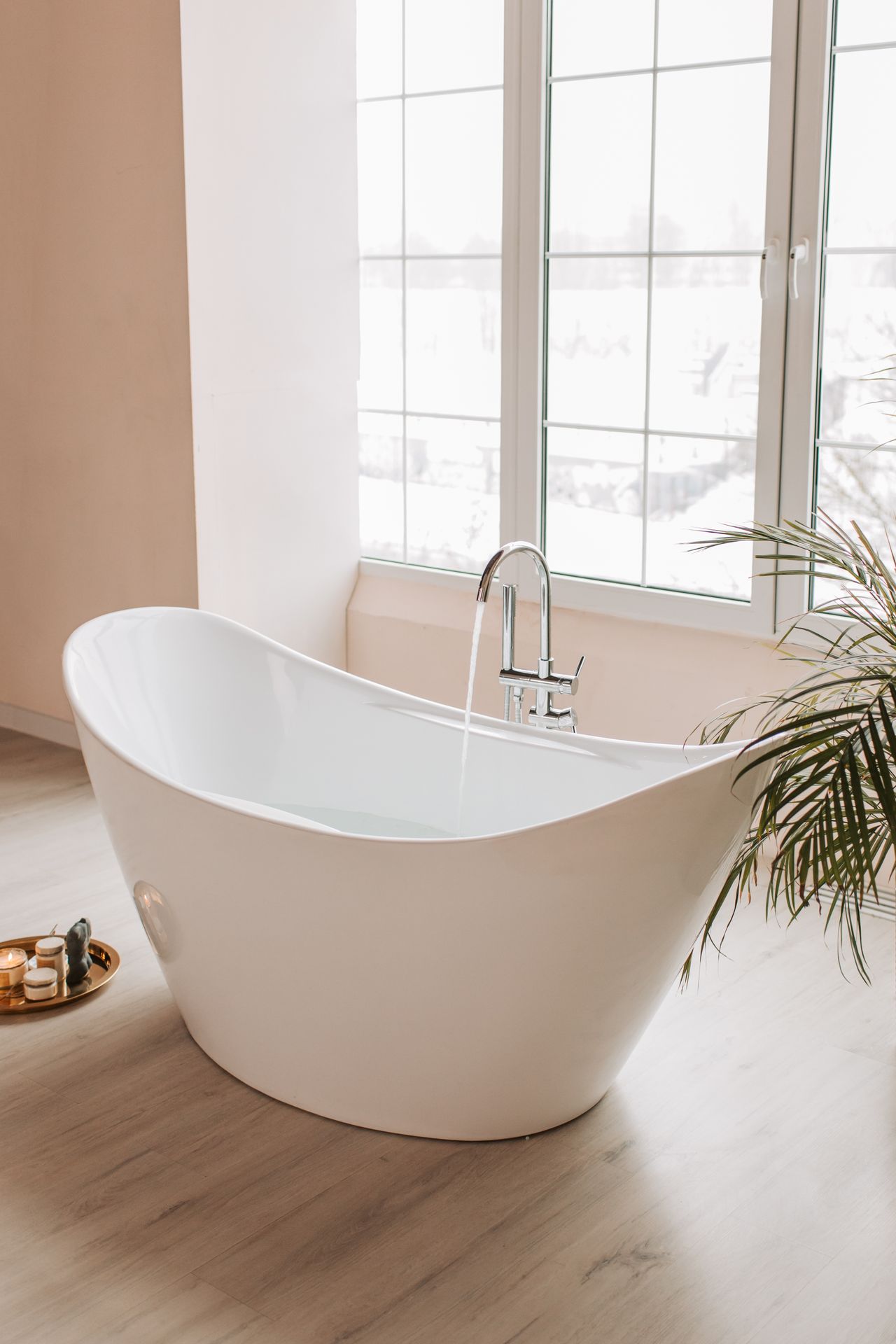
Photo: Vlada Karpovich via Pexels
Table of Contents
- 1. Refinishing: the $400–$900 Refresh
- 2. The Alcove Swap: Cheapest Full Replacement
- 3. Freestanding Tubs Cost More Than the Tub
- 4. Restoring a Clawfoot
- 5. Go Deep: Soaker Tubs
- 6. Tile Surround vs Acrylic: the Labour Gap
- 7. The Plumbing You Can’t See
- 8. Vintage Style on a Modern Budget
- 9. Black-and-White Never Dates
- 10. Keep a 15% Contingency
1. Refinishing: the $400–$900 Refresh

Photo: Shixart1985 via Wikimedia Commons
Refinishing — also called reglazing or resurfacing — is the cheapest professional route: a technician etches, repairs and sprays a new coating over your existing tub in about a day, followed by a 24 to 48 hour cure before you can use it. Most Canadian homeowners pay $400 to $900 CAD depending on the tub’s condition and the city.
A pro refinish lasts 10 to 15 years with gentle care — no abrasive scrubbers, no bleach. It is the clear winner when the tub’s bones are solid but the surface is stained, chipped or an avocado colour you can’t live with. Skip the $100 DIY kits; they typically peel within one to three years.
2. The Alcove Swap: Cheapest Full Replacement
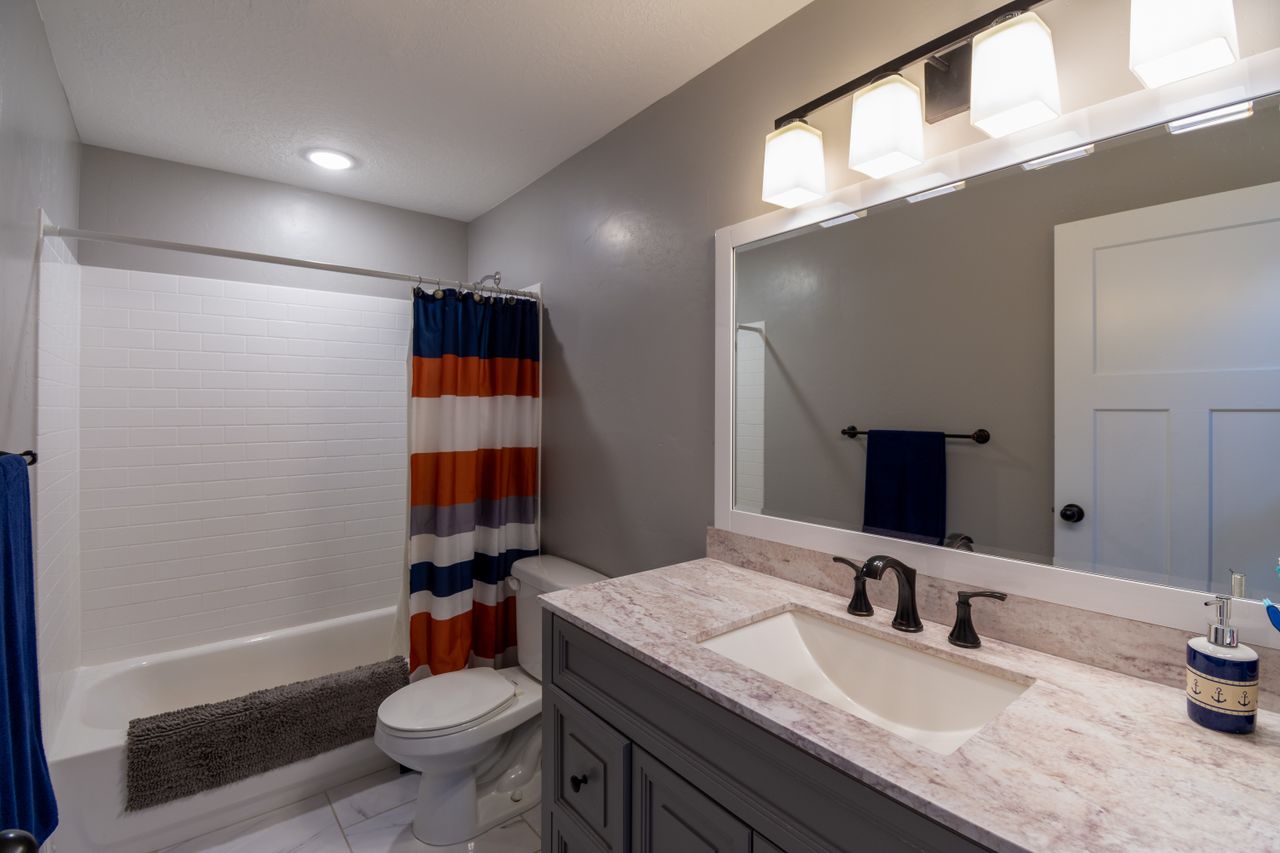
Photo: Get Lost Mike via Pexels
Replacing a standard 150 cm alcove tub with a like-for-like model is the most affordable full replacement. The tub itself runs $250 to $800 CAD, but the installed total usually lands between $2,500 and $5,000 — demolition, disposal, plumbing hookup and surround finishing add up fast.
The golden rule: keep the exact same footprint. The moment you change the tub’s size or position, you trigger tile repair, floor patching and plumbing moves that can double the bill. Measure your alcove to the centimetre before you shop.
3. Freestanding Tubs Cost More Than the Tub
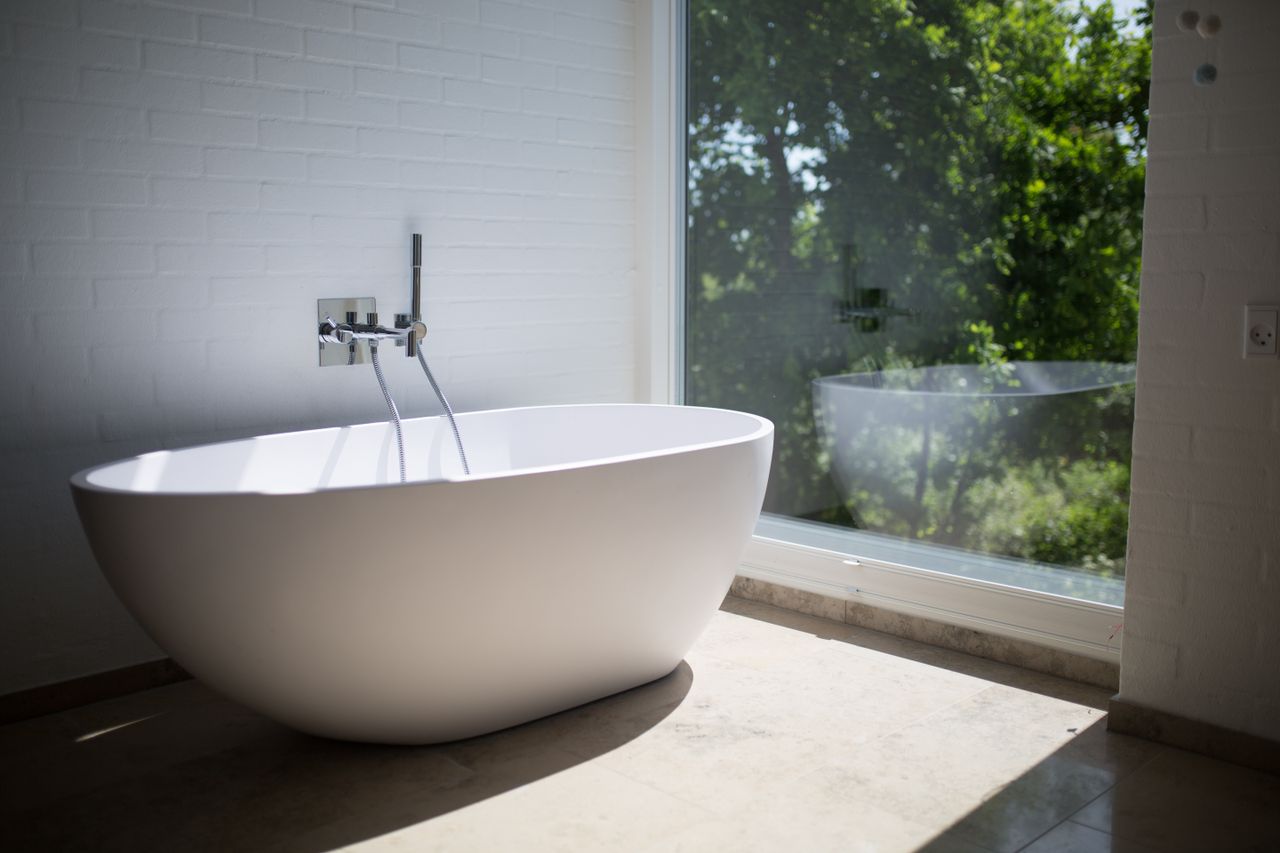
Photo: Rene Terp via Pexels
A freestanding soaker looks effortless, but the tub is only half the purchase. Budget $1,200 to $4,000 CAD for the tub, then $400 to $1,200 for a floor-mounted filler, plus relocating the drain — and check the floor can carry 300 kg or more when the tub is full. All-in, most freestanding installs run $3,000 to $8,000. See our soaking tub ideas for small bathrooms if space is tight.
One more check: freestanding tubs need finished flooring underneath and around them, since there is no apron hiding the edges. If your bathroom floor is dated, factor refinishing it into the budget now rather than discovering it mid-project.
4. Restoring a Clawfoot

Photo: Yannick Trottier via Wikimedia Commons
Original cast-iron clawfoot tubs are worth saving: the iron holds heat far longer than acrylic, and a professional strip-and-refinish runs $600 to $1,200 CAD — less than a quality reproduction. Add new supply lines and a period-style filler and the tub can outlive the house.
Two warnings: cast iron weighs 150 kg or more empty, so confirm your floor joists and get help moving it, and have the drain location checked early — vintage tubs often sit where modern drains don’t, and moving one through an old floor gets expensive.
5. Go Deep: Soaker Tubs
Photo: Andrea Piacquadio via Pexels
Soaker tubs run 50 to 60 cm deep versus 35 to 40 cm for a standard tub, which means full shoulder immersion — and 250 to 400 litres of water per fill. That volume is the hidden cost: your water heater has to keep up.
A standard 150-litre tank will leave you topping up with cold water halfway through. Plan for a larger tank or an on-demand heater if deep soaking is the whole point of the reno. Also check the overflow height: a deep tub with a low overflow wastes its best feature.
6. Tile Surround vs Acrylic: the Labour Gap

Photo: Smtzzz via Wikimedia Commons
The surround is where labour costs diverge. An acrylic tub surround goes up in a day and costs $500 to $1,200 installed; a tiled surround with proper waterproofing runs $2,000 to $5,000 CAD because every tile is set by hand over a membrane like a Schluter system.
Tile lasts decades longer and looks it, so match the choice to your timeline: acrylic if you’ll sell in five years, tile if this is your long-term home. Either way, waterproofing behind the surface is non-negotiable — it is what stands between a shower and a rotten wall.
7. The Plumbing You Can’t See

Photo: Ribax via Wikimedia Commons
Behind every tub swap lurks the drain and overflow assembly, the shut-off valves and the subfloor — and in older Canadian homes, all three are often past their prime. A plumber at $100 to $150 an hour adds up quickly once walls are open; budget $800 to $2,000 for plumbing alone on a full replacement.
Moving the drain location is the budget-killer: cutting into the floor, re-sloping pipe and patching structure underneath. For the full-house numbers, see our bathroom renovation costs in Canada — the tub is usually one line item in a bigger project.
8. Vintage Style on a Modern Budget

Photo: Joanna Poe via Wikimedia Commons
Love the clawfoot look but not the antique hunt? Reproduction tubs in acrylic or fibreglass run $1,500 to $3,000 CAD — comparable to restoring an original, with none of the rust surprises. They’re also dramatically lighter, which simplifies both delivery and floor loading.
Acrylic replicas have one more advantage: the material feels warm to the touch, while cast iron is cold until the hot water warms it. Purists will always choose iron, but for a busy family bathroom the replica is the practical pick.
9. Black-and-White Never Dates

Photo: Gürkan Sengün via Wikimedia Commons
When you’re spending thousands, pick a scheme that won’t embarrass you in a decade. Black-and-white — white tub, dark floor tile, chrome fittings — has looked right for a century and protects resale value better than any trend tile.
Spend the design budget on fixtures and proportions, not on statement tile that dates. A classic envelope with great taps and a deep, comfortable tub reads as luxury far longer than a fashionable pattern.
10. Keep a 15% Contingency
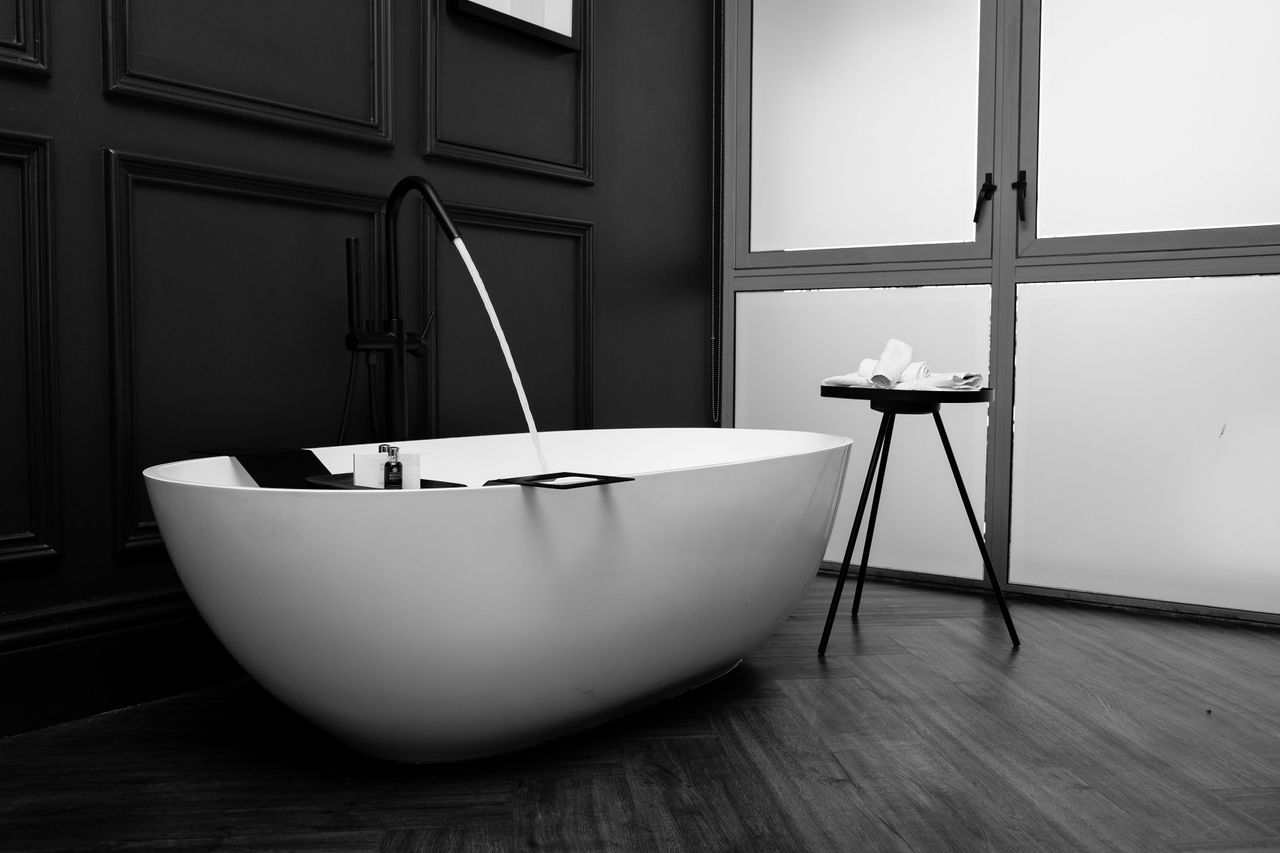
Photo: Nathi Croco via Pexels
Every tub reno finds something: a rotted subfloor under the old tub, a seized shut-off valve, or — in pre-1990 Canadian homes — materials worth testing for asbestos before anyone swings a hammer. Cast-iron tubs also carry disposal fees at the transfer station.
Hold back 15% of the budget for surprises, get three written quotes, and consider booking for late autumn or winter when contractors are quieter and keener to deal. Room dimensions matter for planning too — our master bathroom size guide helps you sanity-check the layout.
Frequently Asked Questions
What is the cheapest way to renovate a bathtub in Canada?
Professional refinishing, at $400 to $900 CAD — a fraction of replacement cost, done in a day or two with no demolition.
How long does a reglazed bathtub last?
A professional reglaze lasts 10 to 15 years with gentle care. Avoid abrasive cleaners and bleach, which wear the coating down.
Can I replace a bathtub myself?
A straight like-for-like alcove swap is advanced DIY. Cast-iron tubs, drain relocations and tile waterproofing are jobs for licensed pros.
Does a new bathtub add home value?
A dated, stained tub hurts value more than a new one adds — think of it as removing a negative. Expect to recoup part of a mid-range reno at resale, not all of it.
How long does a bathtub renovation take?
Refinishing takes one to two days including cure time. A full replacement with tile work typically takes three to seven days.
Final Thoughts
A bathtub renovation costs whatever your ambition and your plumbing dictate — but now you know the real ranges. Refinishing buys a decade for under a thousand dollars; a thoughtful replacement buys decades for several thousand.
Get the quotes in writing, keep the footprint where you can, and spend the contingency on the things you touch daily: the taps, the surround, the water that actually stays hot. That’s where the money shows.
Sources
- Engineer Fix: Bathtub Refinishing vs Replacement — Which Is Better?
- Sensible Digs: How to Reglaze a Bathtub — DIY Steps & Cost
- Angi: How Long Does Bathtub Reglazing Last?
- Sanitary Supply: How Much Does It Cost to Reglaze a Bathtub?
Gallery

Photo: Basile Morin via Wikimedia Commons
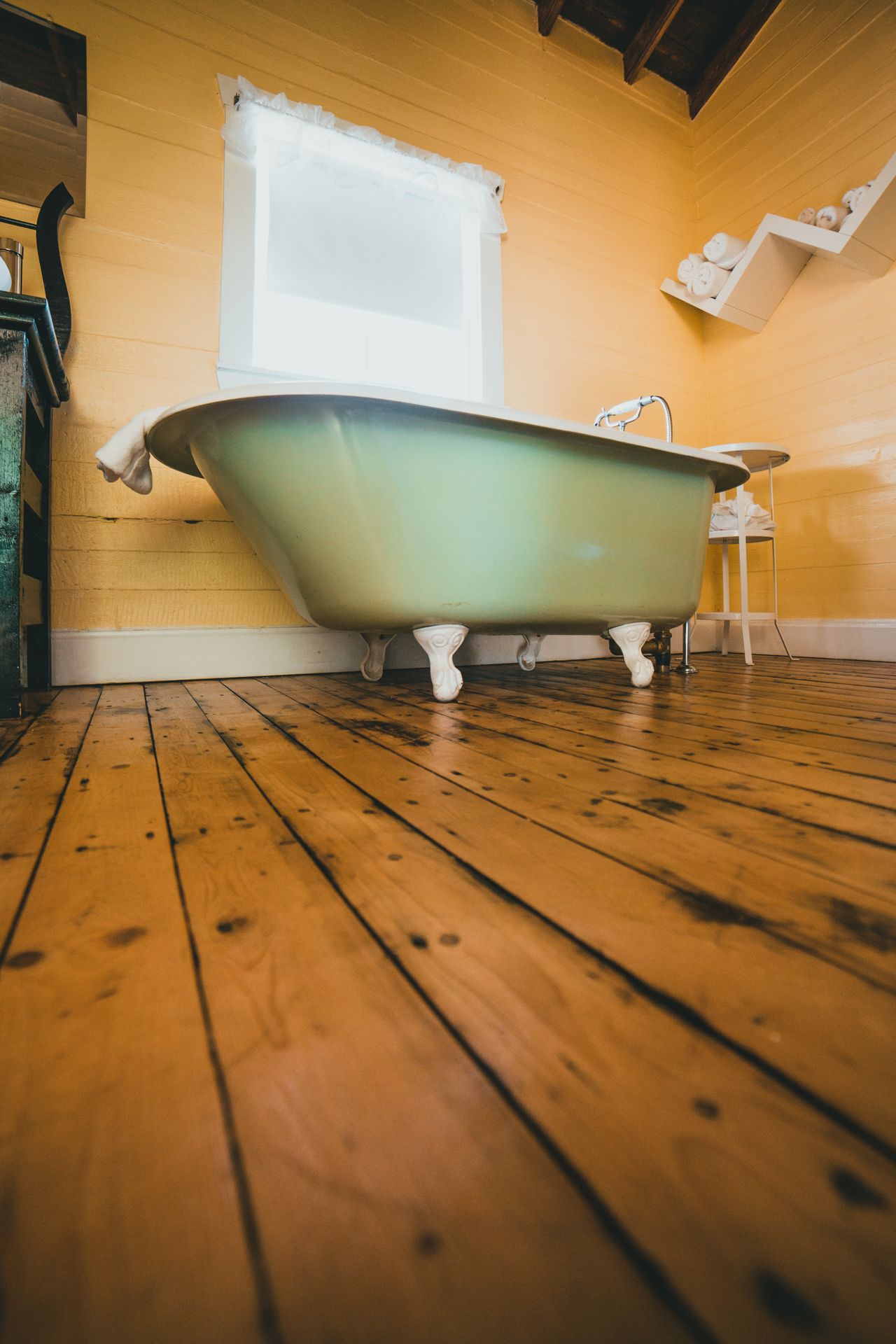
Photo: LUXXCREATIVE.COM via Pexels

Photo: Fortepan via Wikimedia Commons

No comments:
Post a Comment