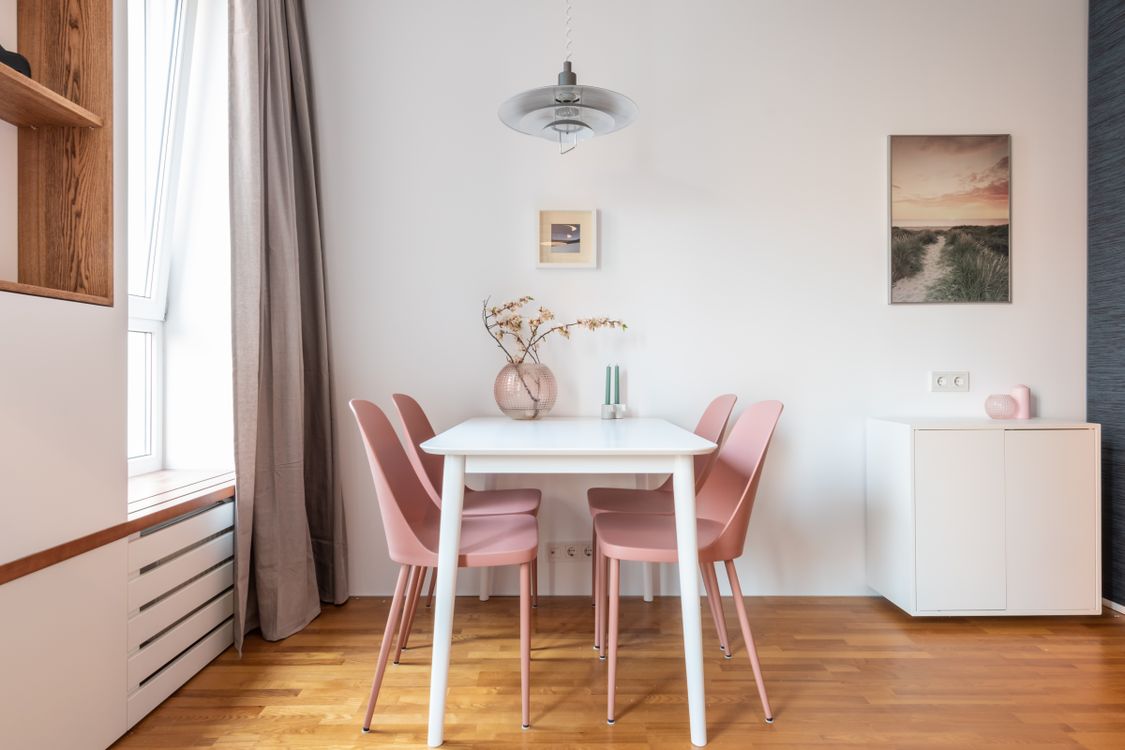
Even a tiny dining room can feel spacious with the right choices. Photo via Pexels.
Does your dining room make you feel like you are eating inside a shoebox? You are not alone. Millions of people live in apartments and compact homes where the dining space barely fits a table and two chairs. But here is the good news: a small dining room does not have to feel small. With the right furniture choices and a few smart design tricks, even the tiniest dining corner can feel open, bright, and beautiful. In this article, you will discover 20 clever, budget-friendly ideas that make a tiny dining room feel far more generous than it really is.
What is the best furniture for a tiny dining room?
The best furniture for a tiny dining room is slim, light, and multi-purpose: a round pedestal table, a wall-mounted fold-down table, and chairs that stack or fold away. Round tables remove sharp corners so more people can squeeze in comfortably. Benches slide neatly under the table when not in use. Furniture with visible legs keeps the floor in sight, which tricks the eye into seeing a bigger room.
Why Tiny Dining Rooms Are Actually a Hidden Gift?
A lot of people feel embarrassed about their small dining rooms. But a small dining room means less cleaning, less furniture to buy, and a cozier, more intimate meal experience. You do not need a huge room to host a great dinner party or enjoy family dinners. You just need to use the space wisely.
There is also a growing movement called micro-living, where people are choosing smaller homes and smarter layouts on purpose. Tiny dining rooms fit this movement perfectly. They push you to be creative, intentional, and thoughtful about every piece you bring into the room.
So before feeling down about a compact dining area, remember this: small spaces can be just as beautiful as large ones — sometimes even more so. The ideas below show you exactly how to make it happen.
Idea 1: Choose a Round Table Over a Rectangular One
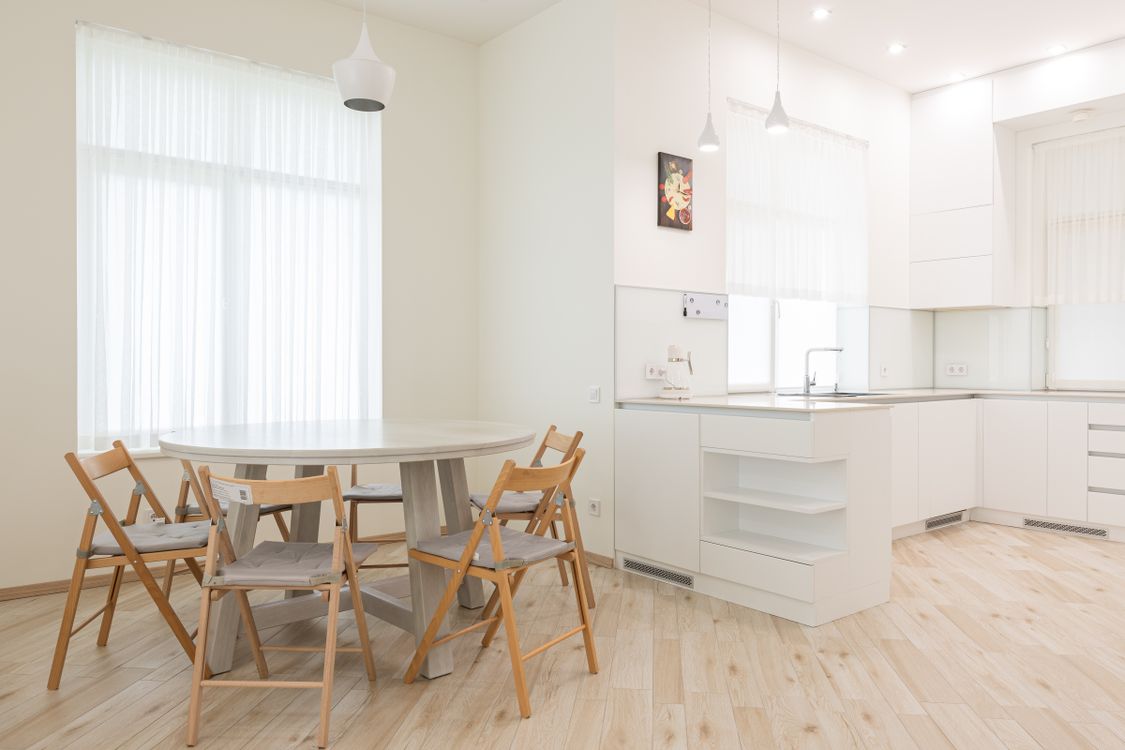
A round table has no sharp corners and seats people comfortably. Photo via Pexels.
This is the single best change you can make in a tiny dining room. A round table has no sharp corners, so it takes up less visual and physical space. People can sit closer together around it, and conversation flows more naturally. Choose a pedestal base — one central leg instead of four — and you free up foot space underneath, which makes the floor look much more open.
A round table around 36 inches across seats two to four people comfortably. Add two slim chairs and a small bench, and you can host four without the room feeling crowded. In 2026, terrazzo-top round tables and white marble rounds are trending, and affordable versions are widely available.
Pro Tip: Leave about three feet of clear space between the table edge and the walls on all sides. That gives people enough room to pull their chairs back and sit comfortably.
Idea 2: Install a Wall-Mounted Fold-Down Table
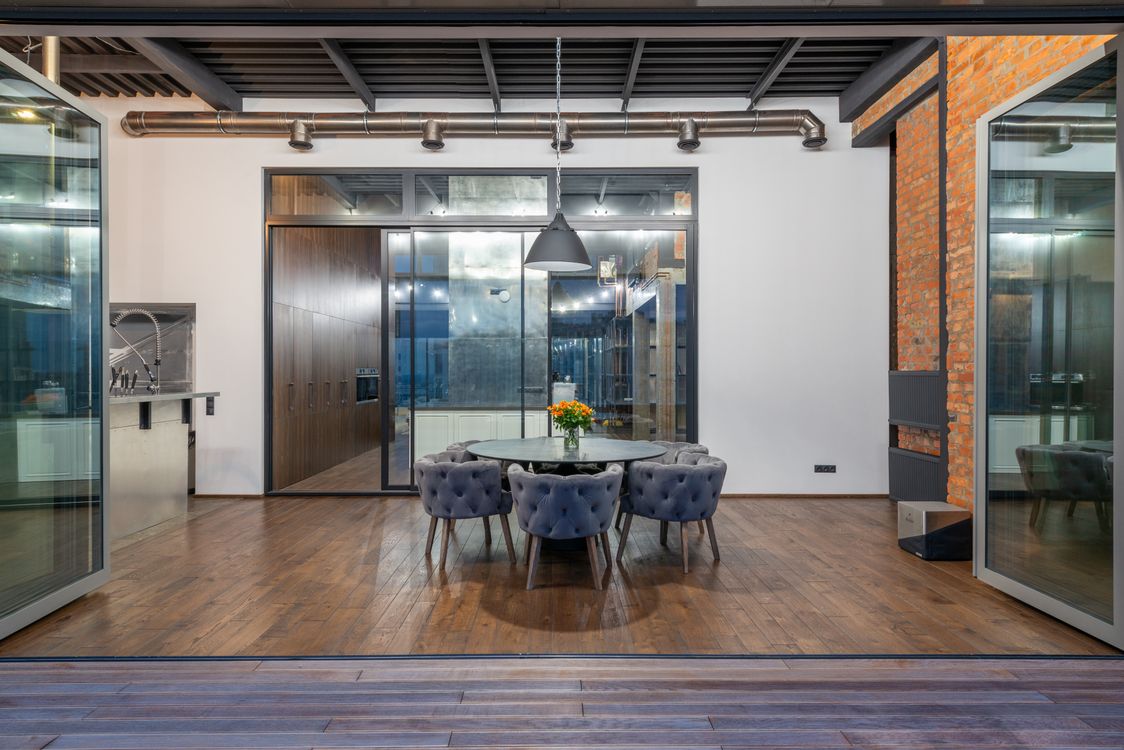
A fold-down table gives you a dining surface only when you need it. Photo via Pexels.
A fold-down table — sometimes called a wall table or drop-leaf table — is one of the smartest solutions for a truly tiny dining space. It attaches to the wall and folds flat when not in use. When it is time to eat, flip it down and you have an instant dining table. When dinner is over, fold it back up and your floor space returns completely.
These tables are especially popular in studio apartments and tiny homes. You can find them in wood, white lacquer, and even chalkboard-painted finishes, and some designs include built-in storage for plates and cutlery. Mount yours at standard table height — about 28 to 30 inches from the floor — and pair it with stools that tuck away or hang on wall hooks.
Pro Tip: Paint your fold-down table in a bold color like terracotta, forest green, or navy blue. When folded up, it becomes a piece of wall art instead of a blank panel.
Idea 3: Try a Built-In Dining Bench (Banquette Seating)
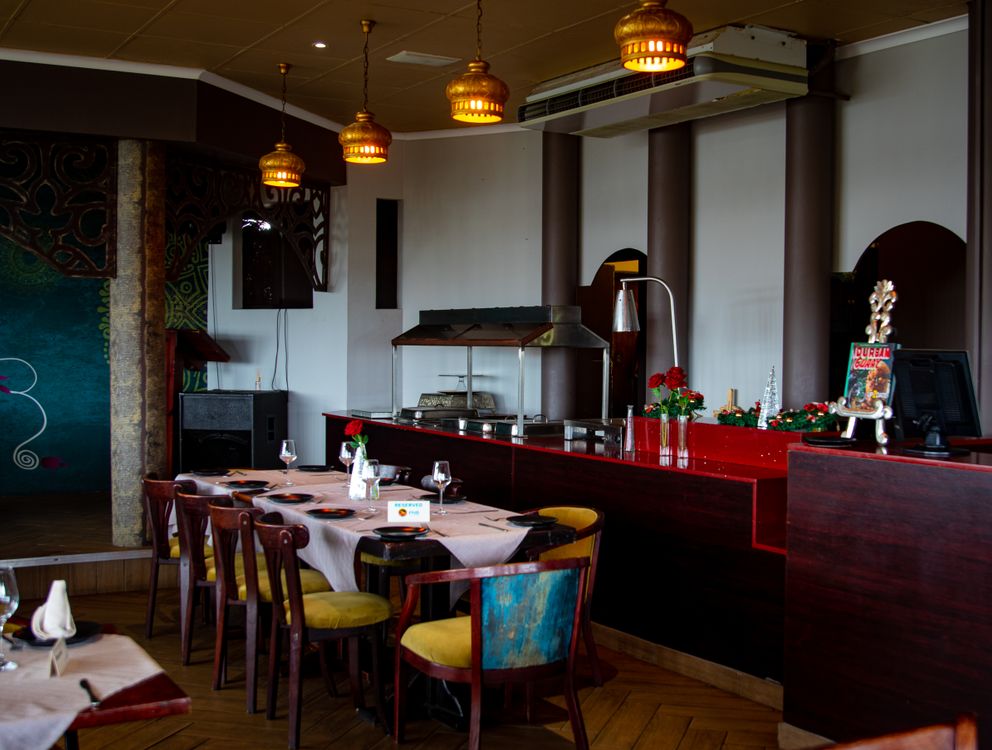
A built-in banquette seats more people in less floor space. Photo via Pexels.
A built-in banquette — a cushioned bench fitted along one or two walls — is one of the most space-efficient dining setups ever designed. Instead of pulling chairs in and out, which needs lots of clearance, you simply slide into the bench. The bench can also hide storage underneath with lift-up seat lids or drawers.
Banquette seating is why European bistros and American diners fit so many guests in small rooms. At home, a corner banquette in an L-shape uses the least floor space and can seat four to six people at a small table. Add tufted cushions and a few throw pillows, and you have a dining nook that feels like a cozy cafe booth.
Pro Tip: Use the storage under the bench for extra linens, tablecloths, candles, and seasonal items. It is free storage you did not know you had.
Idea 4: Hang a Large Mirror on the Dining Room Wall
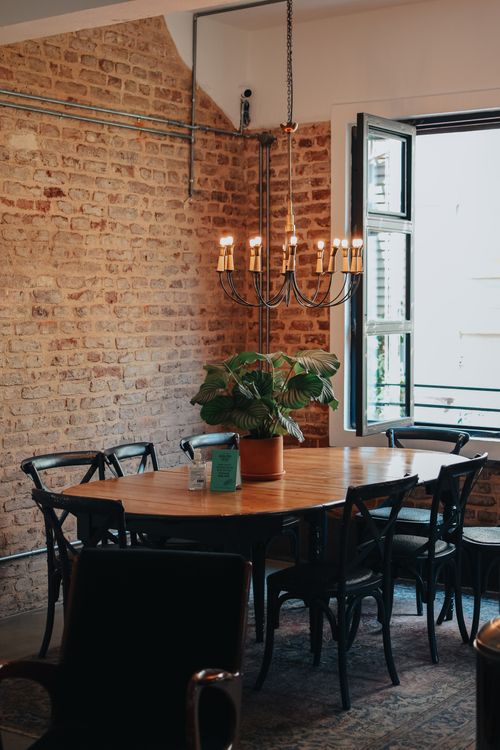
Mirrors reflect light and double the sense of space. Photo via Pexels.
Mirrors are magic in small spaces. A large mirror on one wall of your tiny dining room instantly makes the room feel twice as big. It reflects light and the table, and it fools the eye into seeing more space than there really is. This is one of the oldest tricks in interior design, and it still works perfectly in 2026.
Try a full-length floor mirror, a wide rectangular wall mirror, or a gallery arrangement of smaller mirrors. Leaning a large mirror against the wall gives a casual, modern look with no drilling needed. Arched mirrors and gold or black frames are especially incredibly stylish in dining rooms right now.
Pro Tip: Position your mirror so it reflects a window or a light source. This doubles the natural light in the room and creates a sparkling, open feel.
Idea 5: Choose Transparent or Ghost Chairs

See-through chairs keep the floor visible and the room open. Photo via Pexels.
Ghost chairs — those clear, acrylic or polycarbonate chairs — are a tiny dining room's best friend. Because they are see-through, the eye does not register them as taking up space. You can see the floor behind and through them, which makes the whole room look more open. They are stylish, modern, and surprisingly comfortable.
Transparent chairs work with almost every style — Scandinavian, modern, eclectic, even traditional. Pair them with a wood table for warmth, a marble table for a luxurious touch, or a painted table for something playful. They are also easy to clean — just wipe them down.
Pro Tip: Mix one ghost chair with one solid chair for an intentional, eclectic look that feels styled rather than random.
Idea 6: Go Vertical With Your Storage
In a tiny dining room, floor space is precious — but the walls are free real estate. Go vertical. Add floating shelves above the dining table for glasses, small plants, and decorative pieces. Mount a tall, narrow cabinet in a corner for storage that barely touches the floor. Use wall hooks for aprons, bags, and decorative baskets.
Tall bookcases, vertical wine racks, and stacked wall-mounted crates all add storage without eating up floor space. This keeps the room clutter-free at eye level, where it matters most. A tidy dining room always feels bigger than a cluttered one, no matter how small it is.
Pro Tip: Keep the upper walls light and airy. Store most things below eye level or on the highest shelves so sightlines stay clear and the room feels open.
Idea 7: Use Light Colors to Open Up the Room
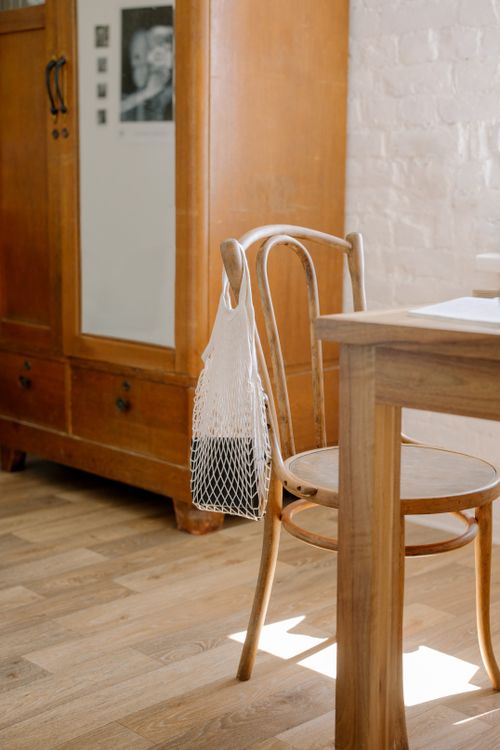
Light walls and pale tones make walls seem to disappear. Photo via Pexels.
Color has enormous power in small spaces. Dark colors make rooms feel smaller and more enclosed; light colors do the opposite. A tiny dining room painted in soft white, pale cream, light gray, or blush pink feels noticeably larger and airier than the same room in dark brown or deep navy.
The most powerful technique is to paint the walls, ceiling, and trim all the same light color. This removes the visual "edges" of the room and makes it feel like one seamless space. In 2026, warm whites, soft sage greens, and pale clay tones are among the most popular colors for small dining rooms.
Pro Tip: If you rent and cannot paint, add a large light-colored rug under the table. It acts like a big rectangle of light on the floor and has a similar opening effect.
Idea 8: Add a Dramatic Pendant Light
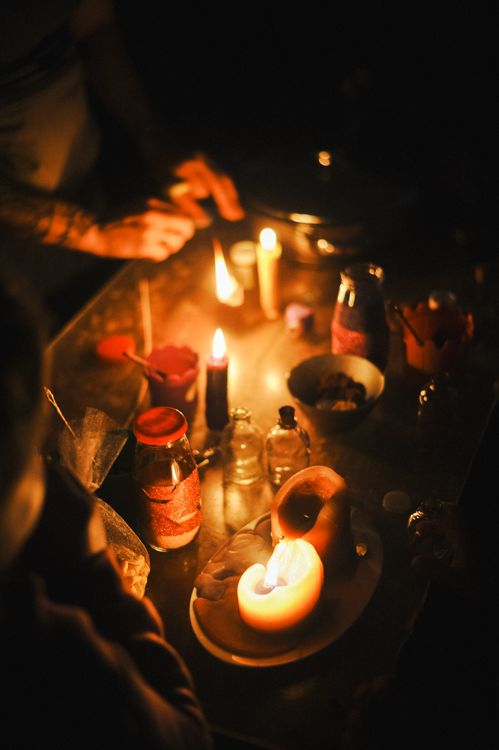
One well-placed pendant defines the dining zone beautifully. Photo via Pexels.
Never underestimate lighting in a tiny dining room. A well-chosen pendant light hung directly above the table creates a sense of "zone" — it tells the eye exactly where the dining area is, and it draws attention upward toward the ceiling, making the room feel taller. It also creates an intimate, restaurant-like atmosphere.
For tiny dining rooms, choose a pendant that fits the table. A shade with a 12 to 18-inch diameter usually works perfectly over a small table. Hang it about 28 to 34 inches above the tabletop. Rattan pendants, woven jute lights, globe pendants, and industrial cage lights are all gorgeous choices in 2026.
Pro Tip: Put your pendant on a dimmer switch. Bright light for daytime dining, soft warm light for evening dinners — it completely transforms the mood of the room.
Idea 9: Use a Bench on One Side of the Table
A bench on one side of your dining table immediately saves space compared to using individual chairs on both sides. A bench slides straight under the table when not in use, and it seats several people in a narrower footprint than separate chairs. Kids especially love sitting on benches.
Look for a bench that is slightly shorter than your table. Tuck it fully under when not in use and you reclaim almost a foot and a half of floor space. Paint the bench in a fun accent color to make it a design feature. Upholstered benches add softness; simple wooden benches look clean and minimal.
Pro Tip: A bench on one side plus one statement chair on the other creates visual asymmetry that looks intentional and interesting rather than mismatched.
Idea 10: Mount Your Lighting — Skip the Floor Lamps
Floor lamps take up precious floor space in tiny dining rooms. Instead of a floor lamp, choose wall-mounted sconces or a ceiling pendant. This frees up the floor completely and gives you more room to move around. Wall sconces placed on either side of a mirror or a piece of art look elegant and architectural.
LED strip lights installed under floating shelves add warm ambient lighting without using any floor space at all. Picture lights mounted above artwork add drama. The key is to move every light source off the floor and onto the walls or ceiling.
Pro Tip: Two wall sconces on either side of a large mirror double your light and your mirror magic at the same time. That is working smart.
Idea 11: Create a Dining Nook in an Unused Corner
Every home has at least one underused corner. Turn that forgotten corner into a proper dining nook. Build a small corner shelf-seat, add a tiny round table, and hang a pendant light above it. Suddenly you have a charming, defined dining area that fits perfectly into the shape of the room.
Corner dining nooks feel intentional and cozy. They create a sense of place. A corner nook with cushioned seating, fairy lights, and a small plant feels like a cafe escape right inside your home. It is one of the most popular tiny dining room ideas on Pinterest for good reason.
Pro Tip: Use a corner nook for everyday breakfasts and lunches. It does not need to seat six people. A cozy spot for two is perfect.
Idea 12: Use a Narrow Console Table as a Dining Table
A console table — usually 12 to 18 inches deep and 48 to 60 inches long — fits into a narrow dining room better than a standard dining table. Pair it with two chairs and two bar stools on the ends and you have seating for four without using much depth space at all.
Console tables also work as serving surfaces during parties. They sit against the wall and only pull out when needed. Some people use a thin console as a breakfast-bar table where everyone sits on one side facing the window. It is a quirky, efficient, and stylish solution for very narrow dining rooms.
Pro Tip: A console table with hairpin legs looks sleek and takes up minimal visual space. Choose one in light wood or white for the airiest feeling.
Idea 13: Go Monochromatic for Maximum Spaciousness
Choosing one color and using it throughout the entire dining room — walls, table, chairs, rug, accessories — creates a seamless, unbroken look that makes the space feel much larger. This is called a monochromatic color scheme, and it is one of the most powerful tools in small-space design.
Imagine a tiny dining room where everything is off-white: white walls, white table, cream chairs, ivory rug, and pale accessories. There are no harsh color contrasts breaking up the space. The eye moves smoothly across the room without stopping, which creates an illusion of depth and flow.
Pro Tip: Add texture to a monochromatic scheme to keep it interesting. Rough linen napkins, a woven rug, a ceramic vase, and a rattan pendant all add visual interest without adding color noise.
Idea 14: Use a Rug to Define the Dining Zone
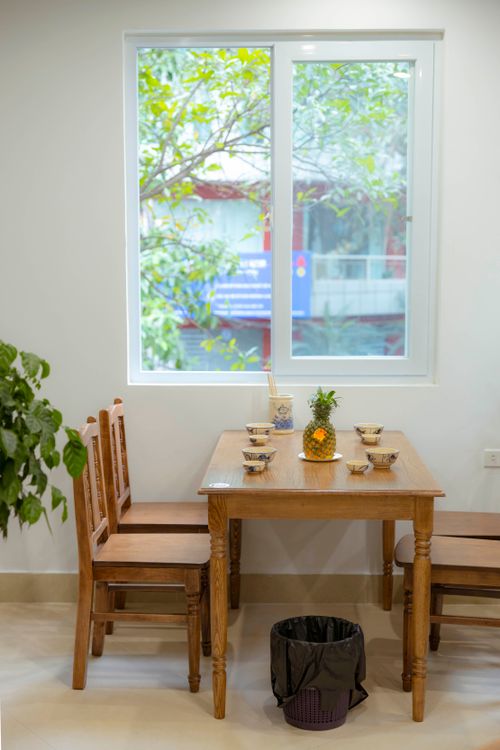
A rug tells the eye exactly where the dining zone begins. Photo via Pexels.
In open-plan apartments or combined living-dining rooms, a rug under the dining table clearly defines the dining zone. It tells the eye: this is the eating area. That sense of definition actually makes the space feel larger because every area has a clear purpose.
Choose a rug large enough that all four chair legs stay on it even when the chairs are pushed back. For a small round table, a 5 x 8-foot rug or a round 6-foot rug works well. Go for patterns with light backgrounds — stripes, geometric prints, and faded vintage patterns all work beautifully.
Pro Tip: A jute or sisal rug is incredibly affordable, adds natural texture, and goes with almost every style from bohemian to modern.
Idea 15: Add Greenery to Bring Life In
Plants transform a tiny dining room from cold and sterile to warm and alive. A single large floor plant like a fiddle leaf fig or a monstera in one corner adds drama and life. A row of small succulents on a floating shelf adds charm. Hanging plants from the ceiling add vertical interest without taking up any floor space.
In 2026, bringing nature indoors — called biophilic design — is one of the biggest interior trends. People want to feel connected to nature even inside tiny apartments. Plants improve air quality, reduce stress, and genuinely make people feel better while they eat.
Pro Tip: If you do not have good natural light, use trailing pothos or snake plants. They survive in low light and look beautiful cascading down shelves or hanging in wall planters.
Idea 16: Use Wall Art Strategically to Add Depth
A single oversized art print on the wall behind the dining table creates a stunning focal point and adds visual depth to the room. Large art makes the wall seem to recede, creating an illusion of distance. Lots of small pictures hung at random, on the other hand, make the room feel busier and more cluttered.
One large black and white photo, a colorful abstract painting, or a vintage botanical print all work beautifully as a dining room focal wall. Keep the other walls clean and simple to let the art breathe.
Pro Tip: A piece of art that shows a landscape, an open field, or a distant horizon creates the strongest illusion of depth. Your eye naturally follows the scene into the "distance" in the painting.
Idea 17: Choose Multi-Purpose Furniture
Every piece of furniture in a tiny dining room should earn its place. A storage ottoman can double as a seat. A bar cart can double as extra serving space. A dining bench with hidden storage is doing double duty. A bookshelf with a fold-out table attached gives you dining and working space in one unit.
Multi-purpose furniture is the secret weapon of small-space living. Furniture designers keep creating clever pieces specifically for tiny homes. Look for nesting tables, extendable dining tables, and chairs that double as step stools.
Pro Tip: An extendable dining table is brilliant for tiny dining rooms. Keep it small on regular days, extend it when you have guests. You get flexibility without permanently large furniture.
Idea 18: Keep the Floor Clear at All Times
This sounds simple, but it is one of the most powerful tiny dining room rules. When the floor is clear and visible, the room automatically feels larger. Clutter, bags, shoes, kids' toys, and stray furniture all make a small room feel suffocating. Be ruthless about keeping the floor clean.
Use hooks on the walls for bags and coats. Use storage benches to hide clutter. Use baskets on shelves. Make it a daily habit to keep the dining room floor completely clear. You will be amazed at how much bigger it feels once the floor is visible end to end.
Pro Tip: Choose furniture with legs, not solid bases, so the floor is visible underneath. This visually "floats" the furniture and makes the room feel more open.
Idea 19: Layer Your Lighting for Depth and Warmth
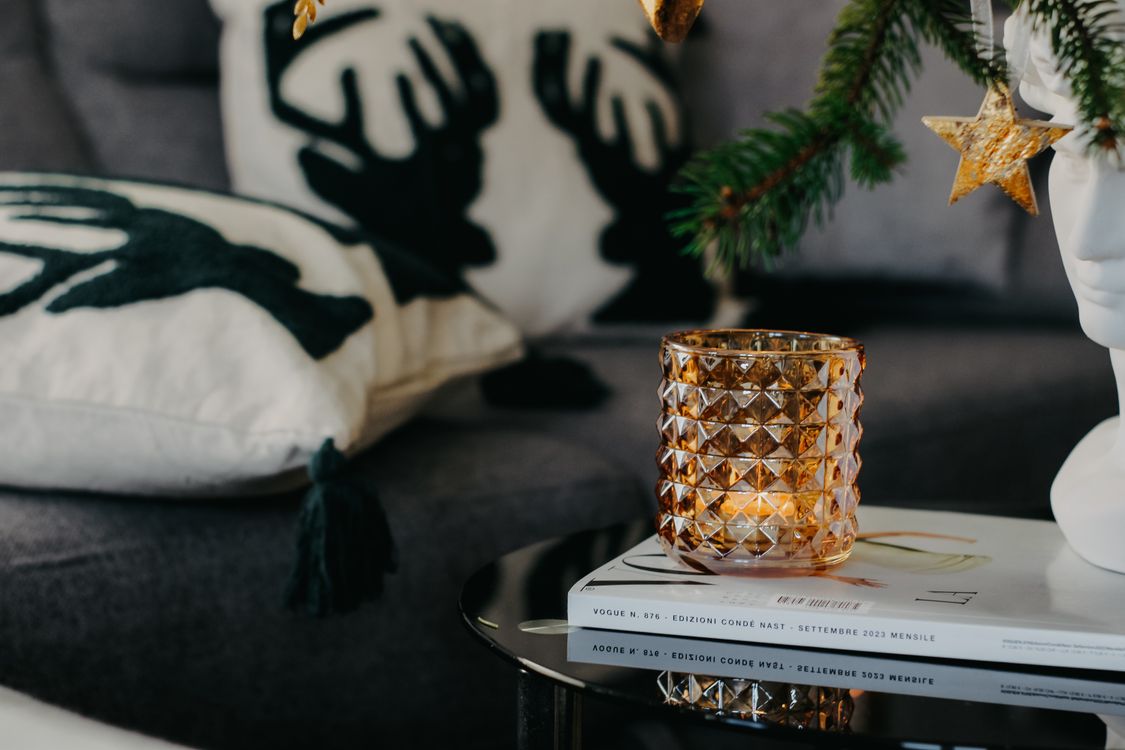
Candles are the simplest way to add a third layer of light. Photo via Pexels.
Good lighting has three layers: ambient (general room light), task (focused light for eating), and accent (mood lighting). In a tiny dining room, layering these three types of light creates depth, warmth, and drama that completely transforms the room at night.
Use a ceiling pendant for ambient light. Add wall sconces for a warm glow. Place a few candles on the table for flicker and intimacy. This layered effect is why restaurants always feel so atmospheric — they use multiple light sources working together. You can do the exact same thing in your tiny dining room.
Pro Tip: Candles are simple and magical. Even three tea lights on a tiny dining table create a completely different dining experience. Try it tonight.
Idea 20: Embrace the "Less Is More" Philosophy
Finally, the most important idea of all: embrace minimalism. Tiny dining rooms work best when they are not trying too hard. A simple table, two or four chairs, one pendant light, one piece of art, and one plant. That is it. That is perfect. More than that starts to feel crowded.
Fight the urge to fill every surface and every wall. Trust the empty space. Empty space in a small room is not wasted — it is the room breathing. It is what makes everything else look beautiful. The most stunning tiny dining rooms in the world are the simplest ones.
Pro Tip: Once a month, do a "dining room clear-out." Remove everything that does not belong there. You will feel lighter, and the room will instantly feel bigger.
Conclusion
Your tiny dining room is not a limitation. It is an opportunity to be creative, intentional, and smart. With round tables, fold-down surfaces, ghost chairs, mirrors, vertical storage, and thoughtful lighting, you can create a dining space that feels beautiful, spacious, and welcoming — no matter how small it is.
Remember: the best tiny dining rooms are not packed with furniture. They are carefully edited spaces where every single thing earns its place. Start with one idea from this list today — maybe hang a mirror, swap your chairs for ghost chairs, or clear the floor completely. See the difference it makes. Then come back for more ideas. Your perfect tiny dining room is closer than you think.
FAQs
Q: What is the smallest dining room size that is workable?
Even a 7 x 7-foot space can work as a dining room. Use a round 36-inch table, two slim chairs, and wall-mounted storage. A fold-down table can work in an even smaller space.
Q: How do I make my dining room look bigger without renovation?
Add a large mirror, use light colors, choose transparent or slim-legged furniture, keep the floor completely clear, and use layered lighting. These changes cost very little and make a huge difference.
Q: What color should I paint a small dining room to make it look bigger?
Soft white, pale cream, light gray, and warm blush pink all make small dining rooms feel larger. Paint the walls, ceiling, and trim the same color for maximum effect.
Q: Can I fit 4 people at a table in a tiny dining room?
Yes. Use a 42-inch round table with two chairs and a bench on one side. Or use a bench on one side with two chairs on the other. Banquette seating is the best option for seating 4 in a small space.
Q: What furniture should I avoid in a tiny dining room?
Avoid large rectangular tables, bulky upholstered chairs, oversized buffets or sideboards, and furniture with solid bases. These block floor visibility and make rooms feel smaller.

No comments:
Post a Comment