25 Japandi Living Room Ideas for Minimalist Comfort

Japandi living room ideas are becoming very popular because they mix the best of Japanese simplicity and Scandinavian comfort. This style is calm, clean, and warm at the same time. It focuses on minimal design, natural materials, and peaceful spaces. If you want a living room that feels relaxing but still stylish, Japandi is a perfect choice.

In this guide, you will discover practical and beautiful Japandi living room ideas that you can easily apply in your home. Whether you have a small apartment or a big house, these ideas will help you create a cozy and modern space without clutter.

1. Neutral Color Palette for Calm Vibes

Neutral Color Palette for Calm Vibes

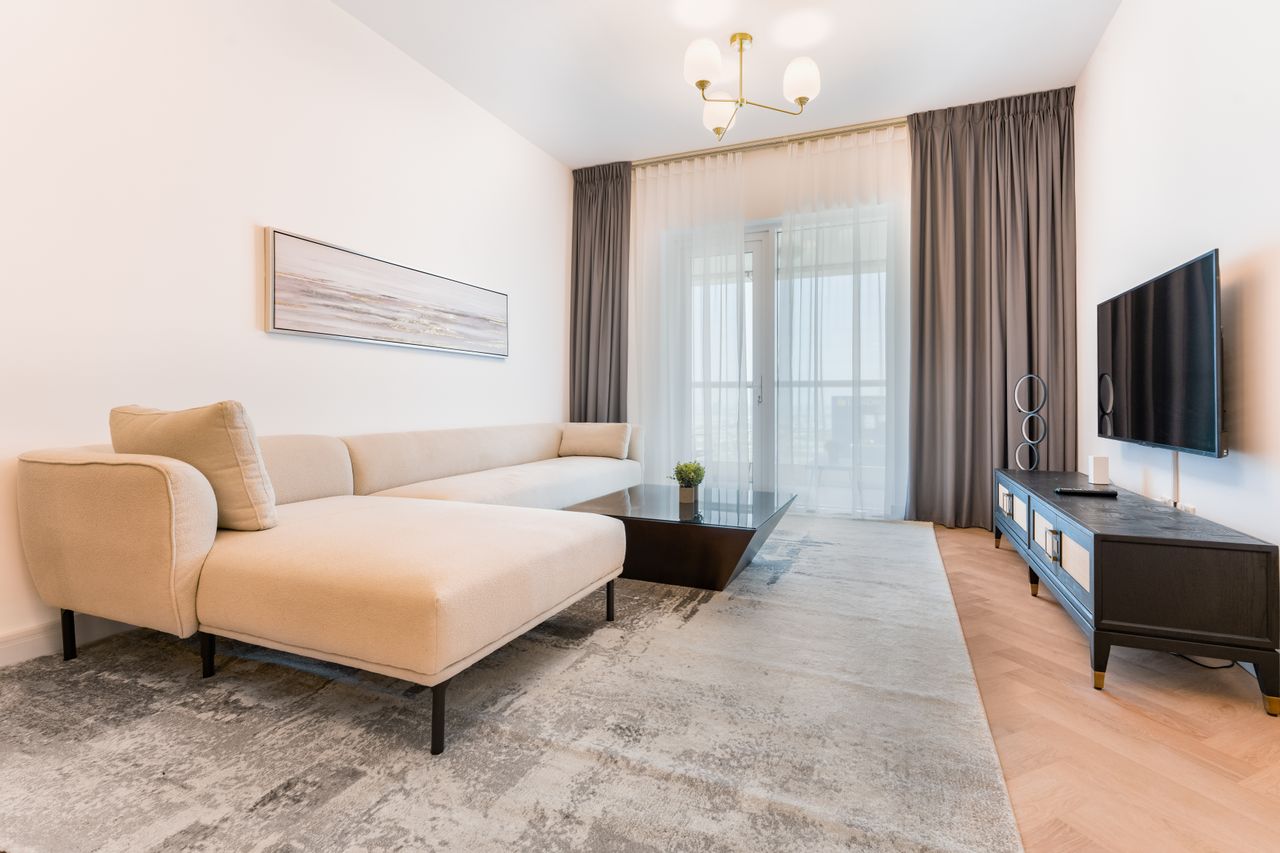
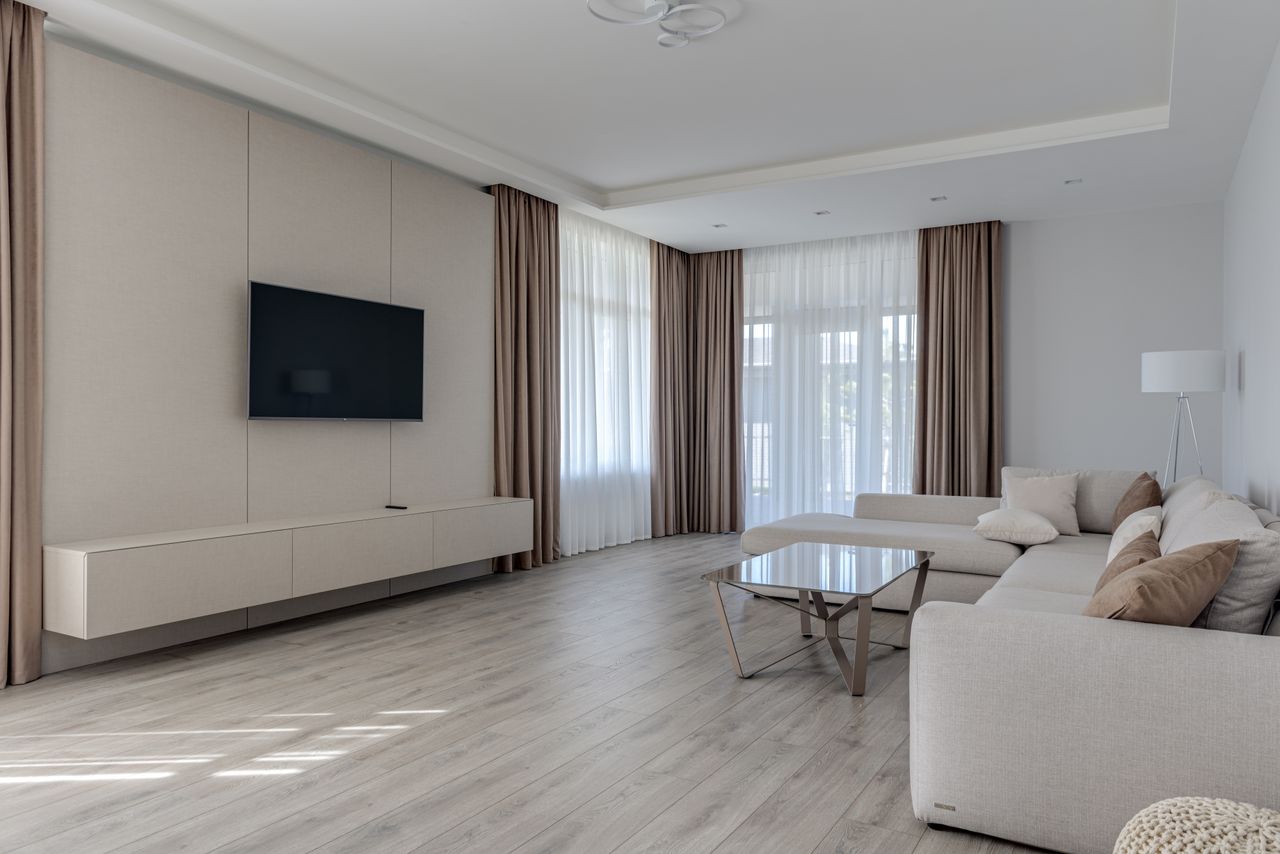
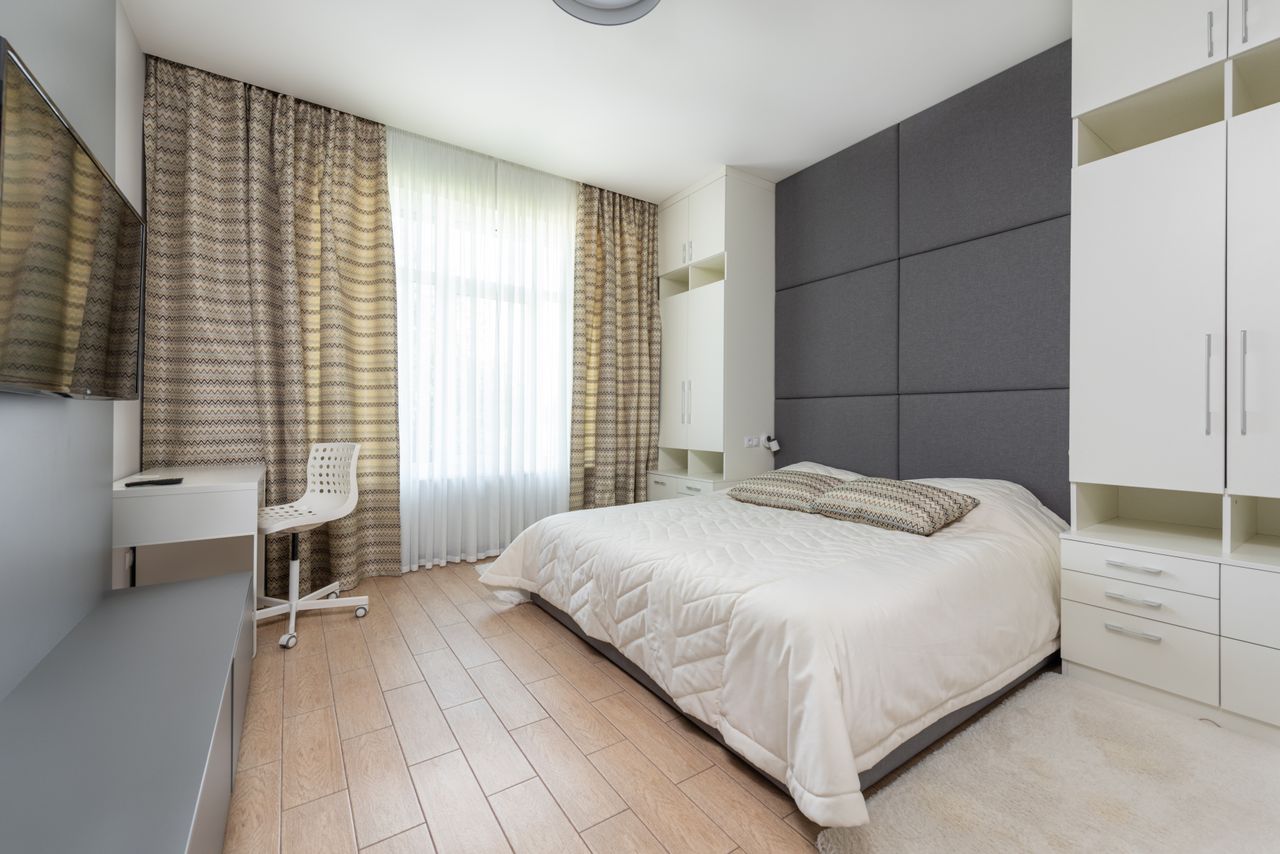
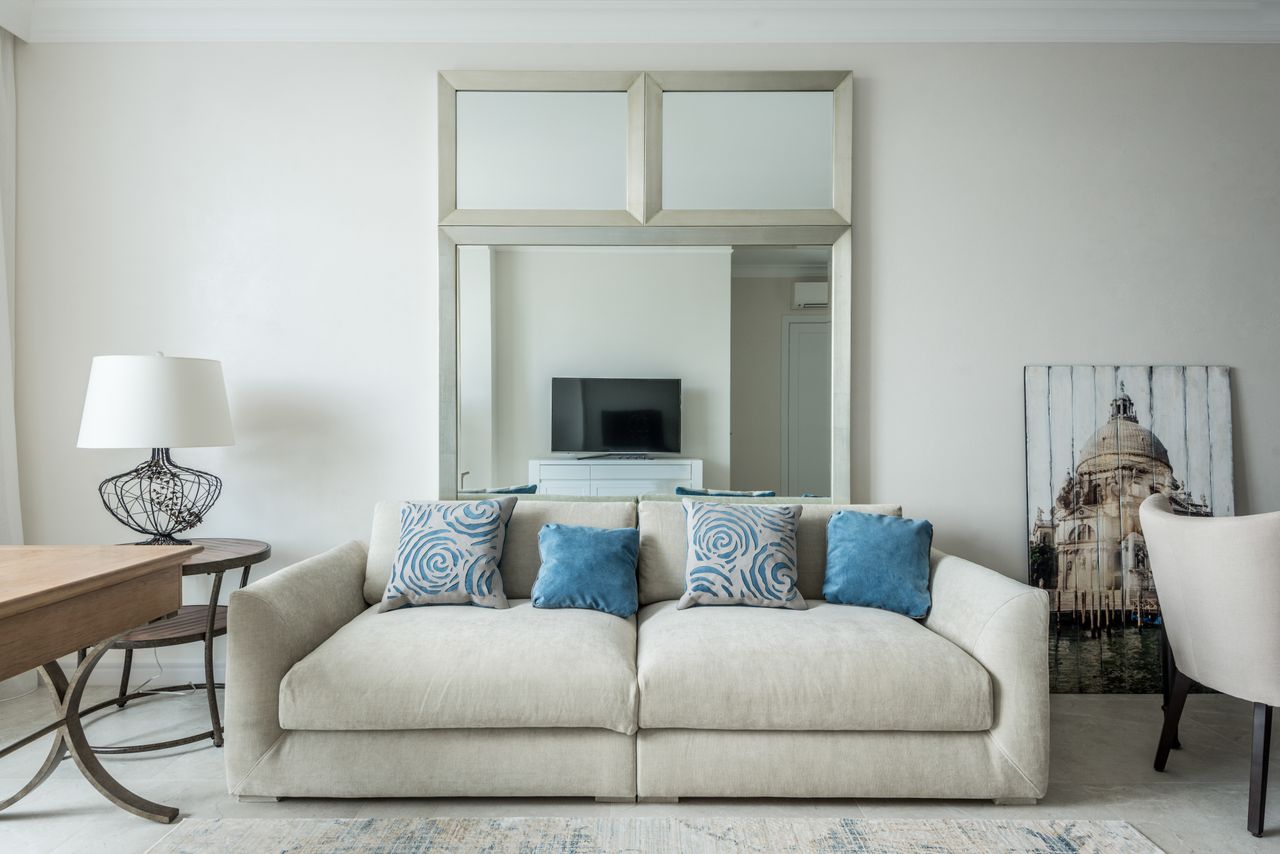
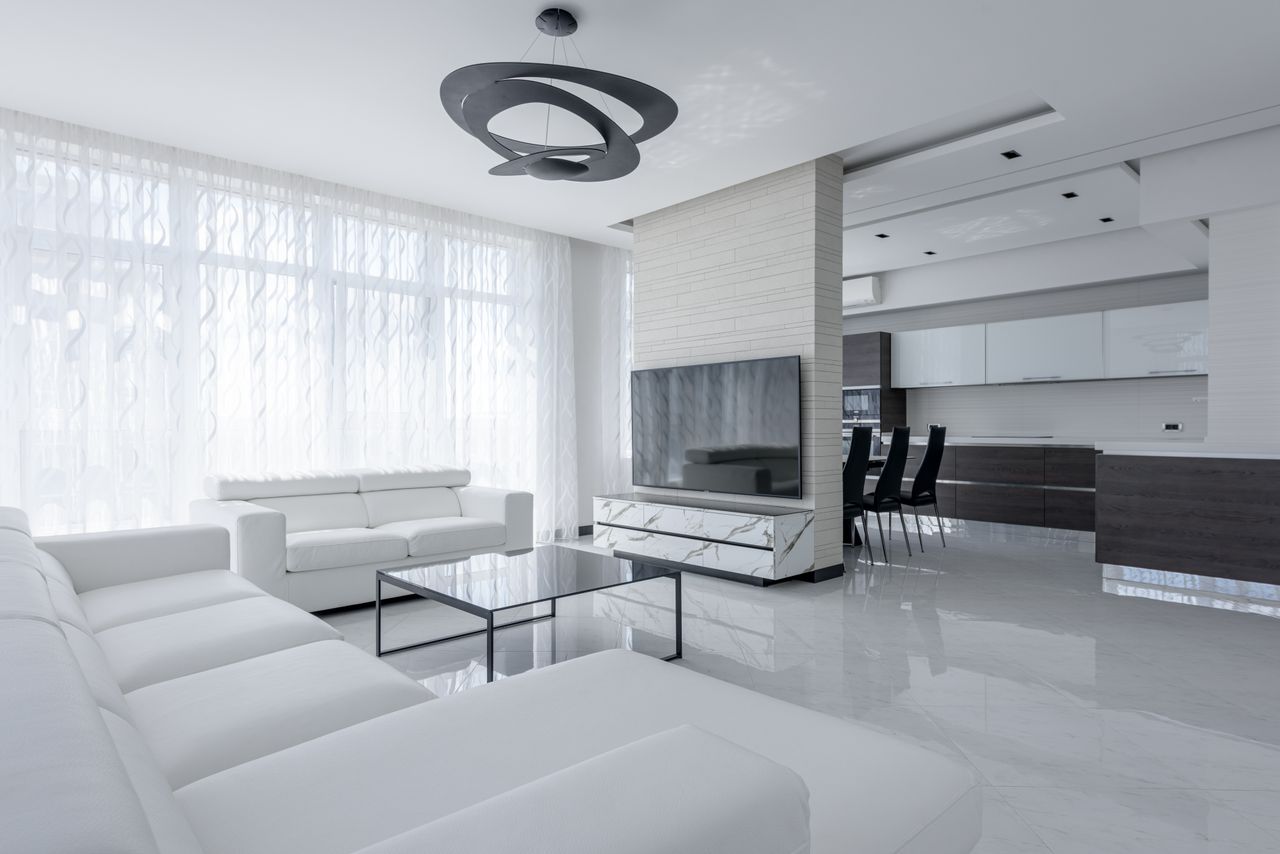
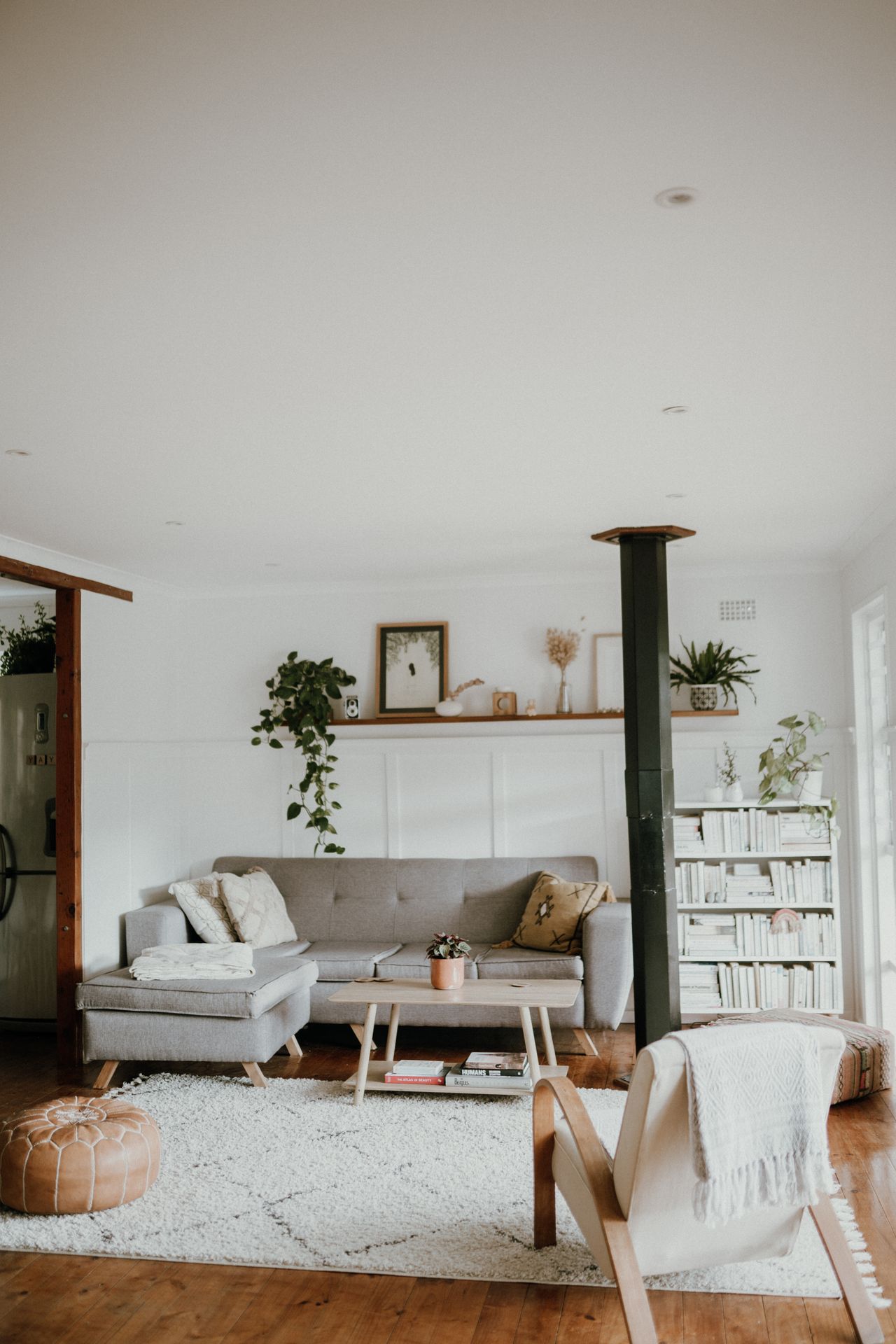
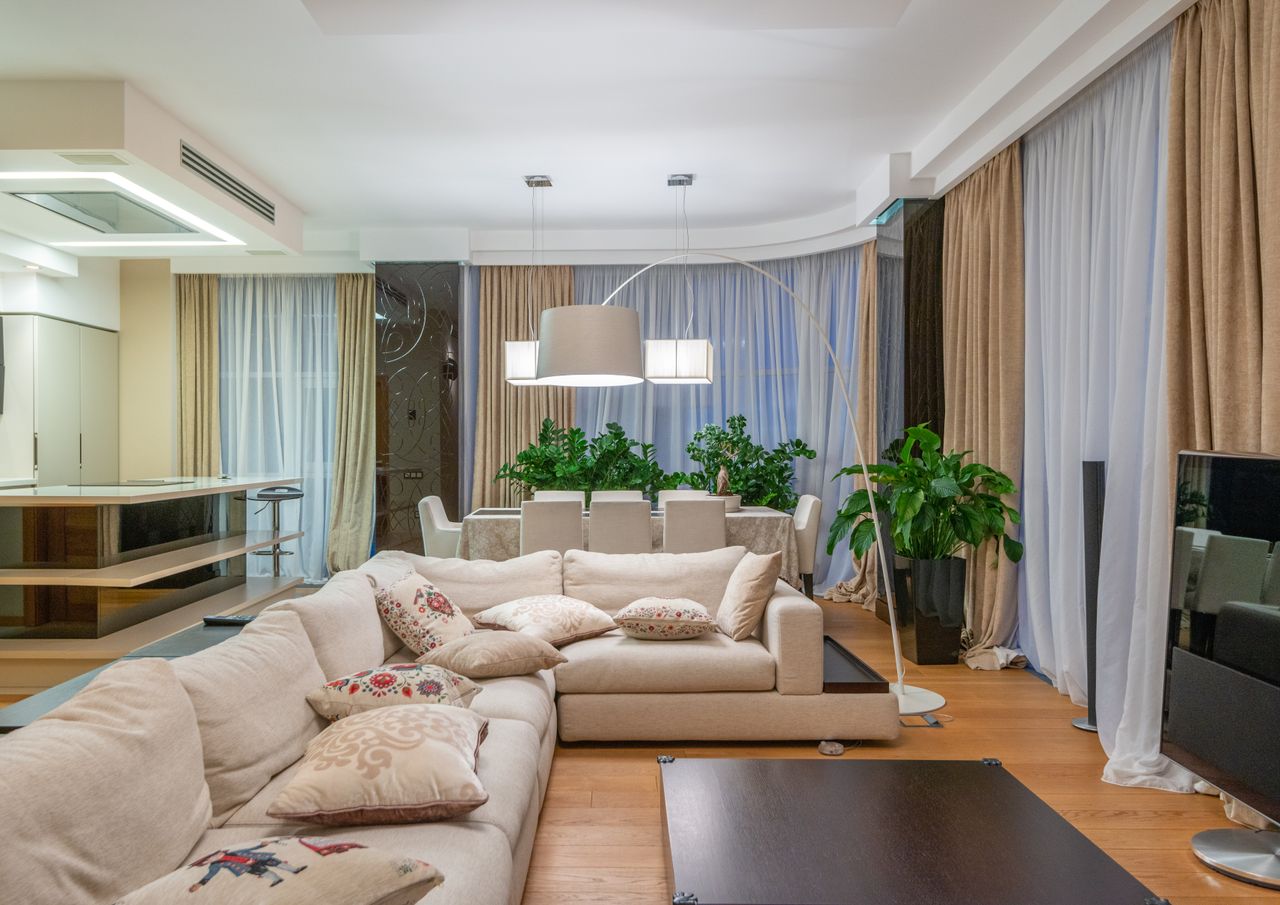
A neutral color palette is the heart of Japandi living room ideas. Soft shades like beige, white, cream, light gray, and muted brown create a peaceful and relaxing space. These colors reflect light and make your room feel open and airy.

Instead of using bright or bold colors, focus on earthy tones. You can mix warm and cool neutrals to add depth without making the room busy. For example, combine soft white walls with a light wooden sofa and beige cushions.

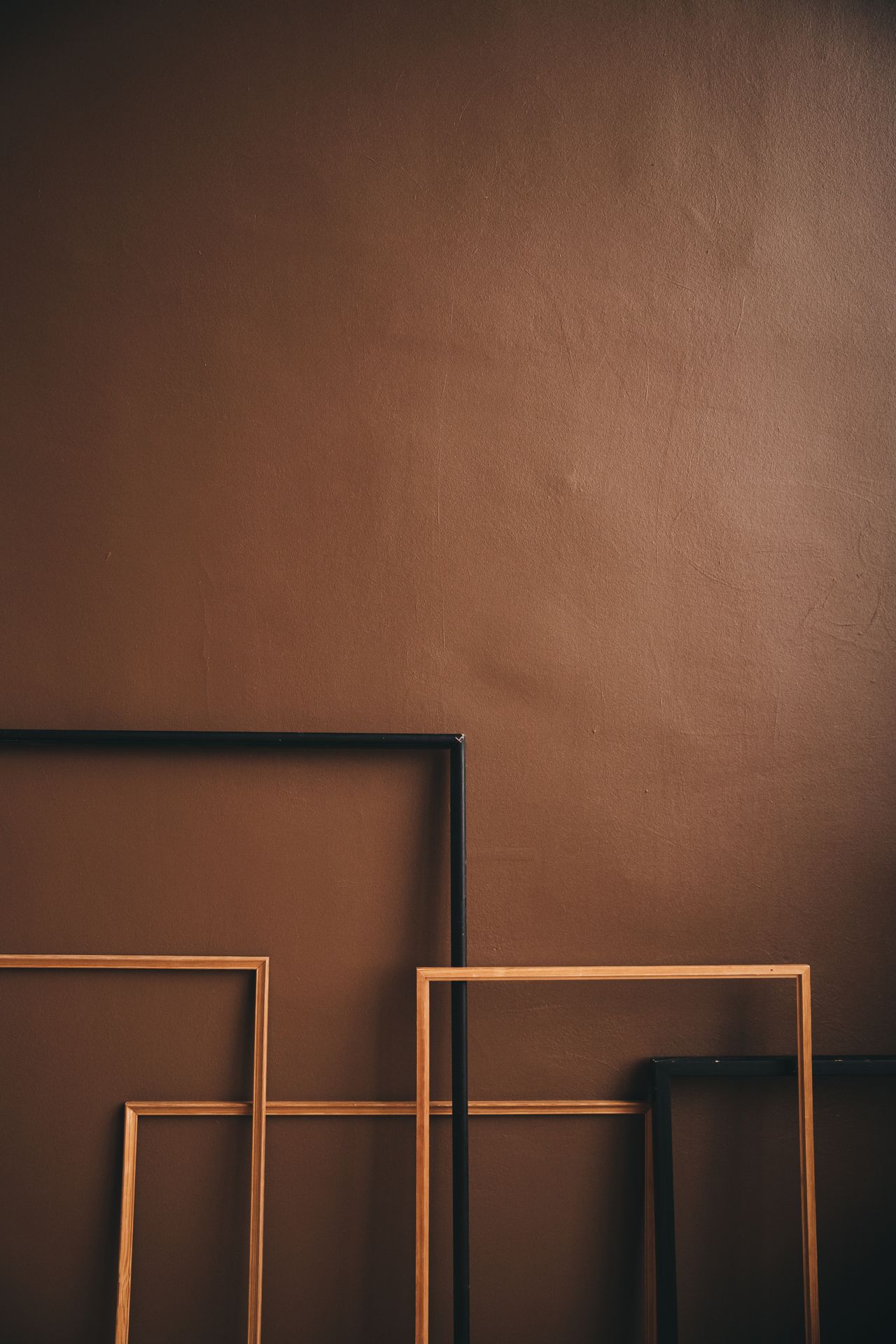
To keep things interesting, add small contrast elements like black frames or dark wood accents. This helps balance the overall look while maintaining minimalism.

A neutral palette also makes your living room timeless. You won’t need to change it often because it never goes out of style. It also works well with natural light, making your space feel even more comfortable.

2. Low Furniture for a Grounded Look

Low Furniture for a Grounded Look

Japandi living room ideas often include low-height furniture. This creates a grounded and calm feeling in the space. Low sofas, coffee tables, and seating make the room look more open and less crowded.

This style comes from Japanese design, where people prefer sitting closer to the floor. It helps create a connection with the space and gives a relaxed vibe.

Choose furniture with simple lines and no heavy details. Avoid bulky or oversized pieces. Instead, go for slim, functional designs.

Low furniture also makes your ceiling look higher, which is perfect for small living rooms. It visually expands the space and improves balance.

To enhance comfort, add soft cushions, throws, or a textured rug. This keeps the space cozy while maintaining the minimalist look.

3. Natural Wood Elements Everywhere

Natural Wood Elements Everywhere

Wood is one of the most important materials in Japandi living room ideas. It adds warmth and a natural feel to the space. Light woods like oak, ash, or pine are commonly used.

You can include wood in many ways—furniture, flooring, shelves, or even wall panels. Keep the finish natural or lightly polished. Avoid shiny or overly treated surfaces.

Mix different wood tones carefully to create depth. For example, combine light wood furniture with slightly darker wood accents.

Wood also helps balance the minimal look. It prevents the space from feeling cold or empty. Instead, it makes the room feel cozy and inviting.

Adding wooden elements also connects your living room with nature, which is a key part of Japandi design philosophy.

4. Decluttered and Minimal Layout

Decluttered and Minimal Layout

One of the key Japandi living room ideas is keeping the space clutter-free. Every item should have a purpose. Avoid unnecessary decor or furniture.

Start by removing items that you don’t use daily. Keep only essential pieces like a sofa, table, and a few decor items.

Use hidden storage solutions to keep things organized. This helps maintain a clean and simple look.

A minimal layout also improves movement in the room. It makes the space feel bigger and more relaxing.

Remember, empty space is also part of the design. It allows your room to breathe and creates a calm environment.

5. Soft and Cozy Textiles

Soft and Cozy Textiles

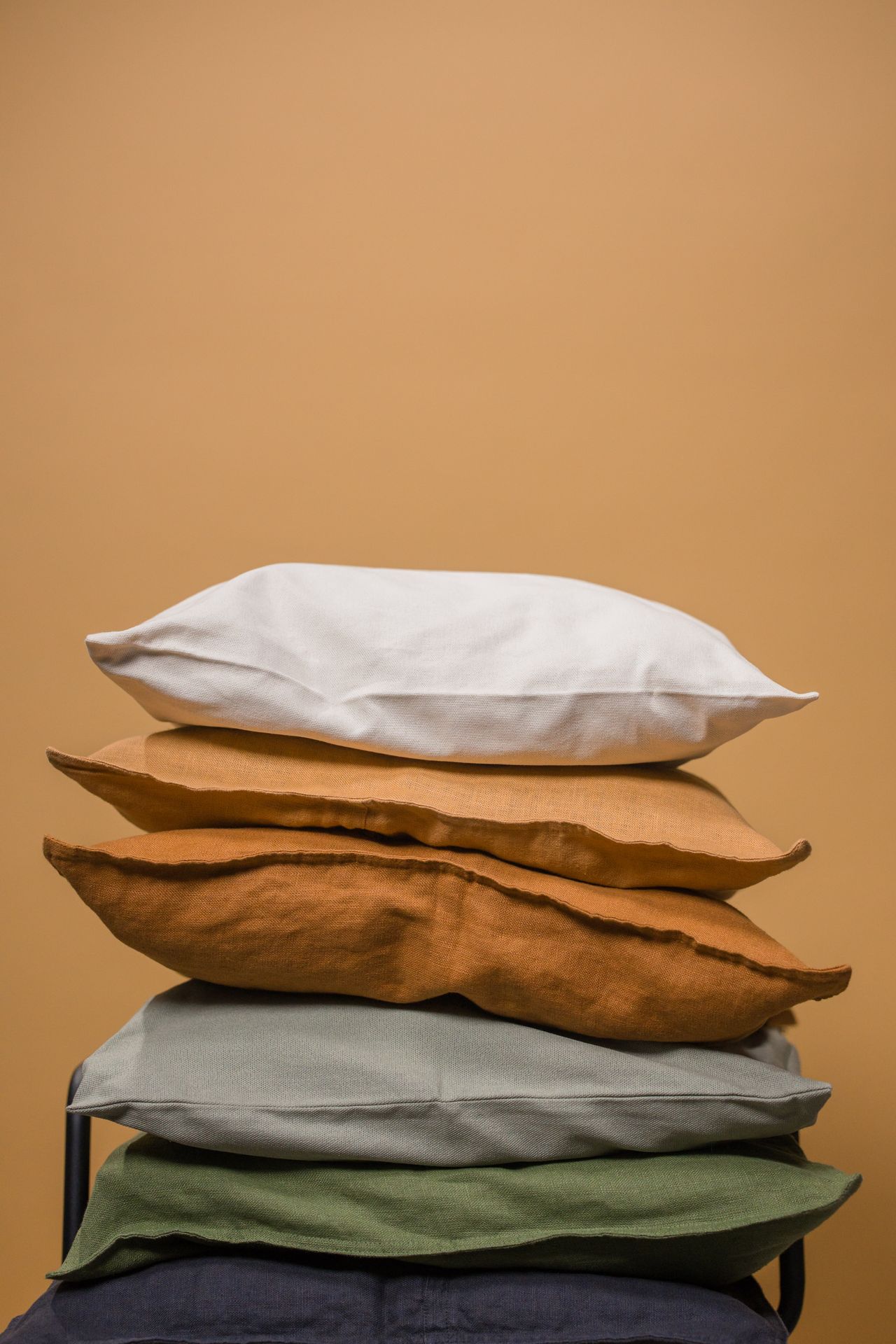
Japandi living room ideas focus on comfort as much as style. Soft textiles like cotton, linen, and wool add warmth to the space.

Use cushions, throws, and rugs in neutral shades. Avoid loud patterns. Instead, choose subtle textures to create interest.

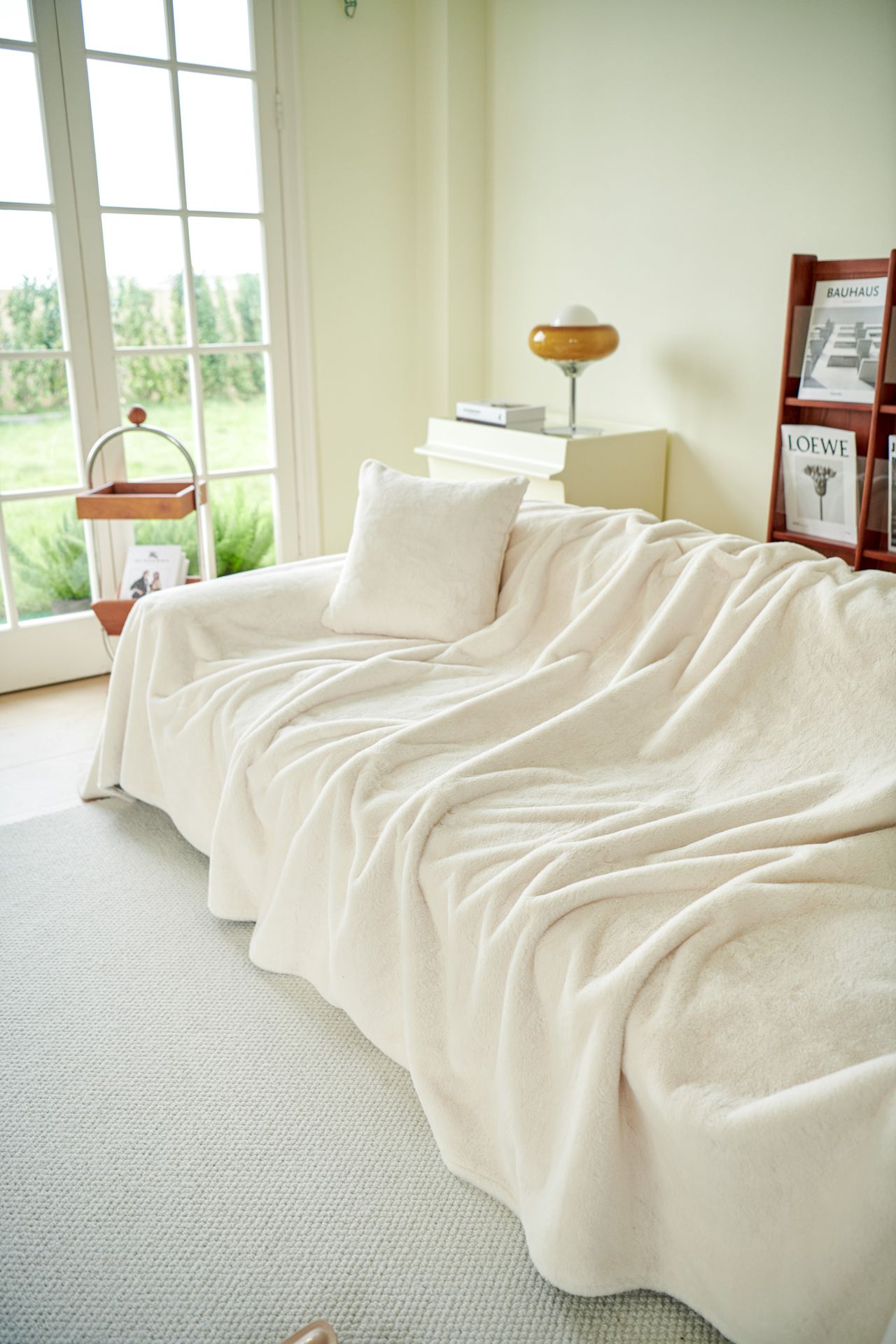
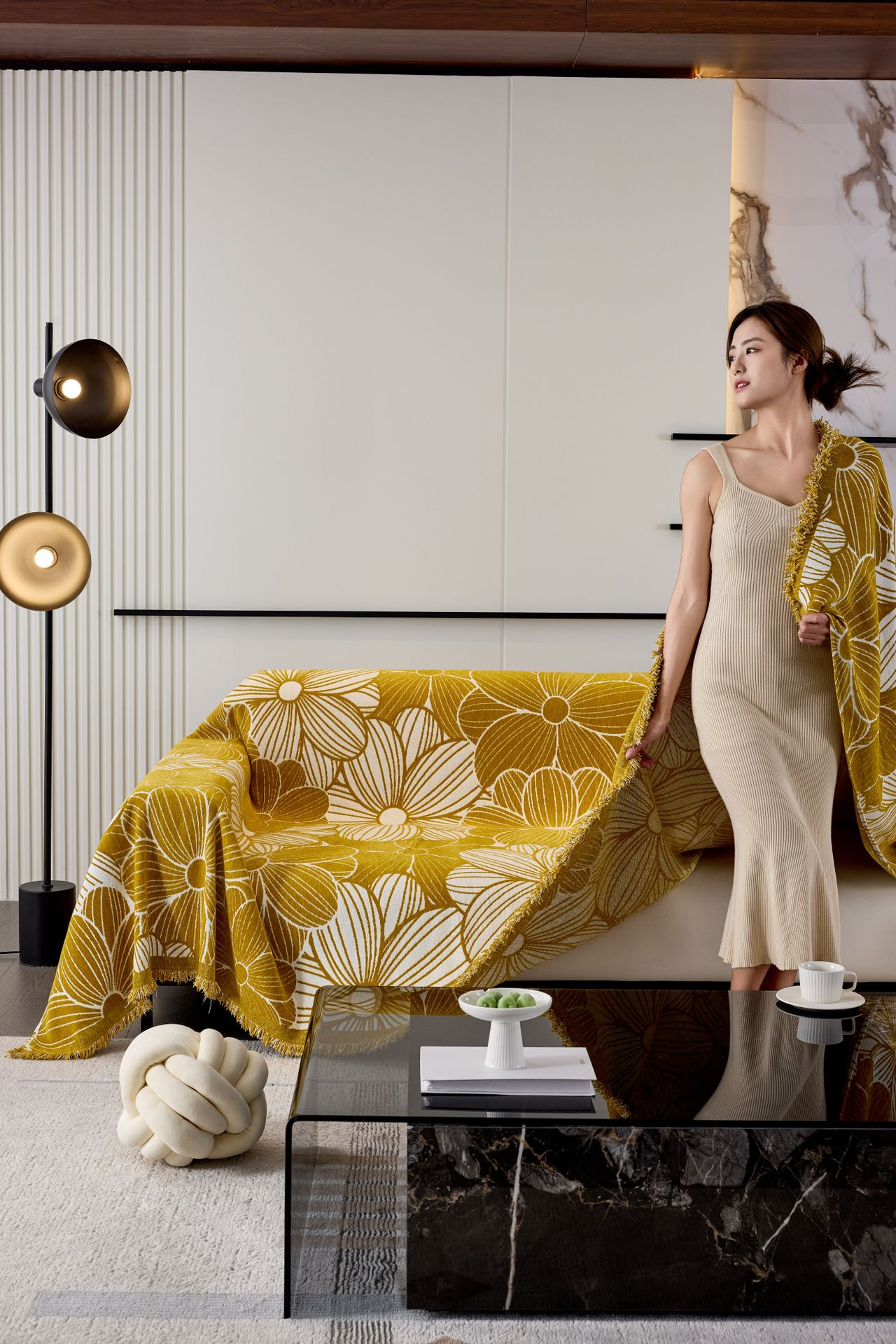
Layering textiles can make your living room feel cozy without adding clutter. For example, place a soft throw on your sofa and a simple rug under the table.

These elements make the space inviting and comfortable for everyday use.

6. Functional and Simple Furniture

Functional and Simple Furniture

In Japandi living room ideas, furniture should be both beautiful and useful. Avoid decorative pieces that serve no purpose.

Choose multi-functional furniture like storage ottomans or simple shelving units. This helps save space and keeps your room organized.

Look for clean designs with straight lines. Avoid heavy carvings or complex shapes.

Functional furniture makes your daily life easier while keeping the room neat and stylish.

7. Warm and Soft Lighting

Warm and Soft Lighting

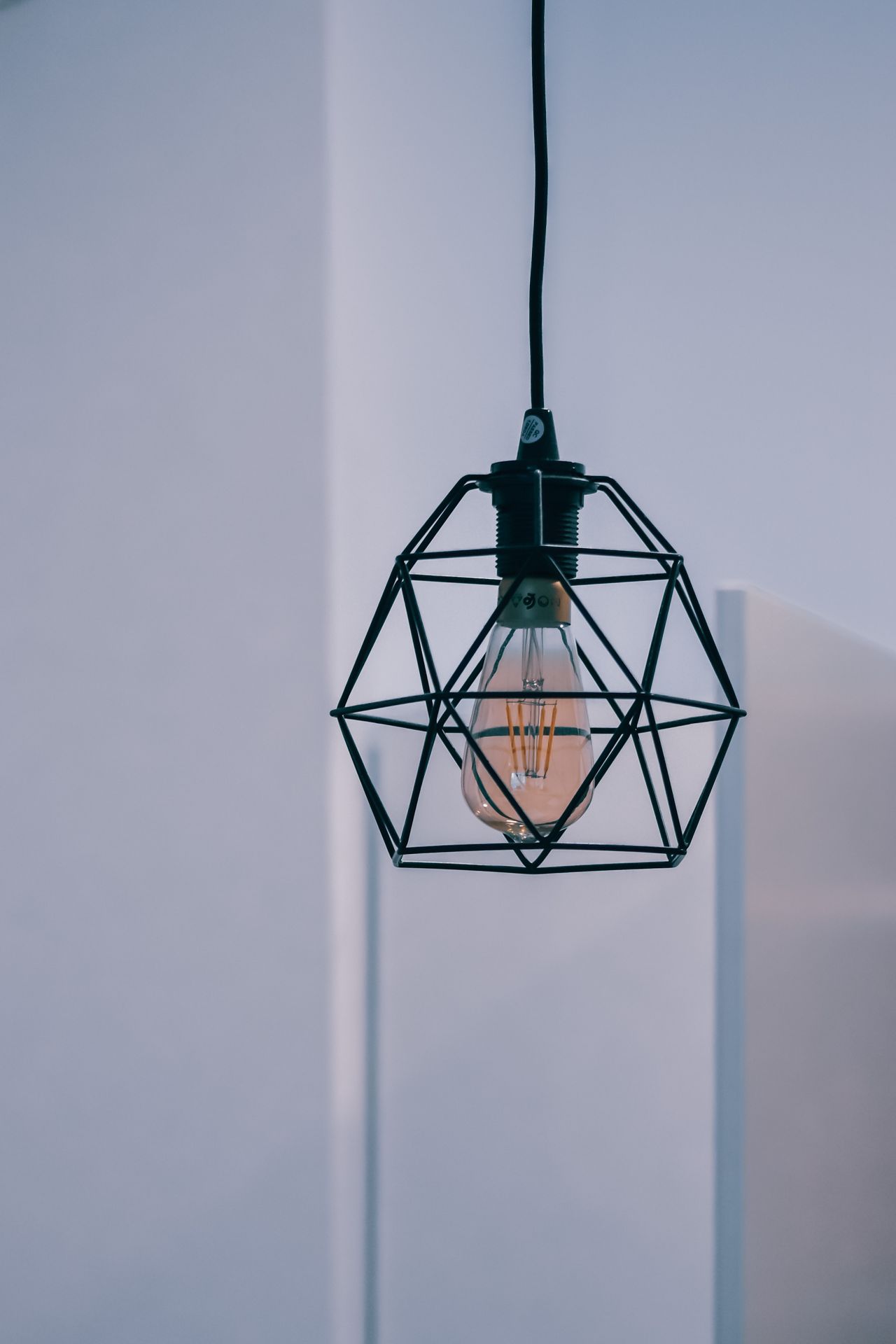
Lighting plays a big role in Japandi living room ideas. Use soft, warm lighting to create a relaxing mood.

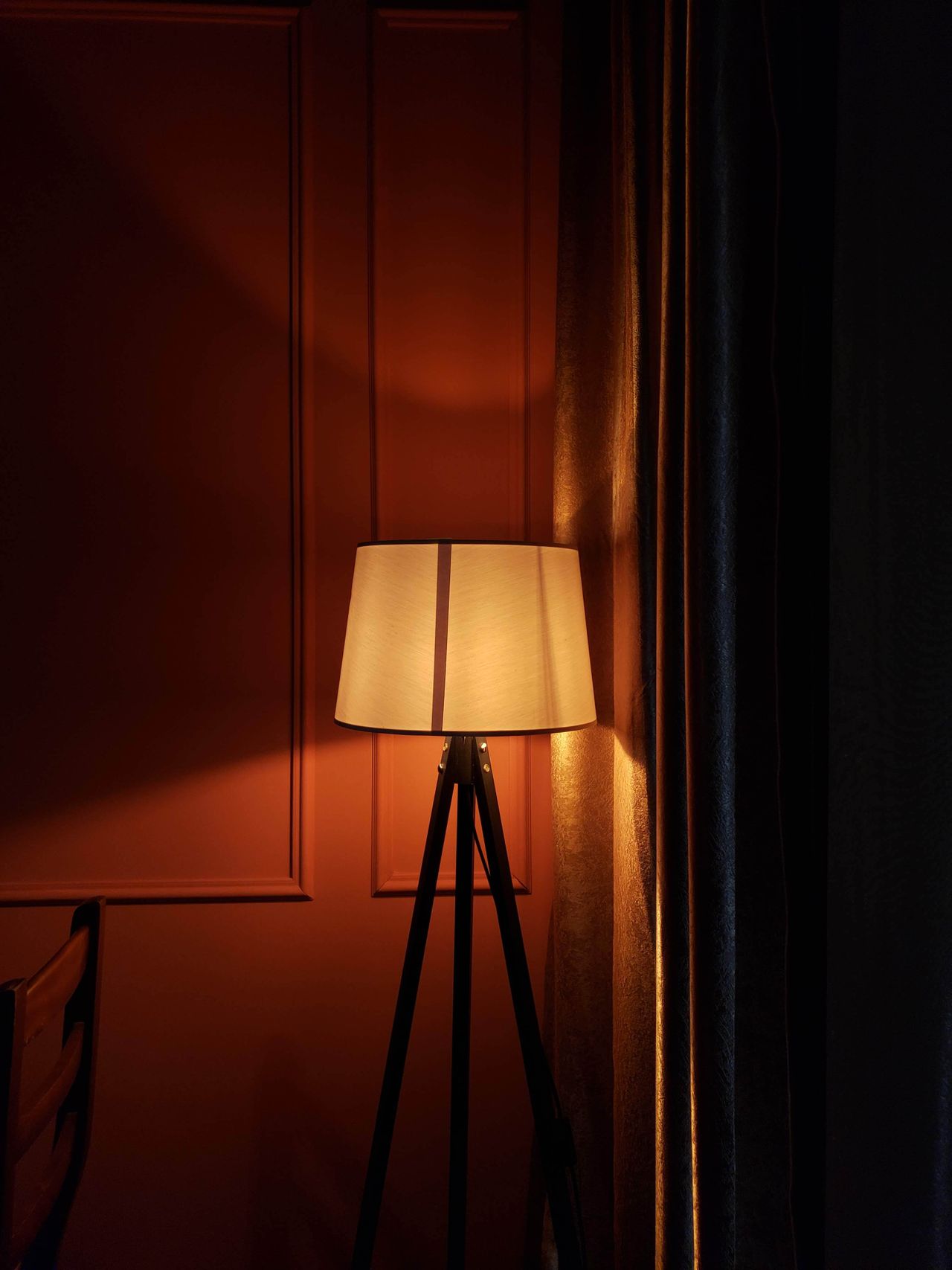
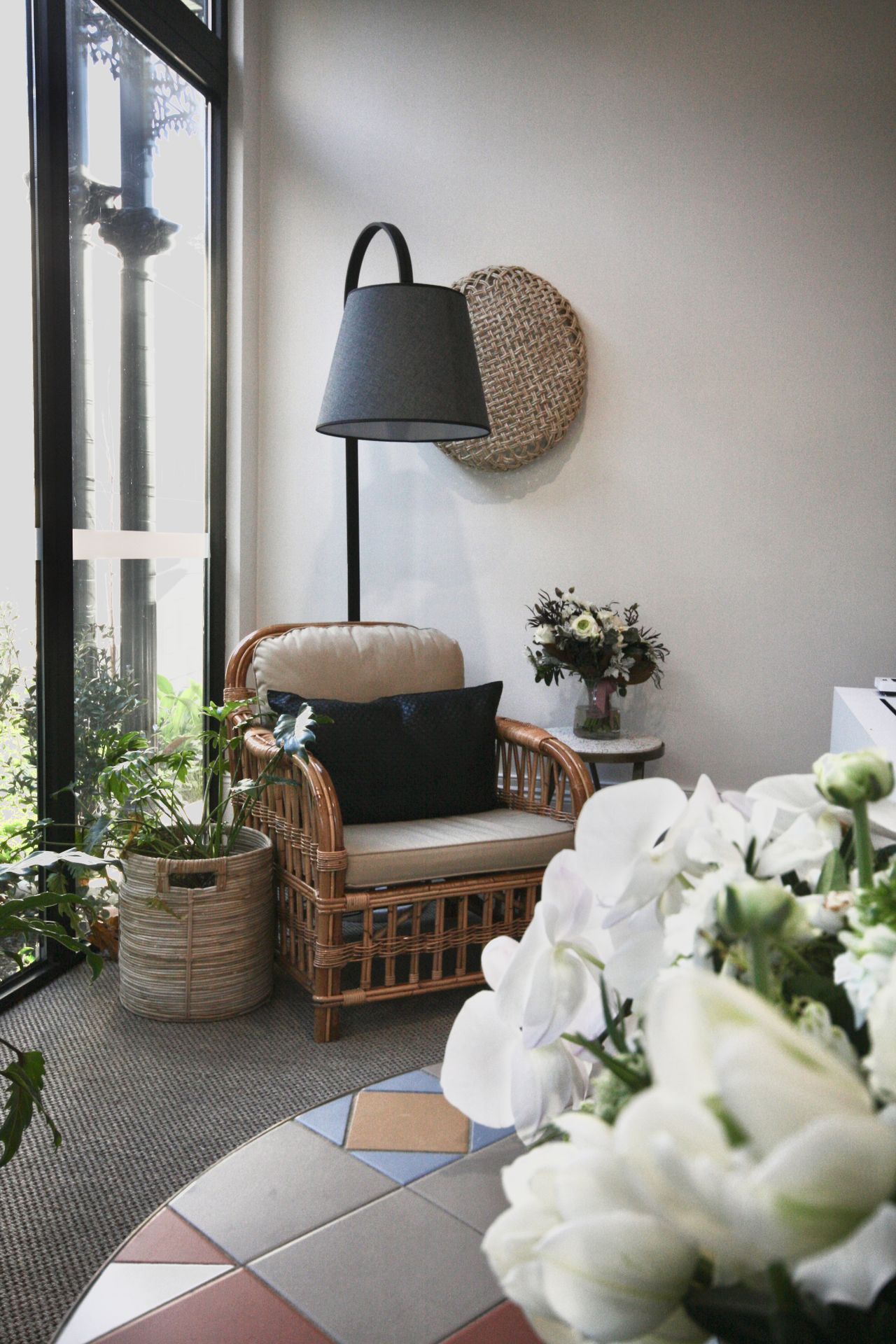
Avoid bright white lights. Instead, choose warm LED bulbs or soft lamps. Paper lanterns or fabric lampshades work very well in this style.

Layer your lighting with floor lamps, table lamps, and natural light. This creates depth and comfort.

Good lighting can completely change how your living room feels. It makes the space calm and welcoming.

8. Indoor Plants for Natural Touch

Indoor Plants for Natural Touch

Plants are an important part of Japandi living room ideas. They bring life and freshness into your space.

Choose simple plants like bonsai, snake plant, or fiddle leaf fig. Keep the pots minimal and neutral.

Avoid overcrowding with too many plants. One or two well-placed plants are enough.

Plants improve air quality and make your living room feel more peaceful and connected to nature.

9. Use Sliding Doors or Open Space Flow

Sliding Doors or Open Space Flow

Japandi living room ideas often focus on openness and smooth flow. Sliding doors or open layouts help connect spaces naturally. This design comes from Japanese interiors where rooms feel flexible and airy.

Instead of heavy doors, consider light wooden sliding panels or keep your living room open to nearby areas. This creates a sense of calm and freedom. It also allows natural light to move easily through your home.

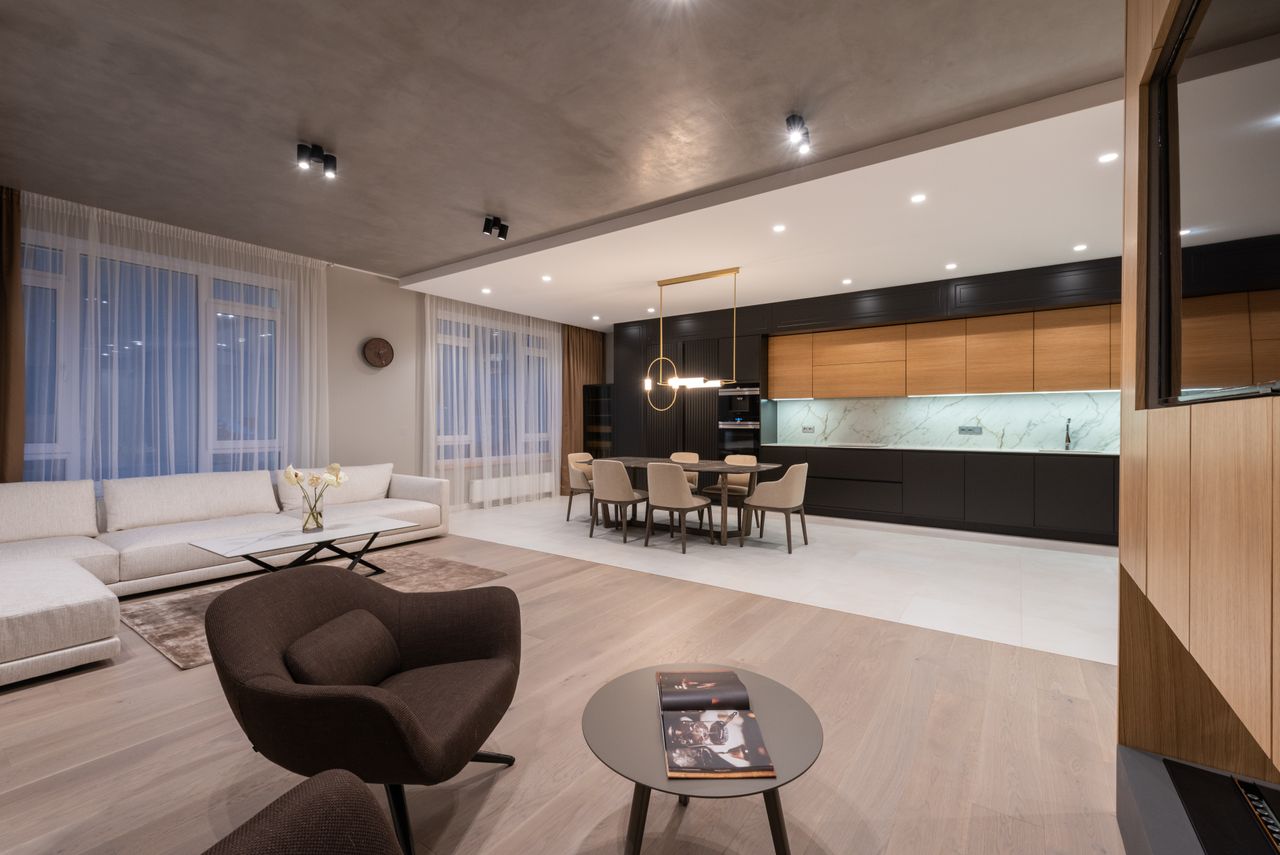
Open layouts make your space feel larger and more breathable. Even in small homes, removing unnecessary barriers improves comfort.

To maintain balance, use rugs or furniture placement to define areas without closing them off. This keeps the minimalist feel while still giving structure.

Overall, this idea improves both beauty and function. It helps your home feel peaceful and connected.

10. Add Statement Minimal Art

Minimal Art

Japandi living room ideas include art, but in a simple and meaningful way. Instead of many decorations, choose one or two statement pieces.

Go for abstract art, nature-inspired prints, or Japanese calligraphy. Keep colors soft and neutral to match the overall design.

Large artwork works better than multiple small pieces. It creates a focal point without making the room look busy.

Frame your art in wood or black frames for a clean look. Place it above your sofa or on a plain wall.

Minimal art adds personality while keeping the space calm. It reflects your style without breaking the simplicity of Japandi design.

11. Incorporate Stone and Natural Textures

Incorporate Stone and Natural Textures

Natural textures are essential in Japandi living room ideas. Stone, clay, and raw materials add depth and character.

You can use stone in small ways like decor pieces, vases, or tabletops. Even textured walls or ceramic items work well.

These materials bring an organic feel to your space. They also create contrast with soft textiles and wood.

Keep everything simple and balanced. Avoid overusing textures. One or two elements are enough to make an impact.

This idea helps your living room feel grounded and connected to nature. It adds beauty without clutter.

12. Focus on Clean Lines and Shapes

Clean Lines and Shapes

Clean lines are a key part of Japandi living room ideas. Furniture and decor should have simple shapes without extra details.

Choose sofas, tables, and shelves with straight edges or soft curves. Avoid heavy designs or decorative carvings.

This creates a modern and uncluttered look. It also makes your space feel organized and easy to understand.

Clean lines improve visual balance. They help your living room look calm and structured.

When everything looks simple, your mind also feels relaxed. That’s the main goal of Japandi design.

13. Use Handmade and Artisan Decor

Handmade and Artisan Decor

Japandi living room ideas value craftsmanship and handmade items. These pieces add authenticity and warmth.

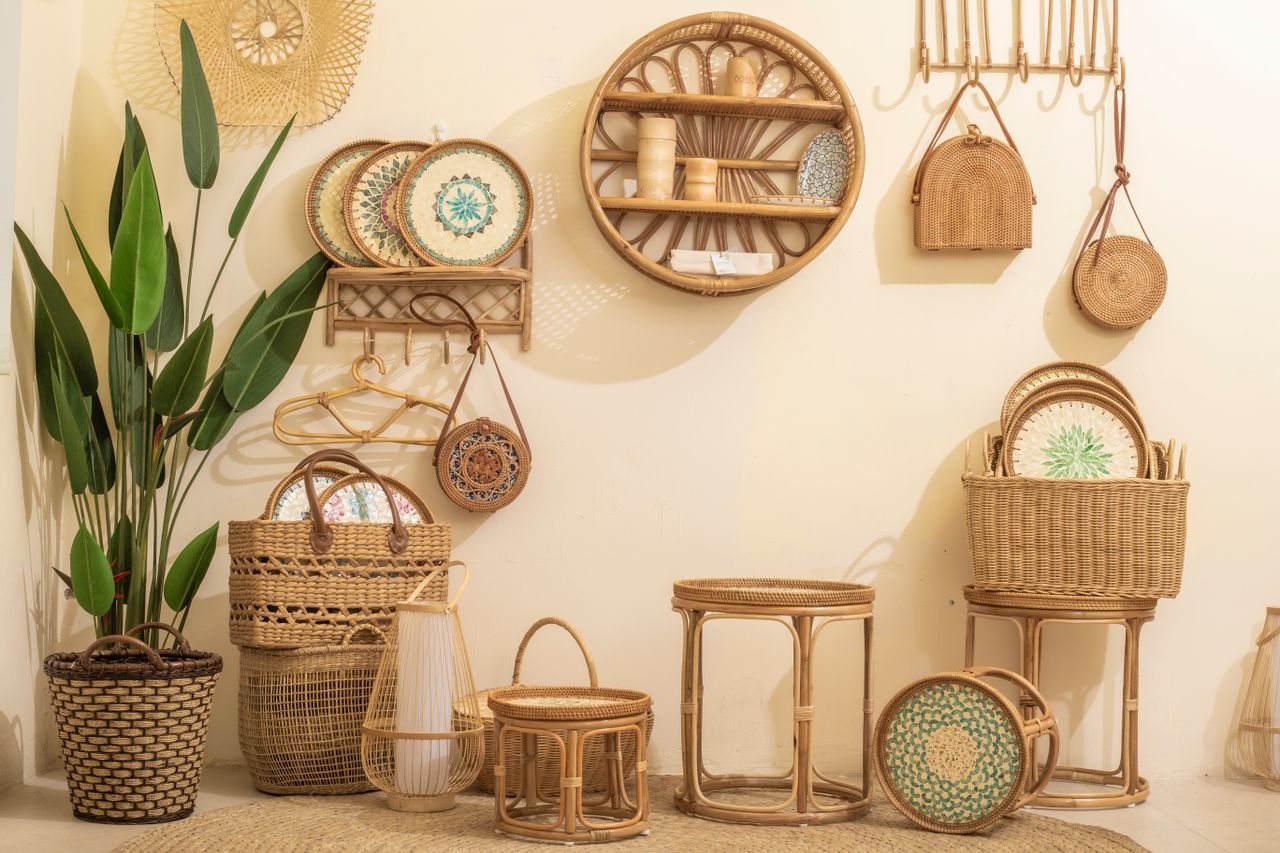
Look for handmade pottery, woven baskets, or hand-carved wooden decor. Each piece should feel unique and meaningful.

Avoid mass-produced or overly polished items. Imperfections in handmade decor make the space feel more natural.

Use these items sparingly. One or two pieces can make a strong impact without adding clutter.

This approach supports sustainability and adds character to your living room. It makes your space feel personal and calm.

14. Neutral Layered Rugs

Neutral Layered Rugs

Layering rugs is a smart way to add comfort in Japandi living room ideas. Choose neutral rugs with simple textures.

Start with a larger base rug and add a smaller one on top. This creates depth without using bold patterns.

Natural materials like jute or wool work best. They feel soft and match the organic style.

Rugs also help define your seating area, especially in open layouts. They make the space feel cozy and grounded.

Keep colors subtle and calming. This maintains the peaceful Japandi vibe.

15. Hidden Storage Solutions

Storage is important in Japandi living room ideas. The goal is to keep everything organized and out of sight.

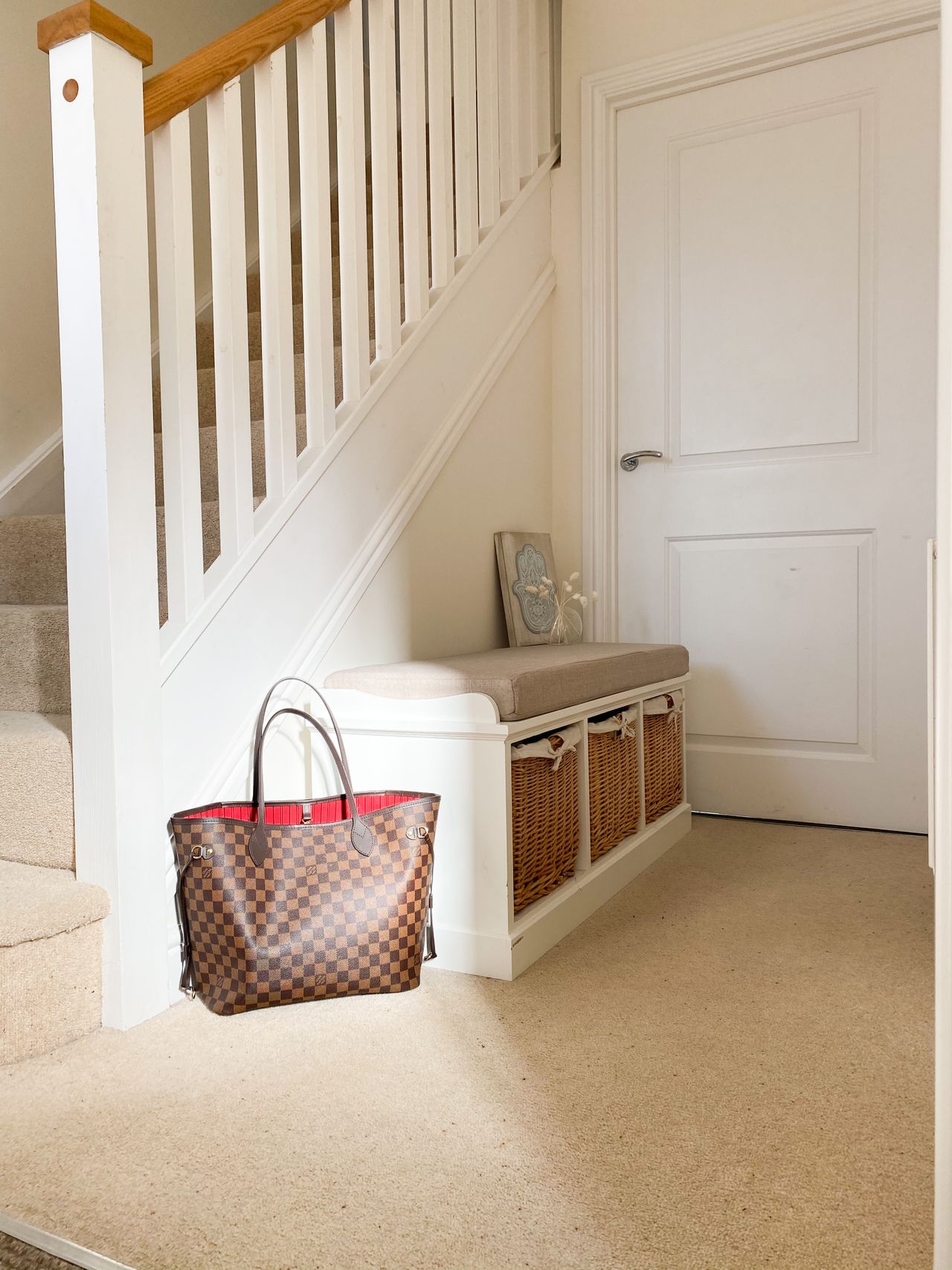
Use furniture with hidden storage like benches, ottomans, or cabinets. This helps reduce visual clutter.

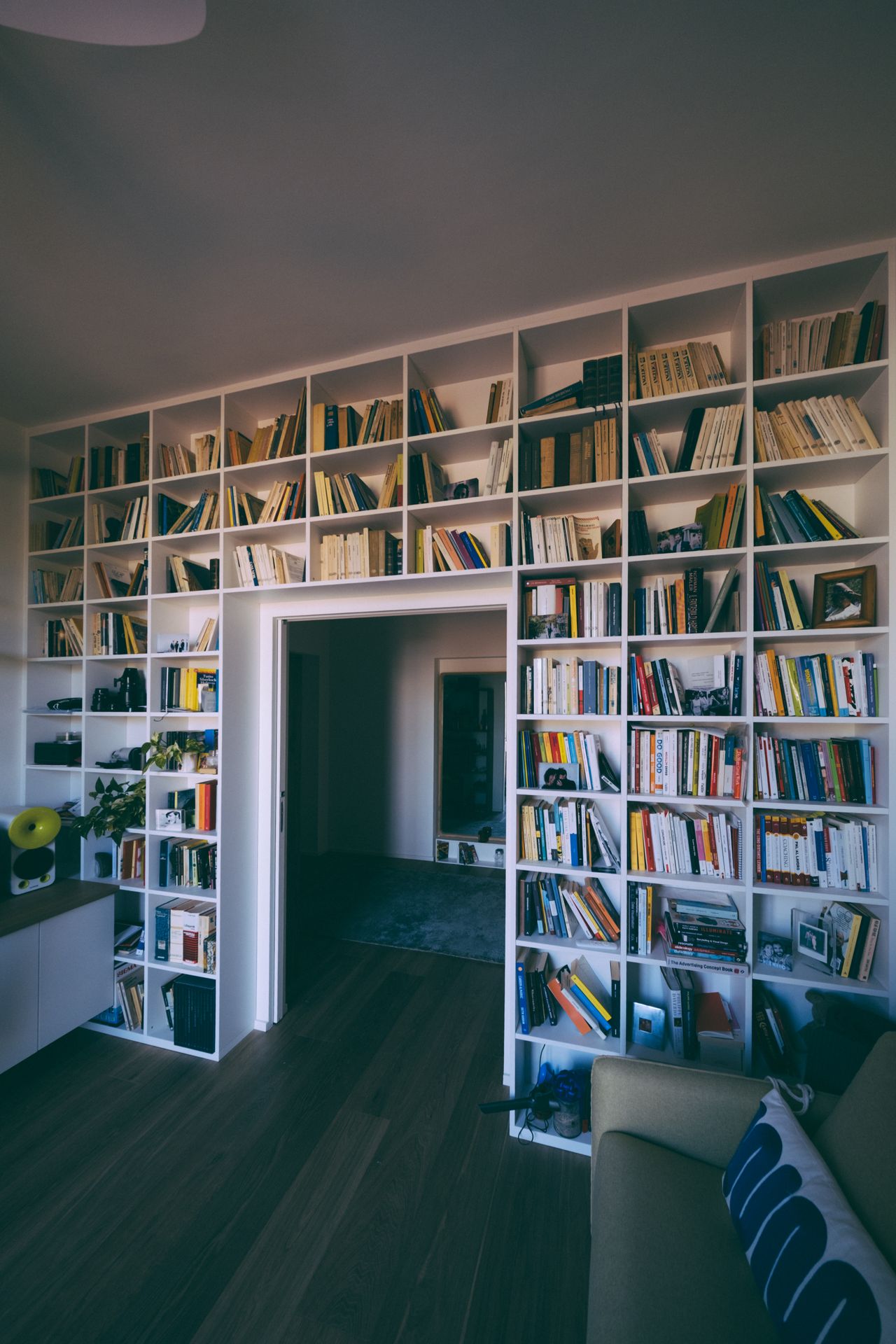
Built-in shelves or closed cabinets are also great options. They keep your space clean and simple.

Avoid open shelves filled with too many items. Instead, keep only a few essentials visible.

Hidden storage improves both function and style. It keeps your living room peaceful and easy to maintain.

16. Mix Scandinavian and Japanese Elements

Scandinavian and Japanese Elements

Japandi living room ideas are all about balance between two styles. Scandinavian design brings coziness, while Japanese design adds simplicity.

Combine soft fabrics with minimal furniture. Use warm lighting with clean layouts.

For example, pair a Scandinavian sofa with a Japanese-style low table. This creates harmony.

The key is balance. Don’t let one style overpower the other. Keep everything simple and natural.

This mix creates a unique and modern living room that feels both cozy and calm.

17. Use Earthy Accent Colors

Earthy Accent Colors

While Japandi living room ideas focus on neutrals, small earthy accents can add depth.

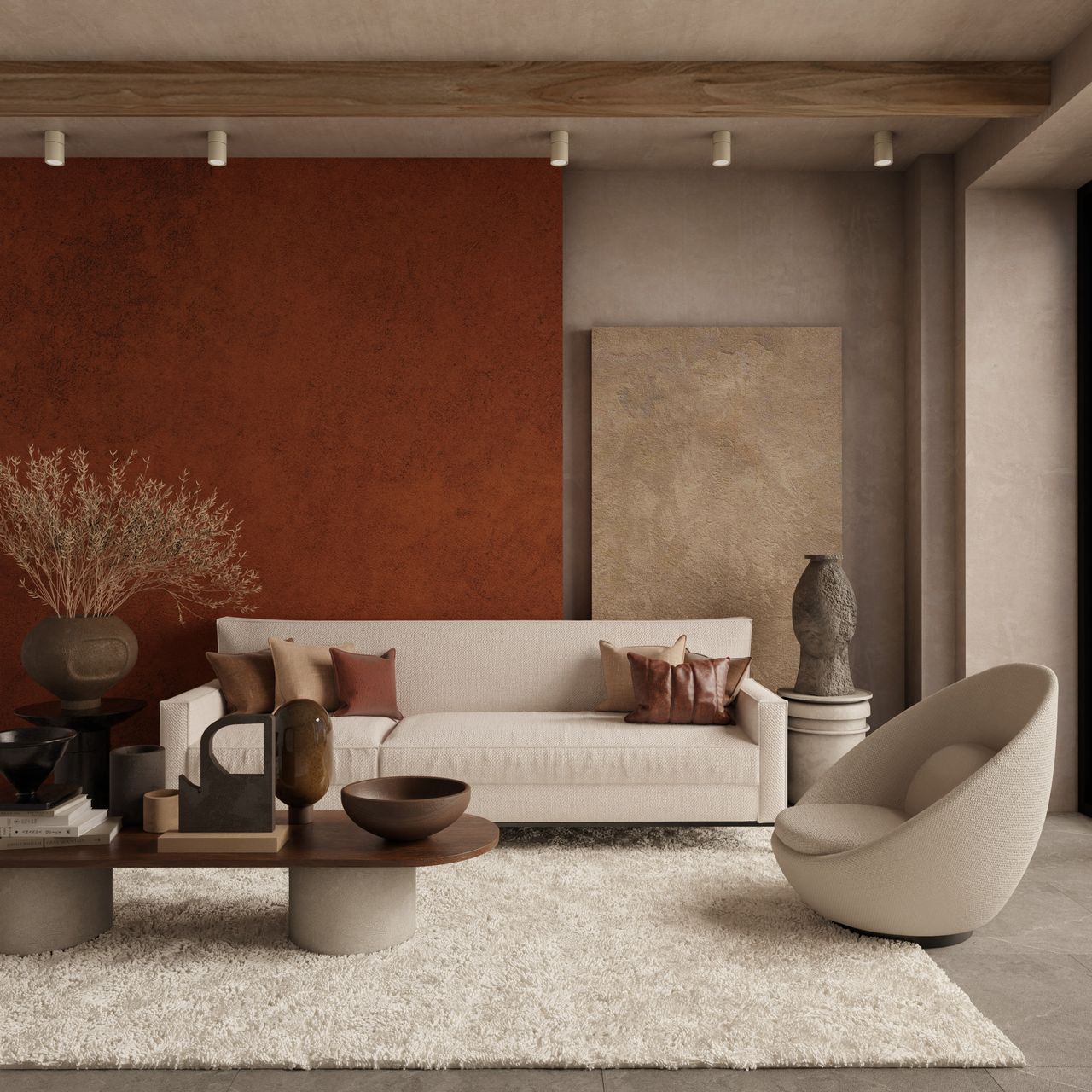
Colors like olive green, terracotta, and muted brown work well. Use them in cushions, decor, or small furniture pieces.

Avoid bright or bold colors. Keep everything soft and natural.

These accents make your space feel warm and balanced. They also prevent the room from looking too plain.

Use them carefully to maintain the minimalist look.

18. Keep Windows Light and Simple

Windows Light and Simple

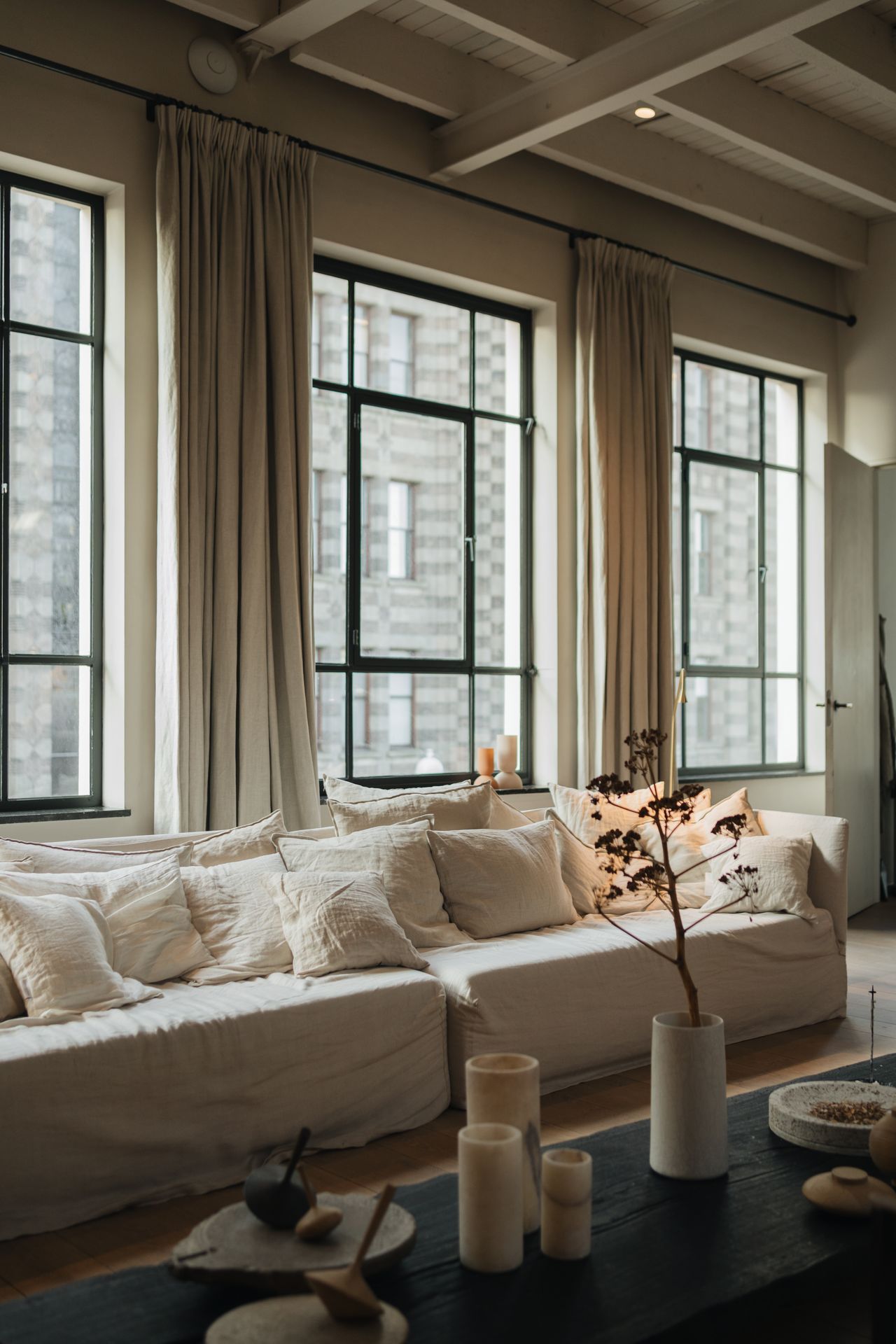
Windows in Japandi living room ideas should feel open and natural. Avoid heavy curtains or dark shades.

Use light fabrics like linen or sheer curtains. This allows natural light to enter easily.

Natural light makes your space feel bigger and more peaceful. It also highlights textures and materials.

If possible, keep windows partially open without coverings. This enhances the minimalist look.

Simple windows improve both beauty and comfort in your living room.

19. Add a Minimal Fireplace Area

Minimal Fireplace Area

A fireplace can enhance Japandi living room ideas by adding warmth and comfort.

Keep the design simple and modern. Avoid heavy decorations or complex designs.

Use natural materials like stone or wood around the fireplace. This keeps it aligned with Japandi style.

The fireplace becomes a cozy focal point in your living room. It adds both function and beauty.

Even a small or electric fireplace can create a warm atmosphere.

20. Use Simple Shelving

Simple Shelving

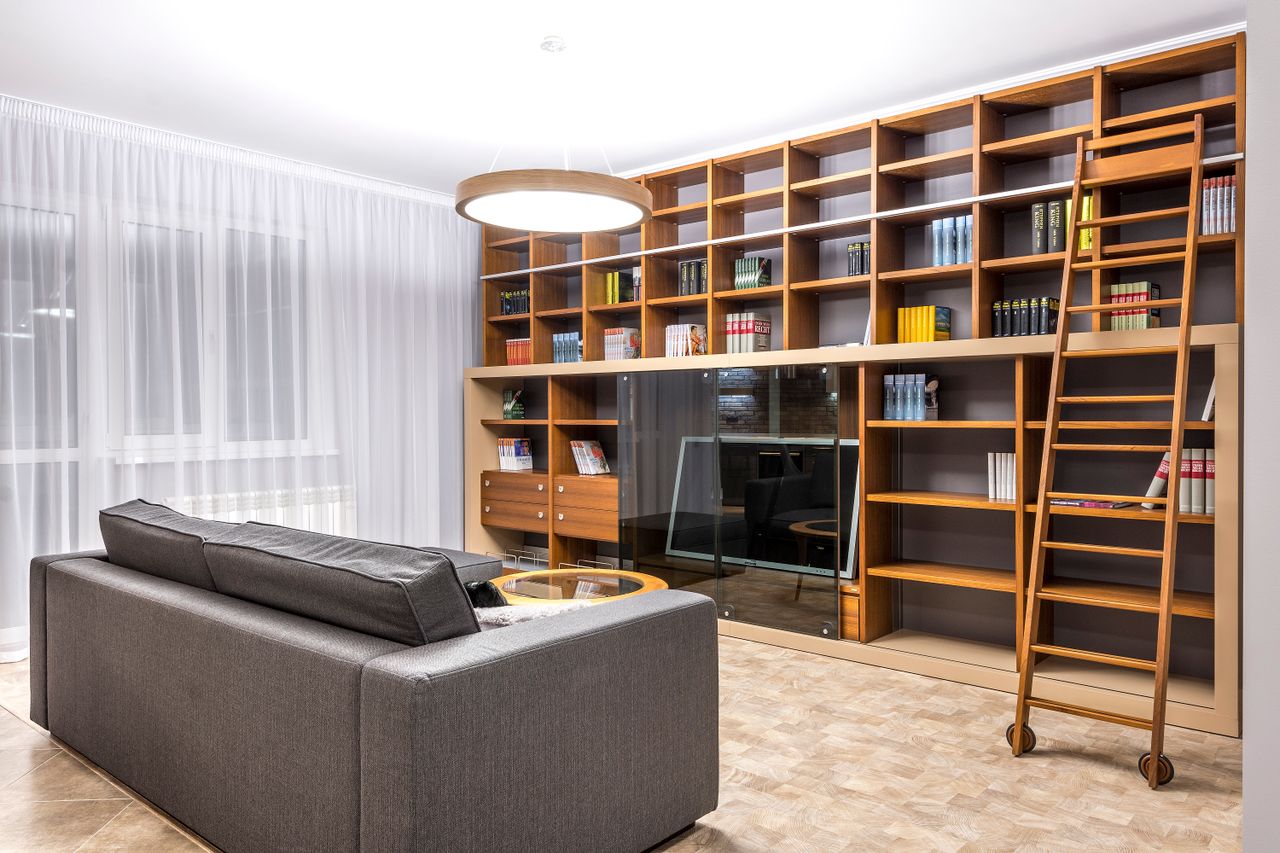
Shelves in Japandi living room ideas should be minimal and functional.

Choose open wooden shelves with clean lines. Avoid overcrowding them with decor.

Display only a few items like books, plants, or ceramics. This keeps the space balanced.

Simple shelving helps organize your room while maintaining the minimalist look.

It also adds visual interest without creating clutter.

21. Add a Zen Corner

Zen Corner

A Zen corner is a perfect addition to Japandi living room ideas. It creates a peaceful space for relaxation.

You can include a floor cushion, small table, and a plant or candle. Keep everything simple and calm.

This space can be used for reading, meditation, or quiet time.

It improves your mental well-being and adds purpose to your living room.

A Zen corner reflects the true essence of Japandi style—peace and simplicity.

22. Use Black Accents for Contrast

Black Accents for Contrast

Black accents are often used in Japandi living room ideas to create contrast.

You can add black through frames, lamps, or small decor pieces.

These elements help define the space and add depth.

Use black sparingly to maintain balance. Too much can make the room feel heavy.

When used correctly, black accents enhance the minimalist design beautifully.

23. Choose Simple Coffee Tables

Simple Coffee Tables

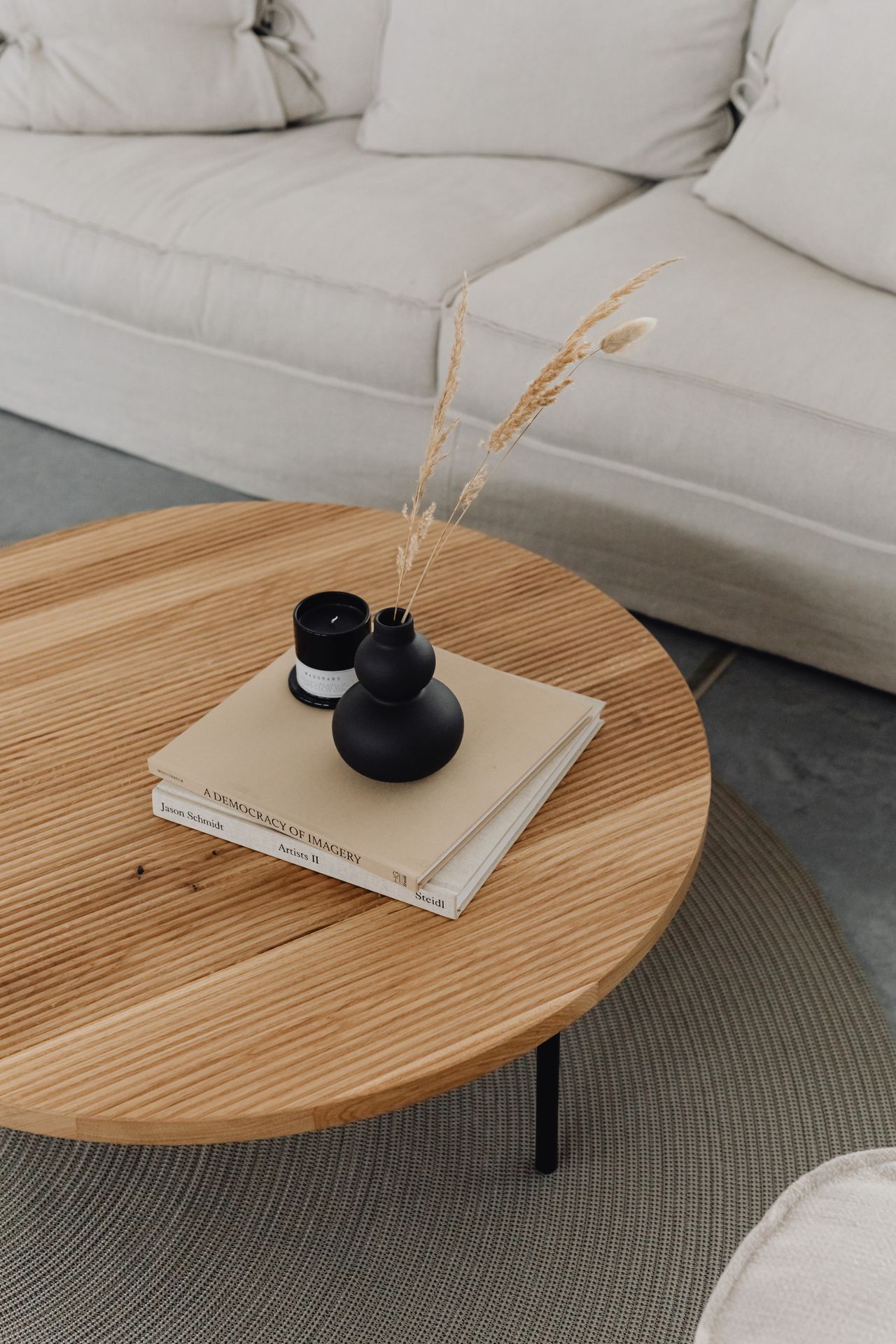
Coffee tables in Japandi living room ideas should be low and minimal.

Choose wooden tables with clean lines and natural finishes.

Avoid glass or overly decorative designs. Keep it simple and functional.

The table should blend with the space, not stand out too much.

This keeps the overall look calm and balanced.

24. Use Soft Curves in Decor

Soft Curves in Decor

While Japandi design is minimal, adding soft curves can make the space feel more inviting.

Choose round tables, curved sofas, or circular decor pieces.

These shapes balance the straight lines in furniture.

Curves create a gentle and relaxing atmosphere.

They also add a modern touch without breaking simplicity.

25. Keep Everything Intentional

The most important rule in Japandi living room ideas is intention. Every item should have meaning and purpose.

Avoid buying decor just to fill space. Choose items that you truly need or love.

This keeps your living room simple and clutter-free.

Intentional design improves both beauty and functionality. It also creates a deeper connection with your space.

When everything has purpose, your living room feels calm, balanced, and complete.

Conclusion

Japandi living room ideas are perfect for anyone who wants a simple, cozy, and stylish space. By using neutral colors, natural materials, and minimal furniture, you can create a peaceful environment that feels both modern and comfortable.

The key is to keep things simple and meaningful. Focus on quality over quantity and choose items that truly add value to your space. With these ideas, you can easily transform your living room into a calm and beautiful Japandi-inspired retreat.

FAQs

1. What is Japandi style in interior design?

Japandi style is a mix of Japanese minimalism and Scandinavian comfort. It focuses on simplicity, natural materials, and cozy spaces.

2. What colors are used in Japandi living rooms?

Neutral colors like white, beige, gray, and soft brown are commonly used.

3. Is Japandi style good for small living rooms?

Yes, it works very well because it uses minimal furniture and open space, making rooms look bigger.

4. How do I make my living room look Japandi?

Use simple furniture, neutral tones, natural materials, and keep the space clean and clutter-free.

5. Can I mix modern decor with Japandi style?

Yes, as long as it stays minimal and follows clean, simple design principles.

Comments