A full dining room is a luxury most small homes cannot afford — but a dining nook is not. A nook is simply a small, intentional spot carved out of a corner, a window, or the end of your living room, designed for one job: eating comfortably. These 15 ideas show how to build one that seats two to four people without swallowing your floor plan.

Photo by Merriweather, CC0, via Wikimedia Commons.
1. The Power of Built-in Bench Seating
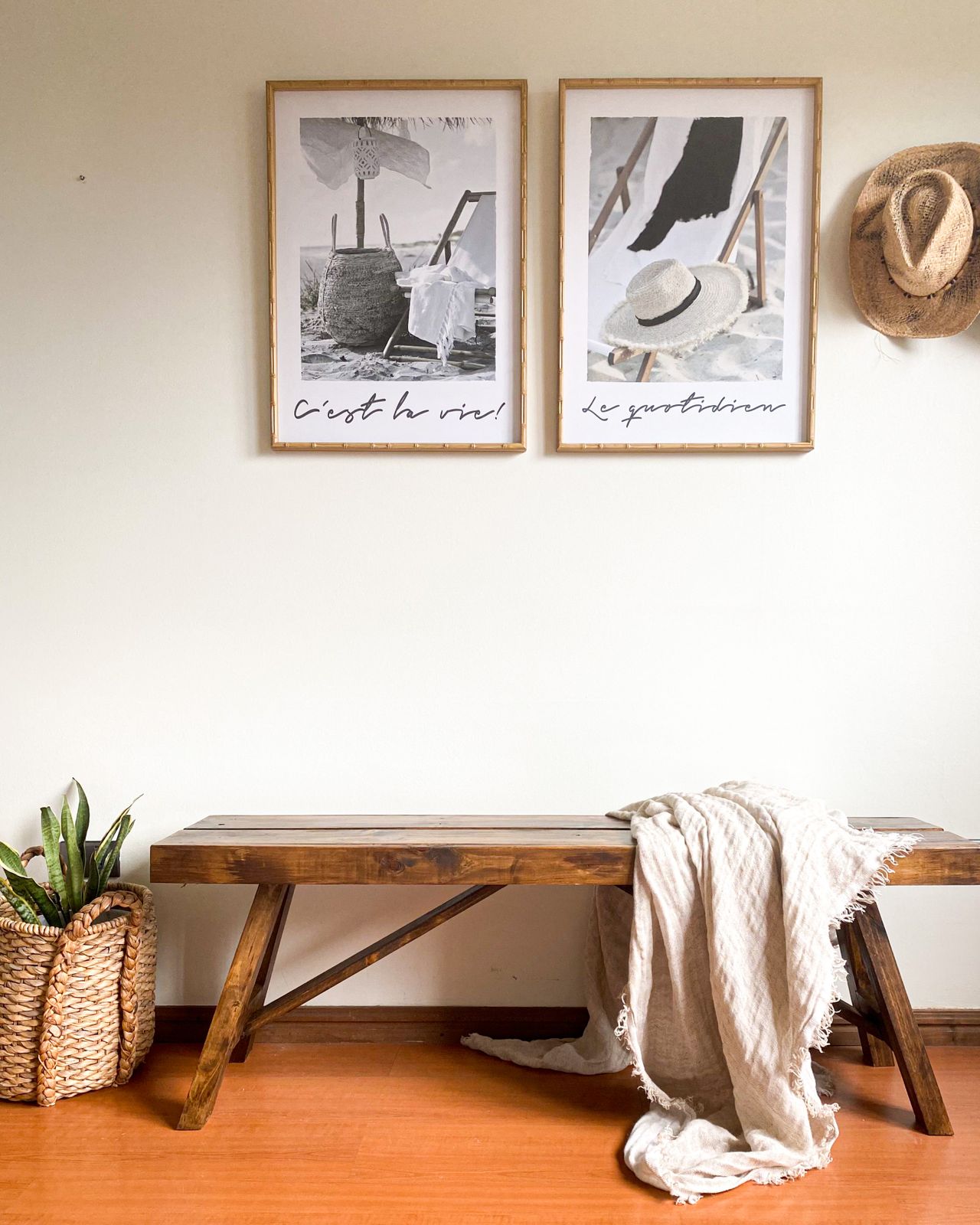
Photo by Javi Osorio Flores via Pexels, free license.
A banquette — a bench fixed against the wall — is the most space-efficient dining seat ever designed. No chair legs splayed out, no pull-out clearance needed; people just slide in. Add a hinged top and the bench doubles as storage for table linens and serving dishes.
2. Choose a Smart Round Table
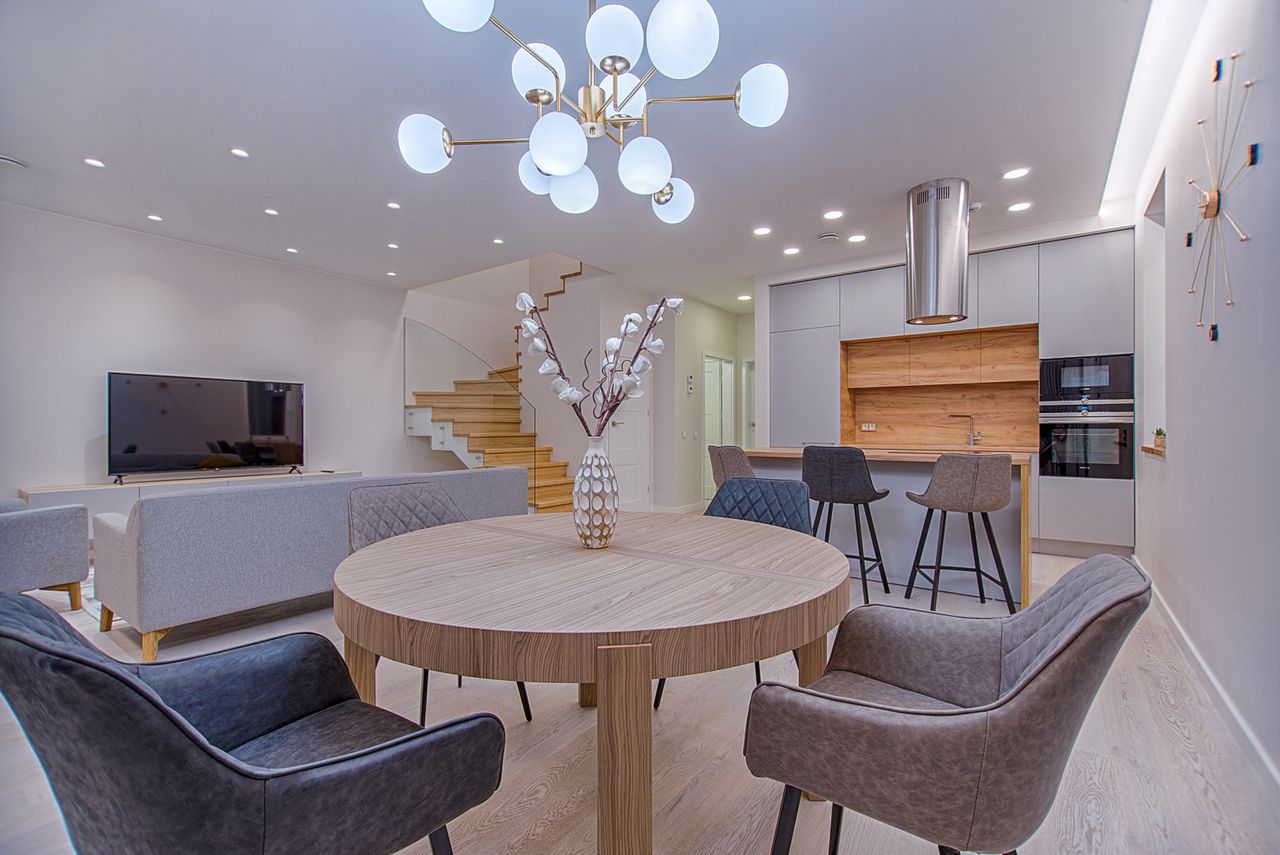
Photo by Viaceslav Kat via Pexels, free license.
Corners are the enemy in tight spaces — yours and the table's. A round pedestal table seats four in the footprint where a square table seats two uncomfortably, and nobody fights over the corner seat. Glass or light wood keeps it visually light.
3. Embrace Folding and Gateleg Tables

Photo by Jane023, CC BY 3.0, via Wikimedia Commons.
The gateleg table is centuries old and still the smartest small-space invention: leaves that fold down when it is just you and open up when friends come over. A drop-leaf design like this one gives you a full table or a slim console in seconds.
4. Create a Window Perch with a View
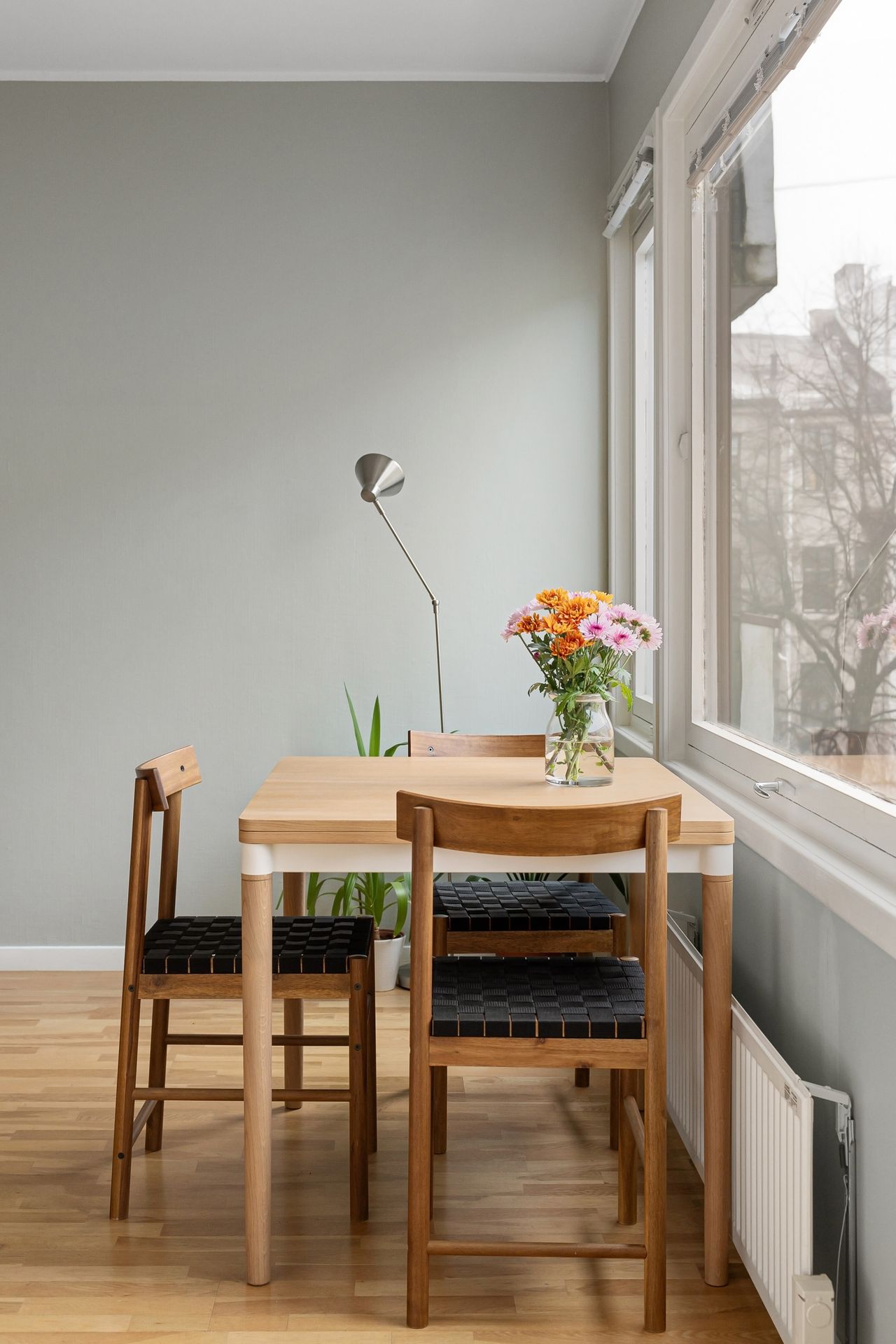
Photo by Alex Tyson via Pexels, free license.
The strip of floor in front of a window is usually dead space — turn it into the best seat in the house. A narrow table with two chairs facing the glass gives you natural light, a view, and a breakfast spot that costs almost no floor area.
5. Utilize Floating Shelves and Brackets
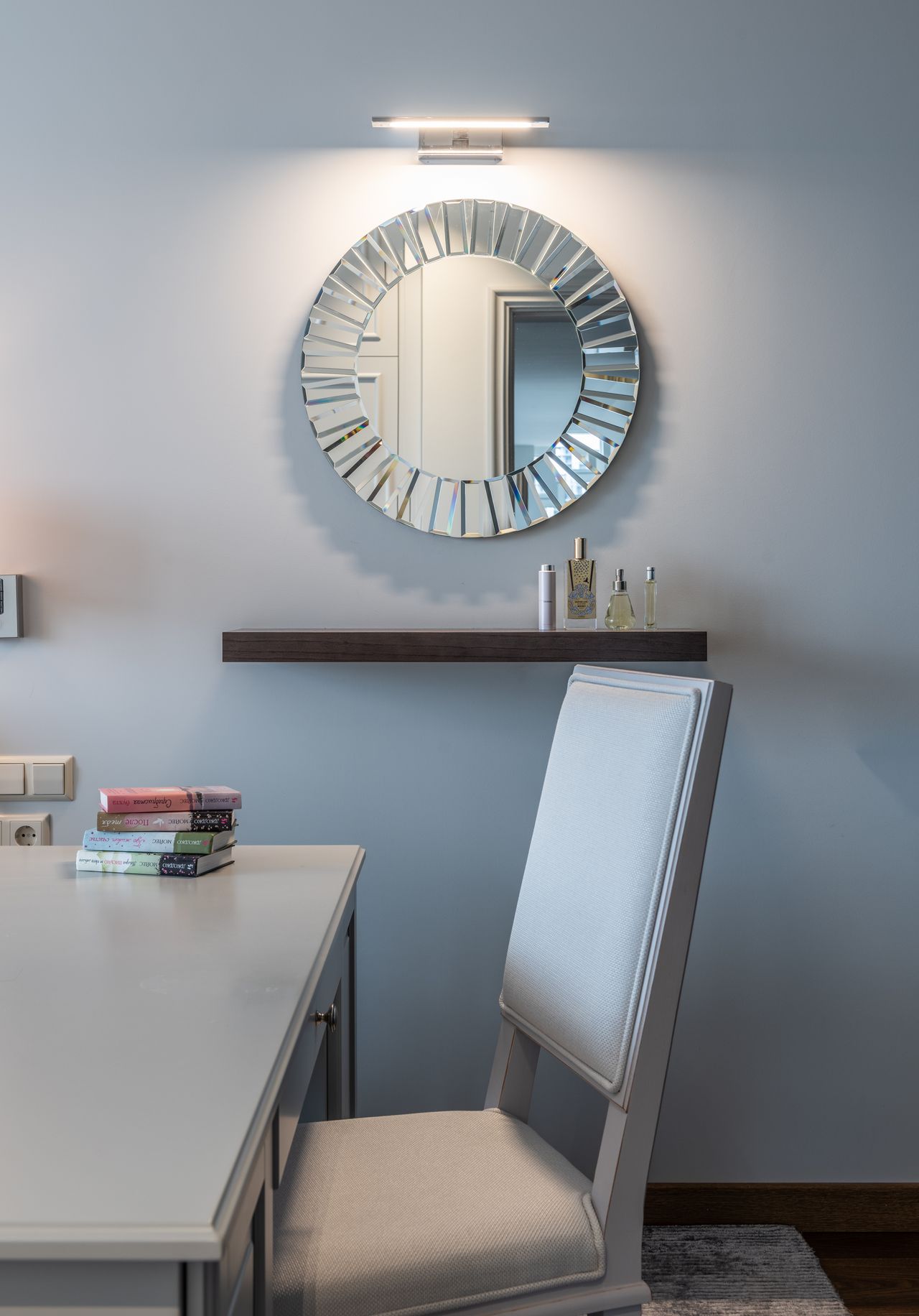
Photo by Max Vakhtbovych via Pexels, free license.
When even a folded table feels like too much, mount the table to the wall. A sturdy shelf or drop-leaf at table height, paired with chairs that tuck fully underneath, leaves your floor visually clear between meals. Ideal for galley kitchens and studio apartments.
6. The Back-of-the-Sofa Console Nook
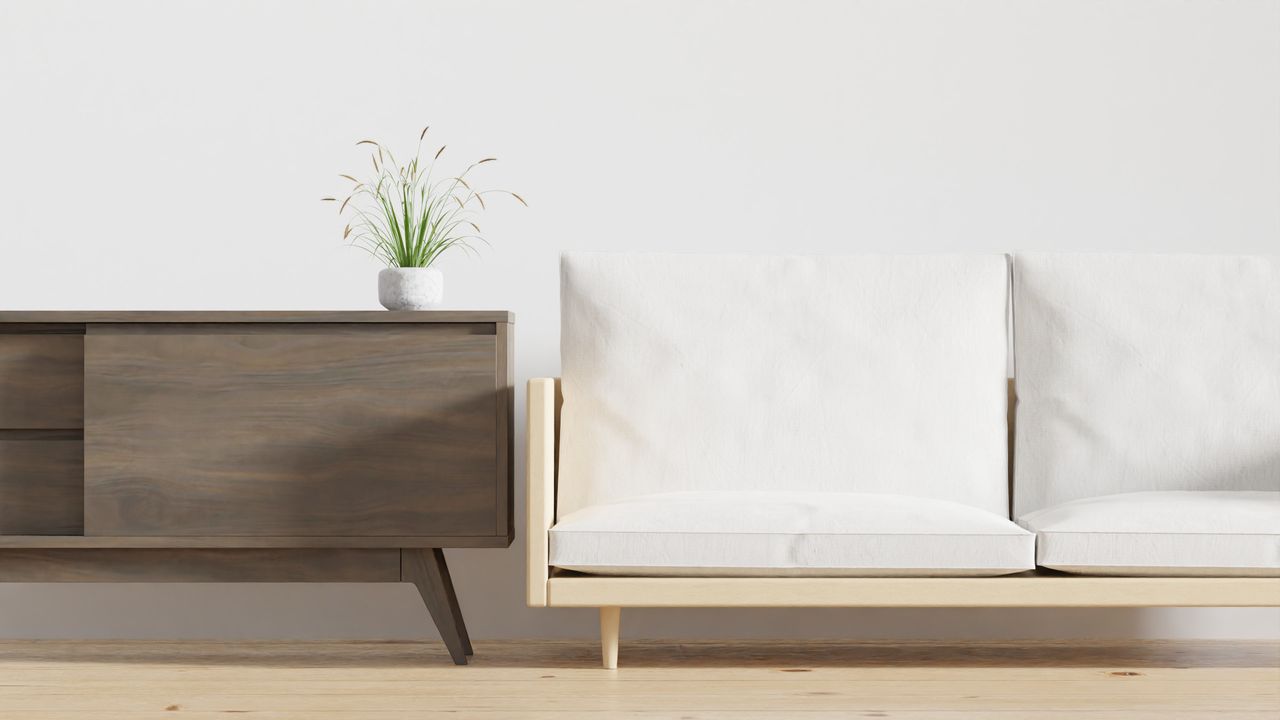
Photo by dada _design via Pexels, free license.
In open-plan apartments, the back of the sofa is a wall waiting to happen. A slim console table at counter height behind it, plus two stools, creates a dining zone with zero extra footprint — and the stools can turn around for extra living-room seating on movie night.
7. Maximize an Awkward Corner with High Contrast
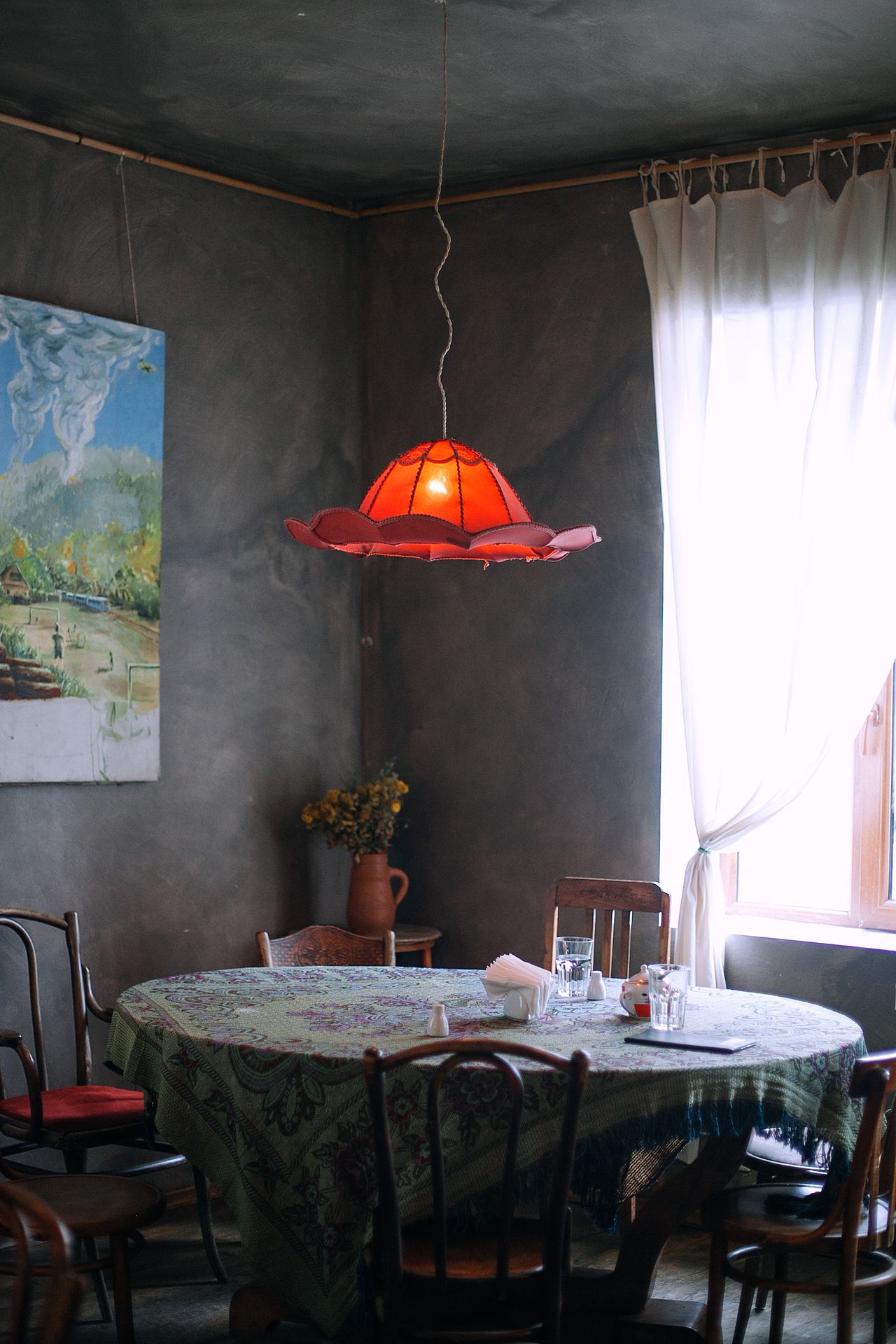
Photo by Maria Orlova via Pexels, free license.
Instead of apologizing for an awkward corner, declare it. Paint it a deep, confident color — ink navy, forest green, charcoal — and furnish it light: a pale table, simple chairs, one pendant. Contrast makes the nook look deliberate, and deliberate always looks bigger than apologetic.
8. Opt for Acrylic or 'Ghost' Furniture

Photo via Wikimedia Commons, CC BY 2.0.
Acrylic ghost chairs and glass tabletops take up zero visual space — your eye travels straight through to the walls, so the room reads larger. They are also genuinely practical: wipeable and easy to pair with anything. The one honest caveat: they show every fingerprint, so keep a microfiber cloth handy.
9. Build a Banquette with Storage Inside
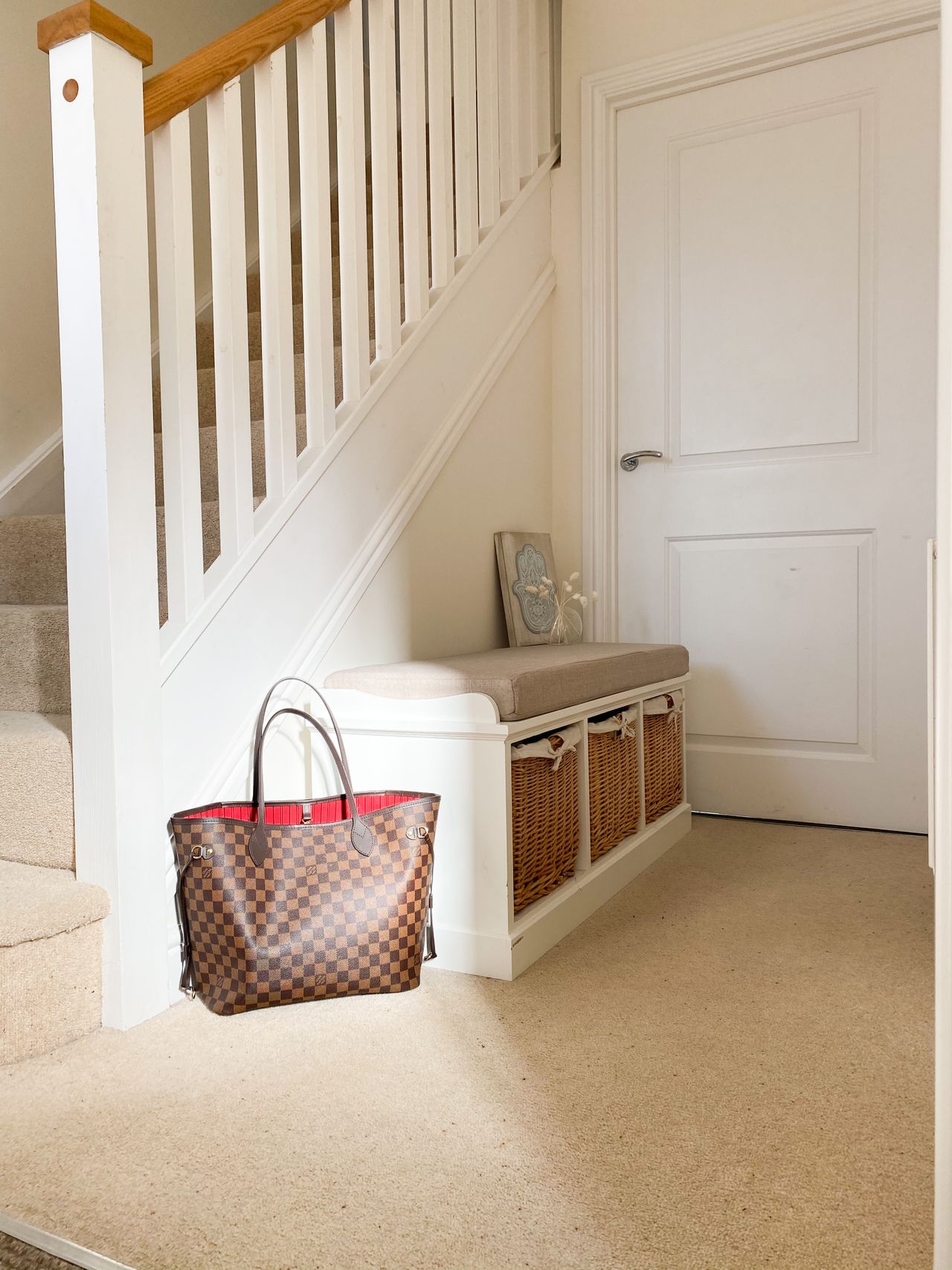
Photo by The Social Smith via Pexels, free license.
If you are building a banquette anyway, make it earn double: hinged seats with deep storage inside swallow slow cookers, bulk linens, and the fondue set. In a small kitchen, a storage banquette can replace an entire cabinet.
10. The Mirrored Wall Illusion

Photo by Neoclassicism Enthusiast, CC0, via Wikimedia Commons.
A mirror beside your nook bounces light and doubles the view — the oldest small-space trick because it works. One large mirror beats a gallery of small ones here; hang it at seated eye level and watch the corner double.
11. Define the Space with a Bold Area Rug
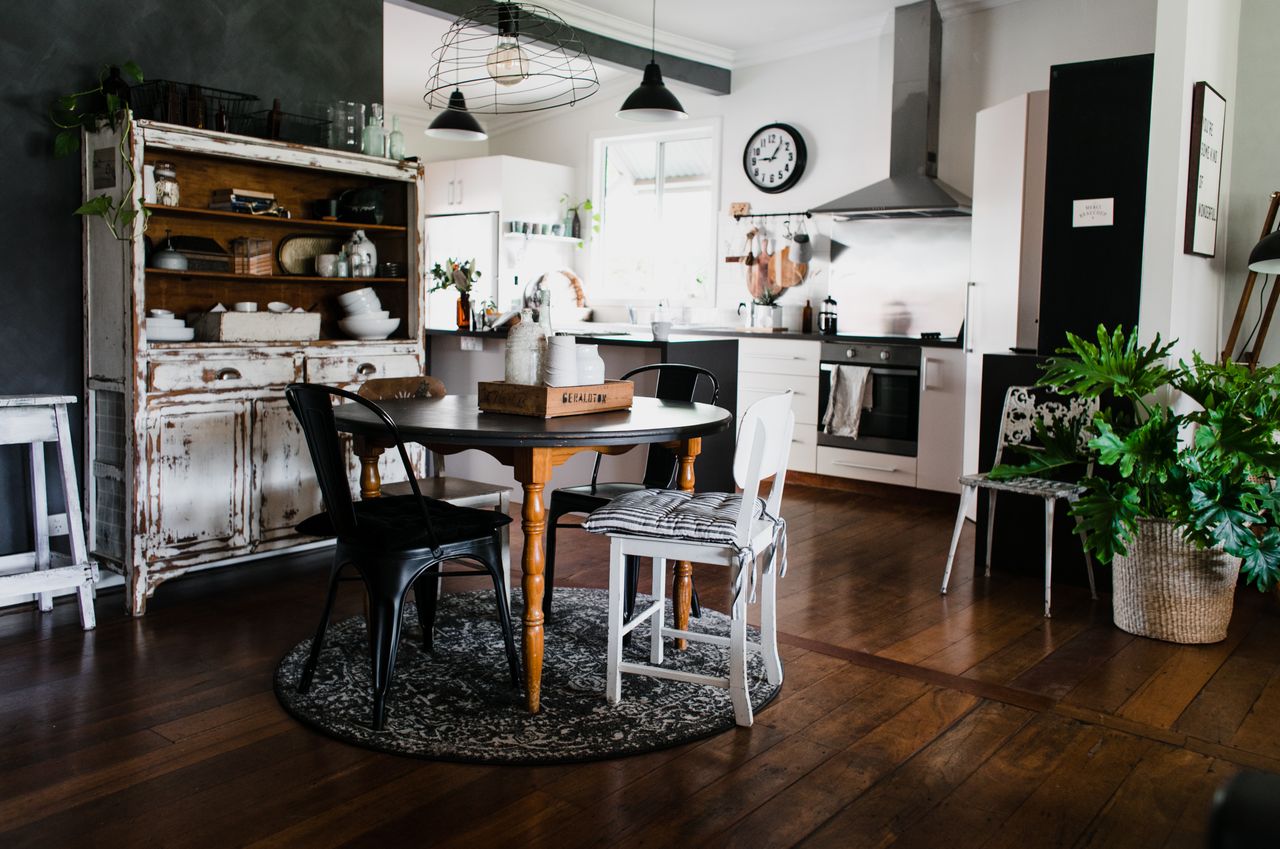
Photo by Rachel Claire via Pexels, free license.
A rug is a room without walls. A small rug under the table draws a clear boundary that says dining happens here, separating the nook from the living area around it. Choose low-pile and a pattern that forgives crumbs.
12. Create an Intimate Corner Booth Feel

Photo by Deansfa, CC BY-SA 4.0, via Wikimedia Commons.
Steal the restaurant booth: two high-backed benches facing each other across a small table. The high backs create acoustic and visual privacy — a little room within the room. Upholstery that wipes clean keeps it practical.
13. Leverage Floating Stools (or Wall-Mounted Seating)

Photo by Ditigibt, public domain, via Wikimedia Commons.
For the truly tiny: stools that tuck completely under a narrow counter or fold flat against the wall when not in use. Pair a slim wall-mounted counter with backless stools and your dining room is barely deeper than the counter itself.
14. Multifunctional Nook for Dining and WFH

Photo by Shixart1985, CC BY 2.0, via Wikimedia Commons.
If you work from home, your dining table is already your desk — design for it honestly. Choose a real chair with back support rather than a barstool, add a proper lamp, keep chargers in a drawer, and pick a standard dining height so both jobs feel right.
15. The Statement Chandelier Anchor

Photo by Willthacheerleader18, CC0, via Wikimedia Commons.
Finish with jewelry. One bold pendant or small chandelier hung low over the table — about 30 inches above the surface is the sweet spot — anchors the whole nook and tells the eye exactly where to look. In a small space, one dramatic piece beats five timid ones.
Conclusion: Big Style in Small Spaces
A dining nook proves a point: comfort is not measured in square feet. Pick the idea that fits your floor plan, start with the table shape, and build outward. As Charles Eames put it, “The details are not the details. They make the design.”
Small Dining Spaces, Real Homes
More real small dining spaces to inspire your own nook.
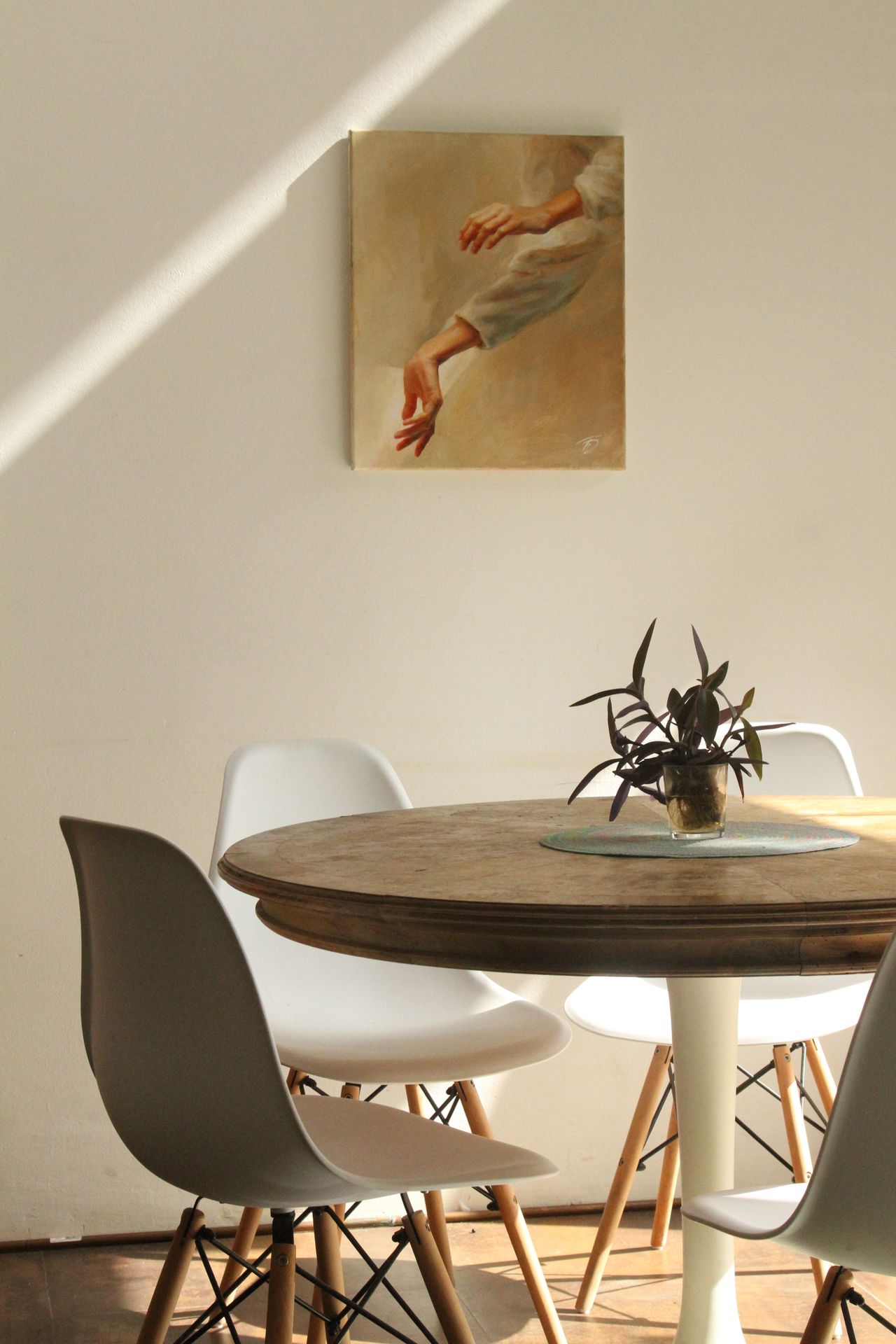
Photo by Tiana via Pexels, free license.
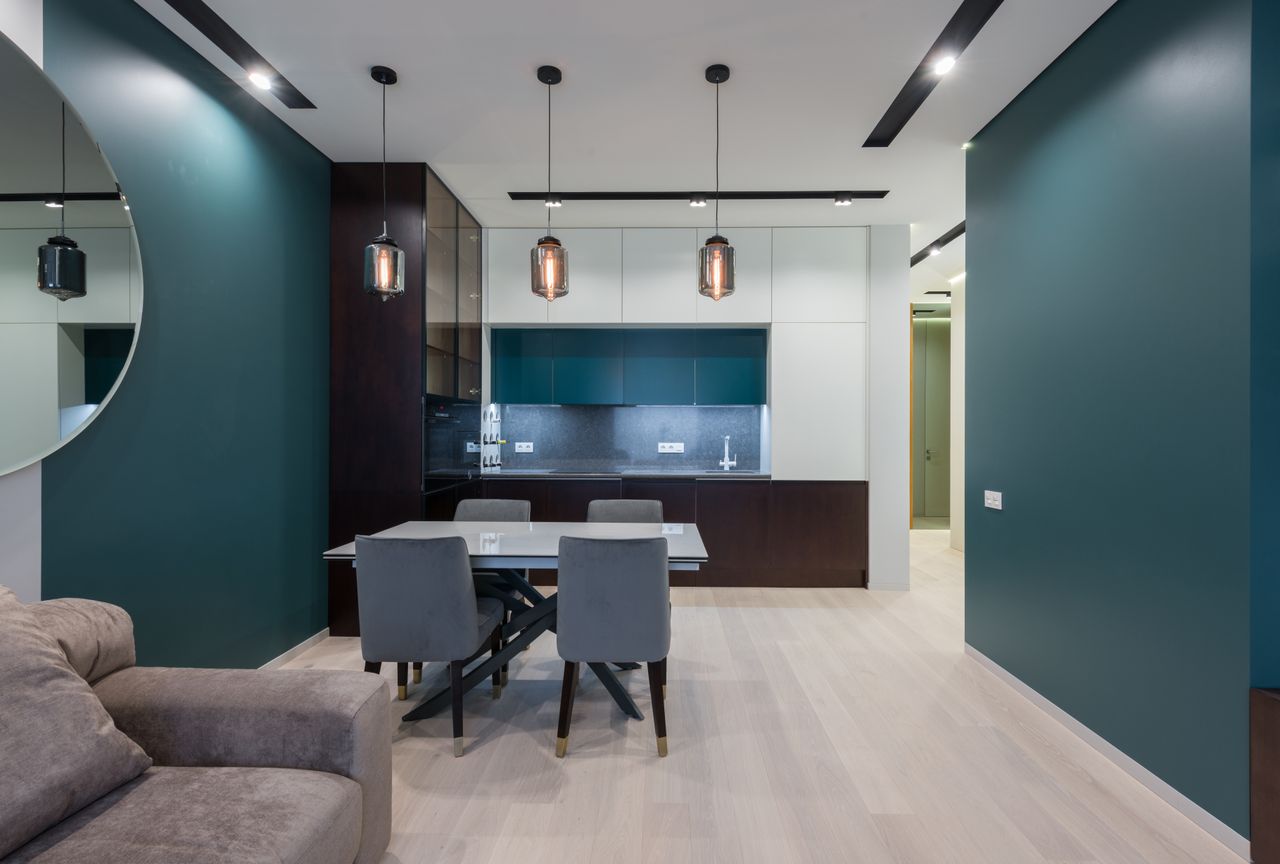
Photo by Max Vakhtbovych via Pexels, free license.
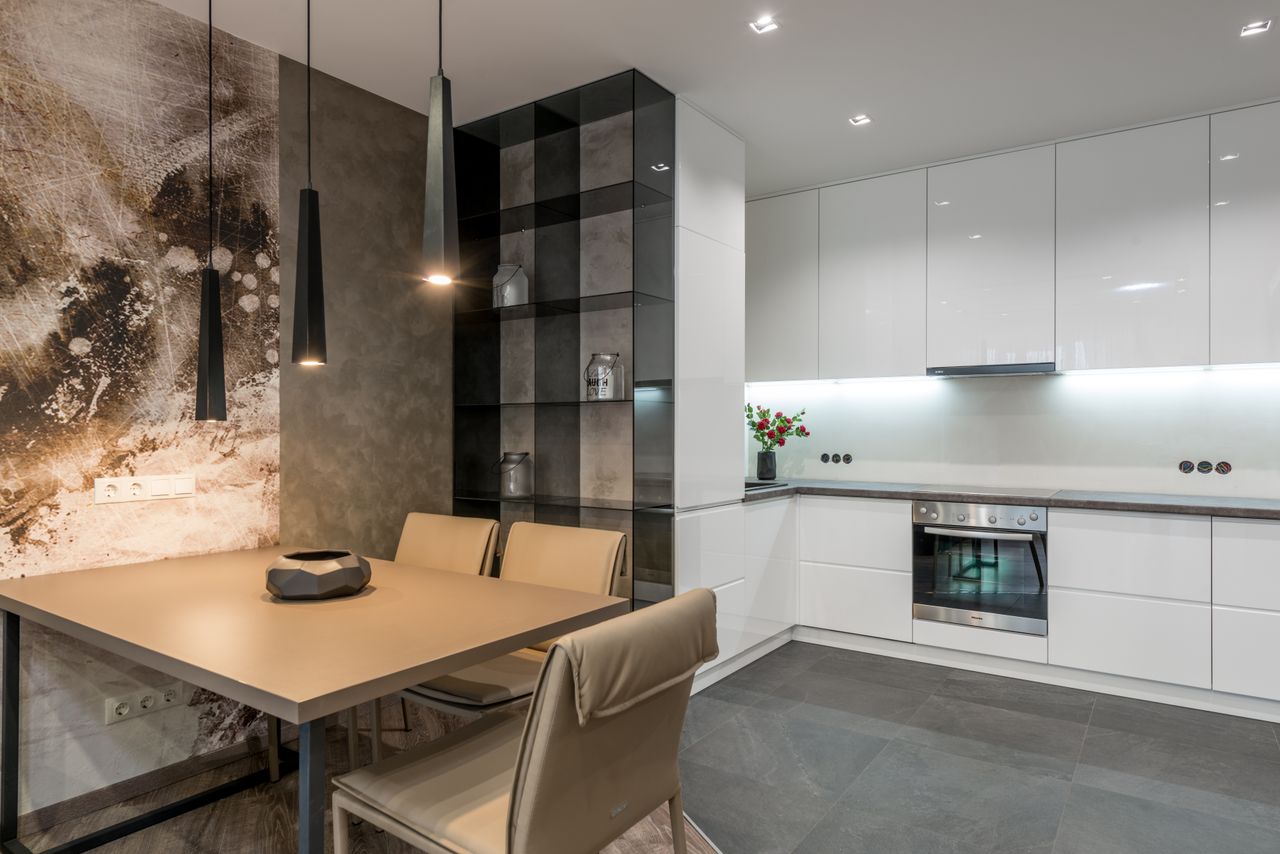
Photo via Pexels, free license.
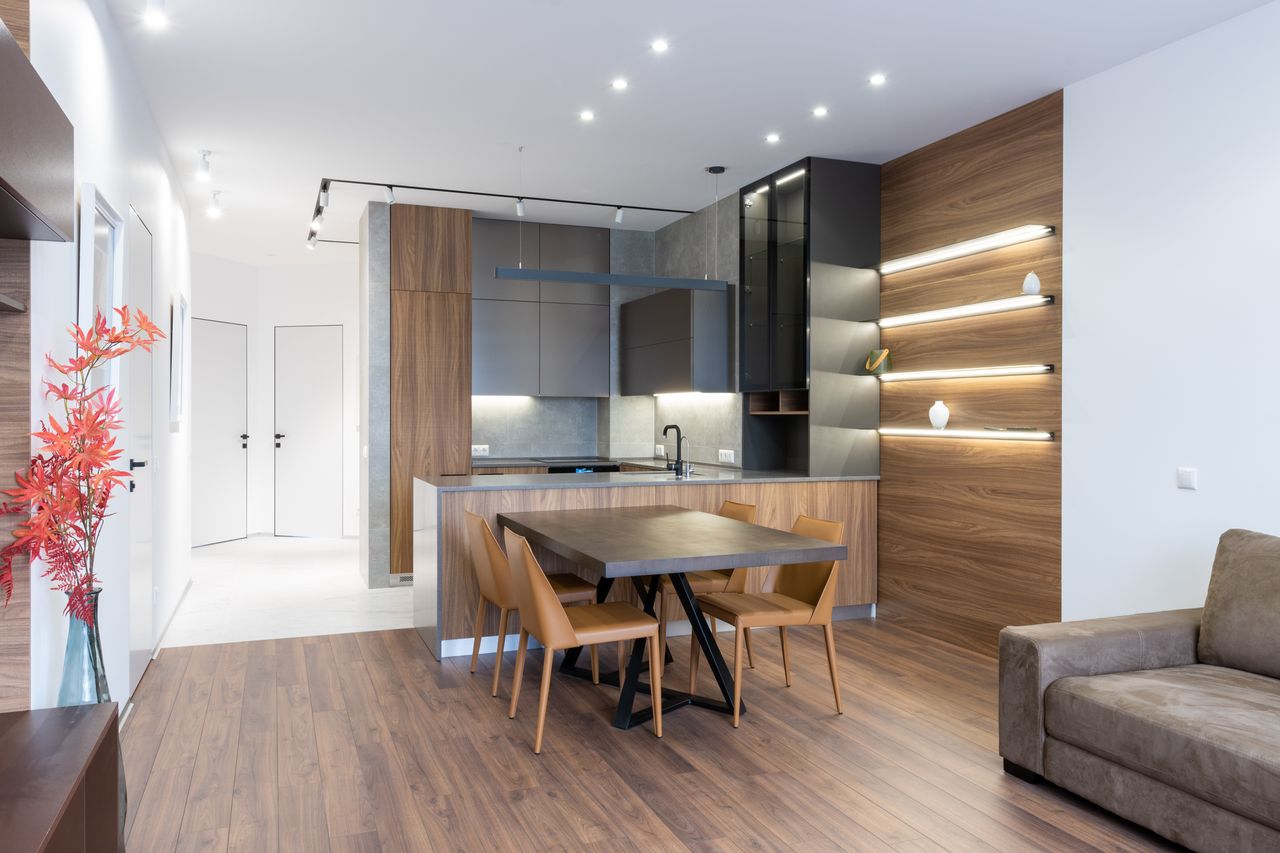
Photo via Pexels, free license.

No comments:
Post a Comment