
One room, two jobs — done beautifully. Photo via Pexels.
You have one main room. It needs to be your living room AND your dining room at the same time. Sound familiar?
This is the reality for millions of people living in apartments, studio flats, small houses, and compact homes all over the world. The challenge is real. But so are the solutions.
In this article, you will find 23 carefully researched and genuinely practical layout ideas for small living room dining room combinations. Each idea is designed to help you create a space that looks intentional, functions beautifully, and feels like home.
The Psychology of a Shared Space and Why Layout Matters More Than Size
Before you move a single piece of furniture, it helps to understand why some combined living and dining rooms feel amazing while others feel chaotic. The difference almost always comes down to layout and zoning, not size.
When you walk into a well-designed combined living and dining room, your brain instinctively understands the purpose of each area. The dining zone feels like a dining room. The living zone feels like a living room. Even though they share one space, each area has its own identity.
This sense of identity comes from intentional design choices: furniture placement, rugs, lighting, and visual cues. When these elements work together, the brain relaxes. When they are missing or chaotic, the brain feels uncomfortable, no matter how nice the individual furniture pieces are.
The goal of every layout idea in this article is to create that sense of order and identity within a single small space.
The Two Zones Rule
Every successful combined living and dining room follows the Two Zones Rule. Zone one is the living area. Zone two is the dining area. These zones do not need walls between them. But they do need clear visual boundaries.
A rug, a change in furniture height, a pendant light above the dining table, or even just a shift in furniture direction can establish the boundary between zones. Once you commit to defining your two zones clearly, everything else in the layout falls into place.
Layout Ideas for Rectangular Rooms (The Most Common Shape)
Rectangular rooms are the most common shape for combined living and dining spaces in apartments and small homes. The good news is that a rectangular room is also one of the most flexible for layout planning.
Idea 1 - The Classic End-to-End Layout
In this layout, the dining area occupies one end of the rectangular room and the living area occupies the other end. The two zones sit at opposite ends, with a clear visual break in the middle.
This works especially well in long, narrow rooms. The dining table goes near the kitchen end, which makes serving food much easier and more logical. The sofa and living furniture go toward the window end, taking advantage of natural light for reading and relaxing.
The challenge with this layout is that a long, narrow room can feel like a corridor. Fix this by using a large area rug in the living zone, which visually widens the space and anchors the seating area.
Idea 2 - The Side-by-Side Parallel Layout
In this layout, the dining table and the sofa sit parallel to each other along opposite long walls of the room. The dining table hugs one wall, and the sofa faces it from the other wall with a coffee table in between.
This works brilliantly in narrow rectangular rooms where placing furniture end-to-end would make each zone too small. Side by side, both zones benefit from the full width of the room. The key to making this work is choosing a dining table that is appropriately scaled. A table that is too wide will invade the walkway between the two zones.

Parallel zones make the most of a narrow rectangular room. Photo via Pexels.
Idea 3 - The L-Shaped Furniture Layout
An L-shaped sofa configuration is incredibly useful in combined living and dining rooms. When you place your sofa in an L-shape, it naturally defines the living zone within its footprint. The dining area then occupies the open space outside the L.
This layout is especially effective in square or near-square rooms. The L-sofa creates a cozy, self-contained living zone, and the dining table sits comfortably outside it without the two zones competing for space. Place the dining table near the kitchen end for practical flow.
Idea 4 - Floating Furniture Away from Walls
Many people push all furniture against the walls in a small combined room, thinking it will make the space feel bigger. Actually, the opposite is often true. Floating furniture slightly away from the walls creates depth and makes the room feel more purposeful and designed.
For a combined living and dining room, float the dining table a few inches from the wall, and pull the sofa slightly away from the back wall. This creates an invisible "breathing room" around each piece that makes the whole room feel more spacious and intentional.
How to Zone a Living Room and Dining Area Without Building Walls
Zoning is the art of dividing a shared space into distinct areas using visual and physical cues rather than walls. In a small combined living and dining room, good zoning is what separates a beautiful, functional space from a confused, cluttered one.
Idea 5 - The Rug as a Zone Divider
A rug is the single most effective and affordable zoning tool available. Place one rug under the dining table and another under the living room seating area. Suddenly, two distinct zones exist within one room. The rugs act like invisible walls, telling the eye where one zone ends and the other begins.
For best results, choose rugs in the same color family but different textures or sizes. This creates visual harmony while still distinguishing the two areas. The dining rug should be large enough that all four chair legs sit on it even when the chairs are pulled out. The living room rug should anchor all the main seating pieces.
Idea 6 - Pendant Lighting as a Zone Marker
Nothing says "dining area" like a pendant light hanging directly above the dining table. The pendant light is both a functional and a visual tool. It literally spotlights the dining zone, drawing the eye and creating a sense of enclosure above the table.
In a combined living and dining room, use a pendant light over the dining table and a floor lamp or recessed lighting for the living area. These two different types of lighting create an immediate visual distinction between the two zones, even when the room is open and connected.
Designer Tip: Hang your dining pendant at 28 to 32 inches above the tabletop. This creates the perfect pool of intimate light for dining without blocking sightlines across the room.
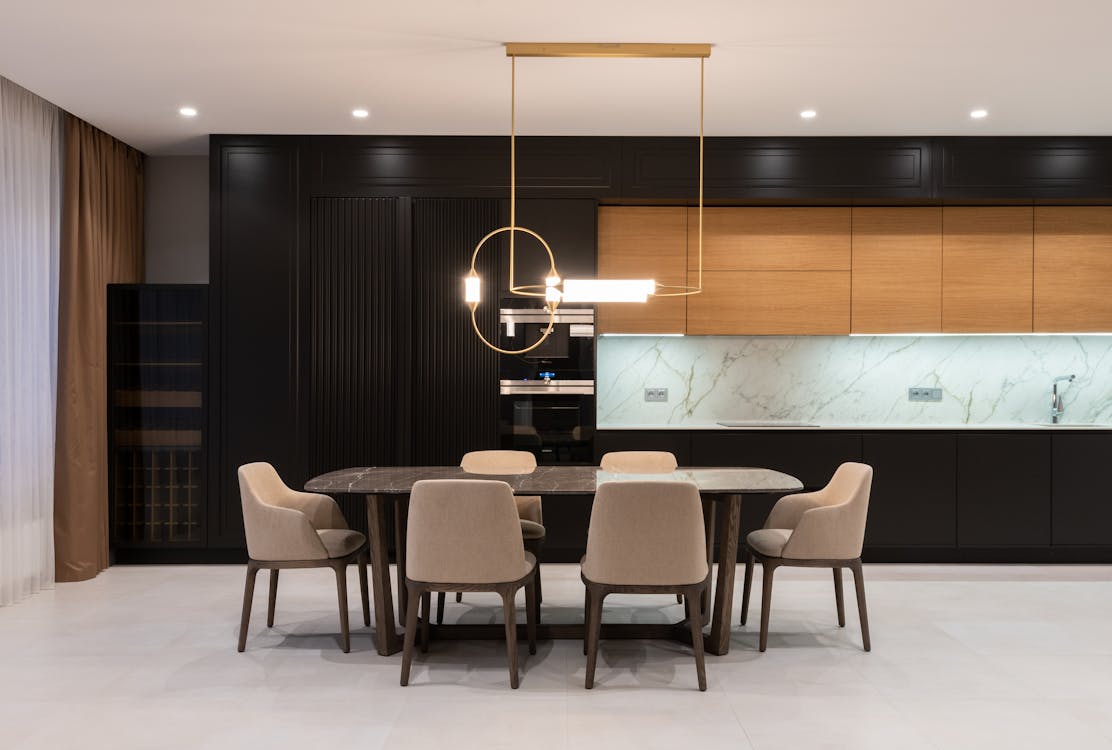
A pendant light instantly says "this is the dining area." Photo via Pexels.
Idea 7 - A Half-Wall Bookshelf as a Room Divider
A bookshelf that is open on both sides makes a beautiful, practical room divider between the living and dining zones. You can see through it, which keeps the room feeling open. But it creates a clear physical boundary that gives each zone its own identity.
Choose a bookshelf that reaches about shoulder height (around five feet). Taller shelving can feel oppressive in a small room. Fill it with books, plants, decorative objects, and even some practical items. The goal is a divider that looks like a design feature, not a makeshift partition.
Idea 8 - Different Flooring Materials or a Floor Level Change
If you are doing a renovation or building from scratch, using two different flooring materials in the living and dining zones is a beautiful way to zone the space. For example, wood flooring in the living zone and large-format tiles in the dining zone create a clear boundary without any physical barrier.
A subtle floor level change works even better. A dining area raised by just one step creates a formal sense of separation and makes the dining zone feel special and intentional. This is a popular technique in Japanese and contemporary European home design.
Idea 9 - Color Zoning with an Accent Wall
Painting the wall behind your dining table in a different color from the rest of the room is an inexpensive and highly effective zoning technique. The accent wall anchors the dining zone and makes it feel like a distinct area, even within an open-plan room.
Idea 10 - Curtain Dividers for Flexible Zoning
Fabric curtains hung from a ceiling track can divide a combined living and dining room when needed and disappear completely when not in use. This gives you total flexibility. Open the curtains when you want the room to feel large and connected. Close them when you want to create a more intimate dining experience.
Linen, velvet, or cotton curtain panels work well in this context. Choose a fabric that adds texture and warmth to the room even when the curtains are open and gathered to the side. Floor-to-ceiling curtains also make ceilings feel taller, which is a bonus in rooms with low ceilings.
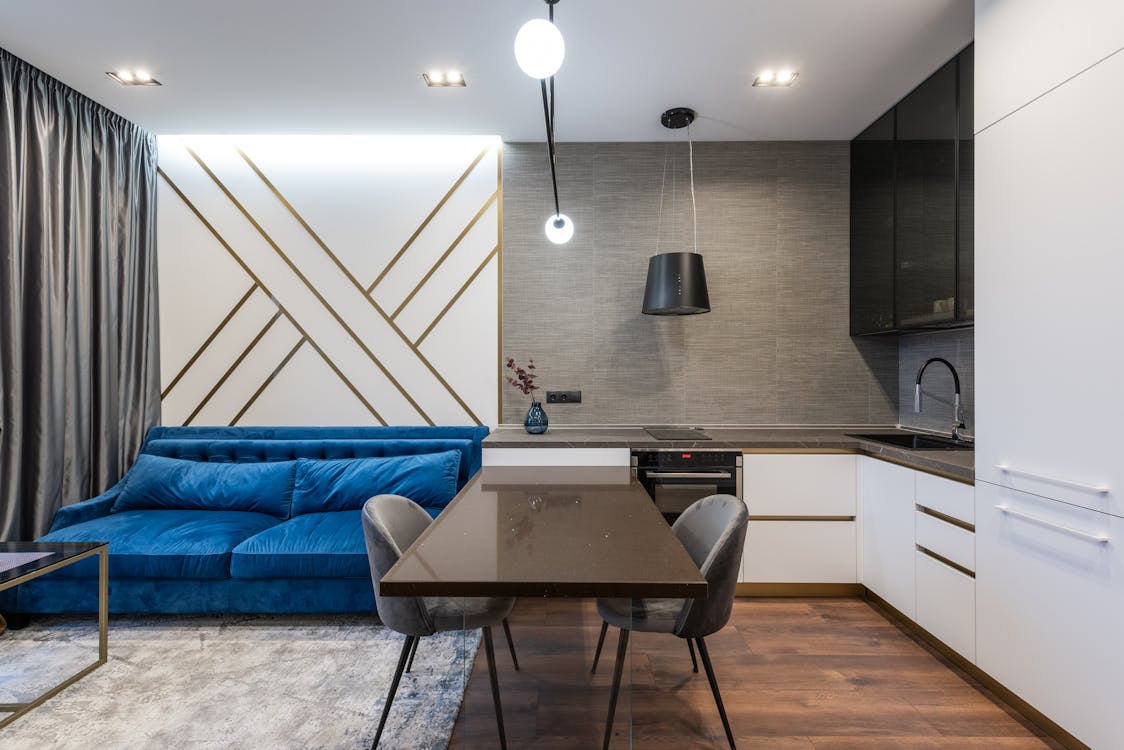
Open-plan living works when each zone has a clear identity. Photo via Pexels.
Idea 11 - Position the Sofa as the Zone Boundary
Instead of using a room divider, use the back of your sofa as the visual boundary between the living and dining zones. When the sofa faces the TV or living area, its back naturally turns toward the dining table. This creates a subtle but effective separation between the two zones.
A sofa table (a slim, tall console table) placed along the back of the sofa enhances this effect. The console table holds a lamp, plants, and decorative objects, creating a finished boundary between the two areas.
Idea 12 - The Kitchen Island as a Natural Transition
In open-plan homes where the kitchen, dining area, and living room share one large space, a kitchen island can serve as the natural transition between the kitchen and the living-dining zone. Stools along the island create an informal dining option that sits between the kitchen and the main dining table.
This layered dining approach works beautifully in small open-plan apartments. You have the kitchen island for quick breakfasts and casual meals, and a slightly more formal dining table nearby for proper dinners and entertaining.
Idea 13 - Facing the Dining Table Toward the Window
Wherever possible, orient your dining table so that diners face or sit near the window. Natural light during meals is one of the most underrated pleasures of home dining. It also makes the dining area feel more open and connected to the outside world.
In a combined living and dining room, the window orientation often determines the best placement for the dining table. Let the light guide your layout decisions, and you will almost always end up with a room that feels natural and comfortable.
Idea 14 - Using a Bench on One Side of the Dining Table
Placing a bench along one side of the dining table, especially the side closest to the wall or window, frees up space and reduces furniture clutter. The bench sits flush with the wall when not in use. Chairs on the opposite side pull out normally.
This mixed bench-and-chair approach is also incredibly stylish. It looks intentional and artful, like something you would see in a design magazine. Add cushions or a seat pad to the bench for comfort, and it becomes one of the coziest spots in the entire home.
A bench on one side keeps the dining zone slim and stylish. Photo via Pexels.
Idea 15 - Foldable Chairs Hung on the Wall
If your combined living and dining room is truly tiny, consider having only two permanent dining chairs and storing two additional chairs on wall-mounted hooks. When guests come, you simply take the chairs off the wall. When they leave, the chairs go back up.
Wall-mounted chair hooks are sold in beautiful designs including natural wood, powder-coated metal, and brass. The chairs hanging on the wall can actually look like a design feature rather than a storage hack. Choose chairs with a graphic silhouette so they look intentional when displayed vertically on the wall.
Idea 16 - Nesting Coffee and Side Tables Near the Dining Zone
Nesting tables in the living area can serve double duty. When the dining table is full and you need extra surface space for a dinner party, the nesting tables from the living zone can quickly move over to serve as a drinks table, a dessert station, or extra seating.
This flexibility is invaluable in small combined rooms where entertaining requires creative thinking. Nesting tables are also incredibly space-efficient in their resting position, taking up far less room than a traditional coffee table.

Flexible furniture makes entertaining in a small space easy. Photo via Pexels.
Idea 17 - A Daybed Instead of a Full Sofa
In a very small combined living and dining room, replacing the sofa with a daybed or a chaise lounge creates a dramatically different feel. A daybed takes up less visual weight than a full three-seater sofa while still providing comfortable seating for multiple people.
A daybed with clean lines and a simple profile also makes the room feel more like a boutique hotel suite than a conventional small apartment. Style it with pillows and a throw, and it reads equally well as a sofa or a lounge chair depending on the occasion.
Idea 18 - The Murphy Bed-Dining Table Hybrid
For the most compact situations, a Murphy bed that folds down over the dining table is an extraordinary space-saving solution. When the bed is up, the dining table is free and fully functional. When bed time comes, the table folds down or slides aside and the bed folds out from the wall.
These hybrid pieces of furniture are expensive but transformative in small studio apartments where every square foot serves multiple functions. Several companies now make beautiful versions that look like elegant wall art when closed.

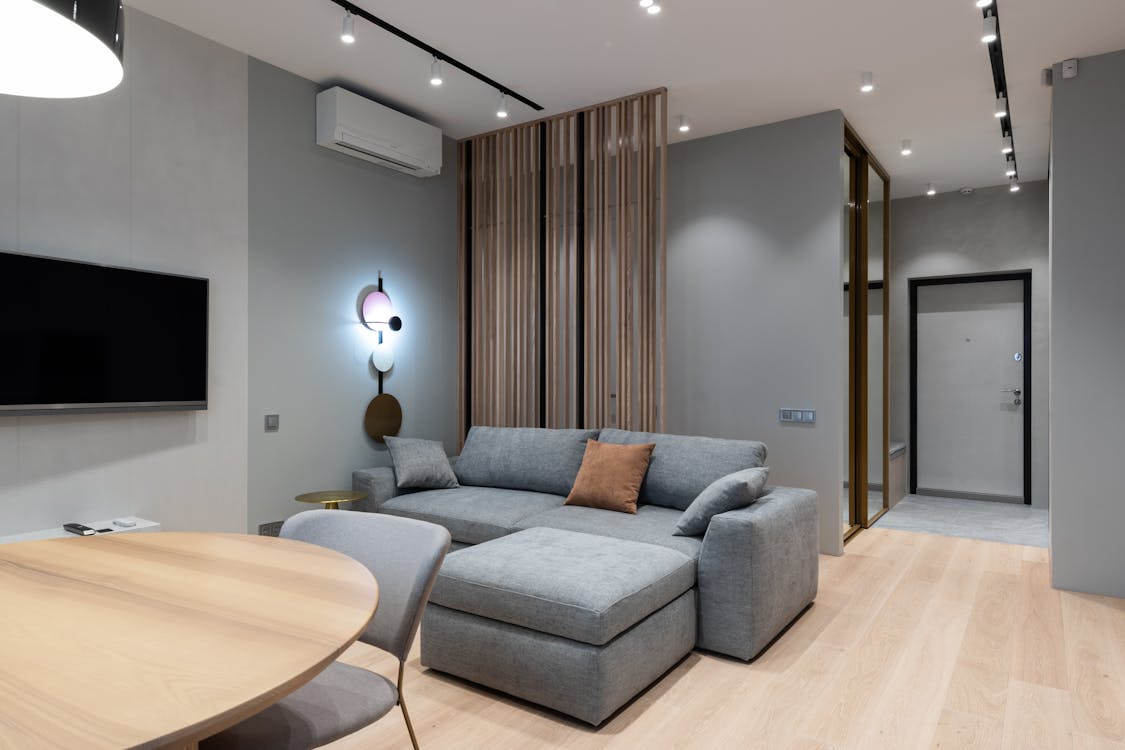
The living zone should feel like a true retreat. Photo via Pexels.
Idea 19 - Keep a Consistent Material Palette Throughout
The most beautiful combined living and dining rooms use the same materials in both zones. If your dining table is light oak, your coffee table should also be light oak. If your dining chairs are black metal, use black metal accents in your living area too.
This material repetition creates visual harmony that makes the room feel cohesive and designer-quality rather than thrown together. You do not need to be a professional designer to achieve this. Simply choose two or three materials at the start, and stick with them throughout both zones.
Idea 20 - Plants as Soft Zone Dividers and Style Elements
A row of tall indoor plants can serve as a beautiful, living room divider between the living and dining zones. A fiddle-leaf fig, a large monstera, or a row of slim bamboo plants creates a green visual boundary that feels organic and calming rather than imposed.
Plants also dramatically improve how a combined room feels. They bring life, color, and air quality improvements into the space. In a small combined living and dining room, two or three large plants can completely transform the atmosphere from bare and functional to lush and welcoming.

Plants make the softest, prettiest zone dividers. Photo via Pexels.
Idea 21 - Artwork as Zone Anchors
Large artwork on the wall behind each zone acts as an anchor that defines each area. A large print or painting behind the sofa defines the living zone. A different piece of artwork or a styled mirror behind or above the dining table defines the dining zone.
The key is that the artwork in each zone speaks to the function of that area. Cozy, abstract art works beautifully in a living zone. A botanical print or a moody still life painting feels perfect above a dining table. Both pieces can be in the same color family, but their styles can differ slightly to give each zone its own personality.
Idea 22 - Layered Lighting for Mood and Function
In a combined living and dining room, lighting does enormous work. The dining zone needs task lighting for eating and seeing food clearly. The living zone needs ambient lighting for relaxing, watching TV, or reading.
You need both, and they should be on separate switches or dimmers.
The ideal setup is a pendant light or chandelier above the dining table on a dimmer, a floor lamp in the living zone, and recessed ceiling lights throughout as a base layer. This gives you full control over the mood and function of each zone at different times of day.

Separate lighting for each zone changes everything. Photo via Pexels.
Idea 23 - The Diagonal Furniture Arrangement
Most people place furniture parallel or perpendicular to walls. Arranging your dining table or sofa at a slight diagonal angle breaks that grid and creates an unexpected, dynamic energy in the room. It also helps define zones because the diagonal angle naturally creates distinct areas within an open floor plan.
A round dining table placed on a diagonal, with a sofa arrangement that responds to it, creates a room that feels like it was designed by a professional. It is one of those subtle moves that visitors will notice without being able to name exactly what makes the room feel so interesting.
What is Trending in Combined Living and Dining Room Design Right Now
The world of interior design in 2026 is moving toward homes that serve multiple purposes while maintaining a sense of calm and beauty. Here are the biggest trends shaping combined living and dining rooms this year.
The New Neutrals are replacing the grey trend of the previous decade. Warm whites, creamy beiges, sandy taupes, and soft terracottas are dominating combined room designs. These colors work beautifully in rooms that need to function as both a living space and a dining space throughout the day.
Curved Furniture is everywhere in 2026. Round dining tables, curved sofas, oval mirrors, and arched doorframes are replacing the sharp, angular furniture of previous years. Curves soften small spaces, reduce the visual "boxing in" effect, and make combined rooms feel more gentle and inviting.
Quiet Luxury is the aesthetic that is shaping design at every price point. High-quality natural materials, restrained styling, and intentional simplicity are replacing the maximalist, busy interiors of the past five years. In a combined living and dining room, quiet luxury means choosing fewer, better pieces and keeping the space deliberately calm.
Technology Integration is now seamless. In 2026, smart lighting that adjusts between dining and relaxing modes with a voice command or phone tap is accessible and affordable. Retractable TV screens that disappear into walls or cabinets mean the TV does not dominate the living zone of a combined room.

Warm neutrals and curves define the 2026 look. Photo via Pexels.
How do you separate a living room from a dining area?
Separate a living room from a dining area using a rug under each zone, a pendant light above the dining table, and the back of the sofa as a visual boundary. A bookshelf room divider, curtain panels, or a different paint color on the dining wall are also effective techniques.
What is the best layout for a small combined living and dining room?
The best layout places the dining table near the kitchen end of the room and the sofa at the opposite end near the window. Define each zone with a rug and a different light source. Keep furniture scaled to the room and leave clear walkways of at least 36 inches between pieces.
Can a round dining table work in a small living-dining room?
Yes. A round dining table is often better than a rectangular one in a small combined living and dining room. It has no sharp corners, takes up less visual space, and fits naturally into zones that need to transition smoothly into the adjacent living area.
Budget Breakdown: Combined Living And Dining Room Ideas
You do not need a big budget to create a beautiful combined living and dining room. Here is how to approach these ideas at three different spending levels.
Under 200 Dollars:
Rearrange existing furniture using the Two Zones Rule. Add one rug for each zone. Hang a pendant light over the dining table (you can find beautiful options for under 50 dollars). Add a plant or two. This alone can transform the room.
200 to 1,000 Dollars:
Invest in a new dining table sized correctly for your space. Add a bookshelf divider, new rugs, and proper layered lighting. These investments will make the biggest visible difference in how the room feels.
Over 1,000 Dollars:
Invest in quality upholstered seating, a custom banquette, or a bespoke bookshelf divider. At this level, the focus is on permanent improvements that add lasting value and beauty to the home.
Conclusion
A small combined living and dining room is not a limitation. It is a design opportunity that requires creativity, intentionality, and a clear plan. The 23 layout ideas in this article give you everything you need to turn any combined room into a space that functions perfectly and looks genuinely beautiful.
Start with your zones. Define them clearly with rugs, lighting, and furniture placement. Choose furniture that is scaled to your space. Add personality through plants, artwork, and carefully chosen materials. Then step back and appreciate how much a well-planned layout can do.
Your combined living and dining room can be your favorite space in the home. You just need the right layout to unlock its full potential.
Frequently Asked Questions
Q1. How do I make a small living room and dining area feel like two separate rooms?
Use two different rugs, two different lighting styles (pendant for dining, floor lamp for living), and a soft room divider like a bookshelf, curtain, or row of plants. These techniques create psychological separation without physical walls.
Q2. What size dining table works best in a combined living and dining room?
For a combined room, a round or oval table between 36 and 48 inches wide seats four people comfortably without overwhelming the space. An extendable table is ideal if you entertain regularly.
Q3. Should the sofa face the dining table in a combined room?
Generally no. The sofa should face the living zone (TV, fireplace, or a beautiful window), not the dining table. The back of the sofa can naturally face the dining area, which creates a clear zone boundary without requiring any additional dividers.
Q4. How do I create a dining area in a very small living room?
Use a wall-mounted fold-down table, a bar-height bistro set, or a compact round table for two. Push the table against a wall when not in use. Use stackable or wall-hanging chairs. Zone the dining area with a small rug and a pendant light to make it feel distinct from the living zone.
Q5. What are the most common mistakes in small living room dining area layouts?
The most common mistakes are: choosing furniture that is too large for the space, pushing all furniture against the walls (which makes rooms feel sparse and awkward), failing to zone the two areas with rugs and lighting, and using mismatched materials that create visual chaos rather than cohesion.

No comments:
Post a Comment