Your kitchen cabinets take up more visual space than almost anything else in the room. So when the color feels outdated or just plain wrong, the whole kitchen feels off — and when it is right, everything clicks into place. Cabinet color is the single highest-impact choice in a kitchen, and paint is the cheapest way to transform one. Here are 18 kitchen cabinet color ideas that instantly upgrade your space.
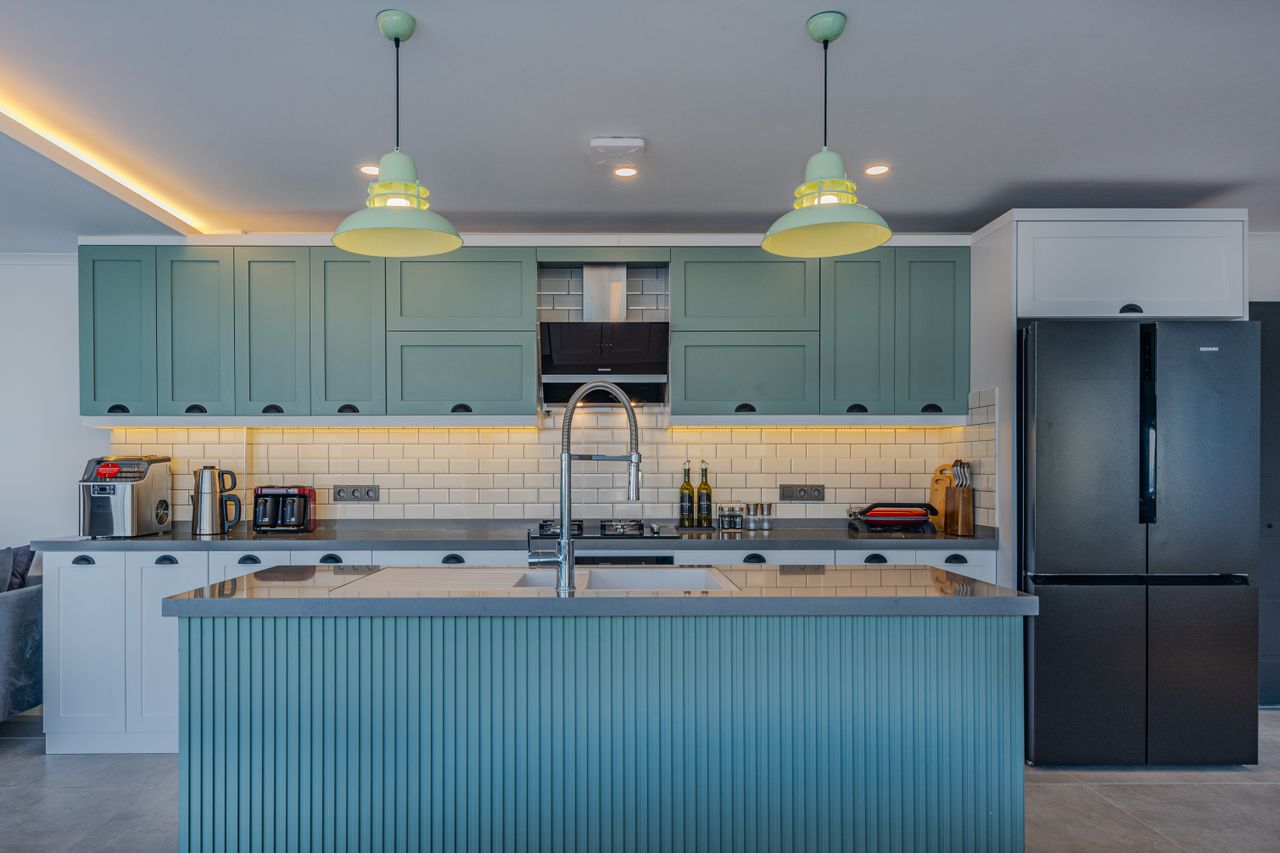
Blue-green cabinets with a subway tile backsplash — color that transforms a kitchen. Photo via Pexels (free license).
Why Cabinet Color Matters More Than You Think
Cabinets cover more square footage than any other single element in the kitchen, which means their color sets the entire mood. A well-chosen cabinet color makes countertops look richer, floors look warmer, and the whole room feel more intentional. It is also far easier to change than a layout — one weekend of painting can do what a renovation would.
1. Sage Green — The Color That Started a Movement
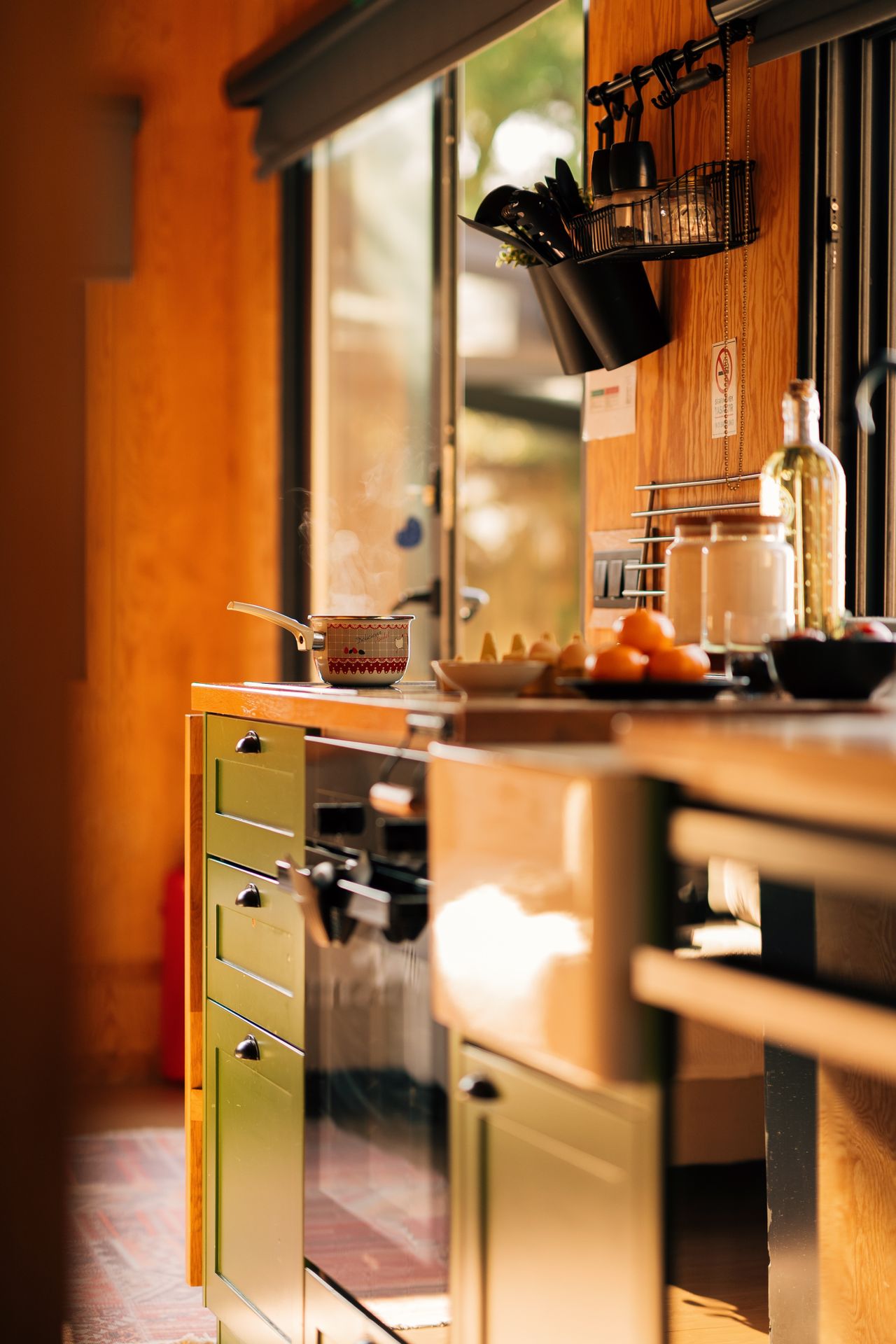
Green cabinetry up close — earthy, warm, and full of character. Photo via Pexels (free license).
Sage green earned its moment by being everything at once: earthy, versatile, calming, and easy to live with. It pairs beautifully with brass hardware and natural wood tones, and it works in farmhouse, traditional, and modern kitchens alike. It is the color people keep choosing because it never feels like a risk in hindsight.
Try this: sage lowers with warm white uppers is a combination that rarely disappoints.
2. Midnight Navy — Bold, Moody, and Timeless
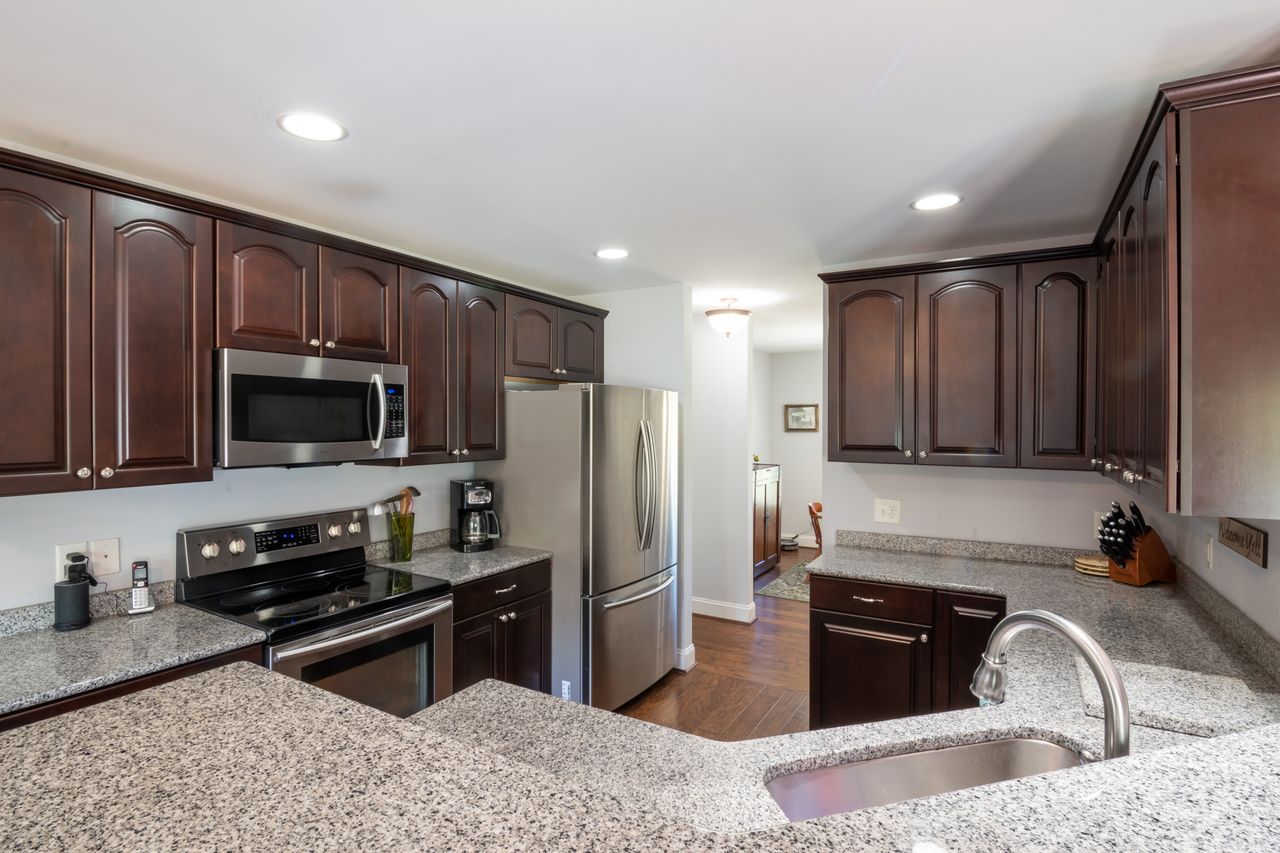
Deep, dramatic cabinetry with rich countertops. Photo by Curtis Adams via Pexels (free license). Representative photo.
Navy is the dark color that behaves like a neutral. It brings depth and drama without the starkness of black, and it flatters both brass and chrome hardware. In a kitchen with good light, midnight navy cabinets feel sophisticated and grounded — the kind of choice that looks intentional for years.
Try this: navy island against lighter perimeter cabinets is the safest way to go bold.
3. Warm White — Not Just Your Basic White Kitchen
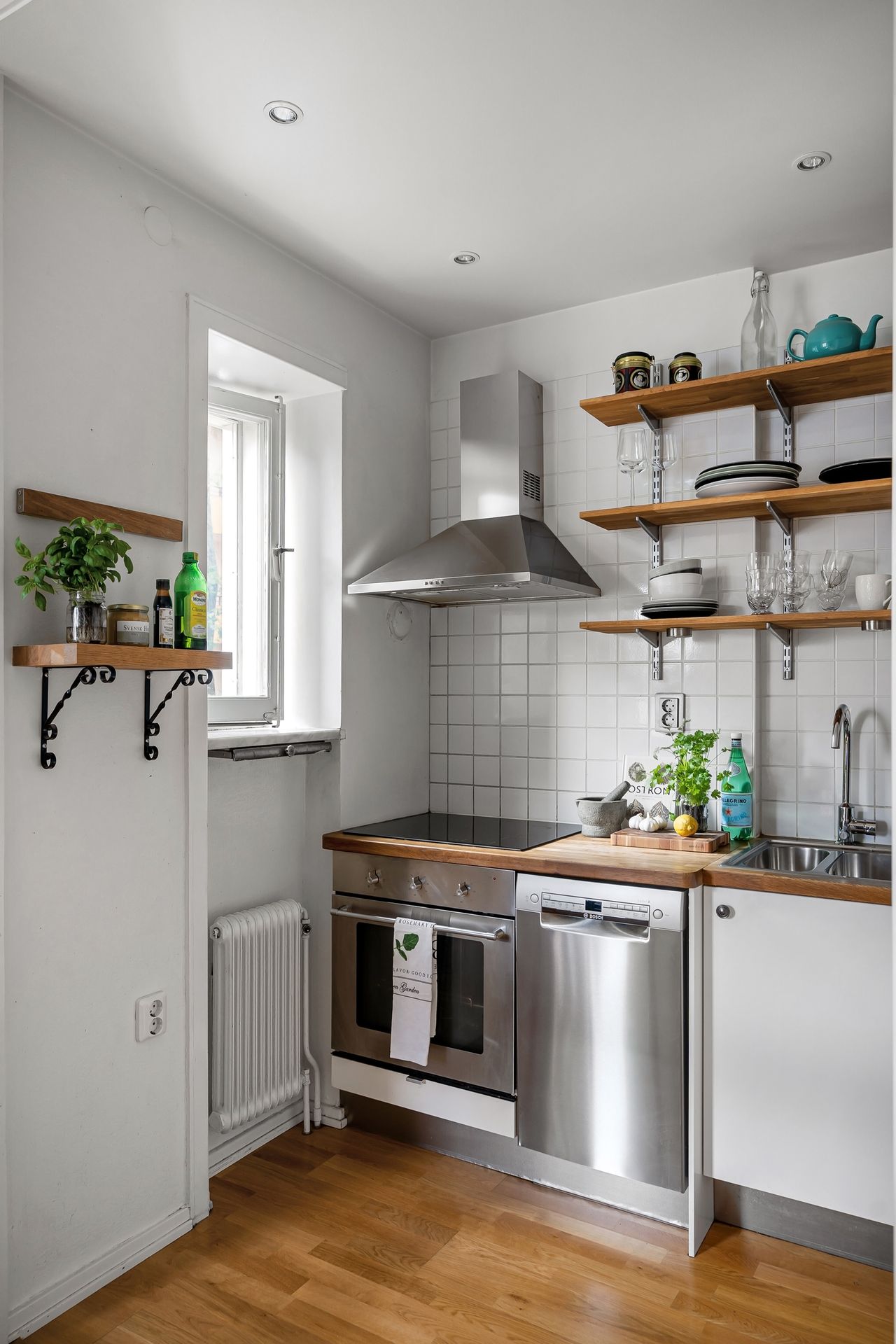
A compact white kitchen that proves small spaces can look bright and stylish. Photo via Pexels (free license).
Warm white has replaced cool white as the go-to neutral — softer, more inviting, and far more forgiving. It reflects light beautifully, makes small kitchens feel bigger, and gives you a timeless backdrop that lets hardware and countertops shine. The undertones matter: look for whites with a hint of warmth rather than blue or gray.
Try this: test your white next to your countertop sample — the wrong undertone shows up fast.
4. Forest Green — Deep, Rich, and Seriously Dramatic
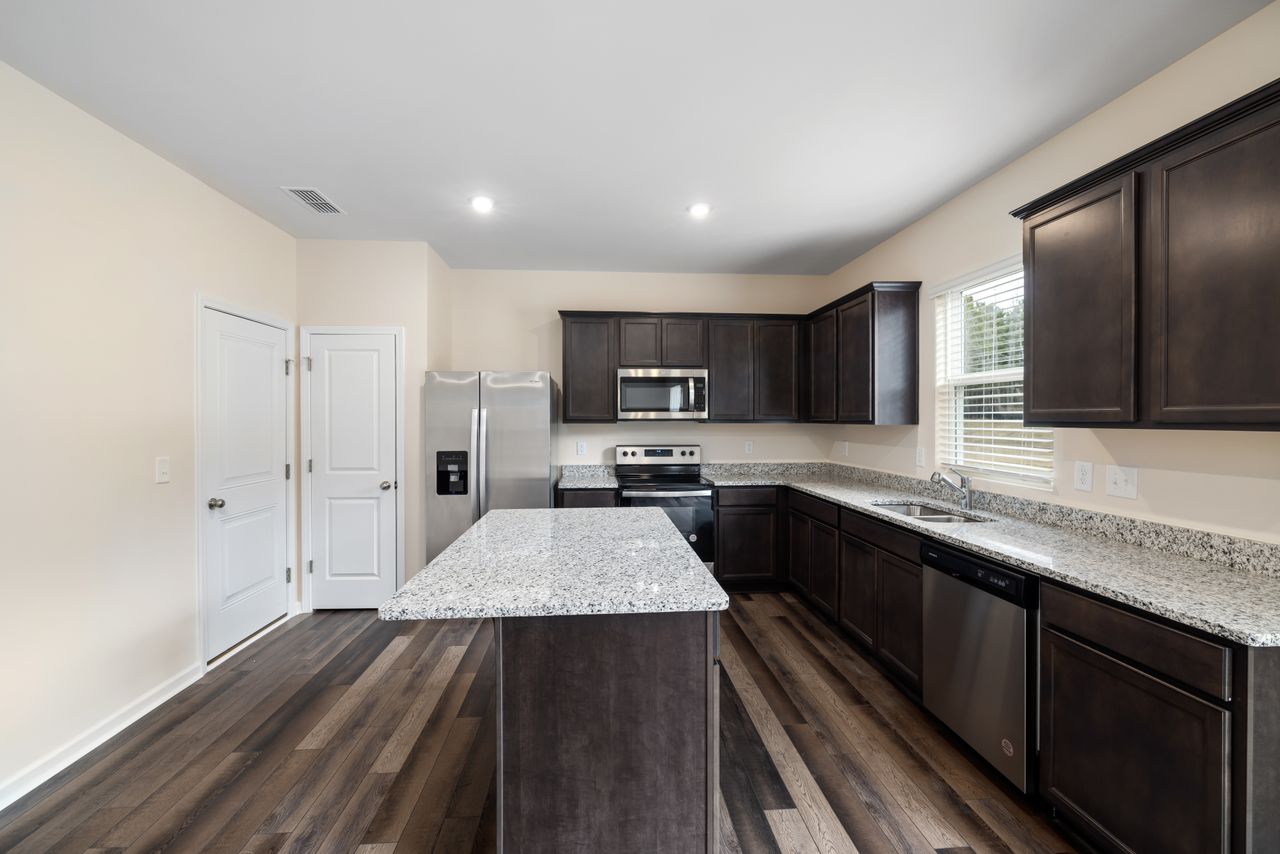
Deep, dramatic cabinetry that anchors a large kitchen. Photo by Curtis Adams via Pexels (free license). Representative photo.
Forest green is sage green's bolder sibling — deep, rich, and full of presence. It turns a kitchen into a room with real atmosphere, especially paired with warm metals and natural stone. Like navy, it reads as a color and a neutral at once, which is why it ages so gracefully.
Try this: forest green needs good light — it rewards kitchens with generous windows.
5. Warm Greige — The Neutral That Replaced Gray
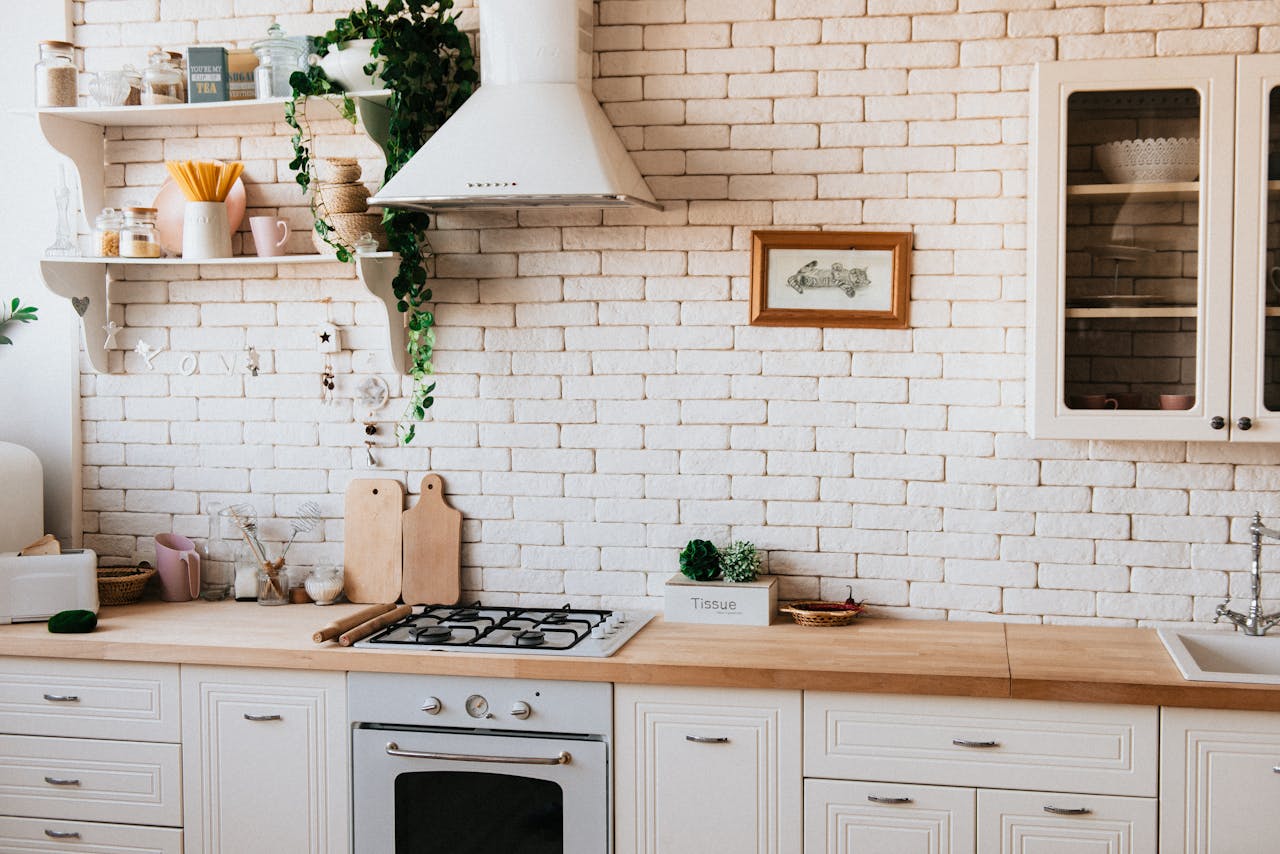
Scandinavian simplicity: warm neutrals, open shelves, and wood counters. Photo via Pexels (free license).
Cool gray had its decade; warm greige is the neutral that replaced it. The beige-gray blend is softer and more livable, shifting beautifully between morning and evening light. It is the chameleon of cabinet colors — it gets along with almost everything, which makes it ideal for open-plan homes.
Try this: warm greige with unlacquered brass hardware is quiet luxury at its simplest.
6. Dusty Blue — Soft, Calming, and Utterly Charming
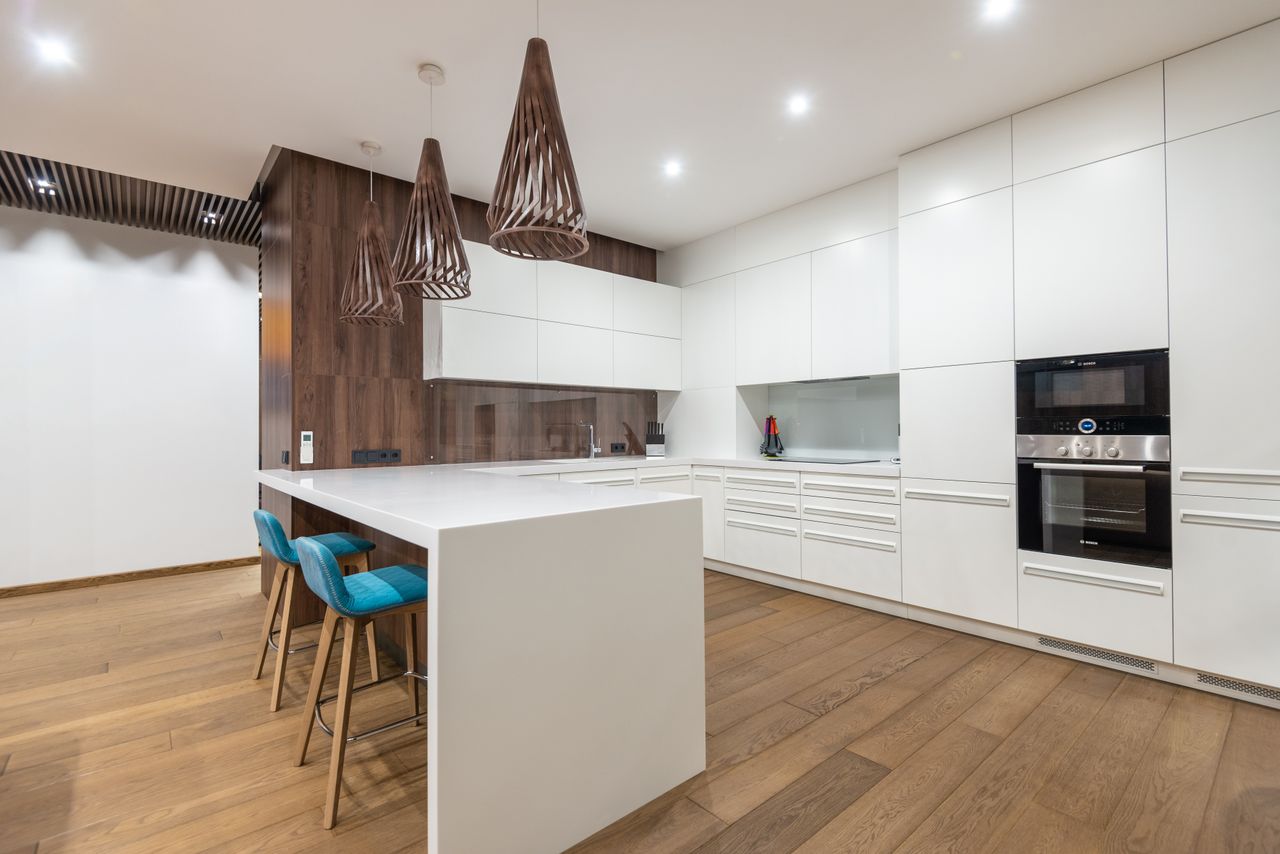
Soft blue accents in a light kitchen — calm and charming. Photo via Pexels (free license). Representative photo.
Dusty blue sits between blue and gray, and that in-between quality is its superpower — calming without being cold, interesting without being bold. It suits coastal, Scandinavian, and soft transitional kitchens. The key is the finish: matte or eggshell gives it a chalky, artisanal quality that reads as considered.
Try this: dusty blue is lighting-sensitive — test a large sample in your actual kitchen before committing.
7. Charcoal Black — The Boldest Move That Always Pays Off
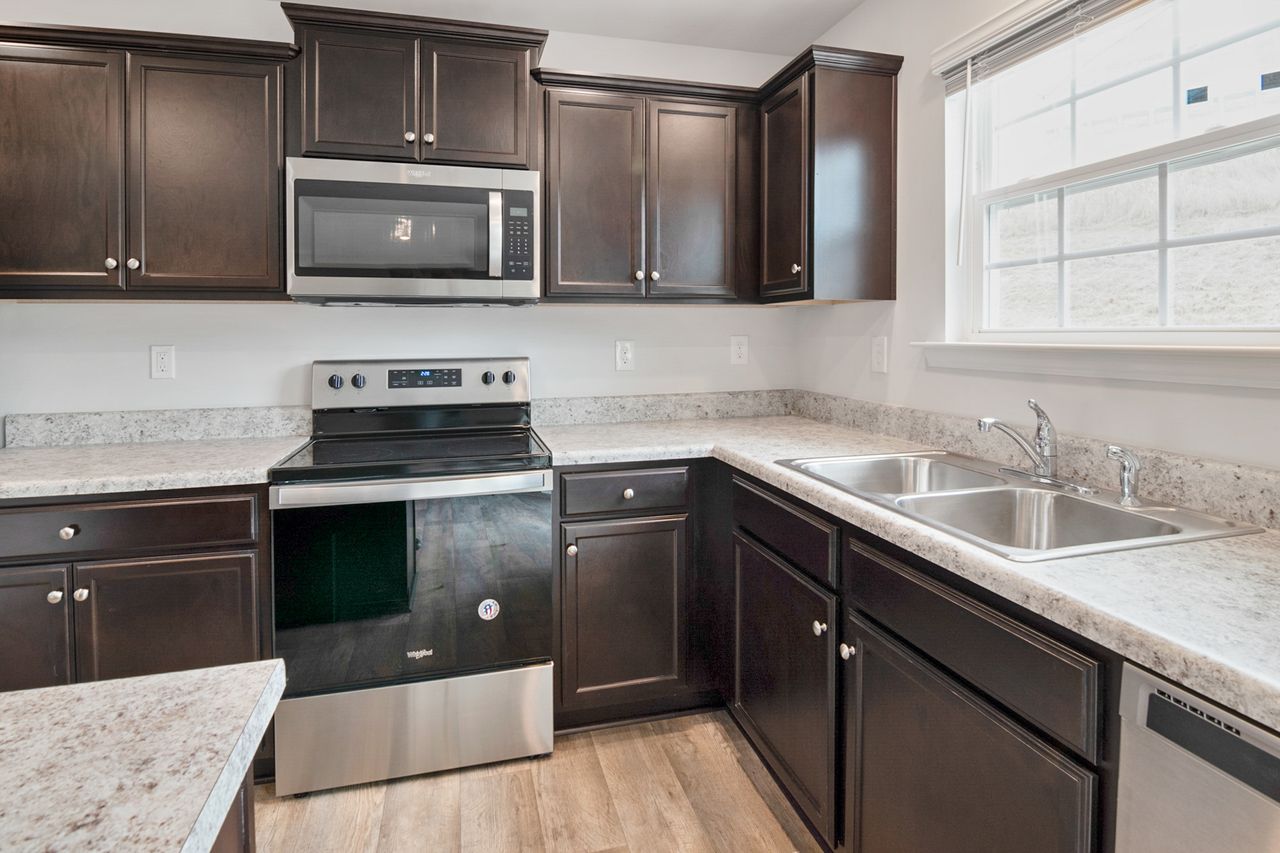
Dark cabinets with stainless steel — bold and sophisticated. Photo by Curtis Adams via Pexels (free license).
Black cabinets have gone fully mainstream, and charcoal — a softer, warmer black — is the most livable version. The drama is instant, and the rules are simple: light countertops are non-negotiable, and warm metal hardware (brass, bronze) balances the darkness. Done right, it feels cozy rather than severe.
Try this: a black island against lighter perimeter cabinets is the classic test-the-water move.
8. Terracotta and Clay
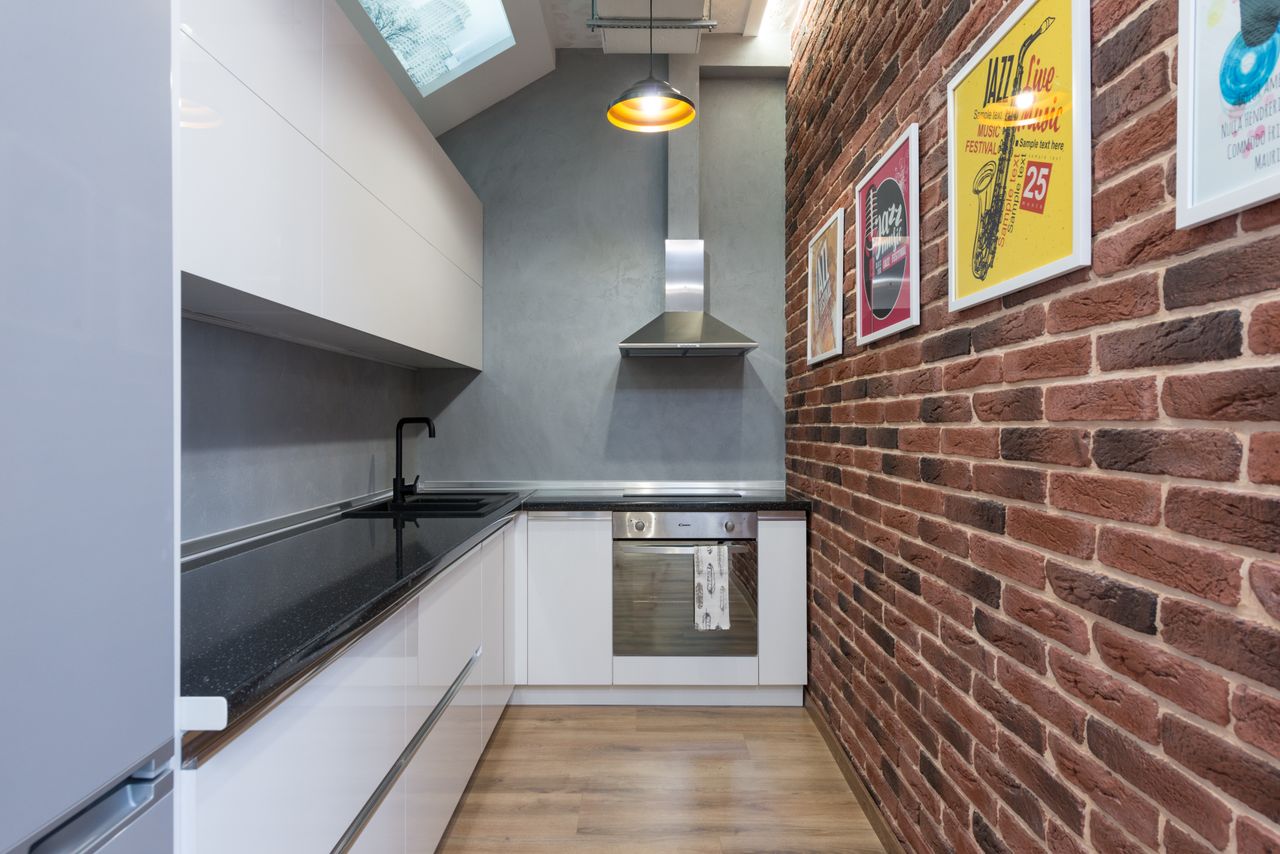
Warm brick tones bring Mediterranean warmth into the kitchen. Photo via Pexels (free license).
Earthy terracotta and clay tones are the warmest story in kitchen design right now — rich, grounded, and deeply human after years of cool minimalism. They glow in warm afternoon light and pair beautifully with raw plaster, linen, dark walnut, and natural stone. Lean into the warmth; do not try to cool it down.
Try this: terracotta with warm creams, raw wood, and warm-toned metals is where it truly shines.
9. Soft Black and Olive Two-Tone
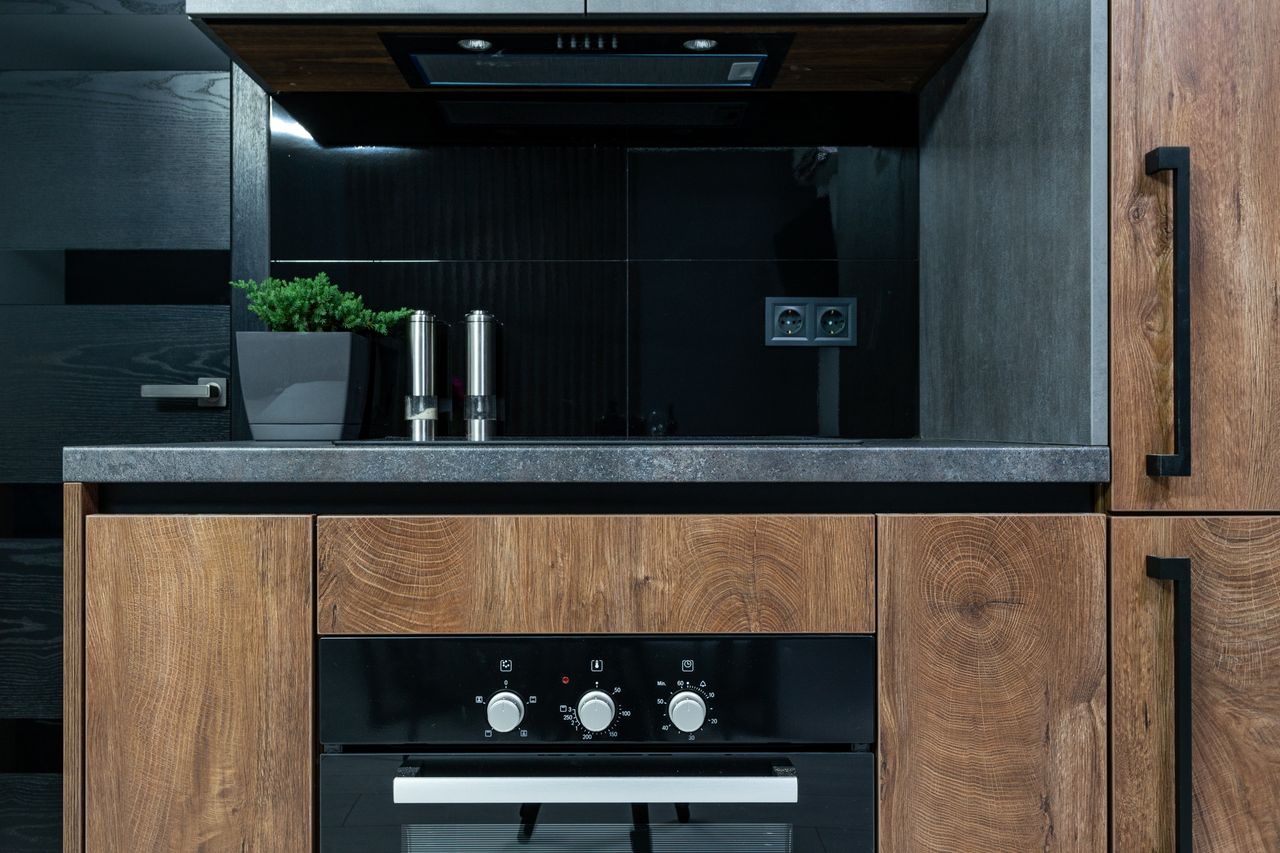
Wooden cabinets with black accents — layered and sophisticated. Photo by Max Vakhtbovych via Pexels (free license).
The most exciting two-tone combination pairs soft black uppers with warm olive lowers. It sounds unusual, but both colors share earthy, muted undertones, so the result feels layered and designed rather than assembled. The trick is a clear visual break where the colors change — at the countertop line or through open shelving.
Try this: olive island with black perimeter cabinets is especially striking.
10. Creamy Ivory
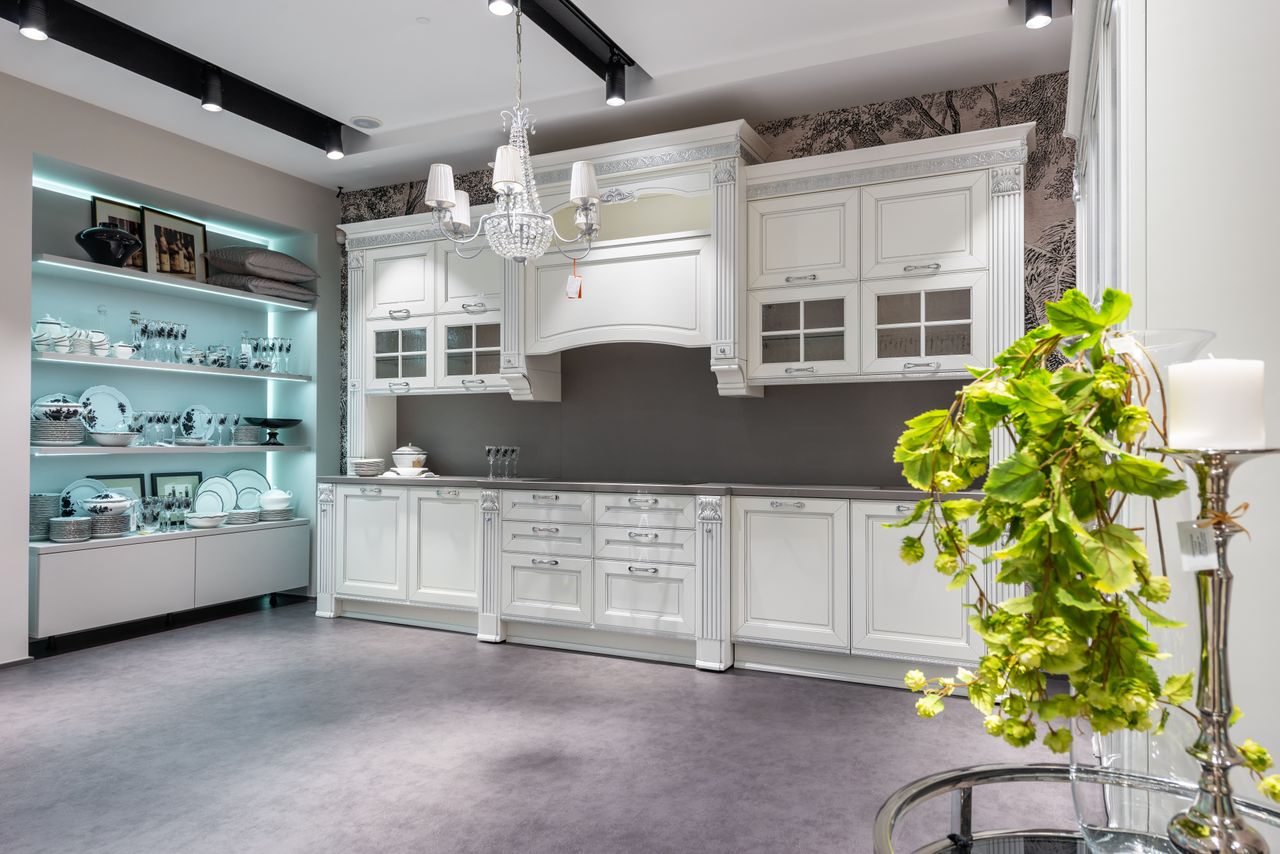
Classic ivory cabinetry that keeps a kitchen timeless. Photo via Pexels (free license).
Creamy ivory sits between pure white and beige — warmer than the former, lighter than the latter — and it makes a kitchen feel genuinely luxurious. It pairs naturally with aged brass and oil-rubbed bronze, and looks extraordinary against dark or veined countertops. Choose a paint with pink or golden undertones for the richest ivory.
Try this: test ivory chips next to your hardware — it shifts dramatically depending on what it sits beside.
11. Warm Mushroom and Taupe
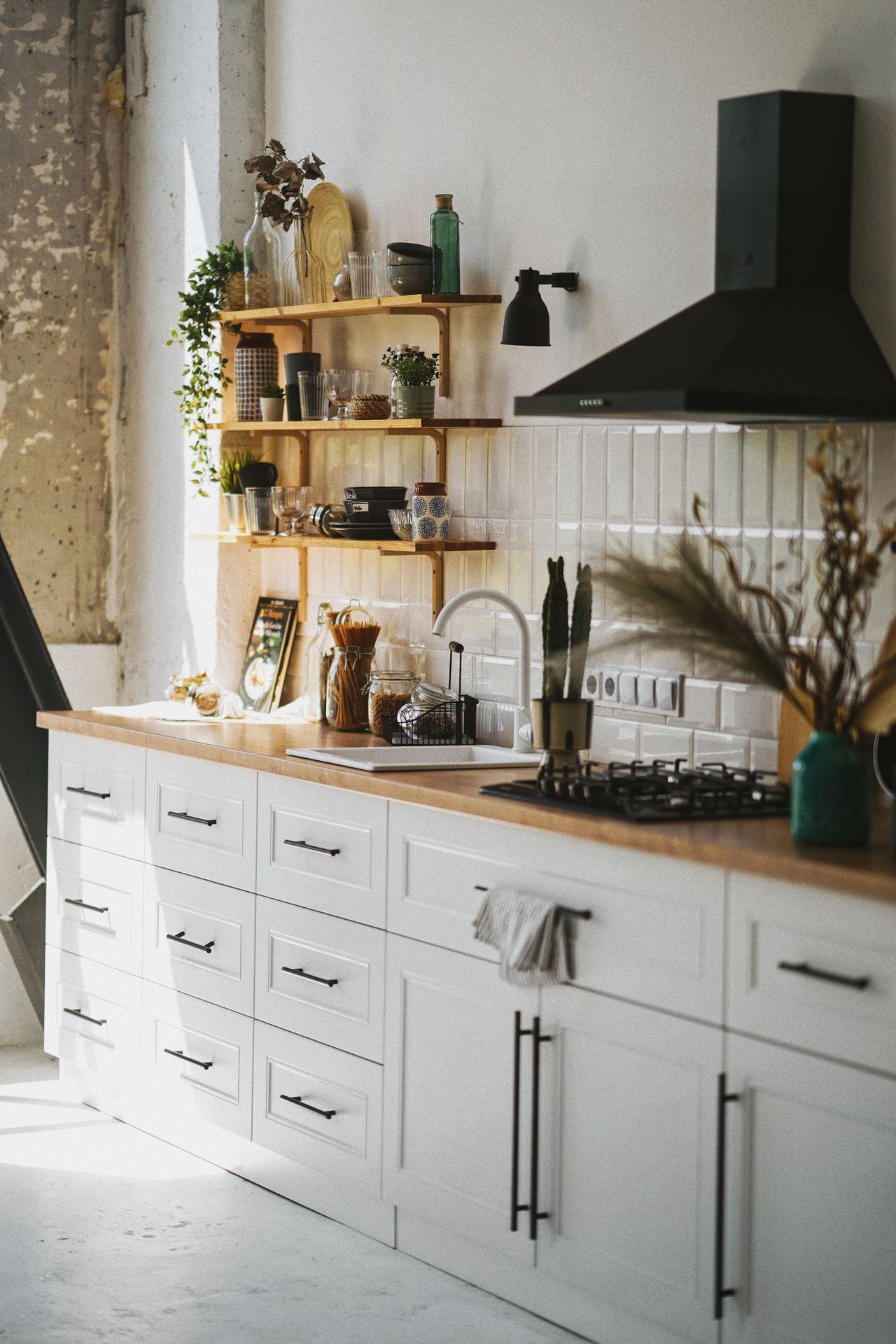
Warm neutrals and wood shelves — understated and sophisticated. Photo via Pexels (free license).
Mushroom and taupe are the quiet-luxury neutrals: warm, understated, and intelligent. They absorb light differently through the day, shifting from pale in the morning to rich in the evening. Pair them with natural stone countertops and simple hardware in brushed nickel or matte black for a look that feels expensive without trying.
Try this: do not confuse warm mushroom with cold greige — mushroom has more brown, less blue.
12. Butter Yellow — Sunny, Cheerful, and Surprisingly Sophisticated
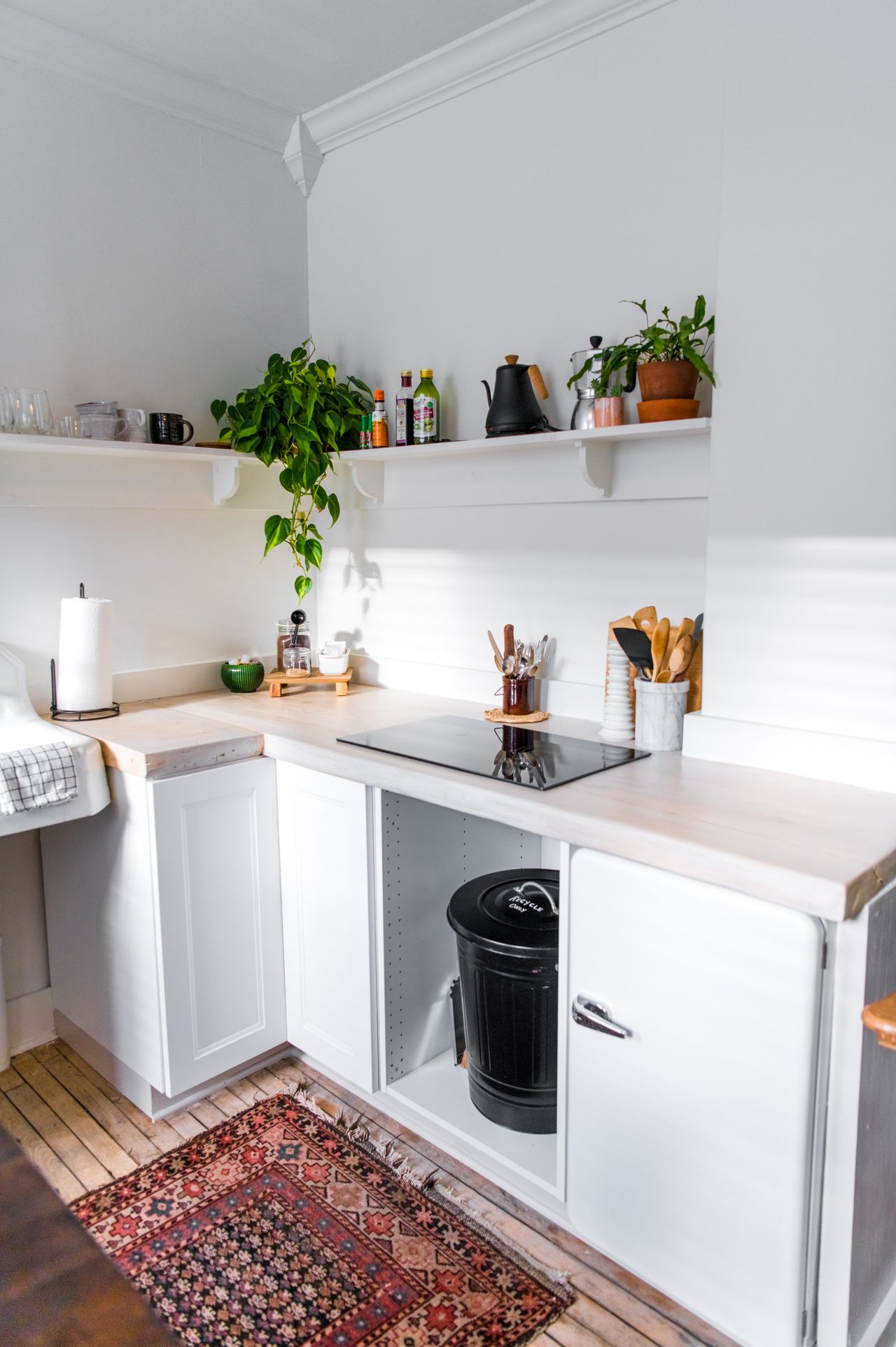
A bright, sunlit kitchen — the mood butter yellow brings to a room. Photo via Pexels (free license). Representative photo.
The right yellow — soft, warm, buttery, more beeswax than banana — turns a kitchen into the happiest room in the house. It works brilliantly in smaller kitchens that need a mood boost, and it pairs beautifully with cream walls, dark stone countertops, and antique-style hardware. Keep the undertones warm and golden.
Try this: use butter yellow on just the island or lower cabinets as a two-tone accent.
13. Slate Blue-Gray
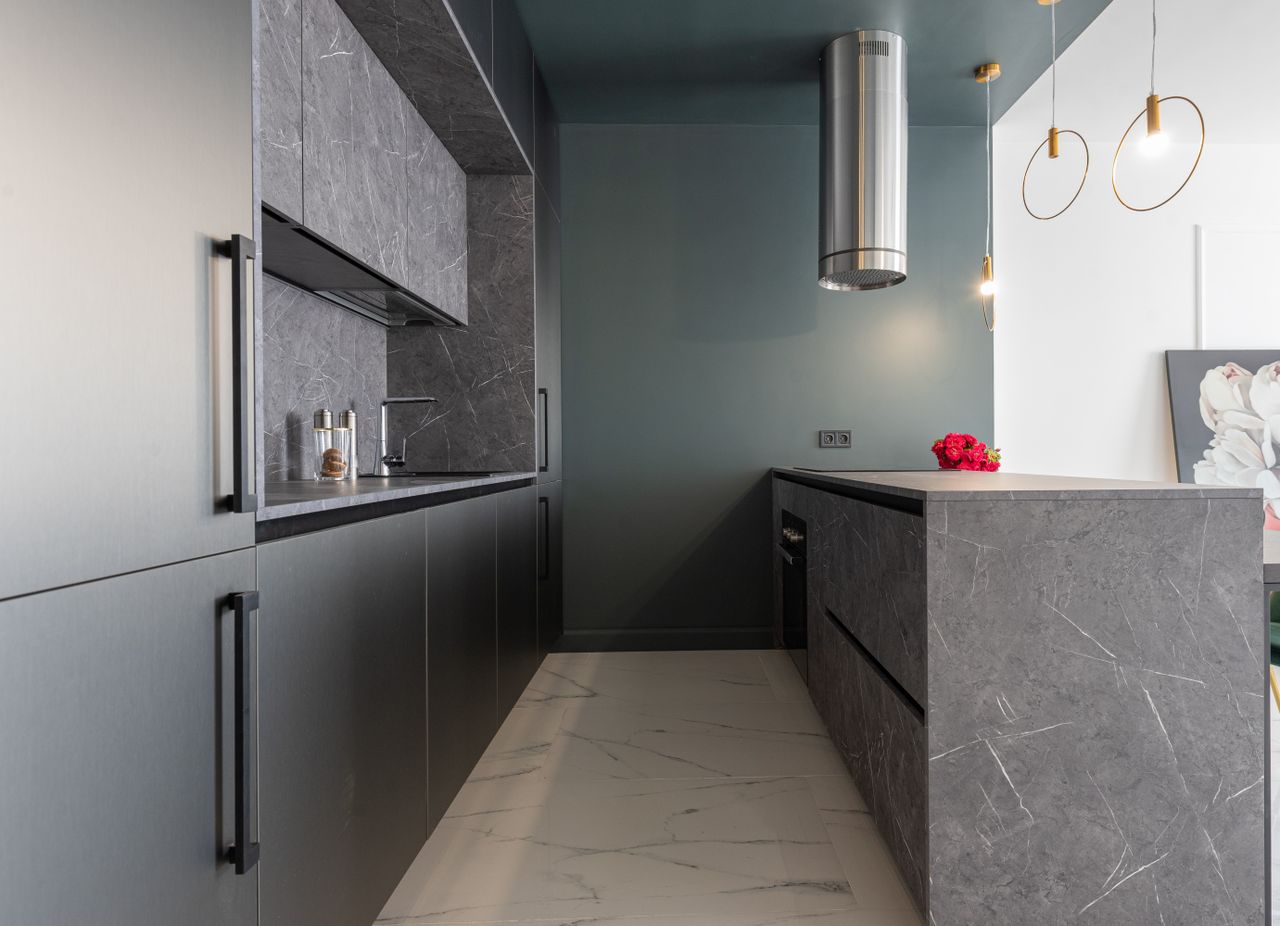
Gray tones with blue depth — interesting but never risky. Photo by heyho via Pexels (free license).
Slate blue-gray lives between dusty blue and cool gray, picking up different qualities in different light — silver-bright by day, soft blue-gray in the evening. It never looks flat, which gives a kitchen real depth. It also pairs with warm wood accents that keep the scheme from feeling cold. If you love blue but fear commitment, this is your color.
Try this: slate blue-gray is one of the few cool colors that works in north-facing kitchens.
14. Off-Black Olive
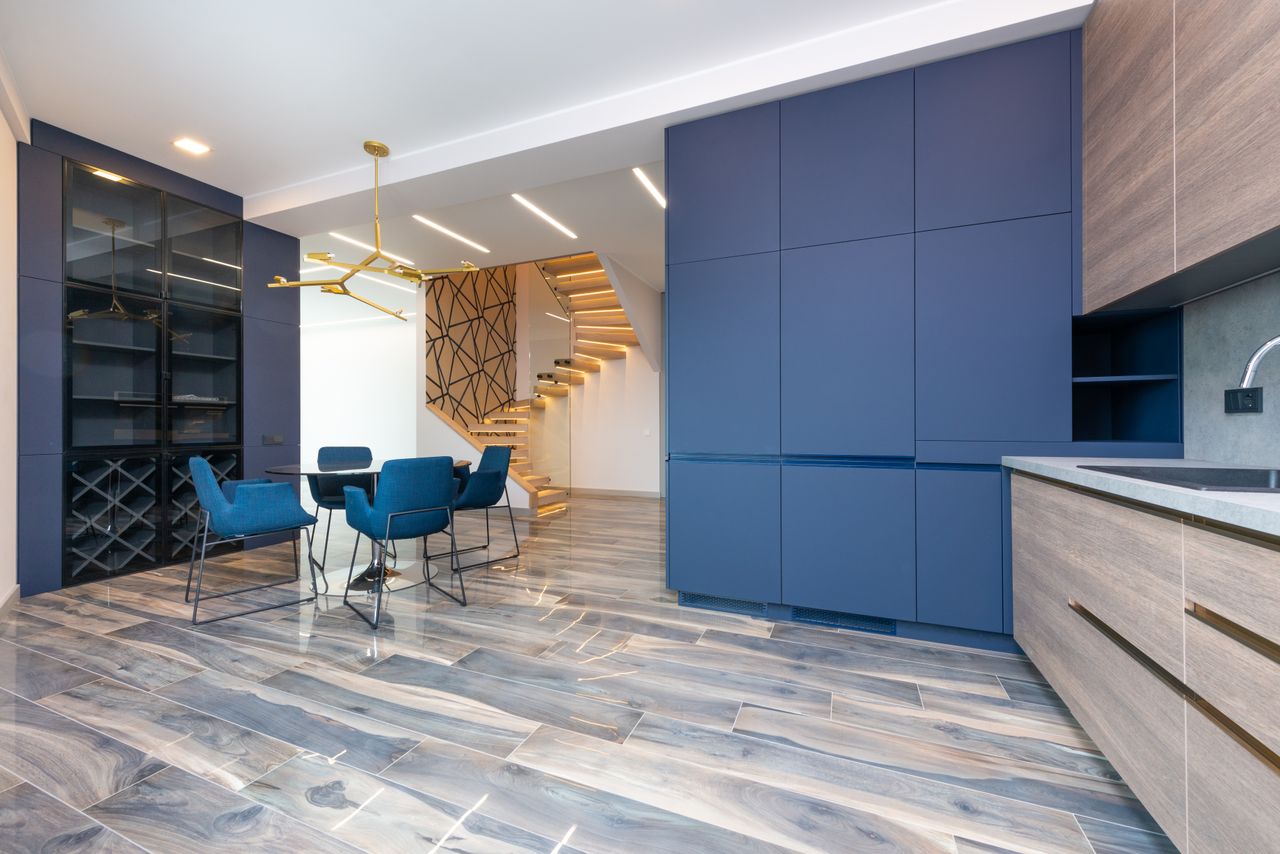
Dark, earthy tones with a mineral quality. Photo by heyho via Pexels (free license). Representative photo.
Off-black olive hovers between forest green and black, with an earthy, mineral quality that feels ancient and current at once. Paired with raw concrete, honed stone, and natural wood, it creates a kitchen with real conviction. Keep everything else light — white walls, light stone counters — and let the cabinetry be the hero.
Try this: this is a lifestyle color, not a quick refresh — commit fully or skip it.
15. Warm Blush and Pink
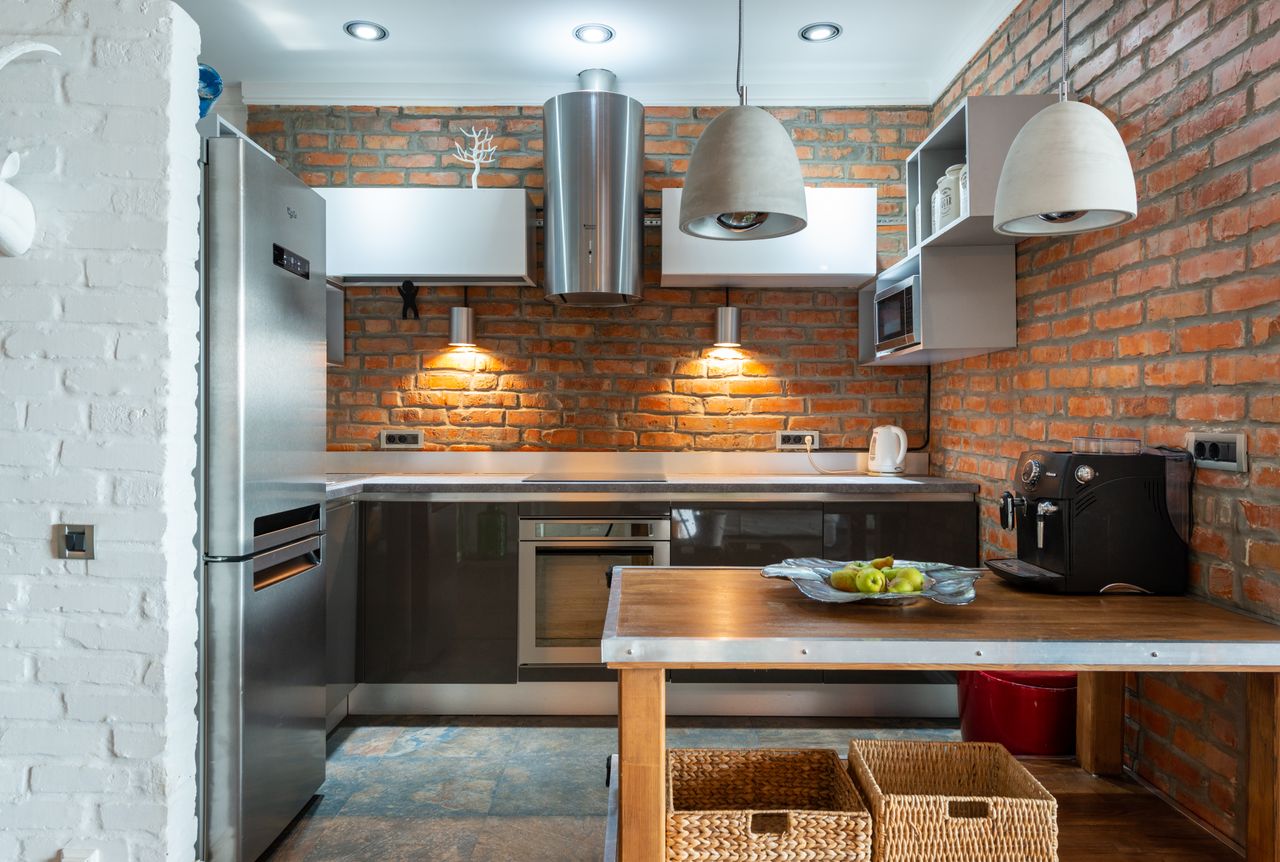
Warm, rosy brick and metal tones add gentle warmth. Photo via Pexels (free license). Representative photo.
Warm, dusty pinks — raw plaster, aged rose, the inside of a seashell — are stunning in real kitchens when kept muted and warm. They work especially well in compact kitchens and breakfast corners, paired with warm brass hardware, terracotta tiles, and cream walls. Stay dusty and warm; hot pink is a different conversation.
Try this: a raw marble with warm pink veining takes this palette into pure luxury.
16. Cobalt Blue — Make a Statement, Own the Room
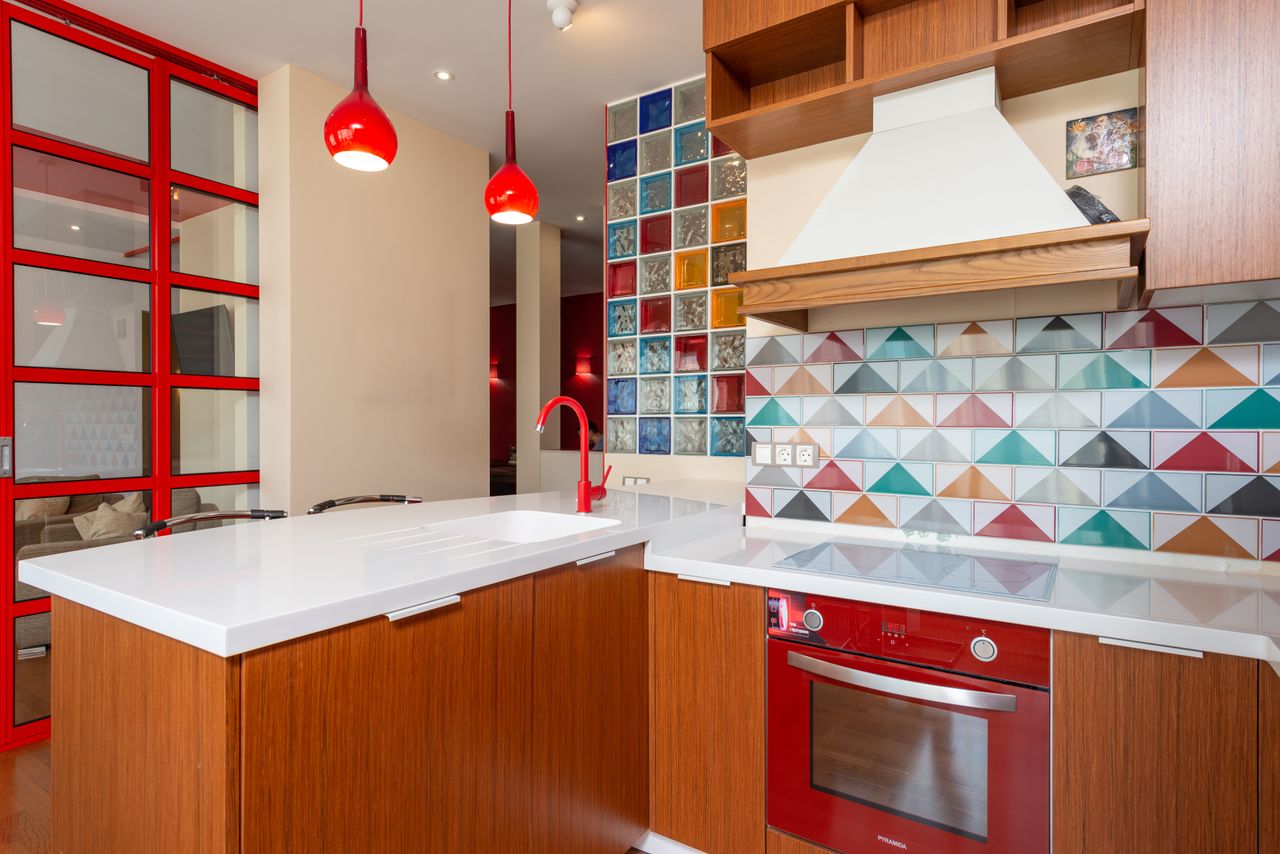
A bold, colorful kitchen that owns the room. Photo by Max Vakhtbovych via Pexels (free license). Representative photo.
Cobalt blue is not for the faint-hearted, and that is precisely the point. Rich, deep, and vivid, it turns a kitchen into an experience. It works best with generous natural light, very light countertops, and simple chrome or brushed nickel hardware. For a maximalist twist, pair it with terracotta or mustard accents.
Try this: crisp white walls are cobalt's classic partner — they keep the boldness from tipping over.
17. Muted Teal — The Color That Never Goes Out of Style
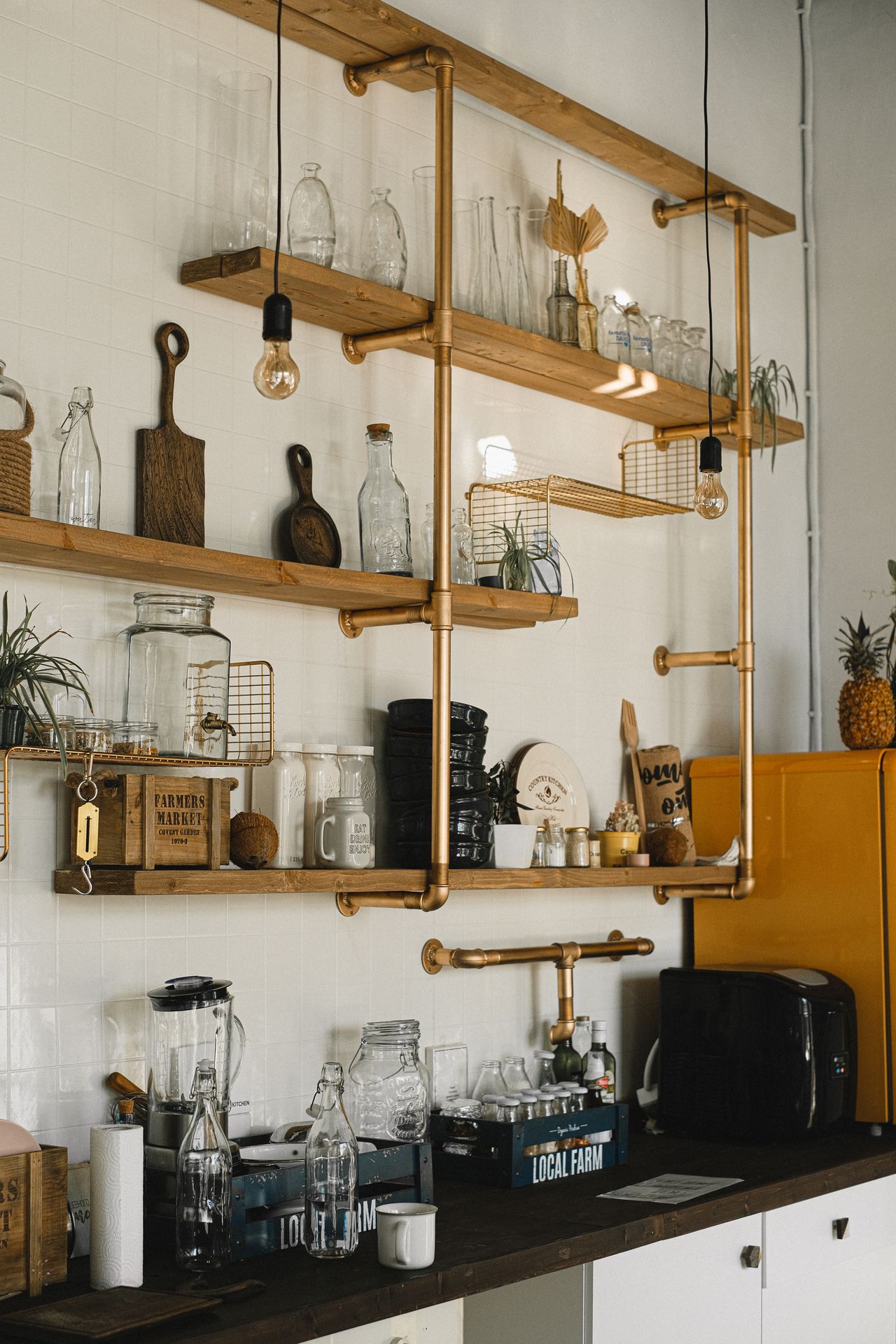
Mixed materials and layered tones keep a kitchen interesting. Photo via Pexels (free license). Representative photo.
Muted teal sits between blue and green, feeling neither too cool nor too warm — which is why it endures. It works in traditional, transitional, and contemporary kitchens, from coastal raised-panel doors to flat-front modern. Pair it with white for the classic look, or warm gray quartz and dark walnut for a richer, layered scheme.
Try this: brushed brass or matte black hardware both work beautifully with muted teal.
18. Deep Burgundy and Wine
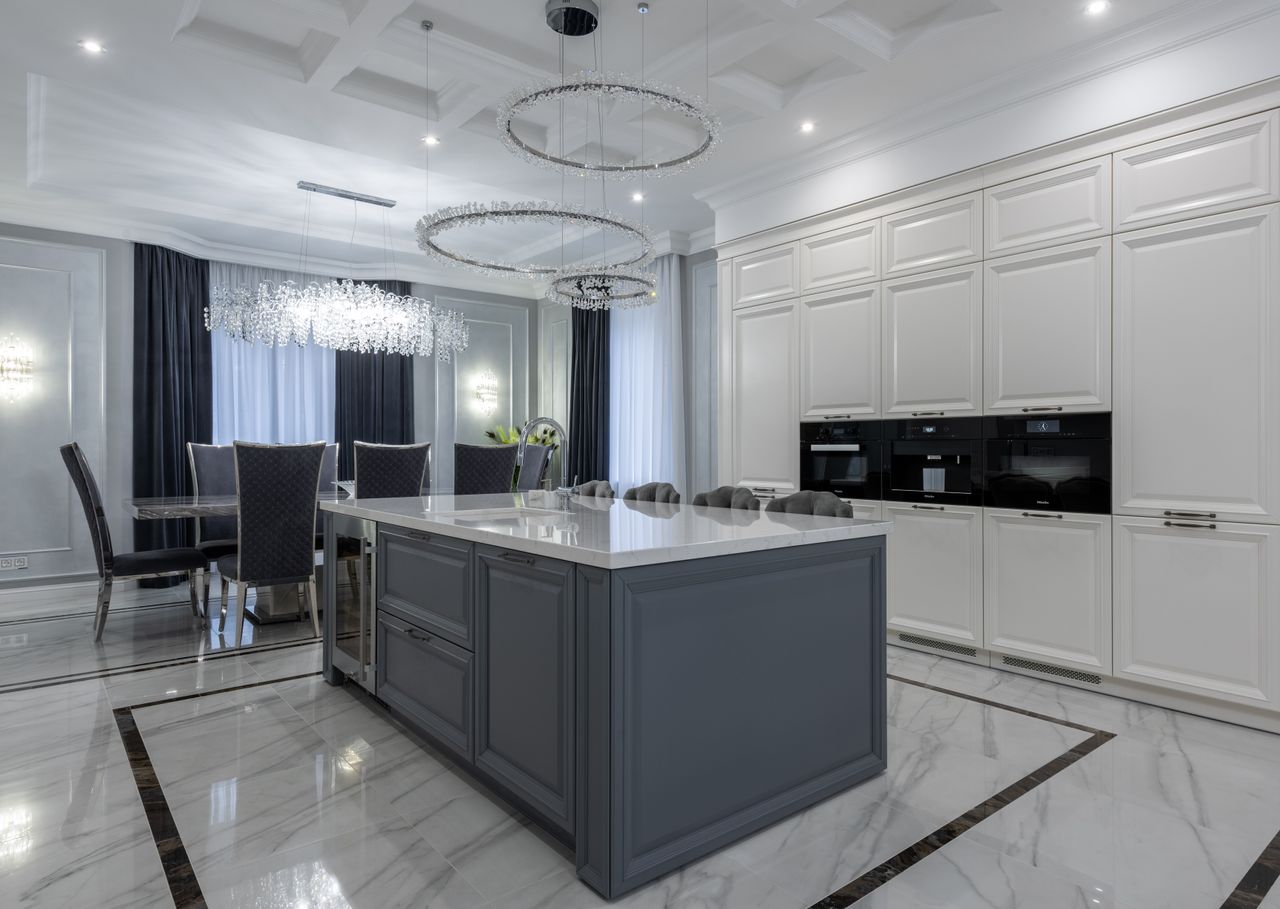
A dramatic, luxurious kitchen with a grand island. Photo via Pexels (free license).
Deep burgundy, wine red, and oxblood are the most unexpected colors in kitchen design right now — warm, dramatic, and deeply sensory. Paired with aged brass hardware, dark marble or soapstone, and warm plaster walls, burgundy creates a kitchen that feels more like a work of art. It works best in larger kitchens or as an island color.
Try this: try burgundy on the island first, with neutral perimeter cabinets around it.
What Is the Most Popular Kitchen Cabinet Color in 2026?
The most popular kitchen cabinet colors in 2026 are sage green, warm white, and charcoal black. Sage green leads because it's versatile, earthy, and pairs beautifully with brass hardware and natural wood tones. Warm whites have replaced cool whites as the go-to neutral, and deep dark colors like charcoal and navy continue to grow in popularity as homeowners embrace bolder, more personal design choices.
What Kitchen Cabinet Color Makes a Small Kitchen Look Bigger?
Light colors like warm white, creamy ivory, and soft greige make small kitchens look larger because they reflect more light and create a sense of visual openness. If you want a color in a small space, dusty blue and sage green also work well because their muted quality prevents them from visually closing in the room.
How to Choose the Right Kitchen Cabinet Color: A Simple Guide
Choosing the wrong cabinet color is one of the most expensive decorating mistakes you can make — not because paint is expensive, but because the time, disruption, and cost of re-doing cabinets adds up fast. Here's how to get it right the first time.
Step 1: Identify Your Lighting. North-facing kitchens need warm colors. South-facing kitchens can handle cooler tones. East-facing kitchens get warm morning light and cooler afternoon light. West-facing kitchens are the opposite.
Step 2: Look at Your Fixed Elements. Your countertops, backsplash, flooring, and appliances aren't changing. Your cabinet color needs to work with all of them — not fight any of them.
Step 3: Choose Your Mood. Do you want the kitchen to feel calm and relaxed? Warm and cozy? Bold and dramatic? Clean and modern? Let the mood drive the color decision, not just aesthetics in isolation.
Step 4: Test Large Samples. Buy sample pots and paint at least an A4 or letter-size section of actual cabinet or a large piece of card. View it at different times of day.
Step 5: Commit Confidently. Once you've done the work, trust your decision. Cabinet color anxiety is real, but most people find they love the result far more than they expected once it's done.
Conclusion
Choosing your kitchen cabinet color is one of the most impactful design decisions you'll make in any renovation. The right color doesn't just look good in photos — it changes how you feel every time you walk into the room. Whether you go bold with midnight navy or deep burgundy, soft and natural with sage green or dusty blue, or sophisticated and quiet with warm greige or mushroom, the most important thing is that the color feels genuinely right for you, your home, and your life. For more kitchen color inspiration, explore these kitchen cabinet ideas for stylish storage, modern farmhouse kitchen decor ideas, and small kitchen ideas that save space. Or browse the kitchen layout guide, luxury kitchen inspiration, and modern earthy kitchen ideas for more ways to upgrade your space.
Kitchen Cabinet Color Gallery
More real kitchens in beautiful colors to inspire your choice.
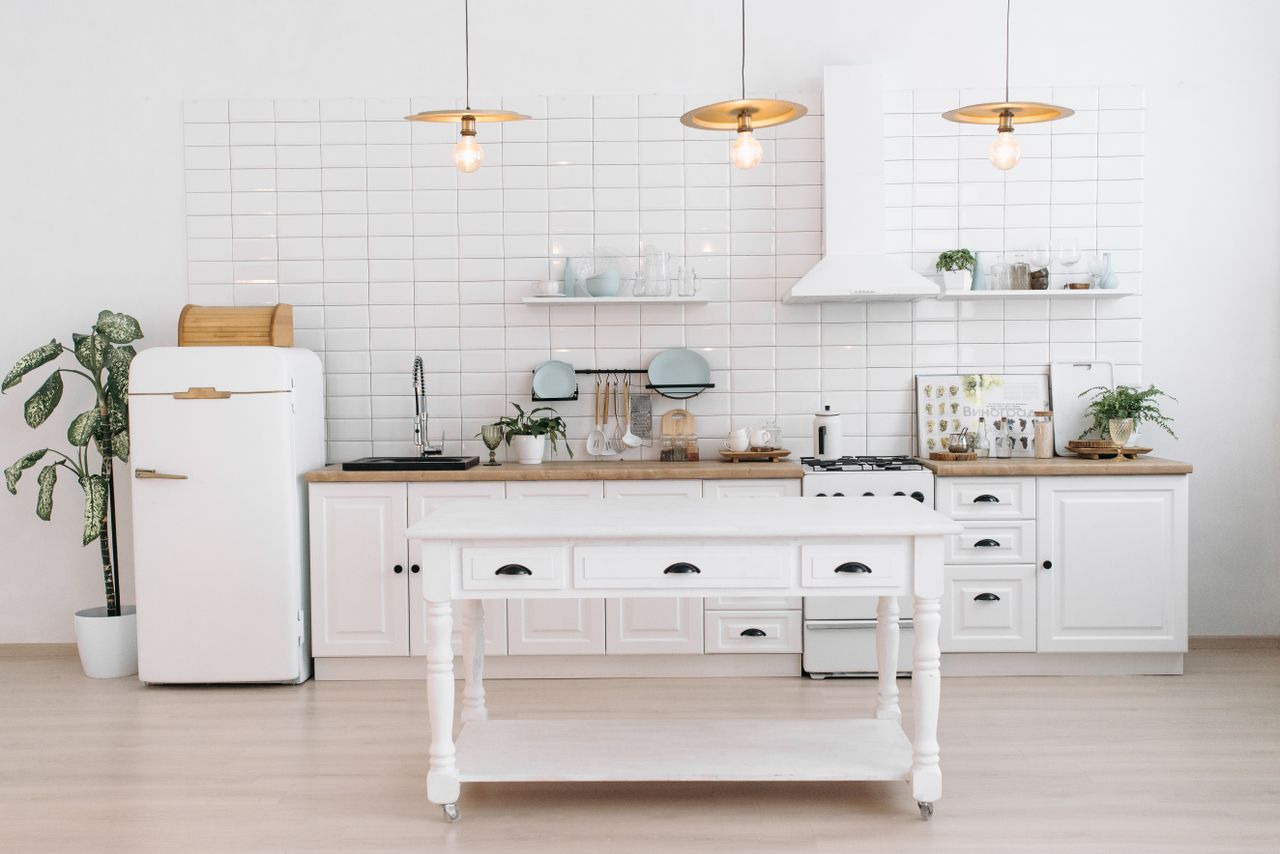
A bright kitchen with casual island seating. Photo via Pexels (free license).
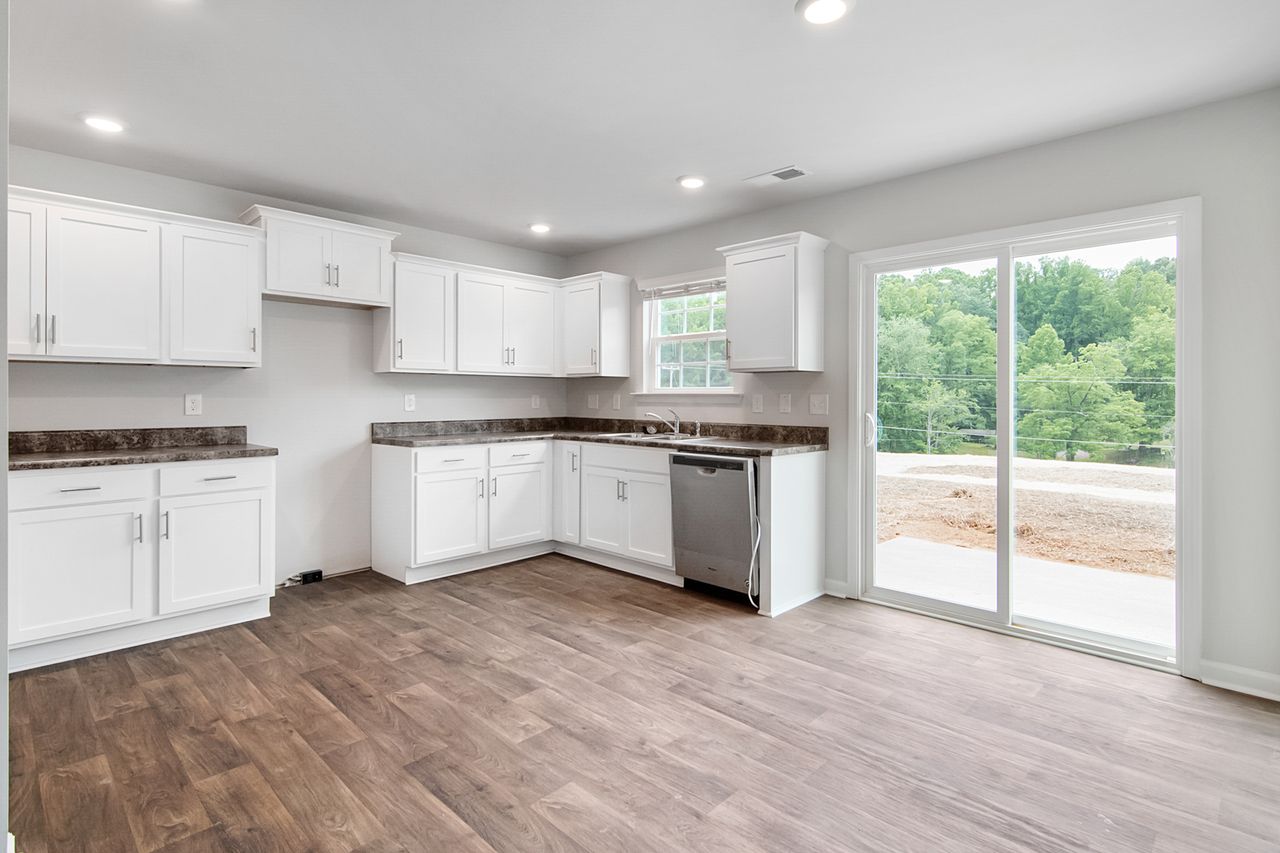
A spacious modern kitchen with white cabinets. Photo by Curtis Adams via Pexels (free license).
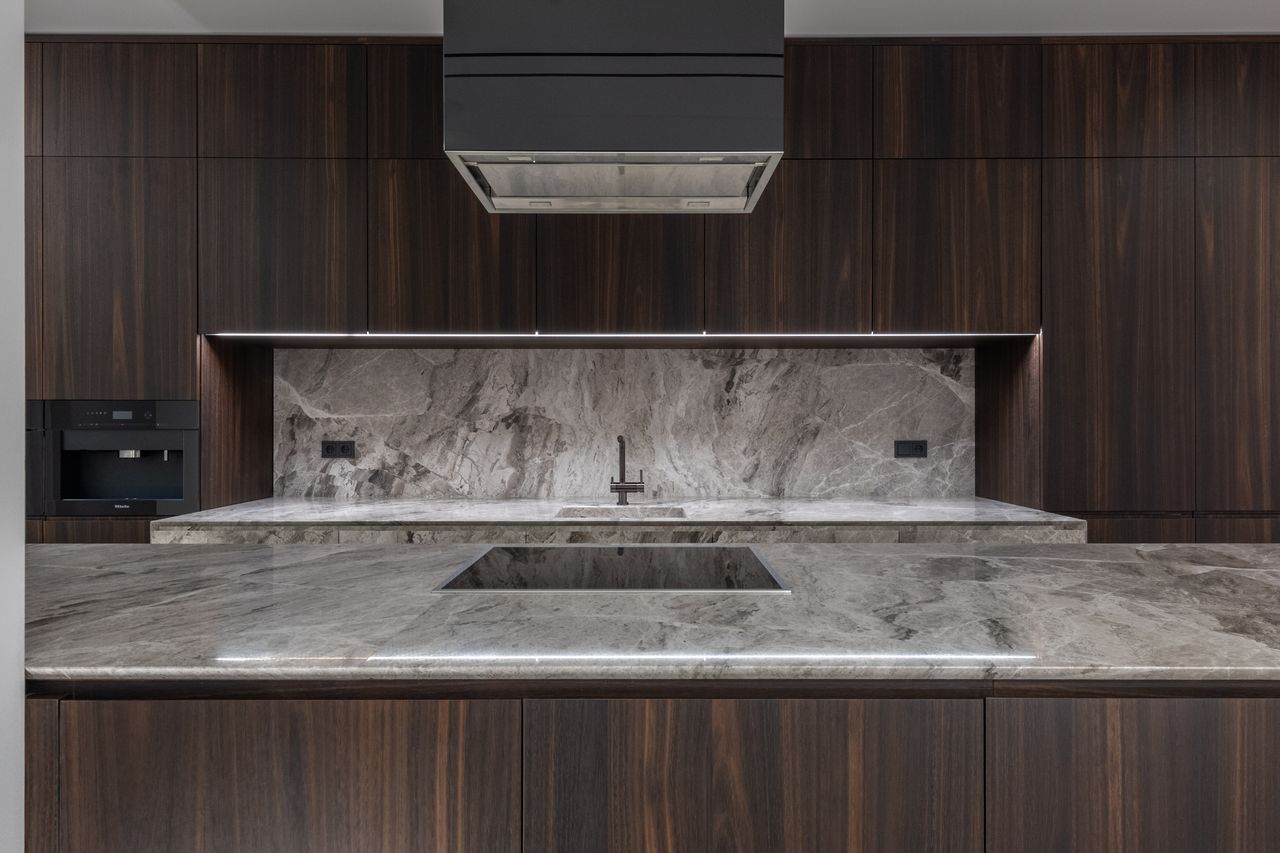
A modern kitchen with clean lines. Photo by heyho via Pexels (free license).
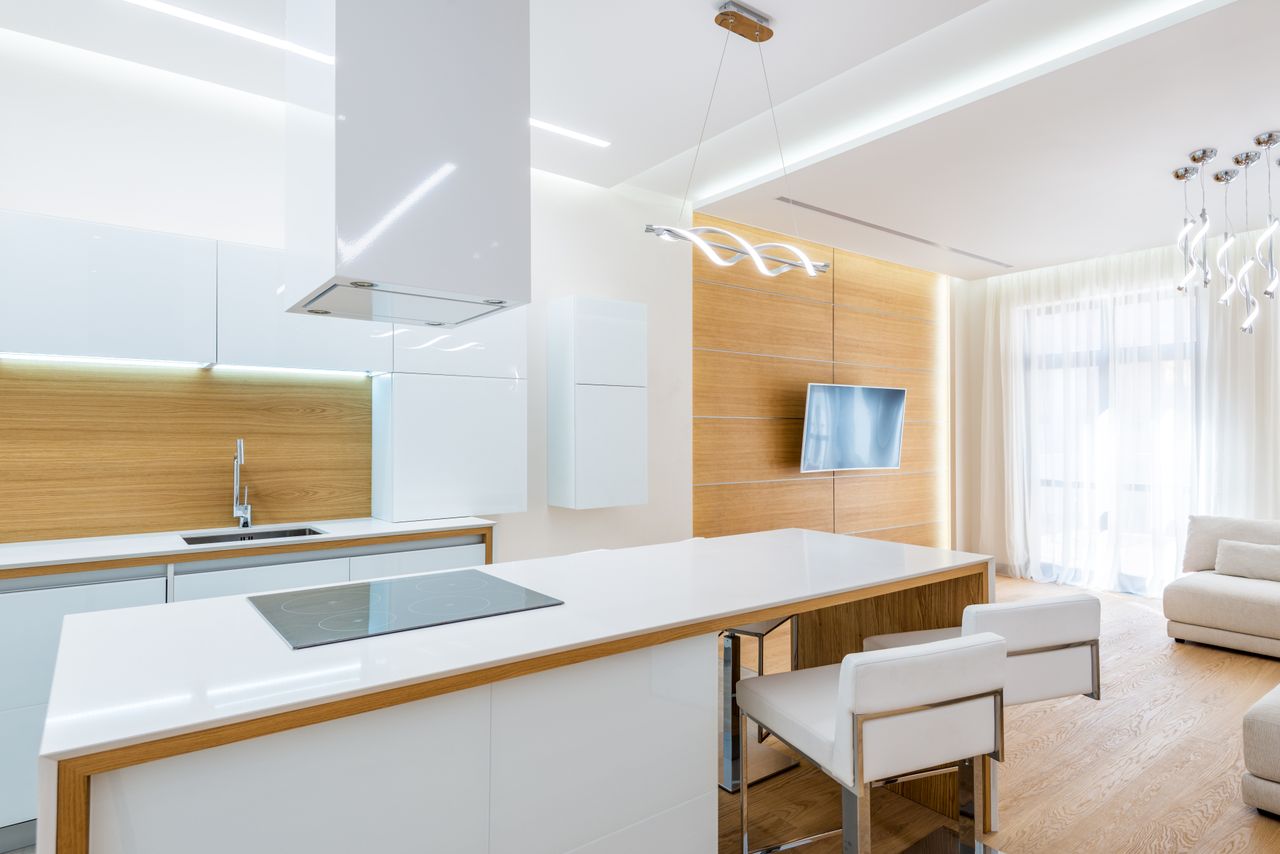
An open-plan kitchen flowing into the living area. Photo via Pexels (free license).
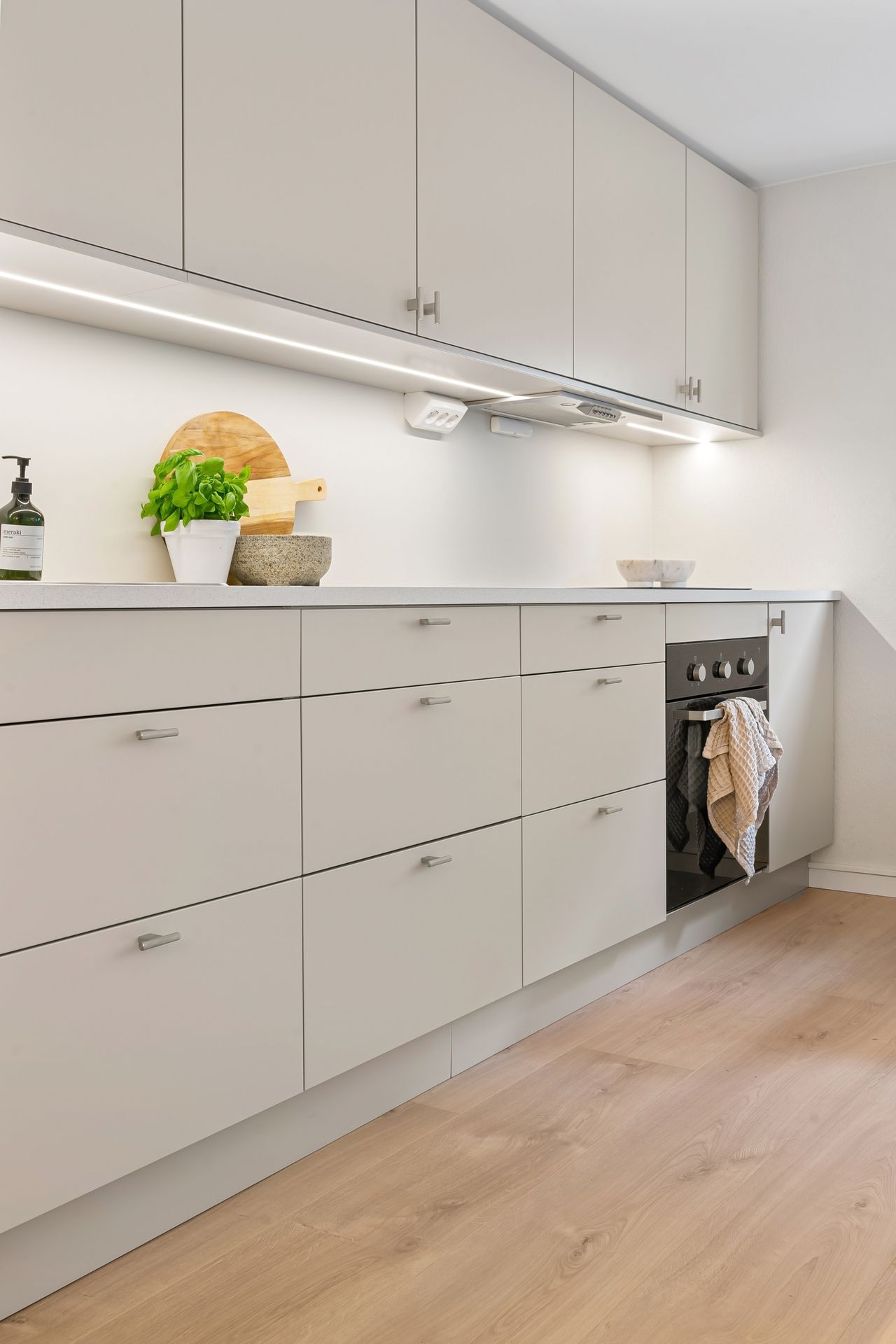
A minimalist all-white kitchen. Photo via Pexels (free license).
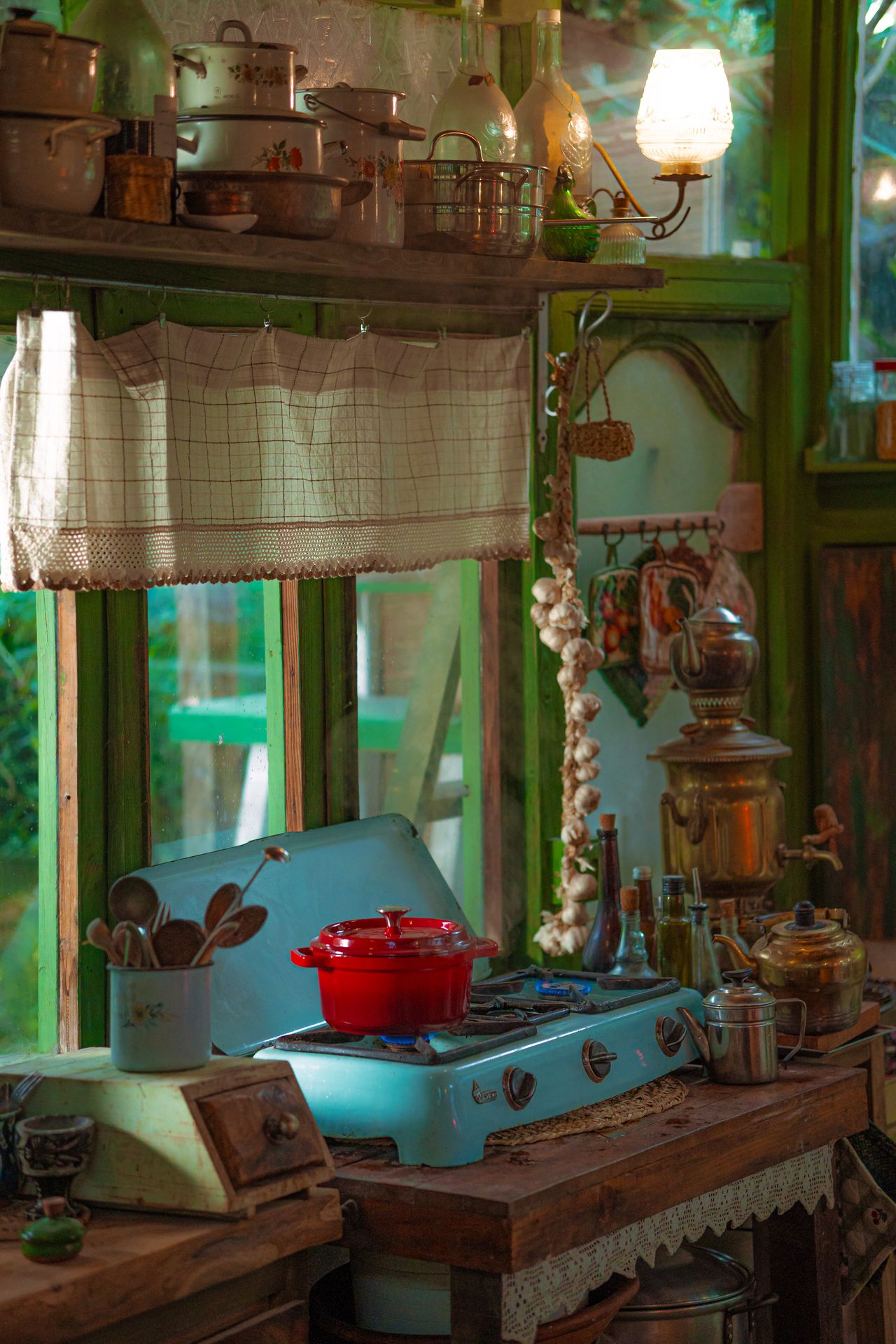
A rustic eco kitchen with copper pots and plants. Photo via Pexels (free license).

No comments:
Post a Comment