Windows decide how a living room feels. They control the light, the privacy, and even how warm the room stays on a cold January night. The right window blinds and shades ideas can soften harsh sun, hide a dull view, and add colour and texture to plain walls. In Canada, coverings also do a second job: they help hold heat inside when the temperature drops below freezing.
This guide walks through 10 stylish options, from soft Roman shades to smart motorized ones. For each idea, you get honest pros and cons, simple measuring tips, and rough Canadian prices in CAD so you can plan a budget. If you are new to the terms, our beginner guide on what a window treatment is explains the basics first. Then come back here and pick the style that fits your room, your windows, and your winter.
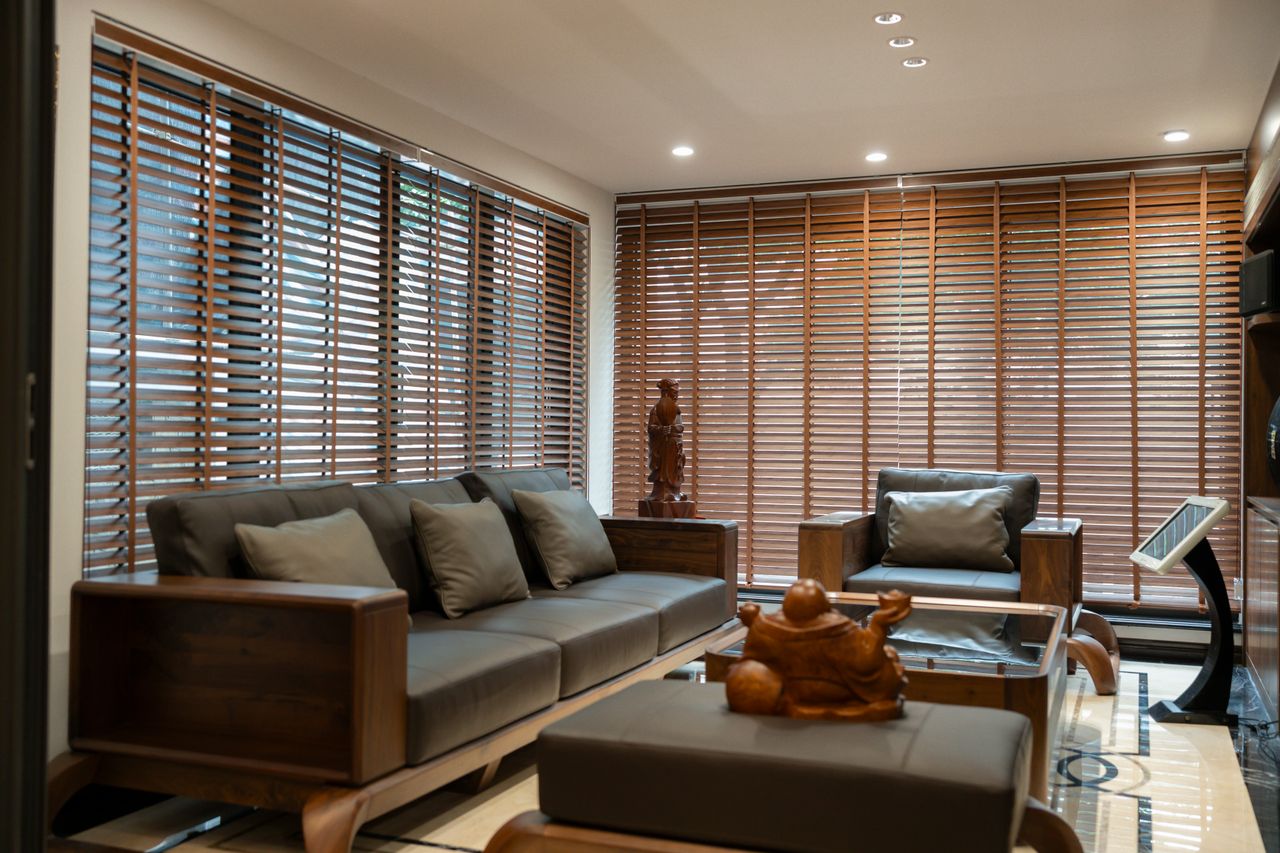
Photo via Pexels
Table of Contents
- 1. Roman Shades for a Soft, Tailored Look
- 2. Roller Shades for Clean, Modern Lines
- 3. Cellular (Honeycomb) Shades for Winter Insulation
- 4. Wood and Faux-Wood Blinds for Warmth
- 5. Vertical Blinds for Patio Doors and Wide Windows
- 6. Zebra Shades for Day-to-Night Flexibility
- 7. Sheer Shades for Soft, Glowing Light
- 8. Motorized Shades for Tall, Hard-to-Reach Windows
- 9. Top-Down Bottom-Up Shades for Privacy and Light
- 10. Bamboo and Woven Wood Shades for Natural Texture
- Frequently Asked Questions
- Final Thoughts
1. Roman Shades for a Soft, Tailored Look
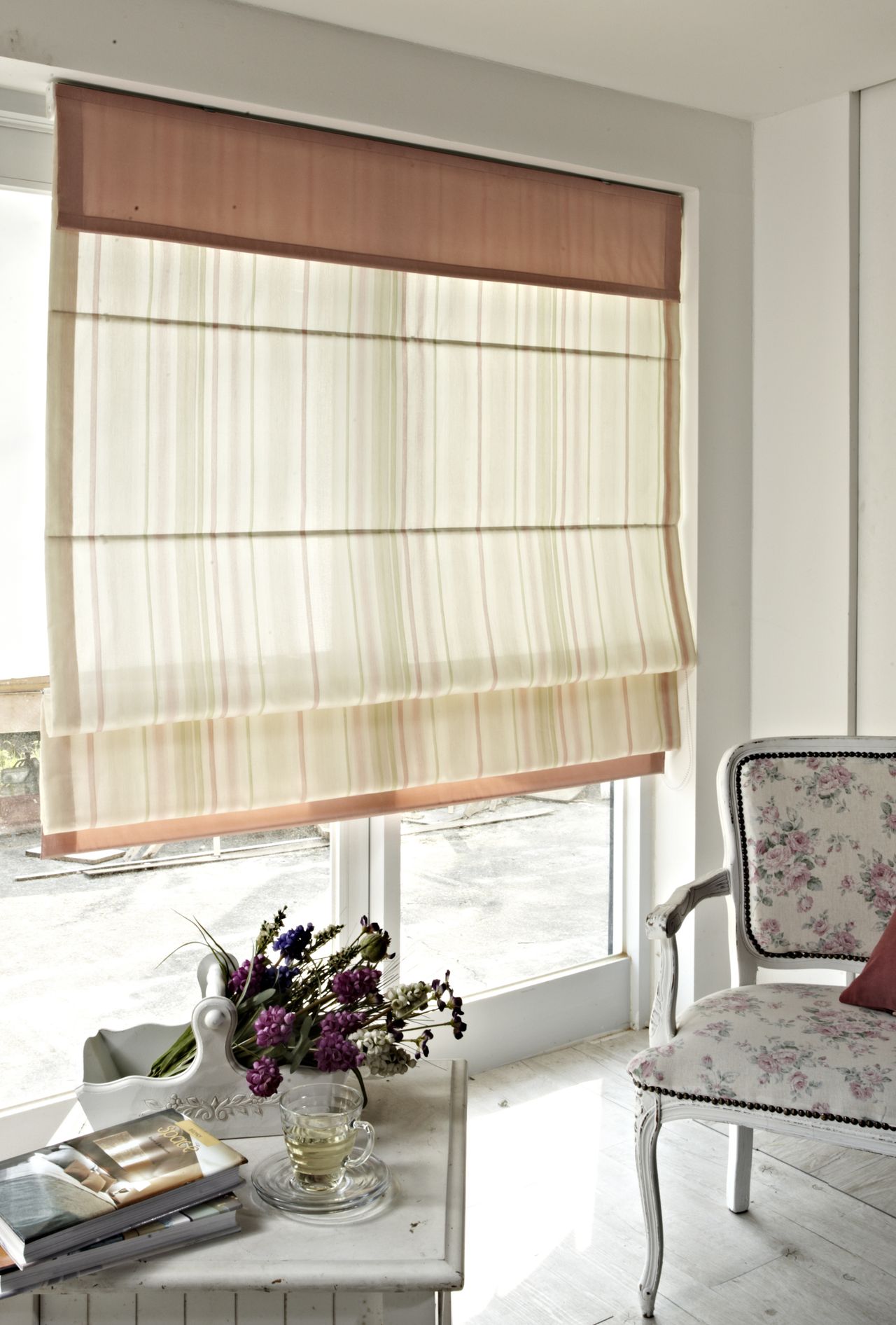
Photo via Pexels
Roman shades are made from one piece of fabric that folds up into neat, soft horizontal pleats when you raise it. They give you the warmth of curtains with the tidy shape of a shade, which makes them a favourite for living rooms that feel a bit plain. Linen and cotton blends are the most loved fabrics because they hang well and soften daylight. A flat Roman style looks modern, while a relaxed style with a gentle curve at the bottom feels casual and cosy.
Ready-made Roman shades in Canada cost about $90 to $250 per window, and custom ones run $300 to $600 or more with nicer fabric and a liner. Add a thermal or blackout liner if your living room faces west, because late summer sun can fade sofas fast. Measure the window width in three spots and use the widest number for an outside mount, which hides the frame and makes the window look bigger. Cordless lift is the smart pick here, since long Roman cords are exactly what Canadian safety rules now limit.
2. Roller Shades for Clean, Modern Lines
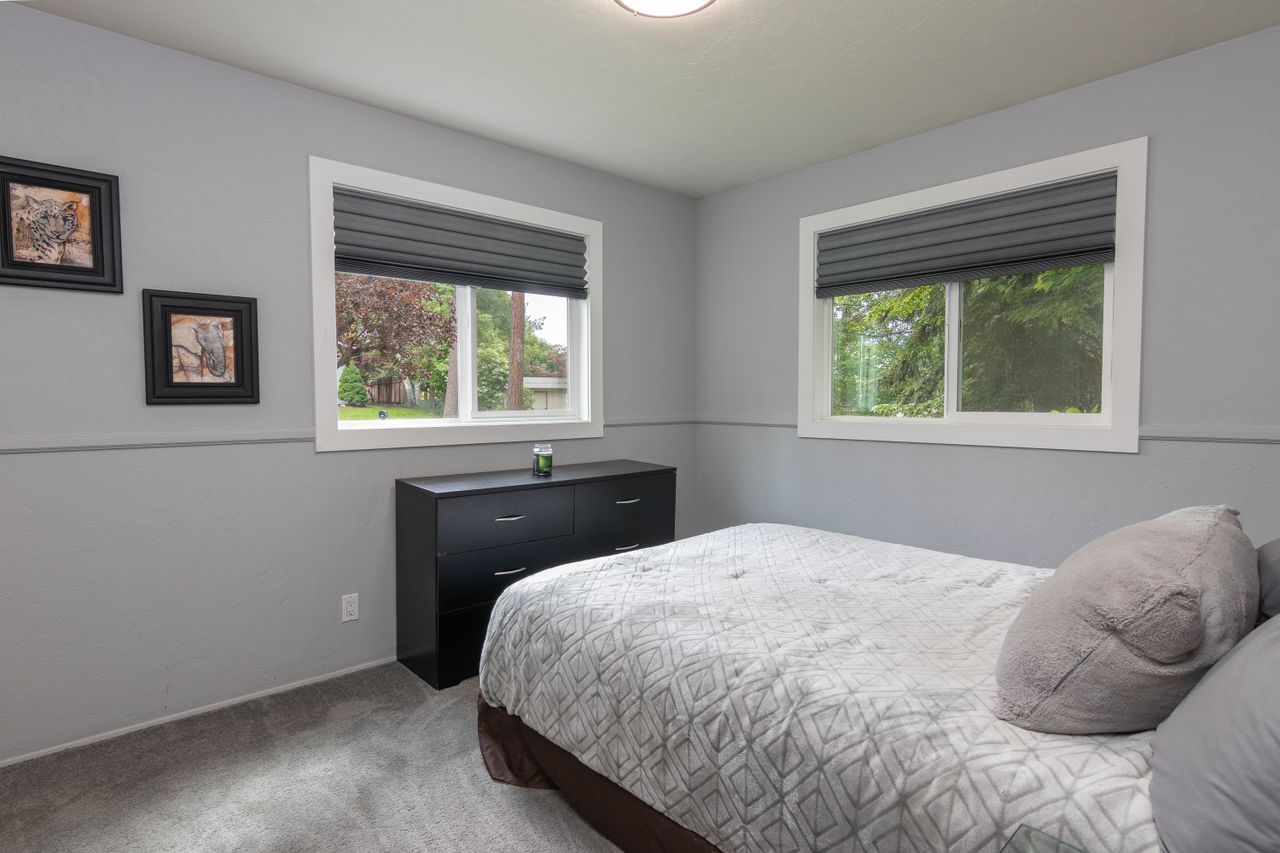
Photo via Pexels
A roller shade is a single sheet of fabric that rolls up onto a tube at the top of the window. It is the simplest, cleanest look of all, and it suits modern and small living rooms where you do not want bulky fabric. When the shade is up, it almost disappears, so your view stays wide open. Fabrics come in sheer, light-filtering, and blackout versions, and many Canadian homes pick light-filtering for living rooms because it cuts glare on the TV while keeping the room bright.
Solar roller fabrics are rated by openness, usually 3% to 10%. A lower number blocks more sun and gives more privacy, while a higher number keeps more of your view. Prices are friendly: roughly $40 to $150 per window for ready-made sizes, and $150 to $350 for custom. For a wide living room window, one long shade can look uneven when it rolls, so two or three shades side by side often work better. Choose a cordless spring lift or a motor, and skip the long beaded chain if kids visit your home.
3. Cellular (Honeycomb) Shades for Winter Insulation
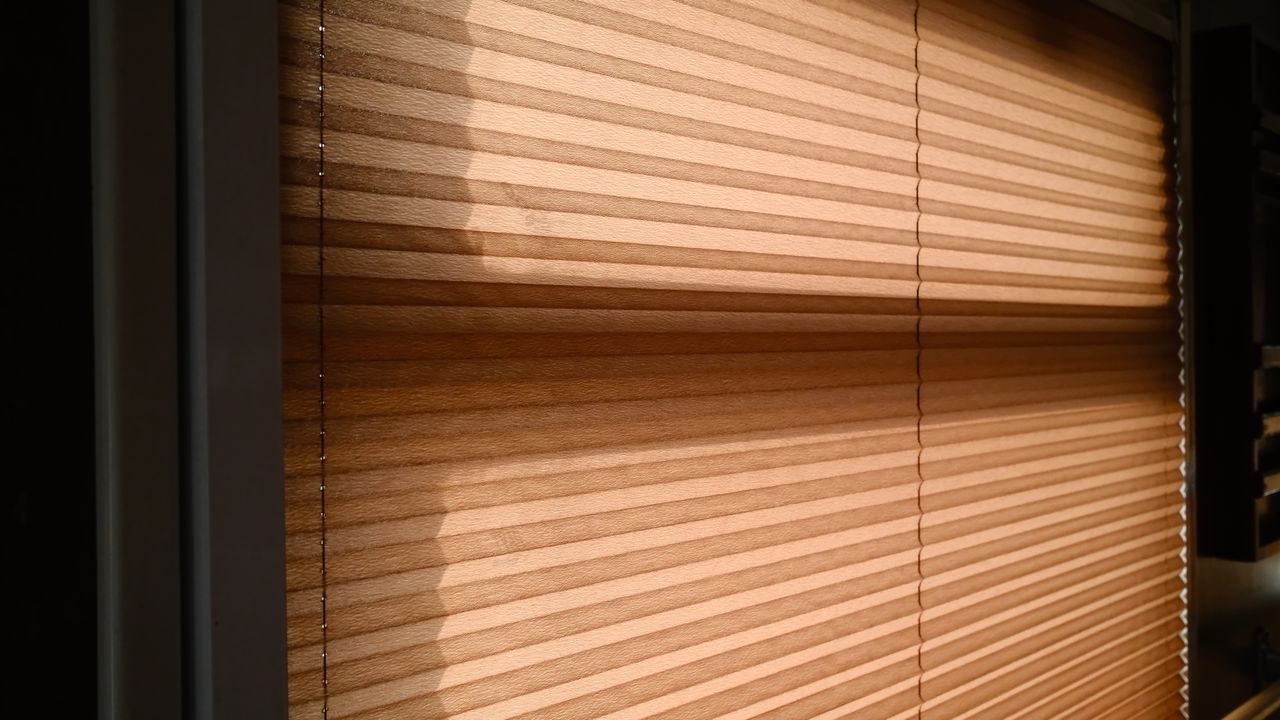
Photo via Pexels
Cellular shades, also called honeycomb shades, are built from rows of fabric cells that trap air like a tiny quilt. That trapped air is a real barrier between your warm room and a cold window, which is why these shades are the top pick for Canadian winters. Single-cell shades help a little, but double-cell versions insulate much better. On older windows with drafts, a snug inside-mount cellular shade can make the seat beside the window feel comfortable again, especially paired with the simple fixes in our guide on how to draft-proof windows for winter.
The fabric is soft and matte, so the look is calm rather than bold. Light-filtering versions glow gently in the sun, and blackout versions suit media rooms. Expect about $80 to $200 per window for standard sizes and $200 to $450 for large custom ones. One honest warning: the cells collect dust and the odd fly, so vacuum them with a brush attachment a few times a year. Order the shade about 1 cm narrower than the frame opening so it slides freely without rubbing.
4. Wood and Faux-Wood Blinds for Warmth
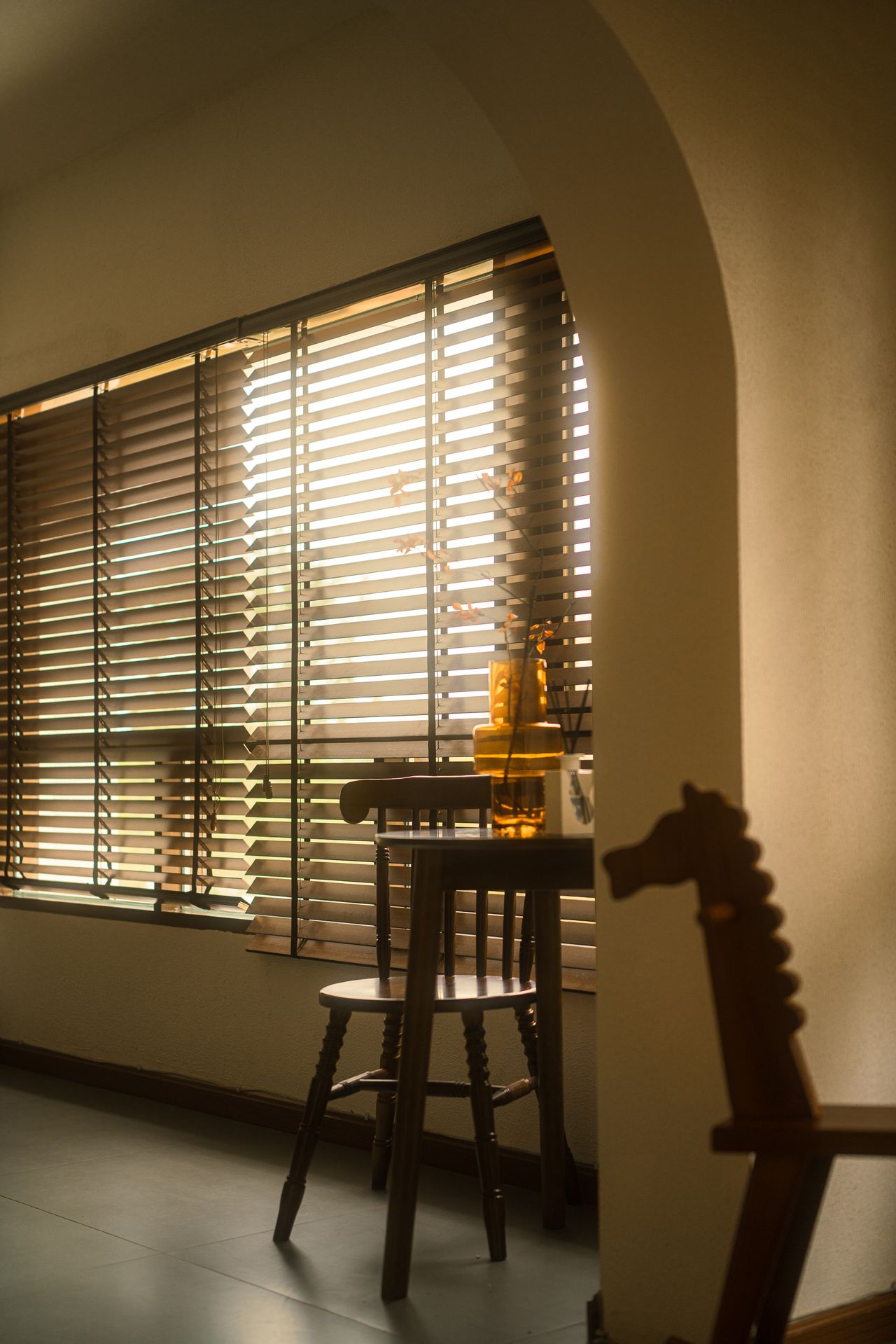
Photo via Pexels
Wood blinds use wide horizontal slats, usually 50 mm, that tilt to steer light around the room. Real basswood slats have a soft grain that adds instant warmth, and they pair well with leather sofas, wool throws, and warm white walls. Tilting is the big advantage here: you can block direct sun on the TV while still letting daylight bounce off the ceiling, something flat shades cannot do as precisely.
Real wood costs about $120 to $400 per window. Faux wood, made from PVC or composite, costs $60 to $180 and is the smarter choice near kitchens or in humid homes, because real wood can warp with steam and big temperature swings. In dry prairie winters, real wood is fine, but keep a little space between the blind and the glass so condensation does not sit on the slats. A ladder cord in a matching colour keeps the look clean, and cordless tilt wands are safer and easier than pull cords.
5. Vertical Blinds for Patio Doors and Wide Windows

Photo via Wikimedia Commons
Vertical blinds hang from a top track in long vanes, most often 89 mm wide, and they slide sideways like a curtain. That sideways motion is exactly what patio doors and very wide living room windows need, since a normal shade would have to lift the full weight of a huge piece of fabric. The vanes also tilt, so you can angle afternoon sun away from the sofa while keeping the view of the yard.
Fabric vanes look softer than the stiff PVC vanes of old office blinds, and newer styles even come in sheer fabrics that glow in daylight. Prices run about $80 to $300 for a patio door, depending on width and fabric. Measure the full width of the track you need, and let the vanes hang about 1 cm above the floor so they swing freely and do not drag. Wand control, where one twist tilts and a pull slides, is the child-safe standard in Canada now and keeps the door area free of hanging cords.
6. Zebra Shades for Day-to-Night Flexibility
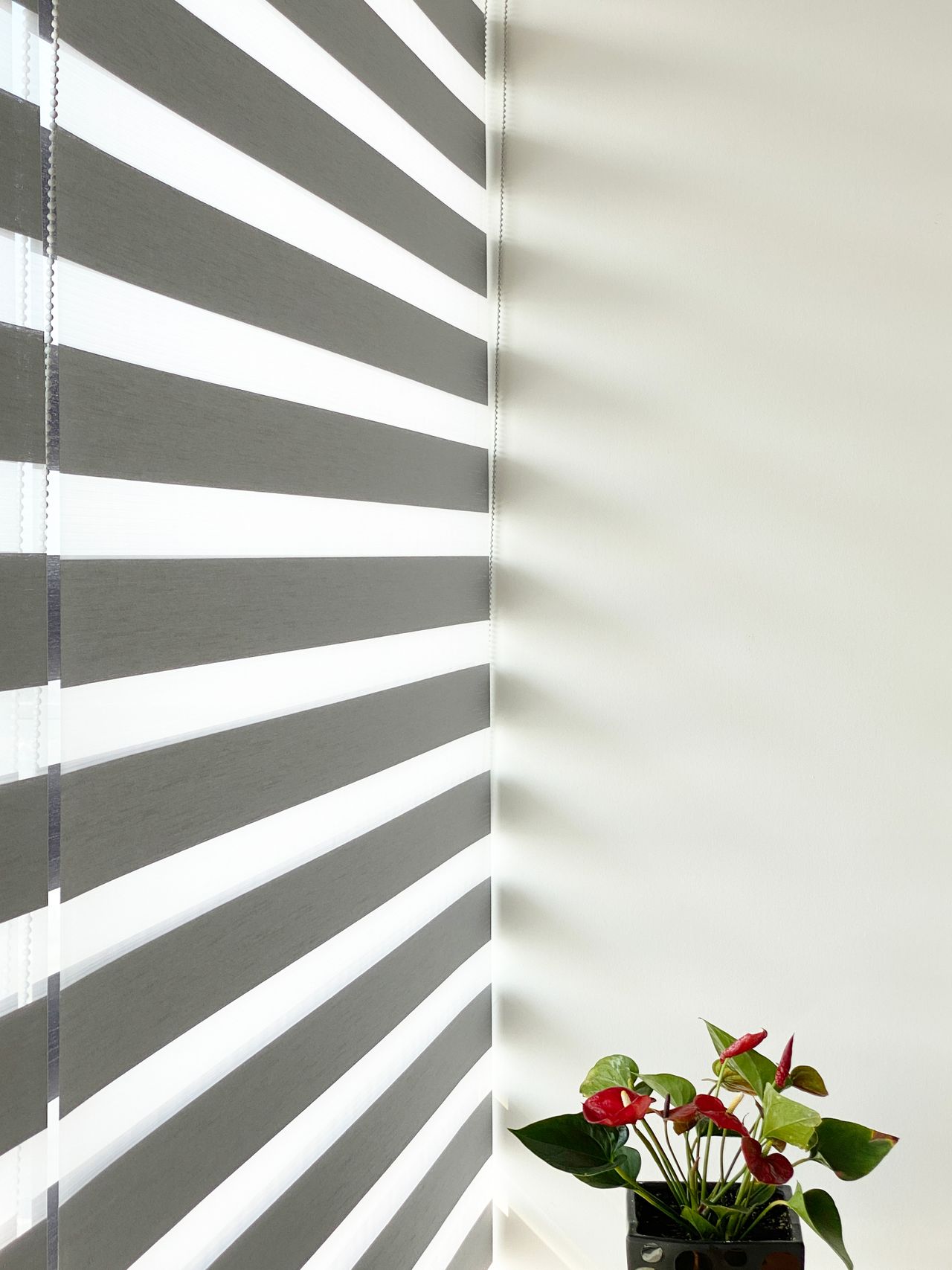
Photo via Pexels
Zebra shades, also sold as dual or vision shades, are made from one loop of fabric with alternating solid and sheer horizontal bands. A small pull shifts the bands so the solid stripes line up for privacy, or the sheer stripes line up to let light and a soft view through. It feels like having blinds and a shade in one product, and the striped look suits condos and modern Canadian living rooms very well.
Band width matters: wide bands around 10 to 12 cm look bold and modern, while narrow bands feel softer. Zebra shades cost roughly $70 to $280 per window. Be honest with yourself about privacy at night, though. When the lights are on inside, the sheer bands still show shapes and shadows, so street-facing rooms may need a curtain layered over top. For layering ideas that work with shades, see our guide to modern curtains for the living room. Choose cordless zebra models, because looped cords on this style have been part of Canadian safety recalls.
7. Sheer Shades for Soft, Glowing Light
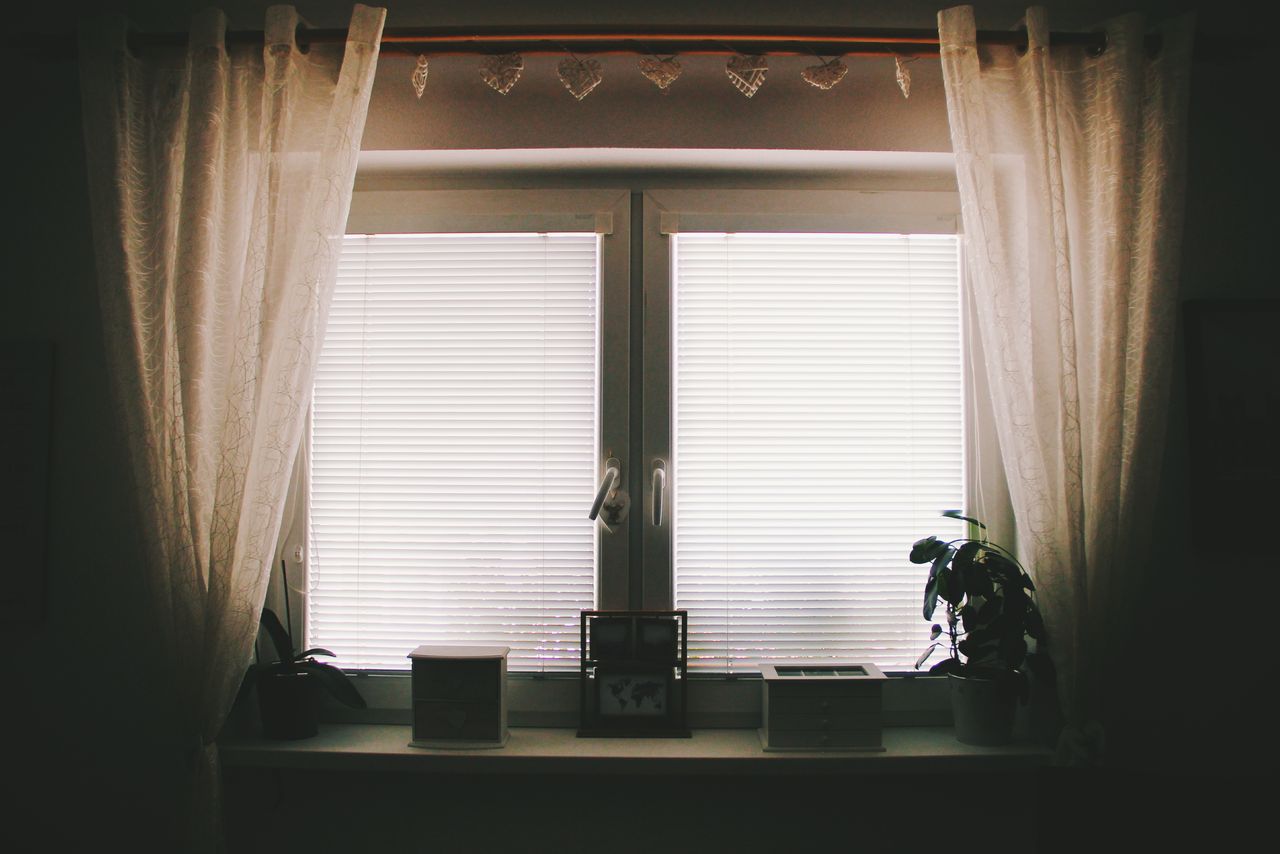
Photo via Pexels
Sheer shades float soft fabric vanes between two layers of sheer cloth. When the vanes are open, light pours in but turns gentle and hazy, like sunlight through a cloud. When you tilt the vanes closed, you get privacy without the hard lines of a blind. The whole window glows, which is why designers love this style for north-facing Canadian living rooms that get cool, grey light for much of the year.
This is a premium product, usually $250 to $600 per window, and wide windows cost more because the fabric must hang perfectly flat. The sheer layers also block a good share of UV, which protects wood floors and sofa fabric from fading. Care is the weak point: the delicate fabric shows dust and pet hair, and professional cleaning is recommended, so busy homes with big dogs may prefer a tougher roller fabric. Order samples and tape them to the glass for two days before you commit, because sheer fabrics change colour a lot between noon sun and evening lamplight.
8. Motorized Shades for Tall, Hard-to-Reach Windows
Photo via Pexels
Motorized shades run on a quiet battery motor hidden in the headrail or tube. You raise and lower them with a small remote, a phone app, or your voice through a smart speaker. They shine on tall two-storey living room windows, skylights, and wide walls of glass where cords would hang several metres long. Because there is no cord at all, motorized is also the safest lift style for homes with toddlers and curious cats.
Expect to add about $150 to $350 per shade for the motor on top of the shade price. Rechargeable batteries usually last 6 to 12 months per charge, and a small solar panel trickle charger is worth it for very high windows you cannot reach with a ladder. You can set schedules too, so shades close by themselves during the hottest part of a summer afternoon and open again for the evening view. Start with the one or two windows that bother you most; you do not need to motorize the whole house at once.
9. Top-Down Bottom-Up Shades for Privacy and Light

Photo via Wikimedia Commons
Top-down bottom-up shades can open from the top, from the bottom, or meet anywhere in the middle. The classic setup lowers the top rail so daylight and sky come in over the top, while the lower half of the window stays covered for privacy. It is the perfect answer for ground-floor living rooms on busy streets and for homes that sit close to the neighbours, which describes a lot of Canadian suburbs and city infills.
This lift style is offered on cellular, Roman, and pleated shades, and it usually adds only $20 to $60 to the price. In a living room, pair it with the cellular fabric and you get privacy plus the best winter insulation in one product. One tip: on very wide windows over about 150 cm, two separate shades move more smoothly than one giant one, and they let each side sit at a different height. Make sure the model you buy is truly cordless in both directions, since older versions used two long cords.
10. Bamboo and Woven Wood Shades for Natural Texture
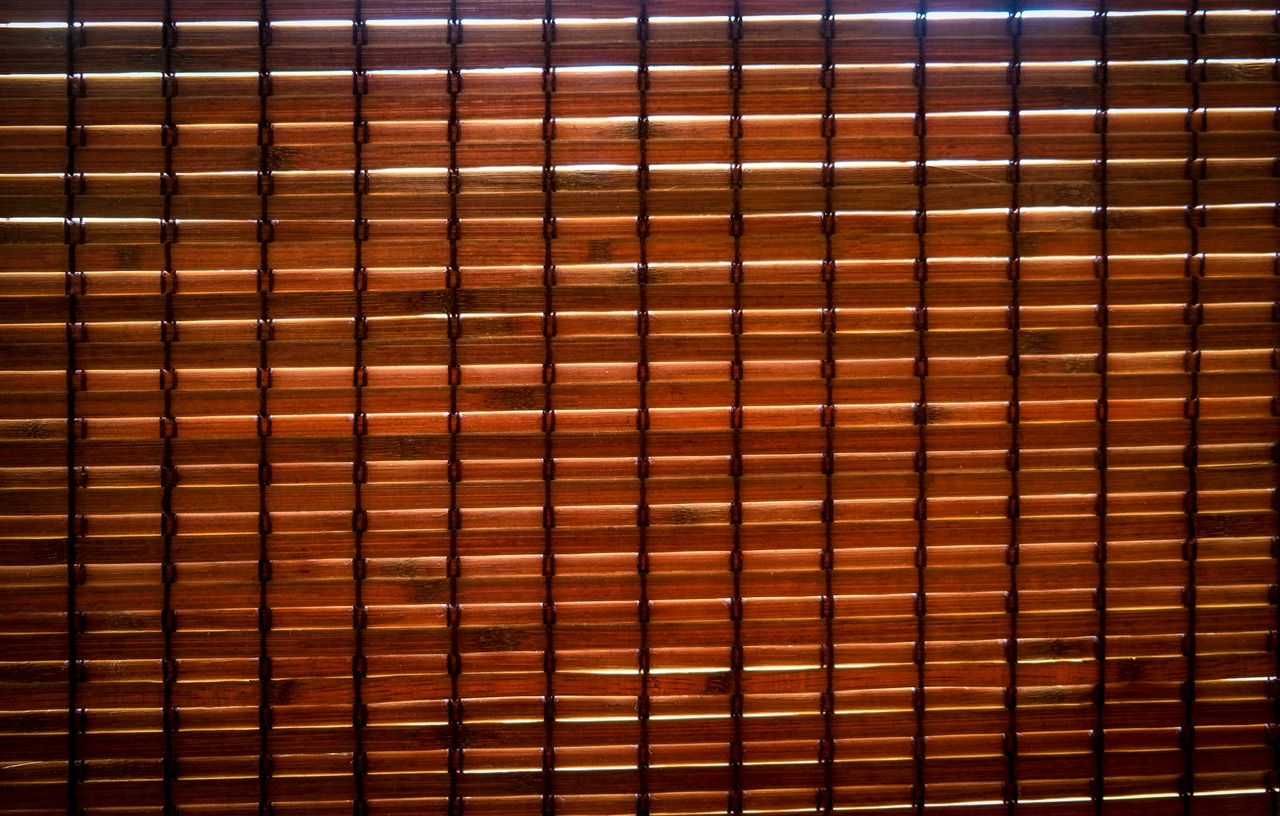
Photo via Pexels
Woven wood shades are made from bamboo, jute, grasses, and reeds woven into a textured fabric that rolls or folds up like a Roman shade. Every piece has small natural colour changes, so the window becomes a warm focal point instead of a flat blank. They suit boho, coastal, and relaxed farmhouse living rooms, and they glow beautifully when backlit by afternoon sun.
Be clear about their limits before you buy. The weave has tiny gaps, so at night people outside can see shapes inside; add a privacy or blackout liner, usually $30 to $80 extra, if your living room faces the street. Prices run about $100 to $400 per window depending on material and lining. In dry winter air with forced-air heating, natural fibres can get brittle over many years, so keep them out of the direct blast of a heat vent. For a full warm and layered look, pair them with the ideas in our guide on how to make a living room cozy for winter.
Frequently Asked Questions
What is the difference between blinds and shades?
Blinds are made of hard slats or vanes, in wood, faux wood, aluminum, or vinyl, and the slats tilt to adjust light. Shades are made from one soft piece of fabric or woven material that moves up and down as a whole. Blinds give finer light control, while shades give a softer look and, in cellular form, better insulation.
Which window coverings keep a Canadian home warmest in winter?
Double-cell cellular shades are the warmest common choice, because their fabric cells trap still air against the glass. Fit matters as much as fabric: an inside mount with no big gaps at the sides stops cold air from sliding into the room. In very cold regions, some families add a thermal curtain over the shade for the coldest nights.
Are corded blinds safe for children in Canada?
Canada has some of the strictest rules in the world. Since May 1, 2021, the Corded Window Coverings Regulations say a reachable cord must be no longer than 22 cm, and any loop must be no more than 44 cm around. Health Canada still recommends cordless coverings as the safest choice. Pick cordless or motorized lifts, keep cribs and beds away from windows, and cut or secure any long cords on older blinds you already own.
Is an inside mount or an outside mount better?
An inside mount fits the shade within the window frame and looks built-in and tidy, but it needs a frame at least 4 to 6 cm deep and shows any crooked edges. An outside mount hangs above and wider than the frame, blocks more light leaks, and makes the window look larger. For insulation and blackout, outside mounts with a few centimetres of overlap on each side usually win.
How do I measure my windows before ordering?
Use a steel tape and measure in centimetres. For an inside mount, measure the width at the top, middle, and bottom of the frame and use the smallest number, then measure the height on both sides and use the longest. Write down the exact numbers without rounding down on your own, because the maker applies the small deduction. Measure every window, even ones that look the same, since older Canadian homes often have slightly uneven frames.
Final Thoughts
The best covering is the one that solves your room's real problem. If the problem is winter cold, start with double-cell cellular shades. If it is glare on the TV, wood blinds or zebra shades give you control. If it is privacy on a busy street, top-down bottom-up is hard to beat. Order fabric samples first, tape them to the glass, and live with them for a couple of days before you spend real money.
Whatever style you choose, go cordless where you can, measure twice, and think about winter as much as summer. Good window coverings last 7 to 10 years or more, so a careful choice now pays you back every single day in light, warmth, and privacy.
Sources
- Magic Window — Living Room Window Ideas: A Complete Guide for Any Homeowner
- Covers & All Canada — Indoor Window Blinds and Shades Buying Guide
- Shade Design Gallery — How to Choose the Best Window Treatments for Your Home
- MyKurtains — Cordless and Child-Safe Blinds: Canada's Corded Window Coverings Regulations Explained
Gallery

Photo via Wikimedia Commons
Photo via Pexels
Photo via Pexels

No comments:
Post a Comment