Not all winter fabrics are created equal. A thin merino base layer can out-warm a bulky cotton sweatshirt, and a cloud-light down jacket can beat a heavy wool coat twice its weight. When you know which fibers actually trap heat, you stop piling on clothes and start dressing with a plan.
This guide ranks the warmest fabrics for winter from base layer to outerwear, so you can match each fiber to the job it does best. You will learn where wool wins, where cashmere earns its price, and which budget-friendly options come surprisingly close.
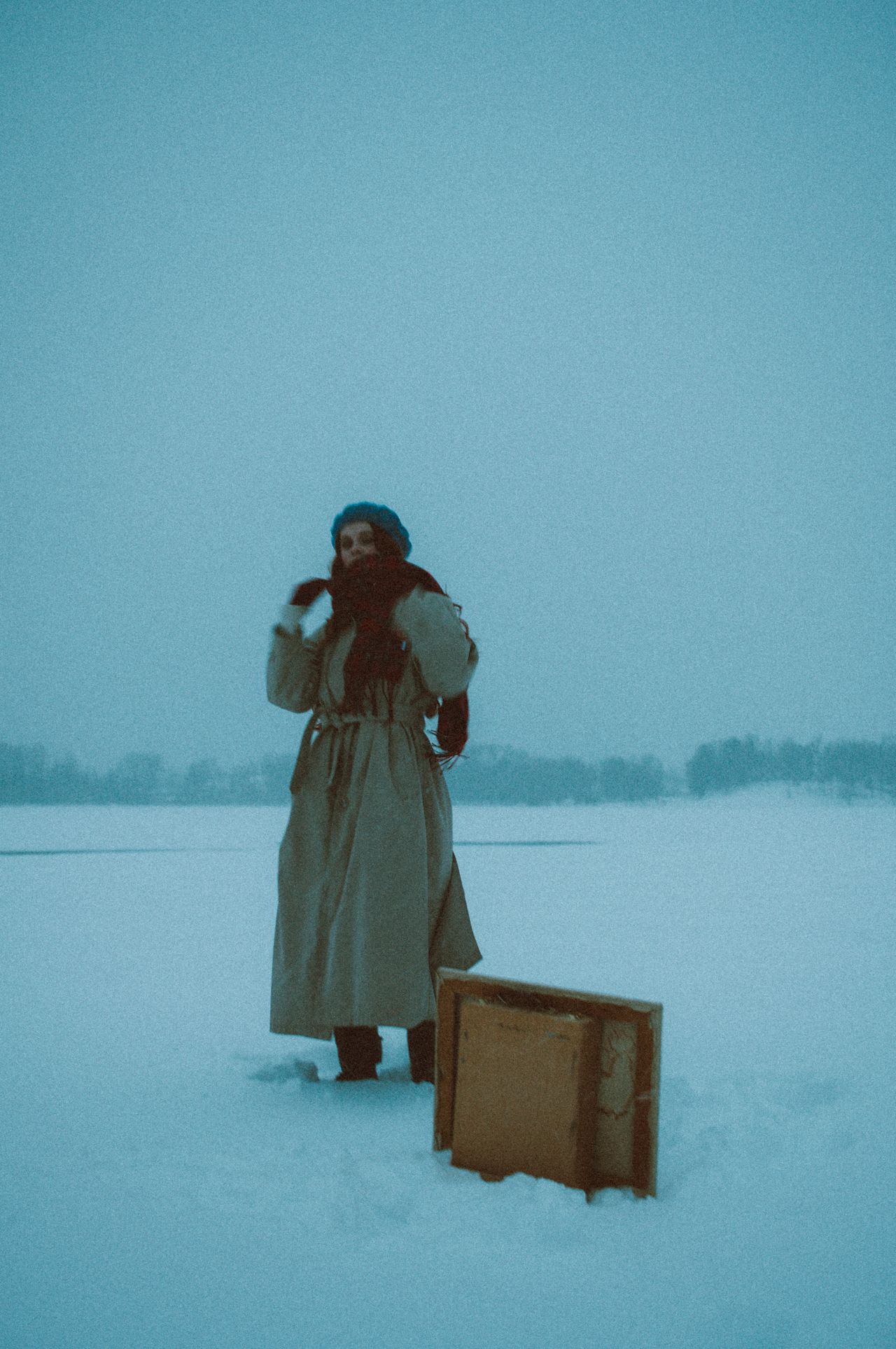
Image: Pexels
Table of Contents
- 1. Merino Wool: The Base-Layer Champion
- 2. Cashmere: Light Luxury That Earns Its Price
- 3. Down: Nature's Warmest Insulation
- 4. Fleece: The Cozy Mid-Layer Workhorse
- 5. Flannel: Everyday Warmth With Character
- 6. Shearling: Heavy-Duty Warmth for Deep Cold
- 7. Quilted Nylon: Windproof Warmth Without Weight
- 8. Chunky-Knit Wool: The Statement Sweater
- 9. Wool-Blend Knits: The Everyday Sweet Spot
- 10. Synthetic Thermals: Warmth for Active Days
- 11. Wool Socks: Don't Forget Your Feet
- 12. Faux Fur: Warmth With Drama
- Frequently Asked Questions
- Final Thoughts
1. Merino Wool: The Base-Layer Champion

Image: Pexels
Merino wool tops nearly every "warmest fiber" list for good reason. Its ultra-fine fibers trap warm air close to the skin, wick sweat away before you get clammy, and resist odor for days. A thin merino turtleneck or long-sleeve top works as a nearly invisible first layer under everything else.
Shoppers often ask whether merino is itchy like old-school wool sweaters. It is not. The fibers are far finer than regular sheep's wool, so most people can wear it right against the skin. Look for 150 to 200 gsm tops for daily wear, and pair them with your favorite turtleneck outfit ideas for a polished cold-weather look.
2. Cashmere: Light Luxury That Earns Its Price

Image: Wikimedia Commons
Cashmere comes from the soft undercoat of goats raised in harsh mountain climates, and that origin shows in how it performs. The fibers are finer than sheep's wool, which means a cashmere sweater can feel warmer than a much thicker wool one while weighing almost nothing. It is the best warmth-to-weight pick for mid-layers.
Is it worth the price, though? That is the internet's favorite debate. Longtime knitwear fans point out that merino often outlasts cashmere and pills less, while cashmere wins on softness and lightness. If you buy one piece, choose a classic crewneck in a neutral color and hand-wash it. It will reward you for years.
3. Down: Nature's Warmest Insulation
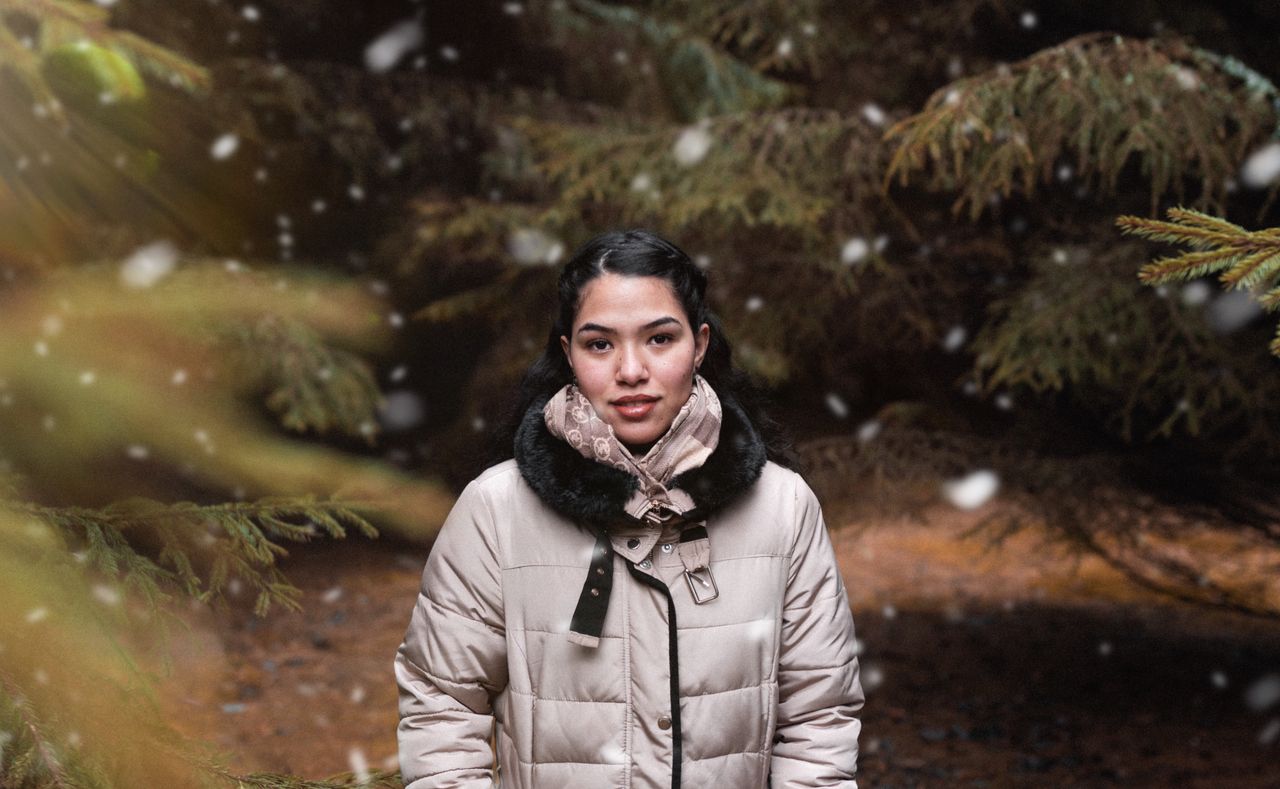
Image: Pexels
Nothing beats down for pure insulation per ounce. The fluffy clusters trap enormous pockets of still air, which is what actually keeps you warm. Fill power tells you the quality: 550 is solid, 800 is premium. A good down jacket feels like wearing a warm cloud and packs down to almost nothing.
Down has one real weakness, and it is worth knowing. When it gets soaked, the clusters collapse and the warmth disappears until it dries. For wet snow or rainy winters, choose a jacket with a water-resistant shell, or see our puffer jacket outfit ideas for styles that handle real weather.
4. Fleece: The Cozy Mid-Layer Workhorse
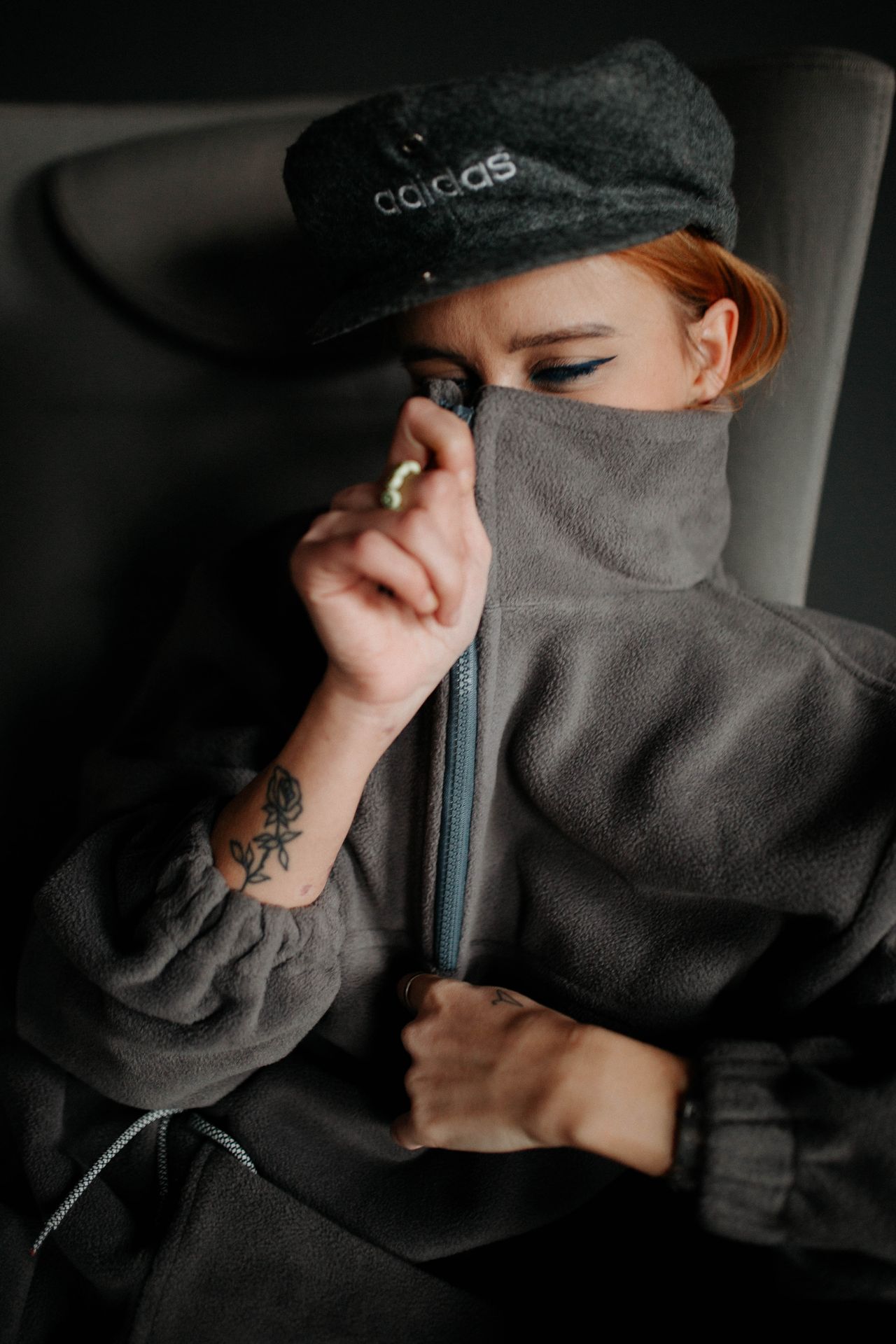
Image: Pexels
Polar fleece earned its place in every winter wardrobe by being warm, cheap, and nearly indestructible. It insulates well even when damp, dries fast, and shrugs off the abuse that would destroy a cashmere sweater. As a mid-layer under a shell, it is hard to beat for the money.
The trade-off is wind. Fleece on its own lets cold air pass straight through, so always pair it with a wind-blocking outer layer on blustery days. It also pills over time, but a quick pass with a fabric shaver keeps it looking fresh for seasons.
5. Flannel: Everyday Warmth With Character

Image: Wikimedia Commons
Flannel is brushed cotton or wool with a soft, fuzzy surface that feels warm the second you put it on. It will never top a lab-tested warmth ranking, but for crisp fall days and mild winter afternoons, a good flannel shirt over a thermal is pure comfort.
Wool flannel runs warmer than cotton flannel and resists wrinkles better, though it costs more. Either way, treat flannel as a casual mid-layer rather than serious cold protection. It shines for weekend errands, bonfires, and layered under an open jacket.
6. Shearling: Heavy-Duty Warmth for Deep Cold
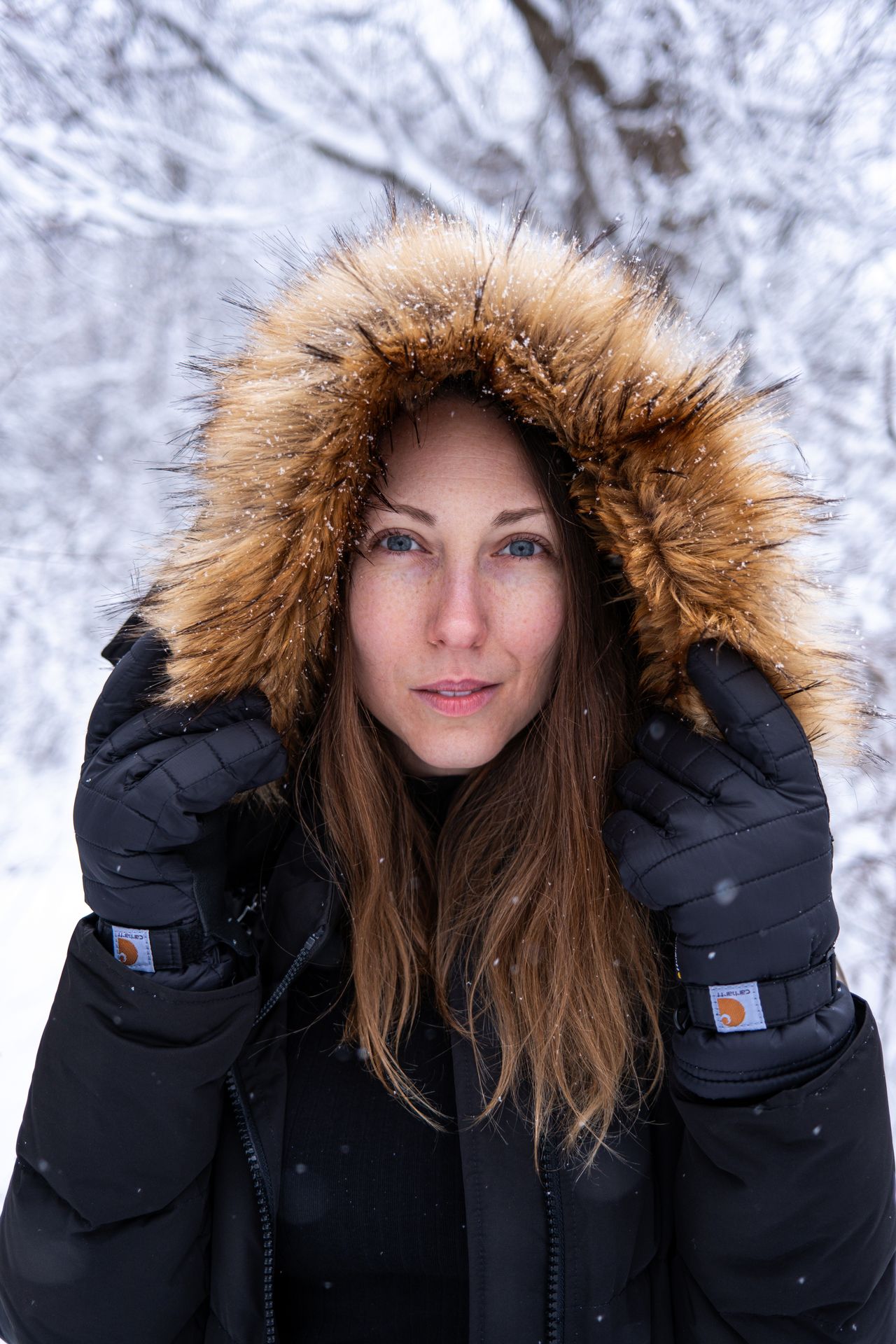
Image: Pexels
Shearling, which is sheepskin worn with the wool still attached, is one of the warmest outerwear materials ever used. The dense wool side faces your body while the leather side blocks wind, giving you insulation and protection in a single layer. It is the reason shearling coats feel like wearable blankets.
Real shearling is heavy and expensive, which is why most modern parkas use faux shearling or faux-fur trim around the hood instead. You still get the wind-blocking benefit and the cozy look. For styling ideas, browse our winter coat outfit ideas to see how to wear statement outerwear well.
7. Quilted Nylon: Windproof Warmth Without Weight
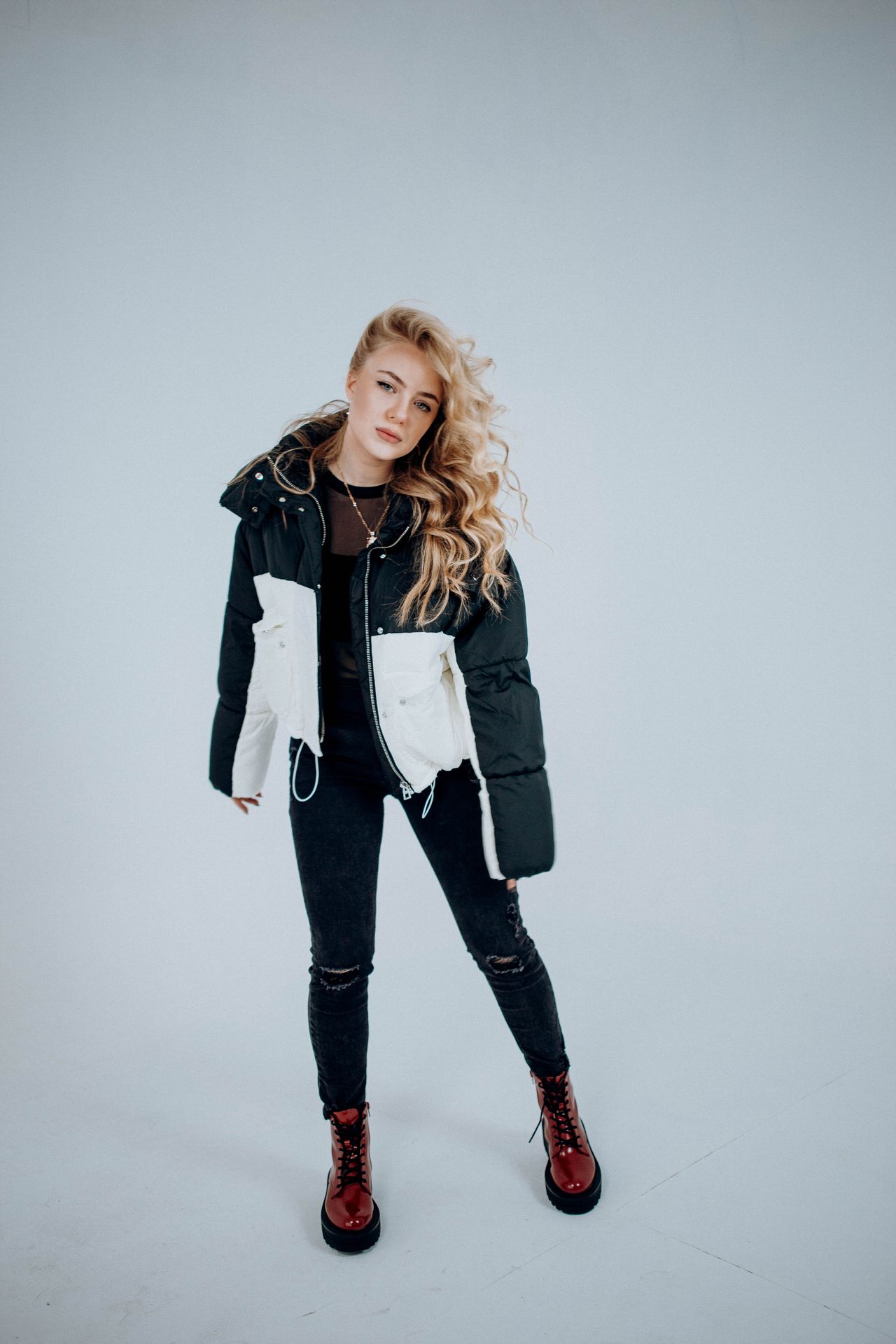
Image: Pexels
Quilted nylon shells filled with down or synthetic insulation are the backbone of modern winter jackets. The quilting keeps the fill evenly distributed, while the tightly woven nylon stops wind dead. The result is serious warmth in a jacket that barely weighs a pound or two.
When shopping, check whether the fill is down or synthetic. Down packs smaller and lasts longer, while synthetic fill keeps working when wet and costs less. Either way, a quilted jacket is the easiest upgrade you can make to a winter wardrobe.
8. Chunky-Knit Wool: The Statement Sweater
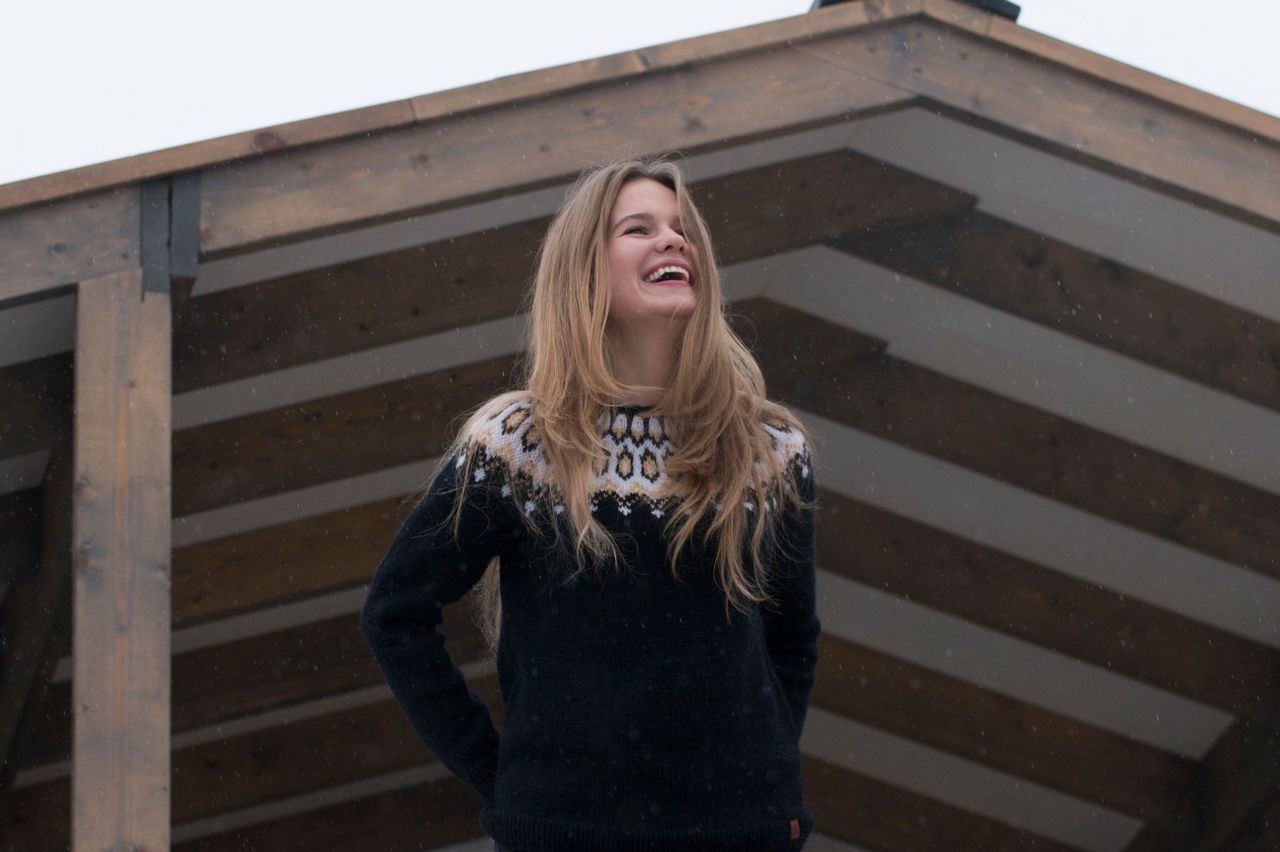
Image: Pexels
Thick, chunky-knit wool sweaters trap lots of air between their stitches, which makes them genuinely warm as well as good-looking. A heavy fisherman or Nordic-pattern sweater can carry you through a cold day with just a thermal underneath.
The catch is bulk. These are not layering pieces, so wear them as the star of the outfit with slim jeans or a skirt. For dressier cold-weather looks built around knits, our sweater dress outfit ideas show how to keep cozy knits elegant.
9. Wool-Blend Knits: The Everyday Sweet Spot
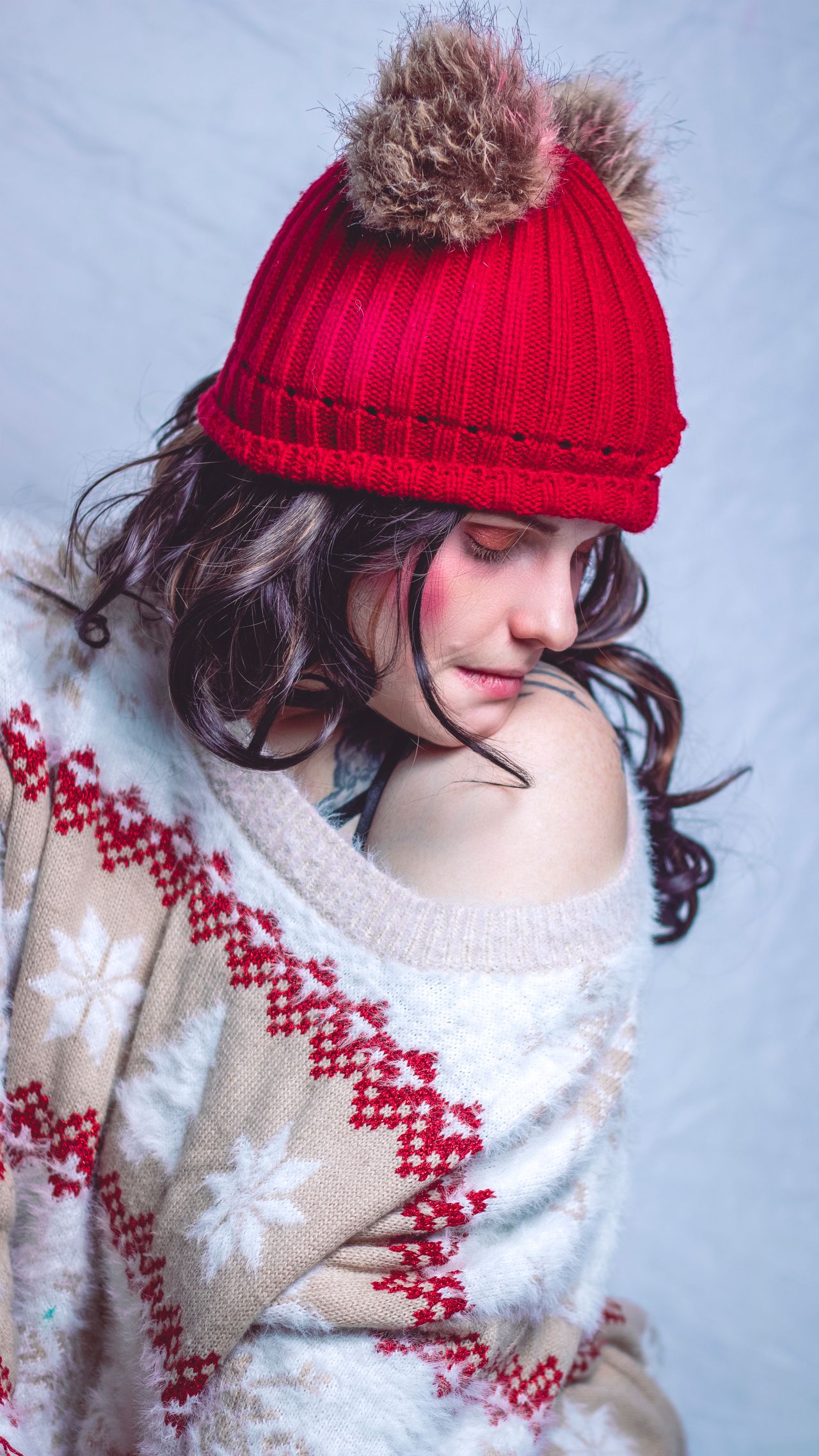
Image: Pexels
Here is a common shopping trap: cotton-cashmere blend sweaters. Experienced knitwear buyers warn that these blends often combine the weaknesses of both fibers. They are not as warm as wool, they stretch out like cashmere, and they pill fast. If softness is the goal, a wool-cashmere blend is the smarter mix.
For everyday wear, a wool-blend sweater with some nylon or acrylic mixed in is the practical winner. It holds its shape, resists pilling, costs far less than pure cashmere, and still delivers real wool warmth. Check the label and aim for at least 50 percent wool.
10. Synthetic Thermals: Warmth for Active Days

Image: Pexels
When you are hiking, shoveling, or chasing kids through the snow, synthetic base layers make a strong case. Polyester and polypropylene thermals wick sweat aggressively and dry in minutes, which keeps you from getting chilled during stop-and-go activity.
They do hold odor more than merino, so they are best for single-day adventures rather than multi-day trips. For high-output winter days, though, a synthetic thermal under a fleece is a proven, affordable system that simply works.
11. Wool Socks: Don't Forget Your Feet

Image: Pexels
Cold feet can ruin an otherwise perfect winter outfit, and cotton socks are the usual culprit. Cotton holds sweat against your skin, and damp feet get cold fast. Merino wool socks fix this completely: they cushion, breathe, and stay warm even when damp.
This "warm when wet" property is wool's famous superpower, and it matters most at your extremities. One quality pair of wool hiking socks, around $15 to $25, will change how your boots feel on a 20-degree day. It is the cheapest warmth upgrade on this list.
12. Faux Fur: Warmth With Drama
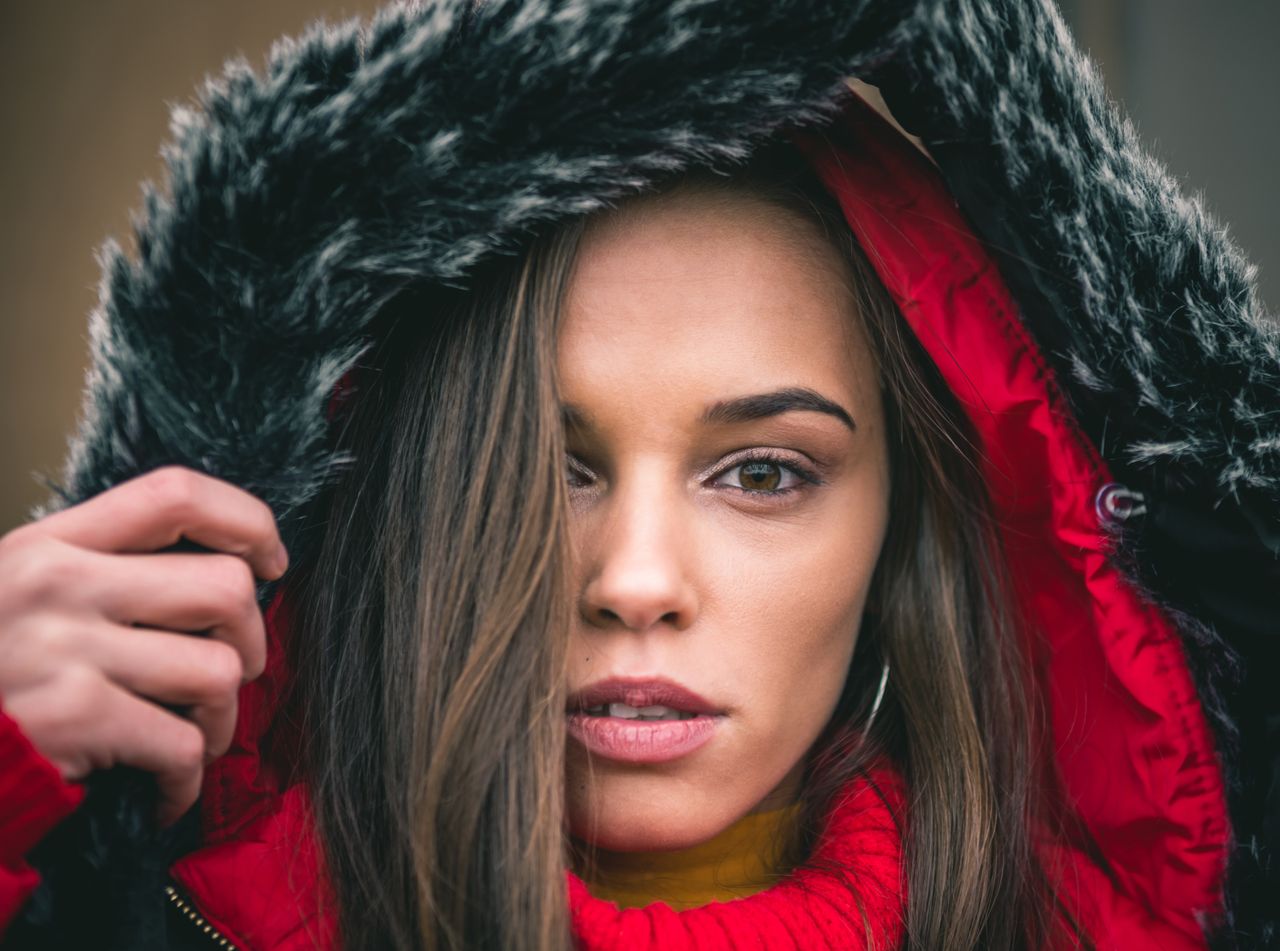
Image: Pexels
Faux fur will not win a warmth-per-ounce contest, but it earns its place two ways. As a hood trim or collar, it breaks up wind around your face, which is where you feel the cold most. And as a style choice, it turns a plain coat into an outfit.
Modern faux furs look remarkably real and cost a fraction of the genuine article. Use it where it counts: hood ruffs, collars, and ear-warming headbands. A little goes a long way, both for warmth and for looks.
Frequently Asked Questions
Which fabric is the warmest for winter overall?
For insulation per ounce, down is the winner, followed by merino wool and cashmere. The smartest system combines them: merino against the skin, cashmere or fleece in the middle, down on the outside.
Is cashmere really warmer than wool?
Ounce for ounce, yes, because its finer fibers trap more still air. But merino wool is tougher, pills less, and handles moisture better, so many people prefer it for daily wear.
Does wool keep you warm when wet?
Yes, and this is wool's standout trait. Unlike cotton, wool fibers keep insulating even when damp, which is why wool socks and base layers are trusted for cold, wet conditions.
Are cotton-cashmere blend sweaters worth buying?
Usually not. They tend to be less warm than wool, stretch out of shape, and pill quickly. A wool-blend or wool-cashmere sweater is a better buy at a similar price.
What is the best base layer fabric for very cold days?
Merino wool is the top pick for most people because it insulates, breathes, and resists odor. For high-energy activities like hiking, a synthetic thermal wicks sweat faster.
Final Thoughts
The warmest fabrics for winter are not always the thickest ones. Merino wool, cashmere, and down prove that fine fibers and trapped air beat sheer bulk every time. Build your cold-weather wardrobe around those three, fill the gaps with fleece and smart blends, and never underestimate wool socks. Dress for the fiber, not the forecast, and winter gets a lot more comfortable.
Sources
- Sino Silk: Wool vs Cashmere comparison
- Well Rigged: Is Merino Wool Clothing Worth It?
- Woolmark: Benefits of Wool
- Doctissimo: The Jacket Sandwich Layering Trick
Gallery

Image: Wikimedia Commons

Image: Pexels

Image: Pexels

No comments:
Post a Comment