Vienna is a city that takes eating seriously. Coffeehouses here are part of daily life, pastry shops line the old streets, and cozy taverns serve recipes that go back hundreds of years. The best way to start exploring Vienna food is with the classics, because these are the dishes locals actually grew up eating.
This guide walks you through 10 must-try dishes, from the famous Wiener schnitzel to sweet apricot dumplings. Each one comes with simple tips on what it is, what is inside it, and how to enjoy it like a local. No fancy cooking skills needed to understand any of this, just a good appetite.

Photo via Wikimedia Commons
Table of Contents
- 1. Wiener Schnitzel
- 2. Tafelspitz
- 3. Wiener Fiakergulasch
- 4. Würstelstand Sausages
- 5. Sachertorte
- 6. Apfelstrudel
- 7. Kaiserschmarrn
- 8. Palatschinken
- 9. Marillenknödel
- 10. Wiener Melange
1. Wiener Schnitzel

Photo via Wikimedia Commons
Wiener schnitzel is the most famous dish in Vienna. A true Wiener schnitzel is made from veal. The meat is pounded very thin, coated in flour, egg, and breadcrumbs, then fried until the crust turns golden and puffs up slightly. It is always served with a wedge of lemon.
If the menu says pork instead of veal, the dish is really called Schnitzel Wiener Art, which means Viennese-style schnitzel. Both taste great, but veal is the real thing. Expect to pay about $25 to $35 in a sit-down restaurant, and order potato salad or fried potatoes on the side.
2. Tafelspitz

Photo via Wikimedia Commons
Tafelspitz is boiled beef, and many locals call it the true Sunday dish of Vienna. A cut of beef simmers low and slow in broth with root vegetables like carrots, celery root, and leeks until it is completely tender. The broth is served first as a soup, and the meat follows as the main course.
It comes with two classic sauces: horseradish cream and apple-horseradish, plus sides like creamed spinach or crispy potato rosti. Emperor Franz Joseph I is said to have eaten it almost every day. It is simple, warming food, perfect for a cold evening.
3. Wiener Fiakergulasch

Photo via Wikimedia Commons
Vienna has its own version of goulash, and it is thicker and darker than the Hungarian soup most Americans know. Beef chunks braise slowly with lots of sweet paprika and onions until the sauce is rich and glossy. The Fiaker version is named after the city’s horse-carriage drivers and comes topped with a fried egg, sausage slices, and bread dumplings.
Order it in a traditional Beisl, the cozy Viennese tavern, with a piece of dark bread for scooping up the sauce. A bowl usually costs around $13 to $20, which makes it one of the best-value hearty meals in the city.
4. Würstelstand Sausages

Photo via Wikimedia Commons
The Würstelstand is Vienna’s beloved sausage stand, and these little kiosks are now officially recognized as part of Austria’s cultural heritage. The star order is the Käsekrainer, a pork sausage filled with melted cheese that oozes out with the first bite. The classic Wiener Würstchen, a thin parboiled sausage, is the local take on what Americans call a frankfurter.
Sausages come with mustard, horseradish, and a crusty roll, and most cost only $4 to $6. Stands stay open late, so this is the classic after-concert or after-theater snack. Point at what looks good if your German is rusty; the vendors are used to it.
5. Sachertorte

Photo via Wikimedia Commons
Sachertorte is probably the most famous chocolate cake in the world. Franz Sacher created it in 1832 when he was just 16 years old. It is a dense, dark chocolate cake with a thin layer of apricot jam in the middle, all sealed under a shiny chocolate glaze.
The Hotel Sacher and the Demel pastry shop have argued for decades over who makes the true original. Try a slice at both and decide for yourself. A slice costs about $8 to $12, and it is always served with a cloud of unsweetened whipped cream, never ice cream.
6. Apfelstrudel

Photo via Wikimedia Commons
Apfelstrudel is Vienna’s signature apple pastry. Thinly sliced tart apples mix with sugar, cinnamon, raisins, and toasted breadcrumbs, then get rolled in a paper-thin stretched dough. The old saying goes that a good strudel dough should be thin enough to read a newspaper through it.
It is served warm, dusted with powdered sugar, with vanilla sauce or whipped cream. Apple season runs through fall, which makes this a perfect autumn dessert; our fall fruit guide has more seasonal picks. A slice in a coffeehouse runs about $6 to $9.
7. Kaiserschmarrn

Photo via Wikimedia Commons
Kaiserschmarrn means the emperor’s mess, and the story goes that Emperor Franz Joseph I loved it so much it was named for him. It is a thick, fluffy pancake that gets torn into bite-size pieces while it cooks, then caramelized with a little sugar and dusted with powdered sugar.
Raisins are traditional, and it is served with plum compote or applesauce on the side. Many restaurants list it as a dessert, but locals happily order it as a light lunch. If you make it at home, use a wide pan over medium heat so the pieces brown instead of steaming.
8. Palatschinken

Photo via Wikimedia Commons
Palatschinken are Vienna’s thin pancakes, close cousins of French crepes. They are made from a simple batter of flour, milk, and eggs, cooked thin in a hot pan, then rolled or folded around a filling. The classic fillings are apricot jam and sweet quark cheese, though chocolate-hazelnut spread is popular with kids.
They show up everywhere: as dessert, as a sweet lunch, and even sliced into strips for soup. At home, let the batter rest 20 minutes before cooking and keep the pan hot so the first pancake does not stick. Two or three per person makes a proper serving.
9. Marillenknödel

Photo via Wikimedia Commons
Marillenknödel are sweet dumplings with a whole apricot hidden inside. In Austria, apricots are called Marillen, and the best ones come from the Wachau valley along the Danube. The fruit gets wrapped in a soft potato or quark dough, poached gently, then rolled in buttery toasted breadcrumbs with sugar and cinnamon.
They are a summer dessert, at their best when apricots are ripe in July and August. One dumpling is surprisingly filling, so two per person is plenty. If you try them at home, keep the water at a bare simmer so the dumplings do not fall apart.
10. Wiener Melange

Photo via Wikimedia Commons
The Wiener Melange is Vienna’s signature coffee. It is half coffee and half steamed milk, topped with a cap of milk foam, and served in a wide cup on a silver tray with a small glass of water. It is milder and milkier than an Italian cappuccino.
Coffeehouse culture is so important here that UNESCO lists it as intangible cultural heritage. Nobody rushes you; one Melange buys you a table for as long as you like, with newspapers on wooden holders to read. Expect to pay about $5 to $7.
Frequently Asked Questions
What is the most famous dish in Vienna?
Wiener schnitzel, without question. The authentic version is made with veal, pounded thin and fried in a crisp breadcrumb coating. If you see a cheaper pork version, it is still delicious, just technically called Schnitzel Wiener Art.
What is Sachertorte, and where can I try the original?
Sachertorte is a dense chocolate cake with apricot jam under a chocolate glaze, invented in 1832. The Hotel Sacher and Demel both claim the original recipe. Try a slice at each café and pick your own winner.
Can I make Viennese dishes at home?
Yes, and some are easier than they look. Kaiserschmarrn and Palatschinken need only basic pantry ingredients. If you enjoy simple baking projects, these two-ingredient pumpkin muffins are another easy place to start.
What do people drink with meals in Vienna?
Coffee is the daytime star, especially the Wiener Melange. With dinner, locals drink Austrian white wine like Grüner Veltliner or a small beer. Back home, fall gatherings pair nicely with seasonal drinks; see our Thanksgiving cocktail recipes for ideas.
Is eating out in Vienna expensive?
It can be, but it does not have to be. Sit-down restaurants charge $25 to $35 for classics like schnitzel, but Würstelstand sausages cost under $6 and many Beisls offer affordable lunch menus. Bakeries and markets are also kind to the wallet.
Final Thoughts
This list of Vienna food favorites is only the beginning. The real joy is sitting in a centuries-old coffeehouse, ordering a Melange, and watching the city go by with a slice of cake in front of you. Take your time, try one new dish a day, and do not skip the dumplings.
When you get home, keep the cozy cooking going with seasonal recipes like these pumpkin puree ideas. Vienna’s kitchen is all about simple ingredients treated with care, and that is a habit worth bringing back with you.
Sources
- Wikipedia – Wiener Schnitzel
- Wikipedia – Sachertorte
- Wikipedia – Viennese cuisine
- Vienna Tourist Board – wien.info
Gallery

Photo via Wikimedia Commons

Photo via Wikimedia Commons
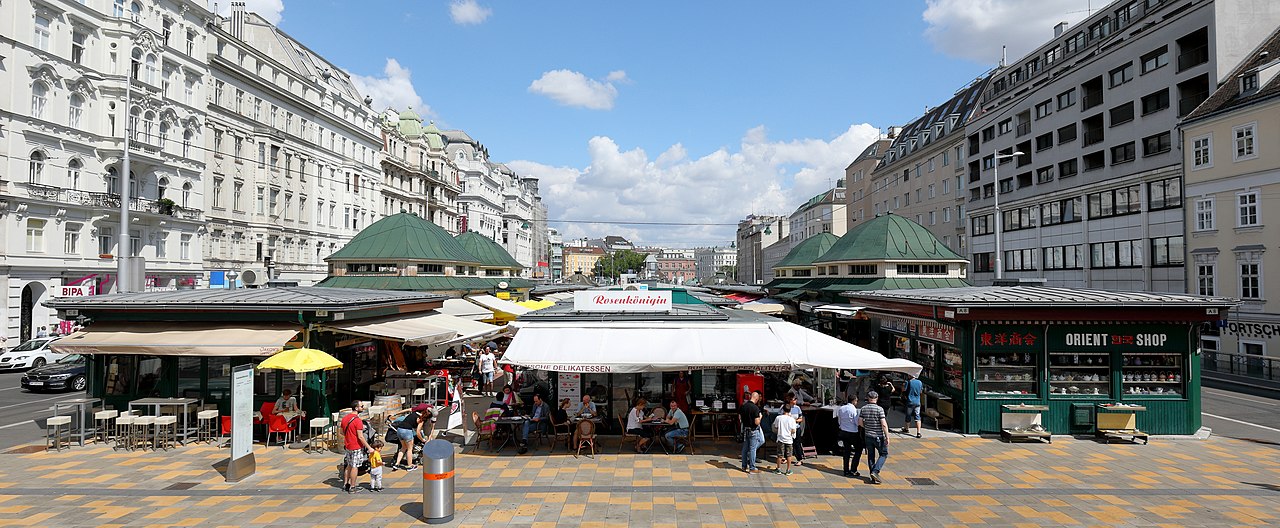
Photo via Wikimedia Commons

No comments:
Post a Comment