A women's two-piece suit is one of the hardest-working outfits you can own. One matching blazer-and-trousers set can take you from a job interview to dinner with friends, just by changing the shoes and what you wear underneath.
Below are 10 styling ideas that answer the questions real readers ask online, like how a blazer should fit at the shoulders, what to wear under a suit jacket, and whether sneakers really work with tailoring. Each idea keeps it simple, with real prices and measurements you can actually use.

Photo via Pexels
Table of Contents
- 1. What a Women's Suit Is
- 2. Nail the Fit First
- 3. The Classic Black Suit
- 4. Try Color: Pastels and Jewel Tones
- 5. Summer: Linen and Light Colors
- 6. Wear It to the Office
- 7. Style It for a Wedding
- 8. Dress It Down With Sneakers
- 9. What to Wear Underneath
- 10. Finish With Accessories
- Frequently Asked Questions
- Final Thoughts
- Sources
- Gallery
1. What a Women's Suit Is
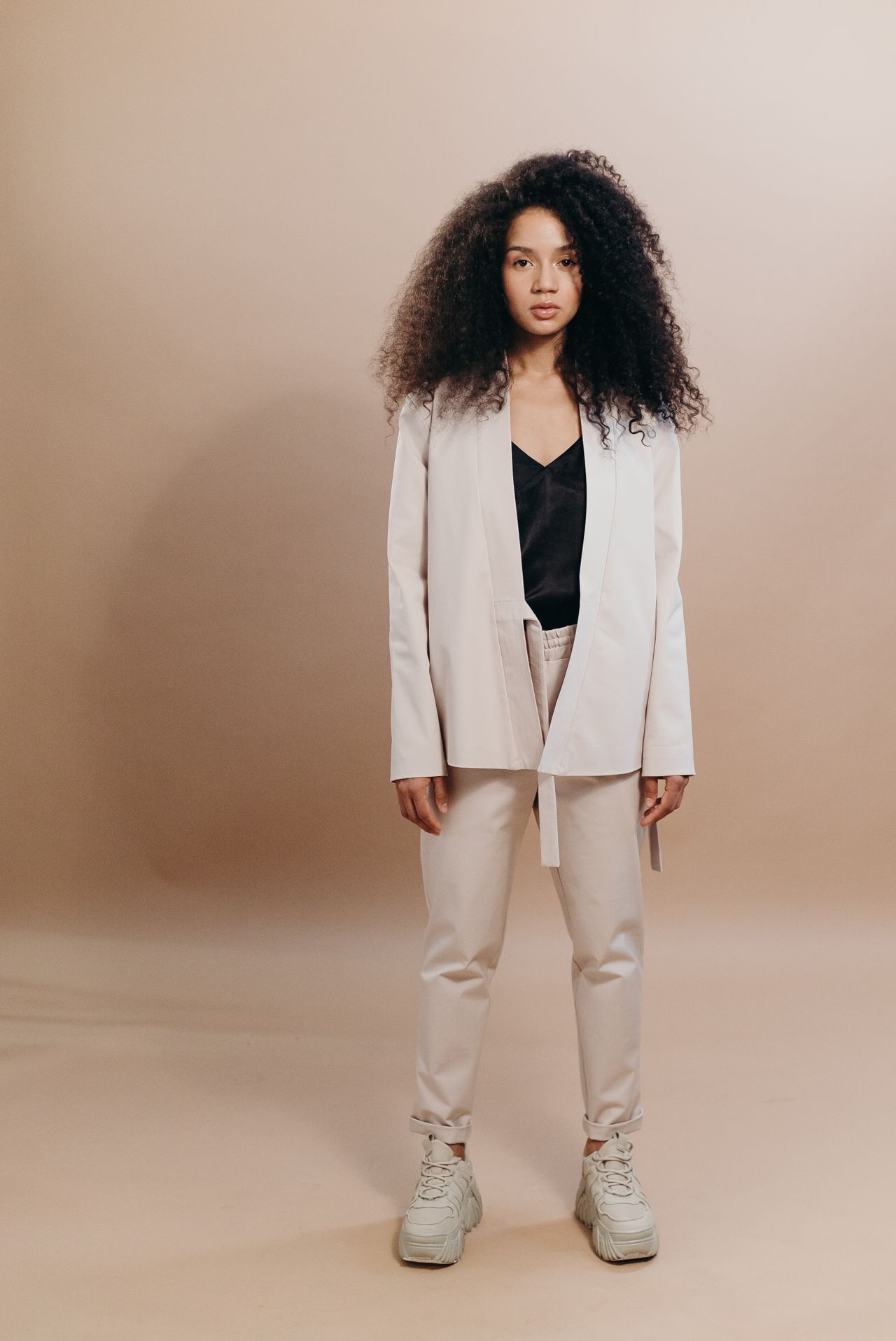
Photo by cottonbro studio via Pexels
A two-piece suit is simply a blazer plus a matching bottom. Blazer plus trousers is called a pantsuit. Blazer plus a skirt is called a skirt suit. Both pieces are cut from the same fabric, so the color and texture match exactly.
Trousers usually come in mid-rise or high-rise cuts, and suit skirts are most often pencil or A-line shapes that hit at or just above the knee. Buy the size that fits your shoulders and hips best. A tailor can fix almost everything else for a modest fee.
2. Nail the Fit First
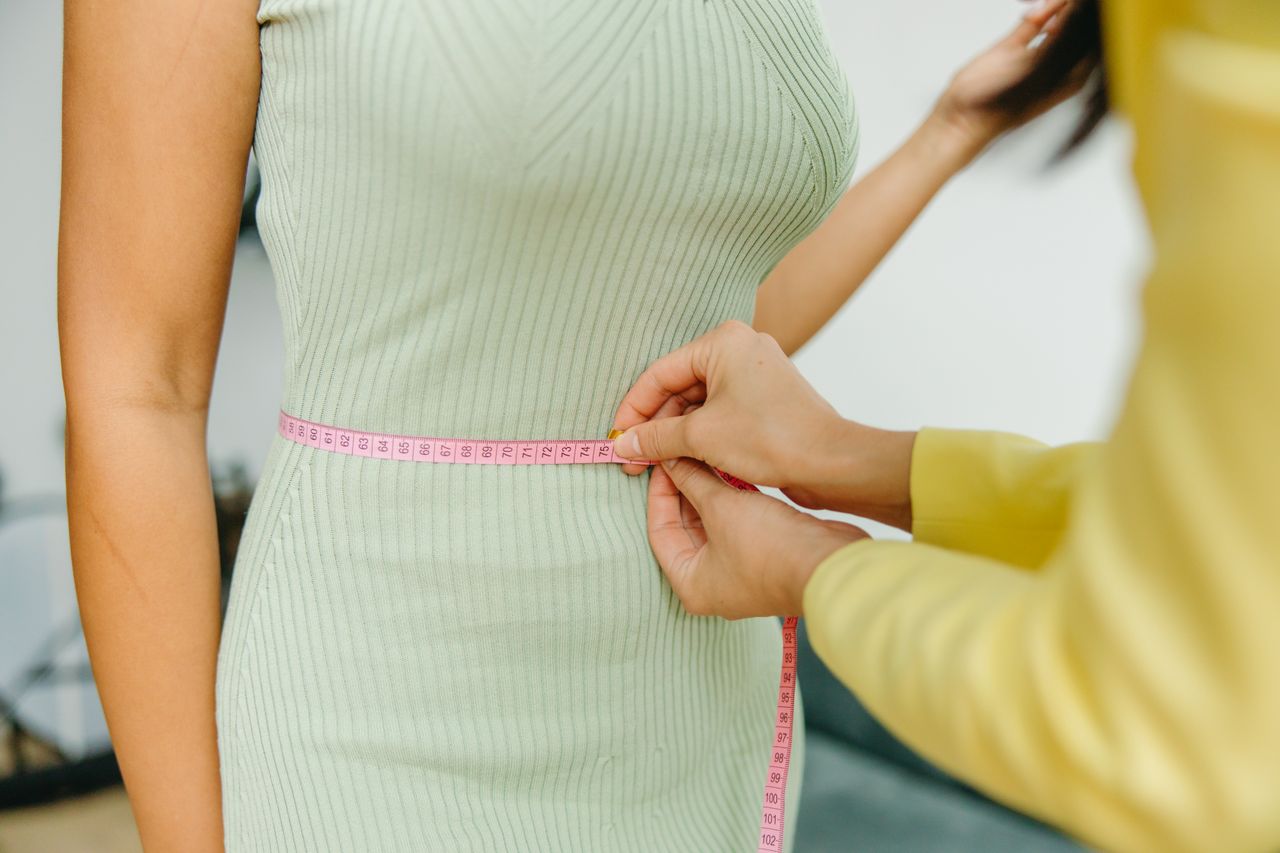
Photo via Pexels
Fit is everything. The blazer's shoulder seams should end right at the edge of your shoulders, not past them. Sleeves should show about half an inch of shirt cuff. Trousers should just graze the top of your shoes, a look tailors call a slight break.
Off-the-rack rarely fits perfectly, and that is normal. Hemming trousers usually costs $15 to $25, taking in a waist $20 to $40, and shortening sleeves $25 to $50. A $150 set plus $40 of tailoring can look like a $500 set.
3. The Classic Black Suit
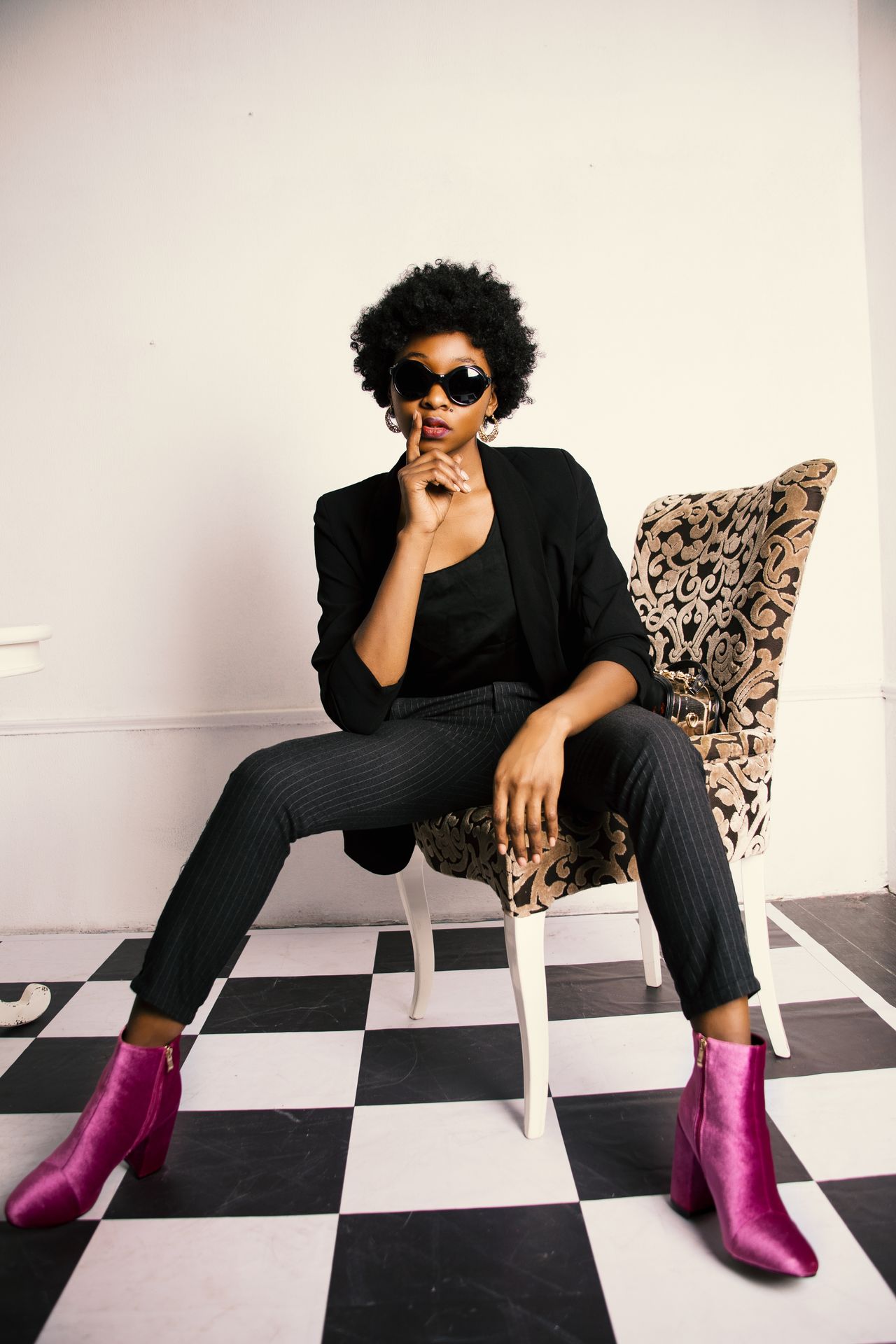
Photo by Godisable Jacob via Pexels
Every wardrobe needs the classic black suit. It works for job interviews, formal dinners, and funerals without a second thought. Look for a clean single-breasted blazer and straight or tapered trousers in a matte fabric, which reads more modern than shiny blends.
Keep the black suit fresh with your shoe choice. Pointed flats or block heels of two to three inches are the safe office picks. For evening, borrow the trick in the photo: bold shoes, like fuchsia boots, turn the same black suit into a night-out outfit.
4. Try Color: Pastels and Jewel Tones
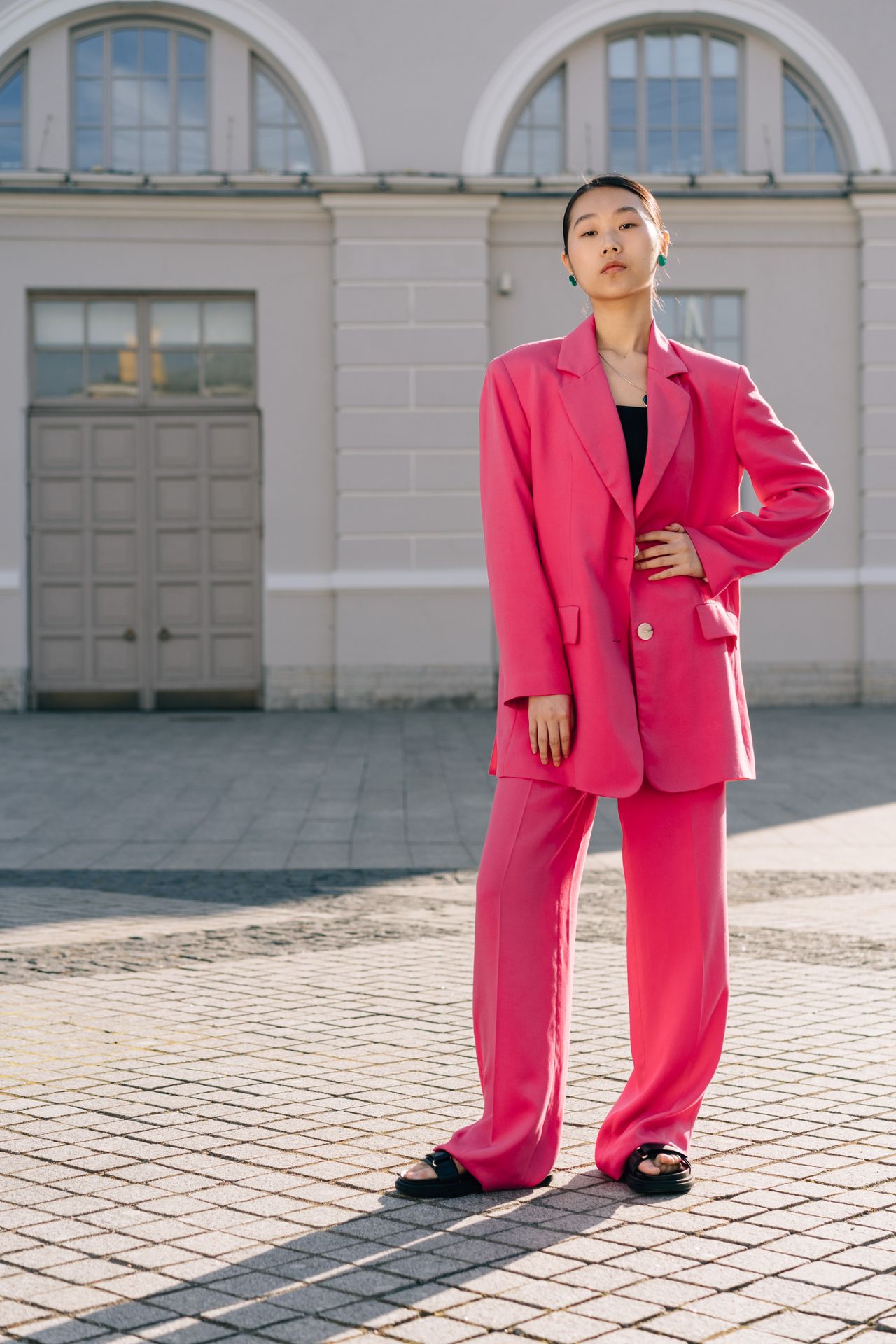
Photo via Pexels
Color is where suiting gets fun. Pastels like blush pink, lilac, and mint are perfect for spring and daytime events. Jewel tones like emerald, burgundy, and cobalt carry more weight for fall evenings and look rich in person.
Wearing one color head to toe is the easiest way to pull this off. Keep shoes and bags neutral, nude, black, or white, so the suit stays the star. If a full bright suit feels like too much, start with the blazer over dark jeans and build up.
5. Summer: Linen and Light Colors
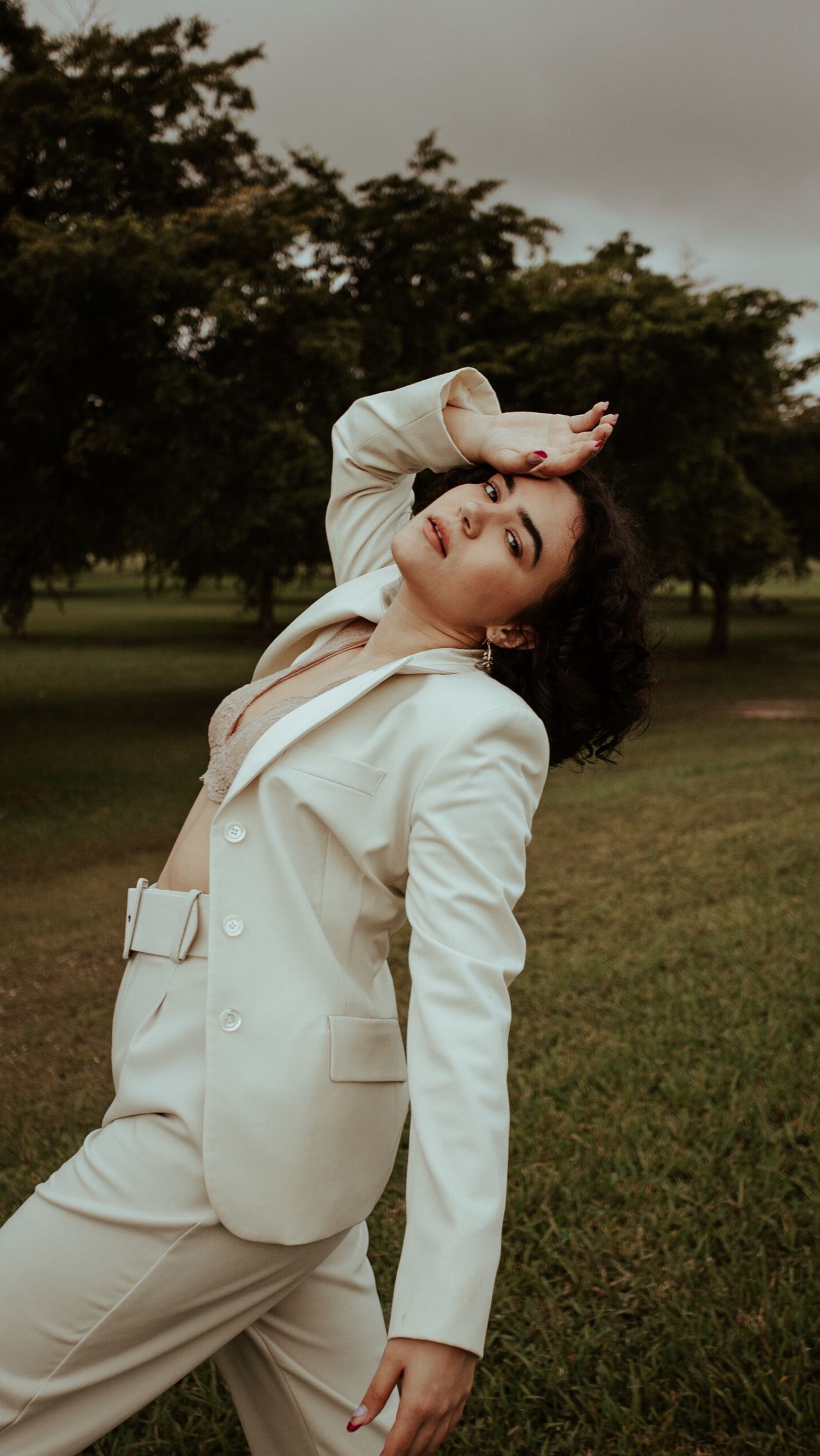
Photo by Jose Musa via Pexels
Summer suits are all about fabric and color. Linen and linen blends breathe far better than wool, and unlined or half-lined blazers keep you cool. Light colors like white, cream, and sand reflect heat and look right in bright daylight.
Linen wrinkles, and that is part of its charm, so hang the suit right after washing and embrace the relaxed texture. For hot days, try short-sleeve blazer styles or roll long sleeves to the elbow. Pair a white summer suit with tan sandals and a simple tote, and see our white short set outfit ideas for more easy warm-weather dressing.
6. Wear It to the Office

Photo by Gustavo Fring via Pexels
The office is the suit's natural habitat. Navy, charcoal, and medium gray read the most professional in conservative workplaces. Button the blazer for meetings and leave it open at your desk. For skirt suits, keep the hem at or just below the knee.
Shoes should be closed-toe in most offices: loafers, pointed flats, or heels between two and three inches. Keep jewelry small and quiet during the workday. For more polished work-event looks, browse our semi-formal outfit ideas for women.
7. Style It for a Wedding
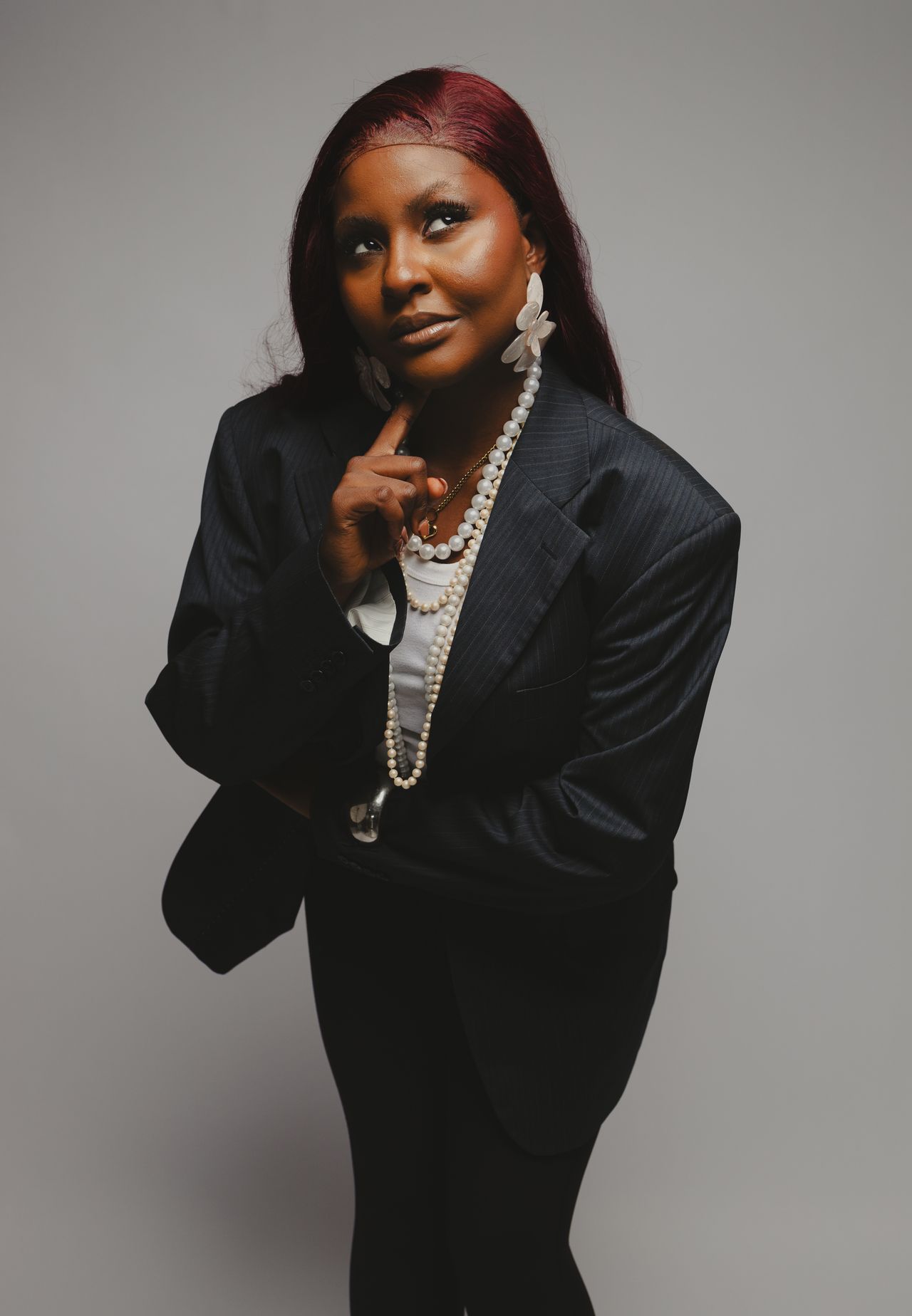
Photo by Bobby Dimas via Pexels
A suit makes a chic wedding-guest outfit when the dress code is not formal. Skip black, which can read funereal in photos, and never wear white or ivory. Jewel tones, soft pastels, and rich navy all photograph beautifully.
Dress it up with one special piece, like the layered pearls in the photo, and swap your work tote for a small clutch. Heels of two to three inches suit outdoor venues and grass. For more guest-ready looks, see our tea party outfit ideas.
8. Dress It Down With Sneakers
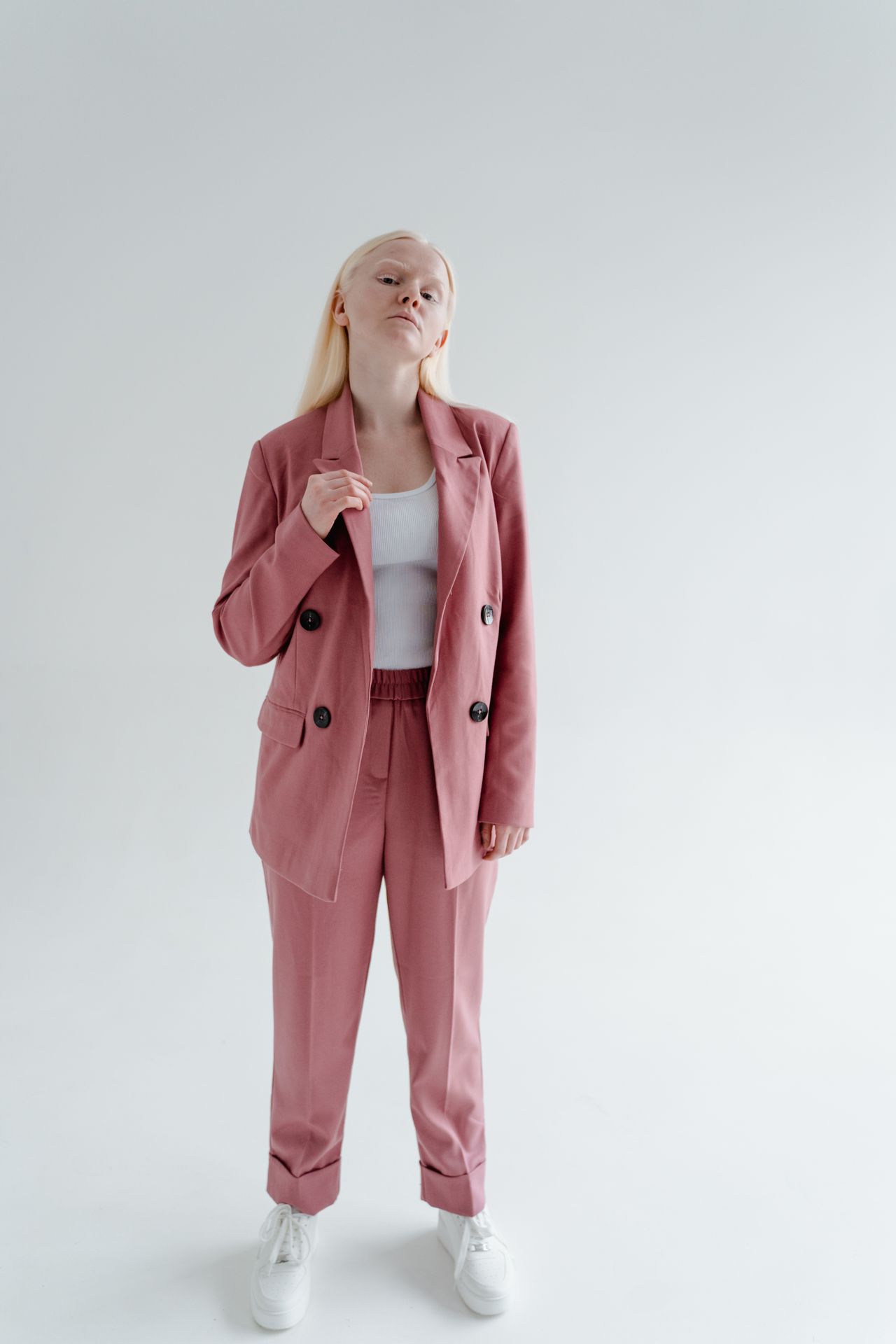
Photo by Tima Miroshnichenko via Pexels
The sneakers-and-tee combo is the fastest way to make tailoring casual. Wear the blazer open over a plain white or gray T-shirt, and finish with clean white sneakers. The look in the photo, a dusty rose suit with white sneakers, works for brunch, travel days, and creative offices.
Keep the sneakers minimal: simple leather low-tops look intentional, while bulky running shoes look sloppy next to a suit. Push the blazer sleeves up to the forearm and skip the belt. Cuffed trouser hems show off the sneakers and keep the outfit balanced.
9. What to Wear Underneath
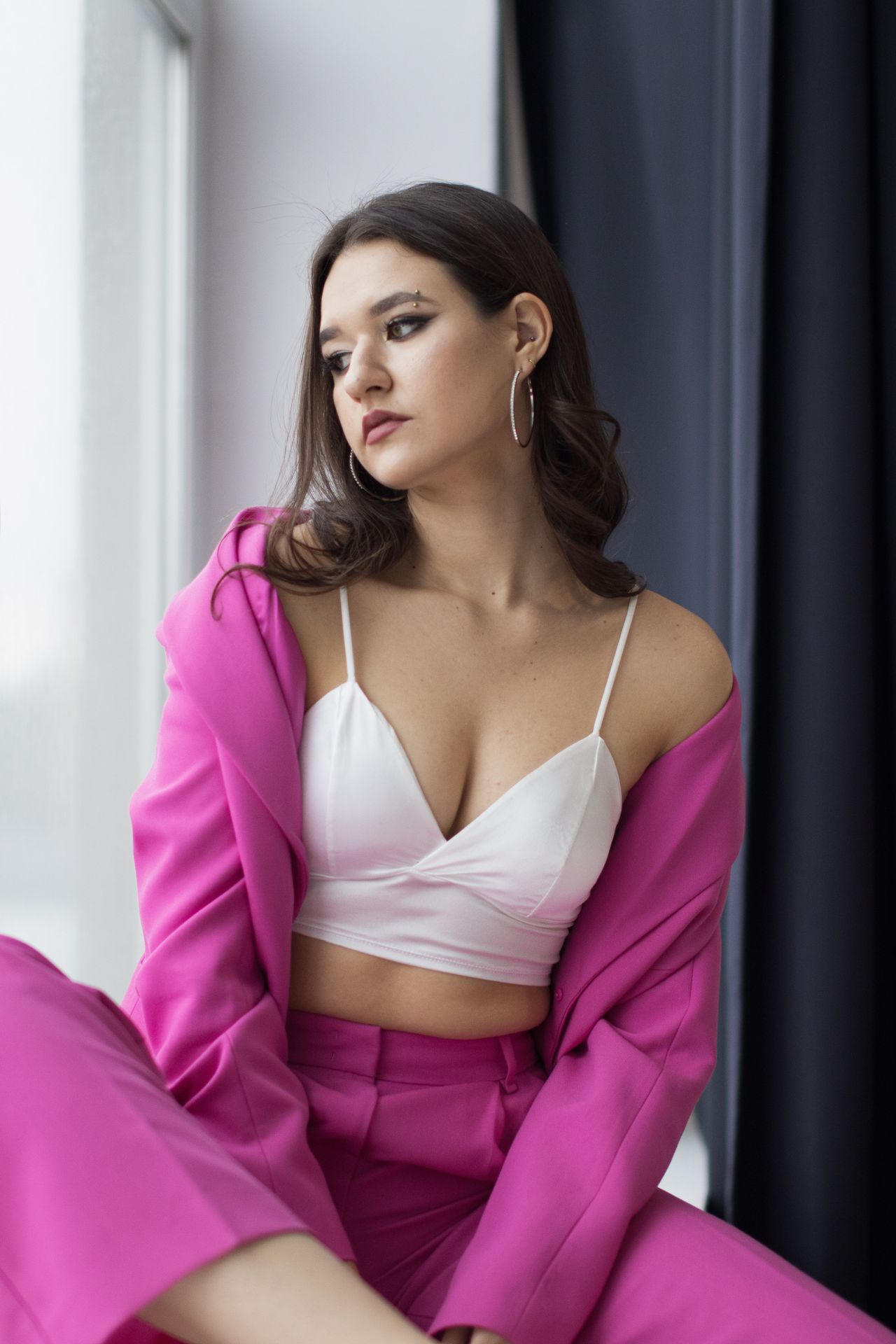
Photo via Pexels
What goes under the blazer changes the whole mood. A silk or satin camisole, like the one in the photo, dresses the suit up for evenings. A fitted turtleneck works for cold months and reads polished at work. A plain tee keeps everything relaxed.
You can also wear nothing under the blazer with the jacket buttoned, a red-carpet trick. Use fashion tape along the lapels so nothing shifts. Match the neckline to the blazer's V: scoop and V-neck tops sit best under an open jacket.
10. Finish With Accessories

Photo via Wikimedia Commons
Accessories decide whether a suit looks plain or finished. Belt a single-breasted blazer at the waist to define your shape, but skip the belt on double-breasted styles, where it fights the cut. Pick one statement piece, earrings or a necklace, not both at once.
Match the bag to the occasion: a structured tote or satchel for the office, a small clutch for evenings. Pointed-toe flats visually lengthen the leg, and nude heels disappear under cropped trousers for a longer line, as the close-up here shows.
Frequently Asked Questions
Should a women's suit fit tight or loose?
Neither. It should skim your body. You should be able to pinch about an inch of fabric at the blazer's waist, and the button should close without pulling or gaping. Tight suits wrinkle at the buttons, and very loose ones hide your shape.
What shoes go with a women's suit?
Pointed flats, loafers, and block heels of two to three inches cover the office. White sneakers dress it down. For evenings, strappy heels or pointed pumps work. Avoid chunky athletic shoes with formal cuts.
Can I wear a suit to a wedding as a guest?
Yes, for semi-formal and cocktail dress codes. Choose jewel tones or pastels instead of black, and never wear white or ivory. Add dressy jewelry and a clutch so it reads festive, not corporate.
How much does it cost to tailor a suit?
Simple alterations usually run $15 to $50 each: hemming trousers $15 to $25, taking in a waist $20 to $40, and shortening sleeves $25 to $50. A full set of adjustments on one suit often totals $60 to $150.
Can I wear a blazer with trousers that do not match?
Yes. Stylists call this a broken suit. Keep both pieces in the same color family, like a navy blazer with gray trousers, and mix textures, such as wool with cotton, for contrast that looks deliberate.
Final Thoughts
A women's suit earns its place in your closet because it multiplies: one set becomes office wear, wedding-guest wear, and weekend wear with small changes. Start with fit, add tailoring where it counts, and let shoes and layers do the rest. Do that, and the same suit will work harder than almost anything else you own.
Sources
- How to Wear a Suit: A Guide to Suiting Up in Style — MasterClass (styling basics for wearing a suit well).
- How Much Does Suit Alteration Cost in the U.S.? [2026 Prices] — Airtasker (US alteration price tiers for suits).
- How To Tailor A Suit For A Petite Frame — Refinery29 (tailoring and styling tips from a stylist).
Gallery

Photo via Wikimedia Commons

Photo by cottonbro studio via Pexels
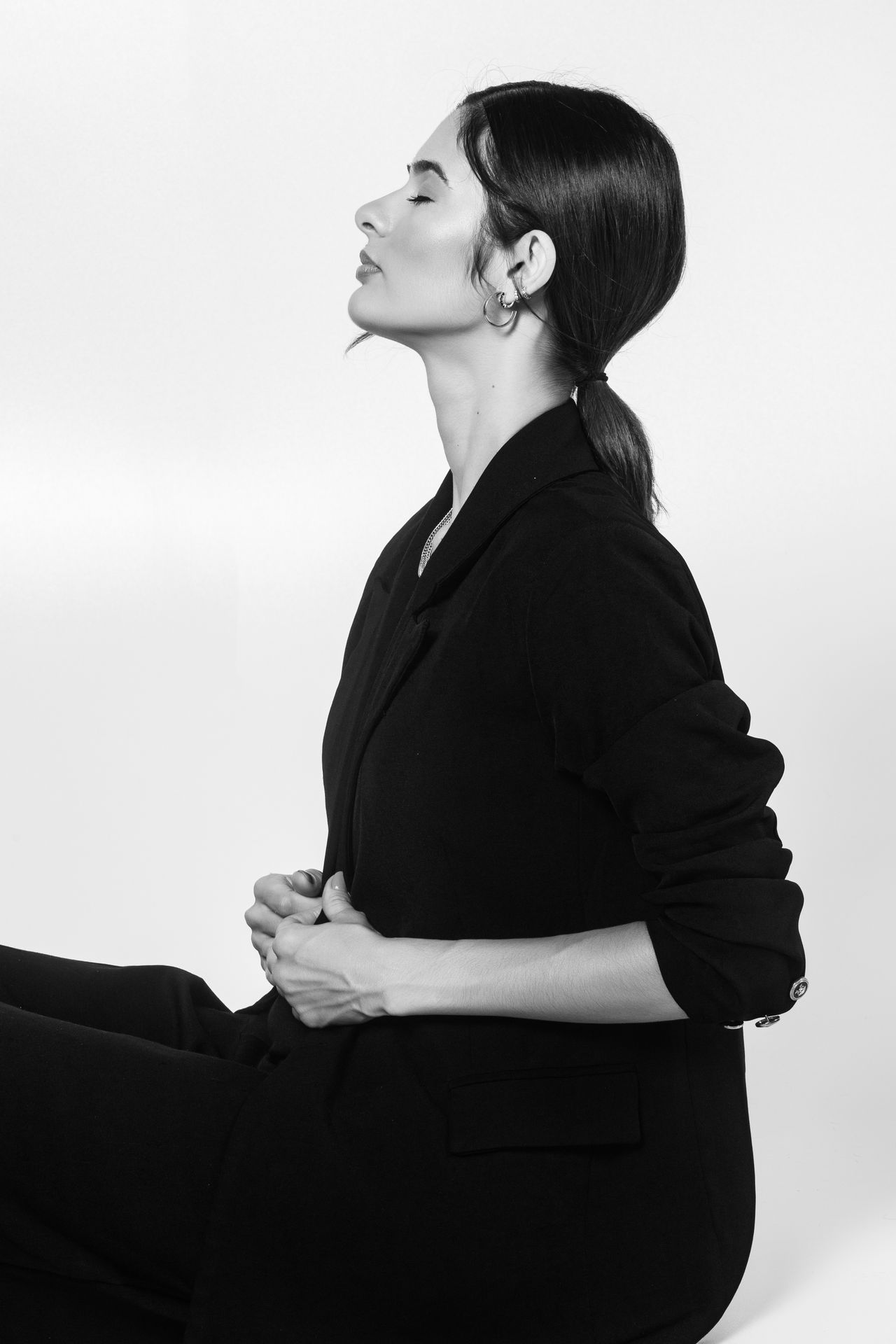
Photo by Breno Cardoso via Pexels

No comments:
Post a Comment