A rail on the ceiling with little spotlights you can point anywhere — that is all track lighting is, and it is one of the most practical fixtures you can put in a Canadian home. Renters love it because many kits plug in, renovators love it because one rail can light a whole kitchen, and art lovers love it because each head aims exactly where the picture hangs. If you have ever wondered how it all works, this guide explains it in plain language.
Below are five ideas for understanding and using track lights, from how the rail and heads fit together to placement rules that actually work in real rooms. Expect real measurements, typical Canadian prices, and photos showing each concept. No jargon, no electrician-speak — just what you need to choose and place them with confidence.
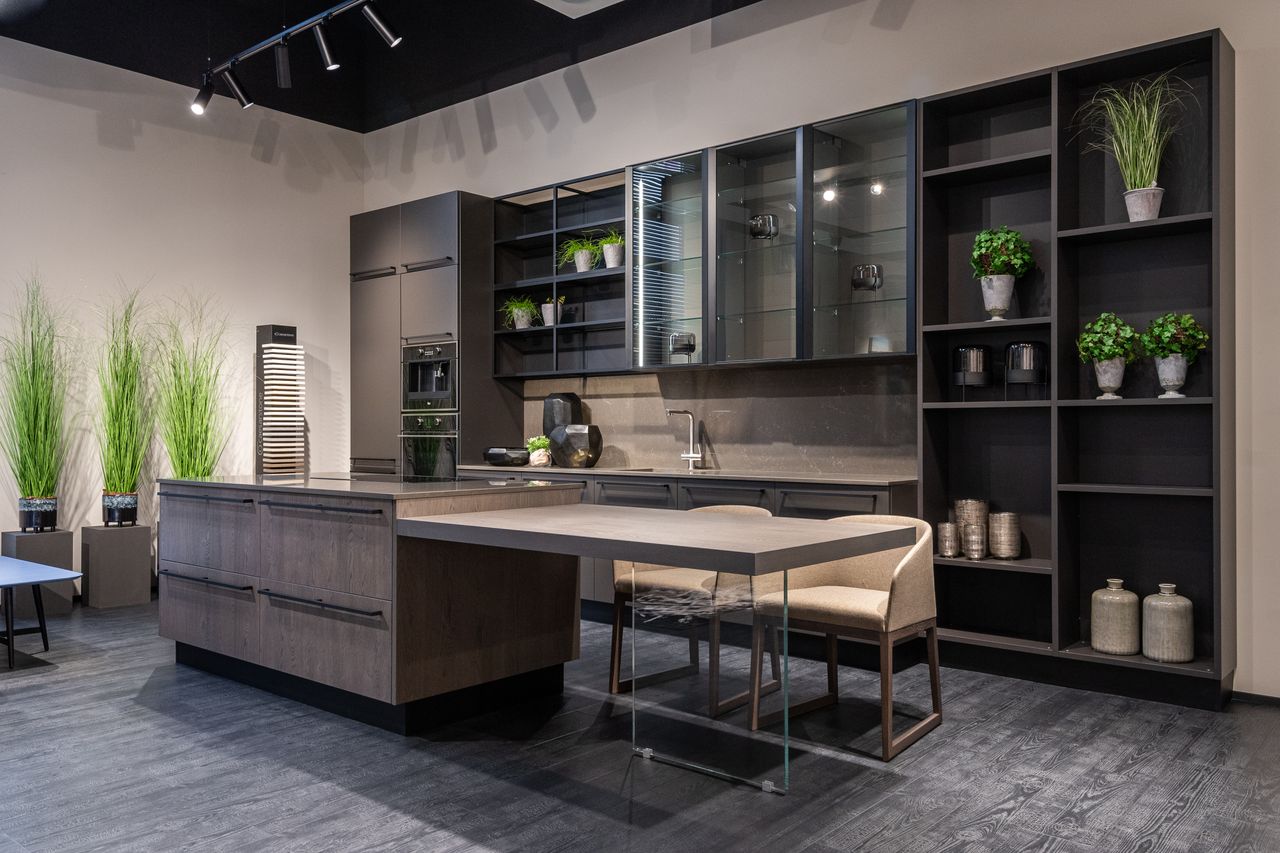
Photo: Pexels
Table of Contents
- 1. Learn How the Rail and Heads Work
- 2. Aim Heads at Art, Shelves, and Dark Corners
- 3. Wash Walls with Spots in the Living Room
- 4. Choose the Right Head for the Job
- 5. Match the Finish to Your Room
- FAQs
- Final Thoughts
1. Learn How the Rail and Heads Work
A track system has three parts: the rail (a metal channel that carries power), the heads (the individual spotlights), and the feed (where the rail connects to your ceiling wiring). Heads twist and lock into the rail, so you can slide them along, point them in any direction, and swap them later without tools. A basic 1.2-metre kit with three heads costs $60 to $120 CAD at Canadian hardware stores.
There are three common rail standards — H, J, and L — which describe the shape of the connector, and heads only fit the rail type they are made for. When you buy, get the rail and heads from the same system to avoid a mismatch. Most kits are rated for standard 120-volt household power, and many now come with LED heads that use under 10 watts each.

Photo: Wikimedia Commons
2. Aim Heads at Art, Shelves, and Dark Corners
The whole point of a track is adjustability, so treat each head like a tiny spotlight with a job. Aim one at a painting or gallery wall from about 60 to 90 cm away, one at a bookshelf or plant that sits in shadow, and one at the darkest corner of the room. A 25 to 40-degree beam angle gives a focused pool of light; wider floods wash whole walls.
Stand back and check for glare after aiming — you should see the lit object, not the bright bulb. A good rule is to angle heads at 30 degrees from the wall, which lights art evenly without hot spots. If a head keeps slipping out of position, its locking tab is worn; replacement heads cost $15 to $35 CAD each and twist straight into the existing rail.

Photo: Wikimedia Commons
3. Wash Walls with Spots in the Living Room
In a living room, track heads pointed at the walls create a soft, even glow that makes the whole space feel bigger — a trick designers call wall washing. Space the heads 60 to 90 cm apart along the rail and aim each one at the same spot on the opposite wall so the beams overlap. Warm-white LEDs at 2700K keep the effect cosy rather than gallery-cold.
This approach replaces the need for several table and floor lamps, which is a real win in a small condo. A four-head rail centred on the ceiling can wash two walls and still leave a head free to aim at a reading chair. Pair the look with the ideas in this living room wall decorating guide so the lit walls have something worth showing.
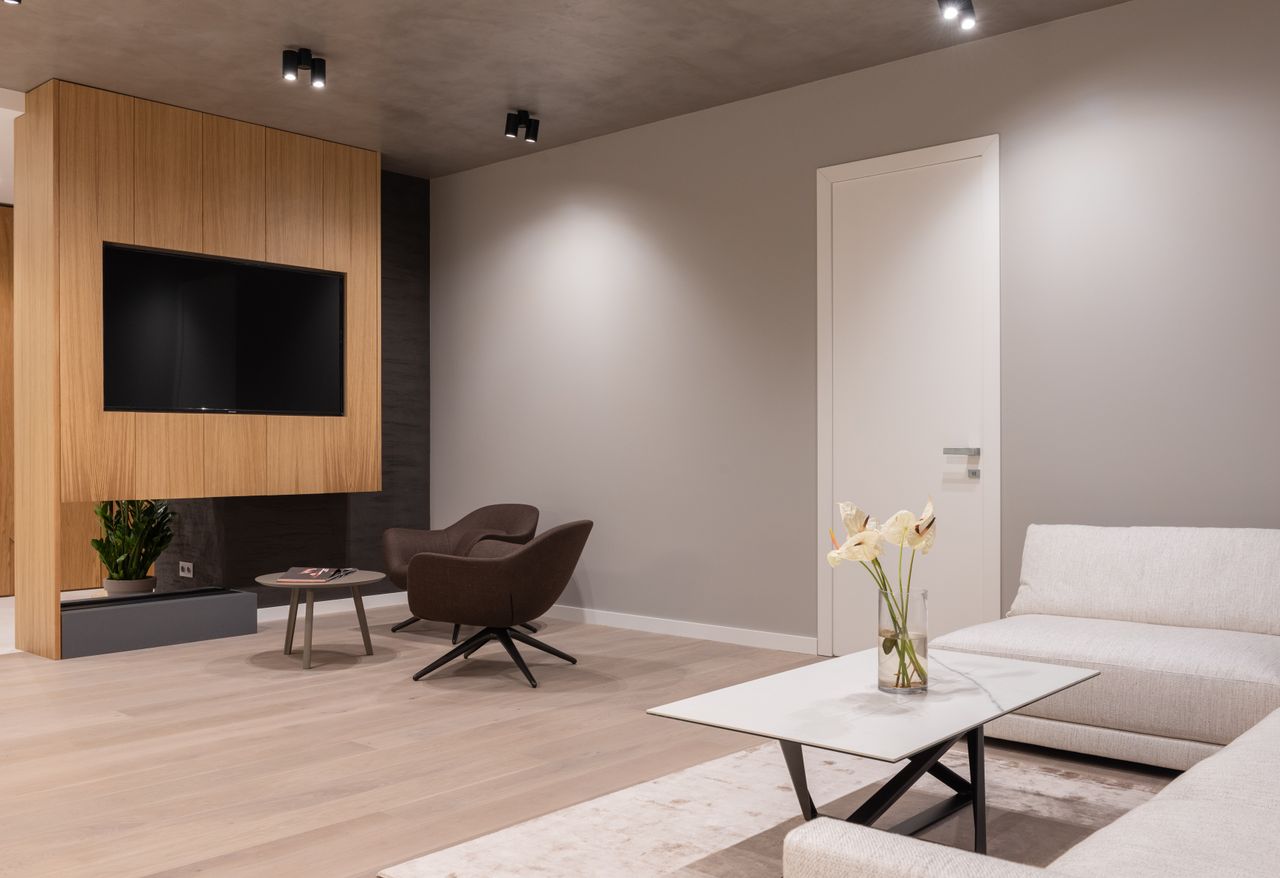
Photo: Pexels
4. Choose the Right Head for the Job
Track heads come in three main shapes, and each suits a different task. Cylinder or "bullet" heads throw a tight, focused beam — best for art and task lighting. Gimbal heads tilt inside a ring and disappear into the look of the rail — best for general room light. Pendant heads hang down on short stems — best over a kitchen island or dining table where you want the light lower.
Check the bulb type before buying: many modern heads have integrated LEDs rated for 25,000 hours or more, while others take replaceable GU10 or MR16 bulbs. Replaceable bulbs cost more over time but let you change brightness and colour temperature later. A mixed rail — two spots plus one pendant head, for example — often works better than four identical heads.

Photo: Wikimedia Commons
5. Match the Finish to Your Room
Track rails and heads come in white, black, brushed nickel, and bronze, and the finish changes how visible the system feels. White rails disappear against a white ceiling — the best choice when you want light without a visible fixture. Black rails read as a deliberate design line and suit modern kitchens, lofts, and rooms with dark accents.
Brushed nickel and bronze sit in the middle: noticeable up close, quiet from the sofa. Whichever finish you pick, keep every head on the rail the same — mixed finishes look like a repair job. A full kit in a premium finish costs $150 to $300 CAD, roughly double the basic white version, but the rail is the one part you will look at every day, so it is worth choosing well.

Photo: Wikimedia Commons
FAQs
Can I install track lighting myself?
Yes, if you are replacing an existing ceiling fixture — the rail mounts to the same electrical box with basic tools. Running a brand-new circuit to a spot with no wiring should be left to a licensed electrician, as required by Canadian electrical codes.
Does a track system use a lot of electricity?
No. A typical LED track head uses 7 to 10 watts, so a four-head rail draws less power than one old 60-watt bulb. Running it four hours a day costs roughly $5 to $8 CAD per year in most provinces.
Can you put a dimmer on a track system?
Yes, as long as the heads and the dimmer are both marked dimmable. Install a compatible LED dimmer switch — about $25 to $40 CAD — and check the manufacturer's compatibility list first, since mismatched dimmers cause flicker.
Are track lights outdated?
The chunky 1990s versions are, but slim modern rails in black or white are very current. Designers now use them as a minimalist alternative to recessed lights, especially in kitchens, hallways, and anywhere art needs highlighting.
How far should a track be from the wall?
Mount the rail 60 to 90 cm out from the wall you want to light. Closer than 60 cm creates harsh hot spots; farther than a metre spreads the light too thin to make an impact.
Final Thoughts
Track lighting earns its keep by being the most flexible fixture in the house — slide a head, aim it somewhere new, and the whole room changes without rewiring anything. Start with one rail in the room that needs light most, learn which beams suit your space, and expand from there. For more lighting ideas that layer beautifully with a track system, see these white table lamp ideas.
Sources
- r/HomeImprovement — track lighting threads
- The Home Depot Canada — track lighting
- Hydro One — lighting energy use
Gallery
Photo: Pexels

Photo: Wikimedia Commons
Photo: Pexels

No comments:
Post a Comment