Mid-October in zone 5 means one thing for vegetable gardeners: it is garlic planting season. The short answer on timing is about two to four weeks after your first fall frost, when the soil has cooled to 50 to 60°F. That usually lands right around the middle of October across the upper Midwest and Northeast.
Garlic is one of the easiest crops you will ever grow. You plant it in fall, tuck it under mulch, ignore it all winter, and dig up full bulbs the next July. These six steps cover the timing, the depth, the spacing, and the variety choices that make the difference between small bulbs and a harvest worth bragging about.

Photo: Fresh garlic bulbs via Wikimedia Commons
Table of Contents
- Plant 2 to 4 Weeks After the First Frost
- Choose Hardneck Varieties for Zone 5
- Buy Seed Garlic, Not Grocery Garlic
- Plant Cloves 2 to 3 Inches Deep, Pointy End Up
- Mulch 4 to 6 Inches Deep With Straw
- Snap the Scapes in June
1. Plant 2 to 4 Weeks After the First Frost
Garlic needs time to grow roots before the ground freezes, but you do not want lots of green top growth going into winter. Planting two to four weeks after the first light frost hits that sweet spot. The cloves push out strong roots in the still-workable soil while staying mostly dormant above ground.
A soil thermometer is the most reliable tool here. When the soil at planting depth reads 50 to 60°F, usually around mid-October in zone 5, get your cloves in the ground. Planting into soil that is still warm in the 70s can trigger weak, spindly sprouts that winter-kill, which is the most common timing mistake beginners make.

Photo: Fresh garlic bulbs via Wikimedia Commons
2. Choose Hardneck Varieties for Zone 5
Hardneck garlic is the clear winner where winters drop to -10 to -20°F. It evolved for cold climates, produces large easy-to-peel cloves in a single ring, and sends up the curly flower stalks called scapes in early summer, which are a bonus harvest. Good zone 5 picks include Music, German Extra Hardy, and Chesnok Red.
Softneck garlic, the braidable kind from the supermarket, prefers milder winters and often underperforms in zone 5 without heavy protection. If you are unsure, plant mostly hardneck and tuck a small row of softneck in as an experiment. Your own garden will tell you what thrives, and a pound of seed garlic plants about 20 to 25 row feet.

Photo: Garlic bulbs and cloves via Wikimedia Commons
3. Buy Seed Garlic, Not Grocery Garlic
Certified seed garlic costs more than a supermarket bulb, usually $15 to $25 a pound, but it earns its price. It is guaranteed disease-free, true to variety, and grown for planting rather than for sitting in storage. Grocery garlic is often treated to prevent sprouting and may carry white rot or other soil diseases.
Order from a reputable seed supplier in late summer, since popular hardneck varieties sell out by September. When your order arrives, keep the bulbs whole and unopened until planting day. Break heads into cloves only right before you plant, and choose the biggest, plumpest outer cloves for the ground while saving the small inner ones for cooking.

Photo: Garlic bulbs and cloves via Wikimedia Commons
4. Plant Cloves 2 to 3 Inches Deep, Pointy End Up
Push each clove into the soil pointy end up and root end down, about 2 to 3 inches deep. Measure from the top of the clove to the soil surface. Planting at this depth anchors the clove against frost heaving, the freeze-thaw cycle that can pop shallow cloves right out of the ground in late winter.
Keep the papery skin on each clove; it protects against rot and disease. If you accidentally plant one upside down, do not panic and dig it up. The shoot will curve and find its way, though the plant may be a little weaker, so it is worth double-checking each clove as you go.

Photo: Trowel and soil via Wikimedia Commons
5. Mulch 4 to 6 Inches Deep With Straw
After planting, cover the bed with 4 to 6 inches of clean straw or shredded leaves. In zone 5 this mulch is not optional; it is what keeps the soil temperature steady through -20°F nights and prevents the freeze-thaw heaving that ruins plantings. It also smothers early spring weeds.
Wait until the ground has chilled but is not yet frozen solid to lay the mulch, usually late October or early November. Avoid hay, which is full of weed seeds, and avoid piling mulch against any green shoots that have emerged. Pull the mulch back a little in early spring once growth starts so the soil can warm.

Photo: Straw-mulched bed via Wikimedia Commons
6. Snap the Scapes in June
If you planted hardneck garlic, curly green scapes will emerge from the center of each plant in June. Snap or cut them off when they have made one full curl. Removing scapes redirects the plant's energy into the bulb, and trials consistently show bigger bulbs on de-scaped plants.
Do not throw the scapes away. They taste like mild garlic with a fresh green snap, and they are excellent chopped into stir-fries, blended into pesto, or grilled whole with olive oil. One common regret among first-time growers is waiting too long; woody, straightened scapes are tough, so harvest them while they are still curled and tender.

Photo: Garlic scape via Wikimedia Commons
Frequently Asked Questions
I missed the planting window. Now what?
Plant as soon as the ground can still be worked. You will get weaker roots and smaller bulbs, but mulch heavily and use a raised bed to give late cloves their best shot.
Should I grow hardneck or softneck garlic in zone 5?
Hardneck. It is bred for cold winters, makes bigger cloves, and gives you edible scapes in June as a bonus.
How deep do I plant the cloves?
Two to three inches deep, measured from the top of the clove, with the pointy end facing up.
Can I use grocery-store garlic for planting?
You can, but it is a gamble. Store garlic may be treated to prevent sprouting, may carry disease, and is often a softneck variety unsuited to zone 5.
When do I harvest fall-planted garlic?
In July, when the lower leaves brown but several green leaves remain. Cure bulbs for two to three weeks before storing.
Final Thoughts
Fall garlic is the closest thing to a free crop in a zone 5 garden: a single October afternoon of planting returns months later as a summer harvest that tastes nothing like store-bought. Get your seed garlic ordered early, watch the soil temperature, and mulch like you mean it. Next July, you will be glad you did.
One last tip from experienced growers: label every row with the variety name and planting date on a sturdy tag. By July you will have forgotten what went where, and those notes turn a good harvest into a planned rotation. Save your biggest bulbs for replanting, and each year's crop gets a little better adapted to your exact soil.
Sources
Gallery
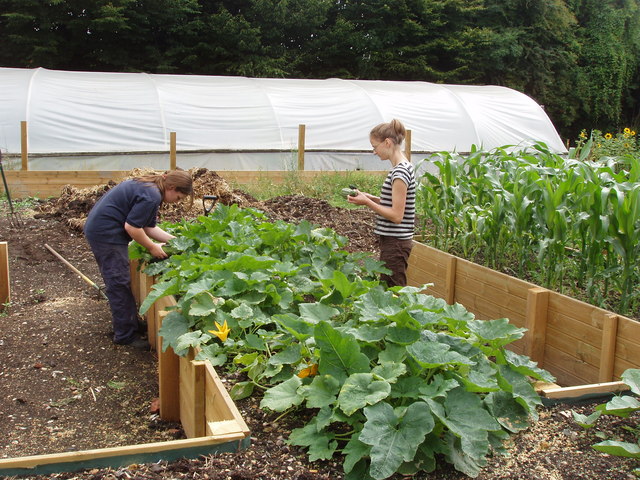
Photo: Raised vegetable beds via Wikimedia Commons

Photo: Fabric raised bed via Wikimedia Commons

Photo: Bundles of garlic drying via Wikimedia Commons

No comments:
Post a Comment