Thanksgiving cooking is really two jobs: cooking the food and running the kitchen. The second job decides whether the first one feels calm or chaotic. When you know how to organize kitchen for Thanksgiving cooking ahead of time, the big day becomes a series of small, easy steps instead of one long panic.
I have hosted Thanksgiving in a tiny galley kitchen and in a big open one, and the size mattered less than the system. The year I forgot to clear fridge space, I ended up brining a turkey in a cooler on the porch. These 10 tips are the system I wish someone had handed me before that first hosting year.
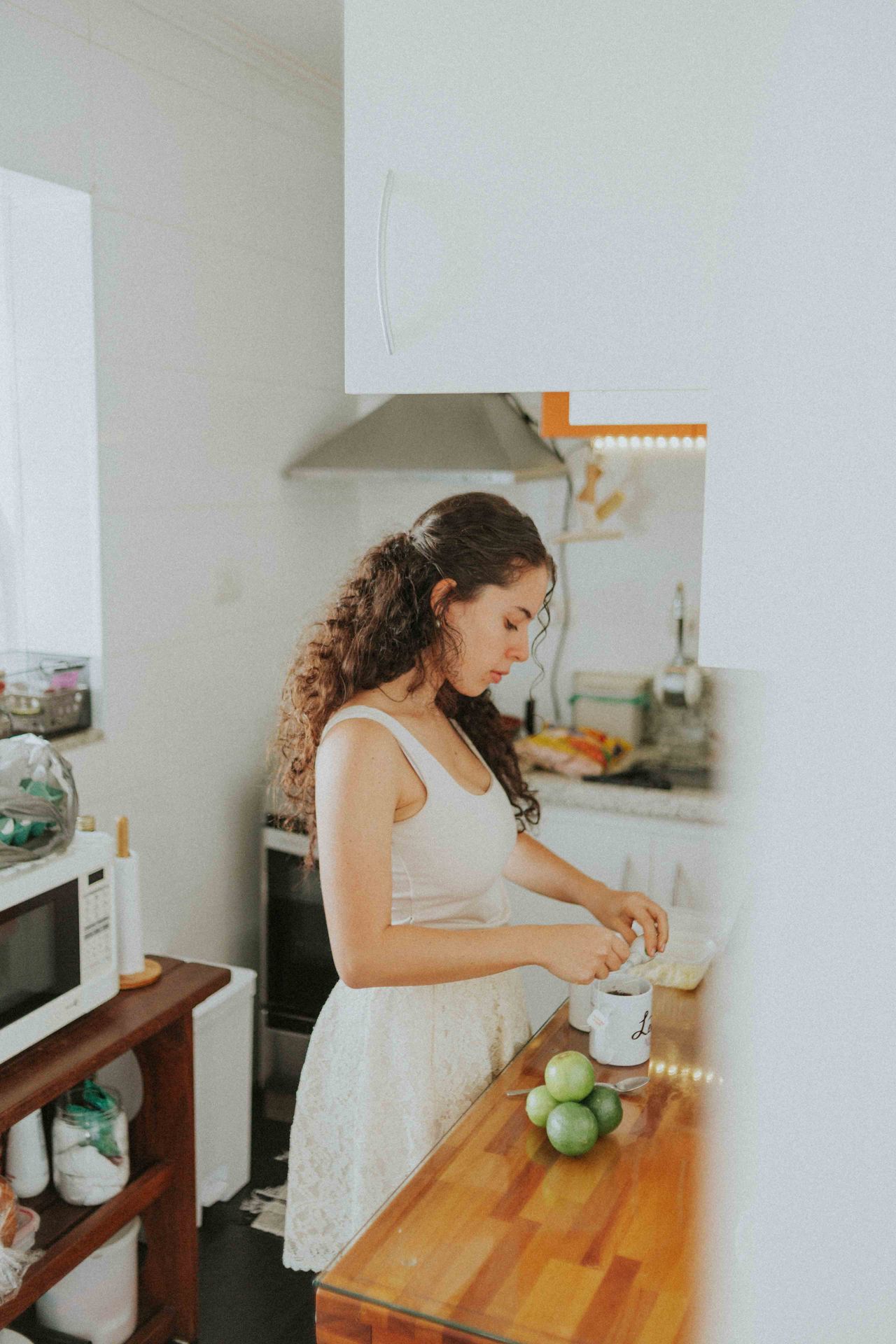
Photo: Leticia Alvares via Pexels
Table of Contents
- 1. Clear Every Counter the Weekend Before
- 2. Empty and Deep-Clean the Fridge
- 3. Divide the Kitchen Into Work Zones
- 4. Pull Out Serving Dishes and Label Them
- 5. Build a Recipe Kit for Every Dish
- 6. Sharpen Knives and Test Your Tools
- 7. Map Your Oven Schedule on Paper
- 8. Cook and Freeze Sides Ahead of Time
- 9. Move Drinks Out of the Kitchen
- 10. Set Up Your Leftovers System Now
1. Clear Every Counter the Weekend Before
Walk into your kitchen and remove everything that will not help you cook: the mail pile, the fruit bowl you never touch, the blender, the decorative jars. Box the non-essentials into a laundry basket and park it in a closet until Friday. You need every square inch of counter for chopping, cooling, and staging, and clutter is what turns a kitchen stressful.
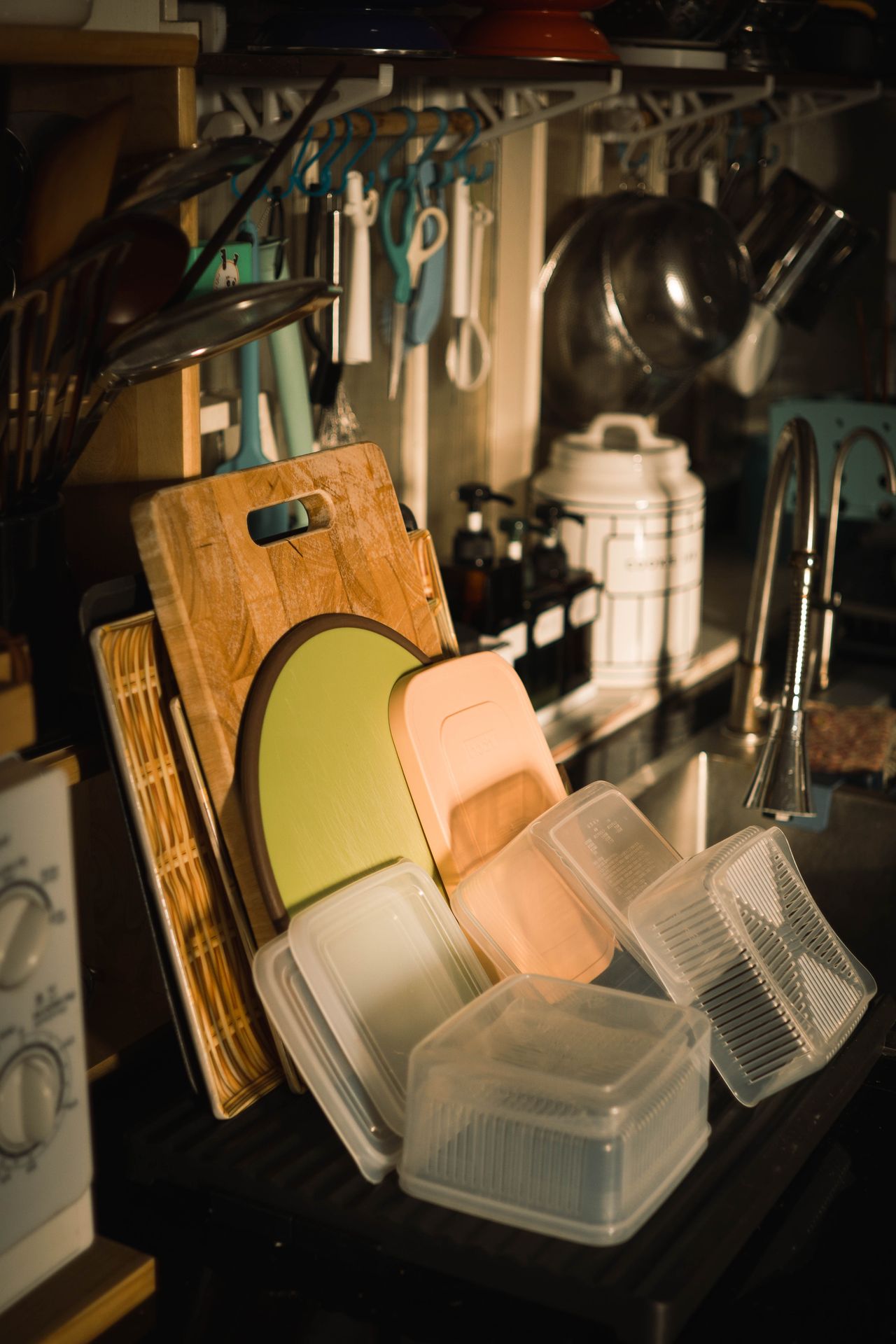
Photo: Fox via Pexels
Keep out only the true workhorses: a large cutting board, your chef's knife, salt, pepper, cooking oil, and paper towels. If your kitchen is small, borrow a folding table for extra staging space — many of the best small kitchen ideas that save space work beautifully as Thanksgiving overflow stations. I have used an ironing board as a cooling rack station in a pinch, and it worked fine.
2. Empty and Deep-Clean the Fridge
A raw turkey needs a full shelf, and you will also need room for pies, brines, and make-ahead sides. Three days before Thanksgiving, pull everything out of the fridge, toss anything expired, and wipe the shelves. Then do a test fit: put your roasting pan on the bottom shelf to make sure the turkey will actually fit before the bird is thawing on your counter.
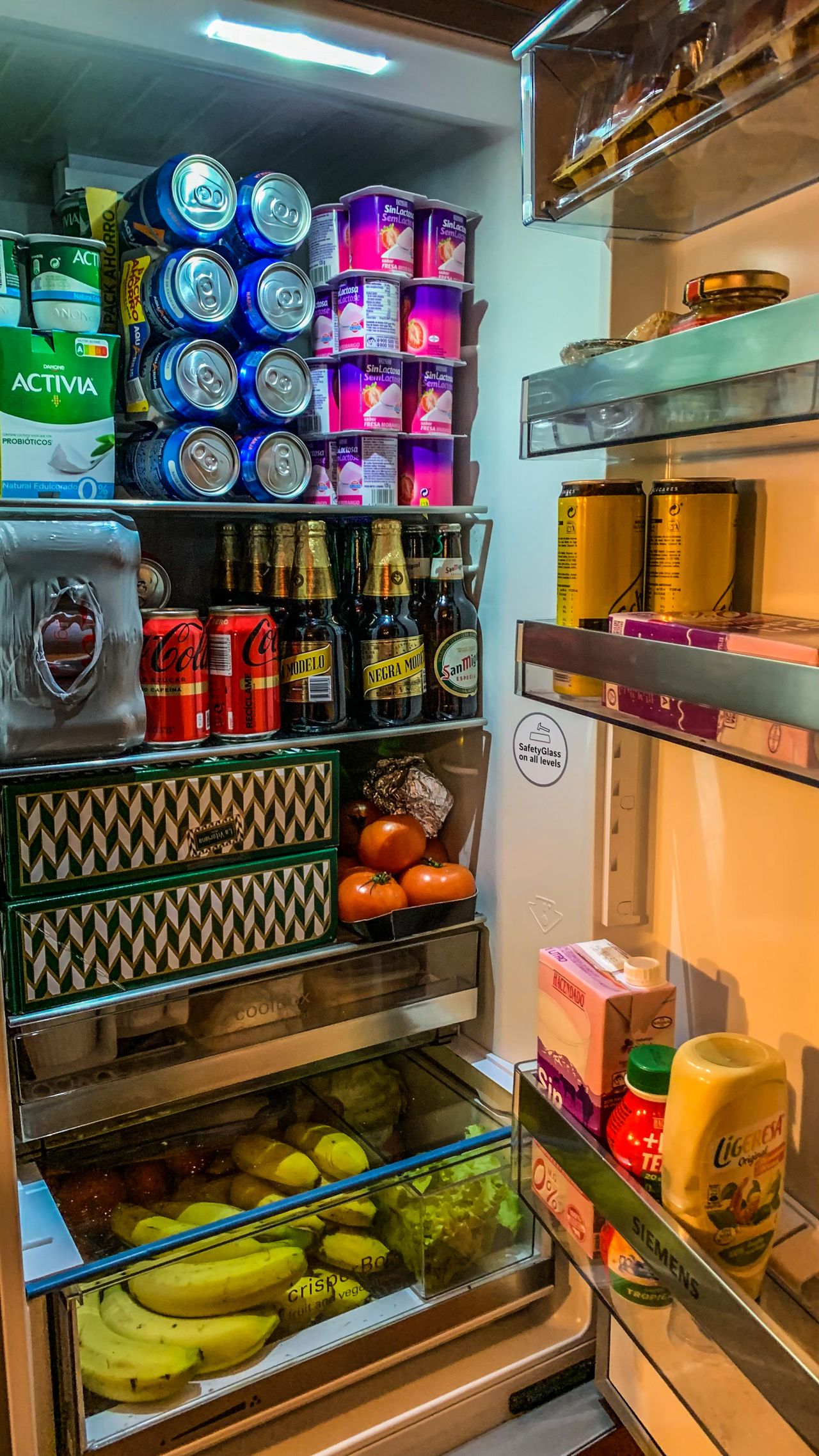
Photo via Pexels
According to the USDA Food Safety and Inspection Service, your fridge must stay at 40°F or below, and a frozen turkey needs about 24 hours of thaw time for every 4 to 5 pounds — so a 16-pound bird needs a full 4 days in the fridge. Start thawing on Saturday or Sunday before Thanksgiving, never on the counter. Keep the thawing turkey on the bottom shelf in a rimmed tray so drips cannot contaminate food below it.
3. Divide the Kitchen Into Work Zones
Thanksgiving cooking flows better when the kitchen has assigned zones: a prep zone with the cutting board and knives, a cooking zone at the stove and oven, a plating zone with serving dishes, and a cleaning zone at the sink. Tell your helpers which zone is theirs. Two people chopping in the same square foot of counter is how accidents happen.
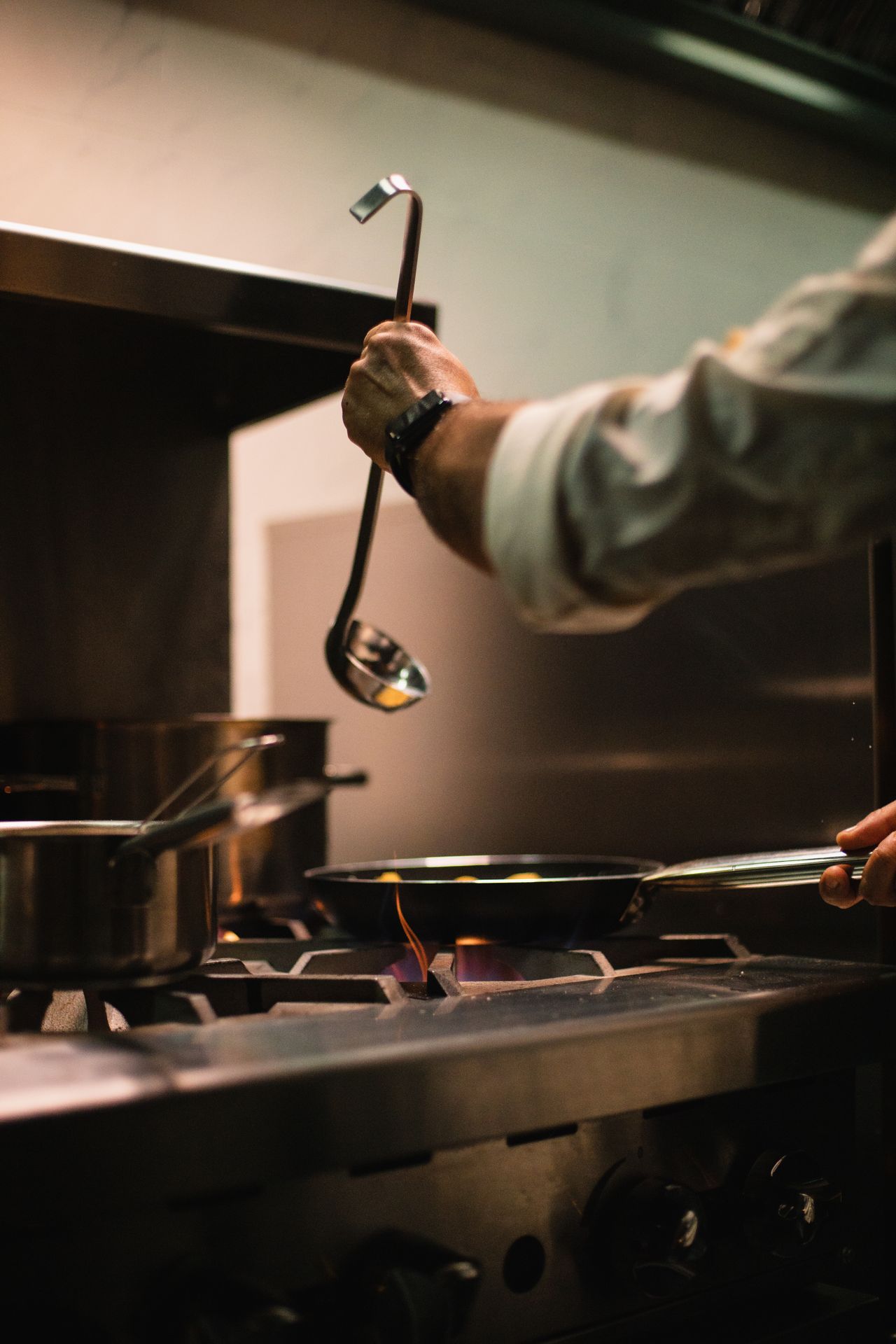
Photo: Duane Mendes via Pexels
Put a small trash bowl in the prep zone — restaurant cooks call this a "garbage bowl," and it saves dozens of trips to the trash can while peeling and chopping. Keep the path between the stove and the sink completely clear, because that is the route every hot, heavy pot will travel, and a cluttered path with a full roasting pan is genuinely dangerous.
4. Pull Out Serving Dishes and Label Them
Two nights before, pull out every serving platter, bowl, and utensil you will need, and put a sticky note on each one naming the dish it will hold: "mashed potatoes," "gravy boat," "cranberry sauce." When five dishes come out of the oven within 20 minutes, you will not have the brain space to hunt for the right platter — the labels decide for you.
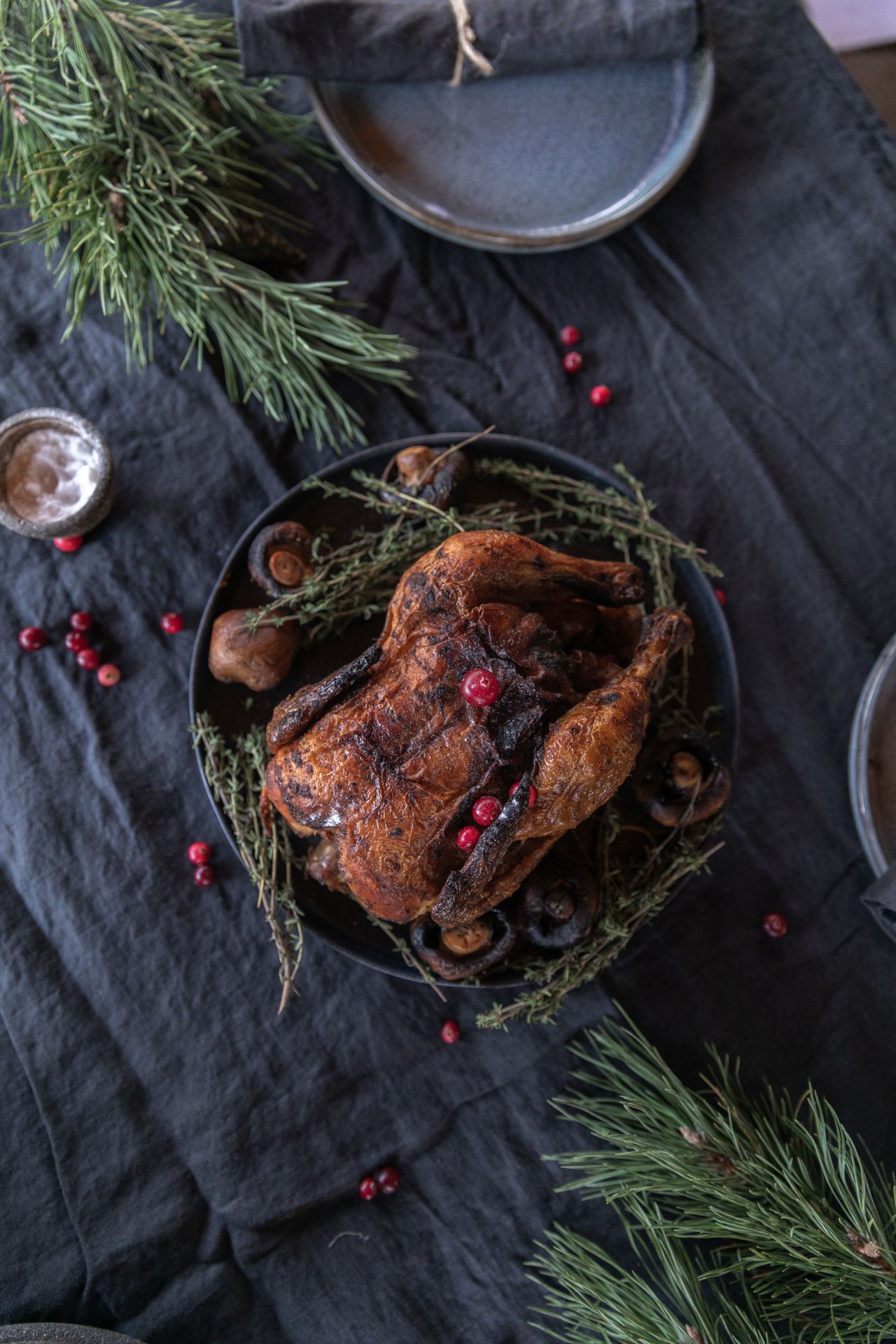
Photo via Pexels
While you are at it, count your serving spoons and check that you own enough. I once served an eight-dish dinner with four serving spoons and spent the meal ferrying the same two spoons between bowls. Wash any dusty platters now, not on Thursday morning, and polish the gravy boat — dried gravy from last year does not rinse off easily under time pressure.
5. Build a Recipe Kit for Every Dish
For each recipe, gather every non-perishable ingredient and the pan it needs, and group them together on the counter or in a labeled bag. The pie kit holds flour, sugar, spices, the pie dish, and the rolling pin. The stuffing kit holds bread cubes, broth, herbs, and the casserole dish. When it is time to cook, you grab one kit instead of opening six cabinets.
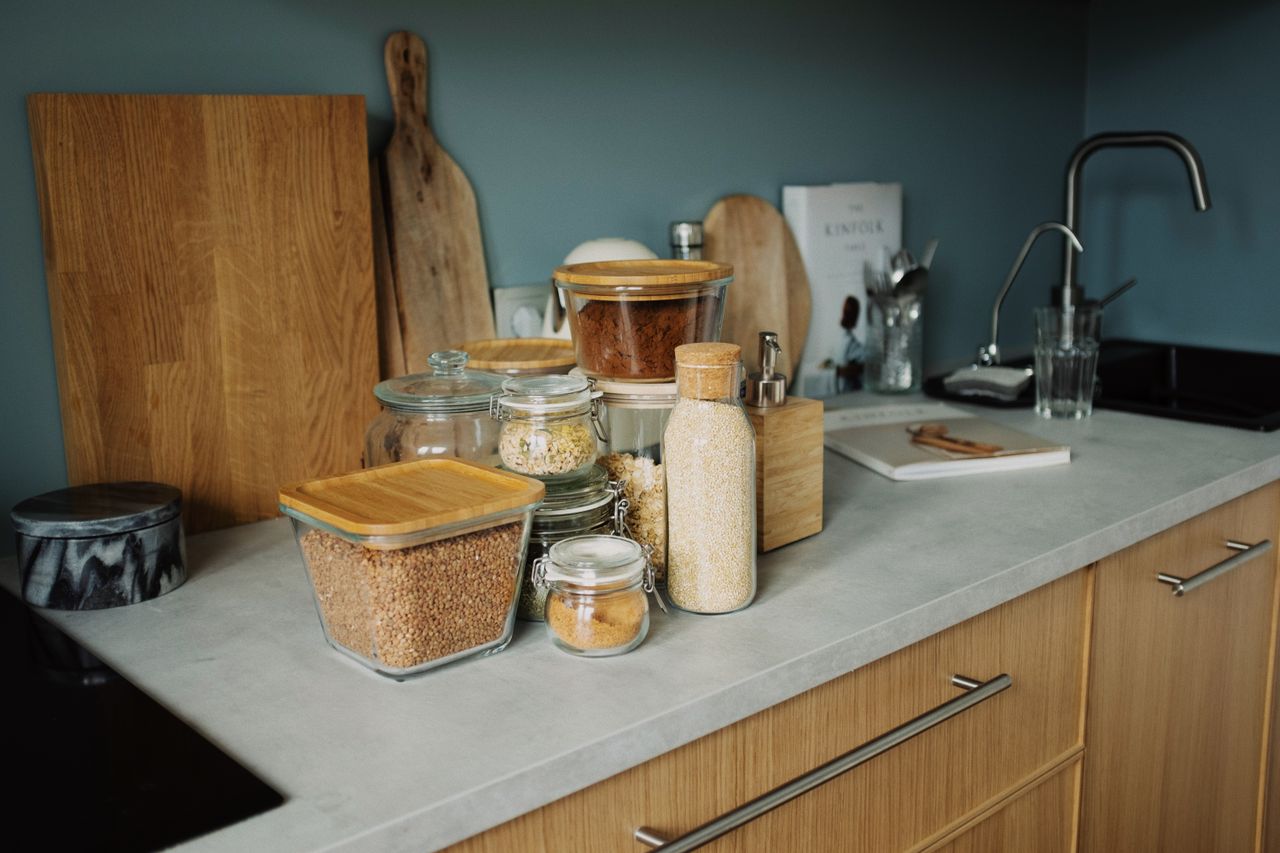
Photo via Pexels
Pre-measure the dry ingredients for baked goods into labeled jars or zip bags a day or two ahead — flour, sugar, salt, and spices for each pie or batch of rolls. This is the home version of restaurant mise en place, and it turns baking from a measuring marathon into simple dump-and-stir assembly. Clear jars beat opaque ones here because you can see at a glance that the flour is actually flour.
6. Sharpen Knives and Test Your Tools
A dull knife is more dangerous than a sharp one because it slips instead of cutting. The weekend before Thanksgiving, hone your chef's knife with a honing steel, or get it professionally sharpened if it has been more than six months. Then actually test your tools: does the potato masher handle still hold? Does the meat thermometer read 32°F in ice water? Find out now.
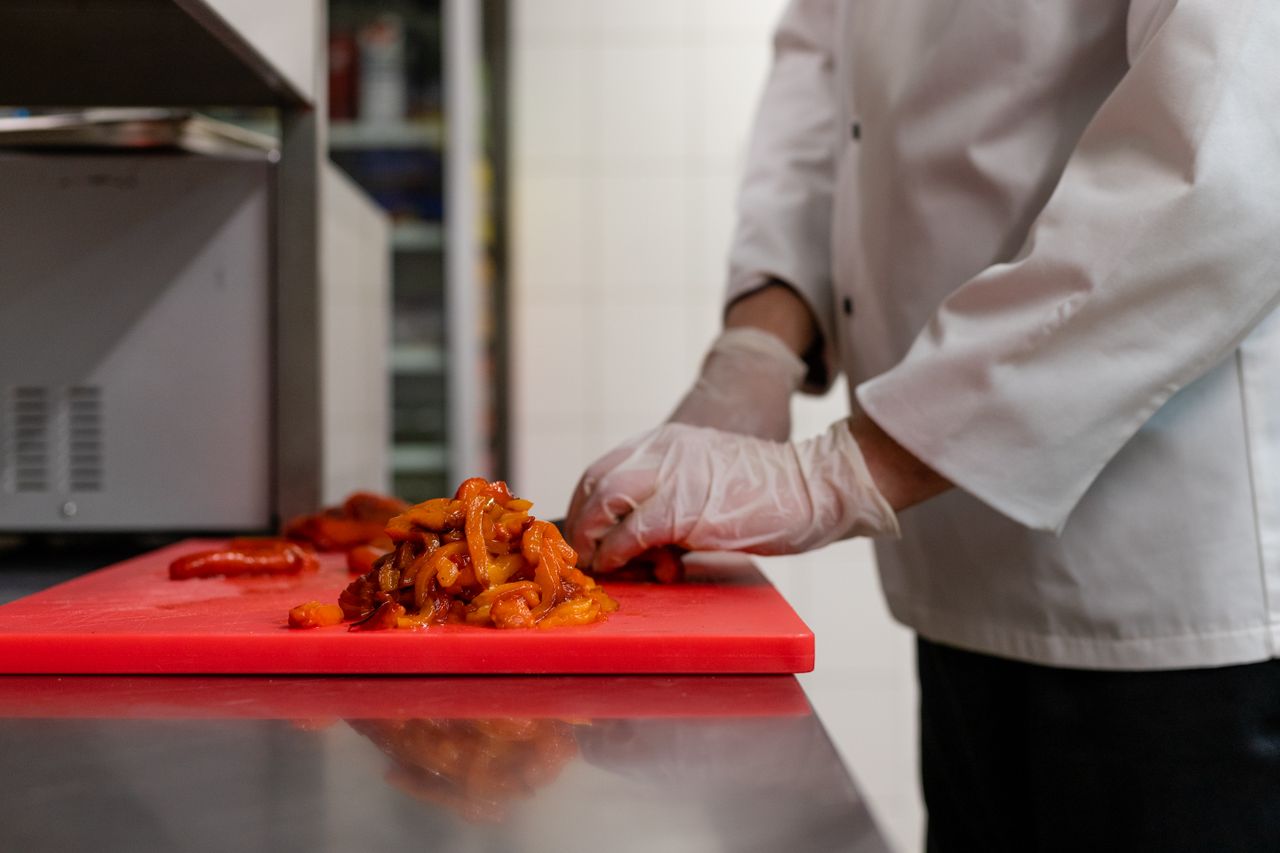
Photo: Mateusz Feliksik via Pexels
Make a short shopping list of the tools you are missing — an instant-read thermometer is the single most important one, and it costs under $20. The USDA is clear that color is not a reliable doneness test: turkey is only safe when the thickest part of the thigh reaches 165°F. A thermometer takes the guesswork out of the most stressful judgment call of the day.
7. Map Your Oven Schedule on Paper
One oven, five dishes, one afternoon: this only works on paper first. Write down your serving time, then work backward. A 14-pound turkey at 325°F needs roughly 3.5 to 4 hours plus 30 minutes of resting, so for a 4 p.m. dinner it goes in around 11:30 a.m. Slot every other dish into the timeline around the bird, noting the temperature each one needs.
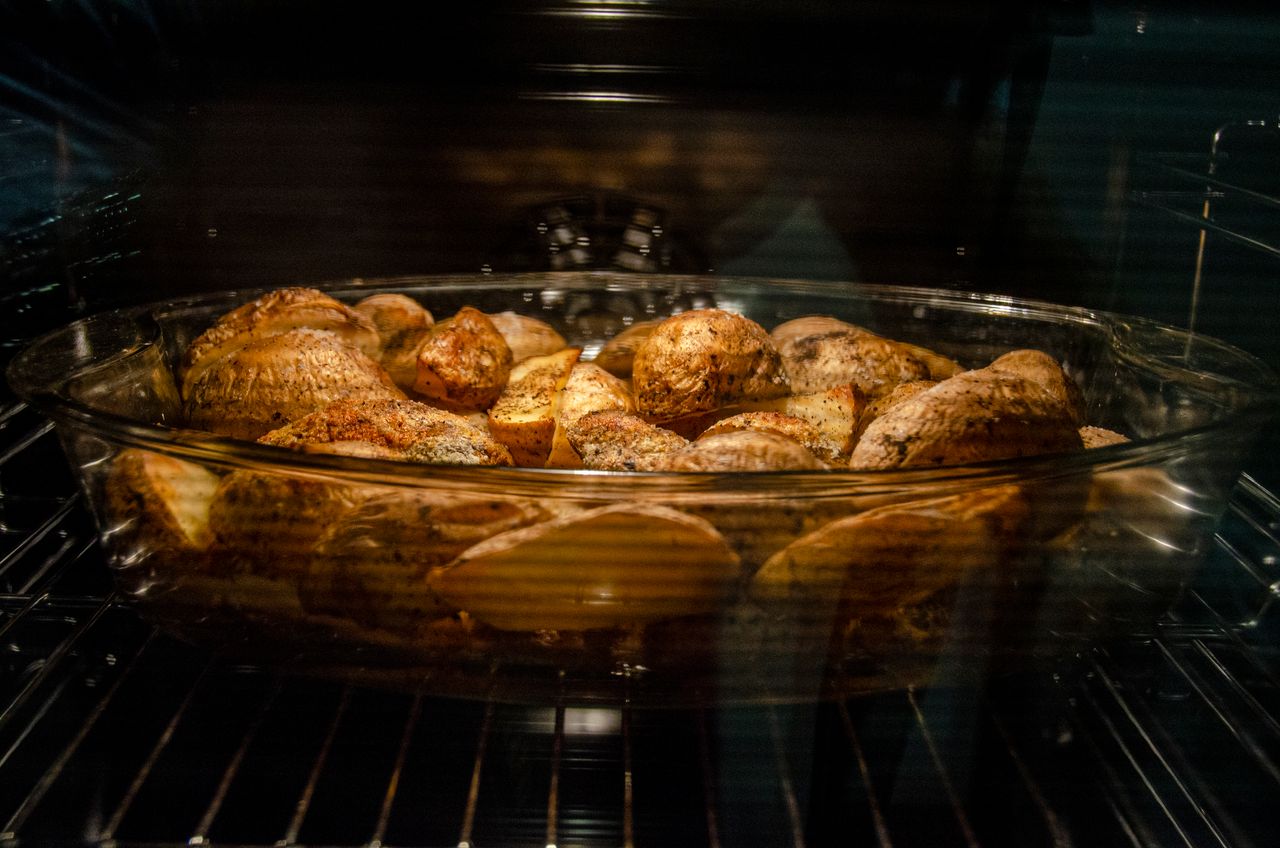
Photo via Pexels
Here is the trick experienced hosts use: the turkey's 30-minute rest is free oven time. Tent the bird with foil — it stays hot and actually gets juicier as the juices redistribute — and use that window to blast the rolls and warm the sides at high heat. Also plan one or two dishes that never touch the oven, like a slow-cooker green bean casserole or stovetop gravy, to relieve the bottleneck.
8. Cook and Freeze Sides Ahead of Time
Mashed potatoes, gravy, cranberry sauce, and pie dough all freeze beautifully, and making them the weekend before Thanksgiving removes hours from the big day. Cool cooked sides quickly, pack them flat in freezer bags — flat bags stack, thaw faster, and save space — and label each bag with the dish name and date.
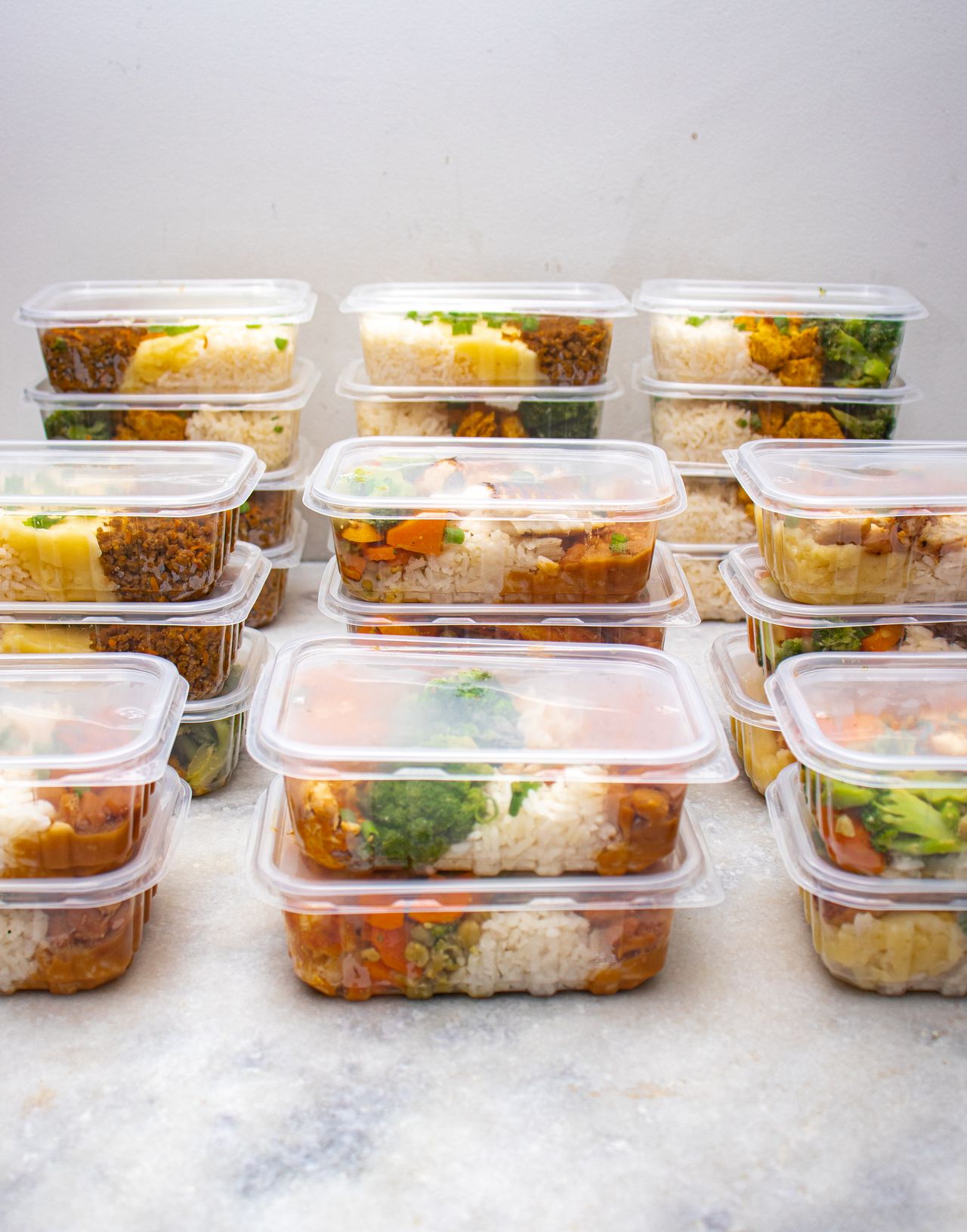
Photo: Iara Melo via Pexels
Cranberry sauce is the easiest win: it keeps in the fridge for up to a month, so make it early and forget about it. Move frozen sides to the fridge 24 hours before reheating, and reheat gently — mashed potatoes come back best in a slow cooker on low with a splash of warm milk stirred in. This make-ahead strategy is also the backbone of good small kitchen decor ideas thinking: do the work where you have room, when you have time.
9. Move Drinks Out of the Kitchen
Nothing clogs a working kitchen like thirsty guests opening the fridge every ten minutes. Set up a drink station outside the kitchen — in the dining room, living room, or hallway — with water, soda, wine, coffee, and a trash bin for empties. Add a small sign that says "drinks here" so nobody has to ask.

Photo: Kubra Bayraktar via Pexels
Fill a cooler with ice for cold drinks so the fridge stays closed and cold for the food that actually needs it — every fridge opening on Thanksgiving costs you cold air you cannot spare with a thawing turkey inside. Put the coffee maker on the drink station too, with mugs, sugar, and creamer. Guests serve themselves, and your counter stays a cooking zone instead of a café.
10. Set Up Your Leftovers System Now
Buy or gather 10 to 12 lidded containers before Thursday, plus masking tape and a marker for labeling. After dinner you will be tired, and a ready system means leftovers get packed instead of sitting out. Set the empty containers on a side table near the dining room before the meal so packing is one smooth step.
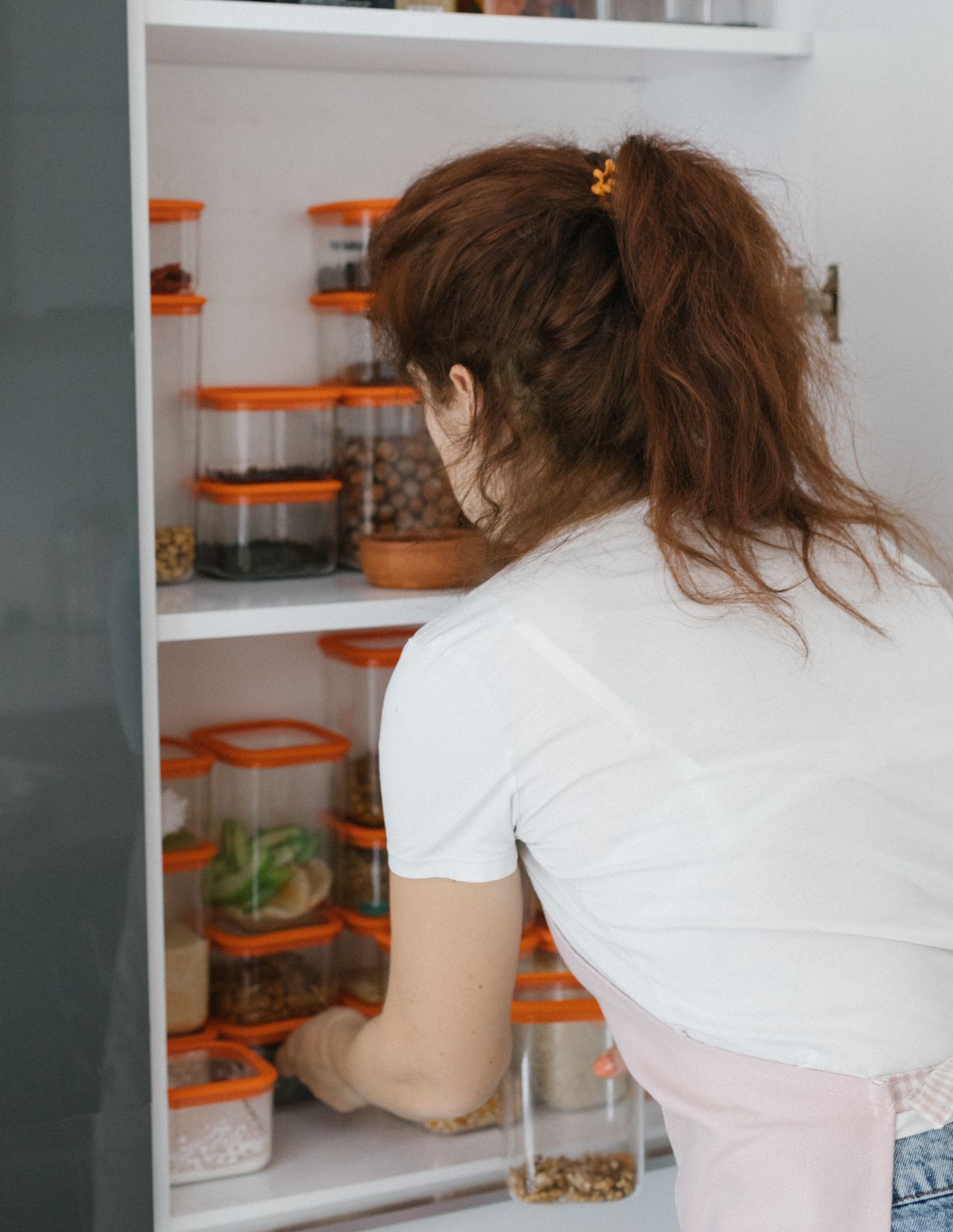
Photo via Pexels
The USDA's 2-hour rule matters here: get perishable leftovers into the fridge within 2 hours of serving, and plan to eat refrigerated leftovers within 3 to 4 days. Divide big batches into shallow containers so they cool fast — a deep pot of mashed potatoes can sit in the temperature danger zone far longer than you would guess. Send guests home with filled containers; it is the kindest end to the day.
Frequently Asked Questions
When should I start thawing my Thanksgiving turkey?
Allow about 24 hours of fridge thawing for every 4 to 5 pounds of turkey, according to the USDA. A 16-pound bird needs 4 full days, so move it from freezer to fridge on Saturday or Sunday before Thanksgiving. Never thaw on the counter.
How do I fit everything in one oven?
Map a timeline working backward from serving time, use the turkey's 30-minute resting window for rolls and sides, and move at least one or two dishes to the stovetop or slow cooker. Dishes that reheat well can also be cooked earlier in the day.
Can I cook the turkey the day before Thanksgiving?
Yes, and many hosts prefer it. Roast it Wednesday, carve the meat off the bone, and refrigerate it in its juices. Reheat gently at 325°F covered with foil until it reaches 165°F. You lose the tableside carving moment but gain a calm Thursday.
How long do Thanksgiving leftovers last in the fridge?
The USDA says 3 to 4 days for cooked turkey and most sides. Pack them within 2 hours of serving, label with the date, and freeze anything you will not eat by Sunday — frozen leftovers keep well for 2 to 3 months.
What is the best way to reheat mashed potatoes?
Reheat them low and slow with added moisture: a splash of warm milk or cream stirred in, then warmed in a slow cooker on low or in a covered pot over gentle heat. Microwaving works in a pinch — stir halfway through so they heat evenly.
Final Thoughts
An organized kitchen will not cook the turkey for you, but it removes nearly every surprise that makes Thanksgiving stressful. Clear the counters, clean the fridge, label the platters, and write the timeline — four small jobs done days early that pay off all Thursday long. If you are still figuring out how to organize kitchen for Thanksgiving cooking in a tight space, remember that the system matters more than the square footage. Now pour yourself a coffee and enjoy the holiday you actually get to taste.
Sources
- USDA Food Safety and Inspection Service — Let's Talk Turkey
- Bradco Kitchen — How to Organize Kitchen Cabinets for Thanksgiving Cooking
- DIYJoy — How to Organize Your Kitchen for Thanksgiving: 7 Tips
- Ahead of Thyme — Thanksgiving Dinner Prep Guide + Checklists
- UCHealth — Thanksgiving Dinner Checklist: A Two-Week Planner
- Hometalk — Get Ahead of the Feast: Thanksgiving To-Dos
Gallery
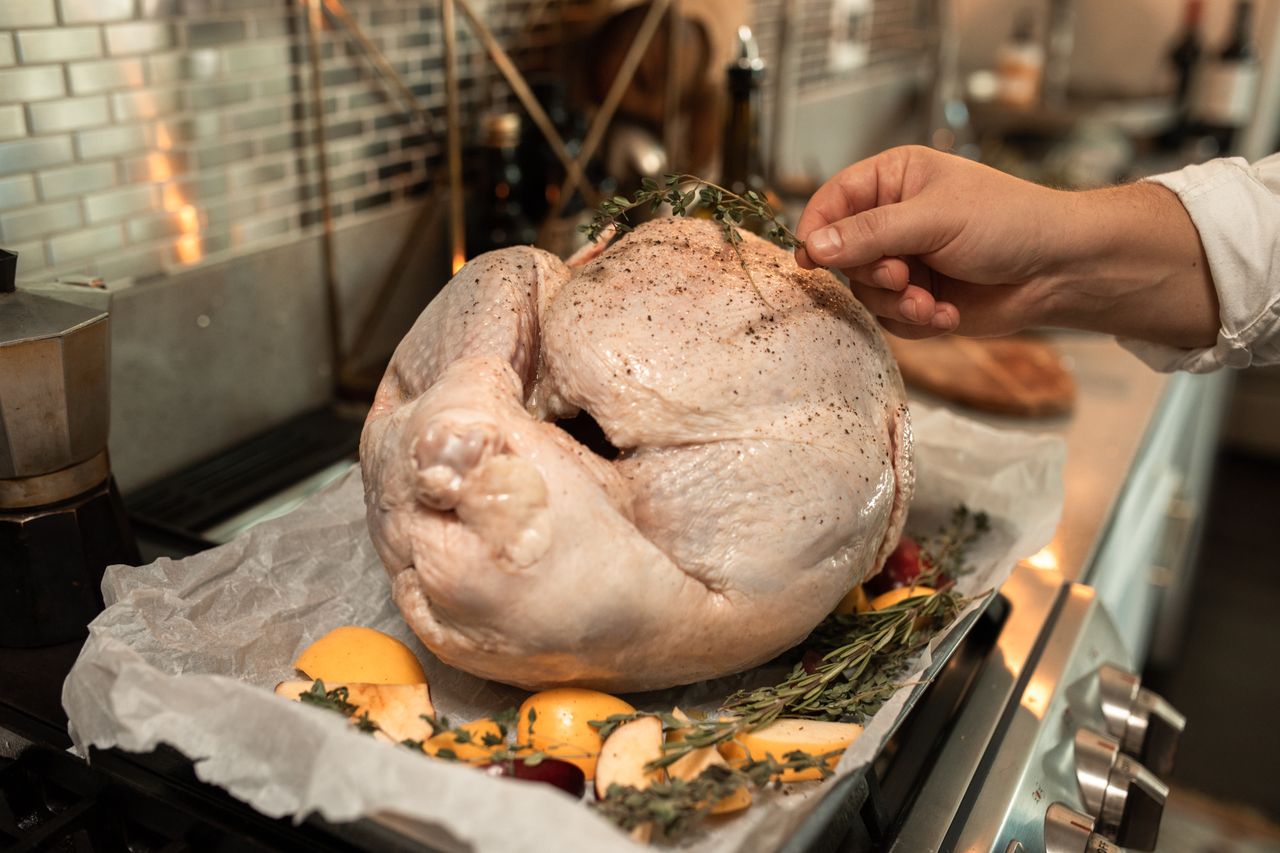
Photo via Pexels
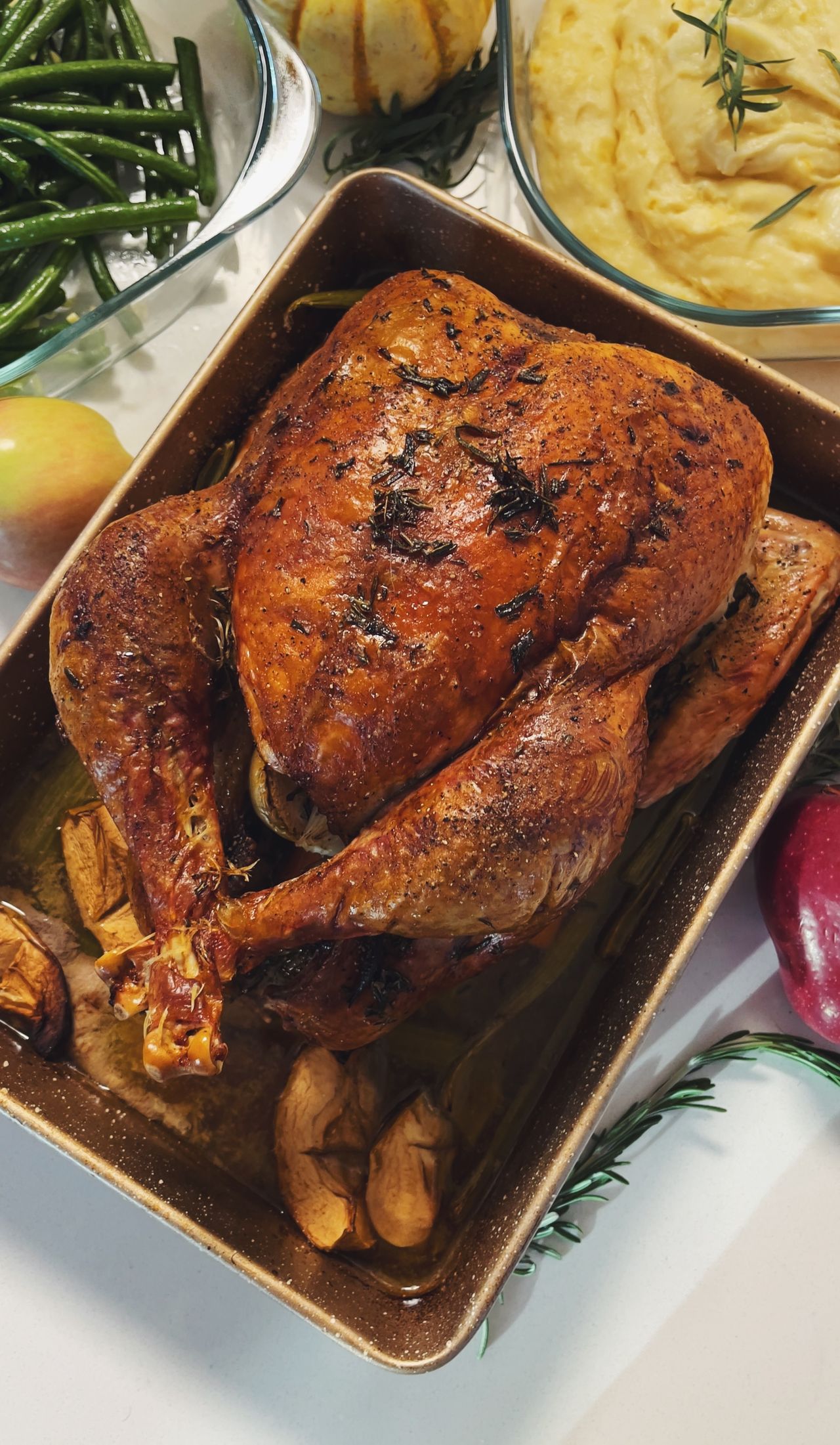
Photo via Pexels
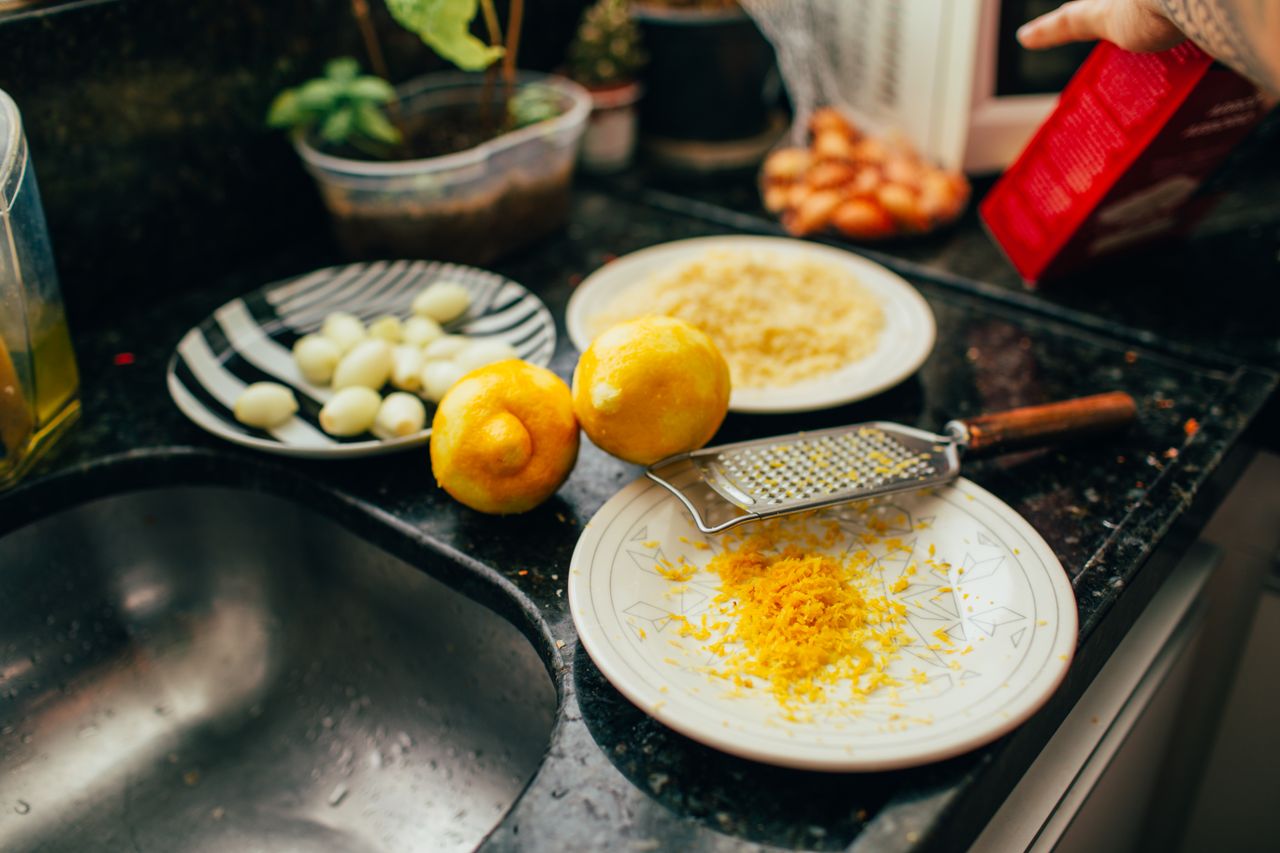
Photo via Pexels

No comments:
Post a Comment