Orange is the colour for women who want to be noticed for the right reasons, and if you are shopping for an orange formal dress in Australia, you have more choice than ever. From soft apricot and coral to deep burnt orange and bright tangerine, there is a shade that suits every skin tone, every venue and every budget, whether the event is a summer wedding in Brisbane, a gala dinner in Sydney or a long lunch in Melbourne. Orange photographs beautifully, it stands out in a room full of black dresses, and it carries a warmth that suits the Australian light.
This guide covers ten ideas, from a satin ball gown with a long train to a simple pleated dress you can wear again and again. It also answers the questions women ask most before buying: which shade suits your skin, what shoes and jewellery work best, how to wear orange to a wedding without upstaging anyone, and what to spend. A good formal dress in Australia usually costs between $120 and $350, and the smartest buy is a dress in a shade and shape you will happily wear to more than one event.
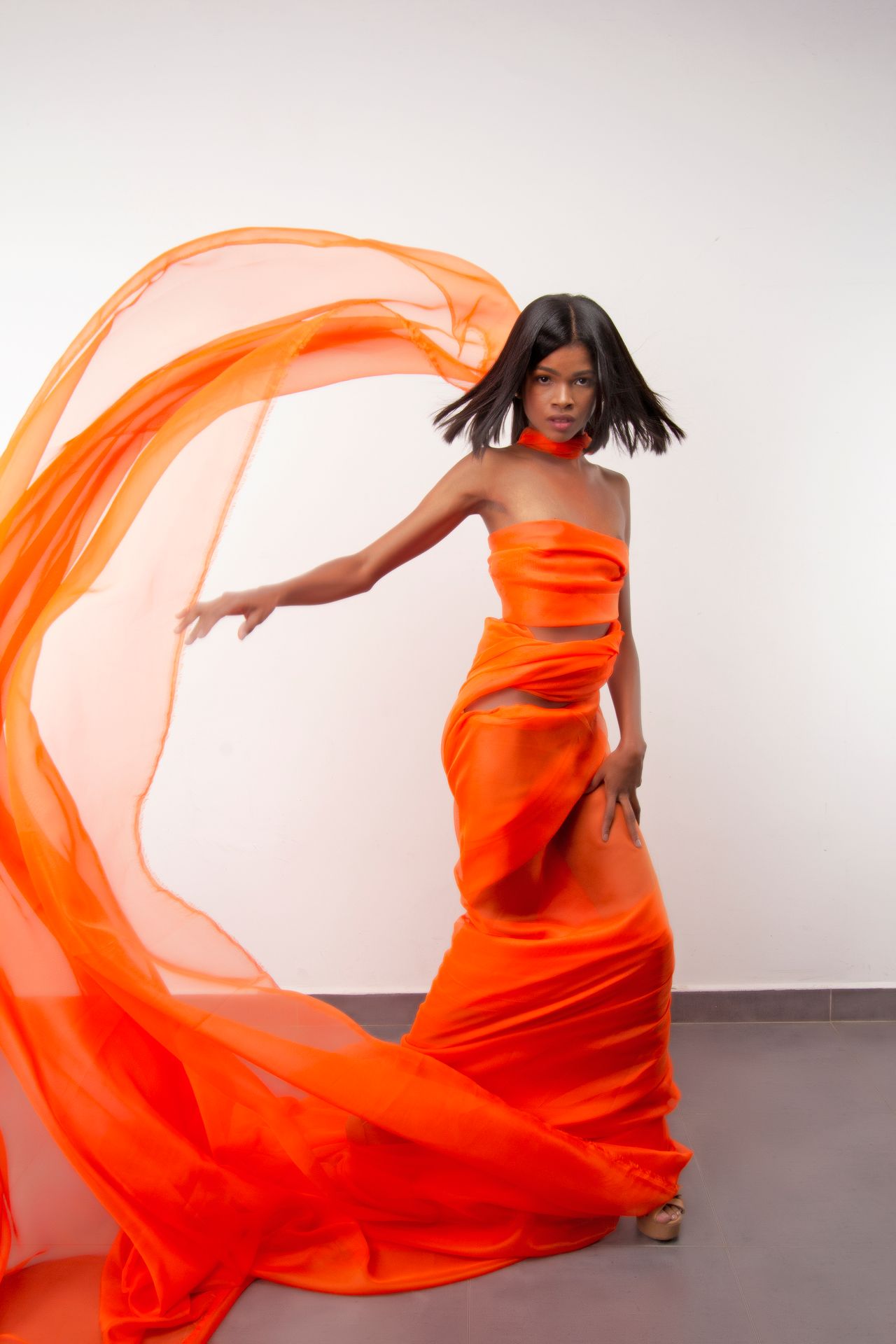
Photo via Pexels. A bright orange strapless gown with a long sheer train is the boldest way to wear this colour.
Contents
- 1. A Burnt-Orange Satin Ball Gown with a Train
- 2. A Burnt-Orange Satin Midi with a High Slit
- 3. An Orange Satin Gown with Puff Sleeves
- 4. A Long-Sleeved Pleated Dress for Modest Formal Wear
- 5. A Long Orange Shirt Dress with Side Slits
- 6. An Off-Shoulder Orange Satin Dress
- 7. A Flowing Burnt-Orange Gown with Wide Sleeves
- 8. A Bright Orange Halter-Neck Maxi Dress
- 9. A Satin Kaftan-Style Gown
- 10. A Monochrome Orange Look with Matching Accessories
- FAQs
- Final Thoughts
- Gallery
1. A Burnt-Orange Satin Ball Gown with a Train
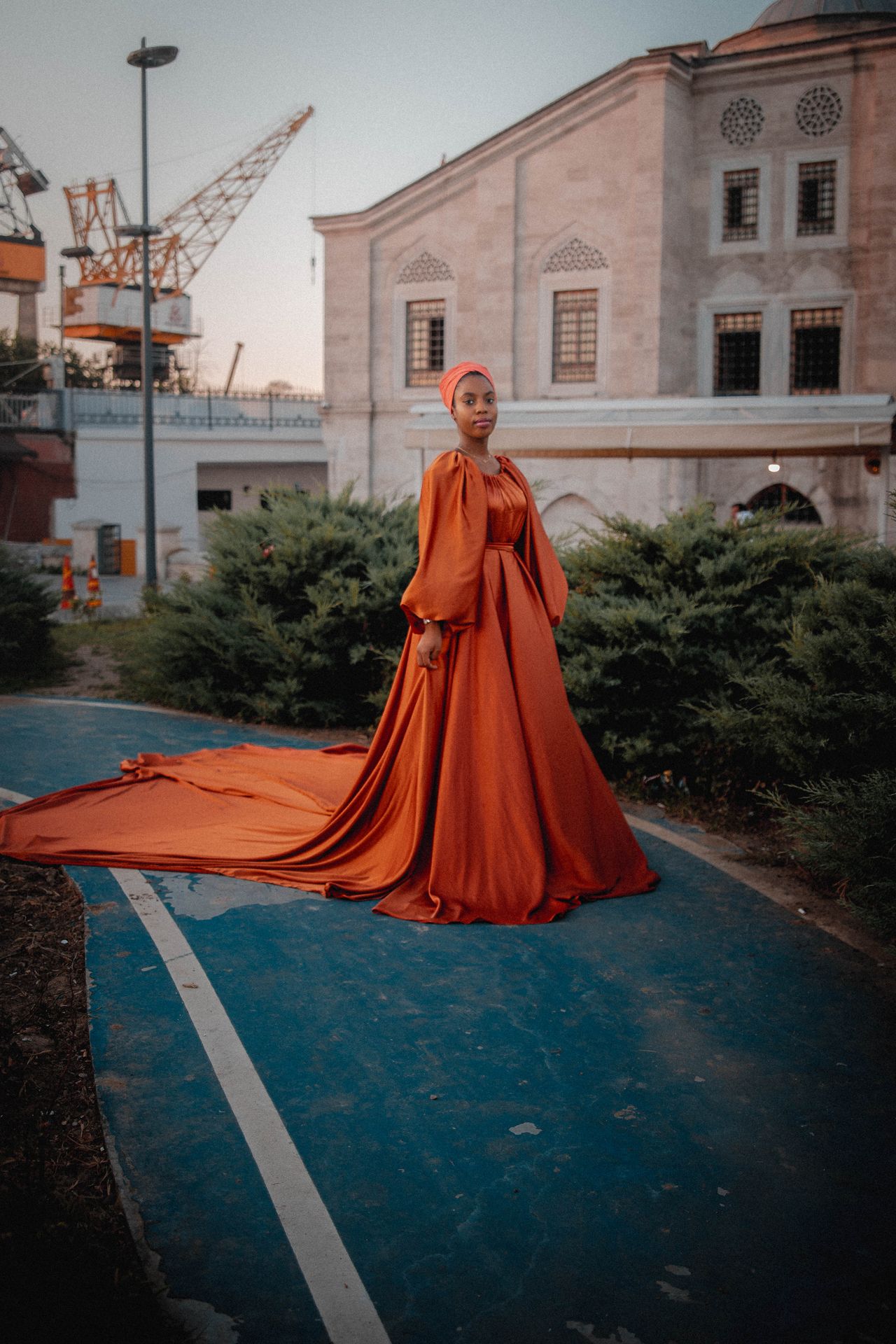
Photo via Pexels. A burnt-orange satin gown with long sleeves and a long train is a grand, modest choice for a gala or formal wedding.
A ball gown is the most formal choice in this guide, and burnt orange makes it feel modern rather than old-fashioned. The long sleeves and high neckline in the photo keep the look modest, while the satin fabric and the long train give it all the drama a ball gown needs. This is the dress for a black-tie wedding, a charity gala or a formal awards night, where a shorter dress would feel underdressed. Burnt orange is also one of the easiest orange shades to wear, because its warm, earthy tone suits fair, medium and deep skin tones, and it looks rich under both daylight and evening lights.
Before you buy a gown with a train, plan how you will manage it. A train that lies on the ground looks wonderful in photos, but it needs a loop or a bustle so you can lift it for dancing, stairs and trips to the bathroom, and you should practise walking in it with your event shoes on. Our guide to different types of dresses compares ball gowns with A-line, sheath and mermaid shapes side by side, which helps if you are torn between a full skirt and a slimmer shape. Keep jewellery simple with a gown like this, since the train and the colour already do the talking: small gold earrings, a plain bracelet and a nude or gold heel are enough. Expect to pay $250 to $400 for a well-made satin gown with a train, and check that the lining is smooth and the hem is finished properly, since cheap satin can look shiny in a bad way under camera flash.
2. A Burnt-Orange Satin Midi with a High Slit
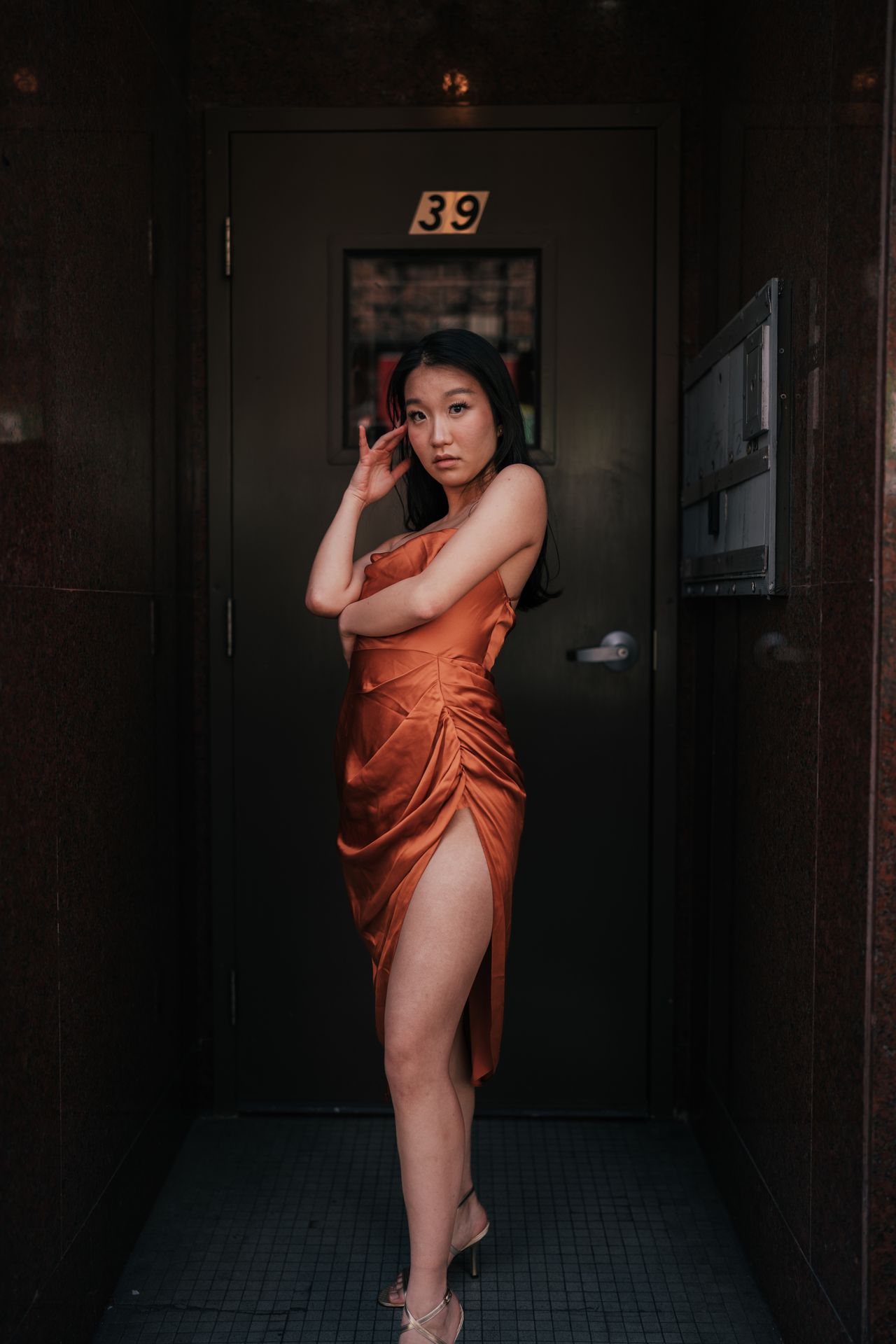
Photo via Pexels. A burnt-orange satin midi with a high side slit and gold heels is polished, leg-lengthening and easy to walk in.
A satin midi is the most useful formal dress most women will own, because it sits between a cocktail dress and a full gown. The burnt-orange version in the photo has a strapless, draped bodice, a ruched waist and a high side slit that makes walking easy and legs look longer. It suits cocktail weddings, engagement parties, milestone birthdays and dinners where a floor-length gown would feel too much. The midi length, ending below the knee, is also practical: you can sit, dance and move through a crowded room without holding up a skirt, and it shows off your shoes, which is half the fun of a formal outfit.
Gold heels are the natural partner for burnt orange, as the photo shows, because gold picks up the warmth of the colour without competing with it. Nude heels work just as well if you want a quieter finish, and black heels give a stronger contrast for an evening event. If the slit worries you, look for a dress where the slit sits at the front of one leg rather than the side, or have a tailor add a small tack stitch to hold it at a height you are comfortable with. Satin shows water marks, so keep a small umbrella handy if rain is forecast, and choose underwear close to your skin tone, since satin is less forgiving than matte fabrics. A dress like this usually costs $150 to $300 in Australia, and it is worth spending a little more for a satin with some weight, which drapes better and wrinkles less than a thin, shiny one.
3. An Orange Satin Gown with Puff Sleeves
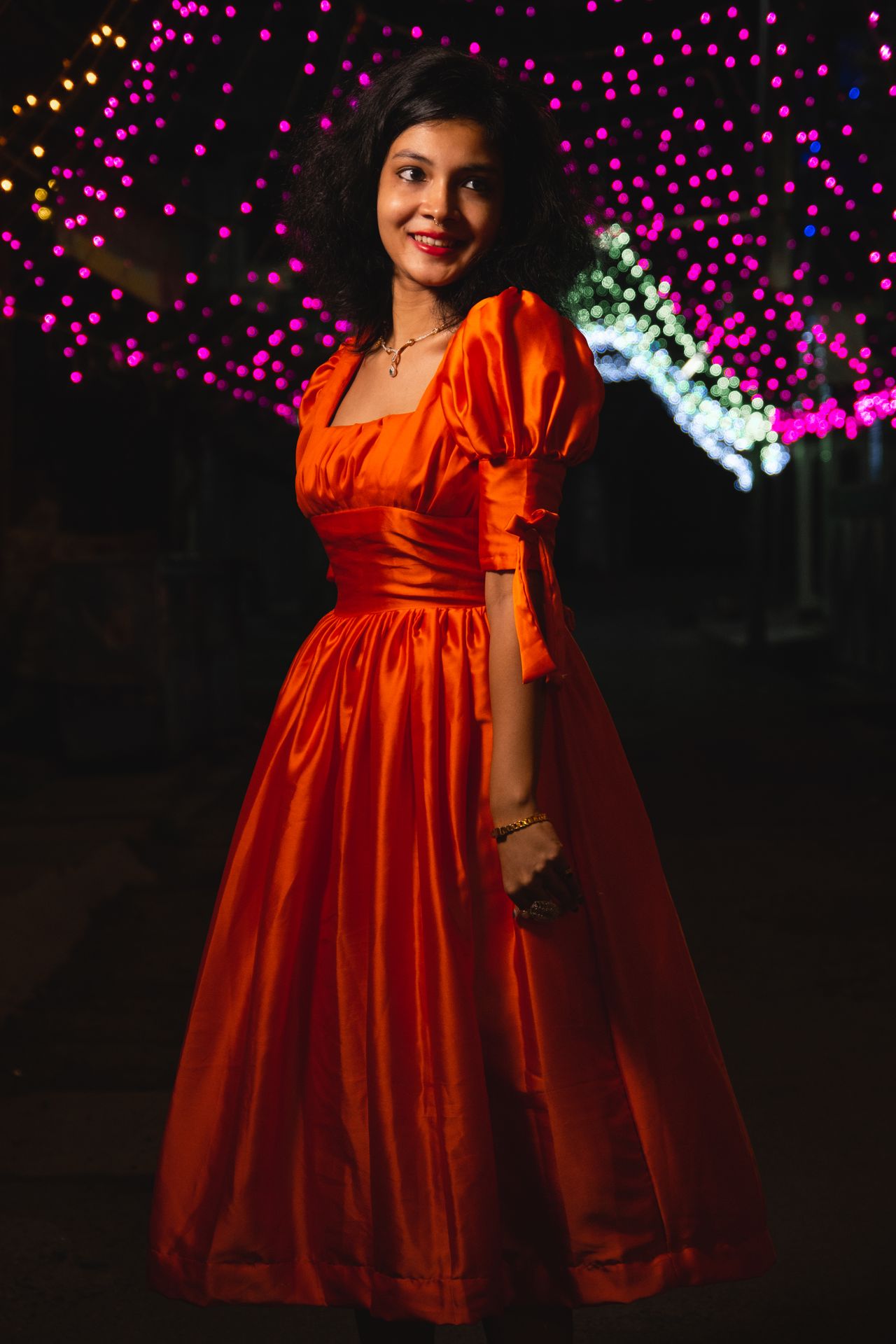
Photo via Pexels. An orange satin gown with puff sleeves and a square neckline, photographed at night under party lights.
Puff sleeves are back in a big way, and on a formal gown they add romance without adding bulk where you do not want it. The gown in the photo pairs soft puff sleeves with a square neckline, a fitted bodice and a full satin skirt, which is a flattering combination for most figures: the sleeves balance the shoulders, the square neckline shows the collarbones, and the fitted waist gives the full skirt its shape. This is a lovely choice for an evening wedding or a formal dinner, especially under party lights, where satin catches the light and the bright orange glows. It also photographs beautifully from the front, which matters when most event photos are taken face-on.
When you try a puff-sleeve gown, check the sleeve from the side as well as the front, because a sleeve that looks soft face-on can look very wide in profile. A sleeve that ends at or above the elbow is usually the most flattering, and a small tie or button detail at the cuff, like the one in the photo, keeps the sleeve looking finished rather than puffy. Keep your necklace simple or skip it, since the square neckline is already a strong feature, and let earrings do the work instead. A small clutch in gold or nude, and a heel you can stand in for hours, will finish the look. Puff-sleeve satin gowns in Australia usually sit between $180 and $350, and the best ones have a bodice with boning or a firm lining, so the top stays in place all night.
4. A Long-Sleeved Pleated Dress for Modest Formal Wear
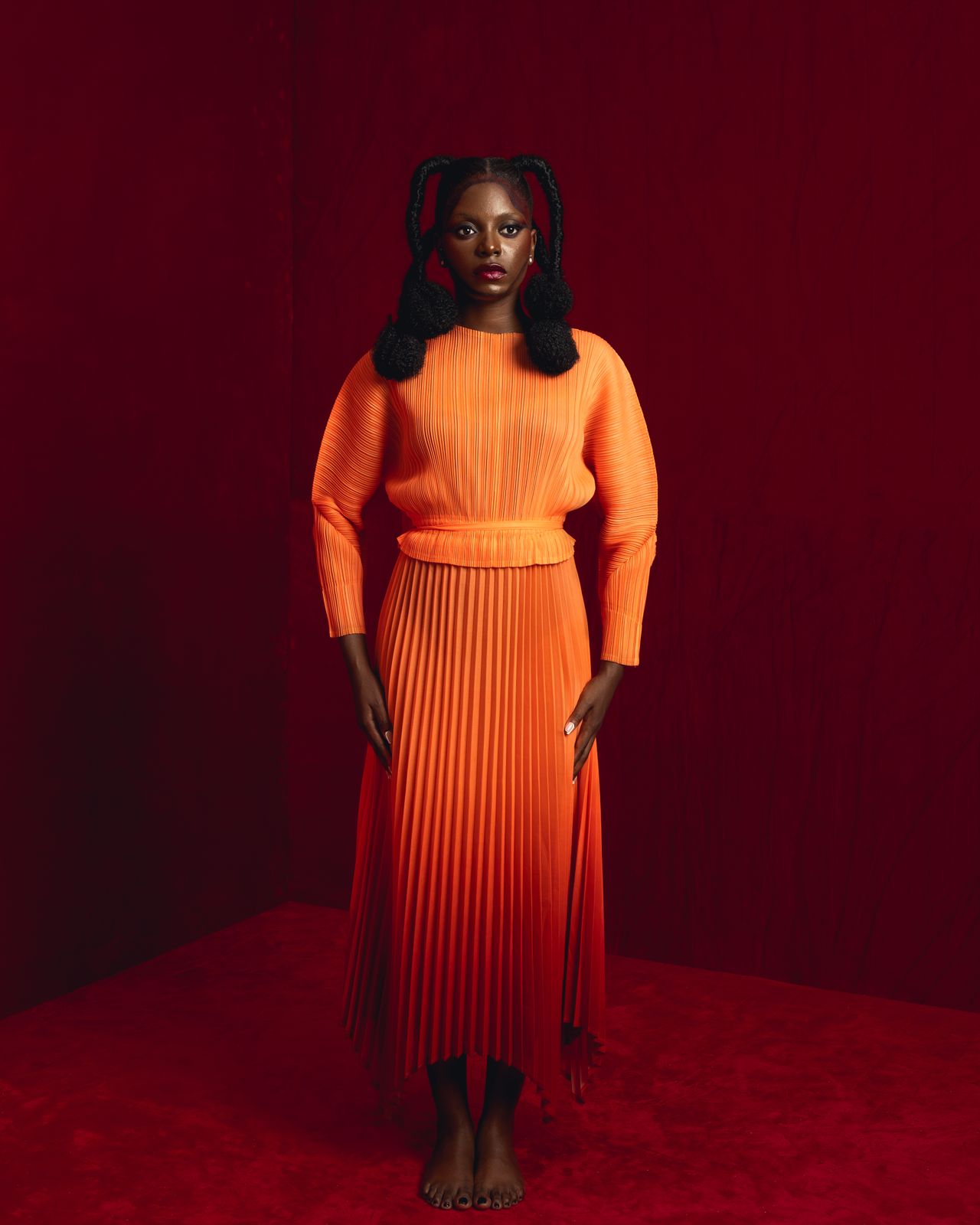
Photo via Pexels. A long-sleeved pleated orange dress is a modest, elegant formal choice that needs almost no jewellery.
Not every formal event calls for bare shoulders, and a long-sleeved pleated dress is the answer when you want coverage without looking plain. The dress in the photo is pleated from shoulder to hem, with a high neckline, long sleeves and a soft waistband, and the pleats give it movement every time the wearer moves. Pleats are also kind to many figures, because they skim rather than cling, and they hide a multitude of sins around the waist and hips. This is a strong choice for a formal lunch, a cultural celebration, a work awards night or any event where you want to look polished and feel comfortable at the same time.
Because the pleats are the feature, keep everything else quiet: one pair of earrings, a plain shoe and no busy bag. If the night turns cool, a short, soft knit worn over a long dress can work surprisingly well, and the balance rules in our skirt and sweater pairing ideas show how a knit and a long shape sit together without hiding the outfit underneath. Pleated dresses do need care: hang them, never fold them tightly, and steam rather than iron, since a hot iron can flatten pleats for good. Look for pleats that are stitched or heat-set all the way down, rather than pressed only at the top, so the shape lasts through a long evening. Expect to pay $140 to $280 for a good pleated formal dress.
5. A Long Orange Shirt Dress with Side Slits
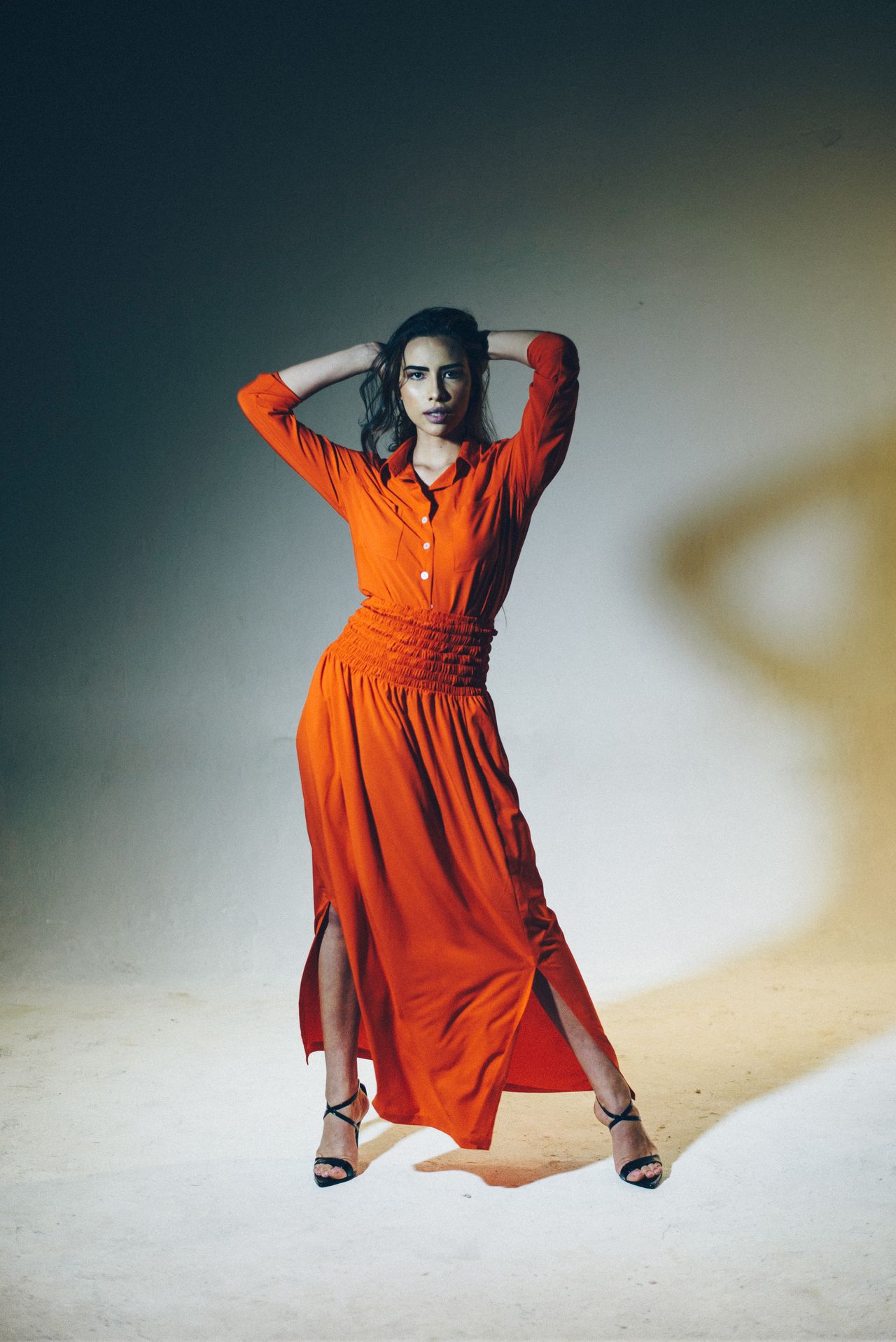
Photo via Pexels. A long orange shirt dress with a smocked waist, side slits and black strappy heels, photographed in a studio.
A shirt dress is the most relaxed shape in this guide, but in a long length and a bold orange it reads as smart formal wear rather than daywear. The dress in the photo has a classic shirt collar, a button front, long sleeves and a smocked waist that defines the figure without a belt, plus side slits that make the long skirt easy to walk in. It suits a semi-formal wedding, a long lunch, a garden party that runs into the evening, or a dinner where you want to look dressed up but still feel like yourself. The shirt shape also suits women who prefer sleeves and a collar, and it is one of the easiest formal shapes to fit, since the button front and smocked waist forgive a centimetre or two either way.
Black strappy heels, as in the photo, are the simplest partner for a bright orange shirt dress, because they ground the colour and keep the outfit from looking too sweet. For a softer finish, try tan or nude heels, and for evening, a gold sandal lifts the whole look. One caution with shirt dresses: check the button front in bright light and when you sit down, since gaps between buttons are the classic shirt-dress problem. A well-fitting dress, a small piece of fashion tape between buttons, or a camisole underneath all fix it. A long shirt dress in a good crepe or cotton blend usually costs $120 to $250 in Australia, and it is one of the most re-wearable dresses here, since it works for work events and dinners with different shoes and jewellery.
6. An Off-Shoulder Orange Satin Dress
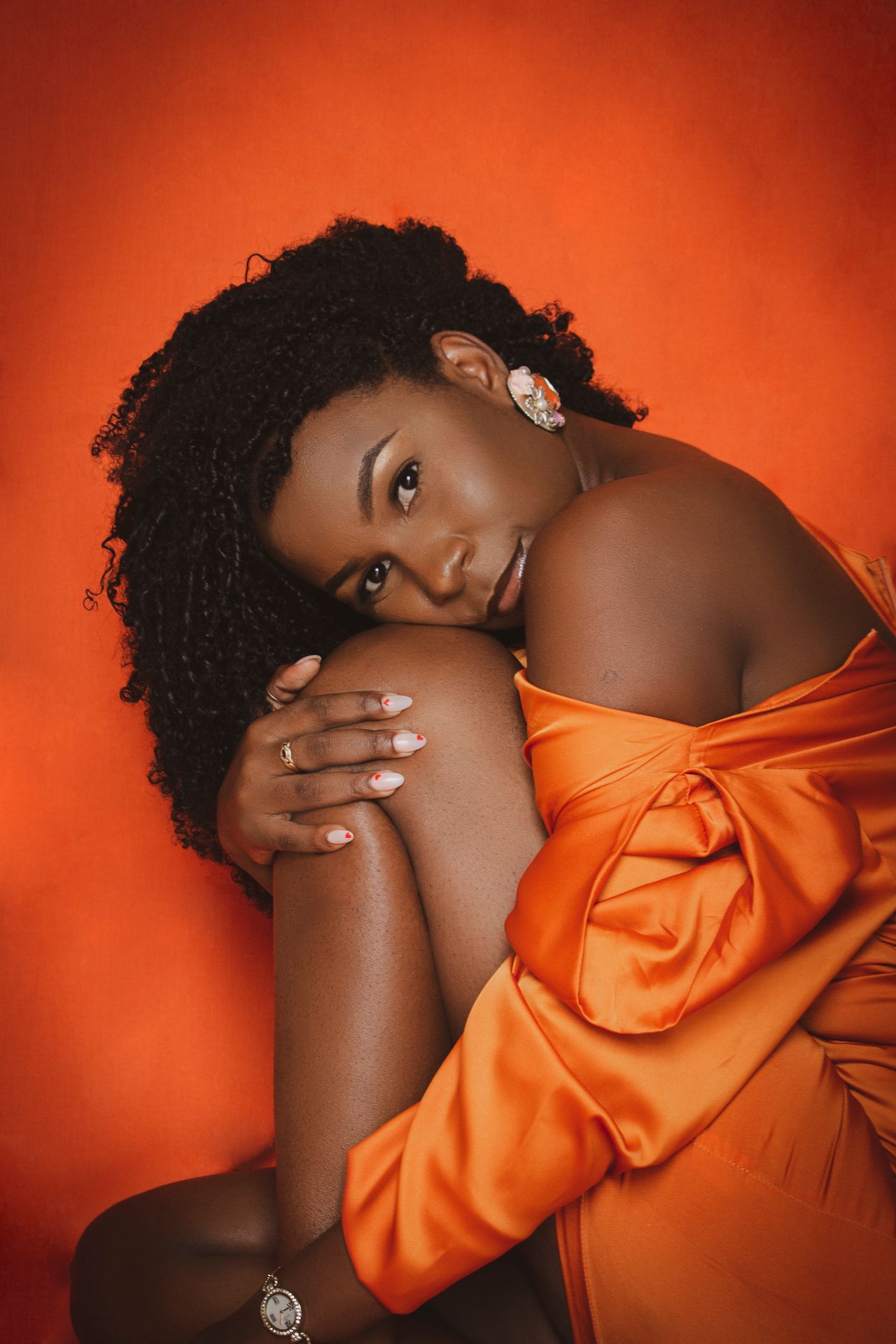
Photo via Pexels. An off-shoulder orange satin dress, shown in a close portrait crop against a matching orange backdrop.
An off-shoulder neckline is made for orange satin, because the bare shoulders and the shiny fabric together create a warm, glowing effect that suits evening light. The portrait in the photo shows the idea in close-up: a draped off-shoulder bodice, a statement earring and soft, simple hair, with nothing else competing for attention. This is a beautiful choice for a cocktail party, a date-night dinner or a small formal celebration, where you want to look glamorous without a full gown. It also suits women with lovely shoulders and collarbones, and it draws the eye upward, which is flattering in photos.
Off-shoulder dresses do need a fitting check that other necklines do not. Raise your arms, sit down and reach forward, and make sure the neckline stays where it should without you pulling at it all night. A dress with a light grip strip or a firm, boned bodice will stay put far better than a loose, unlined one. Hair worn up or swept to one side shows off the neckline best, while long hair worn down over the shoulders can hide it completely, so plan your hairstyle with the dress, not after it. Statement earrings, like the ones in the photo, are the right jewellery here, since a necklace can clutter the neckline. An off-shoulder satin dress usually costs $130 to $280, and it is worth trying on in the shoes you will wear, since the hem length changes how the whole outfit sits.
7. A Flowing Burnt-Orange Gown with Wide Sleeves
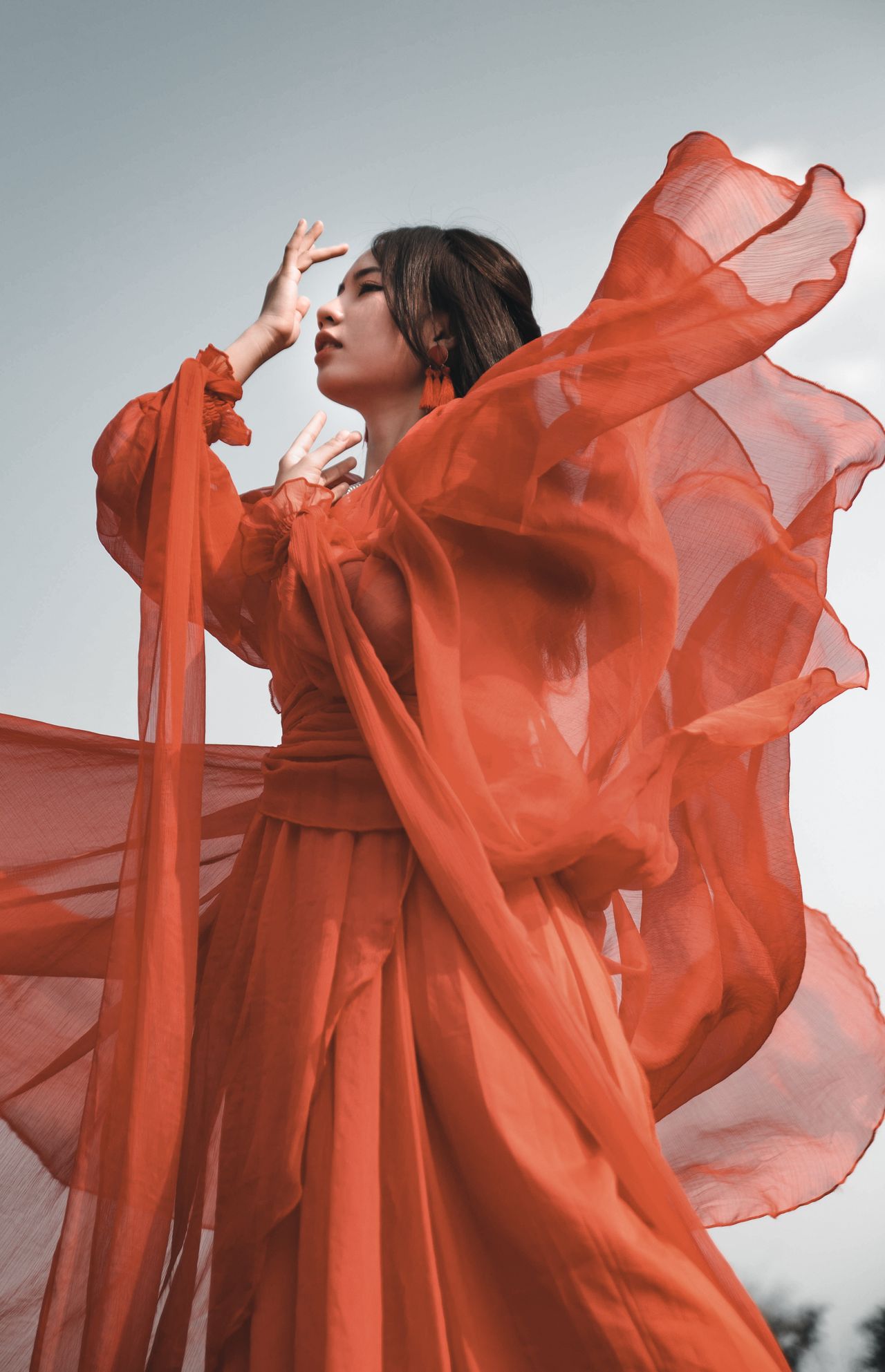
Photo via Pexels. A flowing burnt-orange gown with wide sheer sleeves, photographed outdoors in soft light.
Wide, flowing sleeves turn a simple gown into something dramatic, and they are one of the most photographed details at outdoor weddings. The gown in the photo is made from a light, flowing fabric in burnt orange, with sheer sleeves that catch the breeze and move as the wearer moves. This is the dress for a garden wedding, a sunset ceremony or an outdoor dinner, where the fabric can actually move, and it suits women who love a romantic, floaty look rather than a structured one. Burnt orange is the right shade for this shape, because a paler orange in a floaty fabric can look washed out in photos, while the deeper tone holds its colour in daylight.
Floaty sleeves need a little practical thought. They can dip into food and drinks, so push them back or hold them when you eat, and be careful around candles at the table. A light fabric also means you should check the dress in bright sunlight before the day, since some sheer fabrics become see-through in strong light and need a slip underneath. Pair this gown with simple drop earrings and a small clutch, and keep your hair soft and loose or in a low bun, so the sleeves stay the star. A flowing gown like this usually costs $160 to $320 in Australia. If you are buying online, check the fabric weight in the description: a fabric with a little weight will drape and move beautifully, while a very thin one can look flimsy and blow around too much in wind.
8. A Bright Orange Halter-Neck Maxi Dress
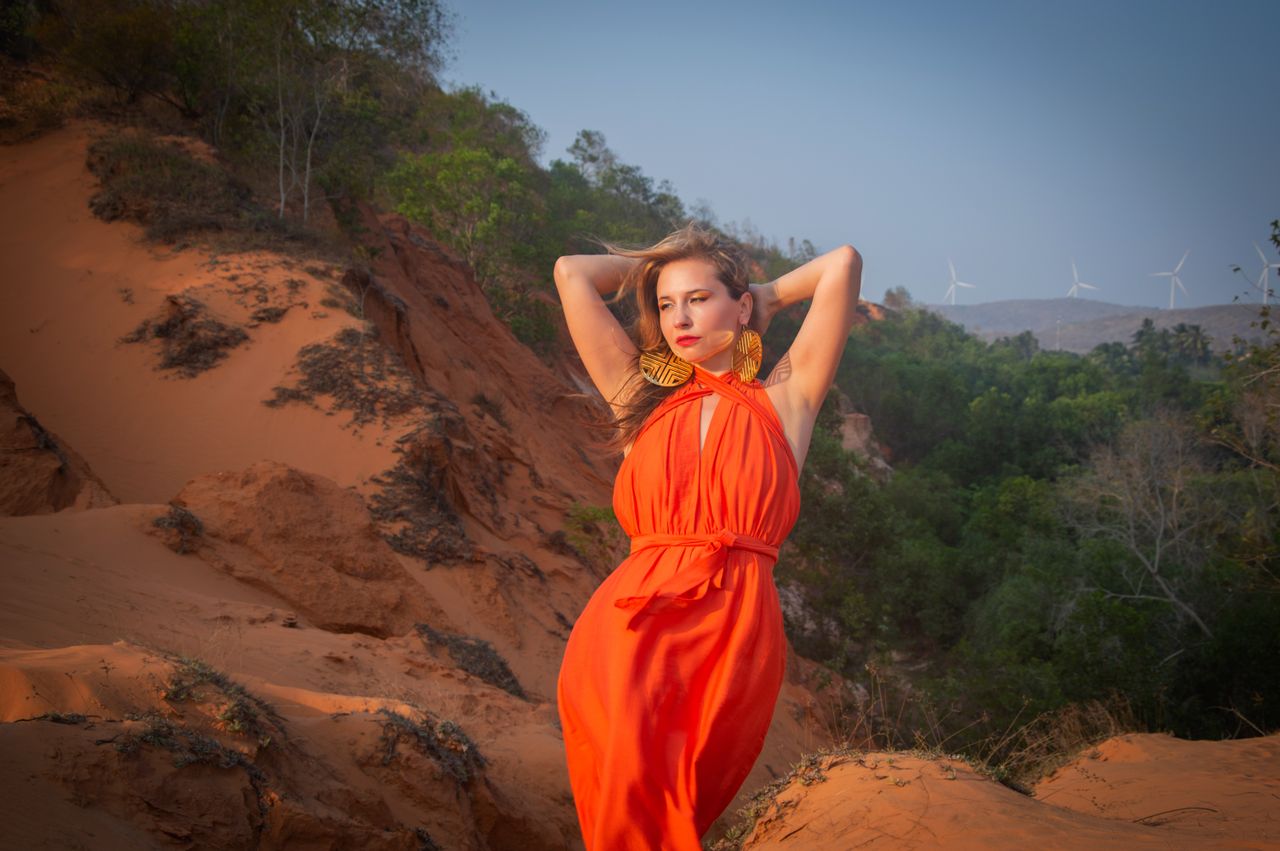
Photo via Pexels. A bright orange halter-neck maxi dress with a tied waist, worn outdoors with large gold earrings.
A halter neckline is one of the most flattering necklines for a maxi dress, because it lifts the shoulders, shows the arms and creates a long, clean line from neck to hem. The dress in the photo pairs a halter neck with a tied waist and a long, flowing skirt in bright orange, worn with large gold earrings that echo the warmth of the colour. This is a wonderful choice for a summer wedding, a resort dinner or a warm-weather formal event, especially in Queensland or northern New South Wales, where a sleeved gown can feel too hot. The tied waist is also a gift for fit, since you can adjust it to sit exactly where you want it.
Halter necklines do need the right underwear: a halter bra, adhesive cups or a dress with built-in support will all work, but a normal bra strap showing at the neck will spoil the clean line. If you have a larger bust, look for a halter with a wider neckband and a firm bodice, which gives more support than a thin tie neck. Large gold earrings, as in the photo, are the perfect jewellery for a halter, since they sit close to the neckline without competing with it. A halter maxi in a good crepe or chiffon usually costs $130 to $280, and it packs well for a destination wedding, since the flowing skirt does not crease as badly as a structured gown.
9. A Satin Kaftan-Style Gown
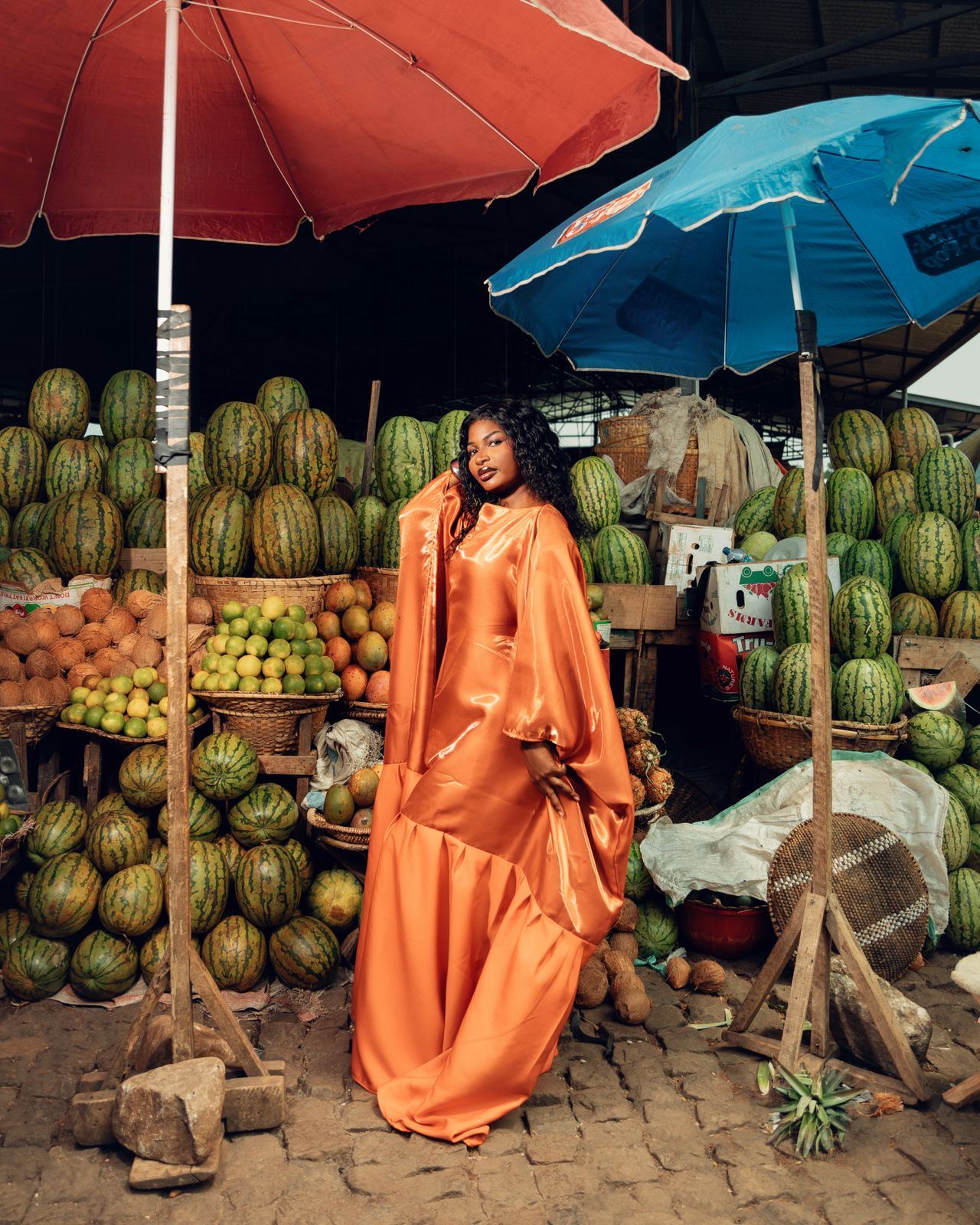
Photo via Pexels. A long orange satin kaftan-style gown with wide sleeves, photographed at a market stall; the loose shape is the point of the look.
A kaftan-style gown is the most comfortable formal dress in this guide, and that comfort is exactly why it works. The gown in the photo is cut loose from shoulder to hem, with very wide sleeves and a long, flowing skirt in soft orange satin, and it drapes rather than clings. It suits long celebrations, cultural events, family weddings and any evening where you will be sitting, eating and dancing for hours, because nothing digs in or needs adjusting. It is also a generous shape for many body types, and it looks striking on women of all ages, since the drama comes from the fabric and the colour, not from a tight fit.
The trick with a kaftan is to keep it looking formal rather than like loungewear, and fabric is what decides it. A shiny satin or a rich crepe, as in the photo, reads as occasion wear, while a thin cotton kaftan reads as a beach cover-up. Add one polished detail, such as a statement earring, a structured clutch or a heeled sandal, so the outfit has a focal point. Watch the wide sleeves around food and drinks, and if the gown is very long, have the hem checked with your event shoes on, since a kaftan that drags will trip you and pick up dirt. A satin kaftan gown usually costs $150 to $300 in Australia, and it is a kind choice for women who want full coverage without giving up glamour.
10. A Monochrome Orange Look with Matching Accessories
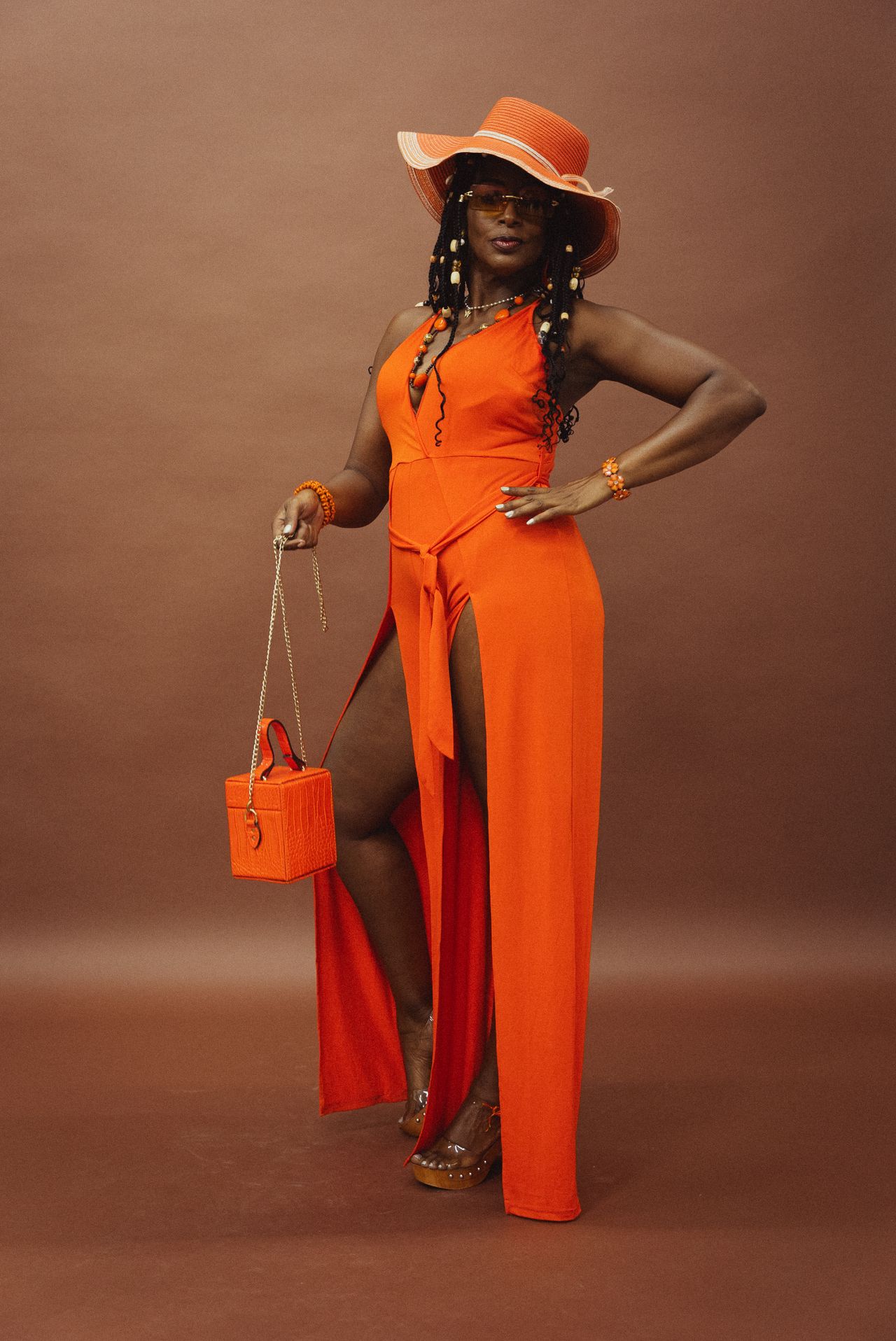
Photo via Pexels. A bright orange gown with a high slit, worn with a matching orange hat, beaded jewellery and a small orange bag.
Monochrome dressing, wearing one colour from head to toe, is the boldest styling idea here, and orange is made for it. The look in the photo matches a bright orange gown with a high slit to an orange hat, orange beaded jewellery and a small orange bag, and the result is confident, polished and impossible to miss. Monochrome works because it removes all colour decisions: there is nothing to clash, and the eye reads the whole outfit as one long, elegant line, which is flattering and lengthening. This is the look for a race day, a fashion-forward wedding or a party where you want to be remembered, and it suits women who enjoy attention rather than shying away from it.
To make monochrome work, vary the textures rather than wearing one flat fabric everywhere. In the photo, the smooth gown, the woven hat, the beads and the structured bag all catch light differently, which stops the outfit from looking like a costume. If matching everything feels too much, start with two pieces in the same shade, such as the dress and the bag, and keep shoes and jewellery neutral. A hat, if you wear one, should be tried on with the dress, since a wide brim changes how the neckline and shoulders read in photos. A monochrome look does not have to cost more than a normal formal outfit: the dress is the main spend at $150 to $350, and the matching accessories can be pieces you already own or affordable finds in the same shade family.
FAQs
What shoes go best with an orange dress for a formal event?
Nude heels are the safest choice, because they lengthen the leg without competing with the colour. Gold heels are the next best pick, since gold warms up orange beautifully, and black heels give a strong, classic contrast for evening events. Avoid bright coloured shoes unless you are deliberately colour-blocking, since a second bright colour can fight with the dress.
Can I wear orange to a wedding in Australia?
Yes, in most cases. Orange is not a bridal colour, so it does not break the usual wedding rule about avoiding white and ivory. Do check the invitation first: if the couple has asked guests to wear a set colour palette, or the wedding has a cultural dress code, follow that. Otherwise, a burnt orange or tangerine dress is a joyful, wedding-friendly choice.
Which shade of orange suits my skin tone?
As a simple guide, warm undertones usually suit burnt orange, terracotta and rust, while cool undertones often suit coral, peach and softer tangerine shades. Neutral undertones can wear most oranges. The best test is to hold the fabric up to your face in natural daylight: the right shade will make you look healthy and bright, while the wrong one can make you look tired or washed out.
What jewellery works with a bright orange dress?
Gold is the classic partner for orange, because it adds warmth without cooling the colour down. Silver can work with softer coral and peach shades, but it can fight with deep burnt orange. Keep it simple: one strong piece, such as statement earrings or a cuff, is better than a necklace, earrings, bracelet and ring all competing at once.
How do I keep an orange satin dress looking good all night?
Choose a satin with some weight, since thin satin wrinkles and shows marks easily. Steam the dress before the event rather than ironing it, carry a small stain pen in your clutch, and keep water away from the fabric, since satin shows water marks. Sit carefully on light-coloured chairs, and hang the dress as soon as you get home so it airs before cleaning.
Final Thoughts
Orange earns its place in a formal wardrobe because it does something black, navy and blush cannot: it makes you look joyful, confident and warm, all at once. Start with the shade that suits your skin, then choose the shape that suits your event and your comfort. A burnt-orange satin gown is the safest big-occasion buy, a midi is the most re-wearable, and a flowing gown is the most romantic for outdoor events. Whatever you choose, keep shoes and jewellery simple, let the colour do the talking, and try the whole outfit on, shoes and all, before the day. The right orange dress is not the loudest one in the shop: it is the one you feel wonderful walking into the room wearing.
Sources
- Showpo: Orange Cocktail Dresses styling guide
- Showpo: Orange Formal Dresses
- GlamCorner Australia: Orange Dresses styling tips
- DecentFoot: What Colour Shoes Go With an Orange Dress
Gallery
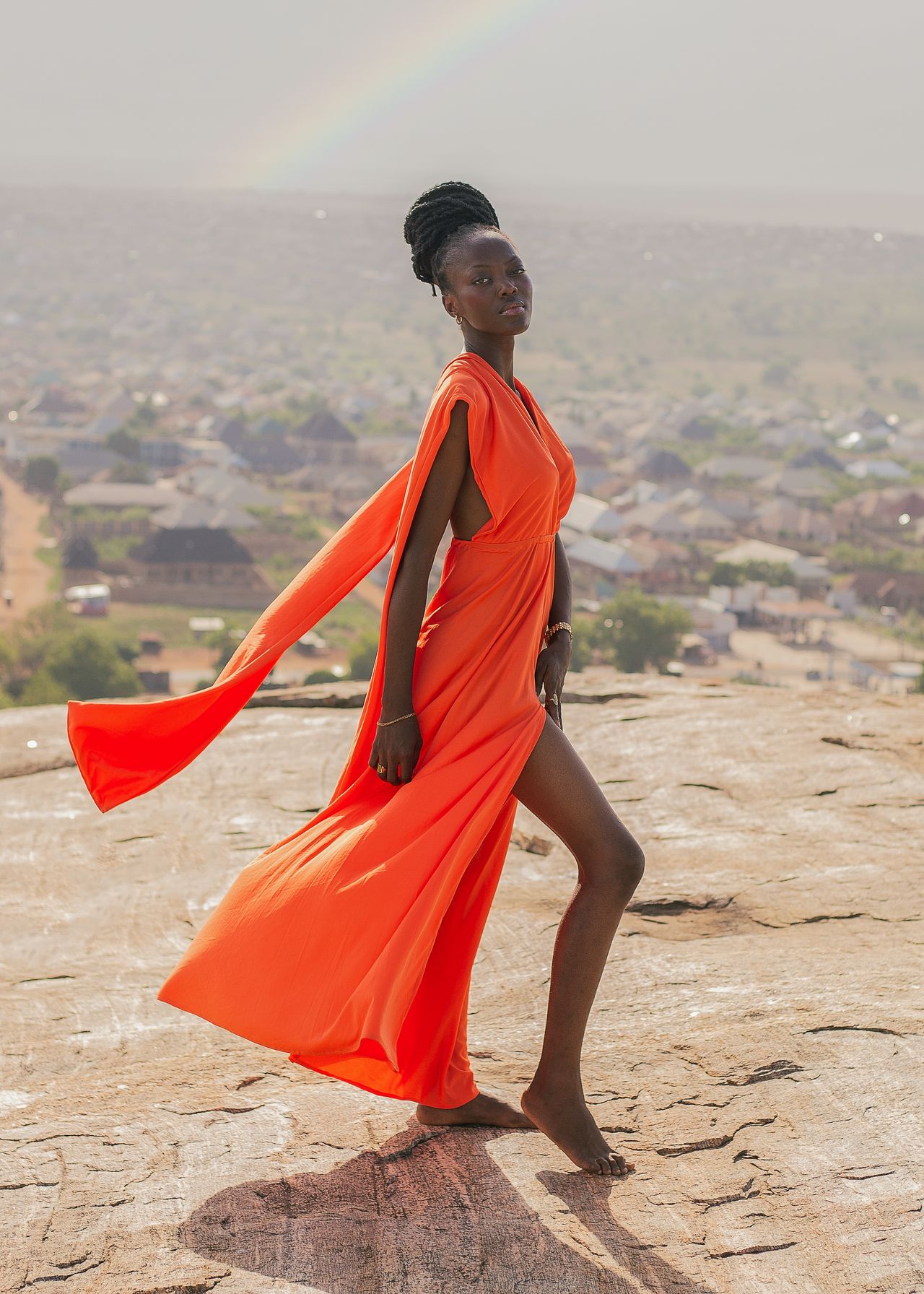
Photo via Pexels. A bright orange draped gown with a flowing back panel and a high slit, photographed barefoot outdoors; pair it with heels for a real event.
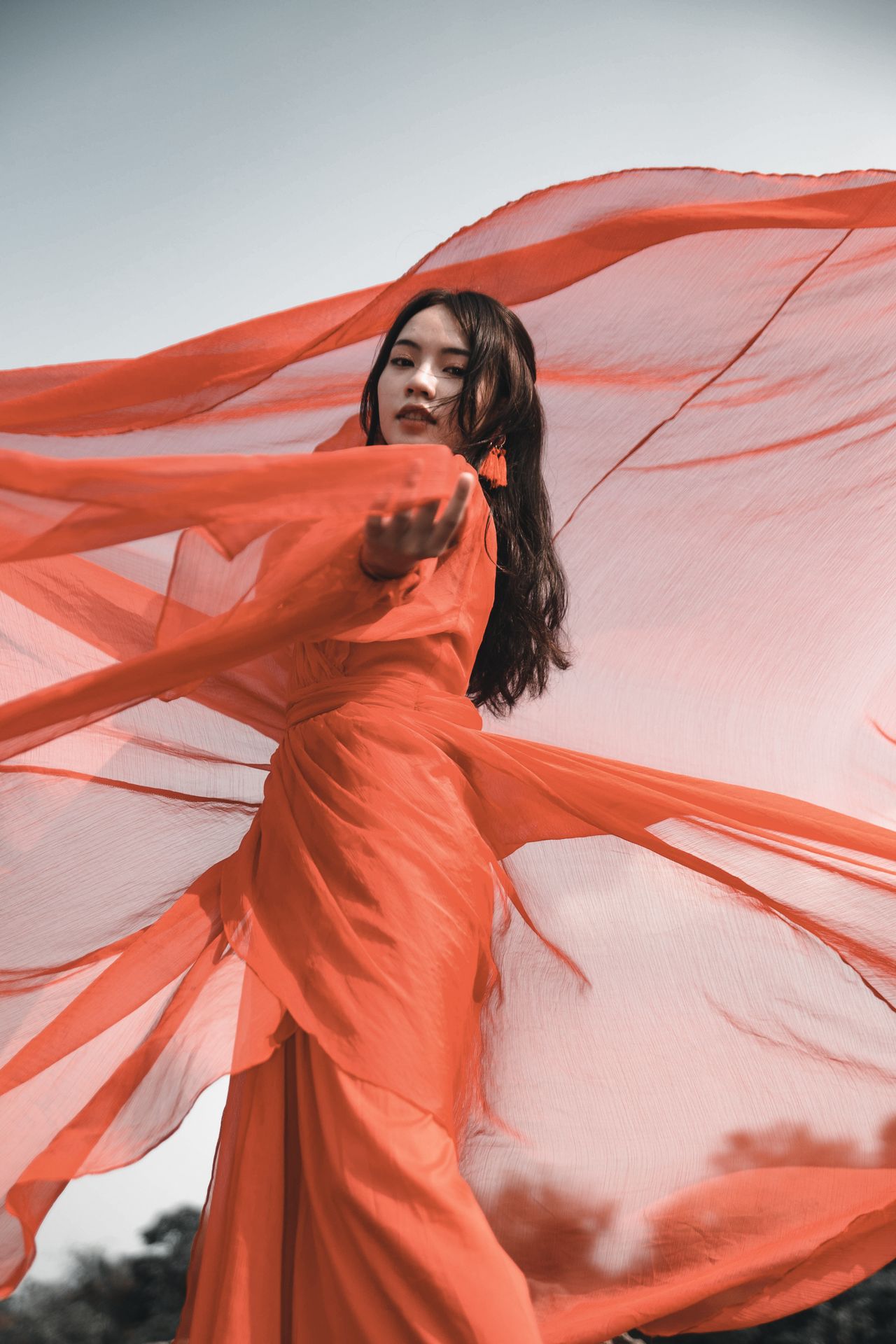
Photo via Pexels. The same flowing burnt-orange gown family as idea 7, shown here with its sheer fabric blowing in the wind.

Photo via Wikimedia Commons. A vintage orange-and-pink chevron-striped chiffon gown on a museum mannequin; a colour story for inspiration, not a shop look.

No comments:
Post a Comment