When your son or daughter is getting married, finding the right dress is about more than looking lovely in the photos. You want to feel comfortable all day, suit the venue and the season, and honour the couple without stealing attention from the bride. This guide covers mother-of-the-bride and mother-of-the-groom dresses for Australian weddings, a topic often searched as "mother bride groom dresses", with simple advice on who chooses first, which colours to avoid, and how to pick a length that works from the ceremony to the last dance.
Australian weddings range from beach ceremonies in Queensland to formal evening receptions in Melbourne, so there is no single correct dress. The ideas below cover formal gowns, daytime lengths, lace, chiffon, colour rules, comfort, cover-ups, garden weddings and shoes, so whatever the venue and the weather, you can choose with confidence and enjoy the day instead of worrying about your outfit.
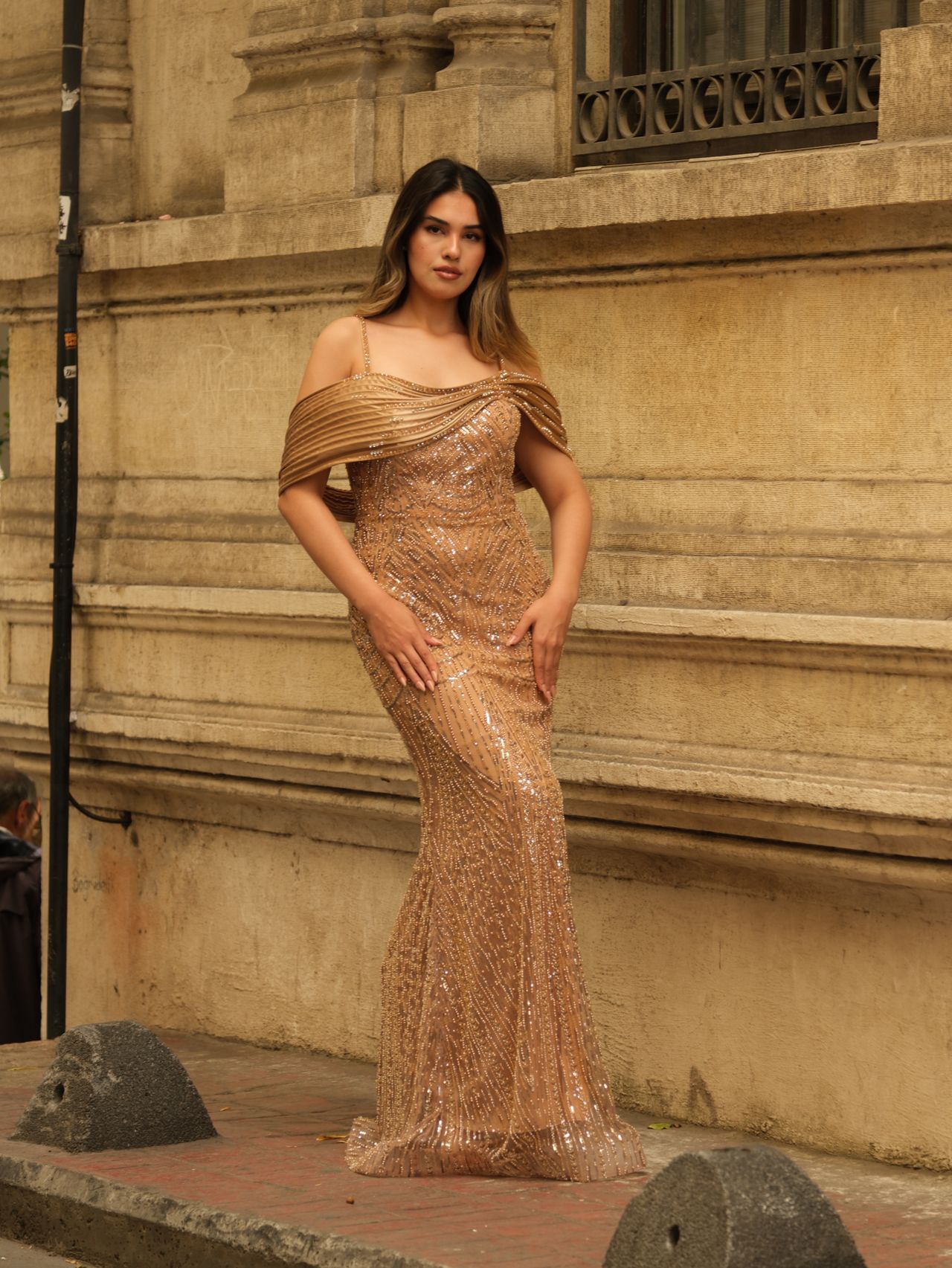
Photo via Pexels. Note: a floor-length champagne sequin gown with a draped off-shoulder bodice, shown outdoors against a stone building, with a passer-by partly visible at the edge.
Contents
- 1. Start With Coordination, Not Matching
- 2. Floor-Length Gowns for Formal Evenings
- 3. Knee Length for Daytime Weddings
- 4. Lace, the Classic Mother-of-the-Bride Fabric
- 5. Flowing Chiffon for Movement and Comfort
- 6. Colour Rules: Navy Wins, White Waits
- 7. Soft, Forgiving Fits for a Long Day
- 8. A Jacket or Cover-Up for Arms and Evenings
- 9. Garden Weddings in Australian Summer
- 10. Shoes and Accessories That Last All Day
- FAQs
- Final Thoughts
- Gallery
1. Start With Coordination, Not Matching
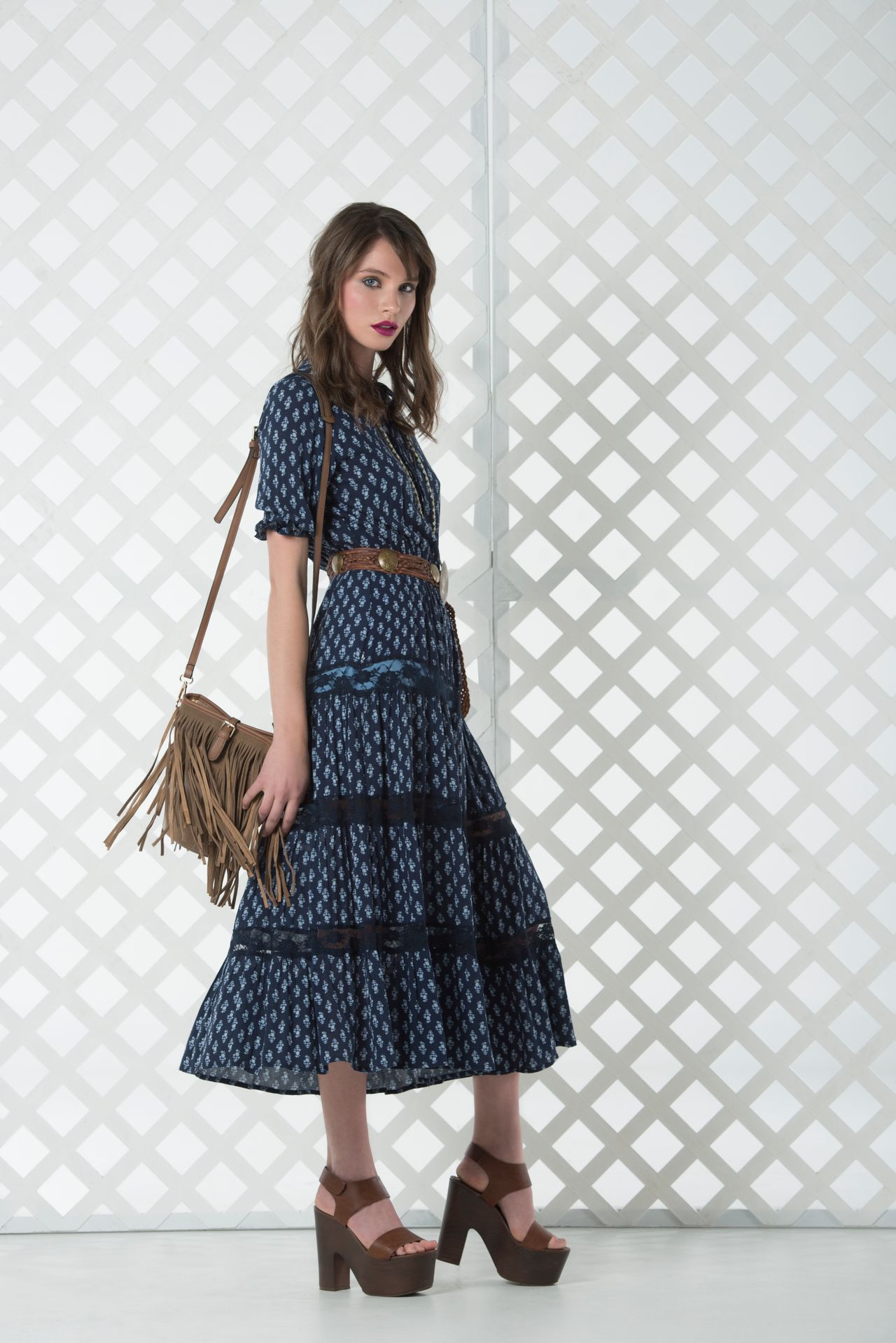
Photo via Pexels. Note: a navy tiered midi dress with lace bands and a woven belt, worn with very high platform sandals and a tan fringe bag.
Tradition says the mother of the bride chooses her dress first and sets the level of formality, and the mother of the groom then picks something that complements it. That does not mean matching dresses or identical colours. It means a similar length and level of dressiness, in colours that sit happily together in photos. A short phone call or a shared photo early on prevents the awkward moment of one mother in a floor-length gown and the other in a casual sundress.
If you are the groom's mother and you have not heard anything after a few weeks, a gentle check-in is perfectly polite, and it usually brings relief on both sides. Agree on the broad strokes, such as long or knee length, and a colour family, then choose freely within that. Both mothers should feel like themselves, because confidence shows in every photo, and guests remember warmth and ease far longer than they remember a hemline.
2. Floor-Length Gowns for Formal Evenings
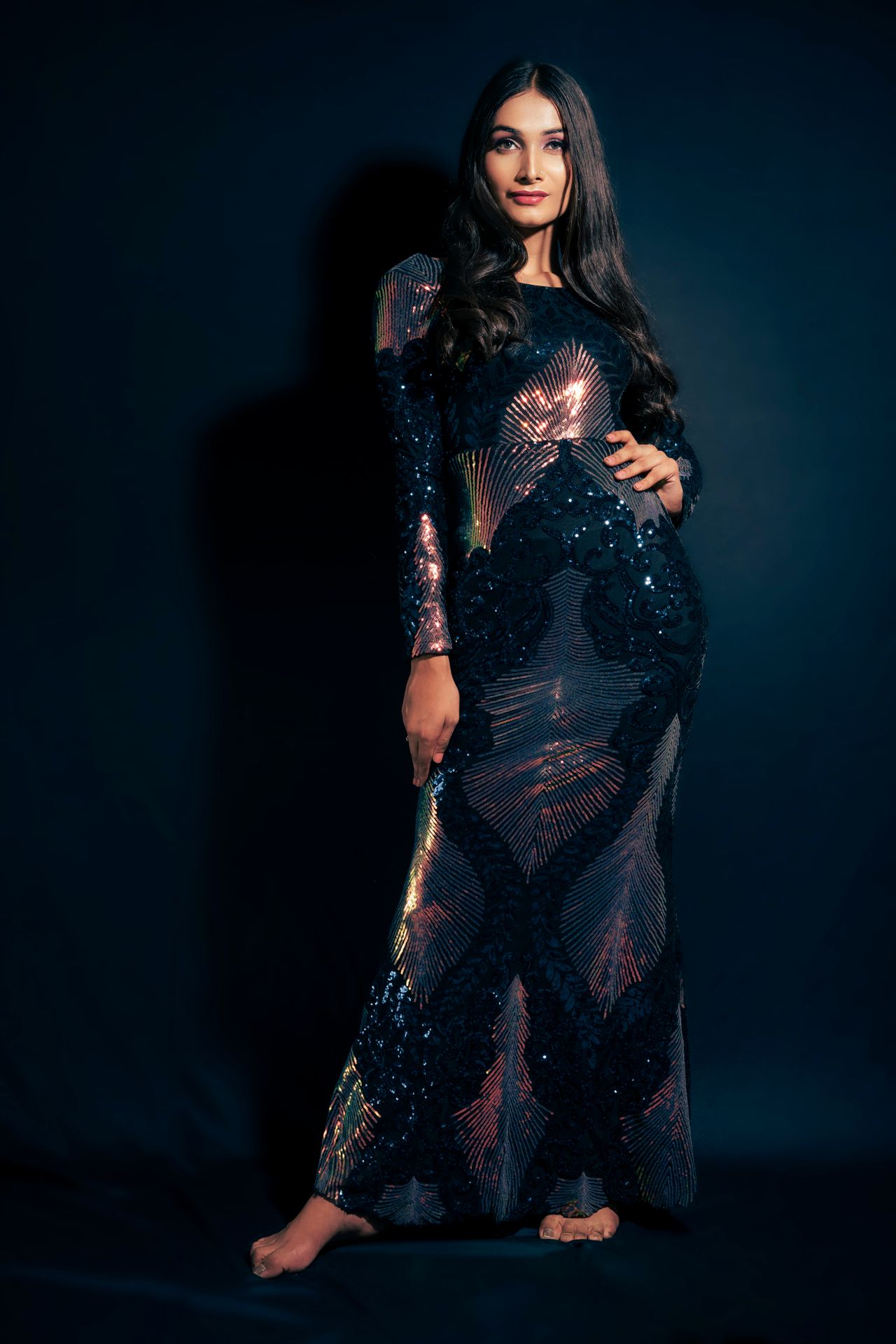
Photo via Pexels. Note: a long-sleeve floor-length sequin gown with an iridescent pattern, photographed barefoot in a studio, so remember to plan your own shoes for the day.
For a formal evening wedding, a floor-length gown is the classic choice, and long sleeves, as in this photo, add both coverage and elegance. Look for a gown that lets you walk, sit and dance without tripping: the hem should just brush the top of your shoes, and a small train is fine only if you are happy managing it all night. Sequin and beaded fabrics catch the light beautifully in evening photos, but keep the neckline and fit modest so the overall effect stays graceful.
When trying on gowns, practise the real movements of the day: sit down, walk up steps, hug someone and raise your arms for photos. A gown that feels perfect standing still can pull or gape once you move, so a second fitting close to the wedding is worth the effort. Bring the exact shoes you plan to wear to every fitting, because even a 2-centimetre heel change alters where the hem falls.
3. Knee Length for Daytime Weddings
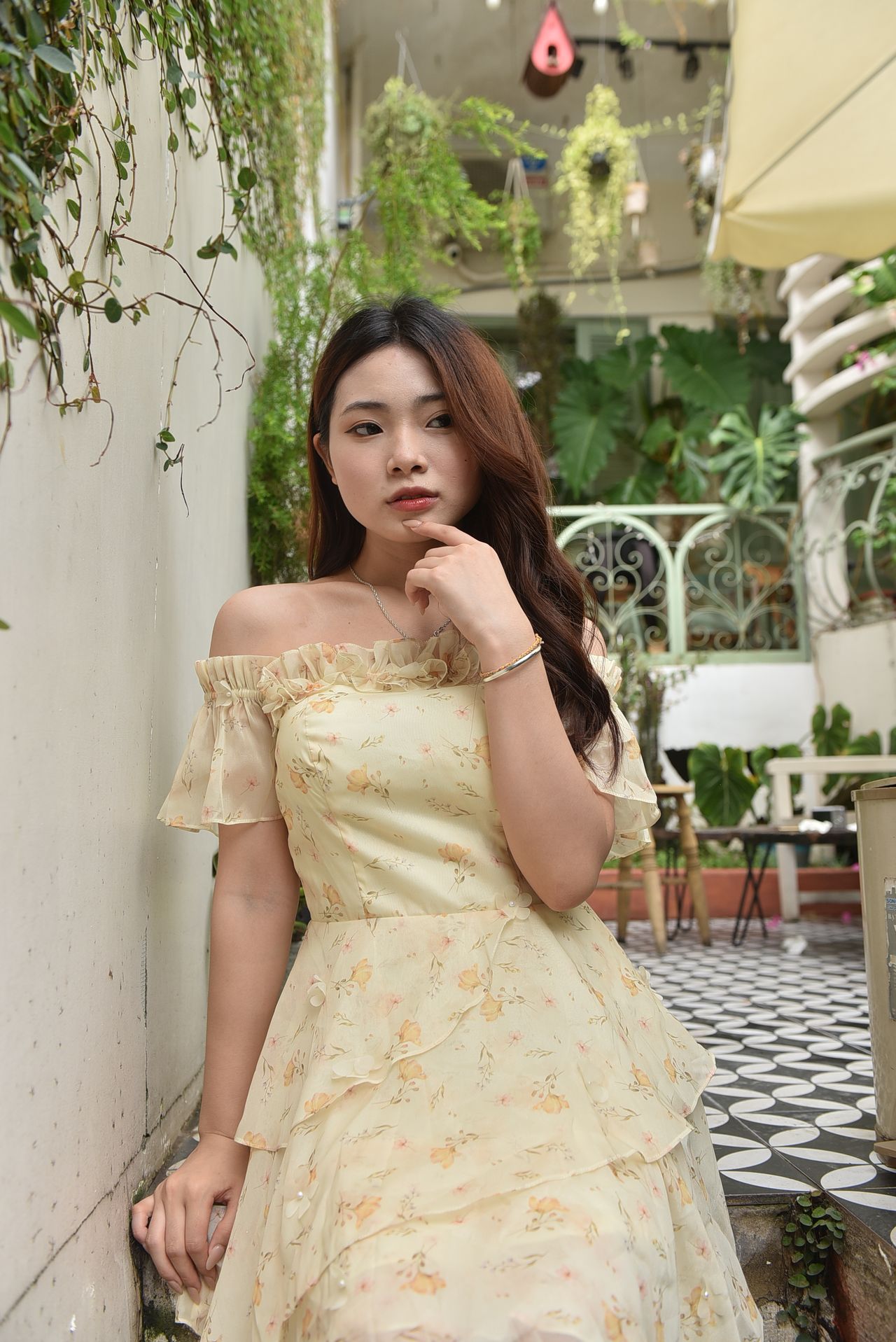
Photo via Pexels. Note: a pale yellow off-shoulder floral midi dress worn in a garden courtyard, a soft daytime length.
Daytime weddings call for a shorter length, usually just below the knee or tea length, which falls midway between knee and ankle. This length is easier to walk in, kinder on a warm day, and still looks dressed up with the right fabric and shoes. Soft florals, like the pale yellow dress here, suit garden and daytime venues, while a solid navy or dusty pink version of the same shape works for a restaurant reception.
For a full rundown of dress shapes and lengths, see this guide to the different types of dresses, which explains midi, tea length and maxi styles in plain terms. When you try a knee-length dress, sit in it before you buy: the hem rises when you sit, so a dress that looks modest standing can feel short at the table. A hem that sits just below the knee when standing is usually the safest daytime choice.
4. Lace, the Classic Mother-of-the-Bride Fabric
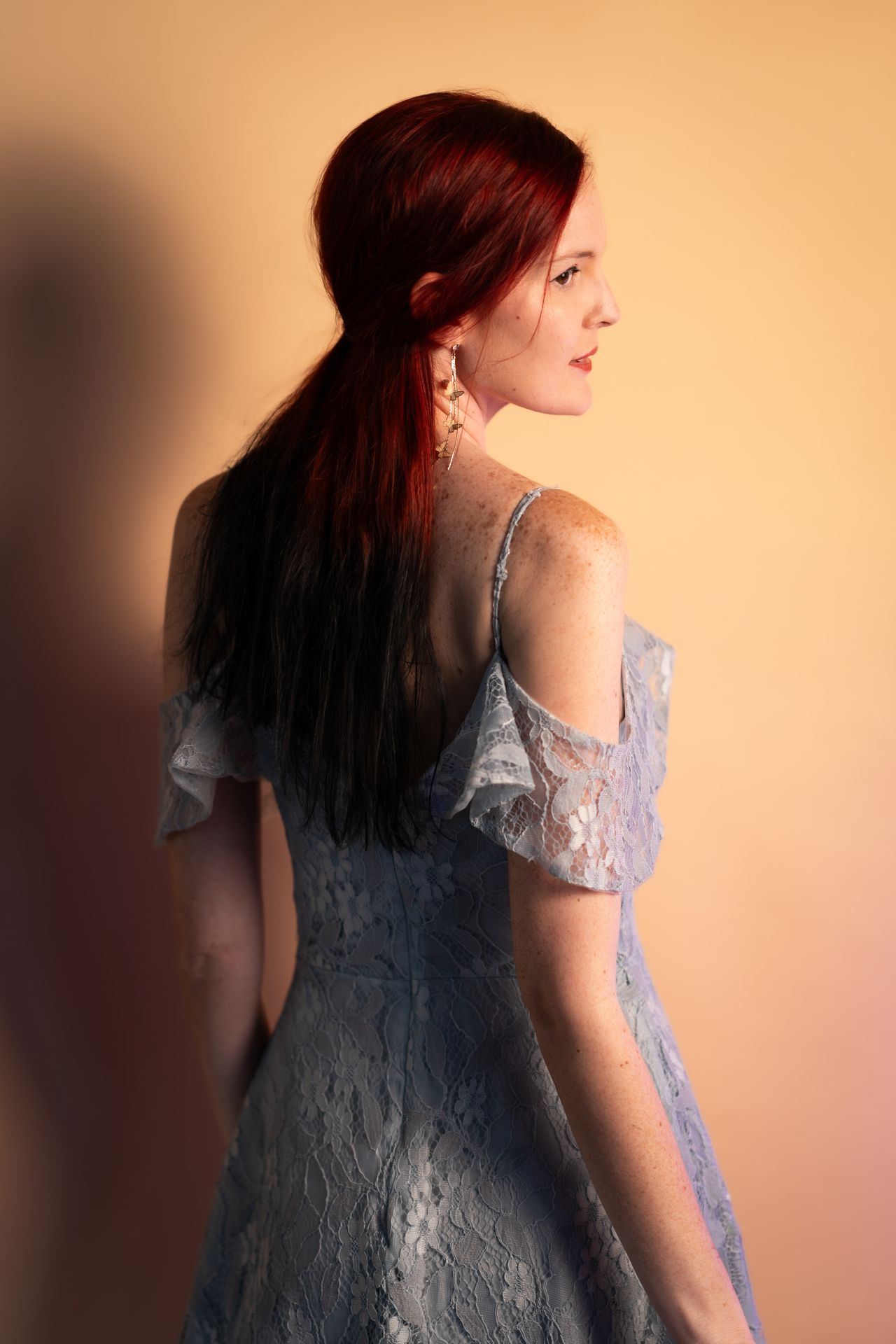
Photo via Pexels. Note: a back view of a blue lace dress with cold-shoulder lace sleeves, showing the lace pattern clearly.
Lace has dressed mothers of the bride for generations because it looks special without being loud, and it suits almost every venue. A lace dress in navy, dusty blue or soft sage reads as elegant in photos, while the texture of the lace adds interest that a plain fabric cannot match. Cold-shoulder or three-quarter lace sleeves, like those in this photo, give arm coverage while keeping the dress light, which many mothers prefer.
When buying lace, check the lining: a good lining stops the lace from scratching and keeps the dress from showing more than you intend. Run your hand over the inside seams and sit down in the dress to make sure the lining stays in place. Lace also photographs well in both daylight and evening light, which is one reason it remains a favourite for wedding photos that will be looked at for decades.
5. Flowing Chiffon for Movement and Comfort
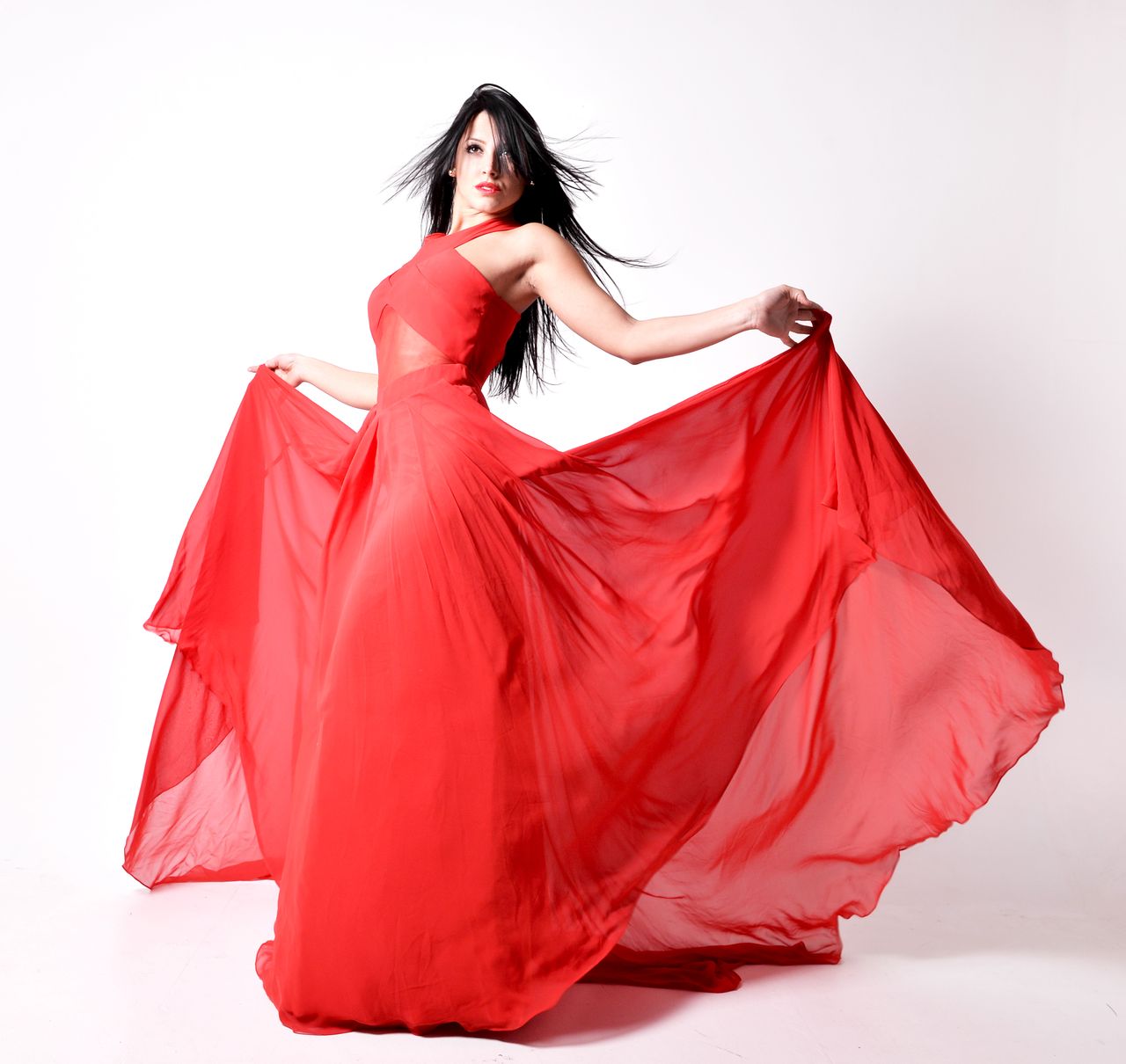
Photo via Pexels. Note: a flowing red chiffon gown with sheer panels at the waist, shown holding out the skirt so the movement of the fabric is visible.
Chiffon is the fabric to choose when you want to move freely and stay cool. It floats as you walk, it rarely wrinkles badly, and it suits both long gowns and knee-length dresses. A flowing skirt also photographs beautifully in motion, which is a bonus during the first dance and the outdoor photo session. Rich colours such as red, emerald and plum look wonderful in chiffon, while softer shades suit daytime events.
One caution with chiffon is sheerness: check the dress in bright light, not just under shop lighting, and make sure the lining covers you properly. If a gown has sheer panels, like the waist panels in this photo, decide honestly whether you are comfortable with them before the wedding day, not during it. A chiffon dress with a secure waistline and a well-fitted bodice will carry you from the ceremony to the farewell without a second thought.
6. Colour Rules: Navy Wins, White Waits
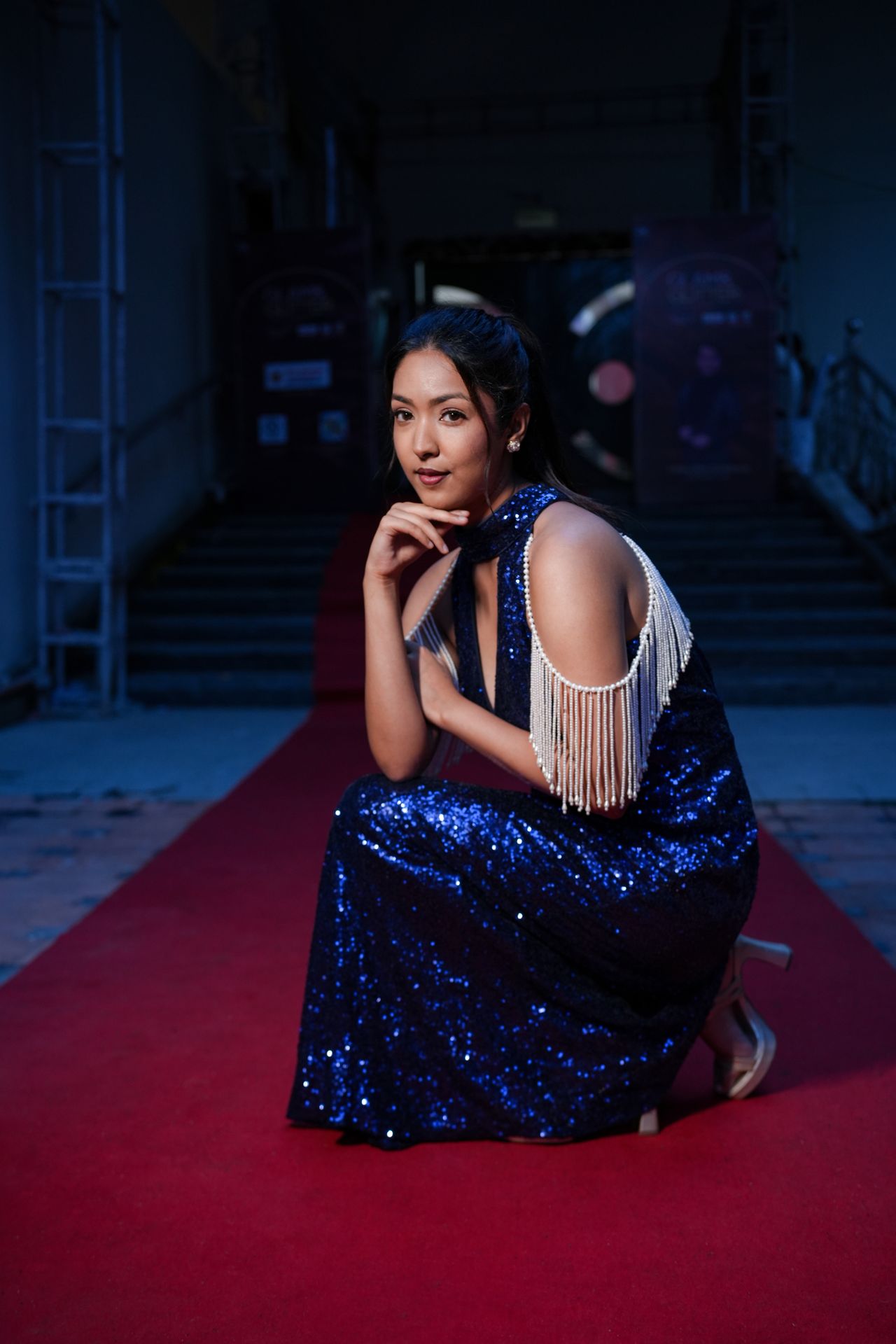
Photo via Pexels. Note: a navy sequin gown with pearl fringe, photographed crouching on a red carpet, a formal evening look in the most popular mother-of-the-bride colour.
Navy is the most popular colour for mothers of the bride and groom, and this gown shows why: it is elegant, it photographs well, and it suits almost every skin tone. Other safe and flattering choices include dusty pink, sage, plum, silver grey and champagne tones that are clearly darker or warmer than bridal white. The colours to avoid are stark white, ivory and champagne shades that could be mistaken for the bride's dress, and solid black, which still carries a mourning association for many families.
There are exceptions, and they always come from the bride. If the couple has asked for a monochrome theme, a white-only palette or black-tie black dresses, follow their lead happily. When in doubt, show the bride a fabric swatch or a photo before you buy, and she will tell you honestly whether the colour works. Never match the bridesmaids exactly either: complement the wedding palette in your own shade, so you look part of the celebration without blending into the bridal party.
7. Soft, Forgiving Fits for a Long Day
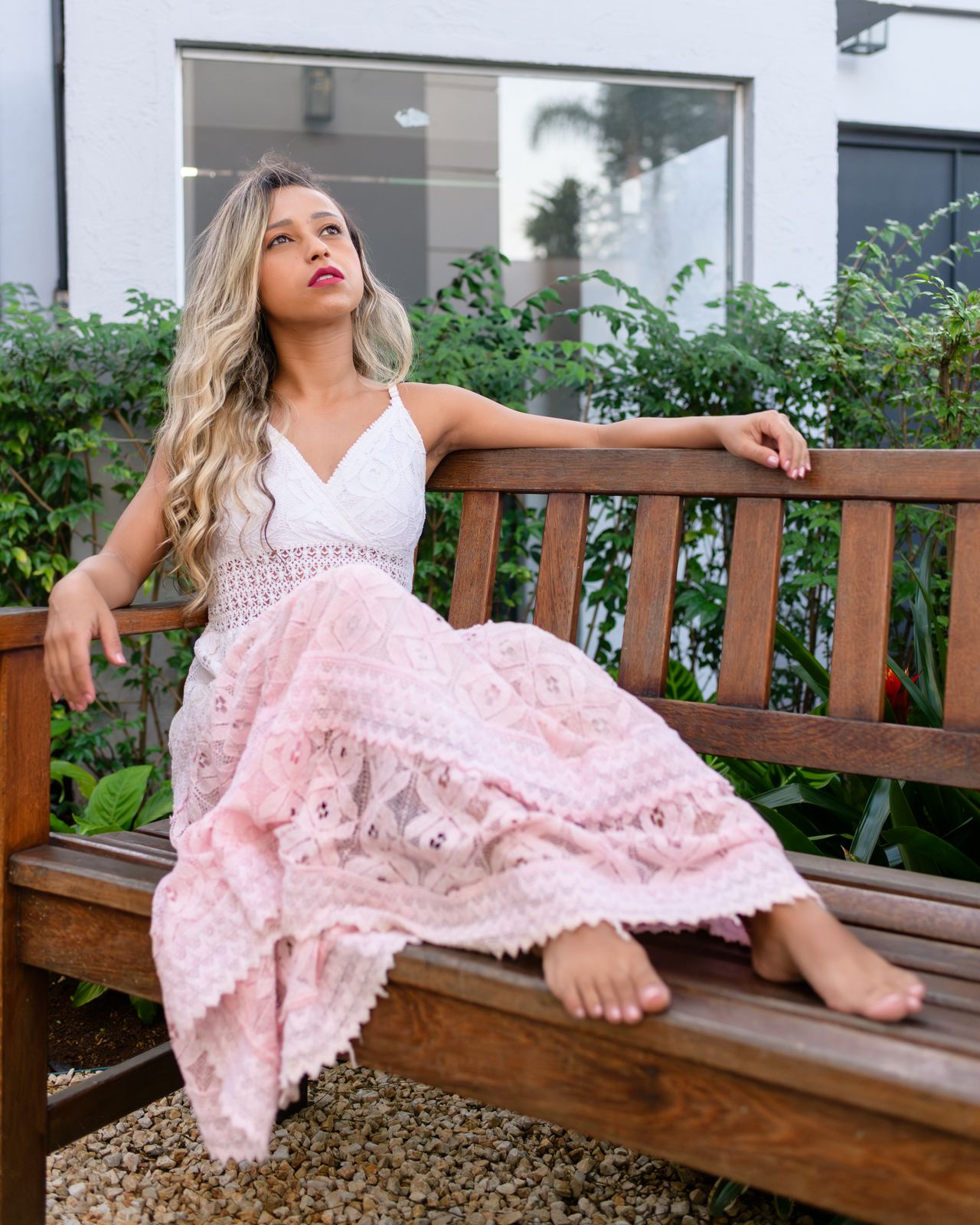
Photo via Pexels. Note: a soft pink lace dress with a flowing skirt, photographed seated barefoot on a bench, so plan comfortable shoes for a long day on your feet.
A wedding day is long, and the kindest dress is one you forget you are wearing. A-line skirts, empire waists and wrap-style bodices flatter many shapes because they skim rather than grip, and they leave room for a full lunch and an evening of dancing. Plus-size mothers should look for the same shapes in structured fabrics with good boning or a supportive bodice, rather than settling for a shapeless dress: support and shape matter far more than size labels.
When you try dresses on, move the way you will on the day. Sit, stand, walk, hug and dance a few steps in the shop, and check that nothing digs, slips or needs constant adjusting. A dress that needs tugging every ten minutes will ruin your enjoyment, no matter how lovely it looks on the hanger. Comfort is not a compromise here: the mothers who enjoy the day most are almost always the ones whose dresses fit properly and let them breathe.
8. A Jacket or Cover-Up for Arms and Evenings
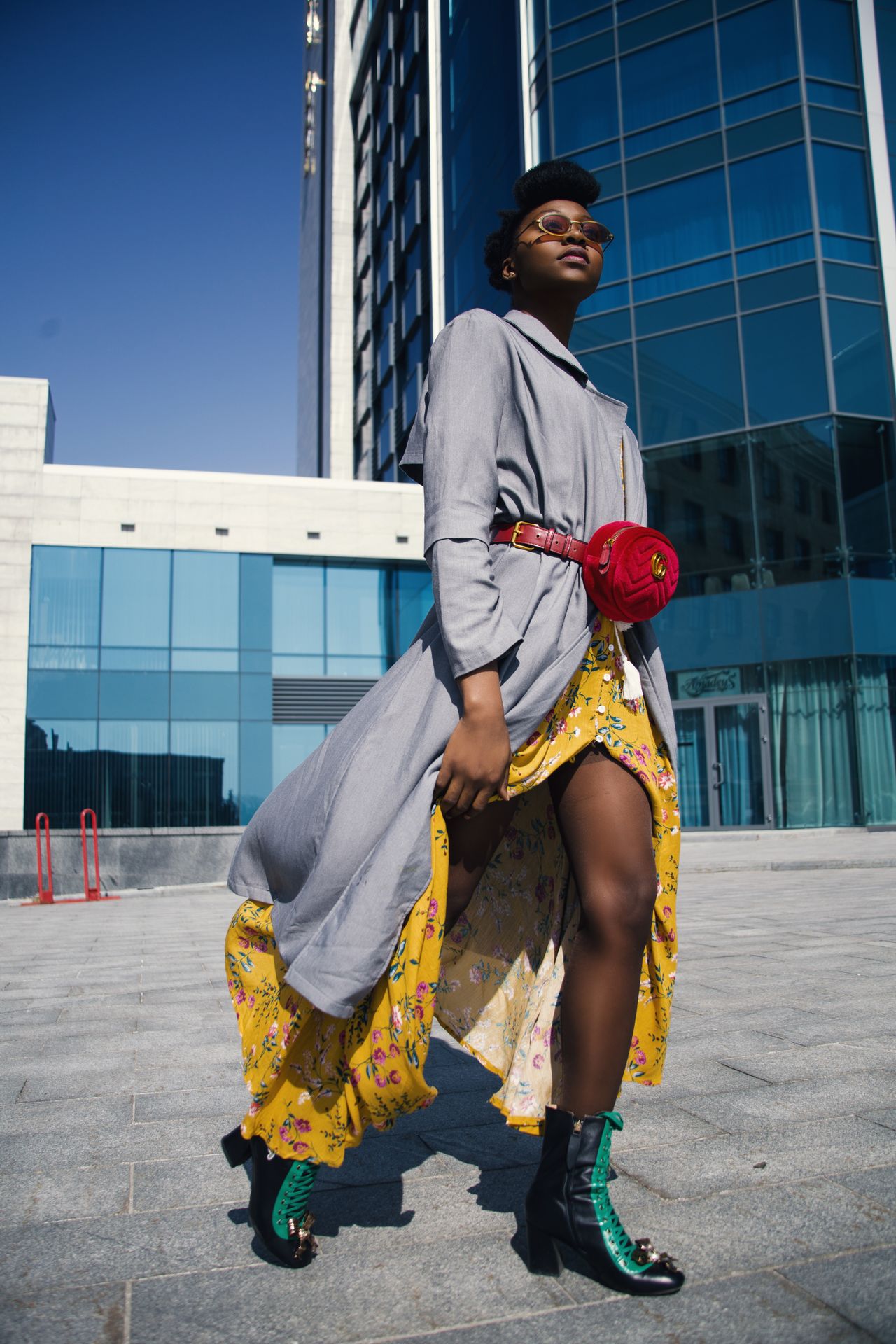
Photo via Pexels. Note: a yellow floral midi dress worn open under a long grey coat with boots, showing how a cover-up layer works over a dress.
Many mothers want some arm coverage or a layer for the evening, and a jacket, bolero or shawl solves both neatly. A short lace jacket over a sleeveless dress, a soft pashmina for an outdoor ceremony, or a longer coat for a winter arrival, as shown here, all keep you warm without hiding the dress. The trick is to choose the cover-up with the dress, not as an afterthought, so the colours and fabrics work together.
For winter weddings, see these winter wedding guest outfit ideas, which cover layering for cold-weather celebrations in the same spirit. Whatever layer you choose, practise taking it on and off before the day, and make sure it does not crease the dress badly or slide off your shoulders during photos. A cover-up you have to hold in place is worse than none at all.
9. Garden Weddings in Australian Summer
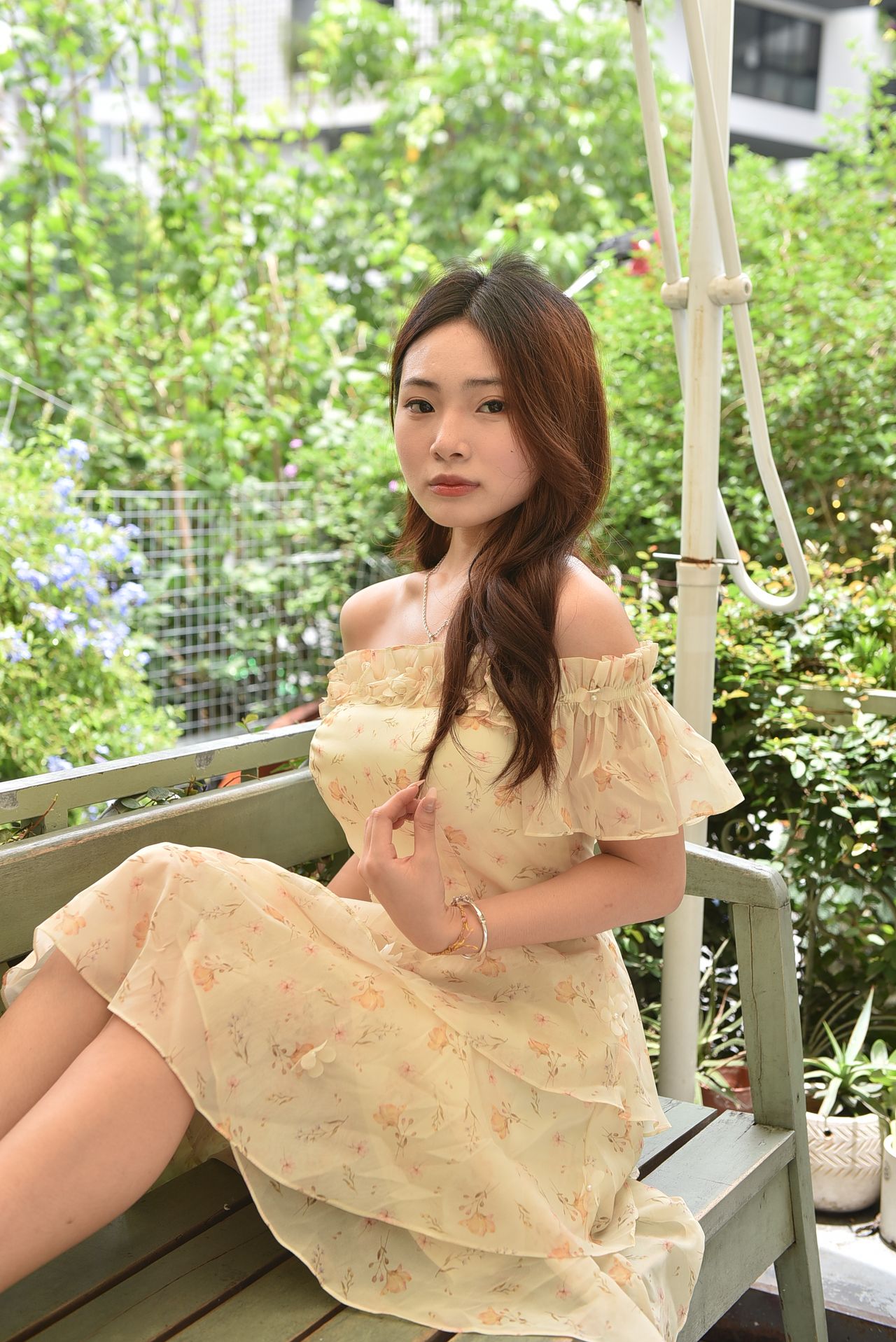
Photo via Pexels. Note: a pale yellow floral midi dress worn seated on a garden bench, a relaxed garden-wedding look.
Garden weddings in Australian summer need a different plan from indoor ones. Choose breathable fabrics, a hem that will not trail in the grass, and shoes that will not sink into a lawn: block heels, wedges or elegant flats beat stilettos on grass every time. A floral midi, like this one, suits a garden setting perfectly, and a wide-brim hat is welcome at a daytime outdoor ceremony, provided it does not block the view of guests behind you.
Sun and heat planning matters as much as style. Bring a small fan, keep water handy, and choose a dress you can wear comfortably for hours in 30-degree heat. For flowing summer styles, a maxi dress in a light fabric is another good garden option, especially for a beach or hinterland venue. Whatever you wear, do a test walk on grass in your chosen shoes before the wedding, because a beautiful shoe that sinks is a miserable shoe by the second hour.
10. Shoes and Accessories That Last All Day

Photo via Wikimedia Commons. Note: a shop display of women's heels in silver, black and navy, with red "40% off" sale tags visible on several pairs.
Shoes decide whether you enjoy the day, so choose them before you finalise the dress hem, and break them in at home for several evenings first. A mid-height block heel or a wedge is the most reliable choice for a long day, and a pair of elegant flats tucked in your bag for the dance floor is a trick many mothers swear by. Match your bag to your shoes in tone rather than buying an exact set, and keep jewellery simple: pearls, a delicate necklace and one bracelet are plenty.
Accessories should support the dress, not compete with it. A small clutch holds your phone, lipstick and tissues without weighing you down, and a hat or fascinator, if you choose one, should suit the formality of the wedding and stay comfortable for hours. Try the full outfit, shoes, bag, jewellery and cover-up together at least once before the wedding, because the whole look is what photographs, not the dress alone.
FAQs
Who chooses their dress first, the bride's mother or the groom's mother?
Tradition says the mother of the bride chooses first and sets the formality, then the mother of the groom picks a complementary dress. In practice, a quick chat early on matters more than the rule, and both mothers should end up in outfits they love.
Do the two mothers have to match?
No. They should coordinate in length and formality and sit well together in photos, but identical dresses or colours are not expected, and matching exactly can look staged. Similar tones from the wedding palette work best.
What colours should mothers of the bride and groom avoid?
Avoid white, ivory and pale champagne, which are reserved for the bride, and avoid solid black unless the couple has asked for it. Navy, dusty pink, sage, plum and silver grey are safe and flattering alternatives.
What length is right for a daytime wedding?
Below the knee or tea length is the classic daytime choice, while formal evening weddings call for a floor-length gown. Beach and garden weddings suit a midi or flowing maxi that will not trail on grass or sand.
What shoes are best for a mother of the bride or groom?
Block heels, wedges or elegant flats are the most comfortable for a long day, especially on grass. Break shoes in at home first, and pack a pair of flats for dancing if your heels are high.
Final Thoughts
The best mother-of-the-bride or mother-of-the-groom dress is one that fits well, suits the venue and the season, and lets you enjoy every hour of the celebration. Coordinate early, avoid bridal white, choose a length for the time of day, and pick shoes you can actually stand in. Do those four things, and the photos will take care of themselves, because you will look relaxed, happy and every bit the proud mother you are.
Sources
- Bernadette Pimenta: How to Choose a Mother-of-the-Bride or Groom Dress
- Easy Weddings: Mother of the Groom Dresses
- Cocomelody: Mother of the Bride vs Mother of the Groom Dress Rules
- D'Italia: 7 Things to Consider When Selecting the Perfect Outfit
Gallery
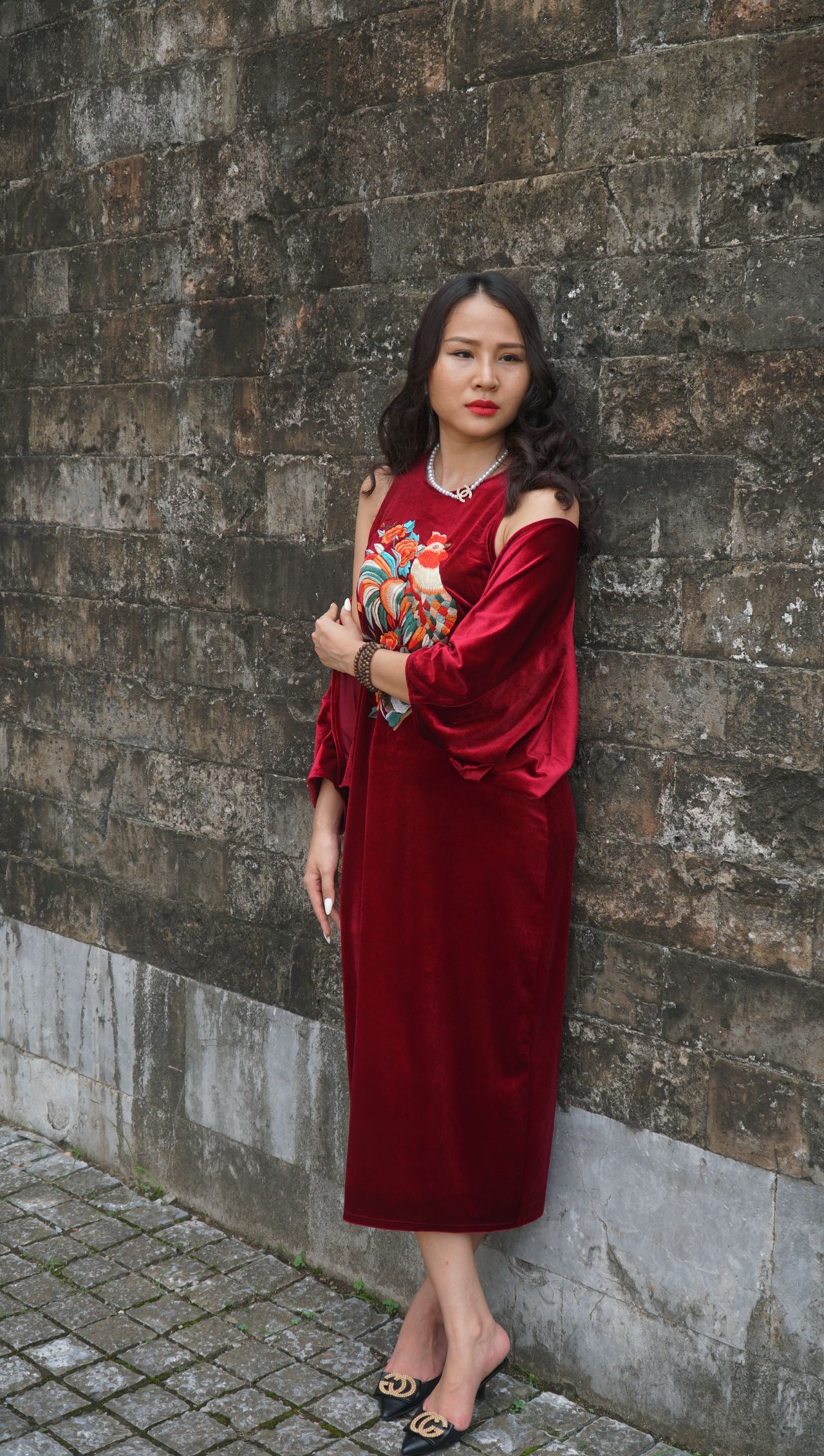
Photo via Pexels. Note: a red velvet midi dress with a large embroidered floral and bird panel, worn with a pearl necklace and black mules.
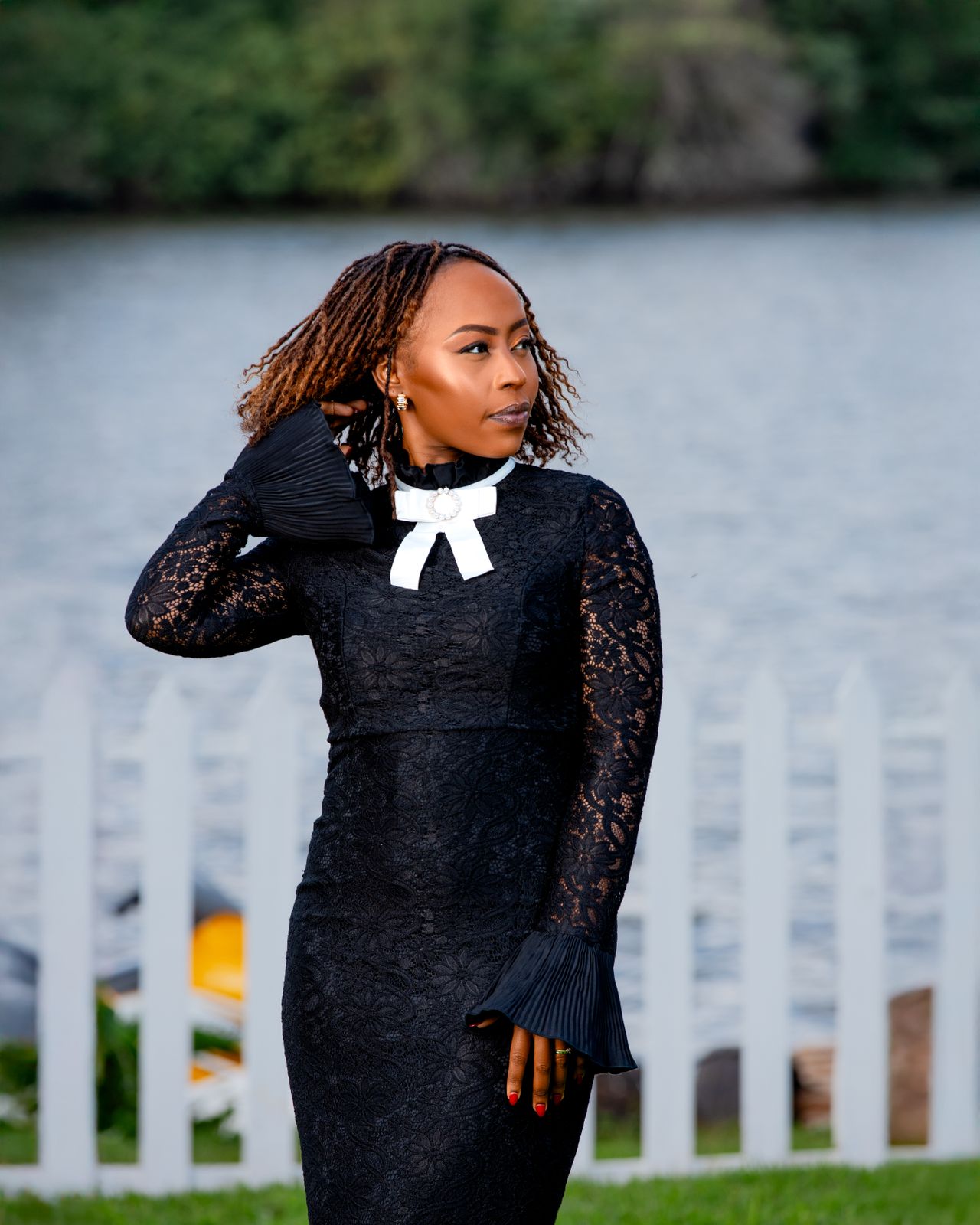
Photo via Pexels. Note: a black lace dress with a white bow neck and pleated bell cuffs, photographed by the water.
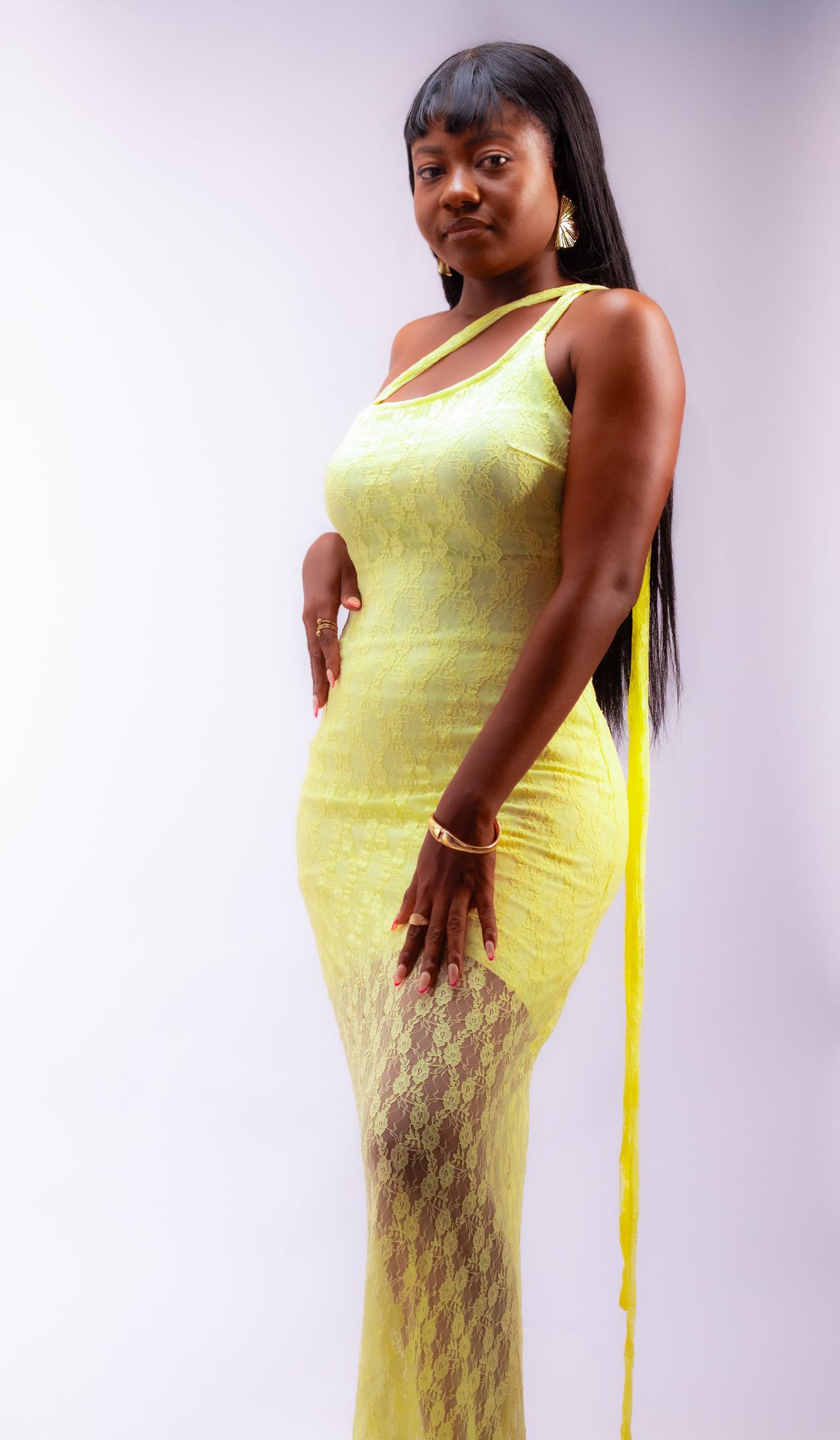
Photo via Pexels. Note: a long yellow lace dress with a sheer lace lower skirt, photographed in a studio.

No comments:
Post a Comment