Shopping for winter coats for Minnesota weather is not like shopping for winter coats anywhere else. January highs often sit below zero, stretches of -20°F are normal, and wind chills can hit -30°F or worse. A coat that feels fine in Chicago can leave you shivering at a St. Paul bus stop.
Minnesotans take this seriously because they live it for five months. The local wisdom: buy for the coldest week, not the average day, and pay attention to length, hoods, and insulation ratings. Frostbite can start in under 30 minutes on exposed skin near 0°F with wind, so this is genuinely about safety, not just comfort. Here are 10 coat types that actually handle a real Minnesota winter.

Photo: Woman in a red parka with a fur hood in falling snow via Pexels
Table of Contents
- The Expedition Down Parka
- A Long Down Parka for Everyday
- The Quilted Puffer
- A Plush Coat for Milder Days
- The Men's Insulated Parka
- A Parka With a Real Fur-Trim Hood
- Go Knee-Length or Longer
- A Hooded Shell Over Serious Layers
- The Everyday Hooded Winter Coat
- Pick a Color You Can Spot in a Blizzard
1. The Expedition Down Parka
For the coldest stretches, nothing beats an expedition-style down parka: thigh-length or longer, 650 fill-power down or higher, with a storm flap over the zipper and a hood that cinches tight. These are the coats Minnesotans wear when the wind chill hits -30°F and they still have to walk the dog. Fill power measures how much the down lofts; higher numbers mean more warmth for less weight.
Expect to pay $250 to $500 for a quality one from brands like The North Face, Marmot, or Eddie Bauer. It is a lot of money, but amortized over five winters of daily use, it is the best value in your closet. Buy it slightly roomy so you can layer a fleece underneath. Store it uncompressed in the off-season so the down keeps its loft.
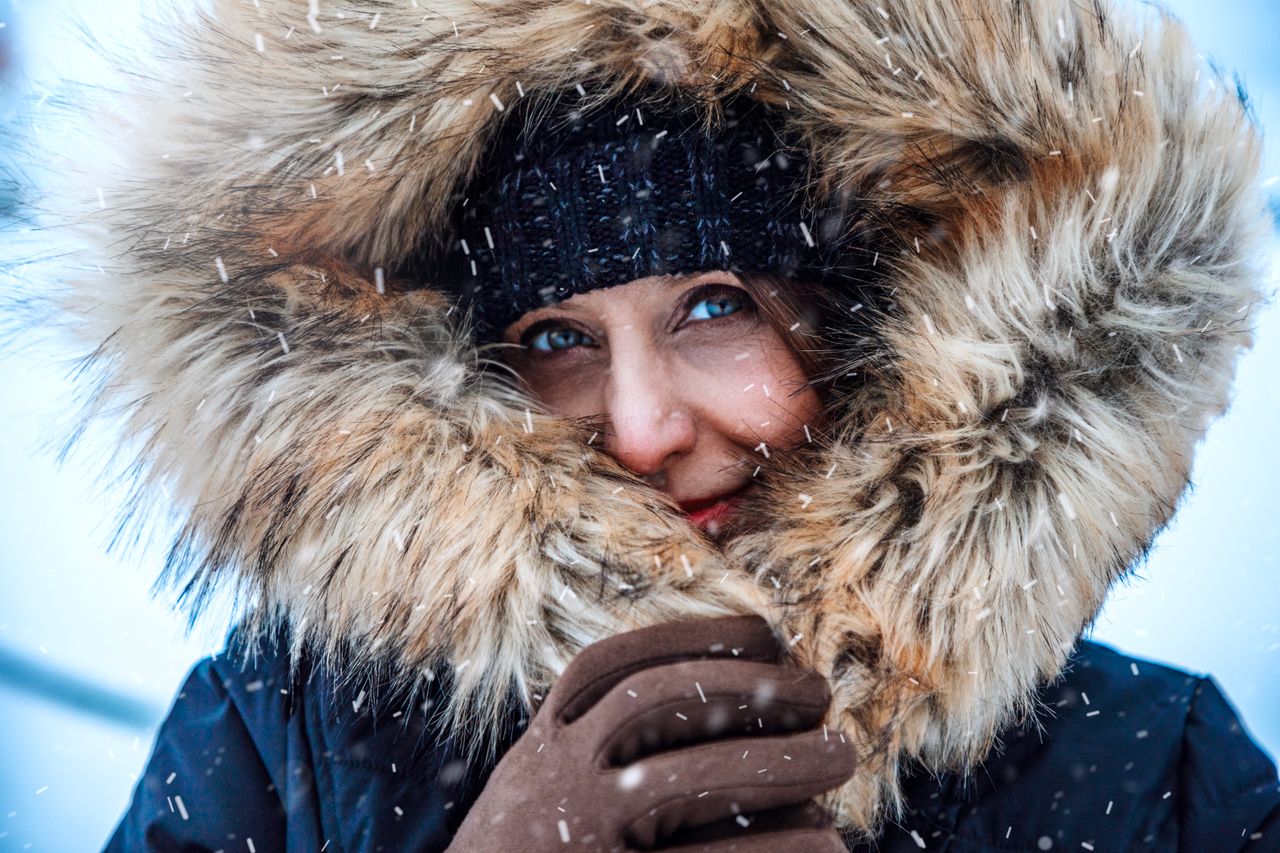
Photo: Woman in a fur-trimmed hood in falling snow via Pexels
2. A Long Down Parka for Everyday
Most days do not require expedition gear, but they do require real insulation. A knee-length down parka rated to -20°F or colder is the everyday workhorse: warm enough for the commute, the grocery run, and waiting for the light rail in January.
The length matters more than people think. A coat that covers your hips and thighs protects the areas where you lose heat fastest in wind. Look for a two-way zipper too, which makes sitting in the car far more comfortable. Check the manufacturer's temperature rating, but treat it as a rough guide; wind and your own cold tolerance shift the real number.
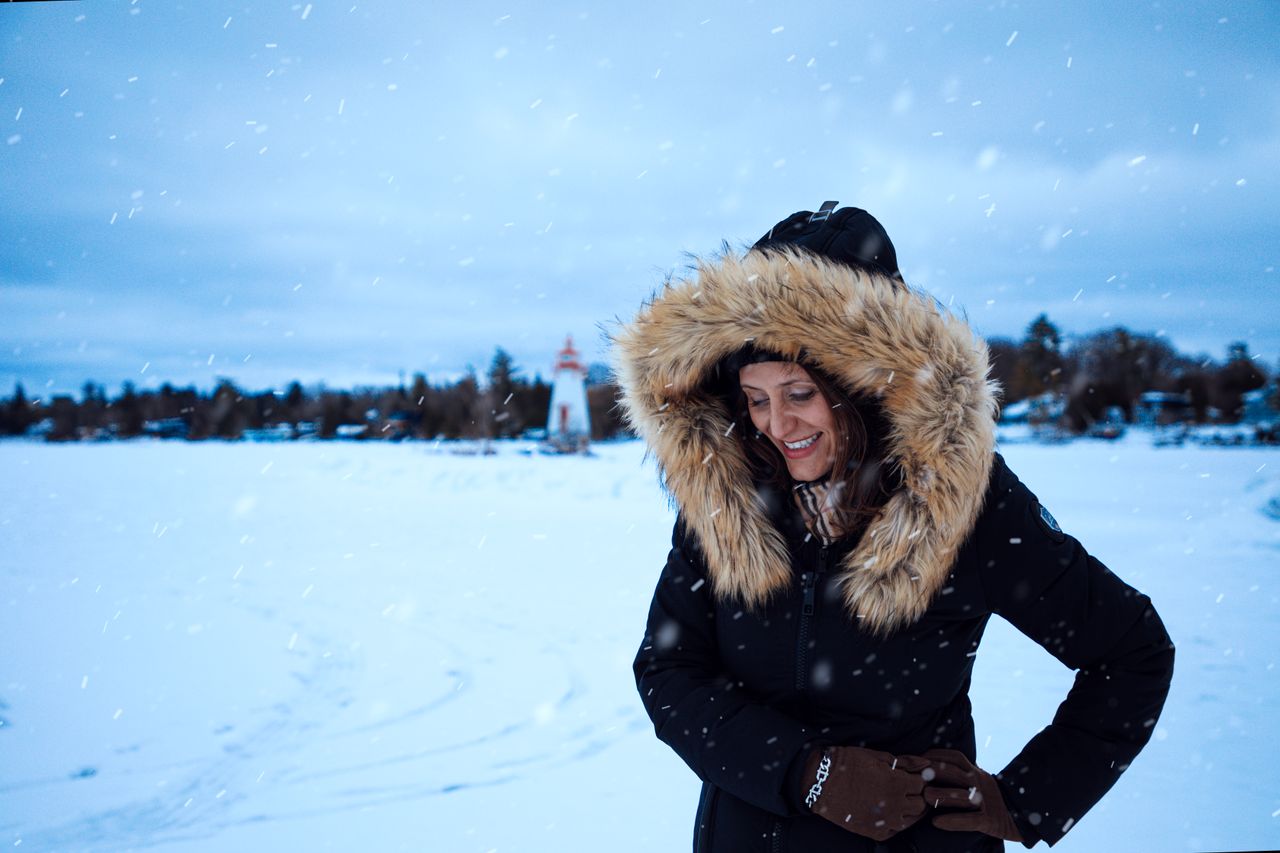
Photo: Woman in a black parka with a fur hood via Pexels
3. The Quilted Puffer
A quilted down or synthetic puffer is the versatile middle ground: lighter than a parka, warmer than a fashion coat. It works for the 15 to 30°F days that make up much of November, March, and the milder stretches of midwinter.
For Minnesota, choose one with a hood and a DWR (durable water repellent) coating, since wet snow is common. Synthetic insulation has an edge here because it keeps warming even when damp, while down clumps and goes flat when wet. Re-treat the DWR coating once a season with a spray-on product to keep water beading.
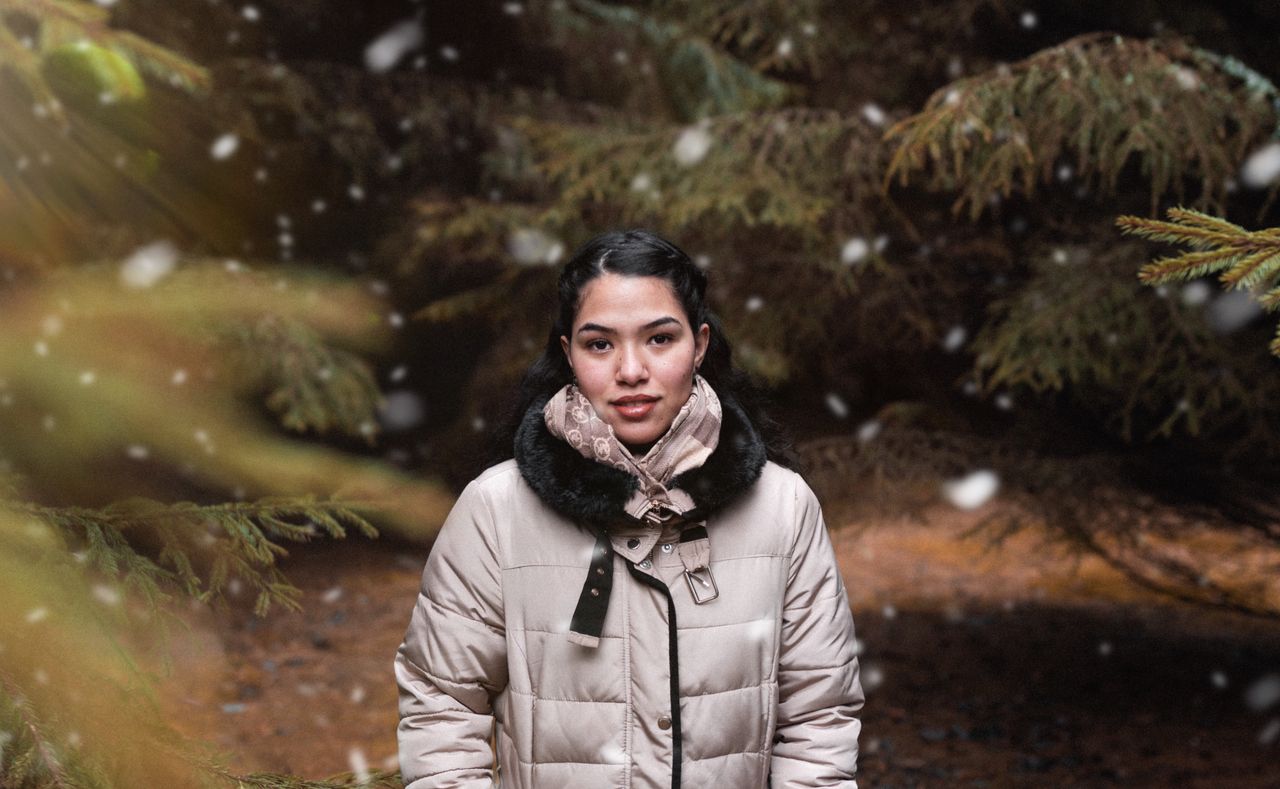
Photo: Woman in a white puffer jacket in snowfall via Pexels
4. A Plush Coat for Milder Days
Not every winter day is brutal. On a calm, sunny 25°F afternoon, a plush or faux-fur coat is plenty warm and looks far better than a technical parka for lunch dates and shopping trips. Think of it as your social coat.
Be honest about its limits, though. Plush coats have no windproof membrane, so they fail fast when the wind picks up. Keep the parka in the car as backup on days that start mild and turn nasty, which happens often. Minnesota weather can swing 30 degrees in a single day, and the stylish coat is for the mild half. A windproof scarf tucked into the collar extends its wearable range by a good 10 degrees.

Photo: Woman in a plush cream coat in the snow via Pexels
5. The Men's Insulated Parka
Men in Minnesota live in insulated parkas from November to April, and the best ones share the same DNA as the women's: long cut, insulated hood, windproof shell. A parka rated to -25°F handles everything from ice fishing to shoveling the driveway.
Fit tip from locals: size up if you will wear it over a suit or heavy flannel. And do not skip the hood. Men lose as much heat from an uncovered head as anyone, and a good hood beats a separate hat on windy days. Look for hand-warmer pockets positioned above the hem so they stay reachable when seated. A parka with a powder skirt seals out wind when you bend to shovel.

Photo: Man in a fur-hood parka in falling snow via Pexels
6. A Parka With a Real Fur-Trim Hood
The fur trim around a parka hood is not decoration. It breaks up wind before it hits your face, which is the difference between comfortable and painful at -20°F wind chills. This is why nearly every serious cold-weather parka has one.
Faux fur works fine and is easier to care for. What matters is that the hood is deep, adjustable, and actually stays up in wind. Try the hood on in the store and shake your head; if it slides off, keep shopping. A drawcord at the face opening lets you cinch it down to a small breathing hole on the worst days.

Photo: Woman pulling up a fur-trimmed hood via Pexels
7. Go Knee-Length or Longer
Ask a Minnesotan what matters most in a winter coat and length comes up before brand. A parka that ends at the knee keeps your core, hips, and upper legs warm, which is where wind steals heat fastest. Hip-length jackets leave too much exposed.
This is especially true if you take the bus or light rail, where you stand outside for 10 to 15 minutes. Commuters in the Twin Cities overwhelmingly wear long parkas for exactly this reason. Short and stylish is for indoors; outside, coverage is warmth. If you bike or walk far, look for a parka with side zippers for stride room.
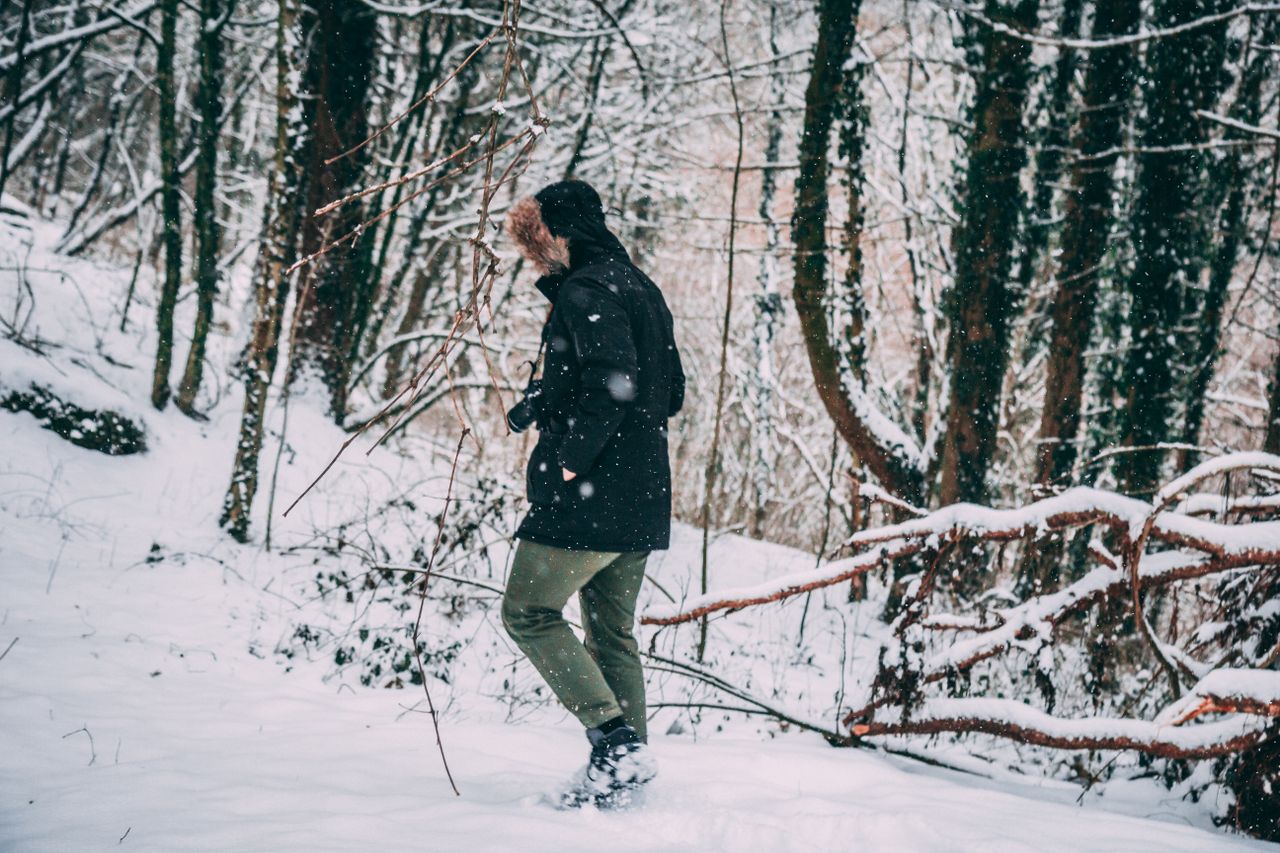
Photo: Person in a black parka in a snowy forest via Pexels
8. A Hooded Shell Over Serious Layers
Active Minnesotans, the cross-country skiers and winter hikers, often skip the giant parka in favor of a windproof hooded shell over serious layers: merino base, fleece mid, and insulated vest. It breathes during activity, which a heavy parka does not.
This system shines for shoveling, snowshoeing, and walking the dog at a brisk pace. The rule is simple: if you are moving and sweating, go lighter and layered. If you are standing still, go heavier. Match the coat to the activity, and vent the shell's pit zips before you overheat.
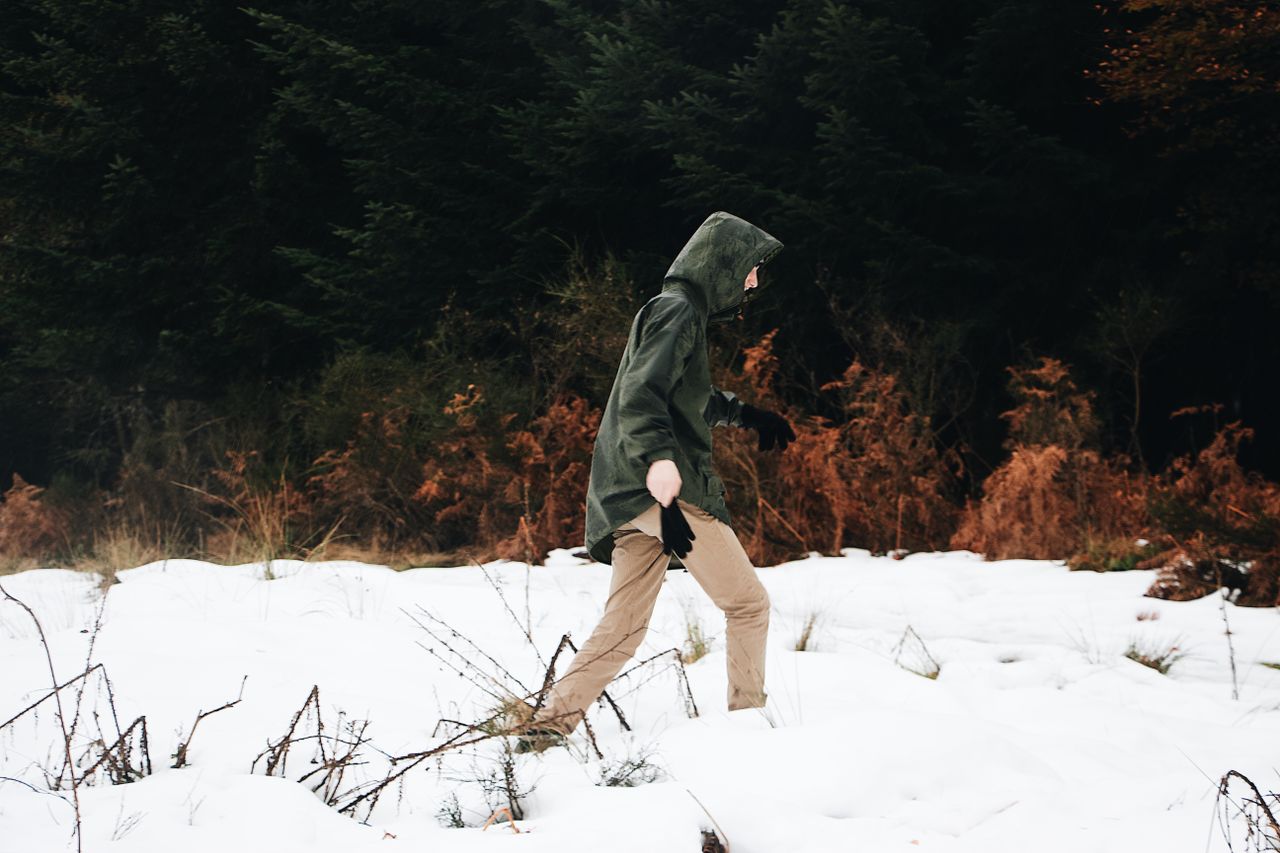
Photo: Person in a green hooded coat in the snow via Pexels
9. The Everyday Hooded Winter Coat
Between the extremes sits the coat most Minnesotans actually wear most: a midweight hooded winter coat, insulated but not bulky, windproof, with a DWR finish. It handles the 0 to 20°F days that fill the calendar.
When buying, check the temperature rating on the tag, test the zipper with gloves on, and make sure the cuffs seal at the wrist. Those three details separate a coat that works from one that just looks warm. Around $150 to $300 buys a solid one, and end-of-season sales in March can cut that nearly in half. Try it on with the boots and gloves you will actually wear; fit changes with gear.

Photo: Woman in a brown hooded coat in snowfall via Pexels
10. Pick a Color You Can Spot in a Blizzard
Minnesota winters mean whiteouts, gray slush, and dark commutes. A parka in red, cobalt, or another strong color is easier for drivers to see and easier for your family to spot across a snowy parking lot. Safety and style align here.
Black parkas dominate for a reason: they hide salt stains and look clean all season. But if you go dark, add a bright scarf or hat for visibility. In a state where winter is half the year, loving how your coat looks matters too, because you will be wearing it every single day.
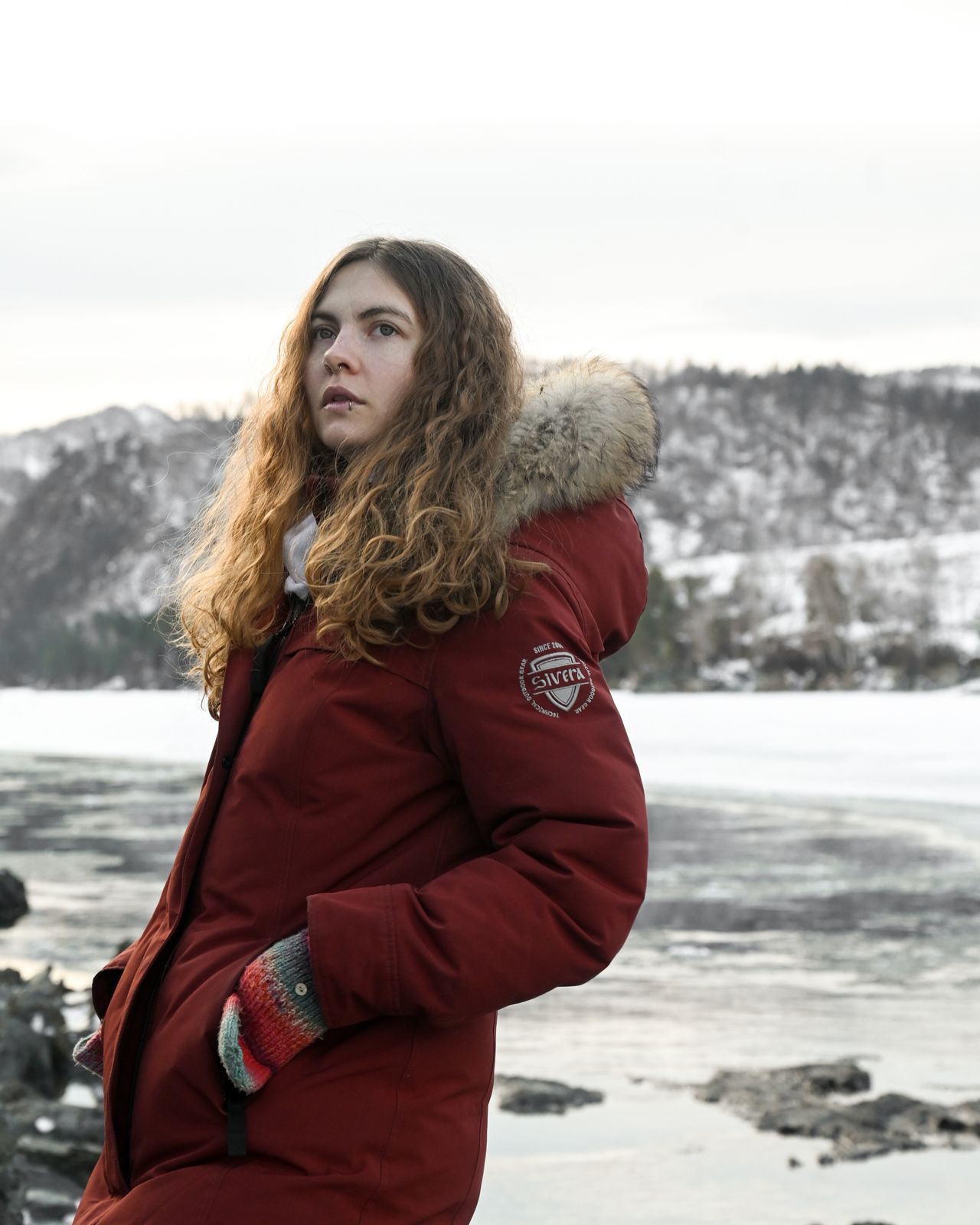
Photo: Woman in a red parka by a frozen lake via Pexels
Frequently Asked Questions
What temperature rating do I need for Minnesota?
Look for a coat rated to at least -20°F for everyday use. Cold snaps regularly push wind chills to -30°F or lower.
Is down or synthetic insulation better?
Down is warmer for its weight; synthetic keeps warming when wet. For snowy Minnesota, many locals prefer synthetic or a hybrid.
Can I wear a wool overcoat in Minnesota?
Only for short dashes, like from a heated parking ramp to the office. For real exposure, you need an insulated, windproof parka.
How long should a Minnesota winter coat be?
Knee-length is the sweet spot. It protects your core and thighs, where wind steals heat fastest during long waits outdoors.
What do locals actually wear over suits?
A long down parka, worn open or closed over the suit. In -20°F wind chills, warmth beats tailoring and nobody judges it.
Final Thoughts
The right winter coat for Minnesota weather is the one rated for the worst week, not the average day: long, hooded, windproof, and honestly insulated. Get the length and the hood right and the brand matters far less. Prioritize the hood, the length, and the windproofing, and you will be warm.
Buy once, buy warm, and you will understand why Minnesotans smile through February. The cold is only miserable in the wrong coat, and now you know exactly what the right one looks like.
Sources
Gallery

Photo: Woman in a red coat and gray beanie in the snow via Pexels

Photo: Woman in a tan coat in a snowy field via Pexels
Photo: Person walking through deep snow via Pexels

No comments:
Post a Comment