Midwest winters do not mess around. Wind chills drop well below 0°F, lake-effect snow buries driveways overnight, and January mornings can start at -20°F before the sun even bothers to show up. This is the part of the country where your clothing is genuinely safety gear.
The Midwest winter essentials for women are not about trends — they are the 10 pieces that keep you warm, dry, and moving through the longest season of the year. From the parka rule to the car kit that could save you on a country road, here is what actually works.

Photo: Woman clearing snow from her car after a storm via Wikimedia Commons
Table of Contents
- Buy a Parka That Covers Your Butt
- Get Real Snow Boots, Not Fashion Boots
- Wear a Thermal Top-and-Bottom Set Daily
- Live in Fleece-Lined Leggings
- Choose Mittens Over Gloves
- Keep a Winter Emergency Kit in Your Car
- Switch to Wool Socks, Ditch the Cotton
- Wrap Up in a Blanket Scarf
- Layer a Quilted Vest Under Your Coat
- Fight Dry Air With Balm and Moisturizer
1. Buy a Parka That Covers Your Butt
If you splurge on one thing, make it the coat. You need a parka that reaches at least mid-thigh — cropped puffers leave your hips exposed to wind that can push the wind chill to -20°F. Look for waterproof (not just water-resistant) fabric, a hood with a drawcord, and insulation rated for sub-zero temps. Good options from The North Face or Columbia run $200 to $400.
Midwest moms swear by this rule because the coat does 70 percent of the work. A long parka means everything underneath can be lighter, so you stay warm without looking like a kid in an overstuffed snowsuit who cannot put their arms down. Zip-in liners and removable hoods add versatility for the milder 30°F days in November and March.
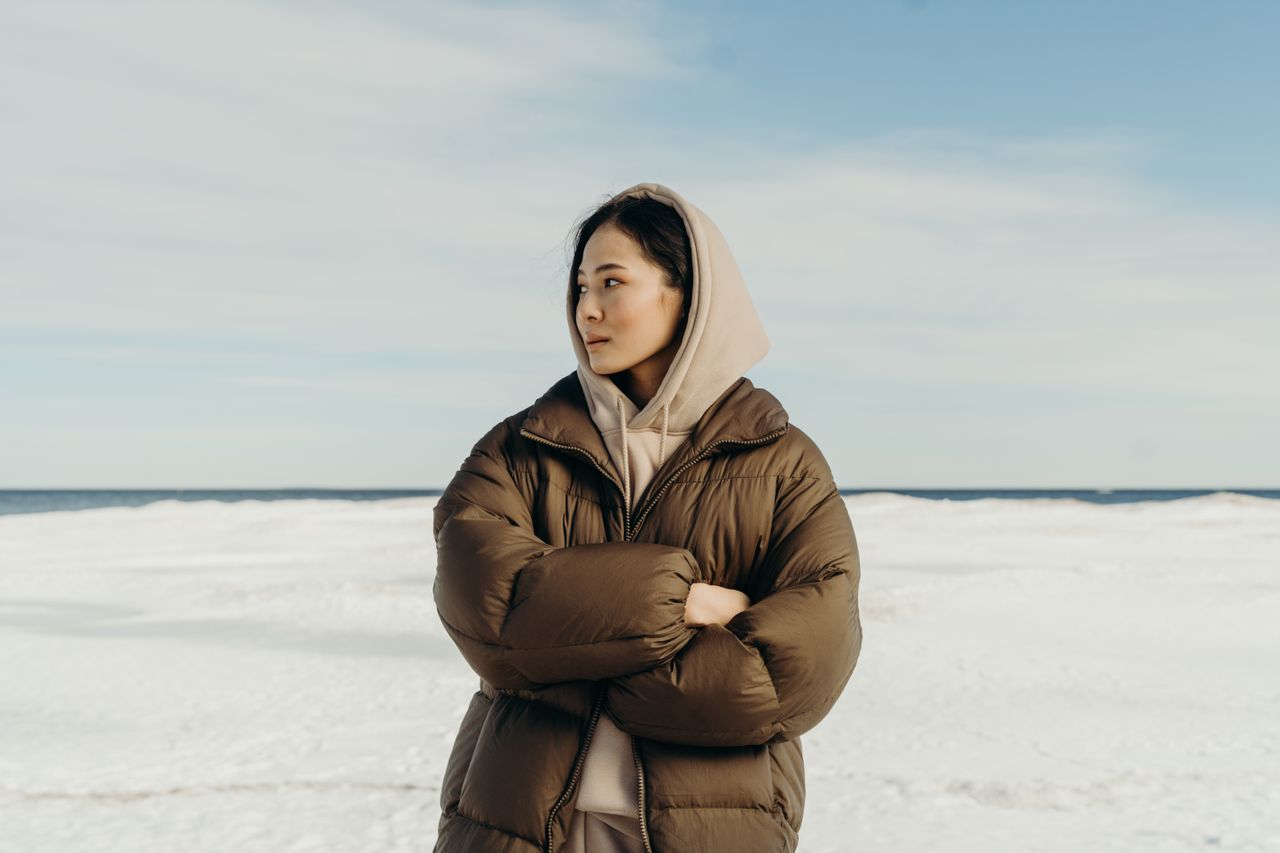
Photo: Woman in a puffer jacket on a frozen lake via Pexels
2. Get Real Snow Boots, Not Fashion Boots
UGGs are cozy for errands, but they soak through in real snow — and Midwest snow is real. You need waterproof, insulated snow boots with aggressive tread for icy sidewalks and unplowed parking lots. Sorel and L.L.Bean duck boots are the regional classics, usually $130 to $200, and they last for years.
Keep a second, lower-profile pair by the door for quick trips — slip-on waterproof boots for the bus stop or the mailbox. And buy a $10 waterproofing spray for any leather boots you own. One campus guide puts it bluntly: your footwear can make or break your day when slush, ice, and salt are unavoidable for four straight months.

Photo: Snow boot in deep snow via Wikimedia Commons
3. Wear a Thermal Top-and-Bottom Set Daily
Thermal underwear is not just for camping — in the Midwest it is daily wear from December through February. A merino wool or synthetic thermal set (top plus leggings, about $30 to $50 for the set at Target or Uniqlo) goes under jeans, work pants, and dresses. It traps body heat in a thin layer of warm air next to your skin.
Silk thermals are the secret upgrade: they are paper-thin, incredibly warm, and slide easily under fitted clothes. As one Chicago TV host's winter guide notes, layering is the key to surviving the Midwest — and it starts with the layer nobody sees. Wash them in cold water and they will last multiple seasons.

Photo: Woman in red leggings and a winter coat via Pexels
4. Live in Fleece-Lined Leggings
Ask any Midwest woman what she wears from November to March and fleece-lined leggings will come up fast. They look like regular black leggings but feel like a blanket inside. Wear them solo with an oversized sweater and boots, or layer them under jeans and snow pants on the coldest days.
They cost $15 to $25 at Old Navy or Amazon and survive constant washing. Size up if you plan to wear them under pants, since the fleece adds a little bulk. For dressier days, fleece-lined tights do the same job under skirts and sweater dresses — nobody will ever know.

Photo: Thermal base layer set via Wikimedia Commons
5. Choose Mittens Over Gloves
Here is the physics: fingers kept together in a mitten stay warmer than fingers separated in a glove. On sub-zero mornings, that difference matters. Insulated, windproof mittens are the practical Midwest choice, and you do not need to spend much — basic pairs from Target cost about $5 and work fine.
If you need your phone, get mittens with flip-back tops or touchscreen-compatible pairs for around $20. Keep a spare cheap pair in your coat pocket and another in the car. Lost gloves in a -10°F parking lot are not a minor inconvenience; they are a frostbite risk within minutes.

Photo: Woman in a fur-hood coat in falling snow via Wikimedia Commons
6. Keep a Winter Emergency Kit in Your Car
This is the essential no fashion blog mentions and every Midwesterner knows: a winter car kit. Pack a warm blanket, a phone charger, bottled water, granola bars, a flashlight, jumper cables, an ice scraper, and a bag of cat litter (for traction if you get stuck). Add hand warmers and a spare hat and mittens.
Rural highways and lake-effect whiteouts can strand you far from help, and wind chill at -20°F gives exposed skin about 30 minutes before frostbite. The whole kit costs under $50 and fits in a small duffel in the trunk. Check it every November like you check your smoke detectors.

Photo: Winter driving emergency preparation via Wikimedia Commons
7. Switch to Wool Socks, Ditch the Cotton
Cotton socks are a winter trap: cotton holds moisture, and damp feet get cold fast. Merino wool socks wick sweat, stay warm even when damp, and cushion your feet inside stiff winter boots. Smartwool and Darn Tough are the gold standards at $15 to $25 a pair — expensive per sock, cheap per winter.
Own at least four or five pairs so you always have dry ones ready. On brutal days, layer a thin liner sock under the wool pair. And never wear ankle socks with boots in winter — crew height or taller seals the gap between your pants and your boots where cold air loves to sneak in.

Photo: Cozy wool socks by the fireplace via Pexels
8. Wrap Up in a Blanket Scarf
A big blanket scarf is the Midwest woman's multitasker: scarf, shawl, wrap, and emergency face covering in one. Boucle and chunky-knit versions are the coziest, and a large square folded into a triangle covers your neck, chest, and lower face when the wind picks up off the lake.
Build a small collection in neutrals — cream, gray, camel — plus one bold color to wake up gray February days. They run $20 to $40 and work over every coat you own. On the coldest mornings, wrap it over your nose and mouth; breathing through fabric warms the air before it hits your lungs.

Photo: Woman in a red knit hat and scarf in the snow via Pexels
9. Layer a Quilted Vest Under Your Coat
A lightweight down or quilted vest is the layering cheat code. Worn under your parka, it adds serious core warmth without restricting your arms — perfect for shoveling, scraping the car, or walking the dog. Worn over a sweater on milder 30°F days, it replaces the heavy coat entirely.
Look for one with a high collar that protects your neck, and a hem you can cinch to trap heat. Packable versions squash into their own pocket for travel. At $50 to $120 from Uniqlo, Old Navy, or REI, it is one of the highest warmth-per-dollar pieces you can own.

Photo: Woman in a vest over a turtleneck in the snow via Pexels
10. Fight Dry Air With Balm and Moisturizer
Midwest winter air is brutally dry, and heated indoor air makes it worse. Cracked lips, chapped hands, and itchy skin are as much a part of winter as snow. Keep a moisturizing lip balm with SPF in every coat pocket — snow glare sunburns lips too — and a rich hand cream by every sink.
For your face, switch to a heavier moisturizer in November and do not skip it. A small humidifier in the bedroom (about $30) helps more than any cream for overnight dryness. These are not beauty extras; when your knuckles are cracking and bleeding, they are essentials.
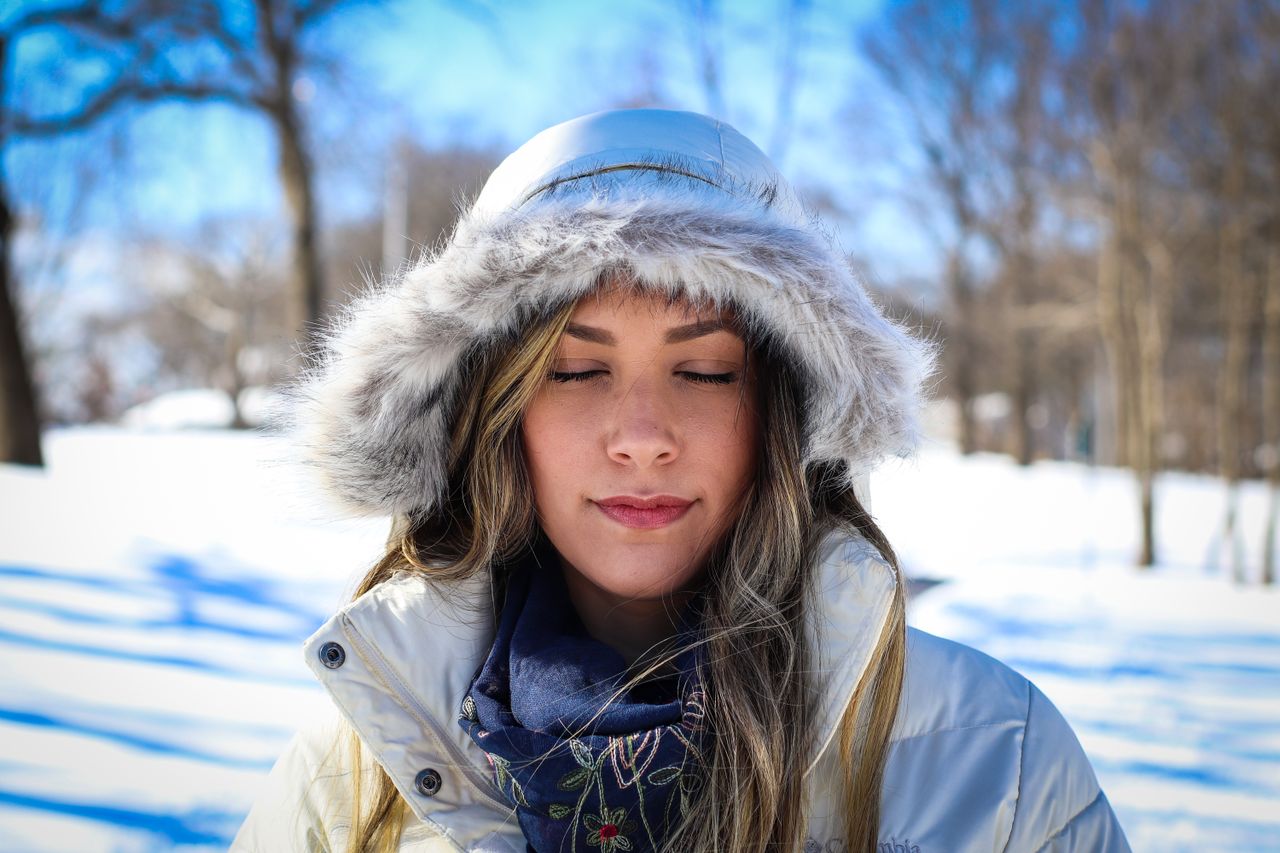
Photo: Woman in a fur-hooded parka in the snow via Pexels
Frequently Asked Questions
What is the most important winter clothing item in the Midwest?
A long, waterproof, hooded parka. It does most of the warming work, which lets everything underneath stay lighter and more comfortable.
Are UGGs good enough for a Midwest winter?
For dry cold days and quick errands, yes. For snow, slush, and ice, no — they absorb water and have poor traction. Own real snow boots too.
How do I dress for -20°F wind chill?
Cover all skin: thermal base layer, sweater, long parka, insulated boots, wool socks, mittens, scarf over your face, and a hat. At those temps, exposed skin can get frostbite in about 30 minutes.
What should I keep in my car for winter?
A blanket, phone charger, water, snacks, flashlight, jumper cables, ice scraper, cat litter for traction, and spare hat and mittens. Under $50 total.
Can I thrift good winter gear?
Absolutely — wool coats, sweaters, and scarves are thrift-store gold. One popular YouTube series shows building a full Midwest winter wardrobe from Goodwill finds. Just buy boots and thermals new for fit and hygiene.
Final Thoughts
Midwest winter is long, but it is completely manageable with the right 10 essentials: a long parka, real snow boots, thermals, fleece leggings, mittens, wool socks, a blanket scarf, a vest, dry-skin care, and that car kit. None of it has to be expensive — thrift stores and Target cover most of this list.
Layer smart, cover your skin, and keep the car kit stocked. Then winter becomes something you dress for, not something you dread.
Sources
- Paisley and Sparrow
- Sew Cute Style
- Midwest Explored
- Racked
- Kian Wolfgang on YouTube
- National Weather Service
Gallery

Photo: Snowy farm landscape in winter via Wikimedia Commons
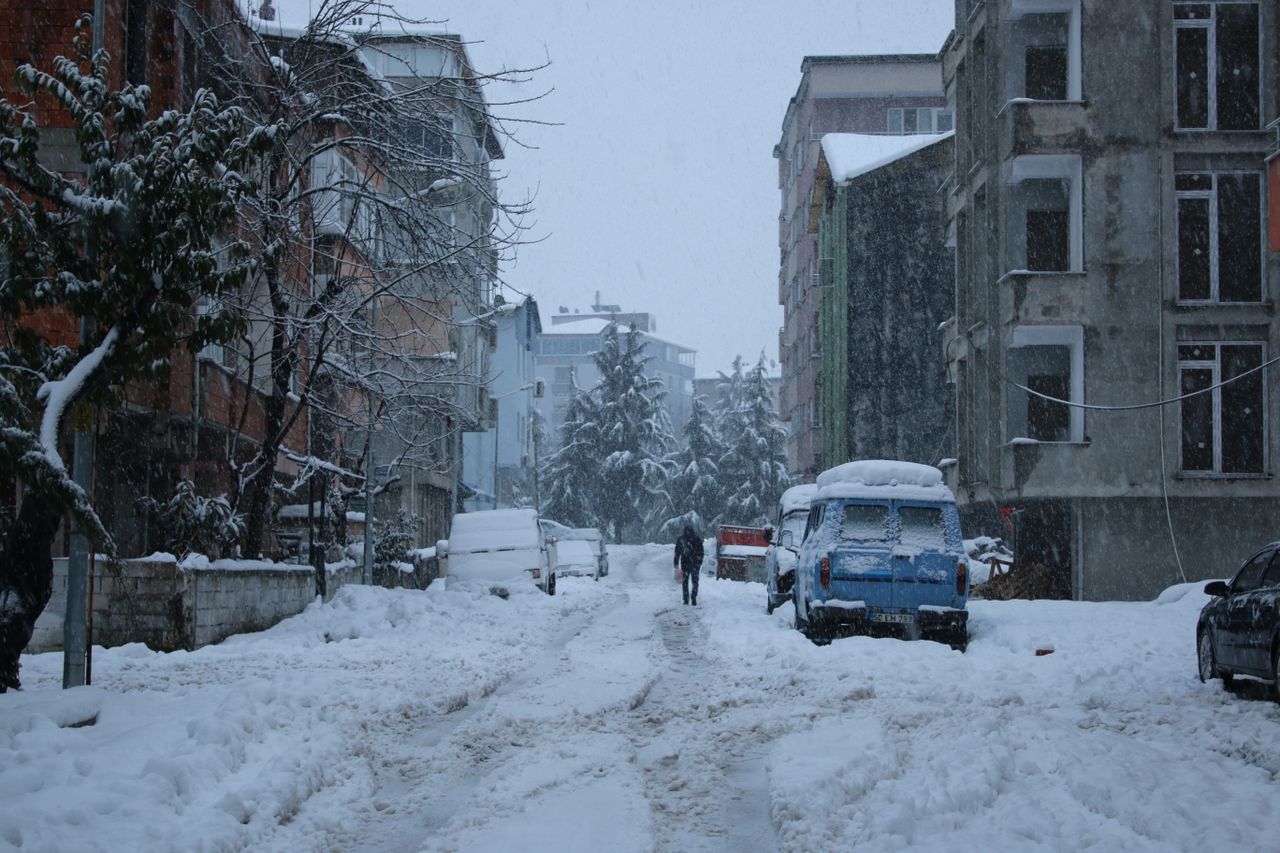
Photo: Heavy snowstorm on a city street via Pexels
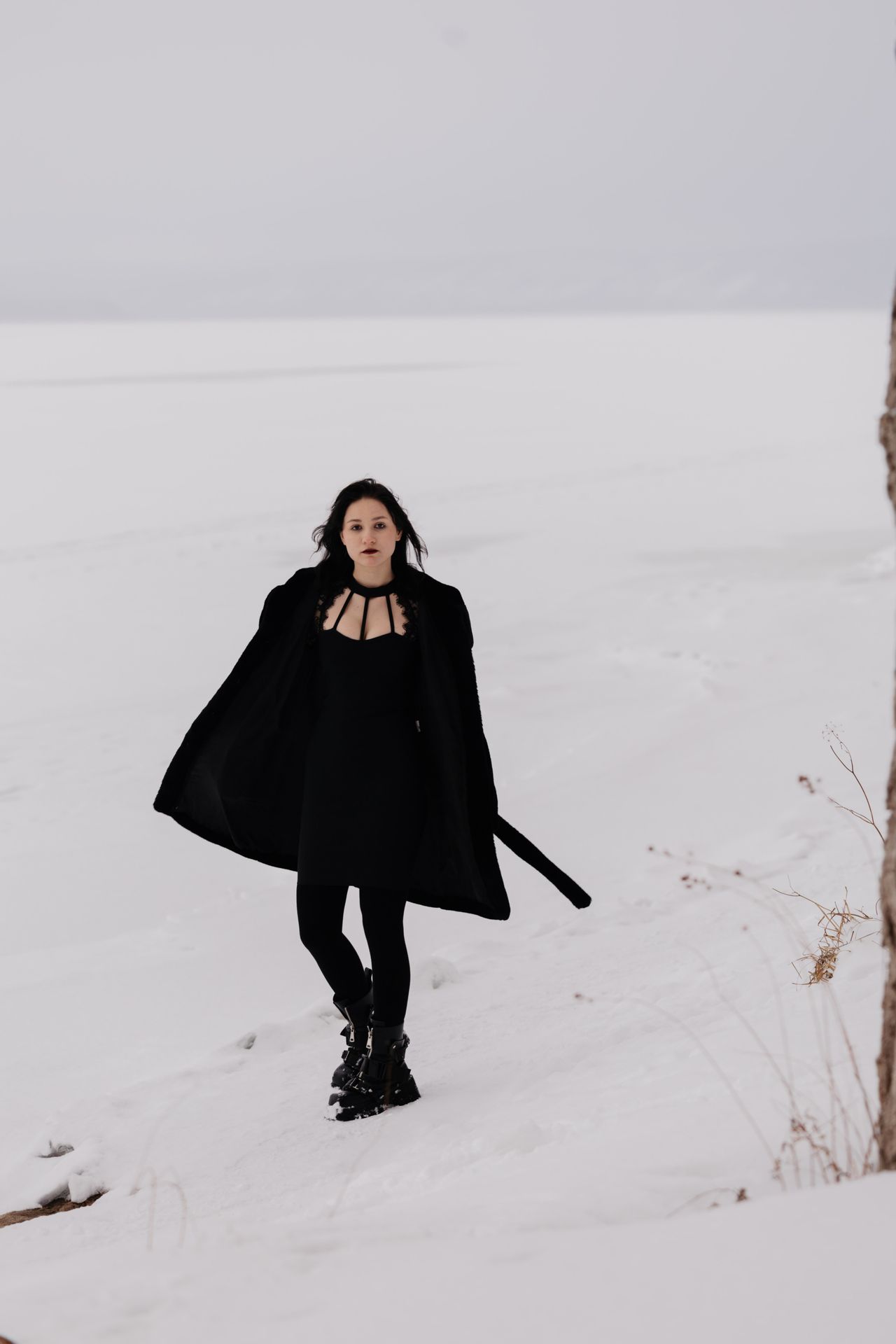
Photo: Woman in a black coat walking through snow via Pexels

No comments:
Post a Comment