Kombucha is a fizzy, tangy drink made by fermenting sweet tea with a living culture called a SCOBY. Store-bought bottles often cost $3 to $5 each, but a home batch costs just pennies per glass, and you get to choose exactly how sweet, sour, and bubbly it turns out. Once you have a happy culture on your counter, a fresh gallon of tea becomes a steady supply of drinks for the whole week.
This guide starts with the classic plain brew that everything else builds on, then gives you nine flavored kombucha recipes for the second ferment, from bright ginger lemon to mellow mango. Every flavor uses simple amounts for one 16-ounce bottle, so you can scale up or down with ease. You will also find the ferment times, temperatures, and basic safety rules that keep home brewing simple and safe.

Photo via Wikimedia Commons
Table of Contents
- 1. Classic Plain Kombucha (The Base Brew)
- 2. Ginger Lemon
- 3. Strawberry Basil
- 4. Blueberry Mint
- 5. Pineapple
- 6. Apple Cinnamon Spice
- 7. Raspberry Hibiscus
- 8. Mango
- 9. Watermelon Mint
- 10. Lemon Lavender
- Frequently Asked Questions
1. Classic Plain Kombucha (The Base Brew)

Photo via Wikimedia Commons
Every flavor in this guide starts with the same plain brew, so it pays to get this one right. For a 1-gallon batch you need 14 cups of filtered water, 8 black tea bags (or 2 tablespoons of loose black tea), 1 cup of plain white sugar, 2 cups of starter tea from a past batch or a store-bought plain bottle, and 1 SCOBY. Bring about 4 cups of the water to a boil, take it off the heat, stir in the sugar until it fully dissolves, and steep the tea for 10 to 15 minutes. Pour the sweet tea into a clean 1-gallon glass jar, add the rest of the cool water, and wait until the tea feels room temperature, below 85°F. Hot tea can kill the culture, so this pause really matters.
Stir in the starter tea, slide the SCOBY in with clean hands, and cover the jar with a tight-weave cloth or a coffee filter held on with a rubber band. The cover keeps fruit flies out while letting air in, which the culture needs. Set the jar in a warm, dark spot between 68°F and 78°F, out of direct sun, and leave it alone for 7 to 10 days. A SCOBY works a lot like the culture in a sourdough starter: it is alive, it eats slowly, and it likes a steady routine. Start tasting on day 7 with a clean straw. When it tastes pleasantly tart with a little sweetness left, it is ready. Save 2 cups and the SCOBY for your next batch, then drink the rest plain over ice or flavor it using the ideas below.
2. Ginger Lemon

Photo via Wikimedia Commons
Ginger lemon is the flavor most home brewers make first, because the warm bite of ginger and the brightness of lemon hide any rough edges in a young brew. For each 16-ounce swing-top bottle, add 1 tablespoon of finely grated or thinly sliced fresh ginger and 1 tablespoon of fresh lemon juice, which is about half a lemon. Fill the bottle with finished plain kombucha, leaving about 1 inch of space at the top. Fresh ginger gives a much stronger, cleaner kick than dried ginger powder, so it is worth the small grating job. If you like real heat, add a tiny pinch of cayenne pepper too.
Seal the bottles and keep them at room temperature, around 70°F to 75°F, for 2 to 4 days. This second ferment is when the fizz builds, because the yeast eats the small amount of sugar in the juice and fruit and makes natural carbon dioxide. Burp each bottle once a day by cracking the lid for a second, so pressure never builds too high. When the bubbles look lively, move the bottles to the fridge for at least 12 hours, which calms the fizz and sharpens the flavor. Strain out the ginger pieces as you pour, or leave them in for an extra-spicy last glass.
3. Strawberry Basil

Photo via Wikimedia Commons
Strawberry basil tastes like summer in a glass: sweet berries up front, then a soft herbal note that makes the drink feel fresh instead of sugary. For each 16-ounce bottle, use 1/4 cup of chopped ripe strawberries and 2 fresh basil leaves, gently torn to release their oils. Ripe, deep-red berries matter here, because pale winter berries add color but very little flavor. Frozen strawberries work well too — thaw them first and add their juice, since much of the flavor sits in that pink liquid. Mash the fruit lightly with a fork before it goes in the bottle so the brew can pull out more juice.
Seal and ferment at room temperature for 2 to 3 days, tasting after day 2. Berry brews ferment fast because fruit sugar feeds the yeast quickly, so strawberry bottles often get fizzy sooner than most flavors. Chill well before opening, and pour slowly, because berry batches can foam up the moment the seal breaks. Strain through a small mesh strainer if you dislike seeds and pulp in your glass. The finished drink turns a pretty blush pink, and it is lovely served over ice with a fresh basil leaf on top for guests.
4. Blueberry Mint
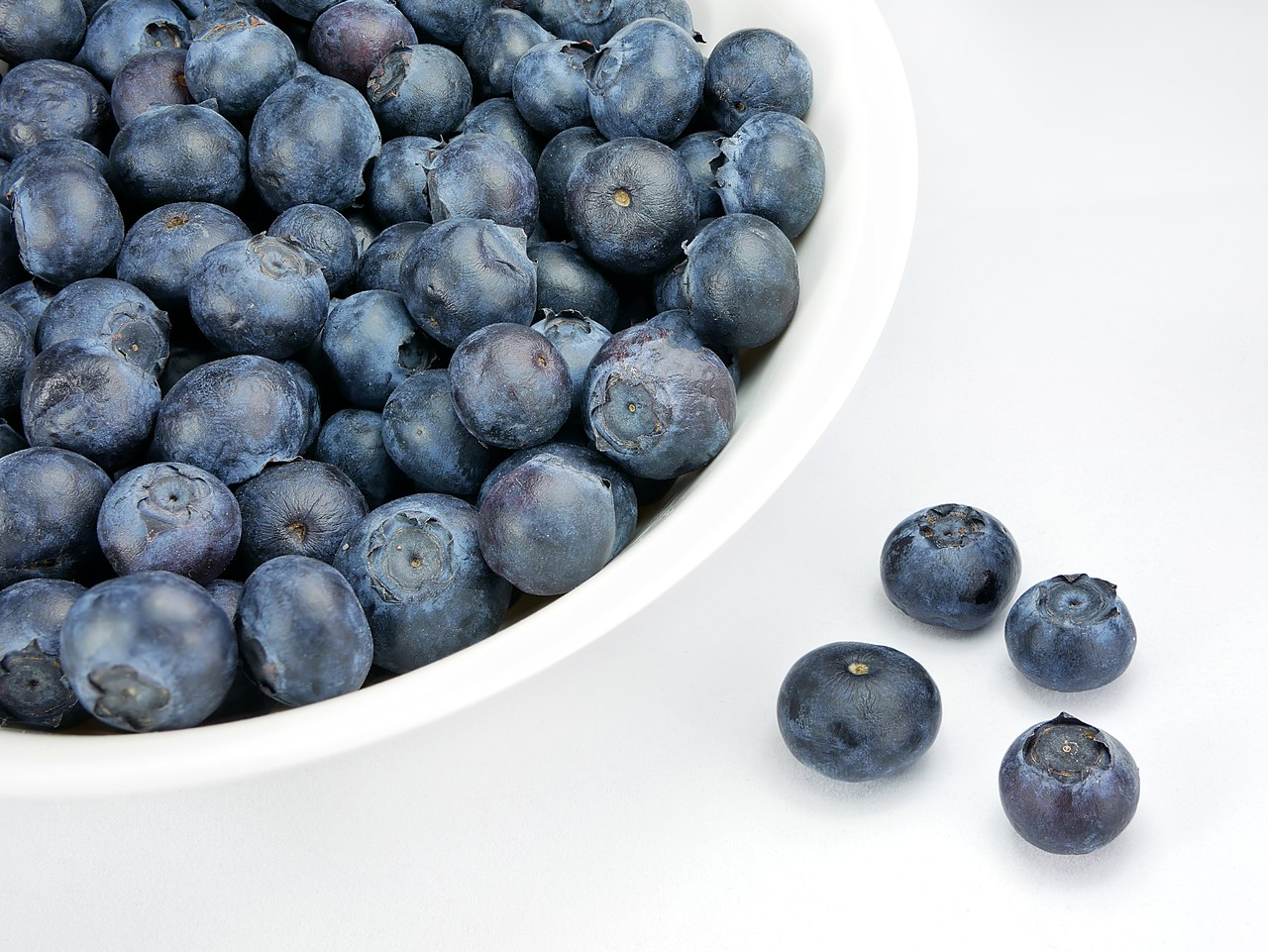
Photo via Wikimedia Commons
Blueberries give kombucha a deep purple color and a mellow, jammy sweetness, while mint keeps the finish cool and clean. For each 16-ounce bottle, add 1/4 cup of blueberries and 3 to 4 fresh mint leaves. Cut each berry in half, or press them gently with the back of a spoon, because whole berries with unbroken skins flavor the drink very slowly. Clap the mint leaves between your palms once before dropping them in — this old bartender trick wakes up the oils without bruising the leaves into bitter bits. A squeeze of lime at serving time brightens the whole glass.
Let the sealed bottles sit at room temperature for 2 to 4 days, burping daily. Blueberry batches build steady, fine bubbles rather than a wild foam, so they are a good choice if you are nervous about fizz. Refrigerate for at least 12 hours, then strain out the berries and mint as you serve. The spent berries will look pale and a little sad, which is normal — they gave their color and flavor to the drink. This flavor keeps well in the fridge for up to 2 weeks, and the mint note stays freshest in the first week.
5. Pineapple

Photo via Wikimedia Commons
Pineapple makes the liveliest, fizziest bottles of all, because it brings plenty of natural sugar and a sunny tropical taste that suits the natural tang of the brew. For each 16-ounce bottle, add 1/4 cup of crushed pineapple or pineapple juice. Fresh pineapple juice gives the boldest flavor, but good canned juice in a small carton works nearly as well and costs about $2 to $3. If you use fresh fruit, choose a pineapple that smells sweet at the base and feels heavy for its size — those simple checks pick a ripe one every time.
Seal the bottles and ferment at room temperature for just 1 to 3 days, checking daily. Pineapple is famous for extra-strong carbonation, so leave a full inch of headspace and burp the bottles twice a day if your kitchen is warm. Chill thoroughly before opening, and open over the sink the first time you try this flavor, just in case. The result tastes like a tropical soda, and it pairs happily with light lunches like the ones in our easy salad recipes collection. A tiny pinch of sea salt in the glass makes the pineapple taste even sweeter.
6. Apple Cinnamon Spice

Photo via Wikimedia Commons
Apple cinnamon tastes like a crisp fall orchard visit, with soft apple sweetness and a warm spice finish. For each 16-ounce bottle, add 1/4 cup of apple juice or finely chopped apple — a sweet variety like Fuji or Gala works best — plus 1 small cinnamon stick, about 2 inches long. Cloudy apple juice or cider gives a deeper flavor than clear juice. If you use chopped fresh apple, leave the peel on for extra taste, and cut the pieces small enough to slip out of the bottle neck later without a fight. A single whole clove or a thin slice of fresh ginger can join the cinnamon for a spiced-cider feel.
Seal and ferment at room temperature for 2 to 4 days. Spices infuse slowly, so give this flavor the full time before you judge it. When it is fizzy enough, chill it, then fish out the cinnamon stick before serving — leaving spice sticks in the bottle for weeks can turn the flavor harsh and woody. This is the one flavor many brewers enjoy gently warmed on a cold night: pour it into a small pot, heat it only until steaming (never boiling, which kills the fizz and the live cultures), and sip it like a spiced cider.
7. Raspberry Hibiscus

Photo via Wikimedia Commons
This is the show-off flavor: raspberries and dried hibiscus flowers turn the drink a stunning ruby red and add a tart, cranberry-like depth. For each 16-ounce bottle, add 1/4 cup of raspberries (fresh or thawed frozen) and 1 tablespoon of dried hibiscus flowers, which cost about $4 to $6 for a bag that lasts many batches at most grocery stores and tea shops. Lightly crush the berries so their juice mixes in right away. Hibiscus is naturally tart, so if your base brew already tastes sharp, add 1 teaspoon of sugar to the bottle to keep the balance pleasant.
Seal and ferment at room temperature for 2 to 3 days, then chill. One caution: hibiscus can stain the SCOBY pink if it ever touches it, so always add hibiscus in the bottles during the second ferment, never in the main brewing jar. The color is harmless in the bottles and washes off your hands and counters with warm soapy water, though it can mark light dish towels, so use a dark one. Strain before serving for a clear, jewel-bright glass. This flavor makes a beautiful alcohol-free party drink in a stemmed glass with a few whole raspberries dropped in.
8. Mango
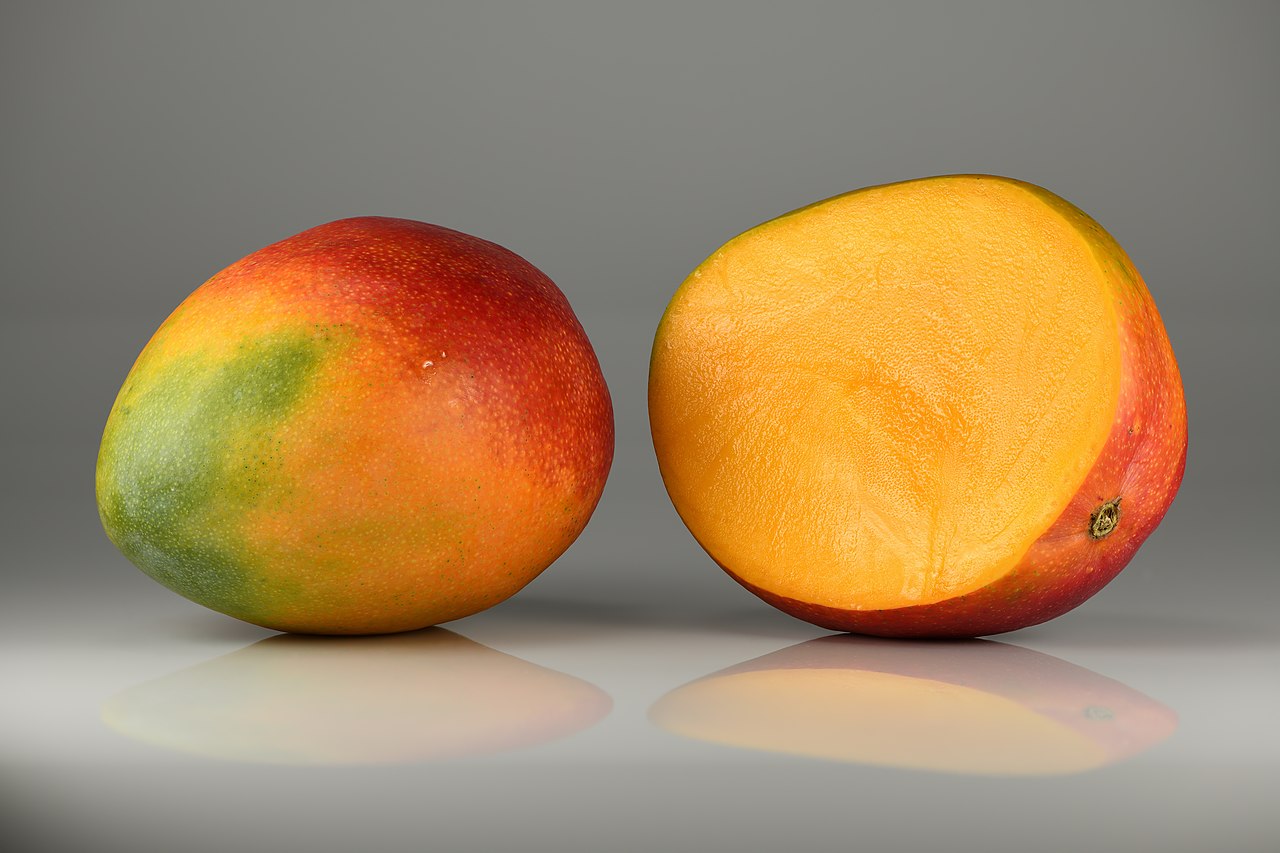
Photo via Wikimedia Commons
Mango gives the smoothest, roundest flavor of the ten, with a soft perfume and a gentle sweetness that tames a tart batch beautifully. For each 16-ounce bottle, add 1/4 cup of mango puree or finely diced ripe mango. A ripe mango gives a little when you press it and smells sweet and fruity near the stem. Blend the flesh with a splash of the kombucha itself to make a quick puree — it pours easily through a funnel and mixes evenly, instead of sitting in one lump at the bottom of the bottle. Alphonso and honey (Ataulfo) mangoes bring the strongest flavor.
Seal and ferment at room temperature for 2 to 3 days. Mango puree is thick, so the fizz builds gently and the drink pours with a pleasant, almost nectar-like body. Shake the chilled bottle very gently before opening to mix the puree back in, then pour over ice. Mango also blends well with other flavors: half mango and half pineapple is a tropical winner, and mango with a slice of fresh chili is a fun sweet-heat surprise. Bottles keep about 2 weeks in the fridge, though the fresh mango aroma is best in the first 5 days.
9. Watermelon Mint

Photo via Wikimedia Commons
Watermelon mint is the lightest, most refreshing drink in this list — the one to hand a friend who thinks they do not like kombucha. For each 16-ounce bottle, add 1/3 cup of fresh watermelon juice and 3 fresh mint leaves. To make the juice, blend seedless watermelon chunks and pour them through a strainer; one small watermelon, usually $4 to $6 in summer, gives you several cups. Watermelon is mild, so use a base brew that still has a touch of sweetness — if your kombucha has fermented all the way to sharp vinegar, the watermelon flavor will get lost.
Seal and ferment at room temperature for 1 to 2 days only. Watermelon ferments quickly and its fresh taste fades fast, so this flavor is at its best young. Chill well and drink within 3 to 4 days for the brightest flavor. A small pinch of salt and a squeeze of lime in each glass makes the watermelon taste pop, much like it does on a plate of watermelon slices at a cookout. Serve it very cold, over plenty of ice, on the hottest afternoon you can find.
10. Lemon Lavender

Photo via Wikimedia Commons
Lemon lavender tastes like a calm summer evening — bright citrus first, then a soft floral note that feels a little fancy. For each 16-ounce bottle, add 1 tablespoon of fresh lemon juice and just 1/2 teaspoon of dried culinary lavender buds. Culinary lavender matters: buy buds sold for cooking and tea, not scented craft lavender, which can be treated with oils you do not want in a drink. Lavender is strong, so measure with care — too much turns the whole bottle soapy, while the right amount stays gentle and fragrant. A teaspoon of honey stirred in at serving softens the edges nicely.
Seal and ferment at room temperature for 2 to 3 days, then chill and strain out the buds as you pour. If you want a stronger floral note without the soap risk, steep the lavender in the lemon juice for 30 minutes first, strain, and add the scented juice to the bottle. This flavor is a favorite for brunch and garden parties, poured into pretty glasses with a lemon twist. It also makes a lovely mixer base: half lemon lavender kombucha and half sparkling water over ice tastes like a grown-up lemonade.
Frequently Asked Questions
How long does homemade kombucha take from start to finish?
Plan on 9 to 14 days in total. The first ferment needs 7 to 10 days at room temperature, and the flavored bottles need 1 to 4 more days for the second ferment, depending on the fruit you use. Warm kitchens ferment faster, so in summer your batch may be ready a day or two sooner. Beginners often find the second batch easier than the first, because the SCOBY is settled in and your starter tea is stronger.
How can I tell if my kombucha has mold and is unsafe?
Look at the surface of the brewing jar. Mold looks dry and fuzzy, and it grows in spots that are green, black, blue, or white — much like mold on old bread. If you see any, throw out the whole batch and the SCOBY, clean the jar well, and start again with fresh starter tea. Normal things that are NOT mold include brown stringy bits hanging under the SCOBY, bubbles trapped in the culture, and a new thin, pale layer forming on top. When in doubt, throw it out: a new SCOBY costs far less than a stomachache.
How much sugar is left in the finished drink?
Much less than you start with. The yeast and bacteria eat most of the 1 cup of sugar during the first ferment, so a plain batch that ferments 7 to 10 days ends up with roughly 2 to 6 grams of sugar per cup — about the same as unsweetened iced tea with a splash of juice. Longer ferments taste more sour and hold even less sugar. If you like your drink sweeter, serve it young, or stir in a little fruit juice at pouring time instead of adding sugar to the jar.
Why is my kombucha not fizzy?
The three usual causes are a weak bottle seal, too little sugar for the yeast to eat, and a cool room. Use real swing-top bottles with rubber gaskets, not old screw-cap bottles, and make sure your second ferment includes fruit or juice with natural sugar. Keep the bottles somewhere around 70°F to 78°F, and give them one more day before you give up — some batches bubble slowly, then fizz all at once. Flat kombucha still tastes fine and works perfectly as starter tea for your next jar.
Can I brew with green tea or honey instead?
Yes, with a little care. Green tea makes a lighter, softer-tasting brew, and a half-black, half-green mix is a gentle way to switch. Keep at least part black tea for the first few batches while your culture is young, since SCOBYs raised on black tea can struggle with a sudden full change. Honey ferments into a related drink called jun, which needs its own adapted culture — raw honey can stress a regular SCOBY, so save honey for a small spoonful at serving time instead.
Final Thoughts
Brewing at home turns one simple jar of sweet tea into a whole shelf of drinks, and these kombucha recipes are only the starting point. Brew the plain batch until it feels easy, master ginger lemon, then wander through the berries, tropical fruits, and gentle florals as the seasons change. Keep notes on each bottle — the flavor, the days it fermented, and what you would change — and within a few batches you will have your own house favorites dialed in exactly the way you like them.
A small starter kit or a gifted SCOBY from a friend usually costs under $20, and after that each gallon costs little more than tea and sugar. If homemade drinks are your thing, you might also enjoy our collection of hot drinks for winter for the cold months, when a warm mug beats a fizzy glass. Happy brewing, and do not fear the fizz — just burp your bottles.
Sources
- Homemade Kombucha for Beginners: Brew + 2nd Ferment — The Fabled Alchemist
- Kombucha Secondary Fermentation Flavors by Ingredient — Fermentaholics
- Spring Kombucha Flavors: Fresh Fruit and Herb Recipes — The Fabled Alchemist
- The Best Summer Flavors for DIY Kombucha — Souly Rested
- Hibiscus Kombucha Recipe — Create Mindfully
Gallery

Photo via Wikimedia Commons

Photo via Wikimedia Commons


No comments:
Post a Comment