
Photo: Shixart1985 via Wikimedia Commons (CC BY 2.0)
Walk into any furniture store and you'll hear the words: modern, boho, farmhouse, Japandi. But what do these interior design styles actually mean — and which one is right for your home? With so many styles out there, it's easy to feel lost.
This simple guide breaks down 15 of the most popular interior design styles. Each one comes with a real photo, the key elements that define it, and who it suits best. By the end, you'll know exactly which style feels like you.
1. Modern

Photo: Mike Duchstein via Wikimedia Commons (CC BY-SA 4.0)
Modern design comes from the early to mid-1900s, when designers started rejecting heavy decoration in favor of clean function. Don't confuse it with "contemporary" — modern refers to a specific era, while contemporary means "what's current right now."
Key elements:
- Clean lines and smooth surfaces
- Neutral palette: white, black, gray, beige
- Materials like glass, steel, and chrome
- Minimal decoration — every piece has a purpose
- Open, uncluttered layouts
Best for: People who love order, simplicity, and a polished look.
2. Contemporary

Photo: Rachel Kaminsky via Wikimedia Commons (CC BY-SA 4.0)
Contemporary style is always changing because it reflects the present moment. What's contemporary today will look different in ten years. Right now it leans toward soft curves, warm neutrals, and a mix of textures.
Key elements:
- Sleek, simple forms with current trends
- Neutral base with bold accent pieces
- Mix of materials: metal, glass, wood, textured fabrics
- Open spaces and lots of natural light
- Sustainable and eco-friendly choices
Best for: Anyone who likes staying current and refreshing their space often.
3. Mid-Century Modern

Photo: GeorgeLouis via Wikimedia Commons (CC BY-SA 3.0)
Born in the 1950s and 60s, mid-century modern never really went away. Its clean shapes and warm wood tones feel just as fresh today. If you love tapered legs, organic curves, and functional beauty, this is your style.
Key elements:
- Clean lines with gentle organic curves
- Warm woods: teak, walnut, rosewood
- Iconic furniture shapes (think Eames-style chairs)
- Pops of mustard, orange, or teal
- Indoor-outdoor connection with big windows
Best for: Vintage lovers and anyone who wants timeless, functional pieces.
4. Scandinavian

Photo: Jarosław Ceborski via Wikimedia Commons (CC0)
Scandinavian design comes from Sweden, Denmark, and Norway, where long dark winters made bright, cozy interiors a necessity. It's minimalism's warmer cousin — simple but never cold.
Key elements:
- White walls and light wood floors
- Lots of natural light (sheer curtains or none)
- Cozy textiles: wool throws, sheepskins, linen
- Simple, functional furniture
- A few green plants for life
Best for: Small spaces and anyone craving calm, bright rooms.
5. Minimalist

Photo via Wikimedia Commons (public domain)
Minimalism is built on one idea: less, but better. Every item earns its place. The result is a calm space where quality materials and clean geometry do all the talking.
Key elements:
- Strictly limited color palette (often monochrome)
- Clutter-free surfaces and hidden storage
- Functional furniture with simple forms
- Texture instead of pattern for interest
- Plenty of empty "breathing" space
Best for: People who feel calmer with less stuff — and hate cleaning.
6. Traditional
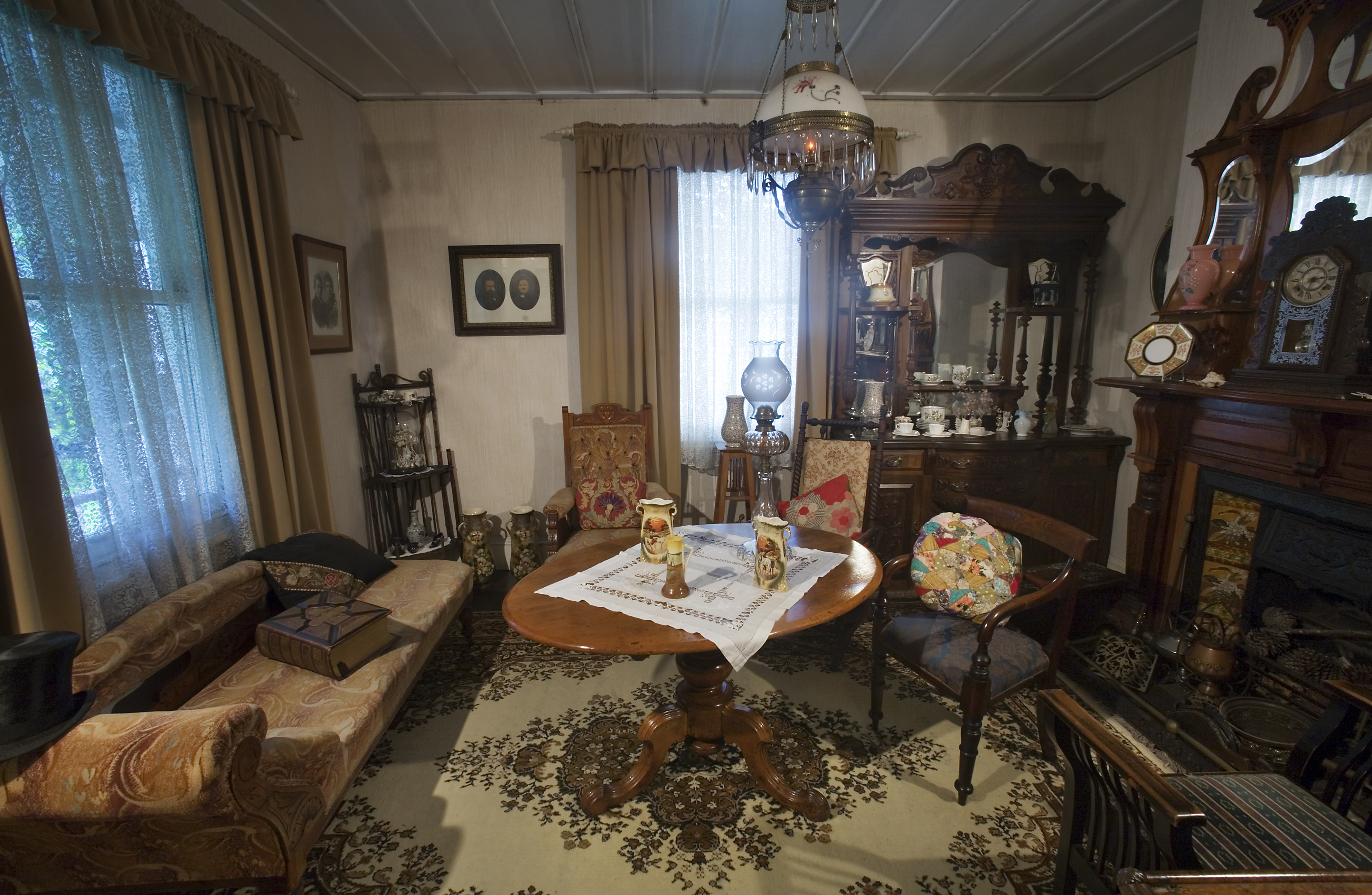
Photo: Jorge Royan via Wikimedia Commons (CC BY-SA 3.0)
Traditional design is rooted in 18th- and 19th-century European style. It's elegant, symmetrical, and layered — the opposite of stark. Think classic furniture that never goes out of fashion.
Key elements:
- Symmetry and balanced arrangements
- Rich woods, carved details, and moldings
- Classic fabrics: damask, velvet, silk
- Warm, deep color palettes
- Antiques, oil paintings, and chandeliers
Best for: Those who love timeless elegance and formal comfort.
7. Bohemian (Boho)

Photo via Wikimedia Commons (public domain)
Bohemian style is free-spirited and personal. There are no strict rules — just layers of color, pattern, and texture collected over time. Every boho room tells the owner's story.
Key elements:
- Layered textiles: rugs, throws, cushions in mixed patterns
- Global and vintage finds
- Lots of plants, especially hanging ones
- Warm woods, rattan, and wicker
- Relaxed, "collected not decorated" feel
Best for: Creative souls who want their home to feel personal and alive.
8. Industrial

Photo: Kleon3 via Wikimedia Commons (CC BY-SA 4.0)
Industrial style was born in converted warehouses and factories. It celebrates raw, unfinished materials instead of hiding them. Exposed brick, visible pipes, and concrete floors are features, not flaws.
Key elements:
- Exposed brick, concrete, and ductwork
- Metal fixtures and Edison-bulb lighting
- High ceilings and open floor plans
- Neutral palette: gray, black, brown
- Mix of rough textures with a few soft touches
Best for: Lofts, apartments, and lovers of urban, edgy spaces.
9. Coastal

Photo: JessofWoodnCo via Wikimedia Commons (CC BY-SA 4.0)
Coastal style captures the relaxed feeling of a beach house — even if you live nowhere near the sea. It's light, breezy, and fresh, built around the colors and textures of the shore.
Key elements:
- White, sand, and soft blue palette
- Natural materials: linen, cotton, rattan, weathered wood
- Plenty of natural light and open air
- Subtle sea-inspired accents (not kitschy shells everywhere)
- Clean, uncluttered surfaces
Best for: Anyone who wants a calm, vacation-like home.
10. Rustic

Photo: Shixart1985 via Wikimedia Commons (CC BY 2.0)
Rustic design brings the outdoors in. It's warm, cozy, and unpretentious — built on natural materials that show their age and character proudly.
Key elements:
- Exposed wood beams and plank walls
- Stone fireplaces and natural textures
- Earthy palette: browns, greens, warm neutrals
- Vintage or handmade furniture
- Cozy layers: wool, fur, chunky knits
Best for: Cabins, country homes, and anyone who loves warmth and texture.
11. Art Deco

Photo via Wikimedia Commons (public domain)
Art Deco exploded in the 1920s and still feels glamorous a century later. It's bold, symmetrical, and luxurious — the Great Gatsby of interior design styles.
Key elements:
- Bold geometric shapes and symmetry
- Luxe materials: marble, velvet, brass, lacquer
- Rich colors: emerald, navy, black, gold
- Mirrored surfaces and dramatic lighting
- Stylized curves and sunburst motifs
Best for: Drama lovers who want glamour without clutter.
12. Japandi

Photo: Licjar Xeymelloz via Wikimedia Commons (CC0)
Japandi blends Japanese minimalism with Scandinavian warmth. From Japan it takes simplicity and calm; from Scandinavia it takes coziness and natural materials. The result is serene but livable.
Key elements:
- Neutral palette with warm wood tones
- Low-profile, functional furniture
- Natural materials: oak, bamboo, linen, stone
- Minimal decor with a few meaningful pieces
- Clean lines softened by soft textures
Best for: People who want minimalism without the coldness.
13. Hollywood Glam

Photo: Basile Morin via Wikimedia Commons (CC BY-SA 4.0)
Hollywood Glam channels old-Hollywood luxury — think mirrored furniture, plush velvet, and sparkling chandeliers. It's maximalist in the most elegant way possible.
Key elements:
- Mirrored and lacquered furniture
- Jewel tones: emerald, sapphire, ruby
- Metallic accents: gold, brass, chrome
- Plush fabrics: velvet, silk, faux fur
- Statement lighting and bold art
Best for: Anyone who believes more is more — done elegantly.
14. Mediterranean

Photo: bongo vongo via Wikimedia Commons (CC BY-SA 2.0)
Inspired by homes in Greece, Italy, and Spain, Mediterranean style is sun-warmed and relaxed. Arched doorways, whitewashed walls, and natural textures create a space that feels like a permanent holiday.
Key elements:
- Whitewashed or warm-toned walls
- Arched doorways and windows
- Terracotta, stone, and wrought iron
- Blue accents inspired by the sea
- Indoor plants like olive trees
Best for: Sun lovers and fans of relaxed, old-world charm.
15. Moroccan

Photo: Naji Hoda via Wikimedia Commons (CC BY-SA 4.0)
Moroccan design is rich, colorful, and made for gathering. Low seating, intricate patterns, and warm lantern light create rooms that feel exotic yet welcoming. If you love this layered, craft-rich look, these Pakistani living room decor ideas use the same philosophy with Ajrak textiles and brass accents.
Key elements:
- Bold colors: reds, oranges, deep blues, gold
- Intricate tile and carved-wood patterns
- Low banquette seating with piles of cushions
- Perforated metal lanterns for warm light
- Berber rugs and handcrafted decor
Best for: Entertainers and anyone who loves bold, cozy spaces.
How to Choose Your Interior Design Style
Feeling torn between two or three styles? That's normal — most homes blend more than one. Here's a simple way to find yours:
- Save rooms you love. Collect 15–20 photos of rooms you're drawn to (Pinterest works great for this).
- Look for patterns. What repeats? Light or dark colors? Lots of texture or clean surfaces? Cozy or airy?
- Consider your life. Kids and pets? You'll want durable fabrics and forgiving colors. Love hosting? Prioritize comfortable seating.
- Start with one room. You don't need to redo the whole house. Pick the room you use most and design around the style you keep coming back to. Once you've picked a style, these cozy fall living room ideas show how small seasonal touches can warm up any look.
- Mix with confidence. Styles like bohemian, eclectic, and transitional are made for blending. Pick a dominant style (about 70%) and add touches of a second one.
FAQs
What is the most popular interior design style?
Modern, contemporary, and Scandinavian consistently rank as the most popular, thanks to their clean lines and broad appeal. Farmhouse and Japandi have also surged in recent years.
Can I mix two interior design styles?
Absolutely. Most real homes blend styles. The trick is to pick one dominant style and add elements of another through accessories, textiles, or a single statement piece. Keep a consistent color palette so everything feels connected.
What's the difference between modern and contemporary interior design?
Modern refers to a specific design movement from the early to mid-1900s, with fixed characteristics like clean lines and minimal ornament. Contemporary simply means "of the present" — it changes with current trends, so today's contemporary look will evolve over time.
How do I find my interior design style on a budget?
Start with what you already own. Identify which of your existing pieces you love most — their shapes, colors, and materials point to your natural style. Then make small, affordable changes (paint, textiles, lighting) that push the room toward that style before buying big furniture.
Final Thoughts
There's no "best" interior design style — only the one that feels like home to you. Whether you're drawn to the clean calm of Scandinavian, the bold glamour of Art Deco, or the free spirit of bohemian, the right style is the one that makes you happy to walk through your front door.
Start with one room, trust your eye, and don't be afraid to mix. After all, the most beautiful homes aren't decorated from a catalog — they're collected over time, piece by piece.
For a truly distinctive look, explore these 14 truck art home decor ideas inspired by Pakistan's vibrant folk art.

No comments:
Post a Comment