Frost is coming, the nights are getting cold, and your tomato plants are still loaded with hard green fruit. Do not throw that harvest away. If you know how to ripen green tomatoes the right way, most of them will turn red, soft, and tasty on your kitchen counter over the next one to three weeks. Tomatoes are special fruit: they keep ripening after you pick them, as long as they were mature when you picked them and you store them at the right temperature.
In this guide, you will learn the simple science behind ripening, the famous paper bag and banana trick, the cardboard box method for a big harvest, and the mistakes that ruin good fruit, like putting tomatoes in the fridge too soon. Follow these steps and you can enjoy homegrown tomatoes long after the garden is done for the year.

Photo: Wikimedia Commons
Table of Contents
- 1. Start With Mature Green Tomatoes, Not Baby Ones
- 2. Watch for the Blush: The Breaker Stage
- 3. The Paper Bag and Banana Trick
- 4. The Cardboard Box Method for a Big Harvest
- 5. Get the Temperature Right: Warm, Not Hot, Never Cold
- 6. Skip the Sunny Windowsill: Light Is Not Needed
- 7. Sort First and Check Every Few Days for Rot
- 8. Hang the Whole Plant Upside Down
- 9. How Long Ripening Takes and How to Speed It Up
- 10. When Tomatoes Stay Green: Cook Them Instead
1. Start With Mature Green Tomatoes, Not Baby Ones

Photo: Wikimedia Commons
The biggest secret is picking the right fruit. A tomato can only ripen off the vine if it reached the "mature green" stage first. Mature green tomatoes are full size for their type, feel firm, and have smooth, shiny skin that looks pale green or slightly whitish instead of deep, dark green. If you cut one open, the seeds sit in soft, jelly-like gel and are hard to slice through. That gel means the fruit is grown up inside and is ready to change color on its own.
Small, dull, dark green tomatoes are still babies. They were not on the plant long enough, so they will usually just sit there, wrinkle, and rot instead of turning red. When frost is on the way, pick every full-size tomato, even the plain green ones, and leave the tiny ones behind. Twist each tomato gently off the stem or snip it with scissors, and handle the fruit with care, because every bruise and crack is an open door for rot later.
2. Watch for the Blush: The Breaker Stage

Photo: Wikimedia Commons
The very best tomatoes to pick early are the ones that have just started to change color. Gardeners call this the "breaker" stage, because the first blush of pink, yellow, or orange breaks through the green at the blossom end, the bottom of the fruit. A tomato at the breaker stage has already finished growing inside, and the ripening engine is switched on. From this point, it will develop almost the same color, flavor, and nutrition off the vine as it would on the plant.
This is why many smart gardeners pick tomatoes at the first sign of blush all season long, not just in fall. Fruit left on the plant until it is fully red often gets eaten by birds, split by rain, or knocked down by storms. Picking at the breaker stage and finishing the tomatoes indoors gives you the same ripe tomato with far less loss. If you see even a small pale star or streak on the bottom of a green tomato, that fruit is a strong candidate for indoor ripening.
3. The Paper Bag and Banana Trick

Photo: Wikimedia Commons
For a small batch, the paper bag method is the fastest and easiest trick there is. Put a handful of green tomatoes in a brown paper bag with one ripe banana, fold the top closed, and leave the bag on the counter. Ripening bananas give off a natural gas called ethylene. The closed bag traps that gas around the tomatoes, and ethylene is the signal that tells the fruit to soften, sweeten, and turn red. A ripe apple works too, but bananas are the strongest and cheapest helpers.
Use a banana that is yellow with a few brown spots, because it is releasing the most ethylene at that stage. Never use a plastic bag, since plastic traps moisture and invites mold; paper breathes just enough. Check the bag every day or two, take out any tomato that has colored up, and remove the banana when it gets very soft and dark, replacing it with a fresh one if the tomatoes still need more time. Most breaker-stage fruit ripens in about 5 to 10 days this way.
4. The Cardboard Box Method for a Big Harvest
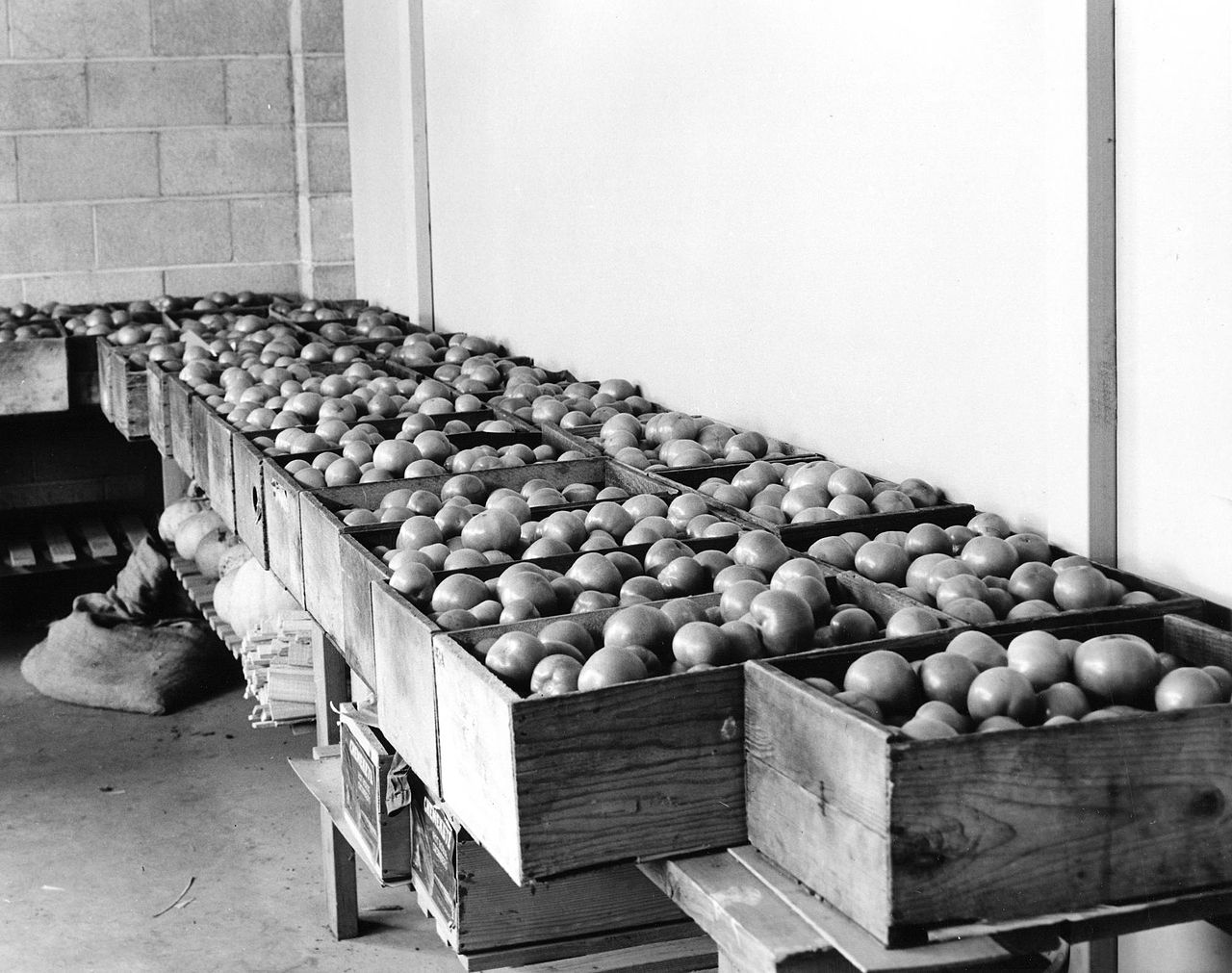
Photo: Wikimedia Commons
When frost forces you to strip whole plants, a paper bag is too small. Use a shallow cardboard box instead. Line the bottom with newspaper, set the tomatoes inside in a single layer with a little space between each fruit, and lay a sheet or two of newspaper loosely over the top. If you must stack, stop at two layers, with newspaper between them, because deep piles trap moisture and the weight bruises the fruit on the bottom.
The box traps some of the tomatoes' own ethylene, just like the bag, and the newspaper soaks up extra moisture and keeps the fruits from touching and spreading rot. Slip one ripe banana or apple into the box to speed things up. Store the box in a cool room, a pantry, or a basement corner, and sort through it every few days. Big batches ripened this way often give you fresh tomatoes for three or four weeks, like a slow gift from the garden.
5. Get the Temperature Right: Warm, Not Hot, Never Cold

Photo: Wikimedia Commons
Temperature matters more than anything else on this list. Tomatoes ripen best between about 65°F and 75°F, which is normal room temperature in most homes. In that range, color and flavor develop together, and the fruit softens at a steady, healthy pace. A slightly cooler spot, around 55°F to 65°F, is fine too; ripening will simply take longer, which can be useful if you want to stretch your harvest over more weeks.
Cold is the enemy. Below about 50°F, ripening stops, and the fruit can suffer chilling injury, which leaves it mealy, dull, and bland even if it later turns red. That is why you must never put unripe tomatoes in the refrigerator. The fridge is only for tomatoes that are already fully ripe, and even then just for a few days. Heat is also a problem: above 85°F, tomatoes stop making their red color properly and can turn a pale orange instead. A normal kitchen counter or spare room beats the garage and the sunny porch almost every time.
6. Skip the Sunny Windowsill: Light Is Not Needed

Photo: Wikimedia Commons
Many people line up green tomatoes on the sunniest windowsill in the house, because it feels like the sun should turn them red. It is one of the most common questions gardeners ask, and the answer surprises them: once a tomato is picked, it does not need light at all to ripen. Ripening is driven by temperature and ethylene gas, not sunshine. Tomatoes ripen perfectly well in a dark drawer, a closed box, or a paper bag, and commercial growers ripen them in dark rooms for this exact reason.
In fact, a hot sunny sill can hurt your fruit. Strong sun through glass heats tomatoes unevenly, which can cause soft spots, wrinkled skin, and pale patches that never color well. The tomatoes on the bright end of the sill may cook while the shaded side stays green. A shaded counter, a cupboard, or any spot with steady room temperature and a little air flow will give you better, more even results than Grandma's windowsill ever did.
7. Sort First and Check Every Few Days for Rot

Photo: Wikimedia Commons
Before you store anything, sort your harvest into three groups. Group one is the blushing fruit, which will ripen first. Group two is the mature green fruit, which needs more time. Group three is the damaged fruit: anything with cracks, soft spots, worm holes, or black patches. Never store group three with the good tomatoes. One rotting tomato releases moisture and mold spores that can spoil every fruit touching it, and gardeners say "one bad tomato spoils the box" because it is literally true.
Wipe each tomato clean with a dry or slightly damp cloth and let the fruit dry fully before it goes into a bag or box, since wet skin grows mold fast. Then check your stored tomatoes every two or three days. Take out the ripe ones to eat, move the blushing ones to the front, and throw away any tomato that turns soft, leaks, or grows fuzzy spots. If your plants struggled with sick foliage this year, our guide on why tomato leaves turn yellow can help you spot the problem early next season. Spoiled fruit that is not moldy can go on the compost pile instead of the trash.
8. Hang the Whole Plant Upside Down

Photo: Wikimedia Commons
If frost is coming tonight and your vines are still heavy with fruit, there is a classic old-timer's shortcut: pull up the whole plant and hang it. Dig or pull the plant out with as much root as you can, shake the loose soil off the roots, and hang the plant upside down from a rafter, hook, or nail in a garage, shed, or basement where the air stays above freezing, ideally between 50°F and 65°F.
The tomatoes stay on the vine and ripen slowly over the next few weeks, and many gardeners swear the flavor is a little better than fruit ripened loose in a box, because the fruit keeps drawing a bit of life from the stem as the plant fades. Pick each tomato as it colors up. Check the hanging plants once or twice a week and remove any fruit that spoils. When the plants come down for good, finish the bed clean-up with the steps in our guide to winterizing your garden so the soil is ready for spring.
9. How Long Ripening Takes and How to Speed It Up

Photo: Wikimedia Commons
Timing depends mostly on how ripe the fruit was when you picked it and how warm the room is. A tomato picked at the breaker stage usually finishes in about 7 to 14 days at room temperature, and only 3 to 7 days in a paper bag with a banana. A fully green but mature tomato needs more patience: two to four weeks is normal, and fruit stored in a cooler room can keep ripening slowly for over a month. This slow spread is actually a blessing, because it means fresh tomatoes on the table week after week instead of one giant pile all at once.
To speed things up, move the fruit to the warmest room in the house (but keep it under 80°F), group tomatoes together so their ethylene builds up, and always keep one ripe banana or apple in the bag or box. To slow things down, do the opposite: spread the fruit out in a single layer in the coolest room you have. One warning from experienced gardeners: do not seal tomatoes in an airtight container. They need a little fresh air, or moisture builds up and mold wins the race against ripening.
10. When Tomatoes Stay Green: Cook Them Instead

Photo: Wikimedia Commons
Be honest with yourself after three or four weeks: a few tomatoes will simply refuse to ripen. Fruit that was picked too young may soften a little and turn a pale yellow-green, but it will never become a good slicing tomato. Do not throw it out. Firm green tomatoes are a classic cooking ingredient in their own right, firm, tangy, and fresh-tasting, and whole regions of the United States build beloved dishes around them.
The most famous use is fried green tomatoes: slice the fruit about 1/4 inch thick, dip the slices in egg, coat them in cornmeal with a little salt and pepper, and fry in hot oil until crisp and golden, about 3 to 4 minutes per side. Green tomatoes also make wonderful chutney, tangy pickles, salsa verde-style sauce, and a sweet-tart pie that tastes surprisingly like apple pie. Cooked green tomatoes are perfectly good to eat; just avoid eating large amounts of them raw, since unripe fruit can upset some stomachs. And when spring comes, remember you can start the cycle again from seed saved from your best ripe fruit, as shown in our guide to growing tomatoes from a tomato.
Frequently Asked Questions
Will every green tomato turn red after picking?
No. Only tomatoes that reached the mature green stage can ripen off the vine. Full-size, glossy, pale green fruit has a very good chance. Small, dark green, dull fruit was picked too young and will most likely wrinkle and rot instead of ripening, so use it for cooking or compost it.
Does putting a banana with green tomatoes really work?
Yes, it is real science, not a folk tale. Ripe bananas release a lot of ethylene gas, the natural hormone that triggers ripening. A paper bag or closed box traps the gas around the tomatoes and can cut the ripening time by several days. A ripe apple works too, just a little more slowly.
Why are my picked tomatoes taking so long to ripen?
The room is probably too cold, or the fruit was not mature when picked. Ripening nearly stops below 55°F, and a refrigerator stops it completely and damages flavor. Move the tomatoes to a room between 65°F and 75°F, add a ripe banana, and give them a few more days before you worry.
Should I wash green tomatoes before storing them?
Wipe them with a dry or slightly damp cloth and let them dry completely, but do not soak them. Extra moisture on the skin is the fastest path to mold in a bag or box. Save the real washing for right before you eat or cook the ripe fruit.
How do I know when an indoor-ripened tomato is ready to eat?
Look for full, even color for its type, red, orange, or yellow, and give the fruit a gentle squeeze. A ripe tomato feels slightly soft and springy, not hard and not mushy. It should also smell sweet and earthy at the stem end. Once ripe, eat it within a few days for the best flavor.
Final Thoughts
A basket of green tomatoes at the end of the season is not a failed harvest. It is a second harvest waiting to happen. Pick the mature fruit before frost, sort it with care, keep it warm but never cold, and let a simple paper bag, a banana, and a cardboard box do the quiet work. Check the fruit every few days, cook the stubborn ones, and you will be slicing homegrown tomatoes weeks after your neighbors have pulled their plants out. That is how to ripen green tomatoes like a gardener who never wastes a thing.
Sources
- University of Minnesota Extension — Growing Tomatoes in Home Gardens: extension.umn.edu
- UC Davis Postharvest Technology Center — Tomato Produce Fact Sheet: postharvest.ucdavis.edu
- HGTV — How to Ripen Green Tomatoes: hgtv.com
Gallery

Photo: Wikimedia Commons
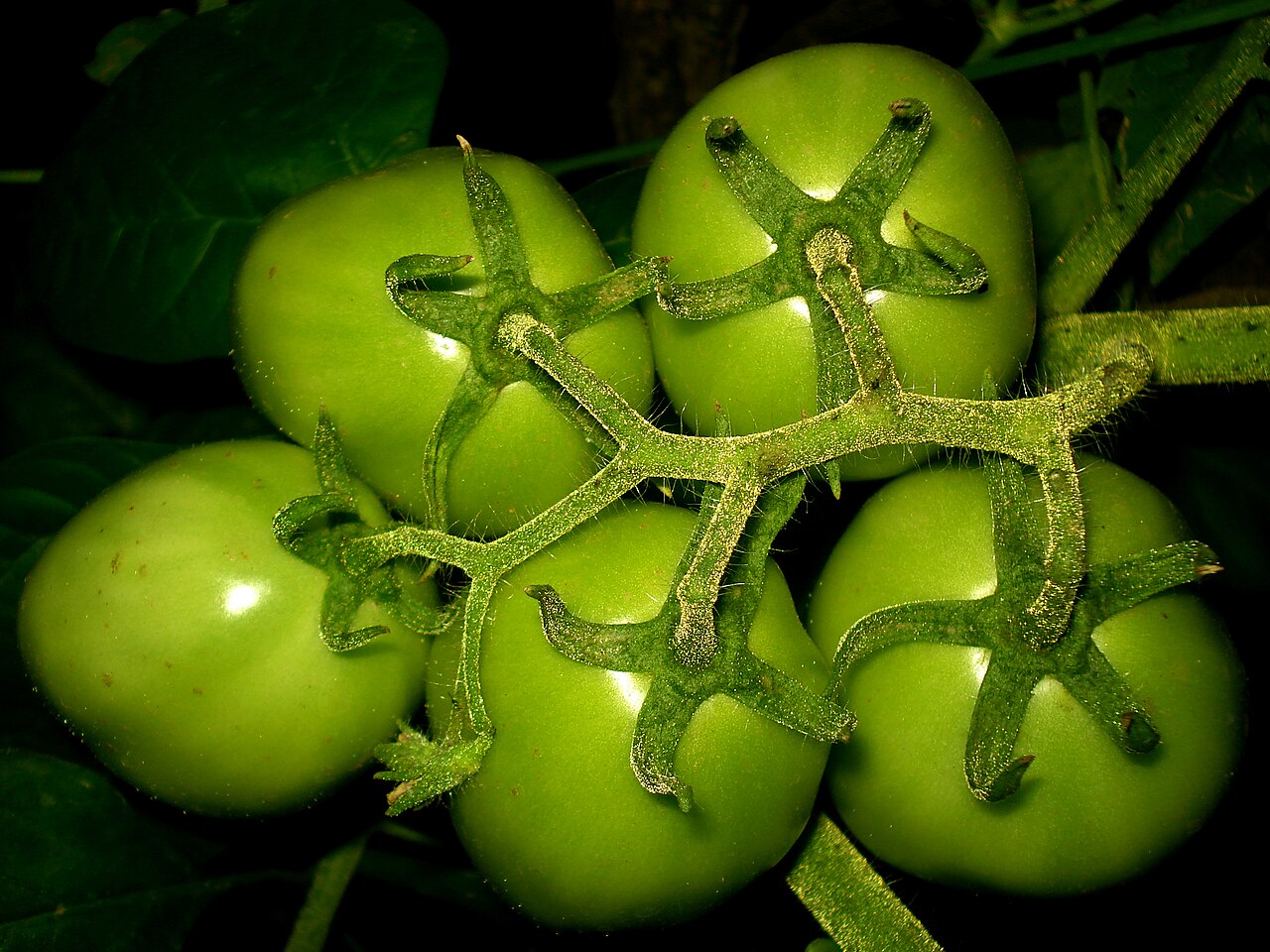
Photo: Wikimedia Commons

Photo: Wikimedia Commons

No comments:
Post a Comment