Cold feet can ruin the best winter day, and most of the time the boots are not the problem. If you are trying to figure out how to keep feet warm in winter boots Canada style — through real −25°C cold, not catalogue cold — the answer is usually fit, moisture, and routine rather than a more expensive boot.
These ten tips go beyond "wear warm socks." They cover boot fit, insoles, sweat management, toe warmers, and drying, plus specific routines for commuters and outdoor workers who spend all day in their boots.
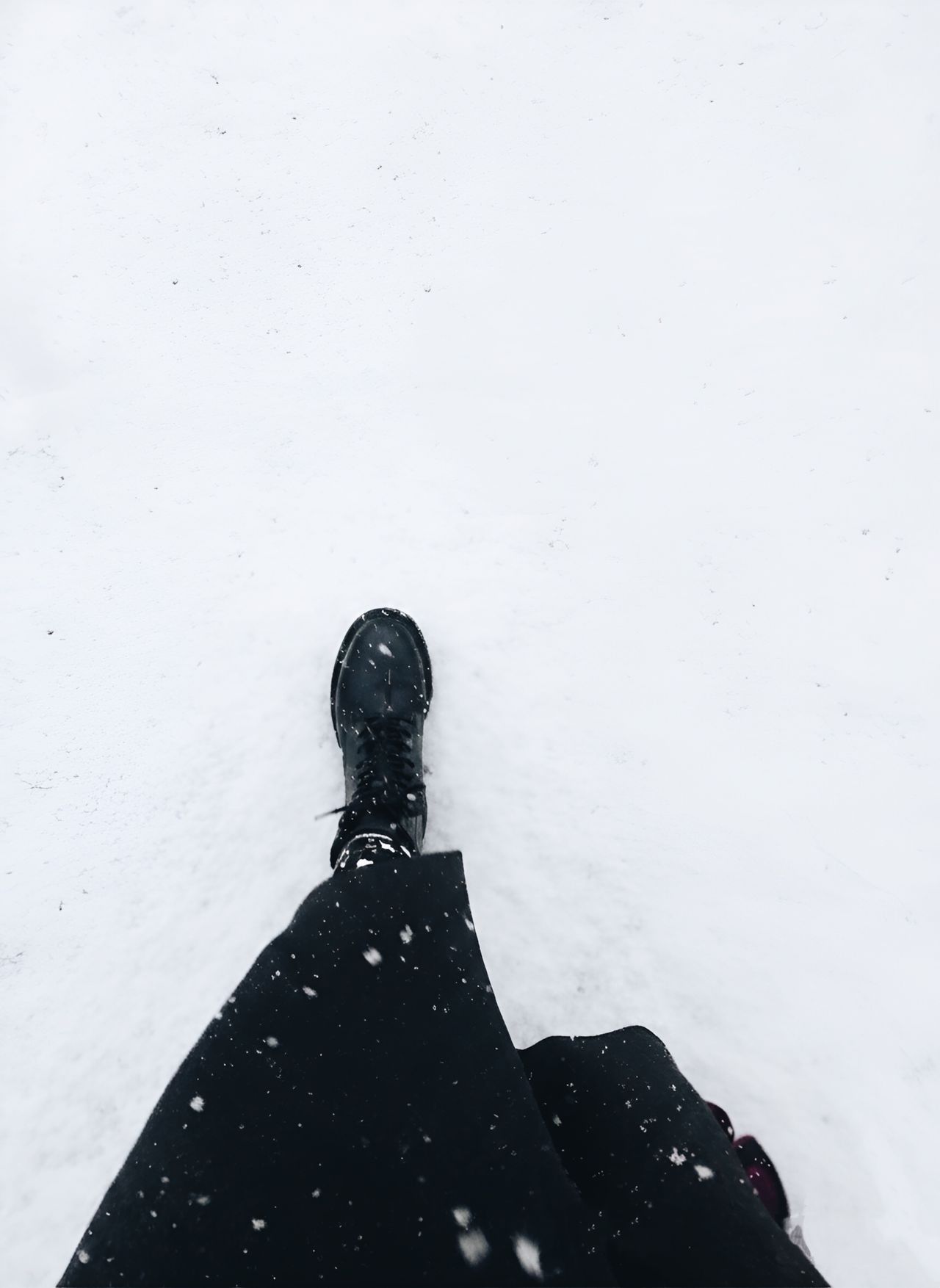
Photo via Pexels
Table of Contents
- 1. Leave Thumb Room: Fit Beats Insulation
- 2. Choose Merino Over Cotton
- 3. Try the Liner-Sock Trick
- 4. Add Insulating Insoles
- 5. Fight Foot Sweat, the Hidden Thief
- 6. Toe Warmers for −30°C Days
- 7. Dry Your Boots Fully Overnight
- 8. Keep Snow Out With Gaiters
- 9. The Commuter's Routine
- 10. The Outdoor Worker's Setup
1. Leave Thumb Room: Fit Beats Insulation

Photo via Pexels
The number one cause of cold feet is boots that fit too tightly. When your toes press against the front, there is no warm air pocket around them, and tight boots squeeze blood vessels so less warm blood reaches your feet. You want about a thumb's width of space past your longest toe.
Try boots on in the afternoon with your actual winter socks, and wiggle your toes hard. If you cannot, size up. A slightly roomy boot with good socks is always warmer than a snug boot with the thickest socks you own.
2. Choose Merino Over Cotton
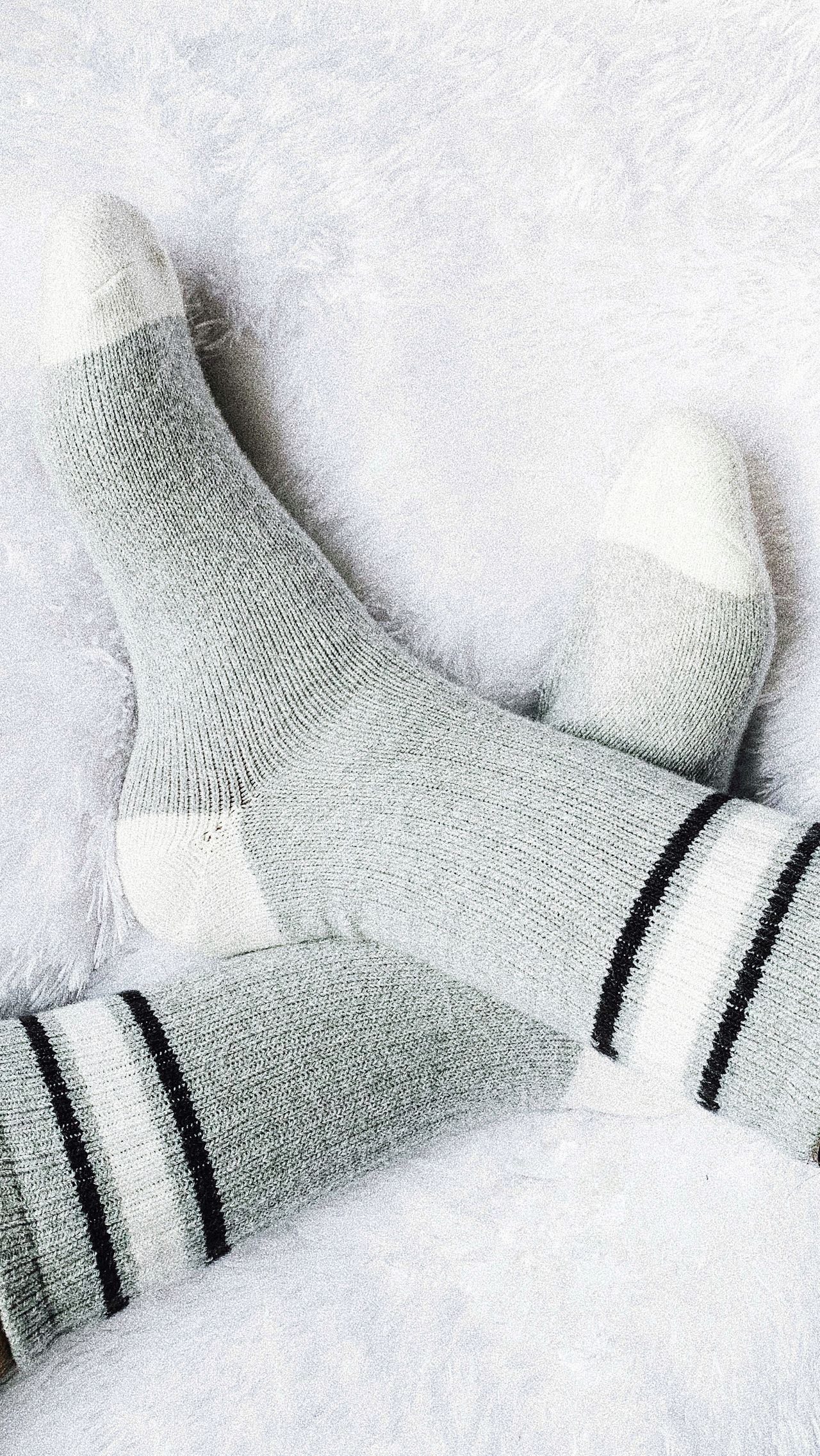
Photo via Pexels
Cotton socks are foot freezers. They absorb sweat, hold it against your skin, and lose all insulation value when damp. Merino wool keeps insulating even when slightly damp and naturally fights odour, which matters if you wear boots all day.
You do not need the priciest hiking socks; Mark's and Costco sell perfectly good merino-blend work socks. Look for at least 50 percent wool content. And skip the novelty cotton socks, no matter how fun the pattern is.
3. Try the Liner-Sock Trick

Photo via Pexels
On the coldest days, wear a thin synthetic liner sock under your wool sock. The liner wicks sweat away from your skin and the wool handles insulation, a two-layer system that keeps feet noticeably warmer than one thick sock alone.
This only works if your boots have room for it — see tip one. Cramming two socks into snug boots defeats the purpose. But in properly fitted winter boots, the liner trick is what ski patrollers and mail carriers swear by.
4. Add Insulating Insoles

Photo: Matti Blume via Wikimedia Commons
Cold creeps up through the sole more than most people realise. A surprising number of winter boots ship with thin, flat insoles that do almost nothing. Swapping in a proper insulating insole — wool felt, or a reflective thermal type — can transform a mediocre boot.
Felt insoles cost under $20 at Canadian Tire and add genuine warmth. Replace them each season, because packed-flat insoles stop insulating. Heated electric insoles exist too, but start with the simple fix first.
5. Fight Foot Sweat, the Hidden Thief
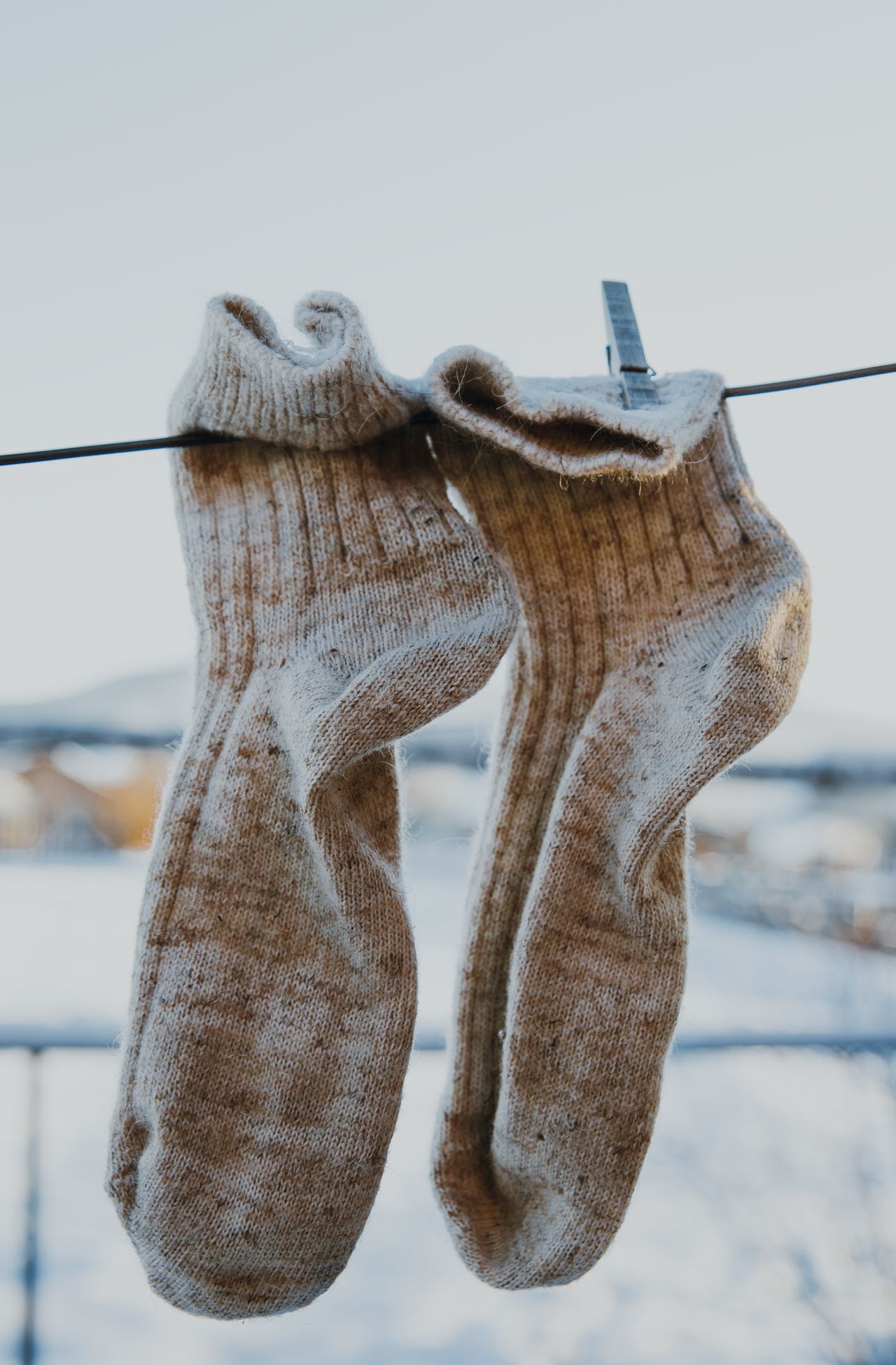
Photo via Pexels
Here is the paradox: many cold feet start as sweaty feet. Your feet sweat inside warm boots, the moisture has nowhere to go, and damp socks conduct heat away from your skin. By afternoon, you are cold because you were warm at noon.
Change into dry socks halfway through long days if you can — keep a spare pair in your bag or desk drawer. At home, pull the insoles out and let everything air dry, as in the photo above. Never put on yesterday's damp socks and expect warm feet.
6. Toe Warmers for −30°C Days

Photo: PantheraLeo1359531 via Wikimedia Commons
When the temperature drops past −25°C, even good boots and socks can struggle. Adhesive toe warmers stick to the top of your socks and give five-plus hours of gentle heat right where you need it. A multi-pack costs a few dollars at any pharmacy or Canadian Tire.
Reusable click-type warmers, like the one above, work for hands and can tuck into a boot in a pinch. Activate disposable warmers fifteen minutes before heading out so they are already warm when the cold hits.
7. Dry Your Boots Fully Overnight

Photo via Pexels
Putting your feet into damp boots in the morning is a guaranteed cold start. After every wet or sweaty day, pull the liners and insoles out, open the boots wide, and let them dry somewhere with airflow — not crammed in a closet.
A boot dryer is the gold standard and costs about $40 to $60, worth every penny if you wear boots daily. No dryer? Stuff boots with newspaper, which pulls moisture out overnight. Just keep boots away from direct high heat like radiators, which cracks leather and melts glue.
8. Keep Snow Out With Gaiters

Photo: Carivaldi via Wikimedia Commons
Snow sneaking in over the top of your boots melts, soaks your socks, and ends the day. Gaiters — the waterproof cuffs in the photo — seal the gap between your pants and boots. They are standard gear for hikers but underused by everyone else.
Short ankle gaiters are enough for city slush and shovelling; tall ones are for deep snow. Either way, they are cheaper than new boots and solve the "wet socks by noon" problem that no sock can fix on its own.
9. The Commuter's Routine

Photo via Pexels
If you commute, your feet face two different colds: the walk to transit and the overheated office. Wear your serious winter boots for the commute, then change into indoor shoes at your desk. Sitting all day in heavy boots makes feet sweat, which makes the trip home colder.
Keep a spare pair of socks in your desk drawer for the days you misjudge. And if your office runs hot, loosen your boots under the desk — airflow is your friend. Edmonton commuters, see our Edmonton winter outfits guide for the full routine.
10. The Outdoor Worker's Setup
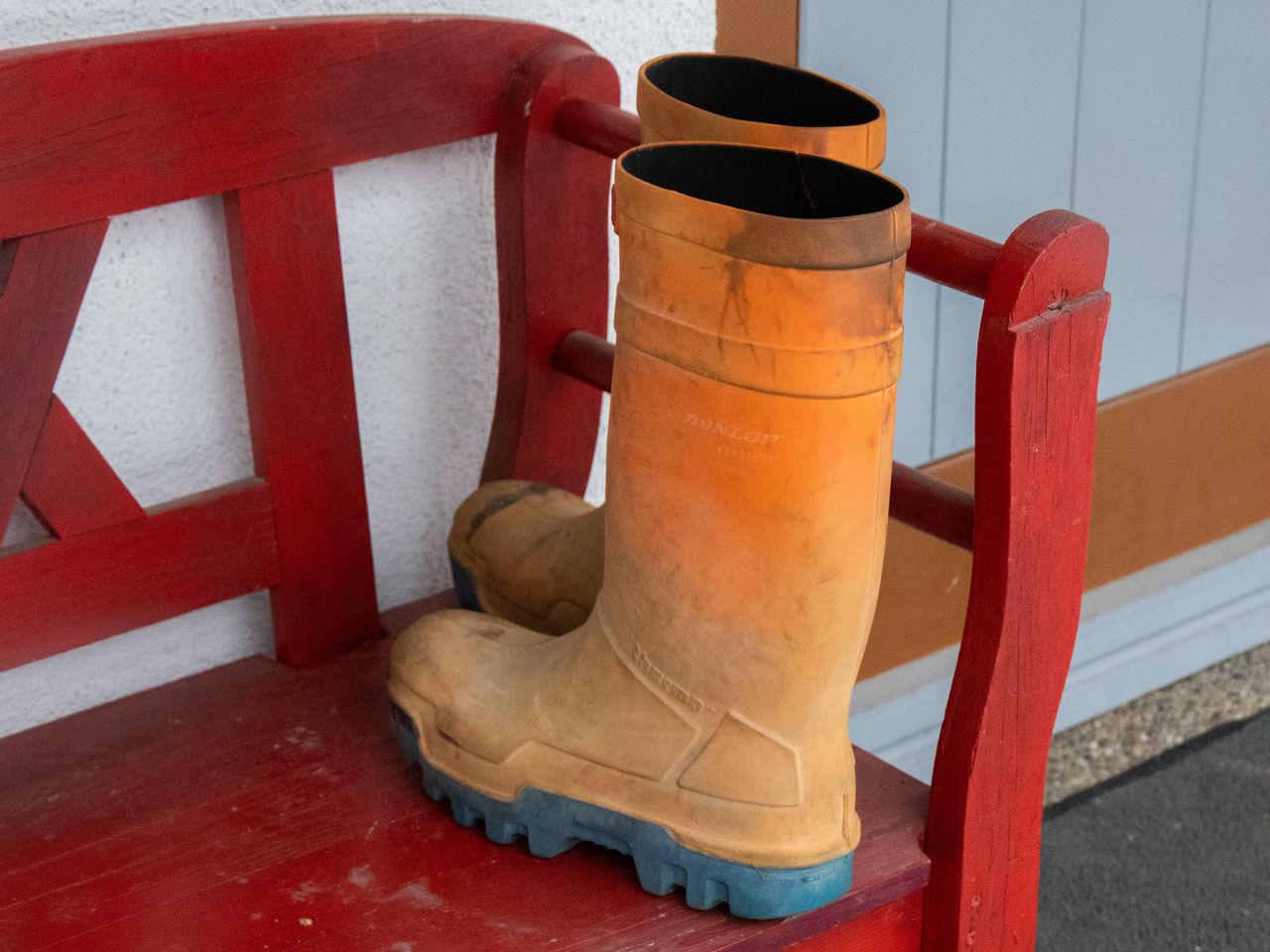
Photo via Pexels
Construction workers, delivery drivers, and anyone else on their feet all day in winter need a system, not a single trick. Insulated rubber work boots rated to −40°C or lower, merino socks, a midday sock change, and felt insoles you replace monthly.
Rotate two pairs of boots if you can, so each pair dries fully between shifts. It sounds like a luxury, but two mid-range pairs outlast one expensive pair worn wet every day. Calgary workers can find more cold-weather routines in our Calgary winter outfits guide.
Frequently Asked Questions
Why do my feet get cold even in good winter boots?
Usually fit or moisture. Boots that are too tight cut off circulation, and sweaty or damp socks conduct heat away. Fix those before buying new boots.
Should I wear two pairs of socks in winter boots?
Only with a thin liner under a wool sock, and only if your boots have room. Two thick socks in snug boots make feet colder, not warmer.
Are heated insoles worth the money?
For people who stand still outdoors for hours, yes. For most commuters, proper fit, wool socks, and dry boots solve the problem for far less money.
How can I dry winter boots quickly?
Pull out the liners and insoles, stuff with newspaper, and place near airflow. A boot dryer does it in a couple of hours; a radiator can damage the boots.
What is the cheapest way to keep feet warm in winter boots in Canada?
Proper fit, one pair of wool socks, and drying your boots fully every night. Those three free-or-cheap fixes beat a $300 boot worn wrong.
Final Thoughts
Learning how to keep feet warm in winter boots Canada winters throw at you is mostly about respecting the basics: room to wiggle, dry wool, and boots that dry out overnight. Get those right and −25°C becomes manageable instead of miserable.
Start with fit, because no insole or warmer can fix a boot that squeezes your toes. Then build your routine around dryness. Warm feet are a system, and once yours is dialled in, winter gets a whole lot more enjoyable.
Sources
Gallery

Photo: Robert Nelson via Wikimedia Commons

Photo: Oto Zapletal via Wikimedia Commons
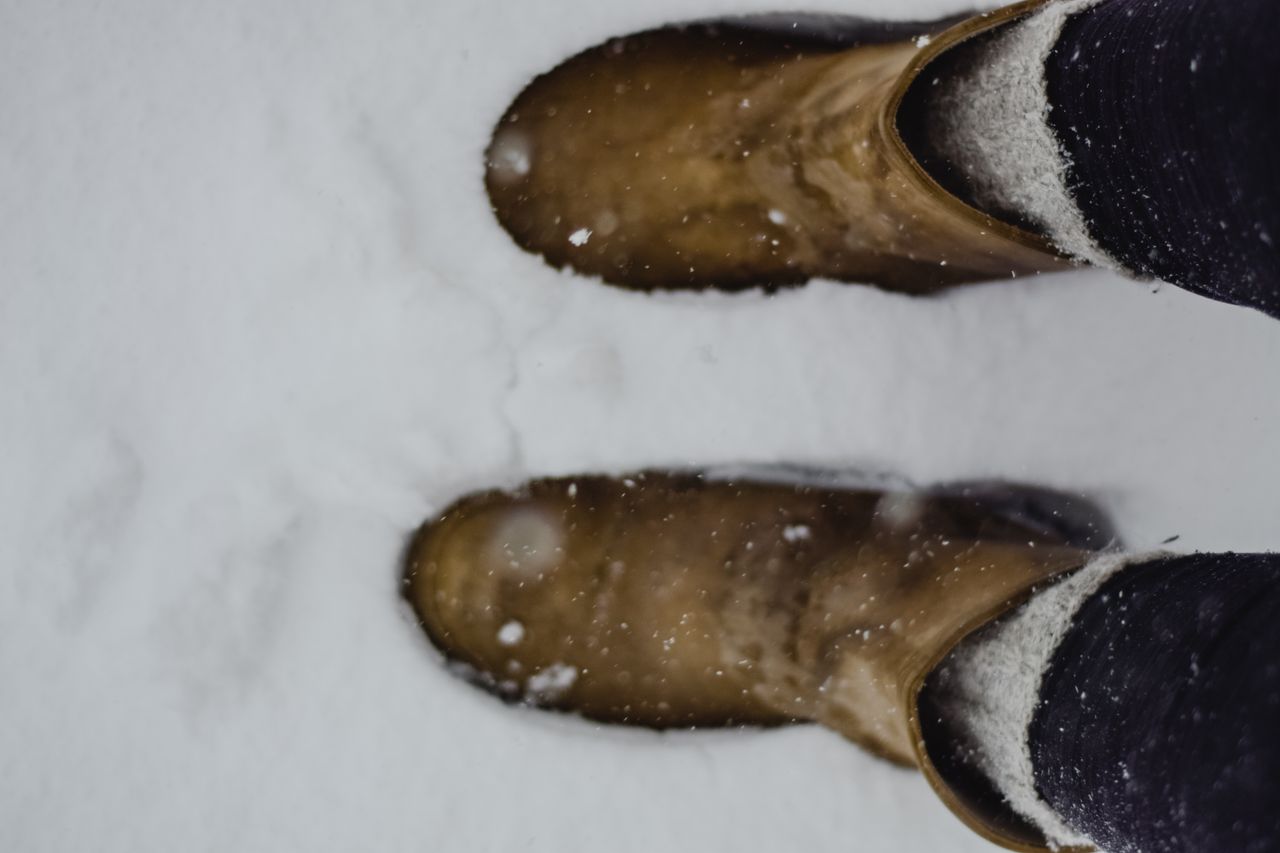
Photo via Pexels

No comments:
Post a Comment