Small bathrooms are where smart shopping beats big budgets. And few stores are better stocked for the job than Home Depot: compact vanities, space-saving toilets, backlit mirrors, and clever storage, all with prices you can check before you drive over.
The ideas below focus on real product categories you will find in the store or on homedepot.com, with approximate prices and the small-bathroom layout tricks that make them work. Measure twice, keep your plumbing where it is, and a 40-square-foot bath can feel twice its size. Most of these are weekend projects, not full remodels, so you can start small and build up. Prices shift with sales, so check homedepot.com before you buy; holiday weekends bring the deepest discounts.
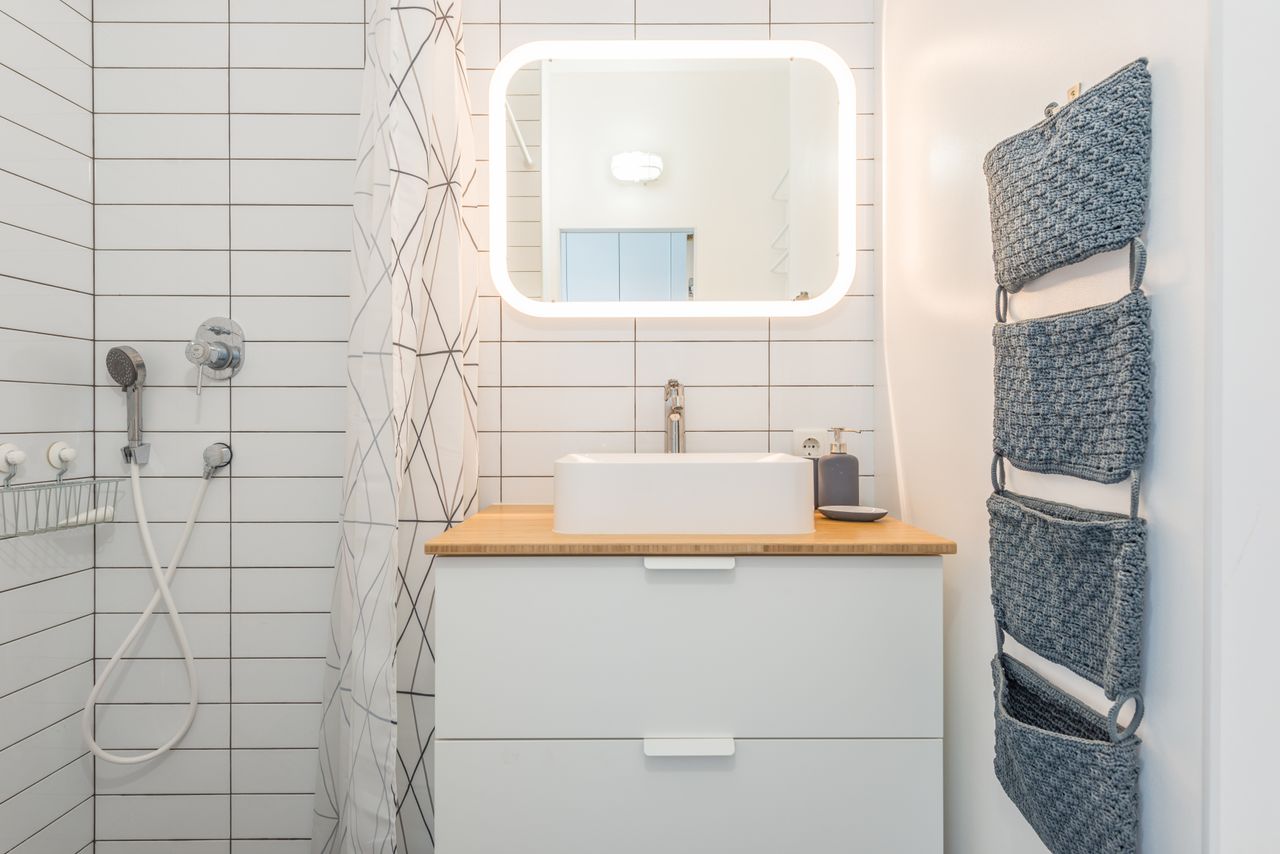
Photo: Small bright bathroom with vessel sink and backlit mirror via Pexels
Table of Contents
- Float the Vanity, Free the Floor
- Swap the Curtain for a Glass Door
- Choose a Compact Toilet
- Try a Vessel Sink
- Hang a Backlit Mirror
- Go Light With the Tile
- Layer the Vanity Lighting
- Carve Out a Shower Niche
- Shelve the Towels in the Open
- Pick a Vanity With Real Drawers
1. Float the Vanity, Free the Floor
A wall-mounted floating vanity is the single best upgrade for a small bathroom. Because it does not touch the floor, your eye reads the tile continuing underneath, which makes the room feel noticeably larger. Home Depot stocks floating vanities from around $200 to $450 in widths as narrow as 24 inches. Most models include the mounting hardware in the box.
Choose one with at least one deep drawer so the storage you lose to the open floor comes back in organized form. White or light wood finishes bounce light around. Just confirm your wall can take the weight; a stud-mounted vanity is rock solid, drywall anchors alone are not. Mount it at 32 to 34 inches high for comfortable everyday use. Leave at least 2 inches of clearance on each side for cleaning.
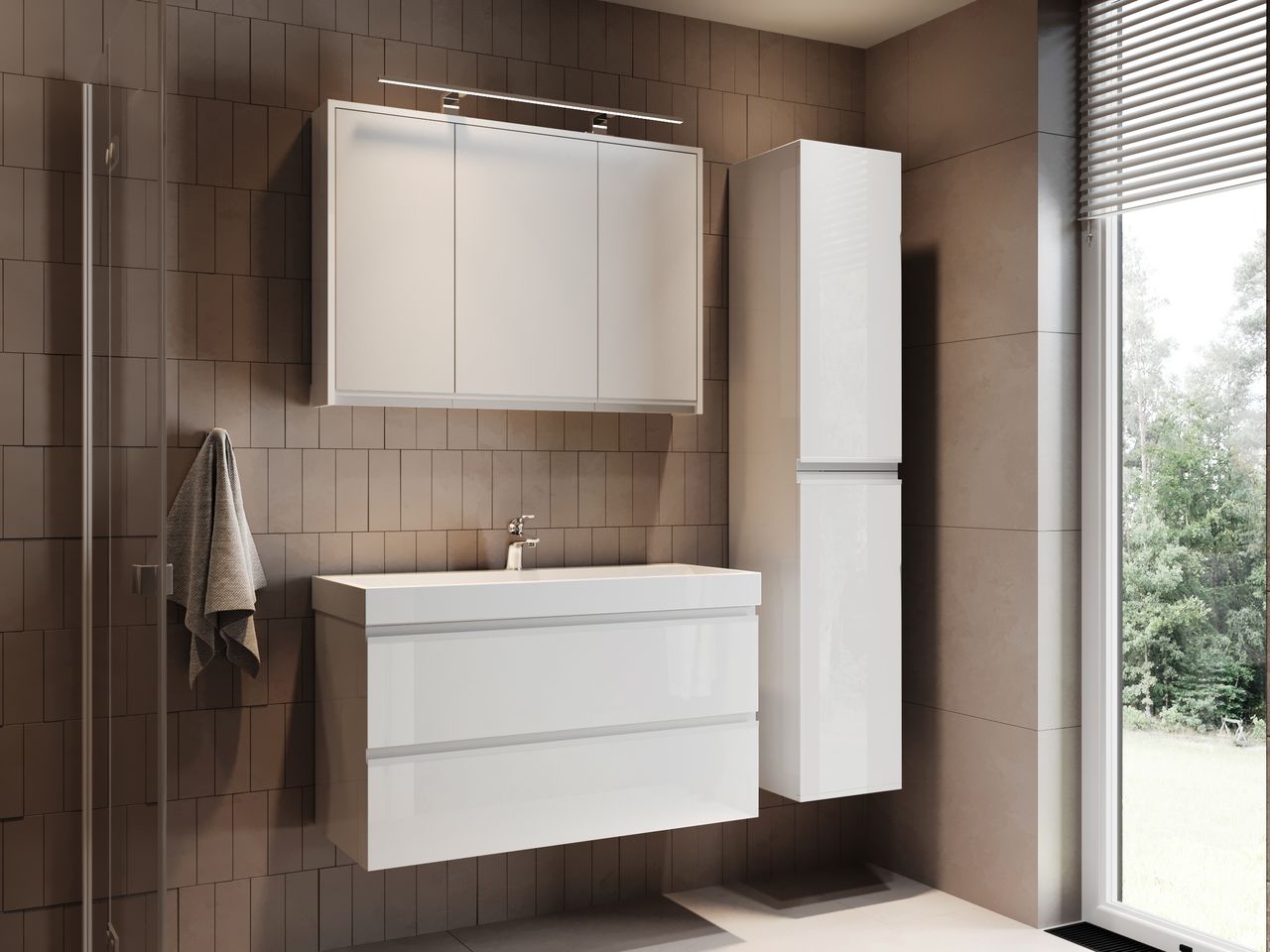
Photo: White floating vanity with mirrored cabinet via Pexels
2. Swap the Curtain for a Glass Door
A shower curtain visually cuts a small bathroom in half. A clear glass shower door or fixed glass panel lets your eye travel straight through to the back wall, which can make the room feel 20 percent bigger overnight. Home Depot's framed sliding doors start around $300. Semi-frameless models split the difference on price and looks.
If a full door is out of budget, even a single fixed glass panel beside the showerhead opens the sightline. Keep the glass squeegeed after showers and it stays crystal clear. This is the upgrade guests notice first, and frameless-look models keep getting cheaper every year. Measure your shower opening before ordering; doors are not easily trimmed.
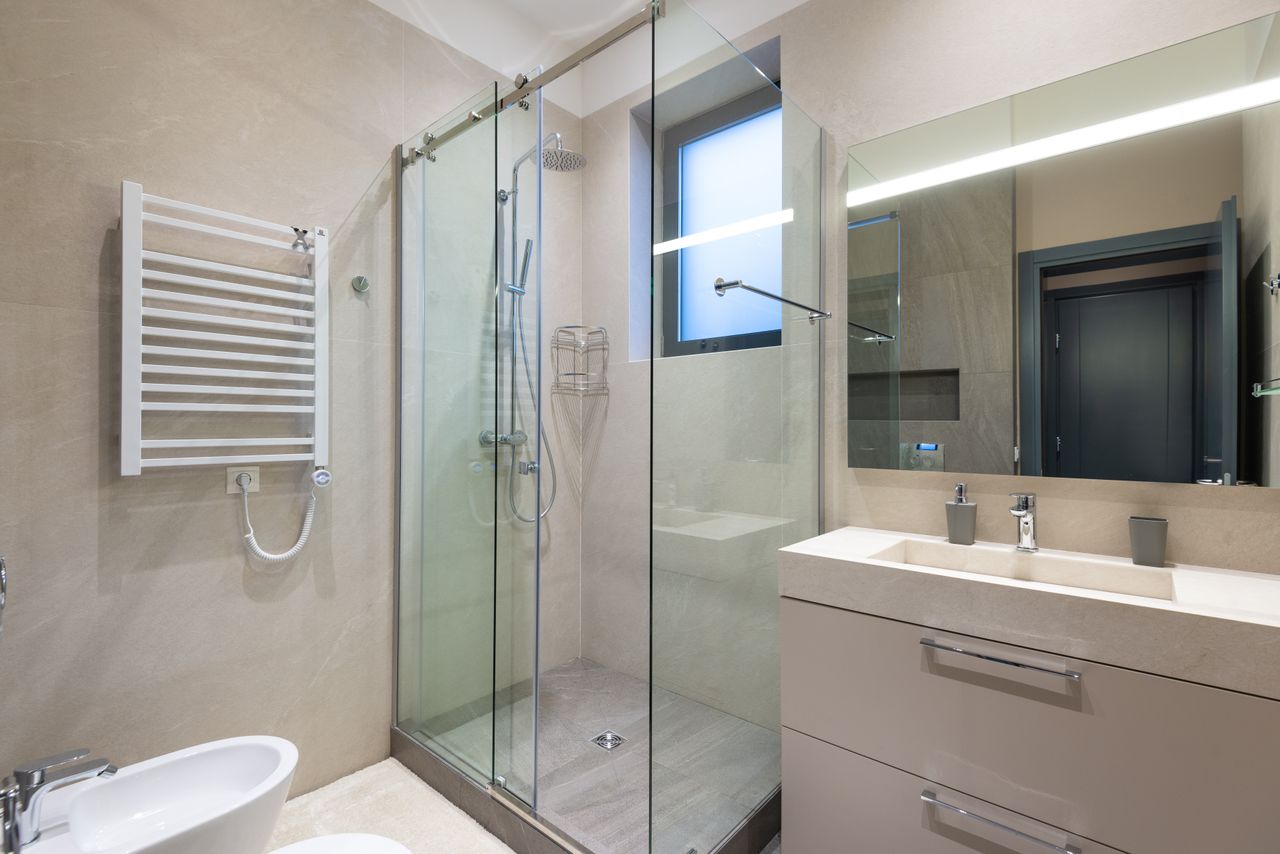
Photo: Glass-enclosed shower beside a modern vanity via Pexels
3. Choose a Compact Toilet
Toilets eat more floor space than anything else in a small bath, and the fix is simple: a compact elongated or round-front model. Home Depot carries water-saving toilets with a smaller footprint for roughly $180 to $350, and the round front saves a good 2 inches of projection.
Wall-hung toilets save even more visual space, though they need in-wall carriers and cost more to install. For a straightforward swap, a compact two-piece toilet that uses your existing flange keeps the plumber's bill small and the floor clearer. Look for a WaterSense label to cut water use by 20 percent or more. A slow-close seat is a small luxury worth the extra $20.
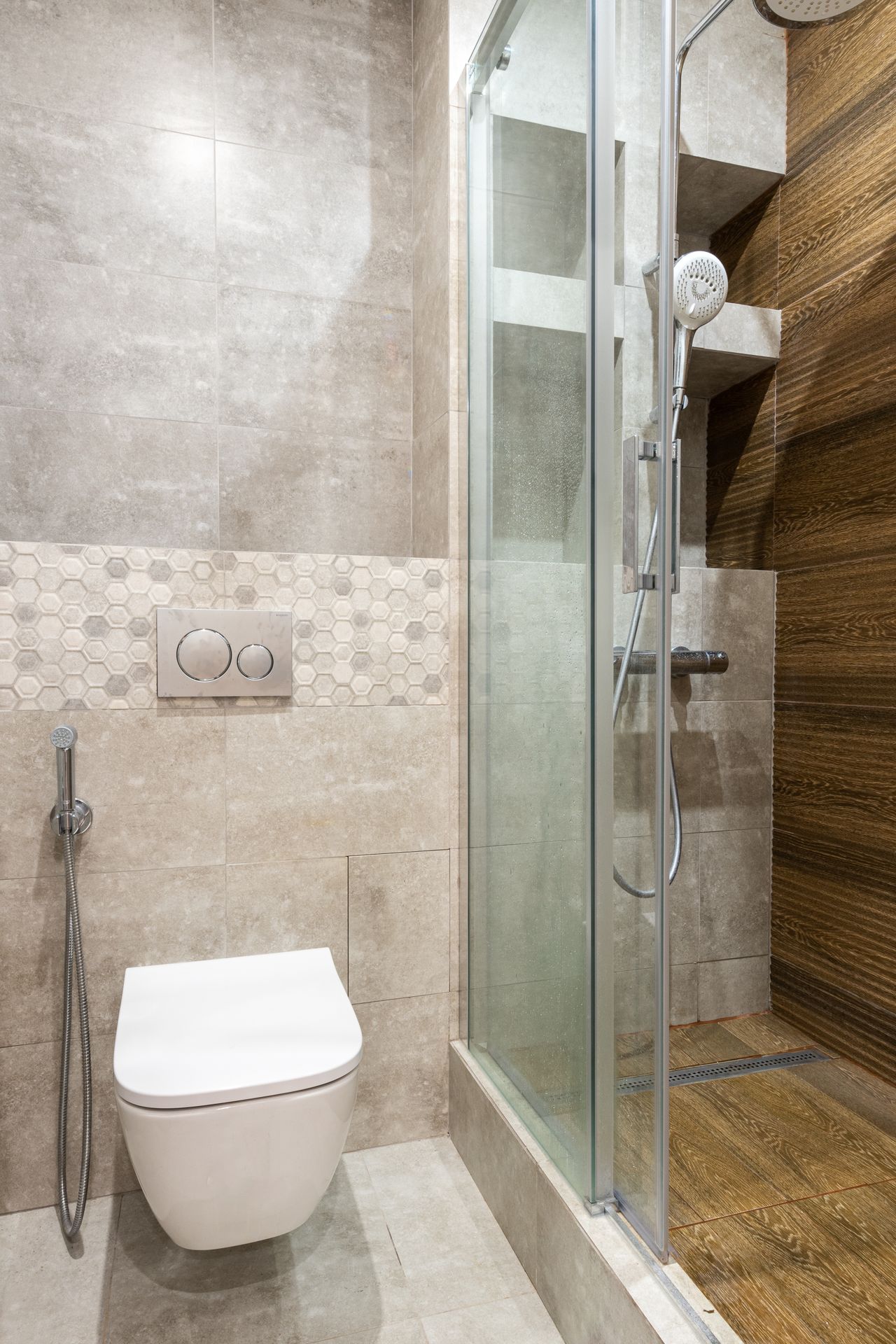
Photo: Wall-hung toilet beside a glass shower via Pexels
4. Try a Vessel Sink
A vessel sink sits on top of the vanity instead of inside it, which means the vanity underneath can be shallower while the bowl still gives you full washing space. It is a clever trade that works beautifully in narrow bathrooms. Basic ceramic vessels run about $60 to $120 at Home Depot. Stone and glass vessels cost more but make a striking focal point.
Pair it with a taller vessel faucet, also stocked in-store, and keep the vanity top clear otherwise. The sculptural look reads high-end, and installation is simpler than an undermount since it just needs a drain hole and sealant. Budget an hour for the swap if the plumbing stays put.
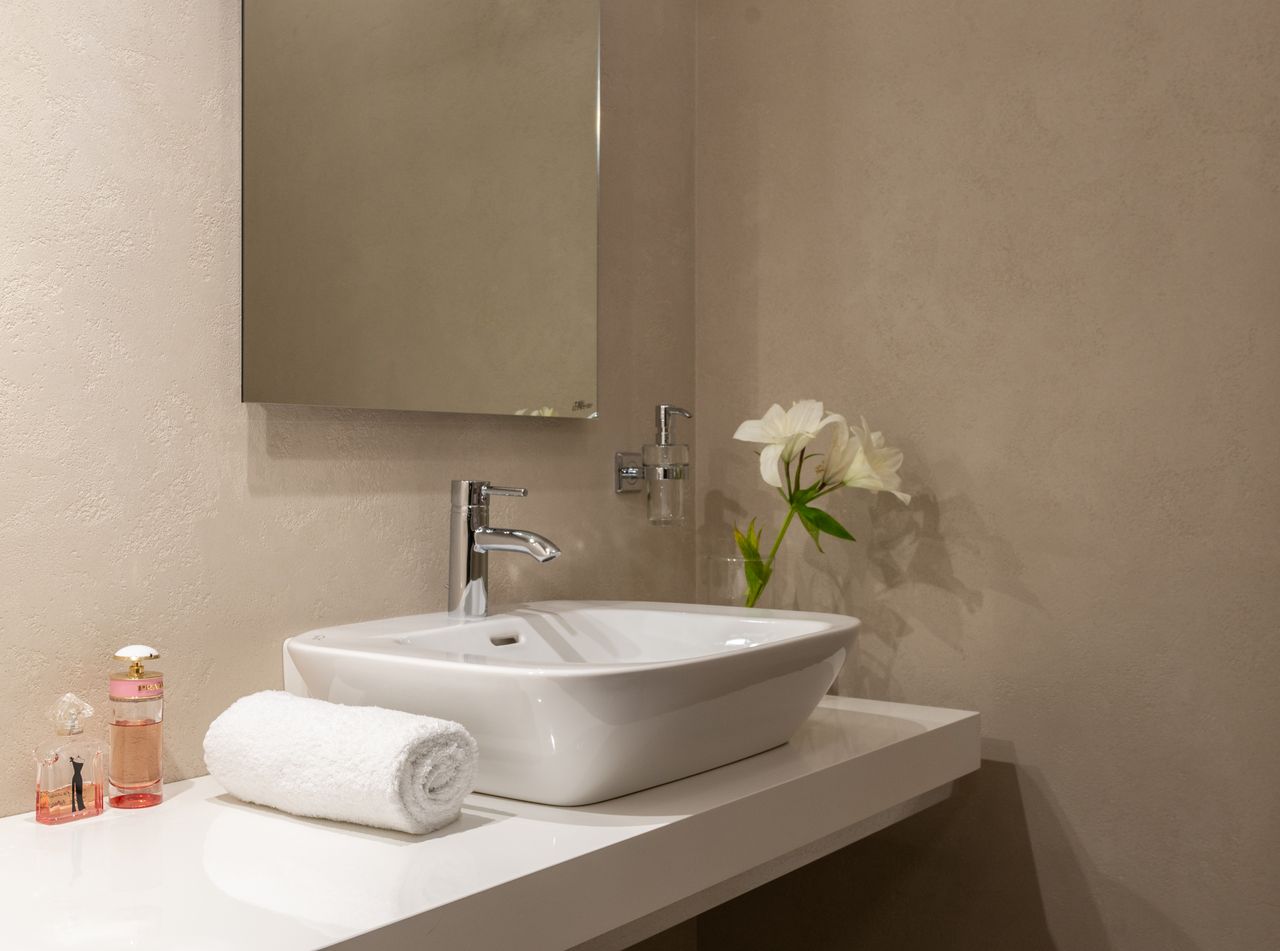
Photo: White vessel sink with mirror via Pexels
5. Hang a Backlit Mirror
A backlit LED mirror does two jobs: it lights your face evenly for grooming, and the glow makes the wall behind it feel deeper, which expands the room visually. Home Depot's LED mirrors start around $80 for basic models and climb to $200 for anti-fog versions. Many models include a built-in defogger and touch dimmer.
Size it as large as the wall allows. A mirror that spans most of the vanity width doubles the sense of space, and the soft backlight flatters everyone. Hardwire it if you are renovating; plug-in models work fine for a quick refresh. Defogging models are worth the extra $40 if your bath steams up daily. Choose a mirror with a dimmer if you share the bath; bright light at 6 a.m. is nobody's friend.
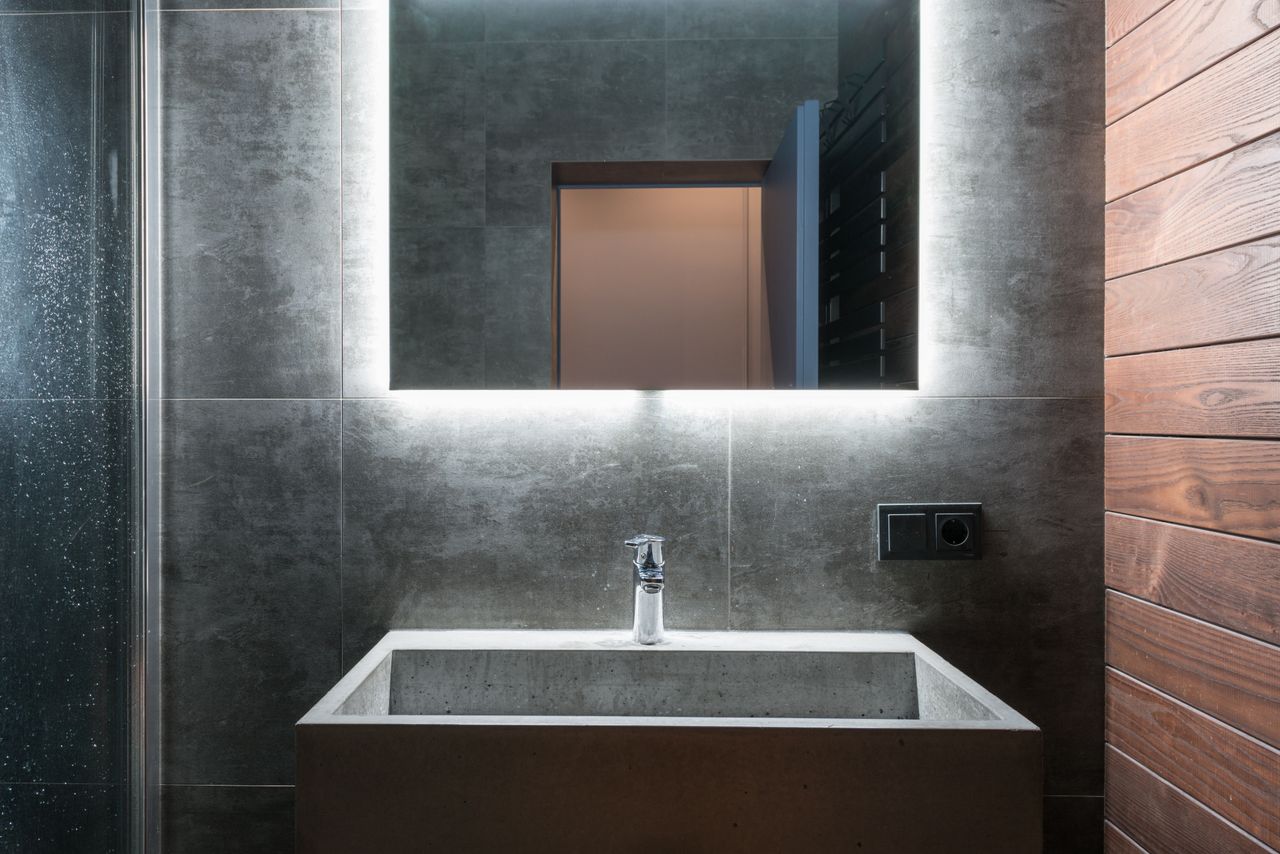
Photo: Backlit mirror over a modern sink via Pexels
6. Go Light With the Tile
Light tile is the oldest small-bathroom trick because it works. White, pale gray, or soft beige tile reflects every bit of light, and running the same tile from floor to ceiling erases the visual breaks that chop a room up. Home Depot's basic white subway tile is famously budget-friendly.
For extra spaciousness, use large-format tiles, 12x24 inches or bigger. Fewer grout lines mean fewer visual interruptions, and the room reads calmer and larger. Keep grout a shade close to the tile so the lines disappear, and seal it yearly to keep it looking fresh. Carry a tile sample home first; store lighting lies about undertones.
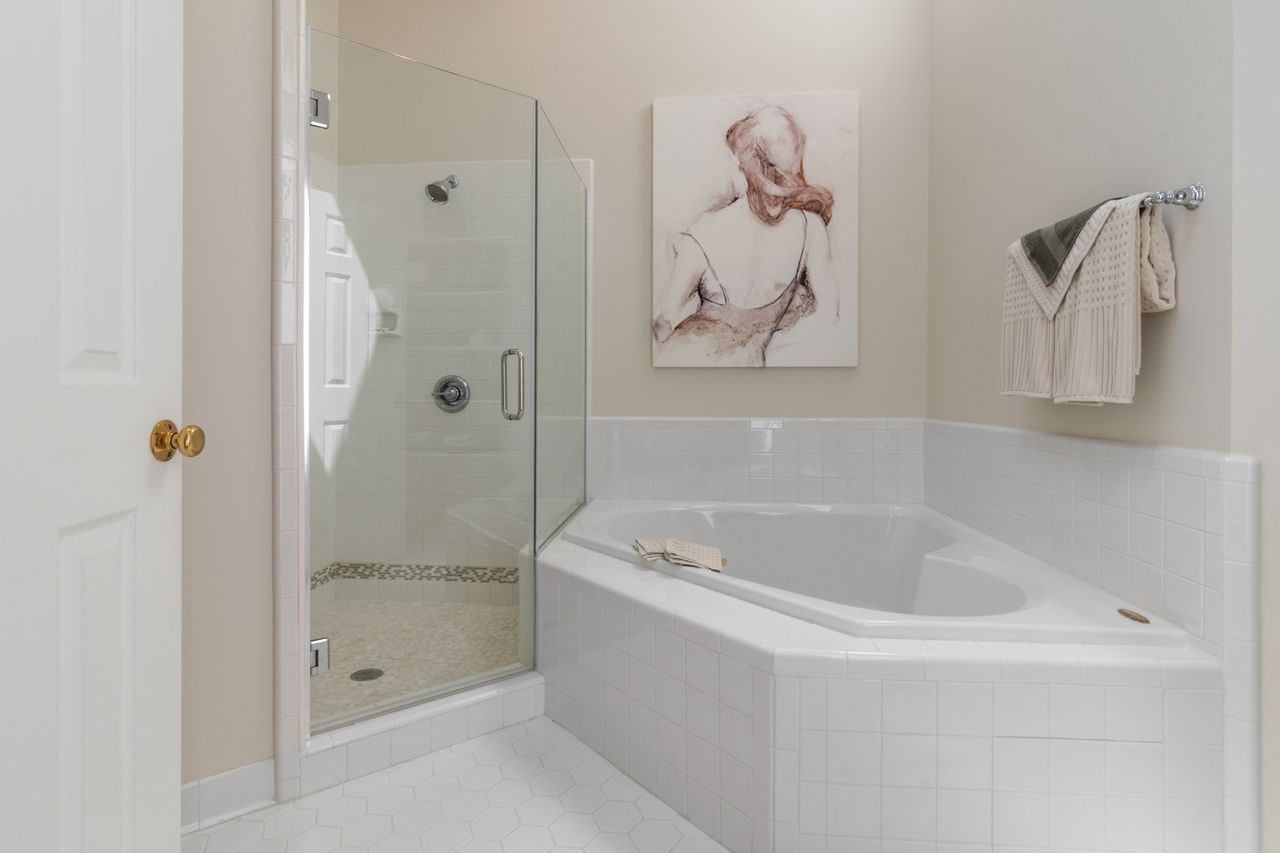
Photo: White bathroom with glass shower door via Pexels
7. Layer the Vanity Lighting
Small bathrooms are often lit by a single harsh ceiling light, which creates shadows exactly where you do not want them. Adding sconces or a light bar at face height on both sides of the mirror gives even, flattering light and makes the space feel designed.
Home Depot stocks bath bars from about $40 and individual sconces from $25 each. Choose warm-white bulbs around 2700K; cool bulbs make tile look clinical. If you can only do one lighting project, make it this one. It takes an afternoon and changes how the whole room feels. If wiring scares you, an electrician can add sconces in under two hours.
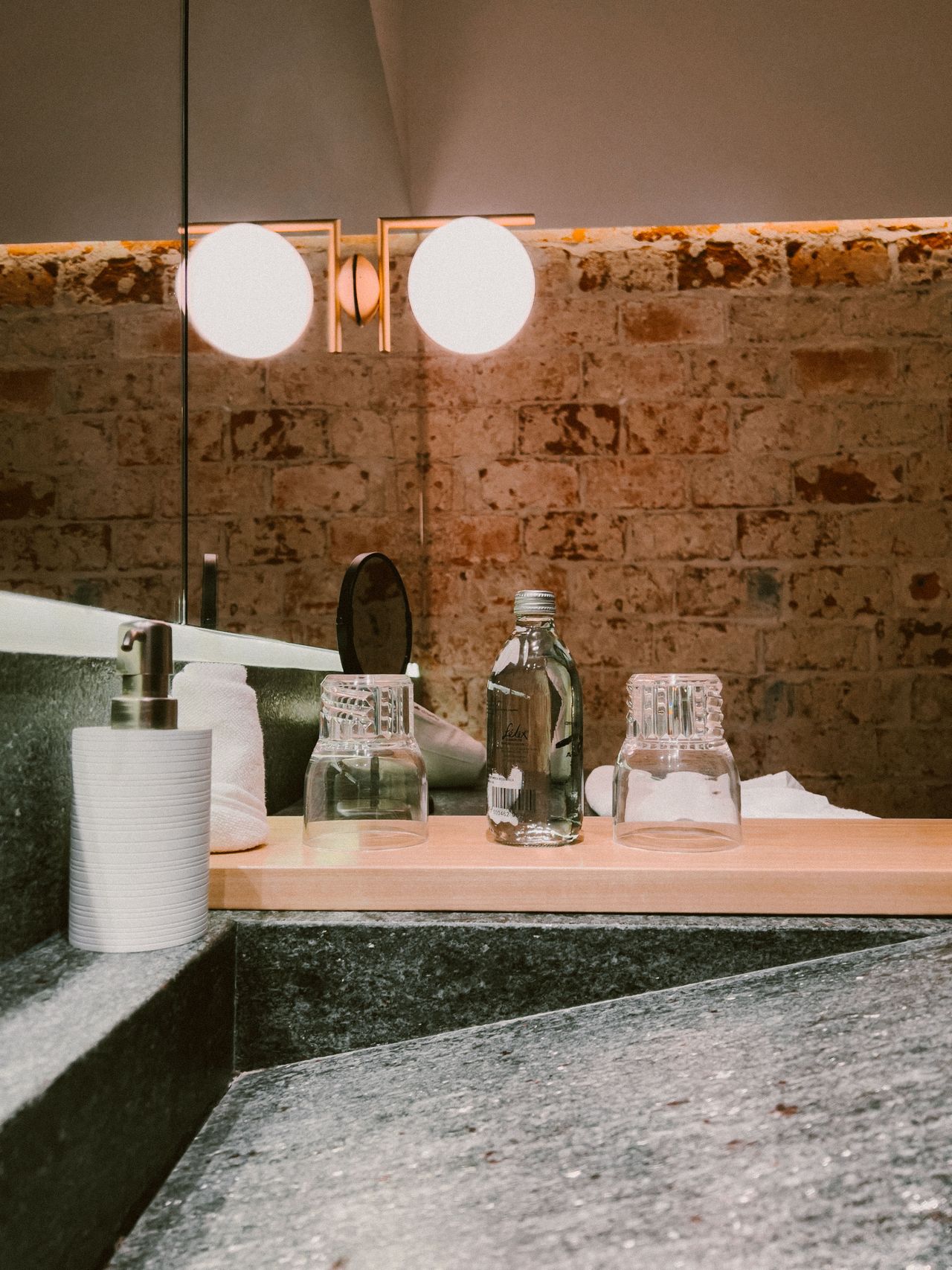
Photo: Vanity with globe lights via Pexels
8. Carve Out a Shower Niche
A recessed shower niche holds shampoo and soap without a single inch of protruding shelf or caddy. It is built into the wall between studs during tiling, so it costs almost nothing extra if you are already retiling. Home Depot sells ready-made niche kits that simplify the job.
Size it generously, at least 12 inches wide, and tile the inside in an accent tile for a custom look. One well-placed niche replaces every suction-cup caddy you have ever cursed at. Your shower instantly looks cleaner and more expensive, and bottles stay put for good. Waterproof the niche thoroughly; it is the most leak-prone spot in the shower.
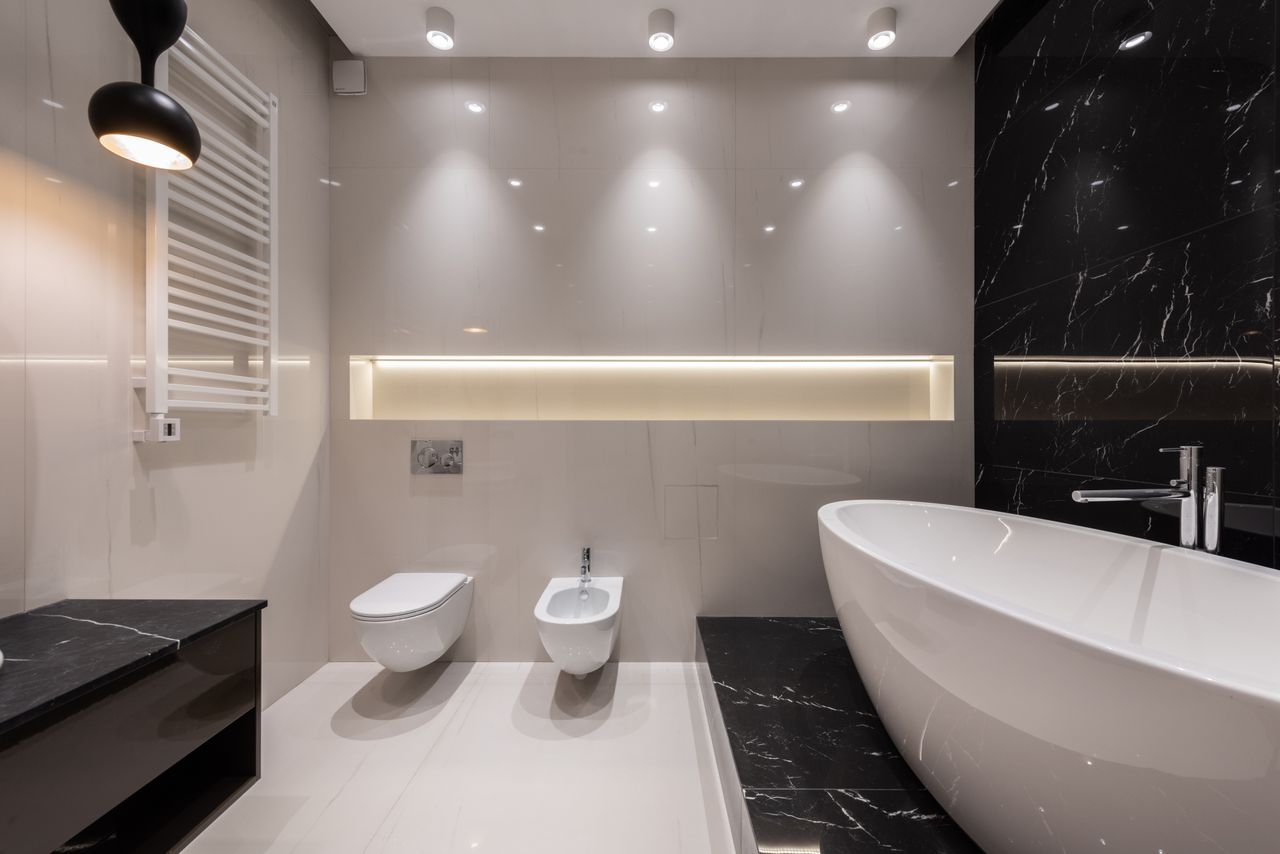
Photo: Bathroom with a lit recessed niche via Pexels
9. Shelve the Towels in the Open
When there is no linen closet, open shelving above the toilet or beside the vanity keeps towels visible and reachable. Rolled white towels on a glass or wood shelf look like a spa display and cost almost nothing: a shelf board and brackets run under $30 at Home Depot.
The trick is editing. Keep only matching towels on display and stash the mismatched ones elsewhere. Two or three shelves, styled with rolled towels and one small plant, turn dead wall space into the prettiest part of the room. Anchor shelves into studs so they hold real weight. Fold towels in thirds for a crisp, hotel-style look.
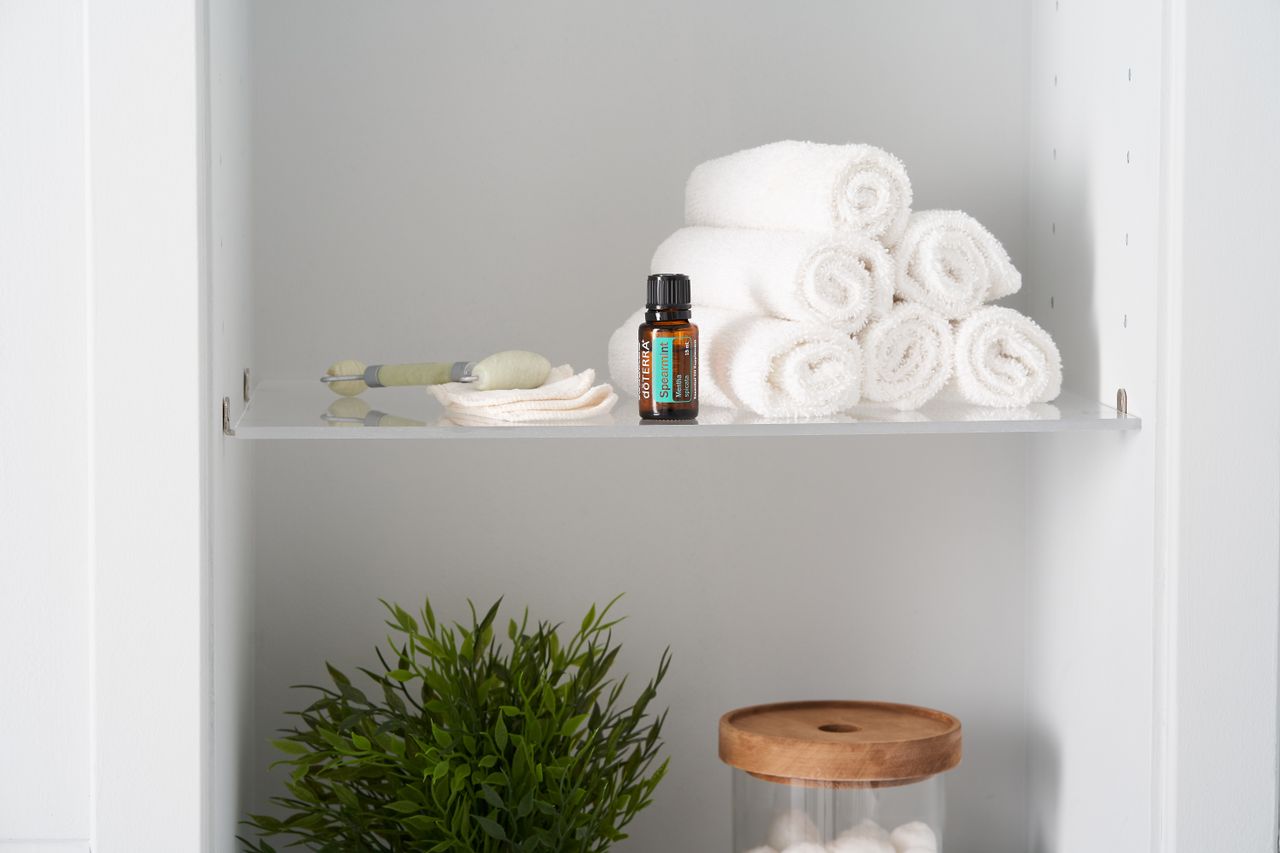
Photo: Rolled white towels on a glass shelf via Pexels
10. Pick a Vanity With Real Drawers
Doors waste space in a small vanity because the plumbing trap blocks half the cabinet. Drawers with U-shaped cutouts around the pipes give you full, organized storage in the same footprint. Home Depot's vanities with drawer stacks start around $250.
Before you buy, measure your existing plumbing location and compare it to the vanity's specs online. Keeping the drain in the same spot avoids moving pipes, which is where small-bathroom budgets go to die. Drawers plus existing plumbing equals a weekend project, not a month-long remodel. Soft-close drawer slides are worth every penny in a bathroom you use half-asleep.
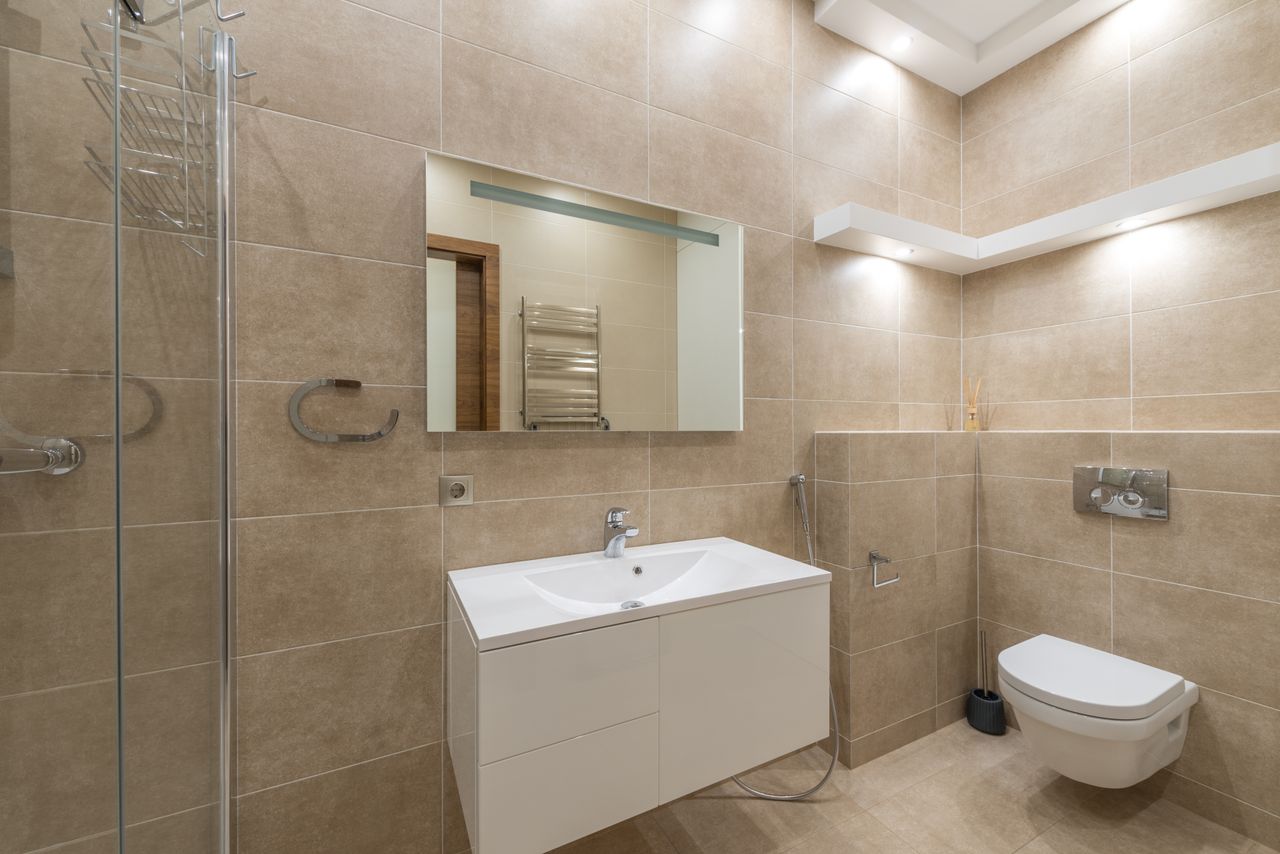
Photo: Wall-hung vanity in a beige bathroom via Pexels
Frequently Asked Questions
What is the cheapest way to make a small bathroom look bigger?
Paint it a light color and swap in a large mirror. Together they cost under $150 and change the room more than any fixture.
Should I keep my plumbing in the same place?
Yes, whenever possible. Moving a toilet or drain can add $1,000 or more. Choose fixtures that fit your existing layout.
What size vanity fits a small bathroom?
Most small baths take a 24 to 30-inch vanity. Measure your wall, subtract 4 inches for clearance, and shop that width.
Are floating vanities hard to install?
Not for a DIYer. They mount to wall studs with a cleat or brackets. The plumbing connects the same as any vanity.
Does Home Depot install bathroom fixtures?
Yes, Home Depot offers installation services for vanities, toilets, and more, with free in-store or online design consultations.
Final Thoughts
A small bathroom does not need a big renovation, just a series of smart, space-saving choices. Float the vanity, open the sightlines with glass, go light on tile, and let the mirror do the heavy lifting.
Start with one project this weekend, like the mirror or the shelves, and you will be amazed how different 40 square feet can feel. Small bath, smart choices, big difference. Take before photos; the transformation will surprise you.
Sources
Gallery
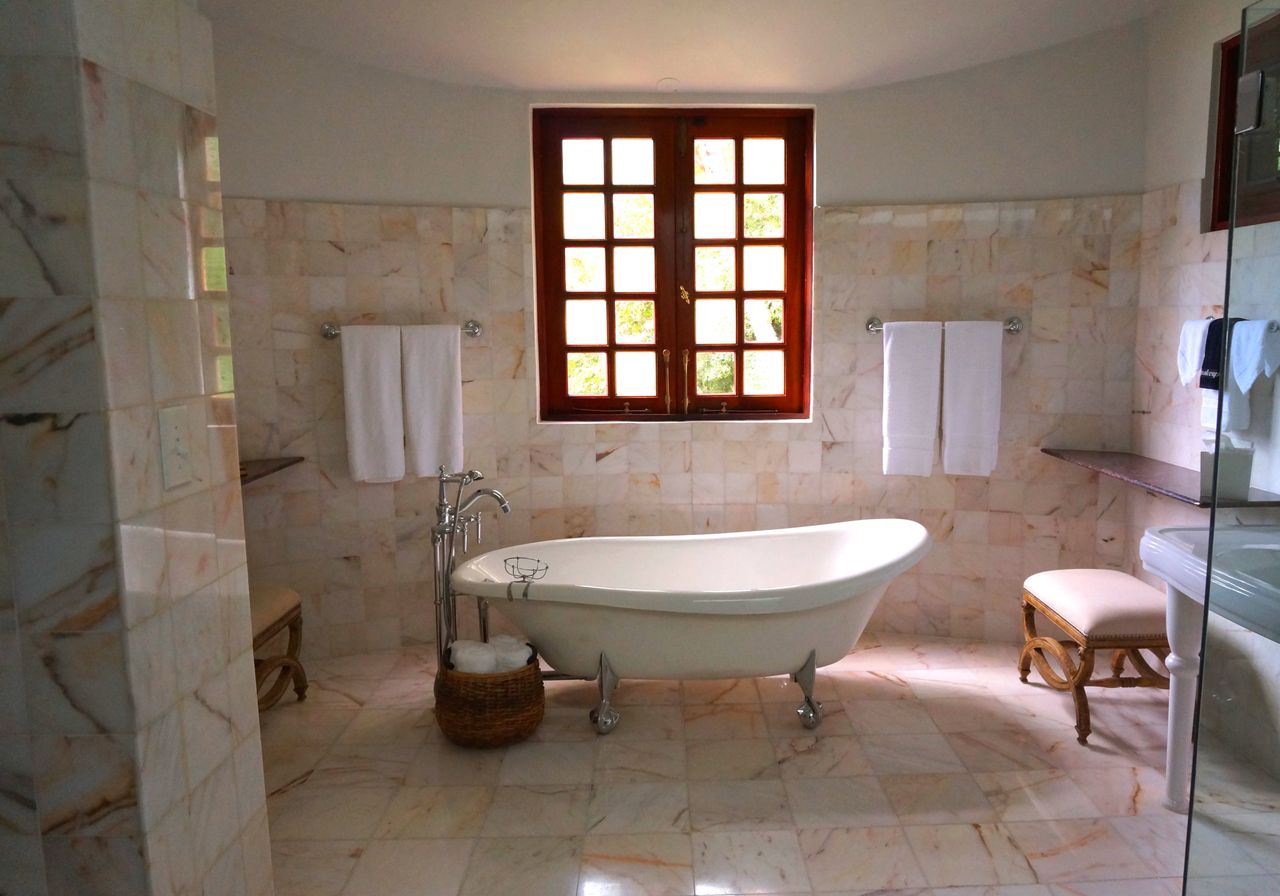
Photo: Freestanding tub in a marble bathroom via Pexels
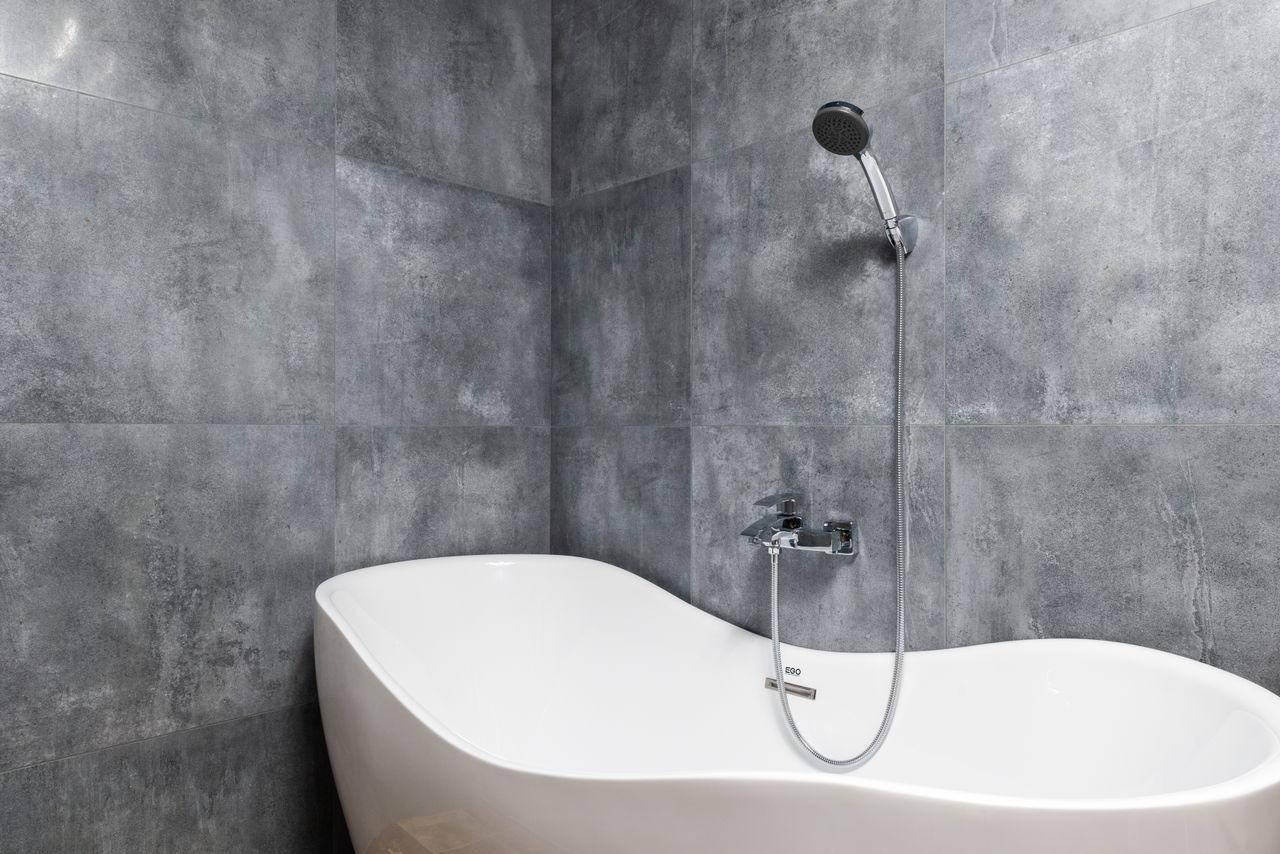
Photo: Freestanding tub against gray tile via Pexels
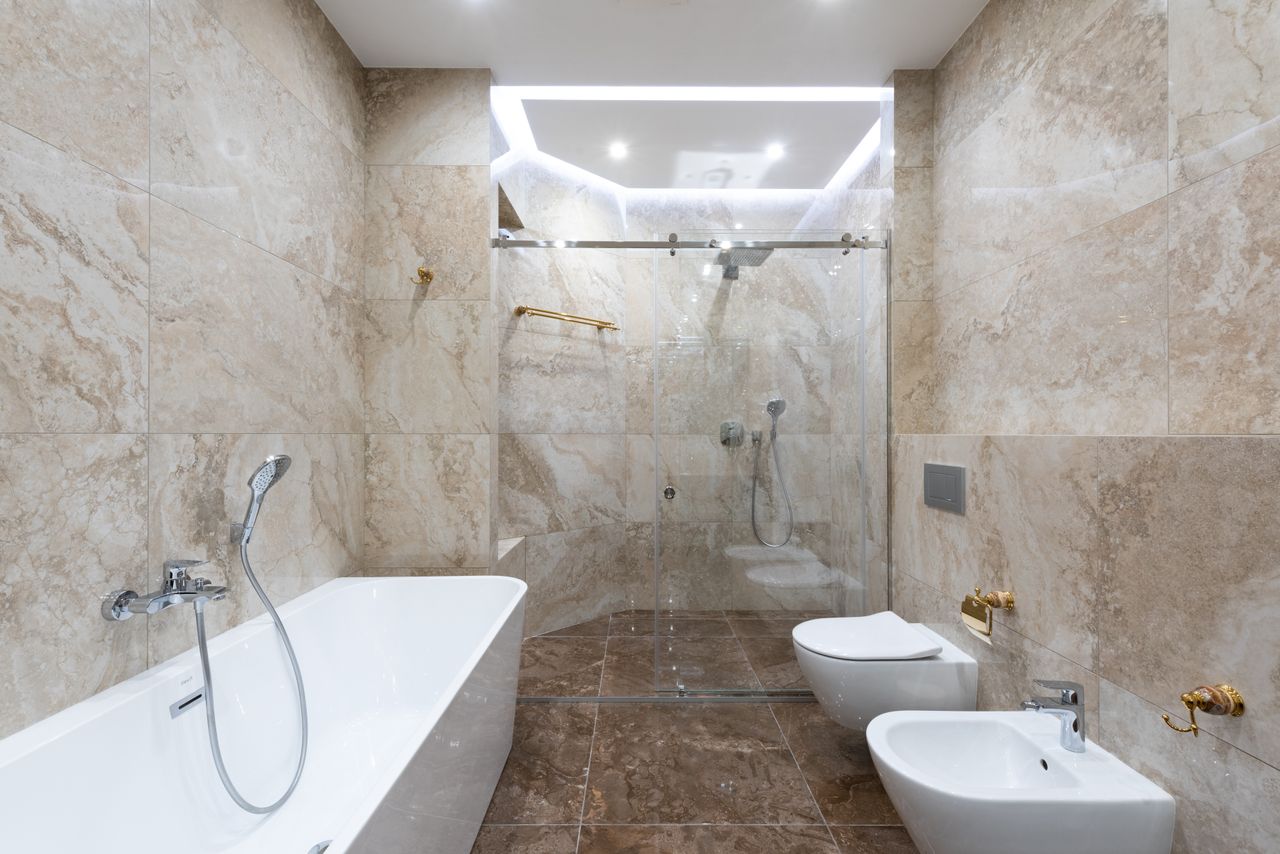
Photo: Marble bathroom with glass shower via Pexels

No comments:
Post a Comment