A footboard bed is simply a bed with a raised panel at the foot end, the mirror image of the headboard at the top. It is one of those details you notice the moment you walk into a bedroom: some beds look finished and grounded because of it, while others feel lighter and more open without it.
Below is the full picture: what a footboard actually does, the five main styles you will shop for, real measurements to check before you buy, and an honest look at the pros and cons. You will also find styling ideas for pairing a footboard with different bed frames, plus a quick decision guide at the end.

Photo via Wikimedia Commons
Table of Contents
- 1. What a Footboard Is
- 2. Panel Footboard
- 3. Sleigh Footboard
- 4. Bookcase (Storage) Footboard
- 5. Upholstered Footboard
- 6. Footboard Height and Bed Sizing
- 7. Pros: Keeps Bedding in Place, Finished Look
- 8. Cons: Blocks Airflow, Harder to Climb In, Small-Room Feel
- 9. Styling a Footboard With Frame Styles
- 10. Footboard vs No Footboard: How to Decide
- Frequently Asked Questions
- Final Thoughts
- Sources
- Gallery
1. What a Footboard Is

Photo via Wikimedia Commons
A footboard is the upright panel at the foot end of a bed, directly opposite the headboard. On most frames it bolts to the two side rails, so the headboard, rails, and footboard form one solid rectangle that holds the mattress in place. A few freestanding designs simply slide against the bed, but the attached kind is far more common.
Footboards come in every material beds are made from: solid wood, metal, and padded upholstery. Height is the detail that matters most when shopping. Low footboards stop right around the top of the mattress, while tall ones can rise 24 inches or more above it. For the full rundown of frame styles, see our types of bed frames guide.
2. Panel Footboard

Photo via Wikimedia Commons
The panel footboard is the classic: a solid slab of wood (or wood-look board) set between two posts, usually matching the headboard. You will see it on Shaker, mission, farmhouse, and traditional frames. Because it is a flat surface, it doubles as a display ledge for a folded throw blanket or a small tray.
When buying, match the wood tone to your dresser and nightstands rather than chasing an exact furniture set; close tones look richer than a perfect match. Solid-wood panel designs typically add $100 to $400 to a frame's price. Dust the top rail once a week, since that flat edge collects dust fast.
3. Sleigh Footboard

Photo via Wikimedia Commons
A sleigh footboard has the curved, scrolled top that gives the sleigh bed its name, echoing the curve of an old horse-drawn sleigh. The French call this shape the "lit bateau," or boat bed. The footboard is almost always lower than the headboard, which keeps the curve graceful instead of boxy.
Sleigh curves eat a little extra floor space, so leave at least 24 inches of clear walkway past the foot of the bed. If the full scroll feels heavy for your room, look for a low-footboard sleigh: same curved headboard, shorter foot, and a much more open feel at the foot of the bed.
4. Bookcase (Storage) Footboard
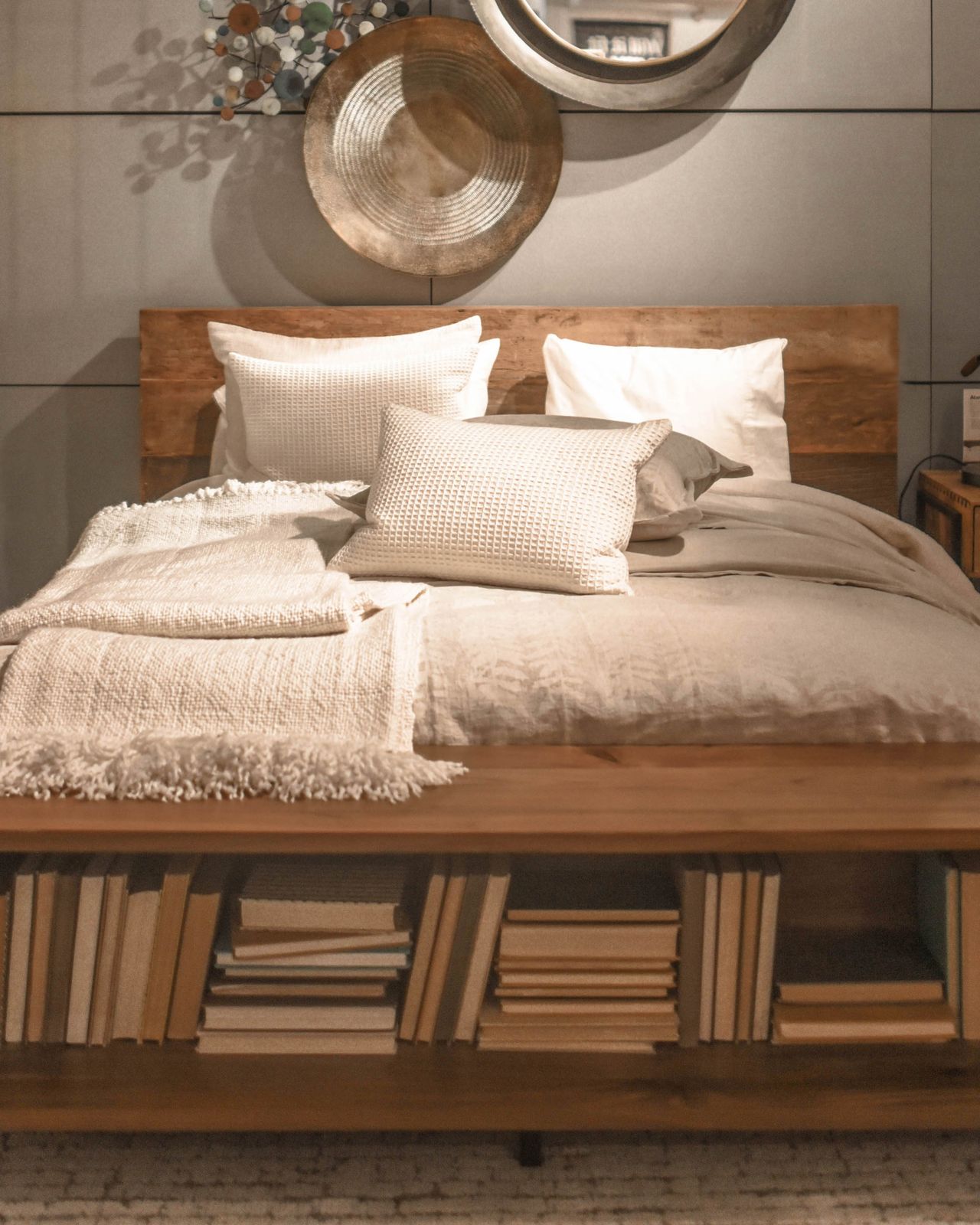
Photo via Pexels
A bookcase footboard builds open cubbies or shelves right into the foot panel, like the one in the photo. It is made for readers and small bedrooms: paperbacks, a reading lamp, folded throws, and baskets all live within arm's reach. Most cubbies run 8 to 12 inches deep, which fits standard books and folded linens.
Style it with restraint: five to seven books per cubby, one basket, and a little empty space looks curated instead of cluttered. Know that storage footboards are heavy and cost more than plain panels, so check that your floor and your delivery path can handle a 100-plus-pound frame before you order.
5. Upholstered Footboard
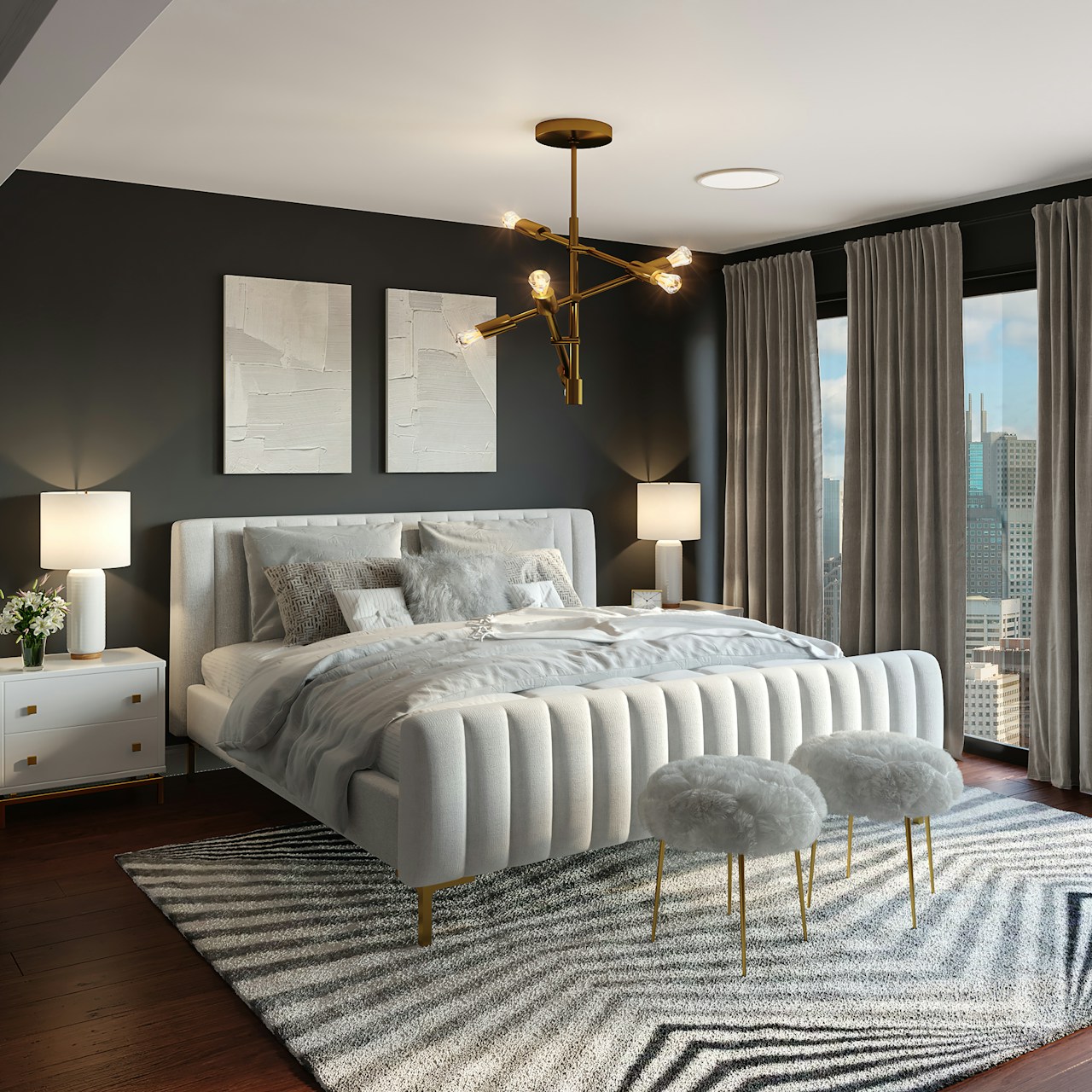
Photo via Unsplash
An upholstered footboard wraps the foot panel in padded fabric or leather, often with button tufting, channel stitching, or nailhead trim. It is the most forgiving style if you are clumsy around furniture: no hard corners on shins at 2 a.m. It also softens the look of a tall bed frame.
Pick a performance fabric (microfiber, performance linen, or protected leather) if you eat breakfast in bed or have pets, and vacuum it monthly with an upholstery attachment. Upholstered frames usually run $300 to $1,200 for a queen. Keep the fabric tone close to your headboard so the two ends read as one design.
6. Footboard Height and Bed Sizing
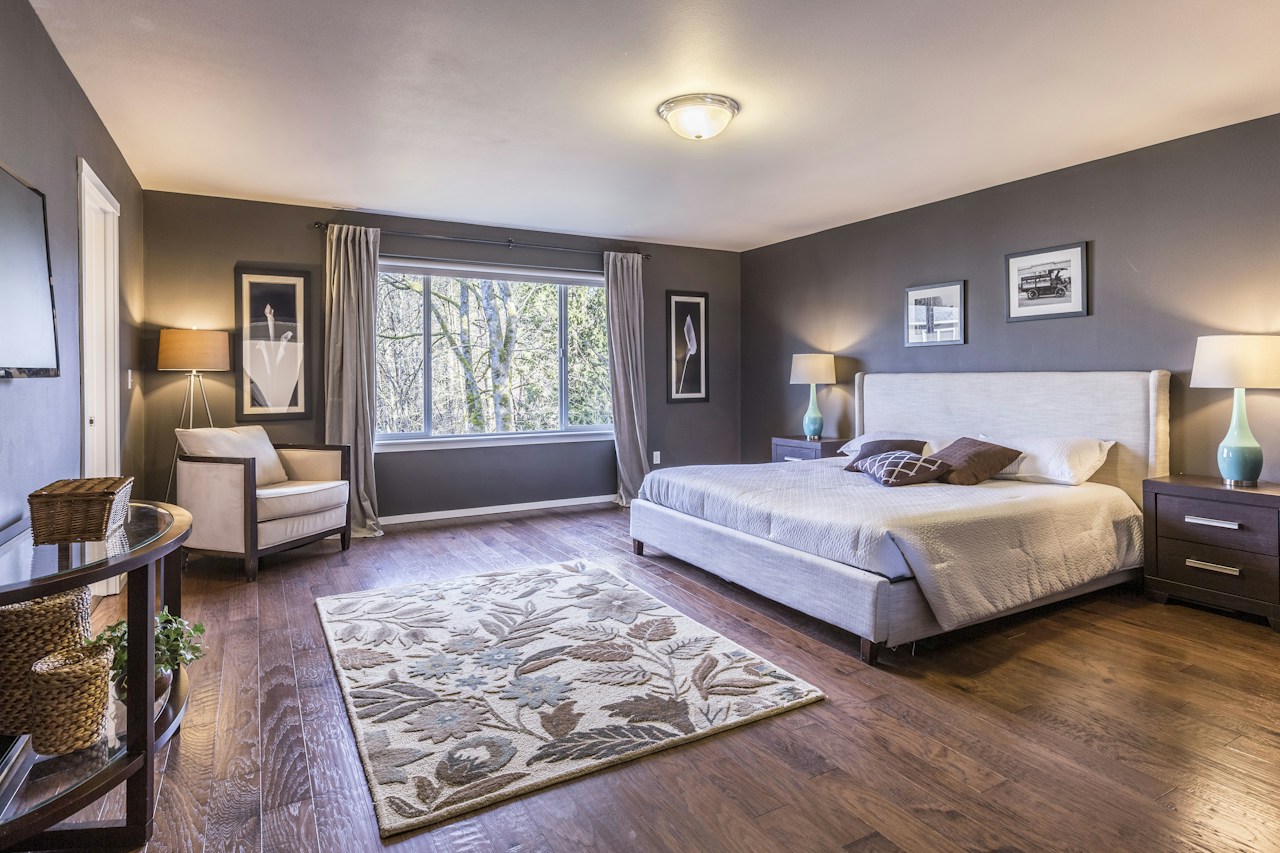
Photo via Unsplash
Before you buy, measure twice. A footboard panel adds roughly 2 to 4 inches to the frame's overall length, on top of standard mattress lengths: twin and full run 75 inches long, queen runs 80, and king runs 80 (California king 84). A queen with a chunky footboard can easily stretch past 90 inches tip to tip.
Height is the other number that counts. A low footboard that ends at mattress level suits tall sleepers and small rooms, while a tall one makes a stronger style statement. Leave 30 to 36 inches of walkway at the foot for comfortable passage, 24 inches at the absolute minimum. Our master bedroom size guide shows how these numbers play out in real room layouts.
7. Pros: Keeps Bedding in Place, Finished Look
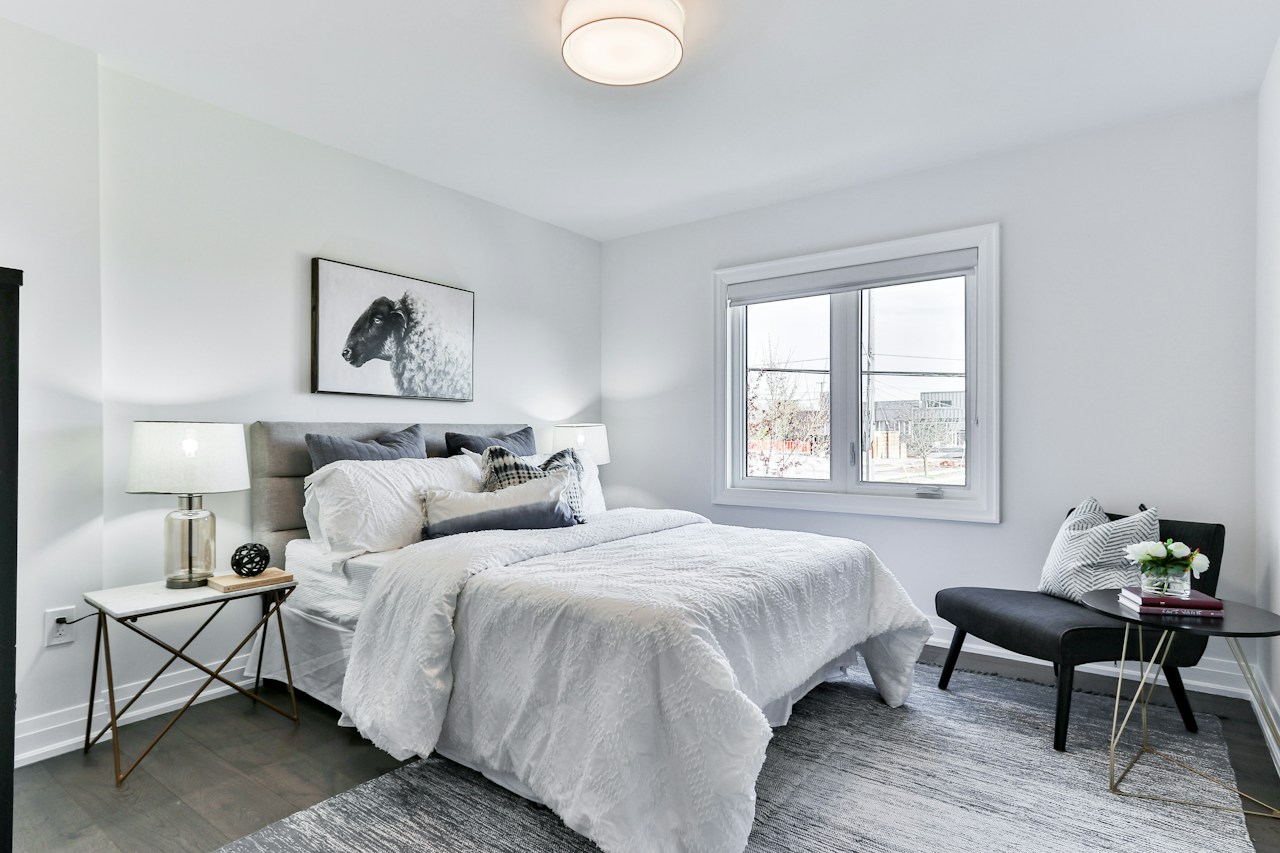
Photo via Unsplash
The biggest practical win is that a footboard stops bedding from sliding off the end of the bed, a complaint real owners raise again and again. The quilt stays anchored, the fitted sheet corners stay tucked, and the bottom of the bed looks neater in the morning with almost no effort.
Then there is the look: a footboard gives the bed a finished, intentional feel that an open-ended frame can lack, especially in traditional or farmhouse rooms. It also hides the foot of an unmade bed from the doorway and makes a handy perch for a folded throw. For the rest of the room, browse our warm, cozy bedroom ideas.
8. Cons: Blocks Airflow, Harder to Climb In, Small-Room Feel

Photo via Wikimedia Commons
A tall solid footboard blocks airflow across the foot of the bed, which hot sleepers notice on warm nights. It also makes changing sheets harder, since you have to reach the fitted-sheet corners around the panel, and tall sleepers may find their toes hitting the board if the frame runs short.
In a small bedroom, a tall footboard can make the whole room feel tighter and block sight lines to the window. The fix is simple: choose a low footboard that stops at mattress height. You keep the finished look and the bedding in place, without the closed-in feeling or the bruised shins.
9. Styling a Footboard With Frame Styles
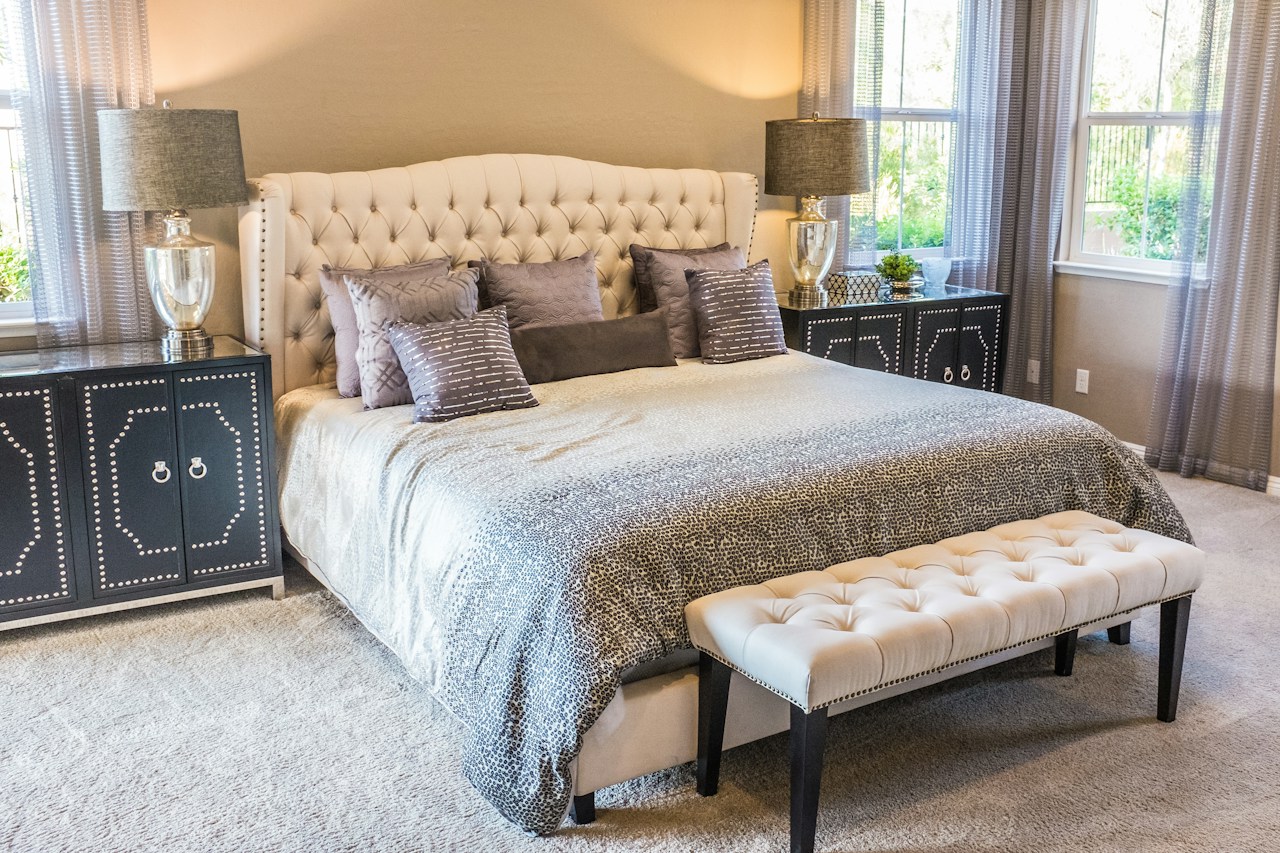
Photo via Unsplash
Match the footboard to the frame's language: wood with wood, upholstery with upholstery, slim metal with metal. Mixing works only when the finishes share a tone, like a black metal frame with a black-stained wood footboard. Drape one throw blanket over the footboard rail and stop there; two or more start to look messy.
A bench at the foot of the bed, like the one in the photo, is the classic footboard companion and gives you a spot to sit while dressing. Keep about 18 inches between the bench and the footboard so you can walk through, and echo one color from your bedding in the bench fabric. See our master bedroom sitting area ideas for more ways to use that end-of-bed space.
10. Footboard vs No Footboard: How to Decide

Photo via Wikimedia Commons
Run through this quick checklist. Skip the footboard (or go very low) if your bedroom is under about 10 by 10 feet, if you are over 6 feet tall and stretch out, if you sleep hot, or if kids or dogs regularly launch themselves onto the bed from the foot end. Modern, minimal, and Scandinavian rooms usually look better open, like the platform bed above.
Keep the footboard if you love a traditional or farmhouse look, if your bedding constantly slides off, or if you want that tucked-in, hotel-finished feel. When you are torn, a low upholstered footboard is the compromise most people end up happiest with: it holds the bedding, softens the silhouette, and never dominates the room.
Frequently Asked Questions
What is a footboard on a bed?
It is the raised panel at the foot end of the bed, opposite the headboard. It bolts to the side rails on most frames, holds the bedding in place, and gives the bed a finished look.
Do I need a footboard?
No, it is optional. A footboard bed looks more traditional and keeps blankets from sliding off, but an open-ended frame feels airier and is easier to make. A low footboard is the popular middle ground.
Are footboards out of style?
Not at all. Low upholstered footboards are very current, and wood panel footboards suit farmhouse and traditional rooms. Very tall, ornate footboards read more classic than modern, so match the height to your style.
Can you remove a footboard from a bed frame?
Usually yes. Most footboards bolt to the side rails with a few large bolts, so you can unbolt the panel and use the frame without it. Save the bolts and brackets in a labeled bag in case you change your mind.
Does a footboard make the bed longer?
The mattress size does not change, but the frame's overall length grows by about 2 to 4 inches with the panel attached. Measure the full frame, not just the mattress, when planning a small room.
Final Thoughts
A footboard bed is a small choice with a big visual payoff: it anchors your bedding, finishes the frame, and sets the room's style in one move. Measure your space, pick a height that suits how you sleep, and match the footboard to your frame's material. Do that, and the foot of your bed will look intentional instead of like an afterthought.
Sources
- Bed Footboard (Pros and Cons & Features) — Designing Idea (detailed pro-and-con breakdown for beds with footboards).
- King bed - with or w/o footboard — Houzz (real homeowners on footboards keeping bedding in place).
- What Is a Sleigh Bed? — Amerisleep (sleigh beds pair a curved headboard with a matching footboard).
Gallery

Photo via Wikimedia Commons

Photo via Wikimedia Commons

Photo via Wikimedia Commons

No comments:
Post a Comment