Every winter, the same question pops up in fashion forums: are fleece lined tights actually warmer than regular tights, or is it just marketing? Women who live in skirts and dresses need a real answer, because cold legs can ruin even the best outfit.
This head-to-head guide breaks down fleece lined tights vs regular tights on warmth, comfort, looks, and price. You will learn exactly when each type wins, what denier numbers mean, and how to style both so you never have to give up dresses in January.
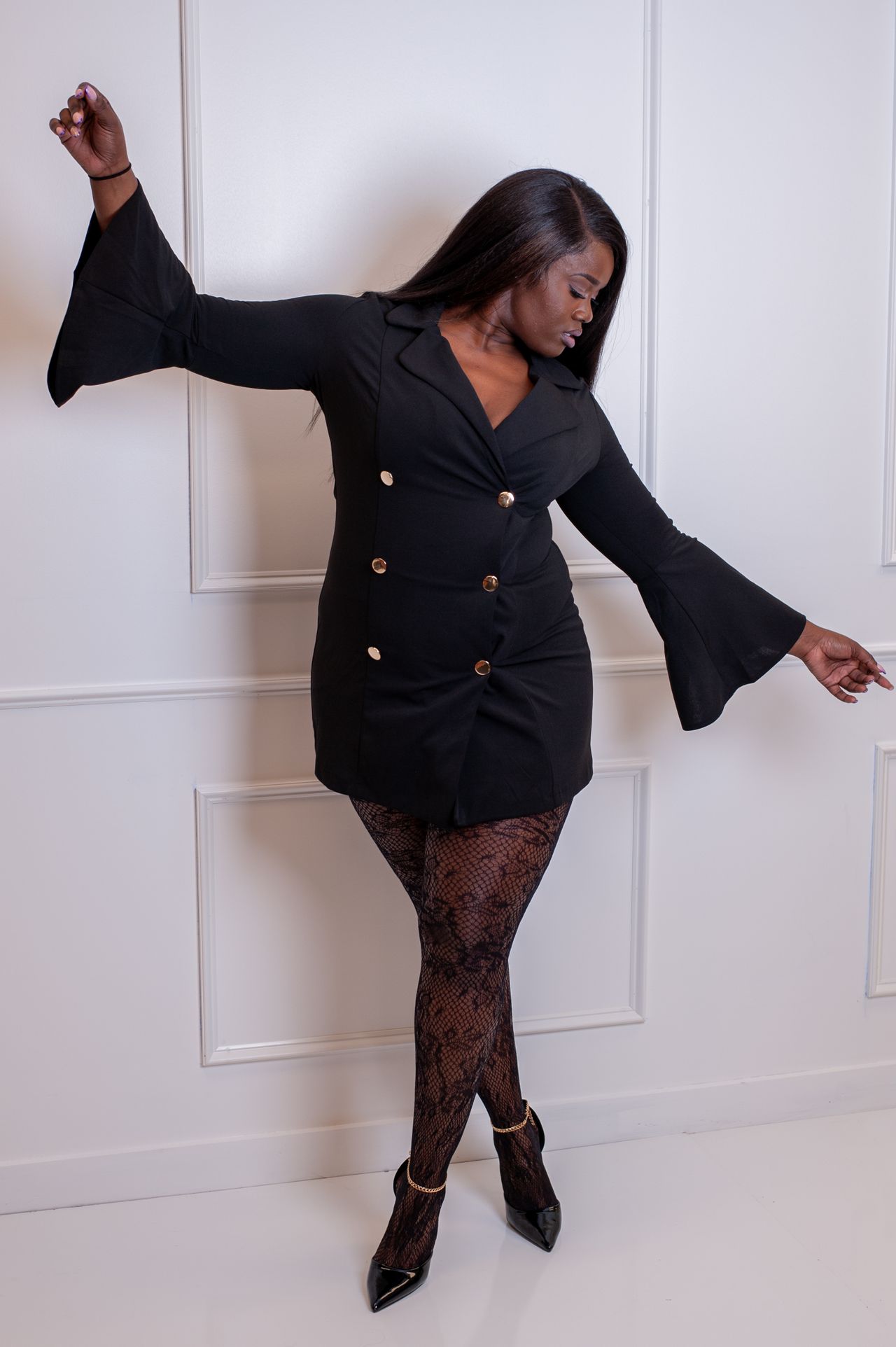
Image: Pexels
Table of Contents
- 1. What Fleece-Lined Tights Actually Are
- 2. When Fleece-Lined Wins: Freezing Days
- 3. When Regular Tights Are Enough
- 4. The Denier Decoder
- 5. The Sheer-Look Trick
- 6. The Double-Up Trick
- 7. The Tights-and-Ankle-Boots Formula
- 8. Office Days: Skirt, Tights, Done
- 9. Know When to Switch to Pants
- 10. Start With One Great Black Pair
- Frequently Asked Questions
- Final Thoughts
1. What Fleece-Lined Tights Actually Are
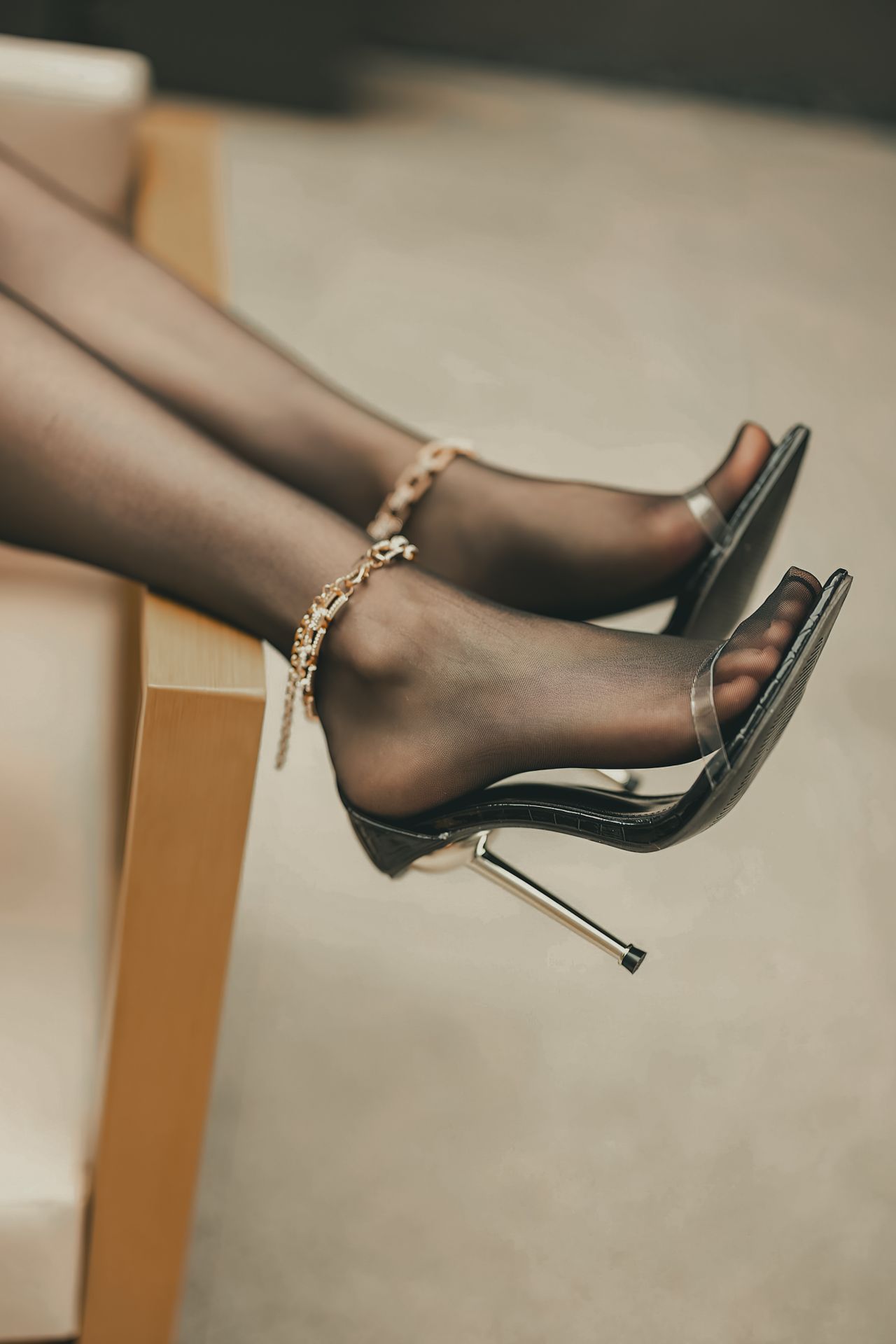
Image: Pexels
Fleece-lined tights look like ordinary tights on the outside but hide a soft, brushed fleece layer on the inside. That inner layer traps warm air against your skin, working like a thin blanket for your legs. Most pairs are made from a stretchy nylon-spandex shell with a polyester fleece interior.
Regular tights, by contrast, are a single layer of knit nylon, sometimes blended with cotton or wool. They are thinner, smoother, and dressier-looking, but they offer far less insulation. Think of fleece-lined as winter gear and regular as year-round hosiery.
2. When Fleece-Lined Wins: Freezing Days

Image: Wikimedia Commons
Once temperatures drop below freezing, around 32 degrees Fahrenheit, regular tights stop being enough for most people. This is where fleece-lined tights earn their reputation. Women who wear skirts through real winters consistently say the fleece layer is the difference between enjoying the day and counting the minutes until they get inside.
They are also the answer for long outdoor stretches: walking the dog, commuting on foot, or waiting on a windy platform. If your legs are exposed for more than 20 minutes in deep cold, reach for the fleece-lined pair without hesitation.
3. When Regular Tights Are Enough

Image: Wikimedia Commons
Here is the question everyone asks: are tights warm enough for winter at all? The honest answer is that it depends on the day. In the 40s and low 50s, a good pair of opaque regular tights is perfectly comfortable, especially if you are mostly moving between heated buildings.
Regular tights also win indoors. Fleece-lined pairs can feel too warm in a heated office or restaurant, leaving you overheated by lunch. For mild winter days and indoor-heavy schedules, regular tights are the more comfortable and more polished choice.
4. The Denier Decoder

Image: Pexels
Denier is simply the thickness of the yarn, and it is the number that matters most when shopping. Sheer tights run 10 to 20 denier, everyday opaque pairs sit around 40 to 60, and serious winter tights start at 80 to 100. Many winter veterans swear by 100 denier as the minimum for real cold.
Fleece-lined tights often do not list a denier at all, since the warmth comes from the lining rather than the knit. As a rule of thumb: under 40 denier is for mild days, 60 to 100 handles chilly weather, and fleece-lined takes over below freezing.
5. The Sheer-Look Trick

Image: Pexels
Love the look of sheer black tights but hate freezing in them? Fleece-lined "sheer look" tights are made for you. From the outside they mimic a 10-denier sheer finish, but a skin-tone fleece lining underneath keeps your legs genuinely warm. Reviewers say most people cannot tell the difference.
They are the best of both worlds for evening outfits and dressier occasions where thick opaque tights would look too heavy. Just size carefully, since a too-tight pair can make the fleece show through at the knees.
6. The Double-Up Trick

Image: Wikimedia Commons
Here is a beloved budget hack from winter-dressing forums: wear two pairs of regular tights layered together. Two 60-denier pairs trap air between the layers and come surprisingly close to the warmth of a fleece-lined pair, using tights you may already own.
Put the thinner or older pair on first and the better pair on top so the outer layer looks smooth. It is not quite as warm as true fleece lining on the coldest days, but for the price of zero dollars, it is hard to beat.
7. The Tights-and-Ankle-Boots Formula
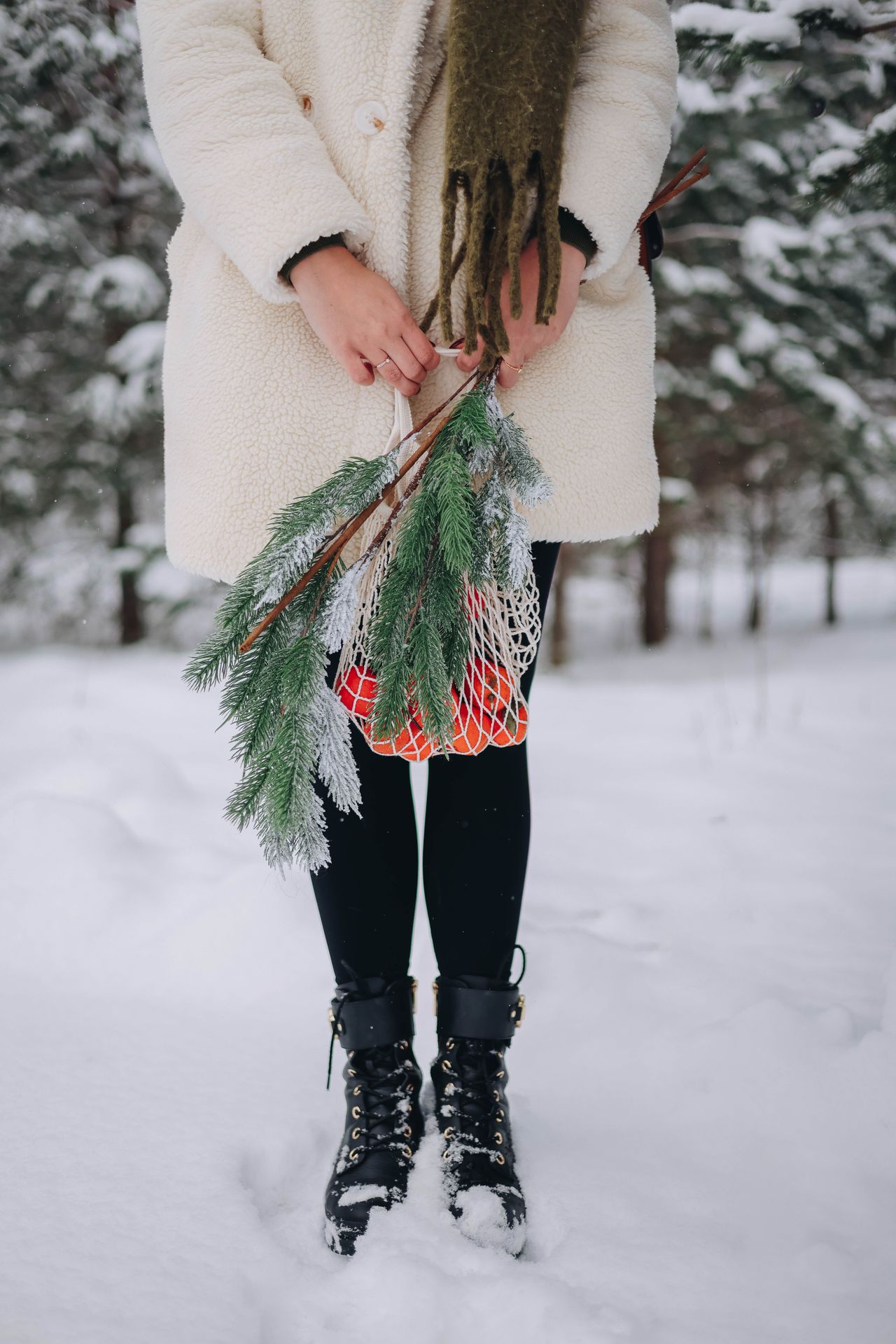
Image: Pexels
The easiest cold-weather outfit formula is black tights plus ankle boots plus a sweater dress or skirt. The boots cover your ankles, which is where tights feel thinnest, and the whole look reads intentional and put-together with almost no effort.
This combination works with both types of tights: fleece-lined for outdoor days, regular for office days. For more dress-and-boot pairings built for cold weather, browse our sweater dress outfit ideas for styling inspiration.
8. Office Days: Skirt, Tights, Done

Image: Wikimedia Commons
For the office, regular opaque tights usually beat fleece-lined ones. Heated workplaces make the fleece layer overkill by mid-morning, while a smooth 60 to 80 denier pair looks sharper with skirts and dresses and layers cleanly under trousers too.
Keep one fleece-lined pair in your desk drawer for brutal commute days, then change if you run hot. And if your workplace leans business casual, our winter dress outfit ideas show how to keep skirt outfits professional all season.
9. Know When to Switch to Pants
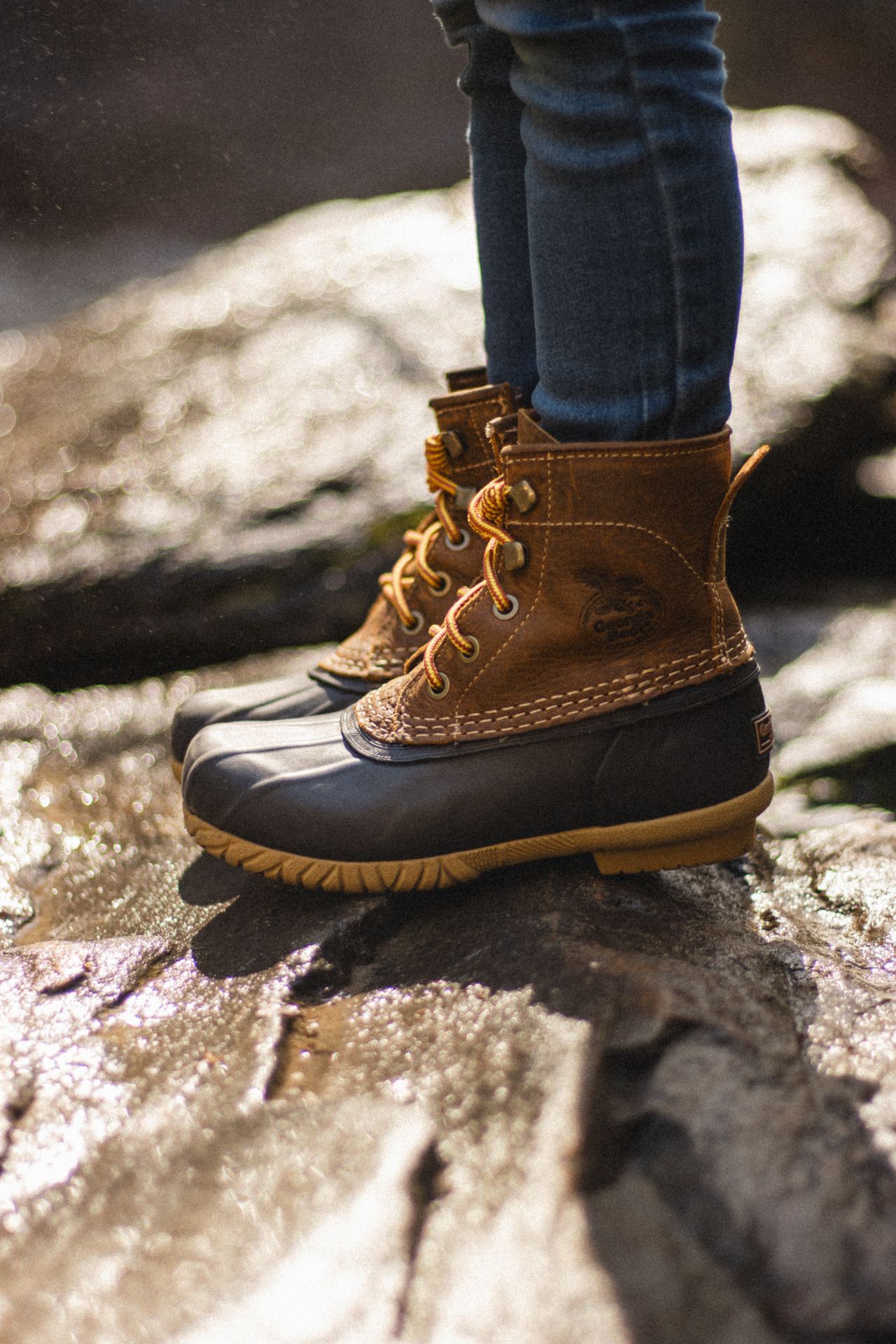
Image: Pexels
Even the best fleece-lined tights have a limit. In single digits, high wind, or wet snow, exposed legs lose heat fast no matter what you wear. That is the day for jeans or lined pants with insulated boots, no guilt attached.
A good rule: if the windchill is under 15 degrees Fahrenheit, choose pants. Tights are wonderful winter tools, but they are not magic. Dressing sensibly on the worst days keeps you loving your tights on all the other ones.
10. Start With One Great Black Pair

Image: Pexels
If you are buying your first serious winter tights, start with one excellent black pair rather than three cheap ones. Look for a reinforced toe, a wide comfort waistband that does not dig in, and enough spandex for stretch without sagging at the ankles.
Expect to pay $15 to $30 for a quality fleece-lined pair and $10 to $20 for good opaque regular tights. One great black pair goes with everything, lasts far longer, and makes every winter outfit easier. For the shoes to wear with them, see our winter shoes for girls guide.
Frequently Asked Questions
Are fleece lined tights really warmer than regular tights?
Yes, noticeably. The brushed fleece interior traps a layer of warm air that single-knit regular tights cannot match, making them the clear winner below freezing.
What denier tights should I get for winter?
Look for 80 to 100 denier or higher for cold weather. Sheer 10 to 20 denier pairs are for mild days only, no matter how the packaging markets them.
Can you wear regular tights in freezing weather?
Most people find them too cold below about 32 degrees Fahrenheit. Layer two pairs as a stopgap, or switch to fleece-lined tights for truly freezing days.
Do fleece lined tights look bulky under clothes?
No, good ones look like normal opaque tights from the outside. The fleece is thin and stretchy, so skirts, dresses, and boots fit exactly as usual.
How do I stop tights from sagging at the ankles?
Buy your true size instead of sizing up, choose pairs with plenty of spandex, and look for a wide waistband. Baggy ankles usually mean the pair is too big, not too small.
Final Thoughts
The fleece lined tights vs regular tights debate has a simple answer: own both. Regular opaque tights handle mild days and heated offices with polish, while fleece-lined pairs keep your dress-and-skirt outfits alive through real winter cold. Match the tight to the temperature, mind the denier, and your legs will never be the reason you skip the outfit you love.
Sources
- BuzzFeed: I Tried the Magic Thick Tights That Look Like 10 Denier Ones
- BuzzFeed: Pairs of Tights Reviewers Swear Don't Rip
- The Student Room: Are Tights Warm Enough for Winter?
- Mumsnet: Recommendations for Thermal and Fleece Tights
Gallery
Image: Pexels

Image: Pexels

Image: Pexels

No comments:
Post a Comment