These heaters keep millions of American homes warm, but let us be honest: those long metal strips along the wall are not winning any beauty contests. They dent, they yellow, and they seem to sit exactly where you want to put your sofa. Most decorating advice just pretends they are not there.
Learning how to decorate around them starts with respecting what they are: hot, airflow-dependent appliances with real clearance rules. Once you know the safety boundaries, you can paint them, cover them, and style around them like a pro. These 6 ideas help heaters blend in, or even disappear, without blocking heat or creating a fire risk.
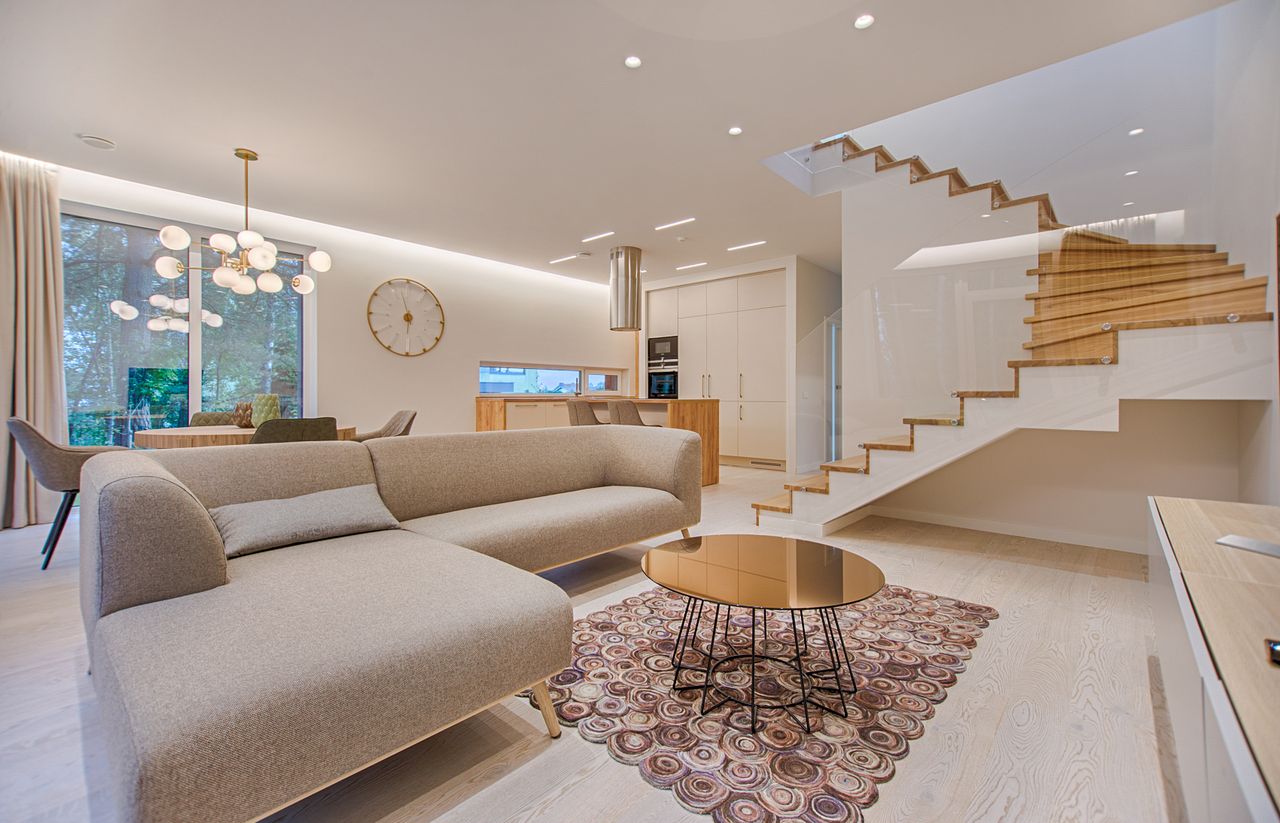
Photo: modern living room via Pexels
Table of Contents
- Learn the Clearance Rules First
- Slip On a Decorative Heater Cover
- Keep Curtains Short, Hemmed, or Tied Back
- Choose Furniture with Legs and Leave Air Gaps
- Hang Art High to Draw the Eye Up
- Style Baskets and Decor Beside the Heater
1. Learn the Clearance Rules First
Every decorating decision around a baseboard heater starts with one number: 12 inches. Manufacturers and safety experts recommend keeping furniture, curtains, and fabrics at least 12 inches away from the unit so air can flow in at the bottom and rise out the top. Blocking that airflow makes the heater work harder and can overheat nearby materials.
Some electricians cite 6 inches as the minimum for furniture, but 12 inches is the safer standard most heater makers print in their manuals. Nothing flammable should ever touch the unit or drape over it, no blankets, no clothes, no paper. Measure once with a tape measure and arrange everything else around that invisible safety box.

Photo: living room with radiator under window via Wikimedia Commons
2. Slip On a Decorative Heater Cover
The fastest transformation you can make is a slip-on replacement cover. Brands like Baseboarders and NeatHeat make powder-coated steel covers that fit right over most existing hydronic and electric units in standard 2 to 8 foot lengths. They snap on in minutes with no tools and instantly hide dents, rust, and yellowed paint.
Expect to pay roughly $40 to $80 per cover depending on length, far less than replacing the heater itself. Choose white for a clean modern look or match your wall color for camouflage. Because these covers are engineered with proper vent slots, they keep airflow correct while making the heater look like intentional trim.

Photo: decorative radiator cover via Wikimedia Commons
3. Keep Curtains Short, Hemmed, or Tied Back
Curtains and these heaters are the most dangerous combination in this whole article. Fabric that touches or hangs over a hot heater can scorch and, over time, smolder. Never let drapes rest on top of a heater or pool in front of one, even when the heat is off for the season.
You have three safe options: hem curtains so they end at least 4 inches above the heater, use cafe-length curtains that stop at the sill, or hang full-length panels and hold them permanently open with tiebacks. Roman or cellular shades mounted inside the window frame give you privacy without any fabric near the heat at all.

Photo: tied-back curtains by a window via Wikimedia Commons
4. Choose Furniture with Legs and Leave Air Gaps
Heavy furniture pushed against a heater blocks the convection current that makes baseboard heat work. Cold air must enter at the bottom of the unit, so anything sitting flush against it starves the heater. Choose sofas, consoles, and bookcases with legs at least 4 to 6 inches tall so air keeps moving underneath.
Pull larger pieces a full 12 inches out from the wall when a heater runs behind them. In small rooms, try floating the sofa toward the center and placing a slim console table behind it instead. You keep every inch of seating while the heater breathes freely, and the room actually feels warmer because the heat circulates properly.
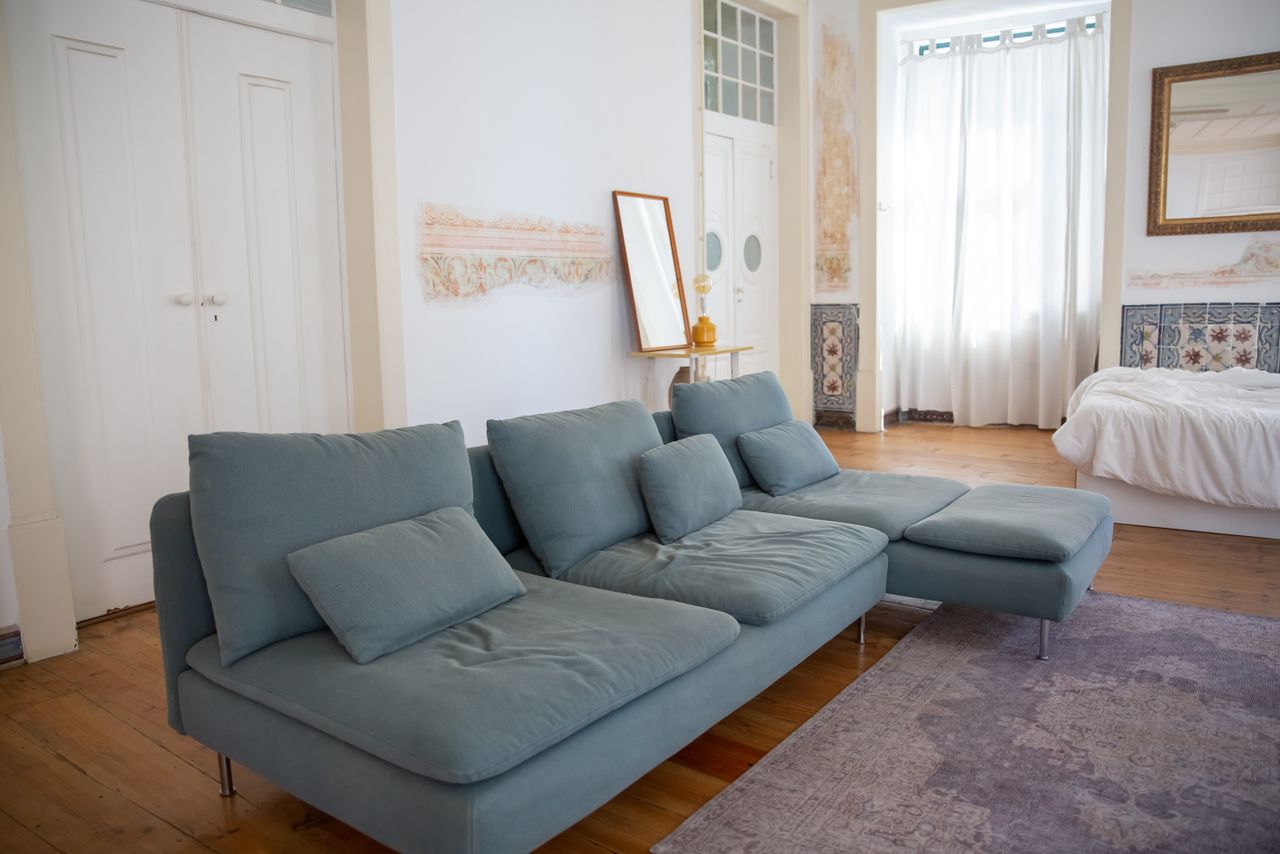
Photo: sofa with legs and clear space underneath via Pexels
5. Hang Art High to Draw the Eye Up
When you cannot hide a heater, distract from it. A gallery wall or one large statement piece hung well above the unit pulls every visitor's gaze upward and away from the metal strip below. Heat rises, so keep framed art at least 12 inches above the heater top to protect canvases and frames from long-term heat damage.
Avoid anything heat-sensitive like wax-based art, vinyl decals that can peel, or photographs in cheap plastic frames directly above the unit. Go for canvas, wood frames, or metal prints instead. A bold piece of art becomes the room's focal point, and the heater fades into the background where it belongs.
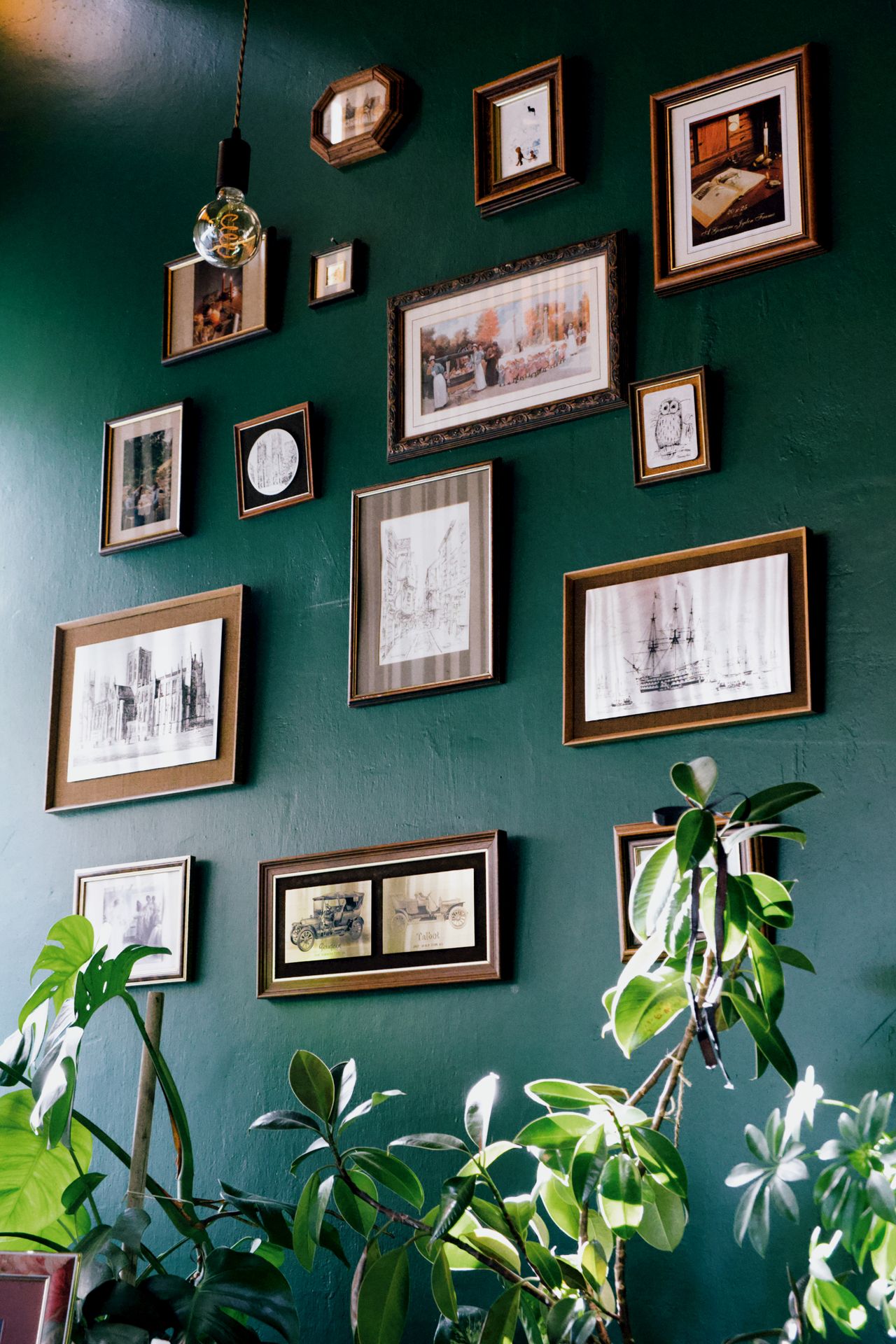
Photo: gallery wall hung high on the wall via Pexels
6. Style Baskets and Decor Beside the Heater
Woven baskets, stacked books, and lanterns arranged at the ends of a heater run create a styled vignette that steals attention from the metal. The key word is beside, not on top. Anything resting on the heater blocks airflow and can overheat, so keep the top surface completely clear at all times.
A lidded seagrass basket at one end of the heater hides throw blankets safely away from the heat while adding texture. A small stack of coffee-table books on a side table nearby gives you styling height without touching the unit. Think of the heater as a no-go zone with a beautifully decorated border around it.
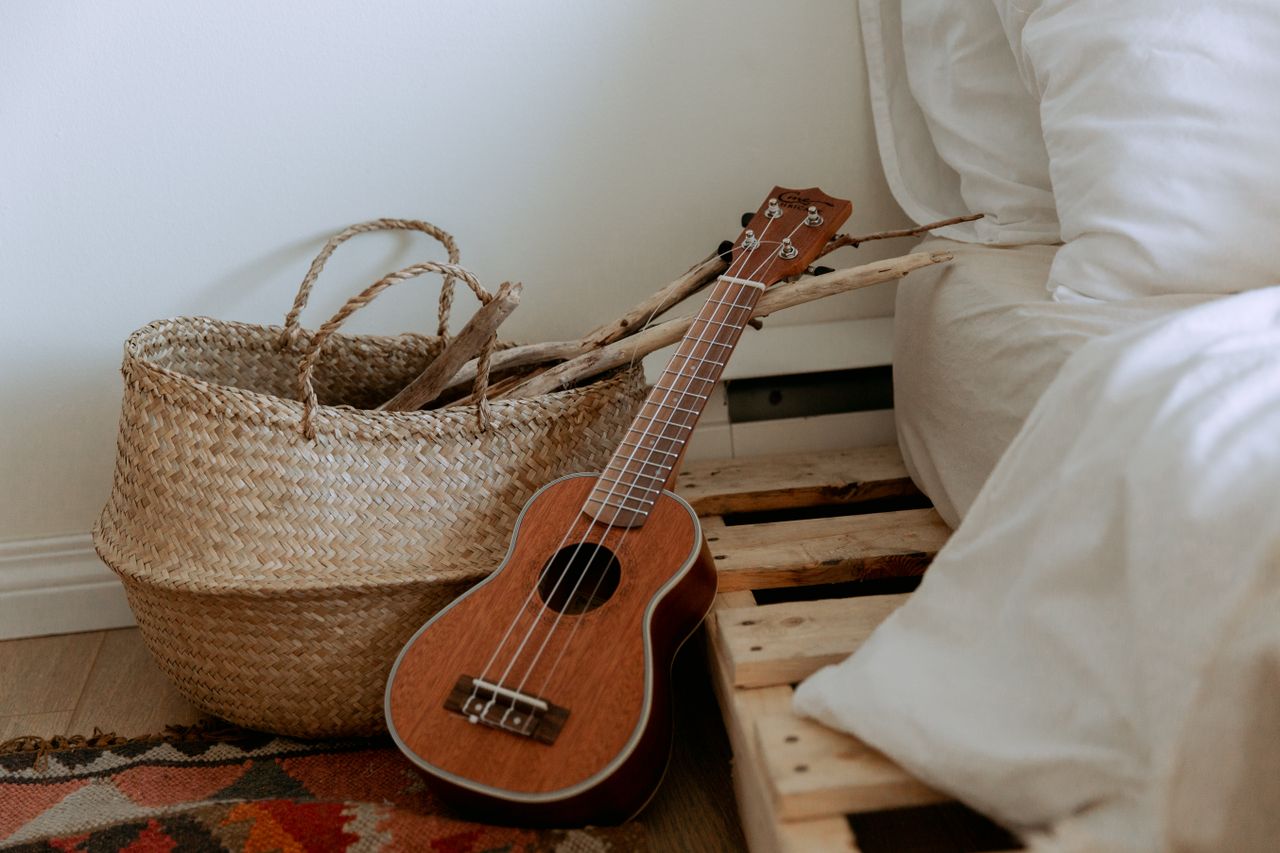
Photo: wicker basket with branches via Pexels
Frequently Asked Questions
How far should furniture be from a baseboard heater?
Keep furniture at least 12 inches away from the heater to protect airflow and prevent overheating. Some electricians allow 6 inches, but 12 inches is the safer manufacturer standard.
Can I put curtains over them?
Never let curtains touch or cover a baseboard heater. Hem them at least 4 inches above the unit, use cafe-length panels, or hold full-length drapes open with tiebacks.
Can I paint my baseboard heater covers?
Yes. Remove the cover, clean and sand it, and use spray paint rated for high heat on metal. Let it cure 24 hours before reinstalling.
Is it safe to put things on top of a baseboard heater?
No. Never place anything on top of a heater. It blocks airflow, reduces efficiency, and creates a fire risk with flammable items.
Do decorative heater covers reduce heating efficiency?
Properly designed covers with vent slots have minimal impact on efficiency. Avoid any cover that restricts airflow, which can cause overheating.
Final Thoughts
They do not have to dictate your decor. Respect the 12-inch clearance rule, give the covers a cosmetic upgrade with paint or slip-on replacements, and style the space around them with art, plants, and leggy furniture. Do that and the heaters quietly do their job while your design takes all the credit.
Sources
Gallery

Photo: succulent arrangement via Wikimedia Commons

No comments:
Post a Comment