Every good reading spot in an American home has one small hero working quietly beside it: a place to set down a coffee mug, a book, and a pair of glasses without getting up. If you have ever balanced a drink on the arm of a sofa or fished your phone out from between couch cushions, you already know why chairside tables matter so much in daily life. They are not fancy furniture. They are the small, hardworking surface that makes a chair, a sofa, or a bed feel finished and easy to live with.
This guide keeps things simple. You will learn how tall your table should be, how wide it can go without crowding the room, and which style fits a bedroom, a living room, or a small apartment. We answer the questions real readers ask most, like whether a bedside table can double as a sofa-side table, how much to spend, and what to put on top without creating clutter. By the end, you will be able to walk into a store in the US, or shop online, and pick a table with confidence instead of guessing.
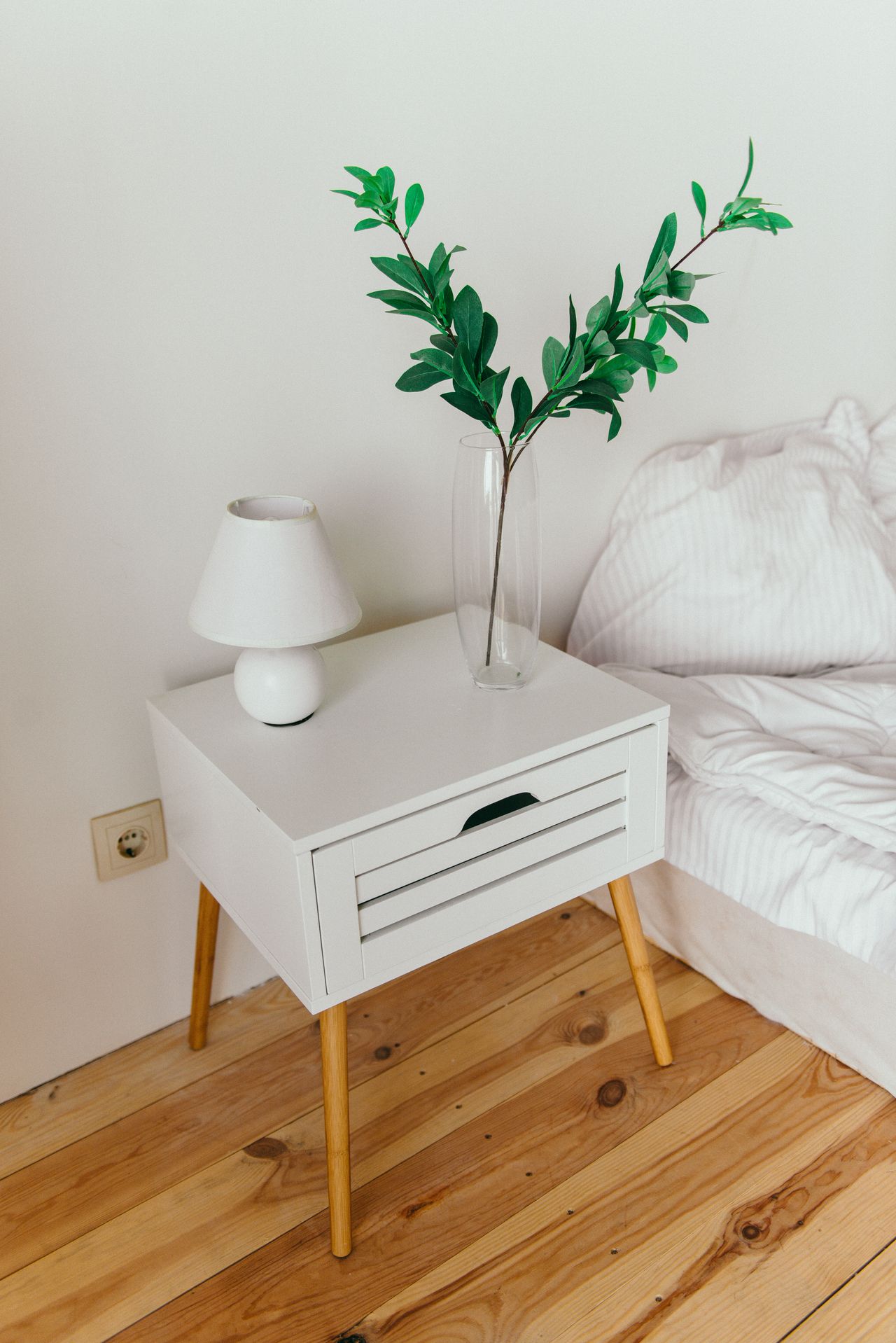
A white bedside table with a lamp and a vase beside a bed. Photo via Pexels (free license).
Table of Contents
- 1. Start With the Right Height
- 2. A Wooden Table Beside a Favorite Chair
- 3. Build a Simple Reading Corner
- 4. Let the Lamp Lead the Look
- 5. An Open Shelf for Books and Baskets
- 6. A Drawer Table That Hides the Clutter
- 7. The Matching Pair Trick
- 8. A Vintage or Thrifted Find
- 9. A Slim Table for a Small Space
- 10. Style the Top With Three Things Only
- Frequently Asked Questions
- Final Thoughts
- Sources
- Gallery
1. Start With the Right Height

A bed beside a dark wood drawer table with a tall lamp. Photo via Wikimedia Commons (free license).
Height is the one rule that matters more than style, color, or price. A table that is too tall forces you to lift your arm awkwardly every time you reach for a drink, and a table that is too low makes you bend down and hunt for things in the dark. The easy rule used by designers across the US is this: the top of the table should sit level with, or no more than 1 to 2 inches below, the arm of your chair or sofa. Beside a bed, aim for level with the top of your mattress, or 1 to 2 inches lower. Most store-bought end tables fall between 18 and 24 inches tall, which fits most standard sofas and beds, but tall wingback chairs and thick pillow-top mattresses often need a table closer to 26 or 28 inches.
Before you buy anything, grab a tape measure and check two numbers: the height of the chair arm from the floor, and the width of the empty space beside the chair. Leave 1 to 3 inches between the table and the chair so you can slide your hand in, and keep at least 30 inches of clear walkway around the seating area. If you use a recliner, test it fully open first, because a table that looks fine when the chair is closed can block the footrest when it opens. A few minutes with a tape measure saves you the hassle of returning a table that looks perfect online and feels wrong at home.
2. A Wooden Table Beside a Favorite Chair

A wooden side table with a small lamp beside a green velvet chair. Photo via Wikimedia Commons (free license).
A solid wood table is the safest first pick for most US living rooms, because wood works with almost every style, from farmhouse to modern, and it ages well. Oak, walnut, and pine are the most common choices, and a warm medium-brown finish tends to look good with both light and dark sofas. A small two-tier wooden table is especially useful: the top holds your drink and lamp, while the lower shelf holds a book, a magazine, or a small basket for remotes. Look for a table about 16 to 22 inches wide, which is big enough for a mug and a book but small enough to tuck beside a single armchair without blocking the walkway.
When you shop, check the weight and the wobble, not just the photo. A good wooden side table should feel steady when you press down on one corner, and it should not rock on a hard floor. Budget picks in the $40 to $80 range can work well in a guest room or a first apartment, while solid wood pieces in the $120 to $250 range usually last much longer and can be sanded and refinished if they get scratched. If your chair has wooden legs, try to match the wood tone loosely rather than exactly; a close cousin looks intentional, while a perfect match can look like a boxed furniture set.
3. Build a Simple Reading Corner
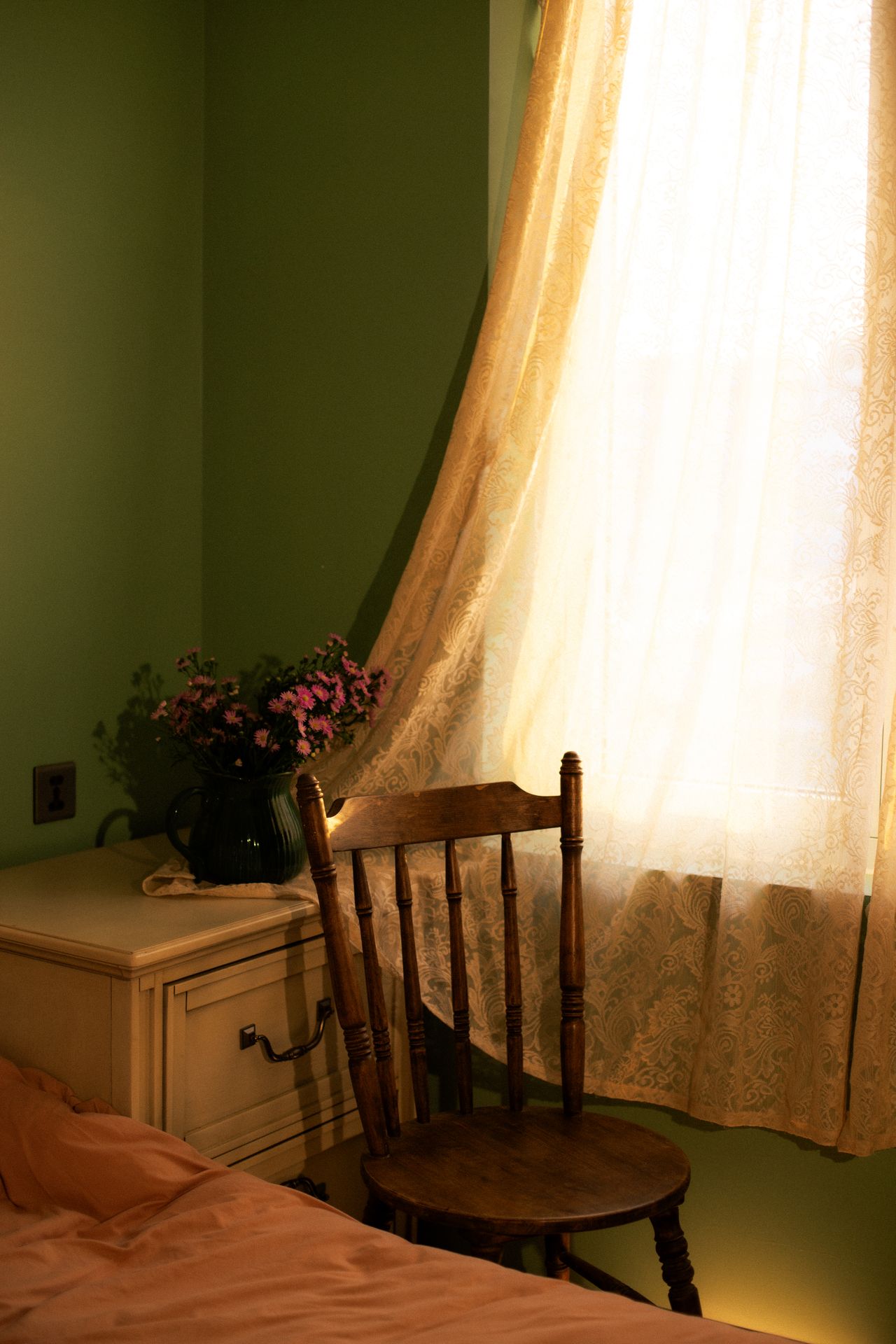
A wooden chair beside a white bedside chest with flowers near a window. Photo via Pexels (free license).
A reading corner does not need a big room or a big budget. It needs three things: a comfortable chair, good light, and a small table within easy arm's reach. Place the chair near a window if you can, so daytime reading feels bright and natural, and put the table on the side of your dominant hand, which is the right side for most people. That way you can set a book down, pick up a mug, or switch on a lamp without twisting your body. A small chest or drawer table works beautifully here, because it gives you a closed spot for a charger and a bookmark while the top stays clear for your current book.
Keep the corner calm by limiting what lives on the table to the current book, one drink, and the lamp. If you love to read in bed at night too, the same setup moves easily: a table that works beside a bedroom chair in the morning can serve as a nightstand at night, which is a smart trick for small bedrooms and guest rooms. For more ideas on making a tight bedroom work for two people, see these small bedroom ideas for couples, which use the same rule of giving every piece more than one job. Add a soft throw over the chair arm, and the corner will invite you to sit down every single day.
4. Let the Lamp Lead the Look

A modern lamp glowing on a white side table with an open shelf. Photo via Wikimedia Commons (free license).
In many rooms, the lamp is the real star and the table is its stage, so it makes sense to pick them together. A good rule is to keep the combined height of the table plus the lamp between 58 and 64 inches when the lamp sits beside a sofa, so the light falls over your shoulder for reading instead of shining straight into your eyes. The lamp base should take up no more than about one third of the tabletop, leaving room for a drink and a book. A warm bulb around 2700K gives a soft, relaxing glow in the evening, which is much kinder at night than a bright white daylight bulb.
If your table is small, choose a lamp with a slim base and a narrow shade, or move the light to the wall with a plug-in sconce and free up the whole tabletop. That trick is a lifesaver in a tiny bedroom, where a big lamp can eat half the surface. Also think about the cord: run it behind the table leg and use a small cord clip so nobody trips, and keep the lamp switch on the side facing the chair so you can reach it without standing up. When the lamp and the table fit each other, the whole corner looks planned, even if everything else in the room is simple.
5. An Open Shelf for Books and Baskets
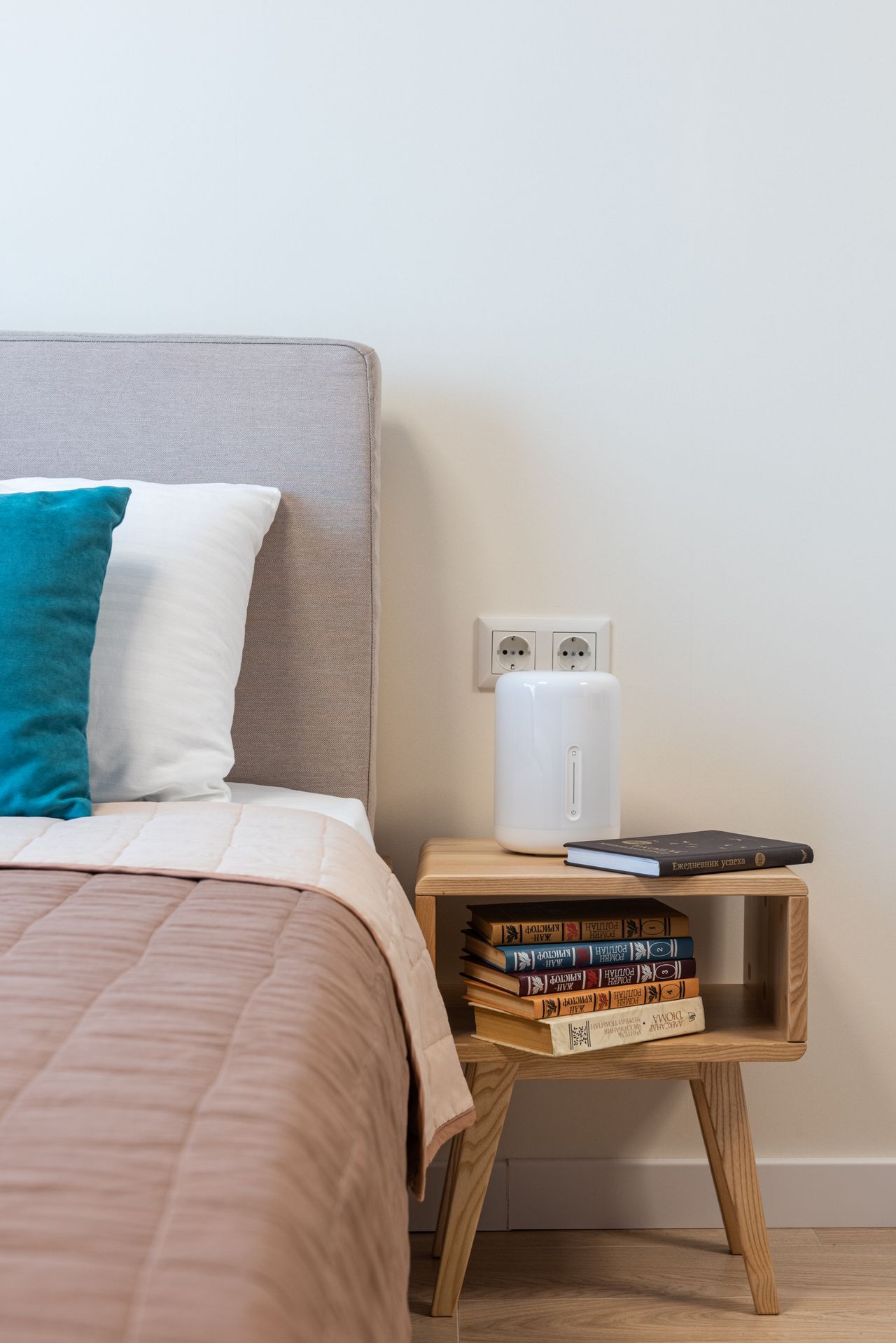
A light wood open-shelf bedside table holding books beside a bed. Photo via Pexels (free license).
Open-shelf tables are perfect for readers, because you can see your books and grab one without opening a drawer in the dark. A light wood table with one open shelf, like the one above, holds a small stack of books on the lower shelf and leaves the top free for a glass of water, a phone, and a small lamp. This style also feels lighter in a small room than a heavy closed cabinet, since your eye can see through and around it. It is a great pick for a guest room, a dorm, or a first apartment, where you want storage without a bulky piece of furniture.
The trick with open shelves is to keep them honest: only store what you actually use every week. A basket on the lower shelf is a smart move, because it hides chargers, remotes, and small odds and ends while still looking neat from across the room. Choose a basket that fits the shelf with about an inch to spare on each side, so it slides in and out easily. If the shelf starts to collect old magazines and random papers, do a quick five-minute clear-out once a week. An open shelf rewards a little routine, and it punishes clutter fast, so it teaches good habits without any extra effort.
6. A Drawer Table That Hides the Clutter
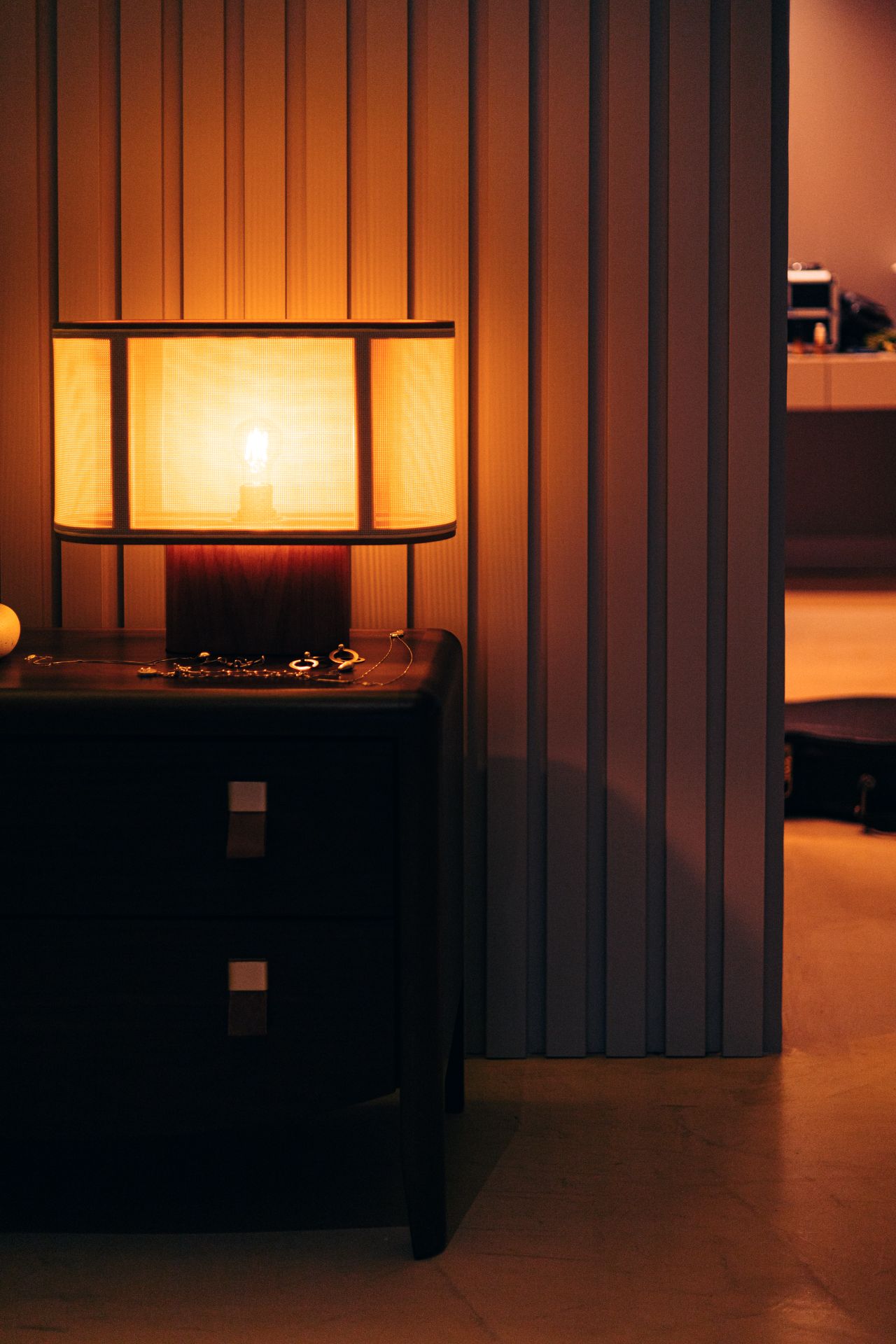
A warm lamp glowing on a dark drawer nightstand in the evening. Photo via Pexels (free license).
Some people love a clean tabletop, and for them a drawer table is the best friend a living room or bedroom can have. One drawer is enough for most needs: it swallows remotes, chargers, reading glasses, lip balm, and the little things that otherwise spread across the surface. Two or three drawers suit a main bedroom, where one person might store medicine, a journal, and spare batteries. A drawer table also looks more like real furniture than a simple pedestal table, so it can anchor a formal living room or a traditional bedroom without looking out of place.
Before you buy, open and close the drawer in the store, or check reviews online for notes about sticking drawers. The drawer should glide smoothly and close fully without a hard push, and the handle should not stick out so far that you bump it when you walk past. If you charge a phone at night, look for a drawer table with a small cord hole in the back, or drill one carefully yourself, so the charger stays hidden but reachable. A drawer table costs a little more than an open table, often $80 to $200, but for many homes the calm, clear top is worth every dollar.
7. The Matching Pair Trick
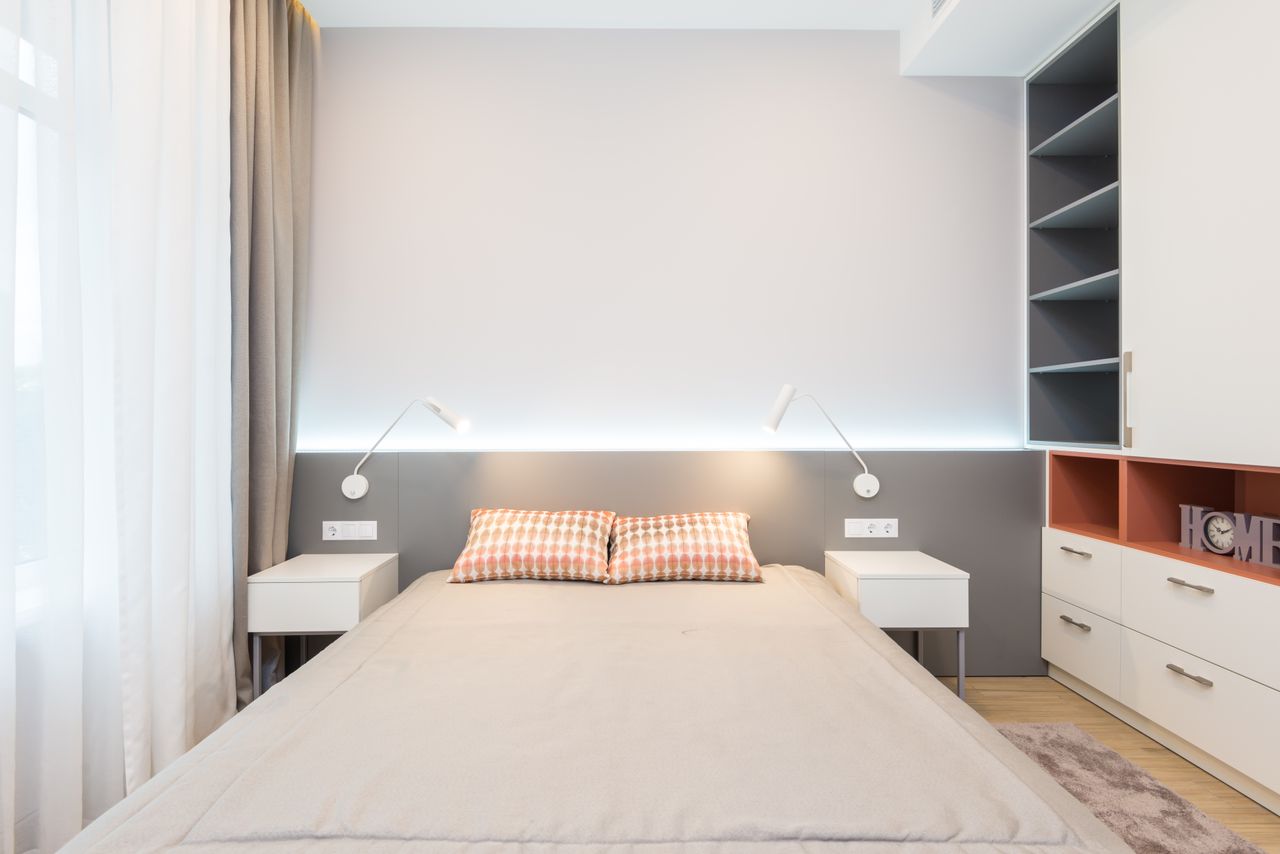
A bedroom with two matching white bedside tables on both sides of a bed. Photo via Pexels (free license).
Two matching tables, one on each side of a bed or a sofa, is the fastest way to make a room look finished. Our eyes love symmetry, and a matching pair makes even a simple room feel calm and intentional, which is why hotel rooms almost always use this trick. The tables do not need to be expensive; two simple white or wood tables in the same finish will do the job. What matters most is that the heights match and the lamps match, because uneven heights are the first thing the eye notices when you walk into a bedroom.
You do not need to make both sides identical down to the last detail. Mirror the big pieces, like the lamp and a book, and let the small personal items be different: one side might hold glasses and a watch, the other a plant and a photo. That balance looks lived-in rather than staged. In a living room, the same idea works with a sofa: one table on each end gives both seats a landing spot for a drink, and it frames the sofa nicely. If your budget is tight, buy one table now and the matching one later, but write down the exact model name so the finish still matches when you order the second one.
8. A Vintage or Thrifted Find

An antique blue bedside chest with a striped lamp beside a bed. Photo via Wikimedia Commons (free license).
A thrifted or vintage table can give your room a character that no new flat-pack piece can copy. Look for solid wood, dovetail drawer joints, and a sturdy frame at thrift stores, estate sales, and flea markets across the US, where a good side table often costs $25 to $60. A painted chest, like the blue antique piece above, adds color and history to a bedroom, and a few small scratches only add to the story. If the finish is worn, a light sanding and a coat of chalk paint or wood stain can make it look fresh in a single weekend afternoon.
Check three things before you pay: wobble, smell, and drawer action. Rock the table gently on a flat floor, sniff inside the drawer for damp or smoke, and slide the drawer in and out twice. A wobbly leg can often be fixed with a furniture glide or a dab of wood glue, but a warped top or a drawer that will not close is a harder repair. Measure the piece before you bring it home, because vintage tables come in odd sizes and a beautiful 30-inch table will tower over a low modern sofa. When the size is right, a vintage find becomes the piece guests ask about first.
9. A Slim Table for a Small Space
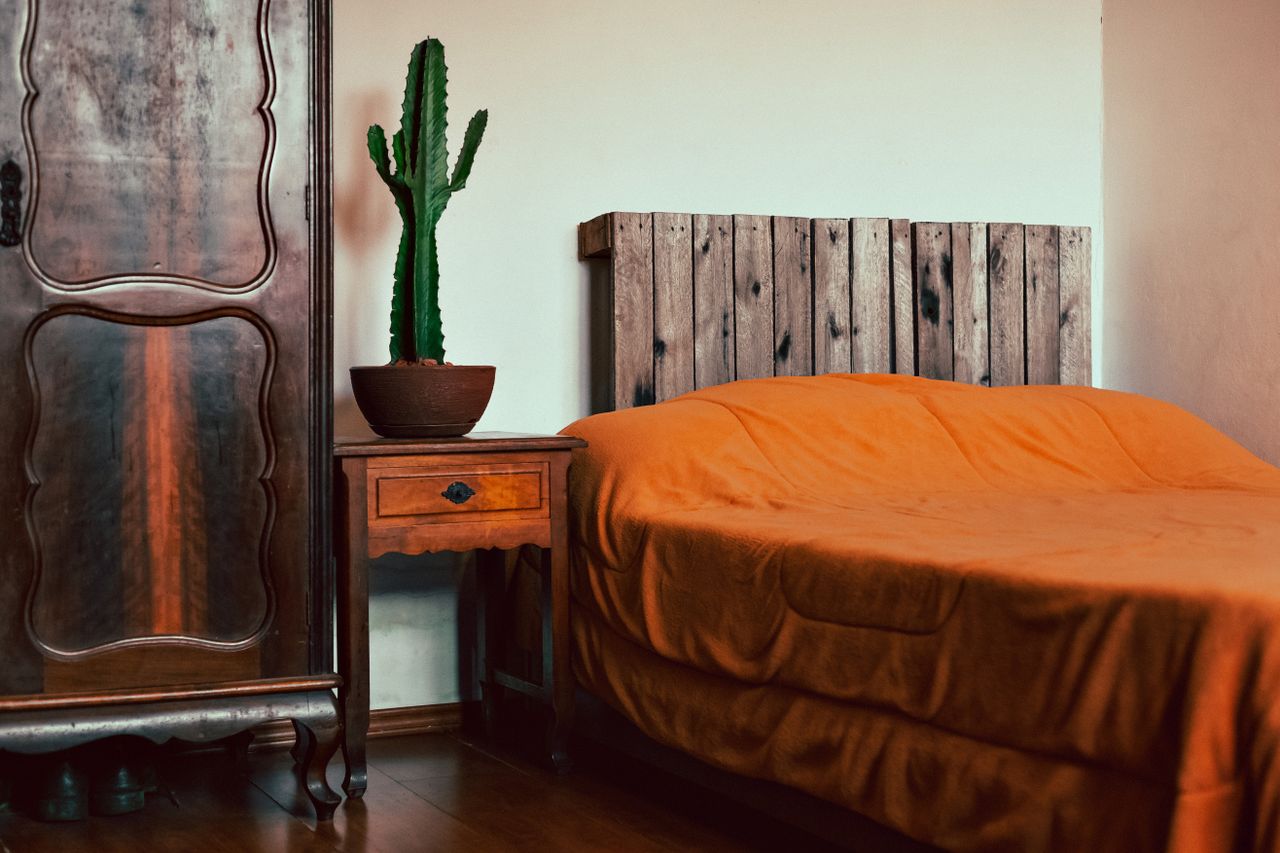
A small wooden bedside table with a potted cactus beside a bed. Photo via Pexels (free license).
Small apartments, dorm rooms, and narrow bedrooms need a different kind of table: slim, light, and easy to move. Look for a top about 12 to 16 inches wide and 12 to 16 inches deep, with slim legs rather than a bulky cabinet base. A narrow table like the one above still holds a lamp or a plant, a phone, and a glass of water, but it leaves the walkway clear. C-shaped tables are another smart small-space pick, because the base slides under the sofa or bed, bringing the top right over your lap for a laptop or a snack without taking up extra floor space.
In a tight room, choose height over width whenever you can. A taller, narrower table with two tiers gives you more storage than a short, wide one, and it keeps the floor looking open. Wall-mounted folding tables and nesting tables are also worth a look: you can pull out a second small table when guests visit and tuck it away again the next morning. For styling help that works in tight bedrooms, these nightstand decor ideas show how a lamp, a plant, and one personal item can make even a tiny tabletop look finished. Measure your walkway first, and never let a table shrink it below about 24 inches at a pinch point.
10. Style the Top With Three Things Only
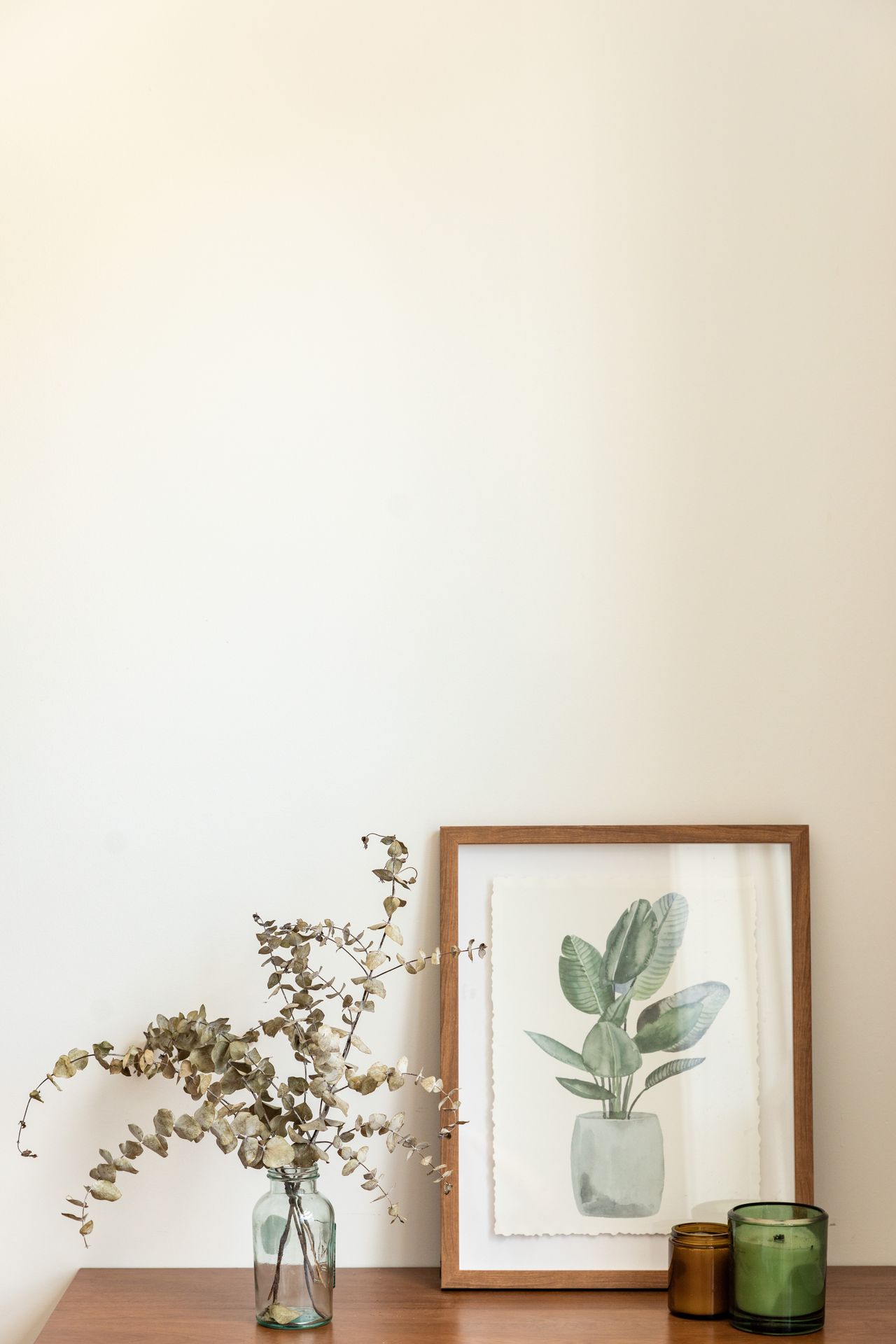
A wooden tabletop styled with a framed print, dried stems, and candles. Photo via Pexels (free license).
The easiest styling rule for any small table is the rule of three: one tall thing, one medium thing, and one small thing. In the photo above, the framed print gives height, the dried stems add softness and texture, and the small candles finish the group without crowding it. This mix works because the eye moves from tall to small and the group reads as one styled moment instead of three random objects. A lamp plus a book plus a small plant follows the same rule, and so does a vase plus a candle plus a tiny dish for rings or keys.
Start by clearing everything off the table, then add back only the three items you love most. Step back and look from the doorway: if the table looks calm, you are done. If it still looks busy, remove one item and try again. Leave at least one third of the top empty, because that empty space is what makes the table useful for a real mug or a real book. Change one item with the seasons if you like, such as swapping dried stems for fresh flowers in spring, but keep the count at three. A table that holds only what you use and love will stay tidy without any daily effort.
Frequently Asked Questions
How tall should a side table be next to a sofa or chair?
Aim for level with, or 1 to 2 inches below, the arm of the chair or sofa. Most standard tables are 18 to 24 inches tall. Always measure your own chair arm from the floor before you buy, because low modern sofas and tall traditional chairs need very different heights.
Can a bedside table work beside a chair or sofa?
Yes, in most cases. A bedside table and a sofa-side table are the same kind of small table, just used in different rooms. Check the height against the chair arm and make sure the depth does not stick out past the front of the chair, and it will work fine in either spot.
Do the two tables beside a bed have to match?
No, but matching heights matter more than matching styles. Two tables of similar height and wood tone look calm and planned, even if the drawer details differ. If you mix styles, repeat one element, like the lamp or the finish, on both sides to tie them together.
What size works best in a small apartment?
Pick a top about 12 to 16 inches wide, with slim legs or a C-shaped base that slides under seating. Keep at least 24 inches of clear walkway, and choose a taller two-tier table over a wide cabinet so the floor still looks open.
How much should I spend on a good side table?
A solid budget pick costs about $30 to $80, a good mid-range wood or drawer table runs $100 to $250, and a designer or solid hardwood piece can pass $300. Spend more on the table you use every day beside your favorite chair, and save on a guest-room table you rarely touch.
Final Thoughts
The best small table for your home is not the prettiest one in the store. It is the one that sits at the right height, fits the space beside your chair, and holds the few things you reach for every day without turning into a clutter pile. Start with the tape measure, pick a style you truly like, and style the top with just three things. If you keep those simple rules in mind, the humble table beside your favorite seat will quietly make your whole room feel easier, calmer, and more finished. And when friends ask where you found such a perfect little table, you can smile, because you will know it was not luck at all. It was a good measurement, a smart style pick, and a little patience, and those three things work for every room in the house, from a small apartment bedroom to a big family living room.
Sources
- Ballard Designs: Height for End Tables, How to Pick
- Hernest: Side Table vs. Nightstand, Key Differences and Uses
- Realtor.com: 10 Surprising Side Table Ideas
- Wayfair: End Table Height, How Tall Should Your Side Table Be
Gallery
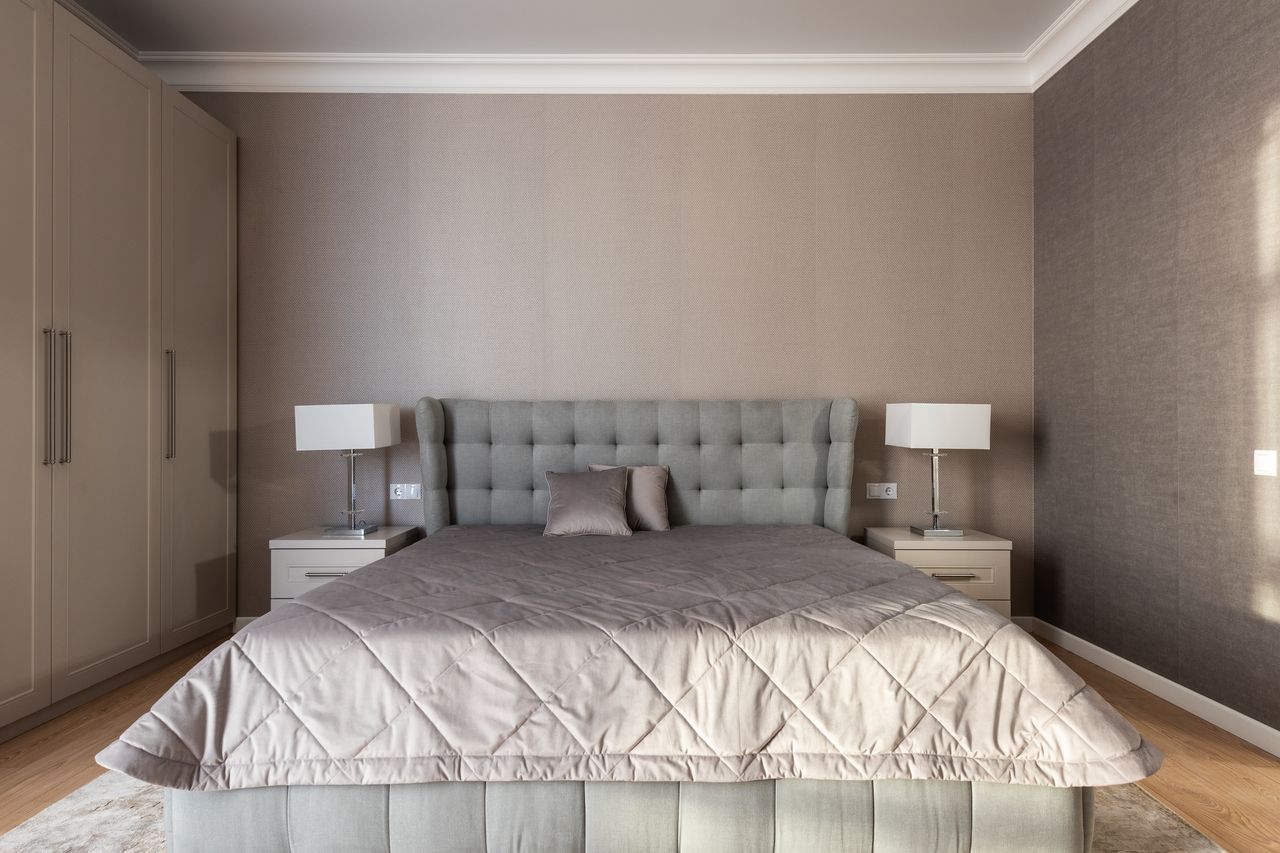
A gray bedroom with matching bedside tables and lamps on both sides of the bed. Photo via Pexels (free license).
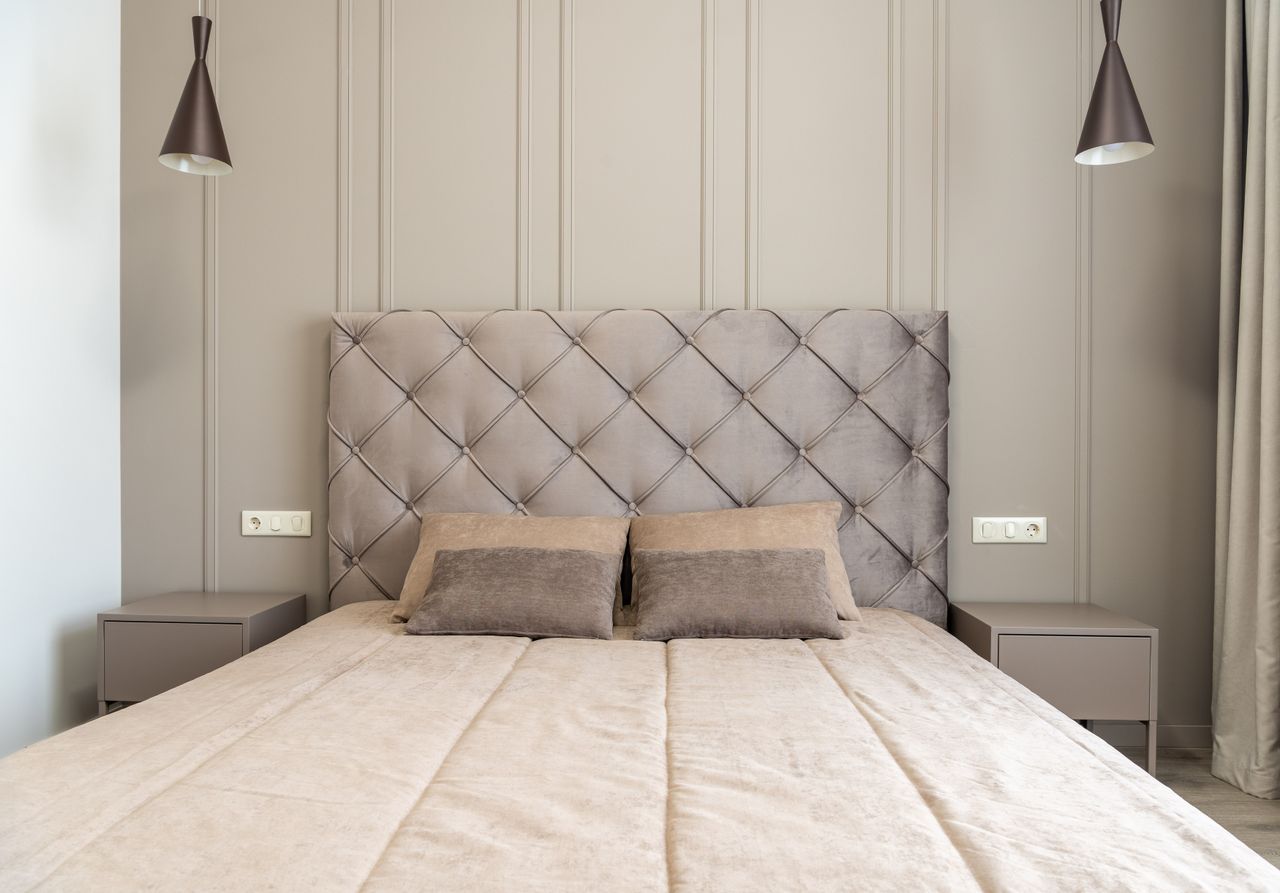
A tall tufted headboard bedroom with two gray bedside tables. Photo via Pexels (free license).
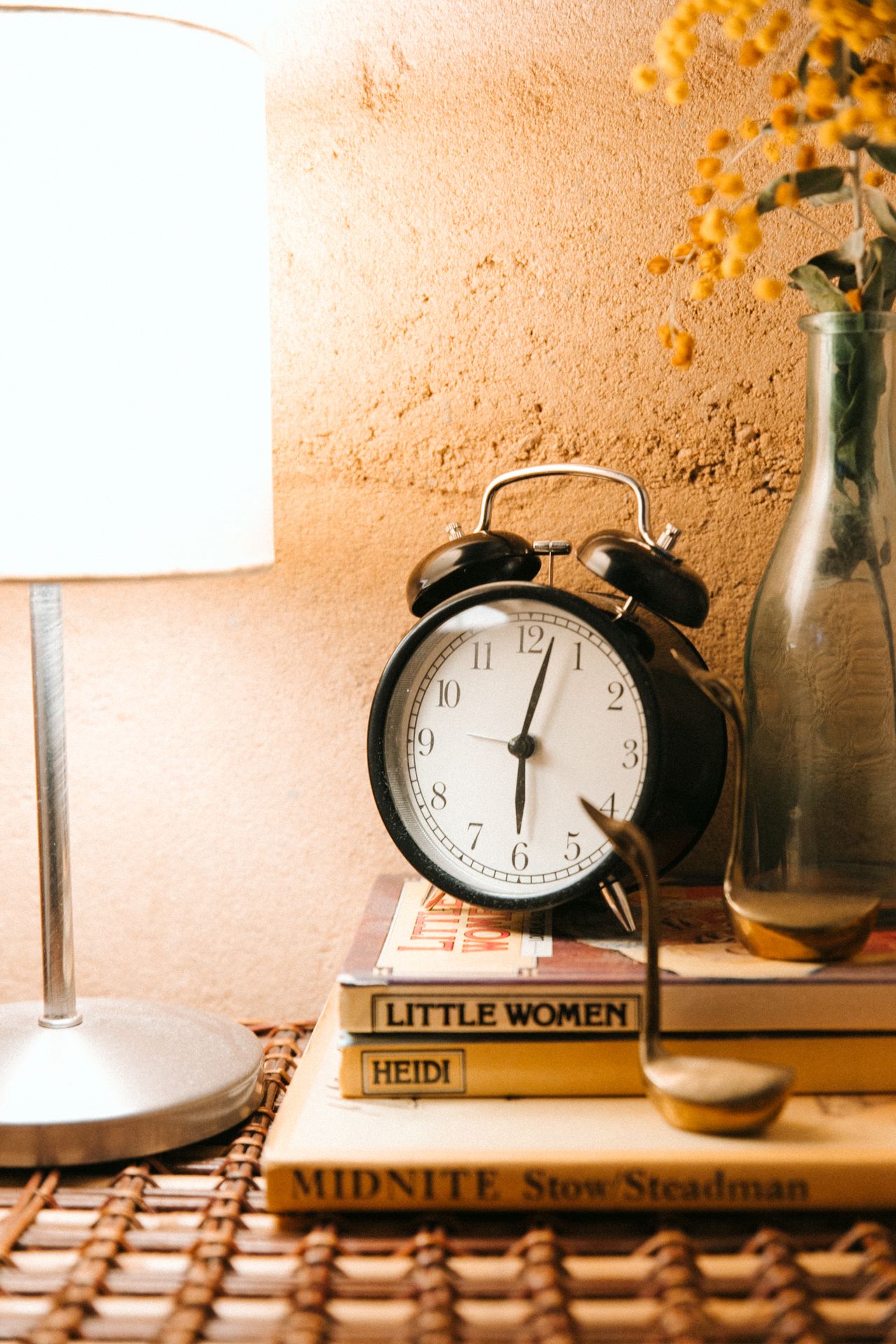
An alarm clock on books beside a lamp on a woven bedside table. Photo via Pexels (free license).

No comments:
Post a Comment