If you are wondering about the bitumen driveway cost in Canada, you are not alone. A driveway is one of the first things people see when they visit your home, and in our climate it takes a real beating from frost, snowploughs and road salt. Knowing what you might pay before you call a contractor saves you from surprise bills.
This guide breaks the price down into 10 simple facts. You will learn what bitumen is, what drives the price up or down, how our winters affect the bill, and how to get fair quotes. Everything is in Canadian dollars and metric units, so you can plan with confidence.
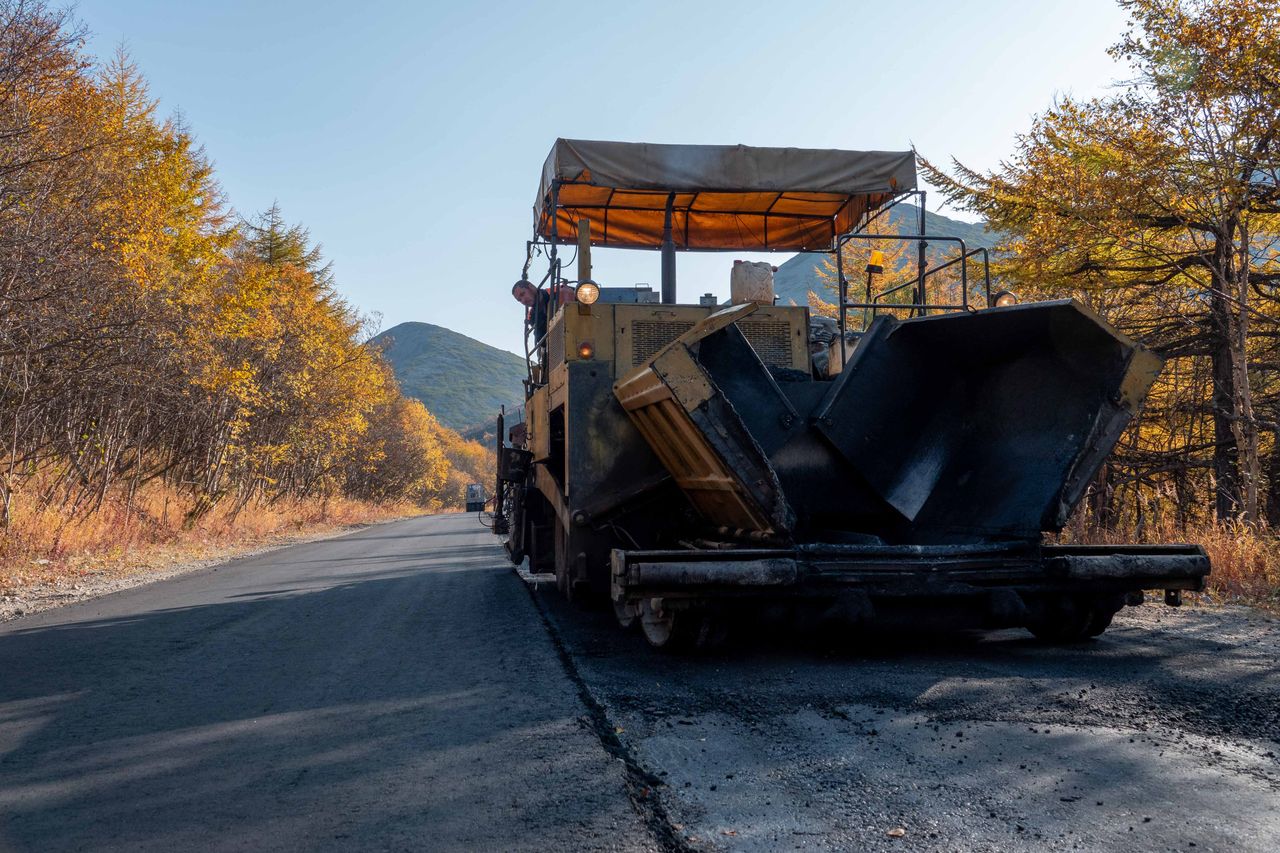
Table of Contents
- 1. What Bitumen Actually Is
- 2. Typical Price Per Square Metre
- 3. Why Driveway Size Matters Most
- 4. New Build Versus Resurfacing
- 5. Crack Repair and Sealing Costs
- 6. Asphalt Versus Concrete Versus Pavers
- 7. The Price of Long Rural Driveways
- 8. Winter Damage and Snow Clearing
- 9. Base Preparation and Drainage
- 10. Getting Quotes and Timing the Job
- Frequently Asked Questions
1. What Bitumen Actually Is
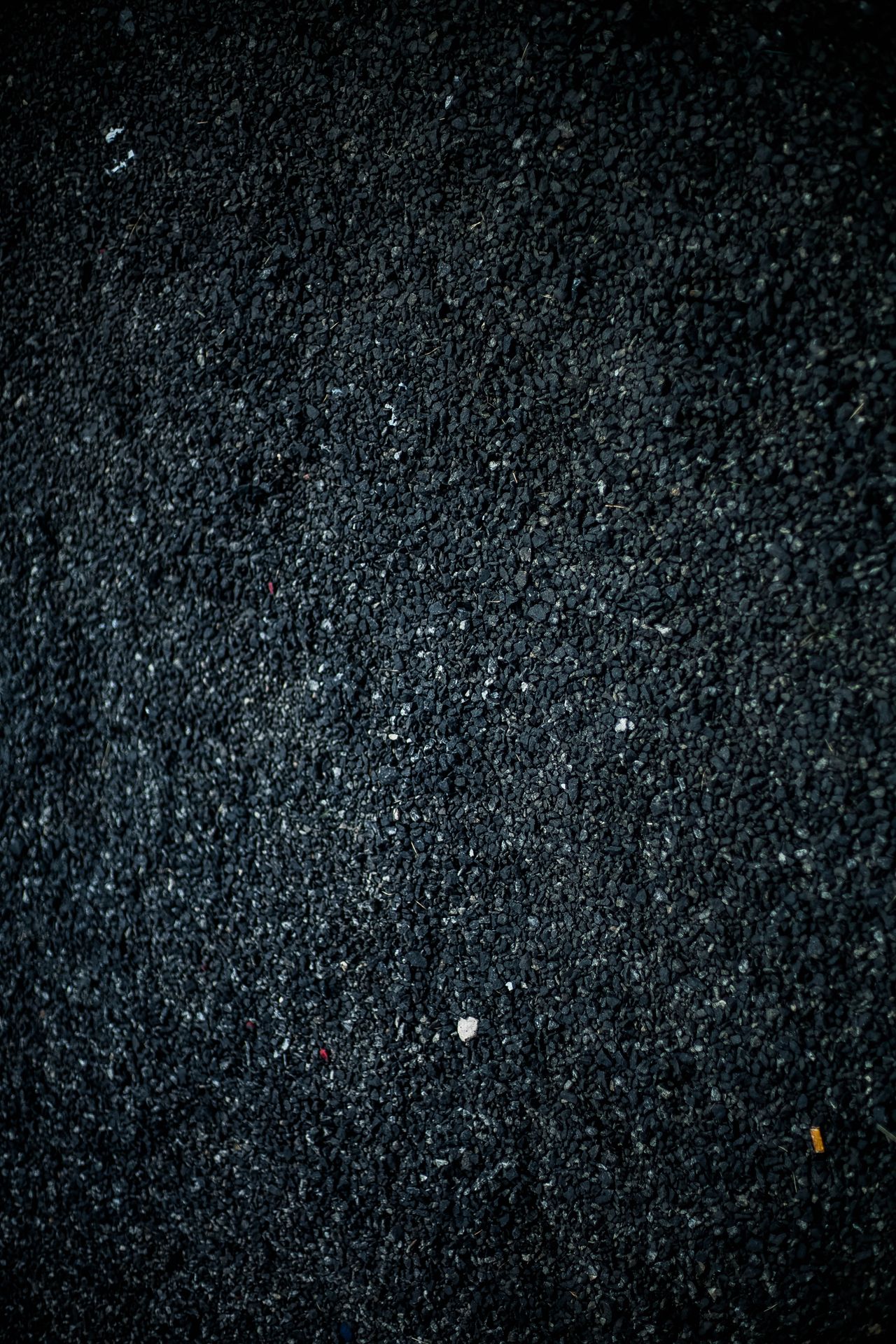
Bitumen is the sticky black binder that holds asphalt together. Think of it as the glue: crushed stone and sand are mixed with hot bitumen at about 150°C, and that mix is what pavers spread on your driveway. In Canada we usually just say "asphalt," but bitumen is the ingredient that makes it flexible enough to survive our freeze-thaw cycles.
This flexibility is why asphalt suits our climate. A rigid surface cracks badly when the ground heaves in winter, but bitumen gives the mix a little stretch. That is also why a well-built asphalt driveway in Ontario or Alberta can last 15 to 20 years with basic care.
2. Typical Price Per Square Metre
Across Canada, a new asphalt driveway usually costs between $45 and $75 per square metre, including labour and materials. A standard double-car driveway of about 55 square metres therefore lands between $2,500 and $4,100 for a straightforward job on flat ground with easy access.
Prices run higher in big cities like Toronto and Vancouver, where labour and disposal fees are steep. In smaller towns you may find quotes near the low end of the range. Always get at least three written quotes so you can see the real going rate in your area.
3. Why Driveway Size Matters Most
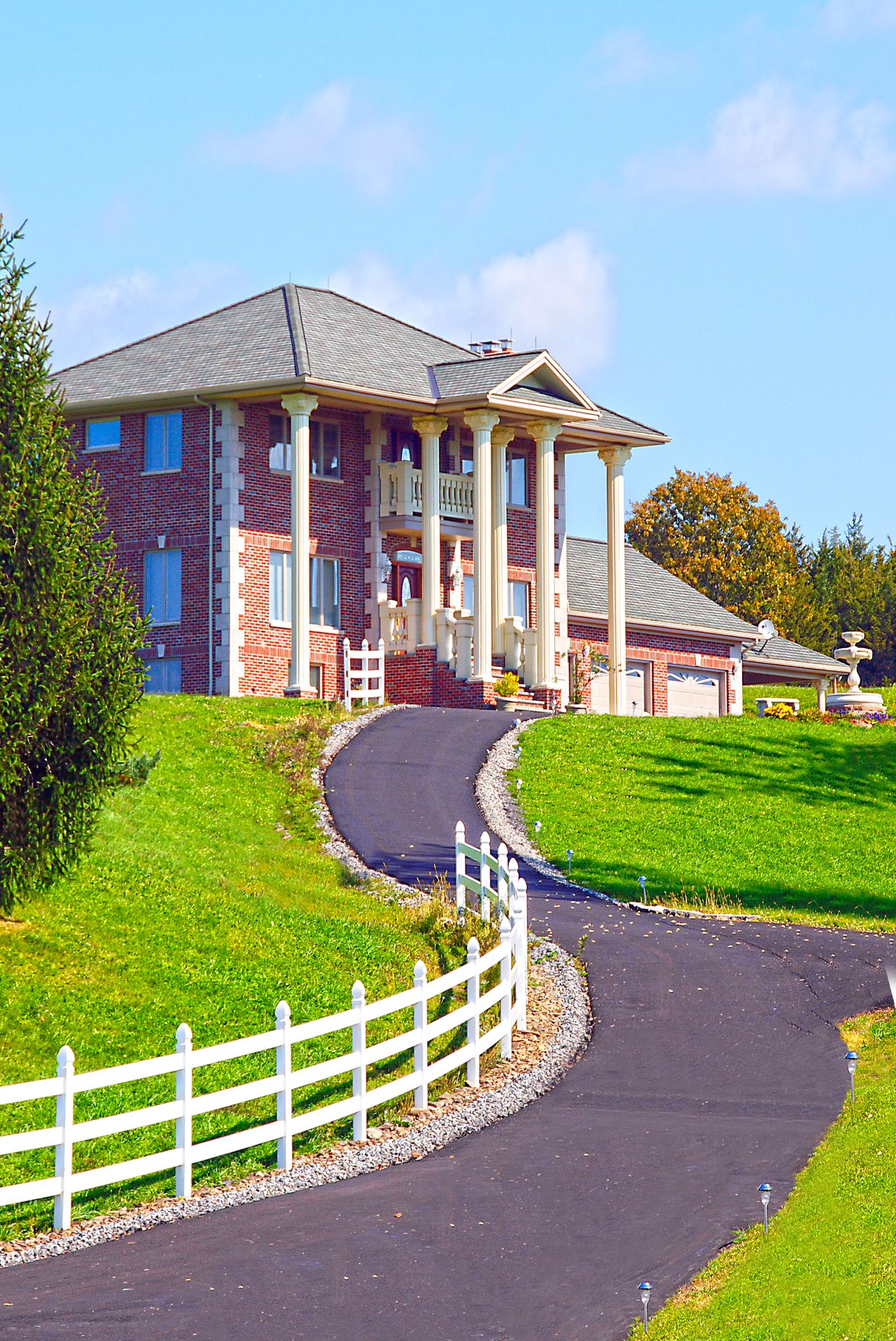
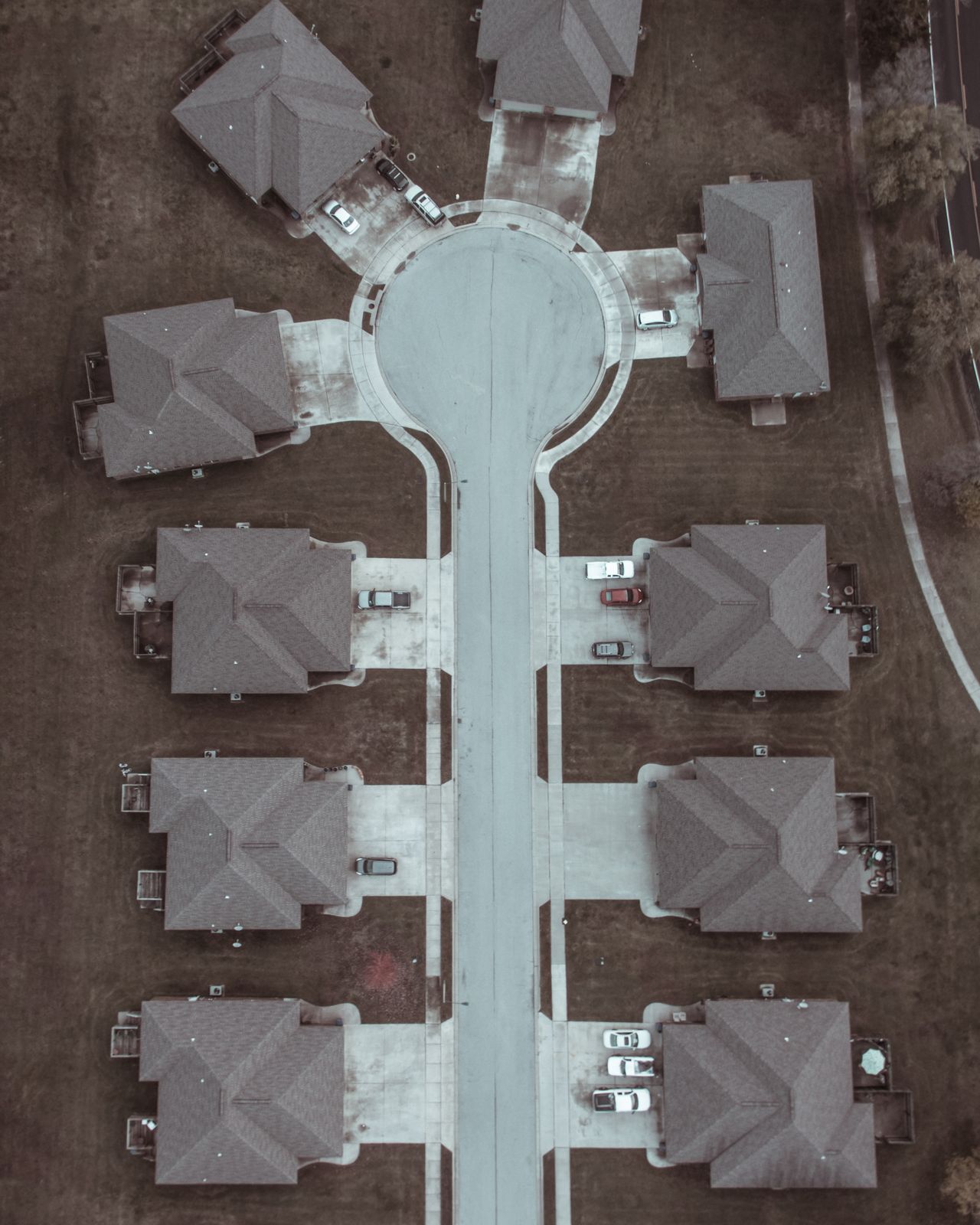
Size is the single biggest factor in your final bill. Contractors price by the square metre, so a single-car driveway of 30 square metres costs roughly half of a double at 60. Measure your length and width in metres, multiply them, and you have the number every quote will be based on.
Do not forget the apron where the driveway meets the street, plus any widened parking pad beside the garage. These extras can add 10 to 15 square metres that homeowners often miss when budgeting. A tape measure and five minutes will keep your estimates honest.
4. New Build Versus Resurfacing
A full new build means excavating the old surface, fixing the gravel base and laying two fresh layers of hot asphalt. Resurfacing, also called an overlay, skips the excavation: the crew cleans the old driveway, fixes soft spots and lays one new 5 cm layer on top. An overlay usually costs 40 to 60 percent less than starting from scratch.
An overlay only works if the base is still solid. If the old asphalt is crumbling, full of potholes or sinking in places, a new layer will fail within a couple of years. A good contractor will tell you honestly which option suits your driveway, so be wary of anyone who quotes an overlay without inspecting the base.
5. Crack Repair and Sealing Costs
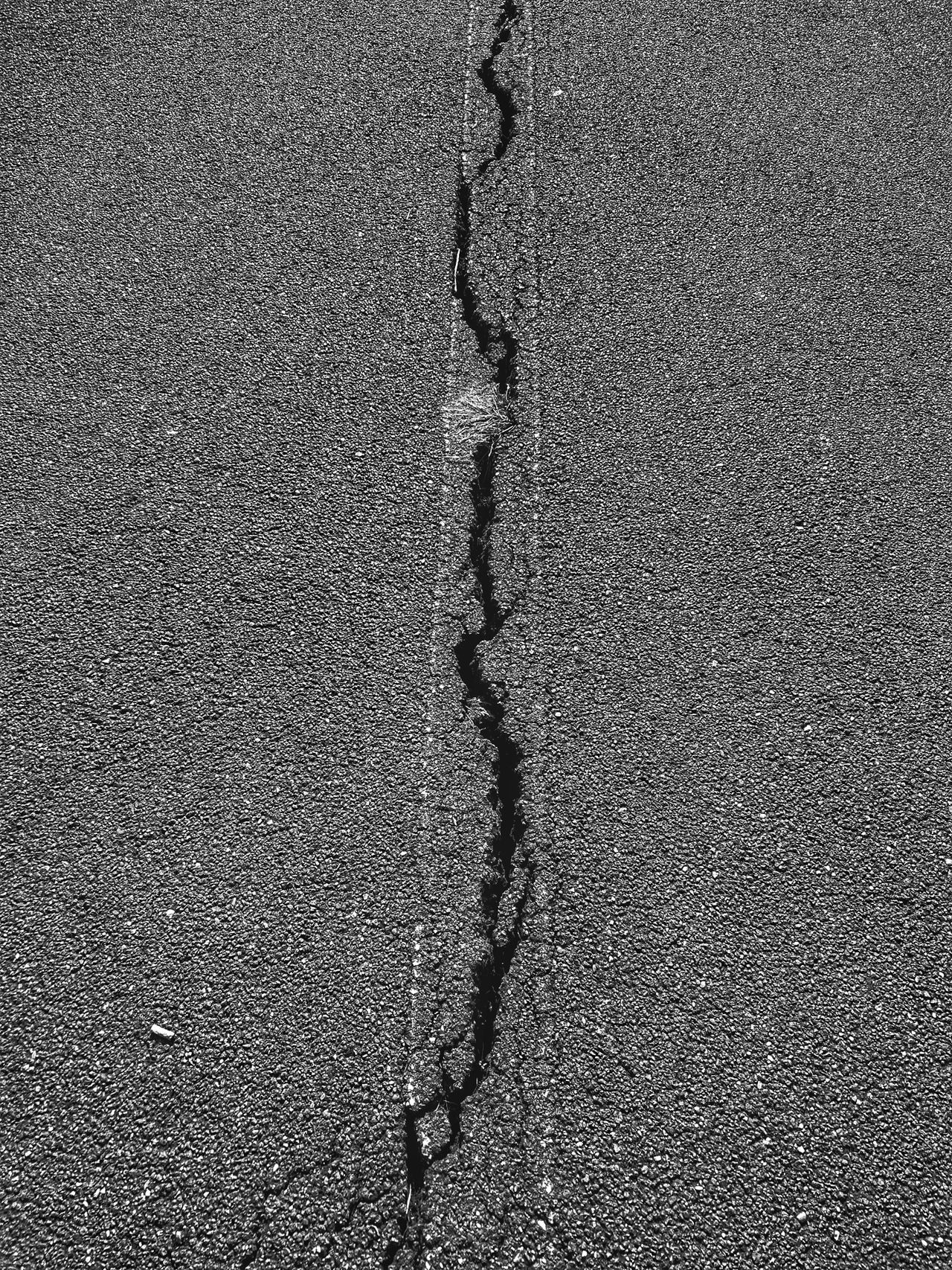
Small cracks are normal as a driveway ages, and fixing them early is cheap. Hot rubber crack filling costs about $1 to $3 per linear metre when done by a pro, and a DIY crack filler tube from the hardware store runs under $15. Fill cracks wider than 3 mm before water gets in and freezes.
Sealcoating protects the surface from sun and water and costs roughly $1.50 to $3 per square metre professionally applied. Plan to seal every two to three years. Skipping it is the most common reason Canadian driveways age fast, because our UV summers and salty winters dry the bitumen out.
6. Asphalt Versus Concrete Versus Pavers
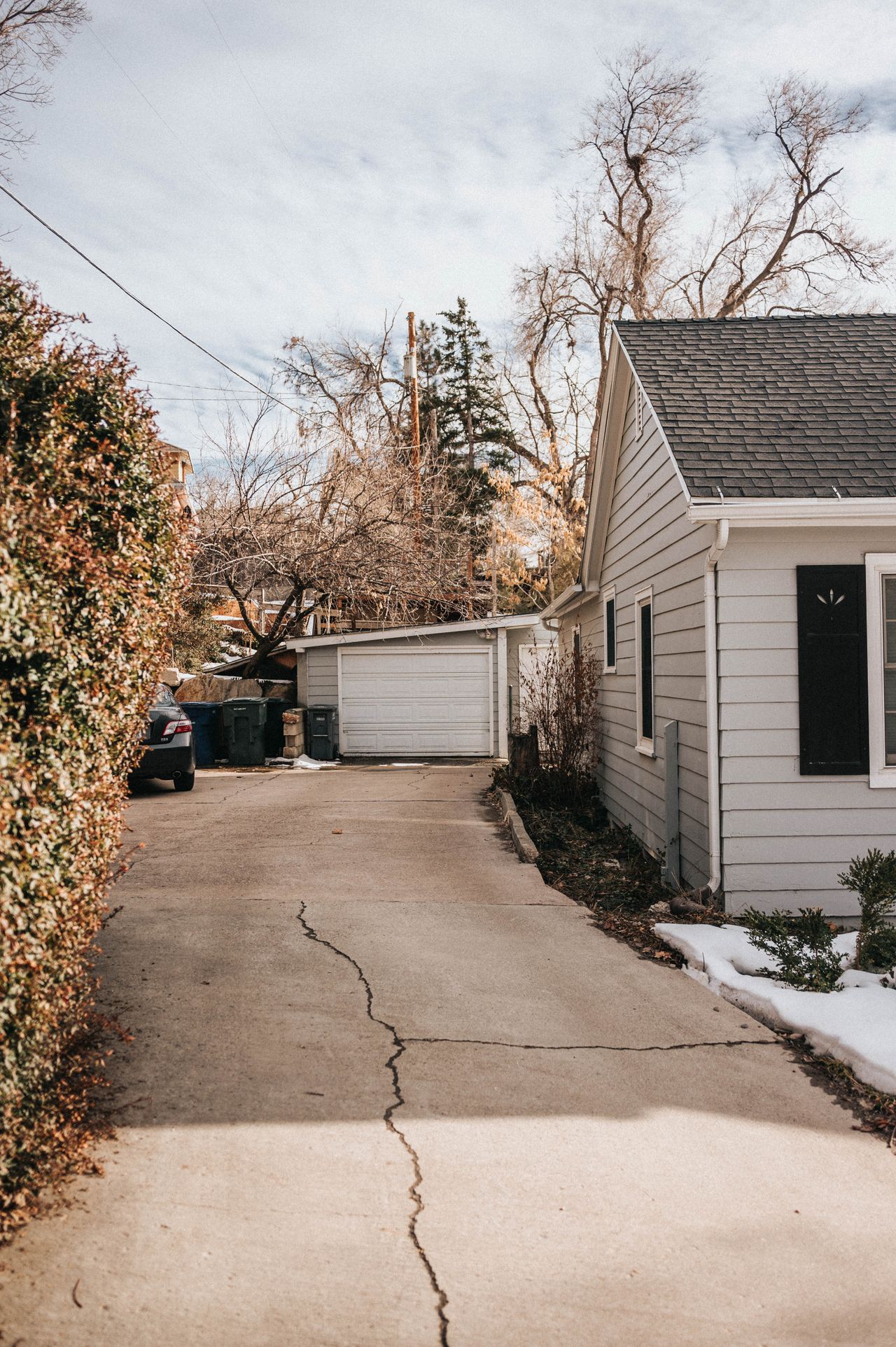
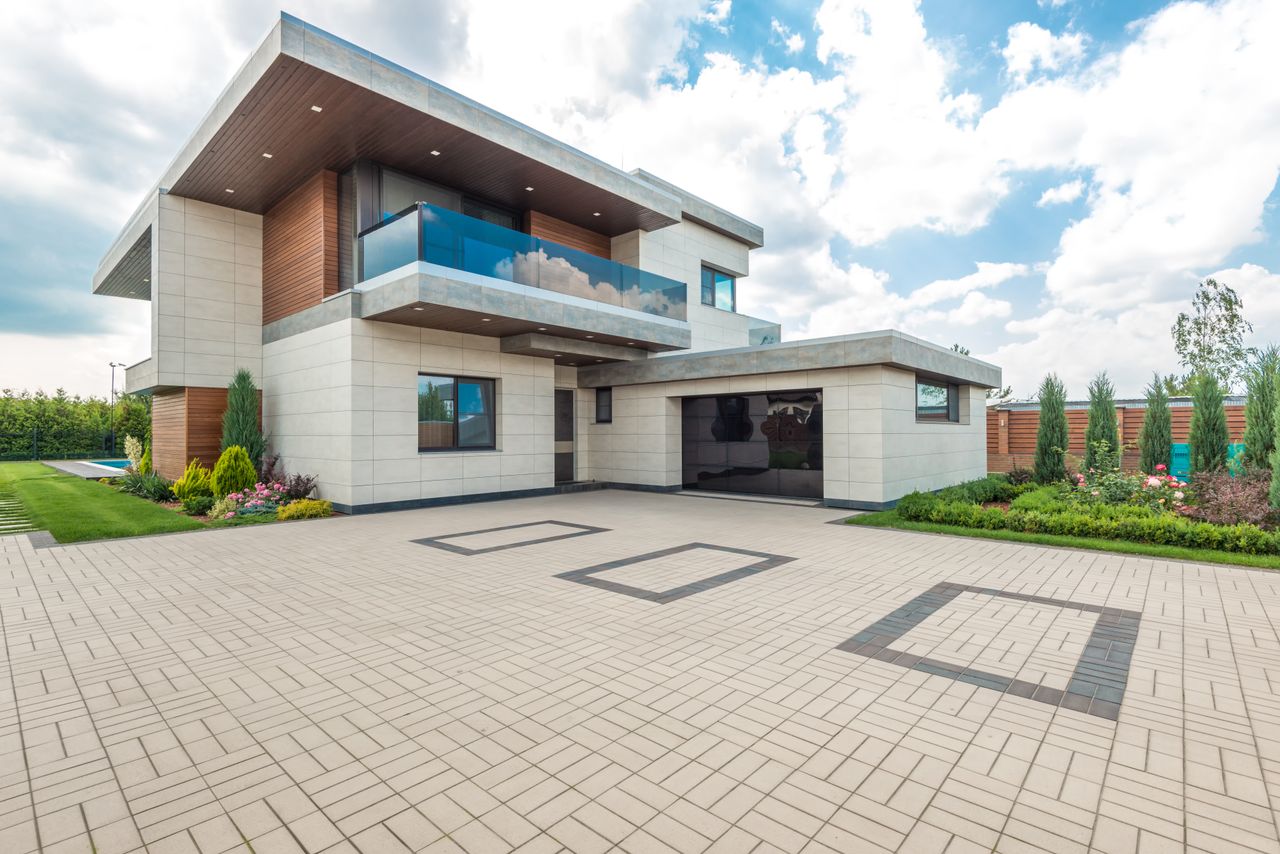
Asphalt is usually the cheapest option upfront, at $45 to $75 per square metre. Poured concrete runs $75 to $120 per square metre, and interlocking pavers start around $100 and can pass $180 for premium stone. If the budget is tight, bitumen wins on day one.
But look at the long term too. Concrete can last 30 years with little care, while asphalt needs sealing every few years. Pavers look beautiful and single stones are easy to replace, yet weeds grow between them and the labour is costly. Match the material to how long you plan to stay in the home.
7. The Price of Long Rural Driveways
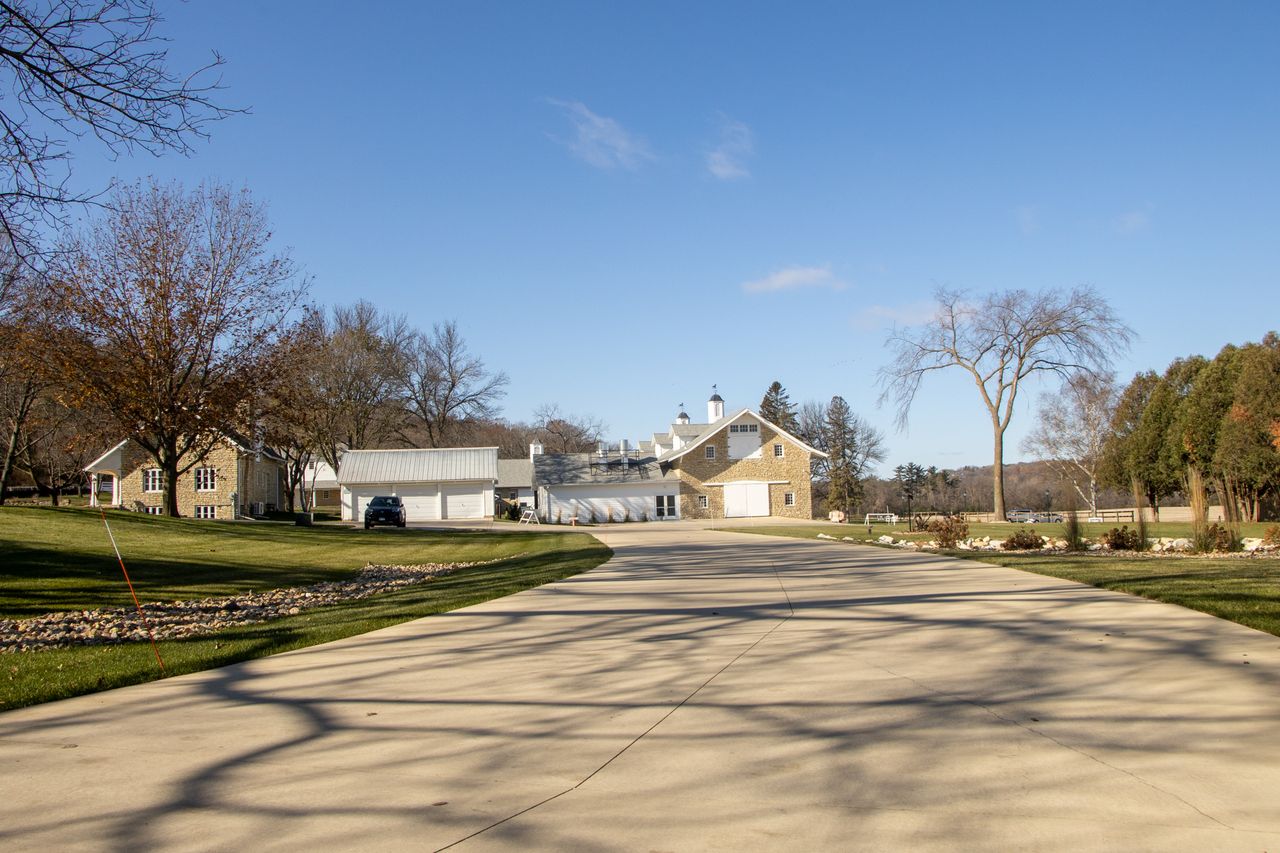
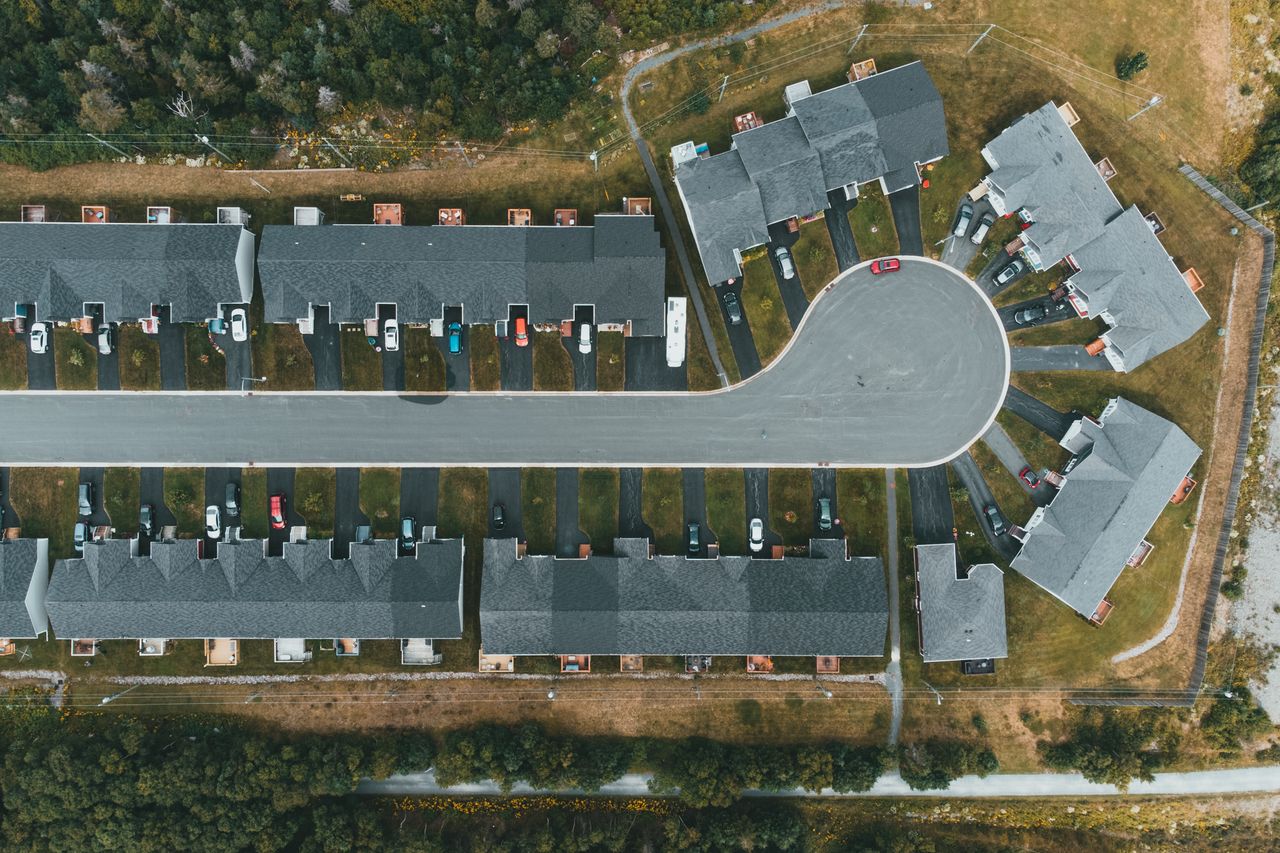
Country properties often have driveways 100 metres or longer, and the maths changes fast. Even at a modest $55 per square metre, a 100 m by 3.5 m lane costs over $19,000. Many rural owners pave only the first 15 to 20 metres near the road and keep the rest as well-packed gravel.
Access matters too. If trucks cannot reach the site easily, or the ground is soft and needs extra gravel, expect surcharges. Ask the contractor to break the quote into sections so you can see exactly what each stretch costs, then decide where paving truly pays off.
8. Winter Damage and Snow Clearing
Freeze-thaw cycles are the number one enemy of a Canadian driveway. Water seeps into tiny cracks, freezes, expands by about 9 percent, and pries the crack wider each winter. This is why a small crack in October can be a pothole by April.
Use a plastic-edged shovel or a snowblower with the skid shoes set high to avoid gouging the surface. Go easy on rock salt: it melts ice but speeds up surface wear. Calcium chloride works at lower temperatures, down to about −25°C, and is gentler on asphalt. Inside the house, cleaning salt stains off winter floors is the indoor side of the same battle.
9. Base Preparation and Drainage
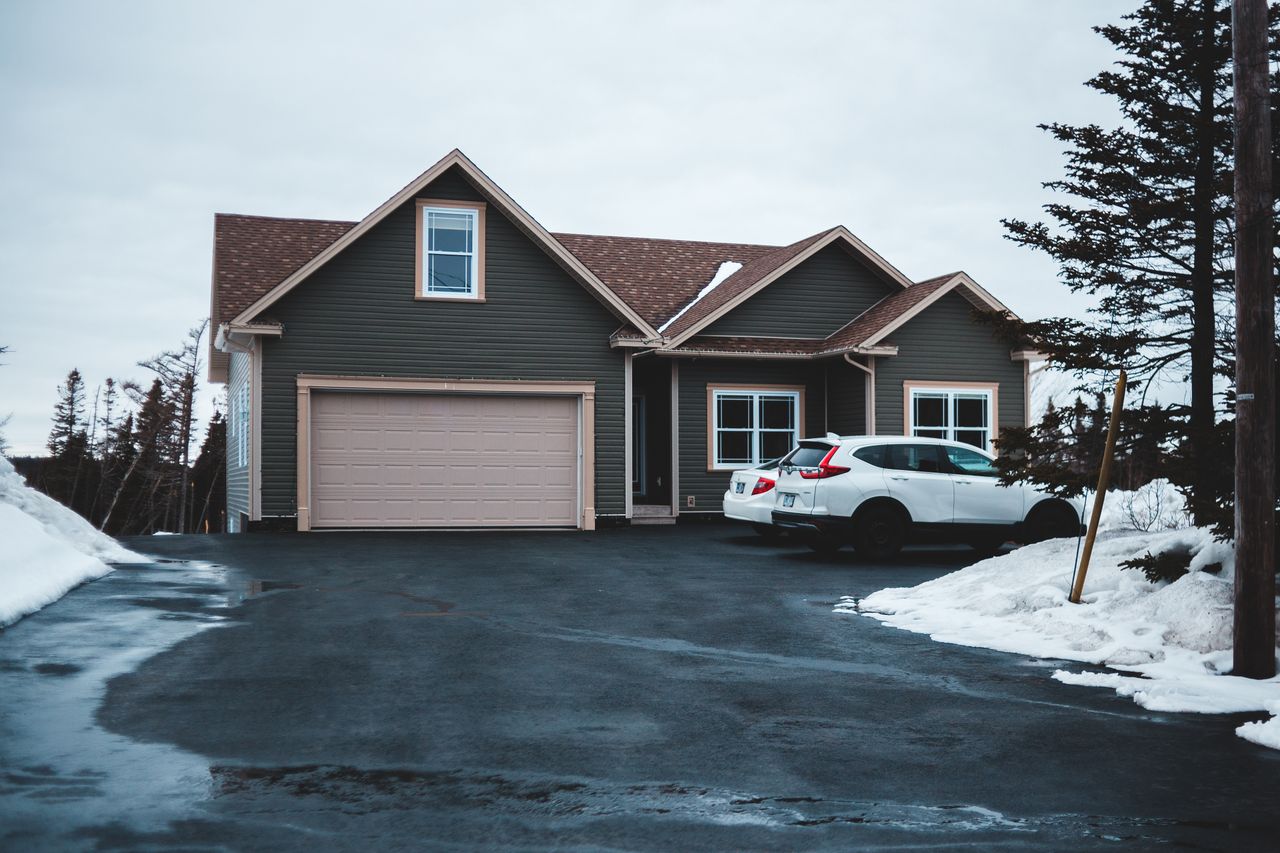
What lies under the asphalt decides how long it lasts. A proper job needs 15 to 20 cm of compacted crushed gravel on firm soil. Skimping on the base is the classic reason a cheap driveway ruts and sinks within three years, so ask every bidder how thick their base will be.
Drainage matters just as much. The surface should slope about 2 percent away from your garage and house so water runs off instead of pooling. If your yard is flat or the water table is high, budget extra for a French drain or regrading. Good drainage also protects your landscaping plans around the driveway edges.
10. Getting Quotes and Timing the Job
Get three written quotes and compare them line by line: excavation depth, base thickness, asphalt thickness, and warranty. A quote that is far cheaper than the others usually means a thinner base or a single thin layer of asphalt. Ask for references from jobs done at least three winters ago.
Book for late spring or early autumn. Asphalt needs air temperatures above about 10°C to compact properly, so summer is peak season and prices are highest. Early autumn often brings better rates, and the crew can still work comfortably before the first hard frost.
Frequently Asked Questions
What is the average bitumen driveway cost in Canada?
Most homeowners pay $3,500 to $8,000 for a standard double driveway. The exact number depends on size, base condition, drainage needs and your city.
How long does an asphalt driveway last in Canada?
About 15 to 20 years with regular sealing and crack repairs. Without maintenance, expect closer to 10 years before major work is needed.
Is asphalt cheaper than concrete for a driveway?
Yes. Asphalt usually costs 30 to 40 percent less upfront than poured concrete, though concrete lasts longer with less maintenance.
Can a driveway be paved in winter?
No. Hot asphalt needs air temperatures above roughly 10°C to compact and bond properly, so paving season runs from late spring to mid-autumn.
How often should I sealcoat my driveway?
Every two to three years. Fresh sealcoat restores the black colour and shields the bitumen from sun, water and road salt.
Final Thoughts
To sum up, the bitumen driveway cost depends on size, base work, drainage and timing more than on the asphalt itself. Measure your driveway, get three detailed quotes, and do not let anyone pave over a failing base. A little homework now buys you a smooth surface for the next 15 winters.
Sources
- Canada Mortgage and Housing Corporation – cmhc-schl.gc.ca
- HomeStars – homestars.com
Gallery

No comments:
Post a Comment