Warm colors, handmade textures, and patterns with real history behind them — that is the heart of African boho living room ideas. This style mixes the relaxed, layered feel of bohemian decor with the rich craft traditions of Africa: mudcloth from Mali, kente cloth from Ghana, woven baskets, carved wood, clay, and leather. The result is a living room that feels cozy, personal, and full of life, never cold or plain.
The good news is that you do not need to redo your whole room. The style works in layers. Start with a calm, earthy base like a cream or sand-colored sofa, then add one or two strong handmade pieces at a time. If your sofa is light, our guide to cream couch living room ideas is a great place to plan the base first. Below are 10 simple ideas, each with sizes, prices, and honest tips, so you can build the look step by step.
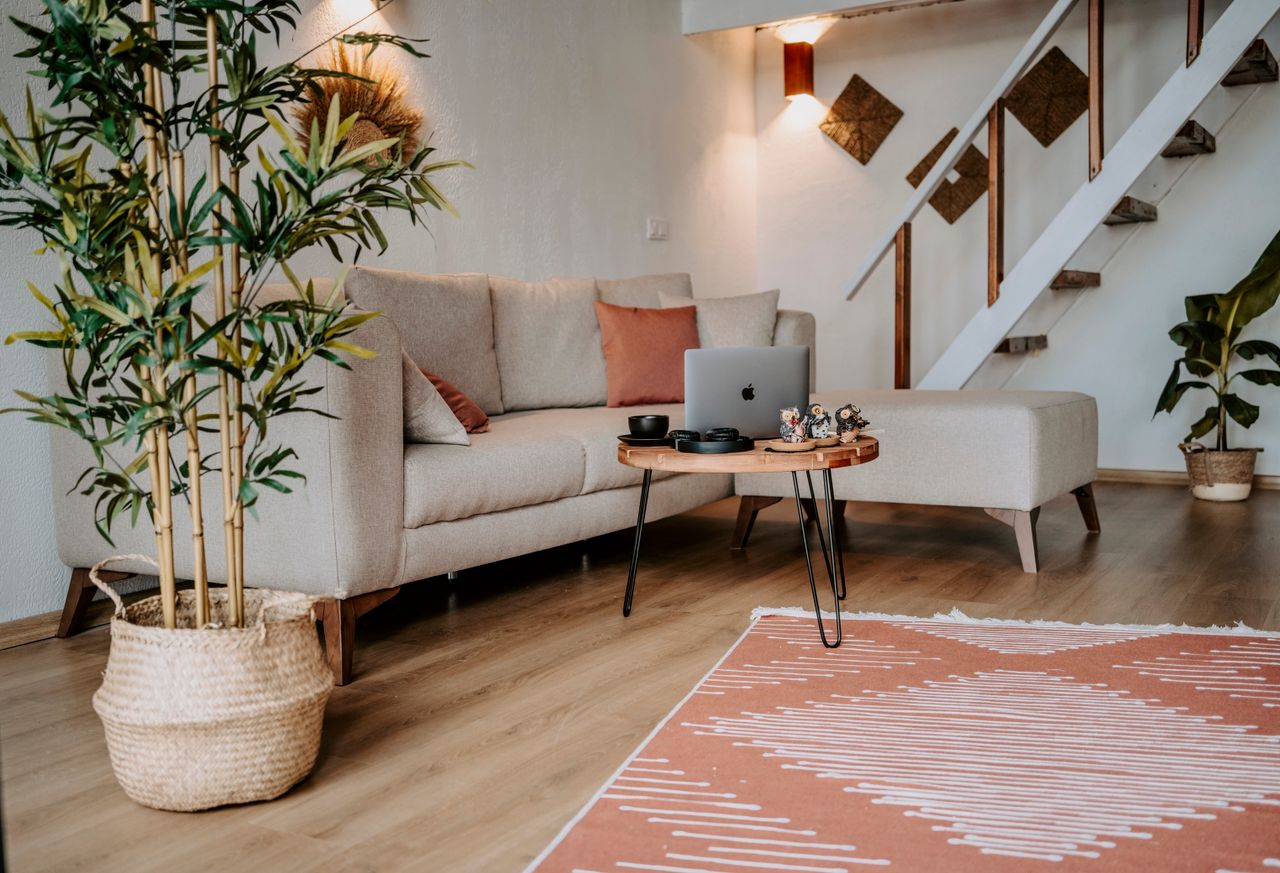
Photo via Pexels
Table of Contents
- 1. Mudcloth Cushions on the Sofa
- 2. A Kente Cloth Throw for Bold Color
- 3. A Wall of Woven Baskets
- 4. A Rattan Accent Chair in a Green Corner
- 5. A Carved Wooden Stool as a Side Table
- 6. Carved Masks as Wall Art
- 7. Leather Poufs for Extra Seating
- 8. African Art With a Woven Pendant Light
- 9. Handmade Clay Pots and Vases
- 10. Macrame and Woven Wall Hangings
- Frequently Asked Questions
- Final Thoughts
1. Mudcloth Cushions on the Sofa

Photo via Wikimedia Commons
Mudcloth, called bogolan or bogolanfini in Mali, is one of the most loved textiles in this style. It is made from handwoven cotton strips that are sewn together and then painted with fermented mud by Bamana women artists. The black, white, and earthy brown patterns are not random. Many of the marks carry meanings, like proverbs and stories, so each cloth has a real history behind it.
On a sofa, mudcloth works best as cushion covers. Use two 18 x 18 inch or 20 x 20 inch covers, plus one long lumbar pillow around 14 x 36 inches. Mix the black-and-white pattern with plain cushions in rust, clay, or cream so the pattern can breathe. Good mudcloth-style covers cost about $25 to $60 each from fair-trade shops and online makers. If you buy real handmade bogolan, treat it gently, because the mud dye can rub off a little at first. Keep it out of strong sun so the deep colors stay rich.
2. A Kente Cloth Throw for Bold Color

Photo via Wikimedia Commons
Kente is the famous handwoven cloth of the Asante people of Ghana, first woven in the town of Bonwire in the 1600s. Weavers make it in narrow strips, only about 4 inches wide, and then sew the strips together into one large cloth. Every color has a meaning: gold stands for wealth and status, green for growth and renewal, red for passion and sacrifice, and blue for peace and harmony. It was once worn only by kings and for big ceremonies, so it is a cloth with deep respect around it.
In a living room, a little kente goes a long way. Fold a kente throw over the arm or back of your sofa, or hang a single panel on the wall like art. The bright gold, green, and red will warm up a plain room in seconds. Cotton kente-style throws cost about $40 to $90. If you can, buy from Ghanaian weavers or fair-trade sellers, so the money goes back to the people who keep this craft alive. Pair kente with plain, quiet colors around it, and let it be the one loud voice in the room.
3. A Wall of Woven Baskets

Photo via Wikimedia Commons
Flat woven baskets make some of the prettiest wall decor in this style. The famous Tonga baskets come from the Binga area of Zimbabwe and Zambia, where women weave them from palm leaves and natural dyes. Each basket has its own pattern of diamonds, zigzags, and circles in soft browns and creams. No two are exactly the same, and that handmade difference is the whole charm.
For a balanced wall, group 5 to 9 baskets in odd numbers. Mix sizes from about 8 inches to 16 inches wide. Lay the group on the floor first and play with the layout until it looks right, then hang each basket on a small nail or picture hook. Start the group about 12 inches above the back of the sofa, and keep 1 to 2 inches of space between baskets. Single baskets cost about $15 to $45 each at fair-trade shops. For more help with grouping art on a big wall, see our living room wall decorating ideas.
4. A Rattan Accent Chair in a Green Corner
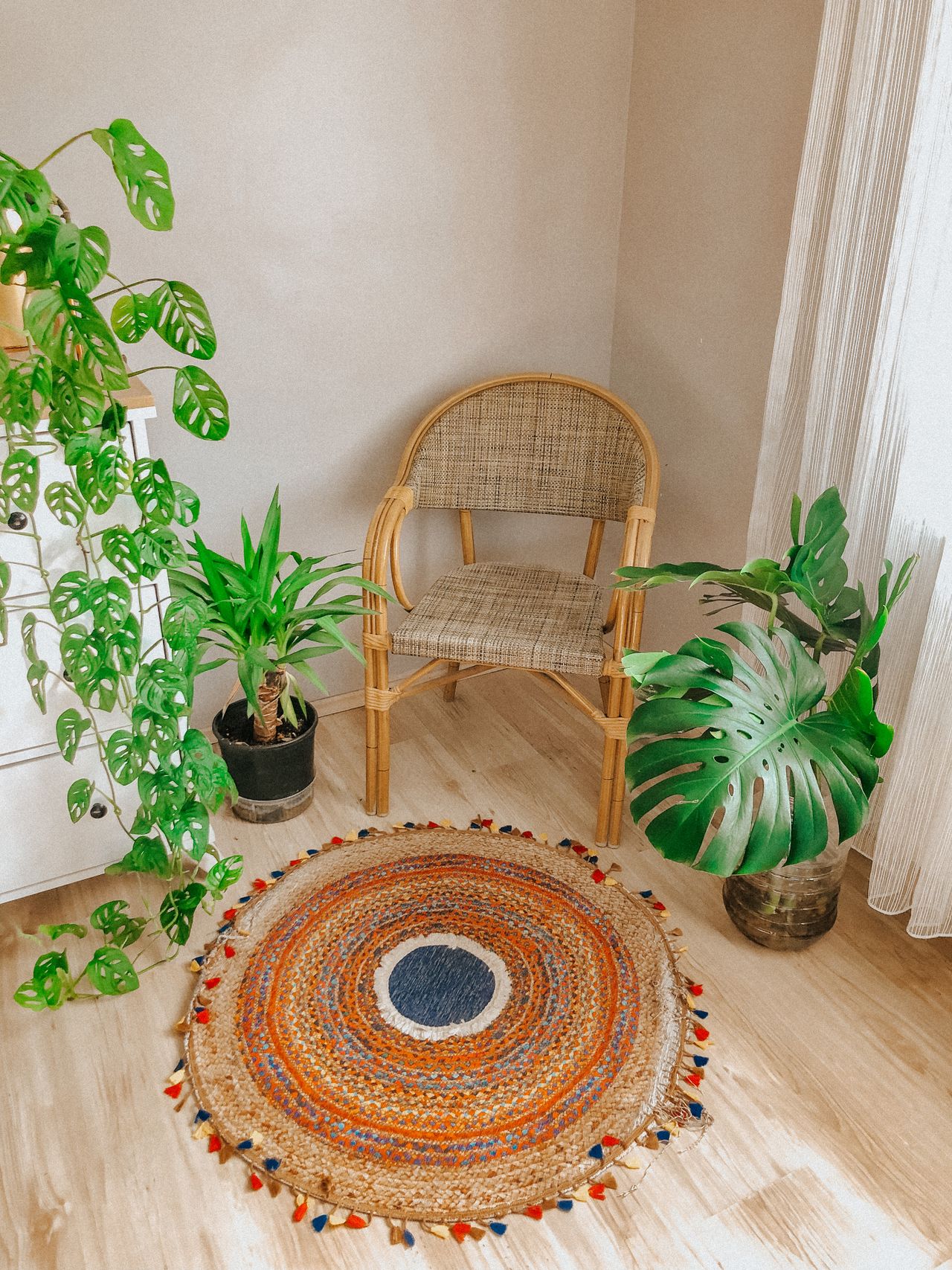
Photo via Pexels
Every warm room needs one soft corner, and a woven rattan or wicker chair makes it easy. Rattan is light, strong, and full of natural texture, so it fits the African boho mix very well. Place the chair at a gentle angle in a corner near a window, add one mudcloth or striped cushion, and it becomes the seat everyone wants.
Finish the corner with plants. A tall plant like a monstera, bird of paradise, or snake plant looks great next to the chair, and the green color is beautiful against terracotta and dark wood. Put smaller plants in woven baskets instead of plain pots to add even more texture. A good rattan accent chair costs about $120 to $300. Look for a seat height of 16 to 18 inches, which is comfortable for most people, and wipe the weave with a damp cloth once a month to keep dust out of the gaps.
5. A Carved Wooden Stool as a Side Table

Photo via Wikimedia Commons
The carved wooden stool in the photo is an Asante stool, called a dwa, from Ghana. Traditionally, each stool is carved from a single block of soft sese wood, with a curved seat resting on a shaped base. In Asante culture the stool is much more than furniture — it is linked to the soul and status of its owner. The Senufo people of Côte d'Ivoire and Mali also carve beautiful stools and small tables from one piece of wood.
Today, stools in these traditional shapes make perfect side tables for a boho living room. Pick one about 16 to 20 inches high and place it next to the sofa or your rattan chair. It can hold a cup of tea, a small plant, or a stack of books, and it works as an extra seat when guests come. Hand-carved stools cost about $80 to $250. Put felt pads under the base to protect your floor, and keep the wood happy with a light rub of natural oil once or twice a year.
6. Carved Masks as Wall Art
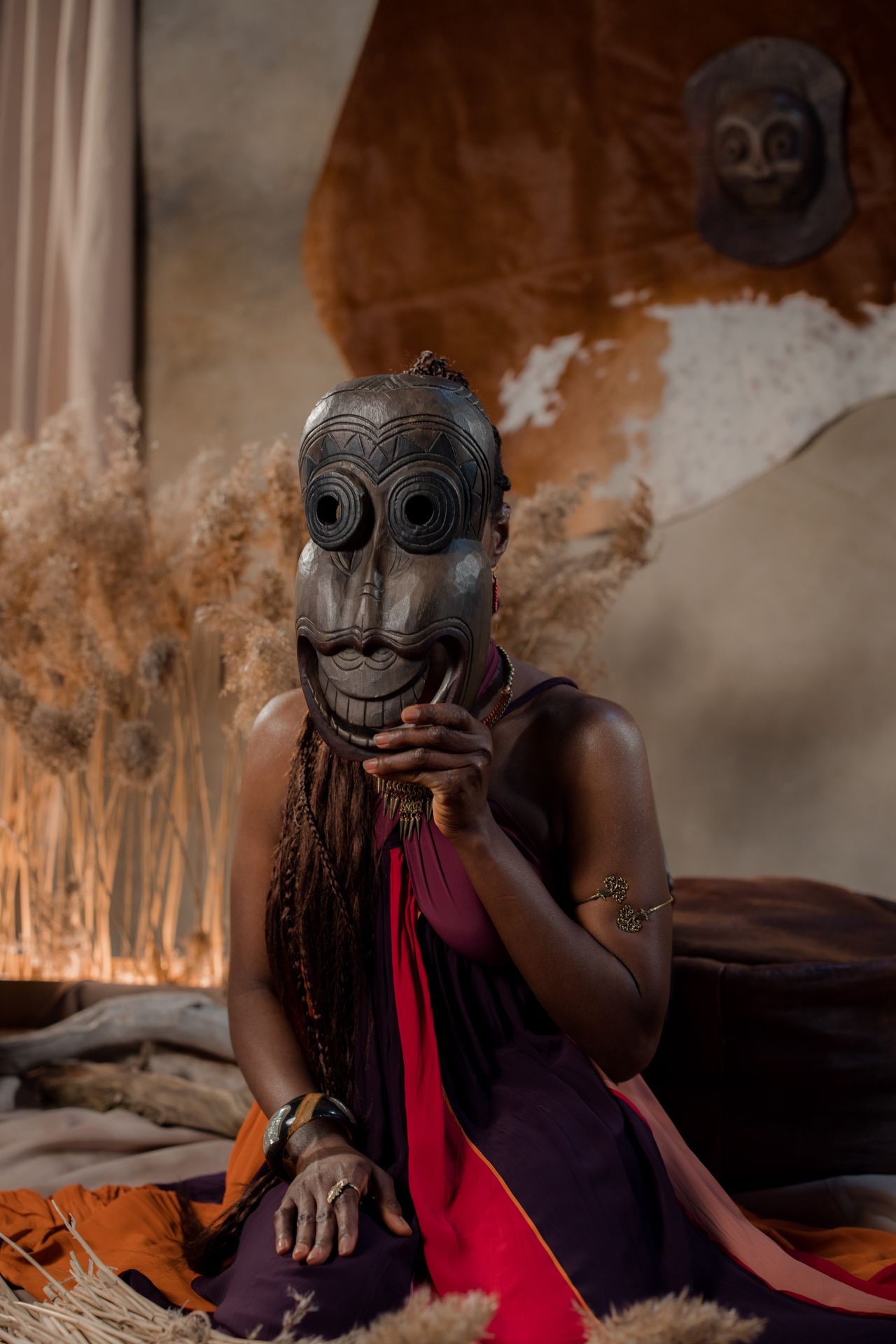
Photo via Pexels
Carved wooden masks are some of the strongest art pieces you can put on a living room wall. Across West and Central Africa, masks have long been made for ceremonies, dances, and storytelling, and the shapes, scars, and patterns carved into them carry cultural meaning. Because of that history, it is best to choose decorative masks that are made today for the home market by working carvers, rather than old ceremonial pieces.
For display, one large mask about 18 to 24 inches tall can hold a whole wall on its own. Or hang a pair with 2 to 3 inches of space between them. Follow the normal art rule and place the center of the piece at about 57 inches from the floor, which is eye level for most people. Dark carved wood looks rich against warm white, clay, or sand-colored walls. Decorative hand-carved masks usually cost about $30 to $120, depending on size and detail. Buy from African artisans or trusted fair-trade shops when you can.
7. Leather Poufs for Extra Seating

Photo via Wikimedia Commons
Round leather poufs come from Morocco in North Africa, where makers cut, stitch, and embroider them by hand. They are soft, low, and friendly pieces that invite people to sit on the floor, rest their feet, or gather close around a coffee table. In a boho room, that relaxed floor seating is a big part of the warm feeling.
Most poufs are about 20 inches wide and 12 to 14 inches high when they are filled firmly. Tan, cognac, and warm brown leather fit this color palette best, and the leather only looks better as it ages. Use one as a footrest in front of the sofa, or keep two stacked in a corner and pull them out when friends visit. A filled, handmade leather pouf costs about $60 to $150. Keep it out of direct sun so the leather does not dry and crack, and wipe spills quickly with a dry cloth.
8. African Art With a Woven Pendant Light
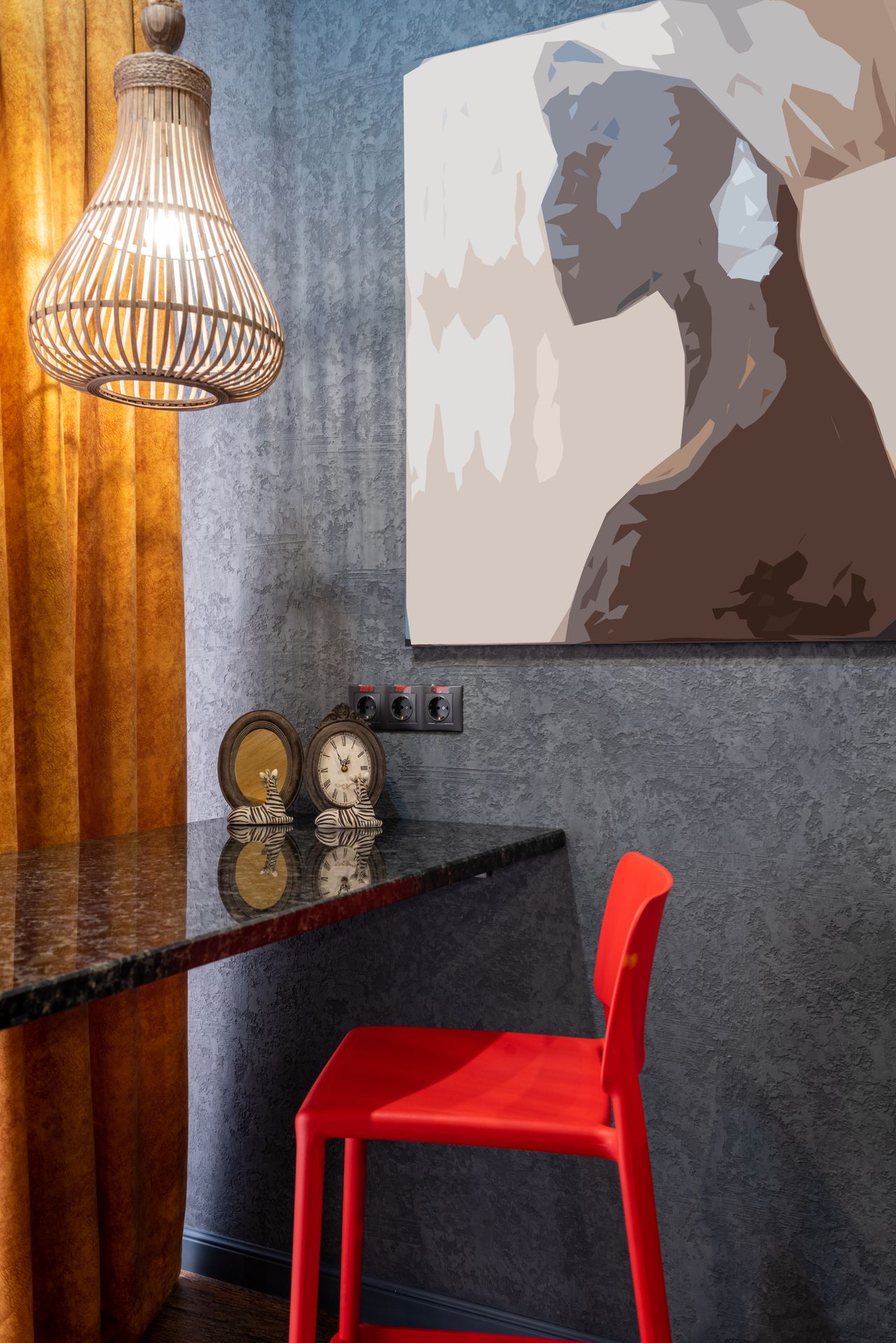
Photo via Pexels
One large piece of art can pull the whole room together. Look for a painting or print that shows African faces, figures, or patterns in warm earthy colors. Hang it above the sofa, and follow the simple size rule: the art should be about two-thirds as wide as the sofa under it. For a 84 inch sofa, that means art around 50 to 56 inches wide, or a pair of smaller pieces that add up to the same width.
Then add a woven pendant light to finish the picture. A rattan, bamboo, or seagrass shade gives soft, warm light and throws pretty shadows on the wall. Hang it over the coffee table area or above a reading corner, with the bottom of the shade about 30 inches above the table. Use a warm bulb, around 2700K, so the light feels like late afternoon sun. Deep wall colors behind the art, like the ones in our chocolate brown living room decor guide, make both the art and the light glow even more.
9. Handmade Clay Pots and Vases
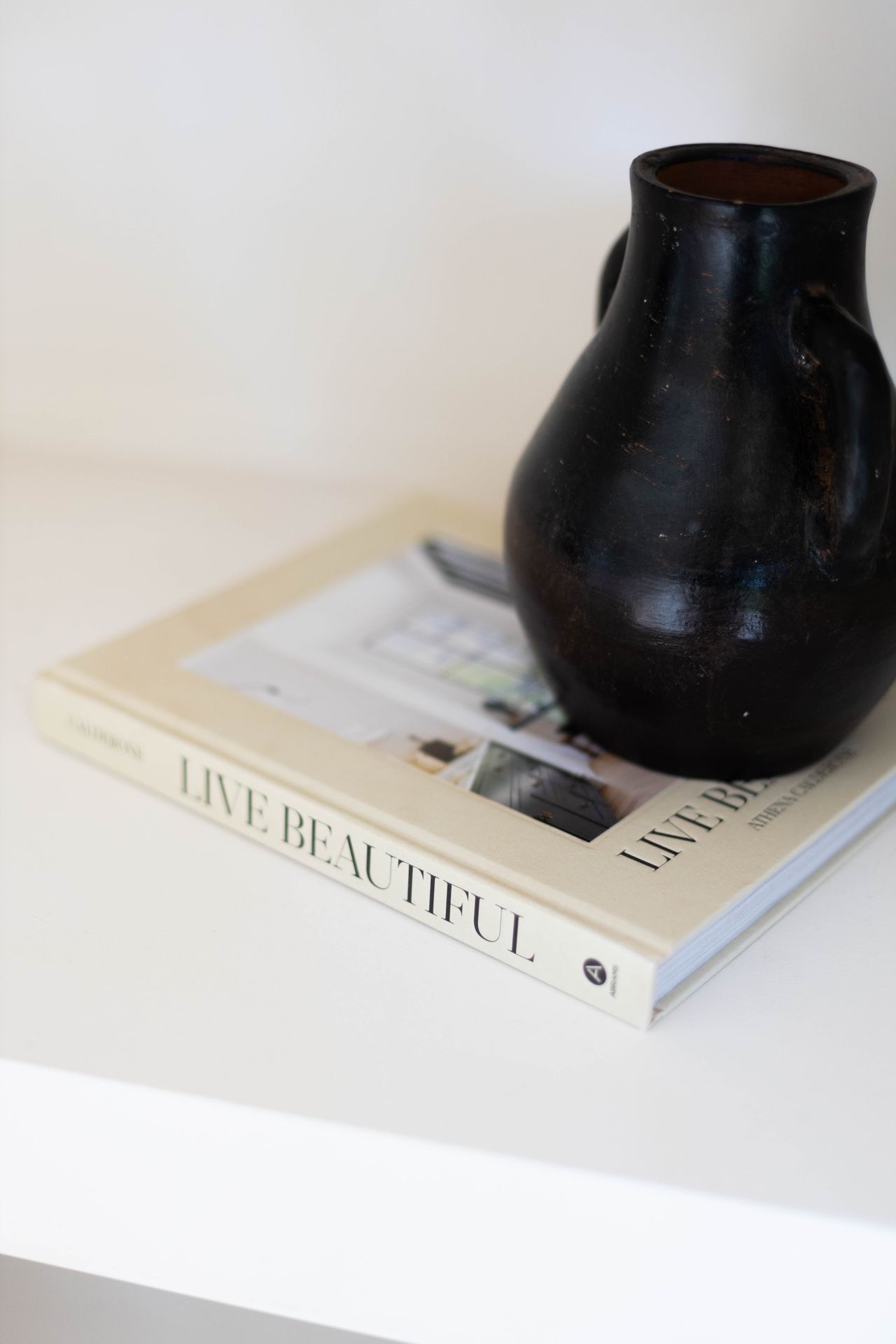
Photo via Pexels
Clay is one of the oldest craft materials in Africa, and handmade pots bring a soft, earthy feeling that factory-made decor cannot copy. Terracotta pots glow in warm orange-brown tones, while black clay pots, polished with graphite or fired in a low-oxygen kiln, have a deep, calm shine. The small bumps and marks from the maker's hands are not flaws. They are the signature of the person who made the pot.
Style clay pieces in groups of three, with different heights, like 6, 9, and 12 inches. Put them on a coffee table, a shelf, or the carved stool from idea 5. Use bigger pots as planters for snake plants or small palms, and stand a tall vase on the floor next to the sofa with dried grasses inside. Handmade clay pots cost about $10 to $45 in most shops. Remember that clay is porous, so always use a saucer or a liner under a watered plant to protect wood surfaces.
10. Macrame and Woven Wall Hangings
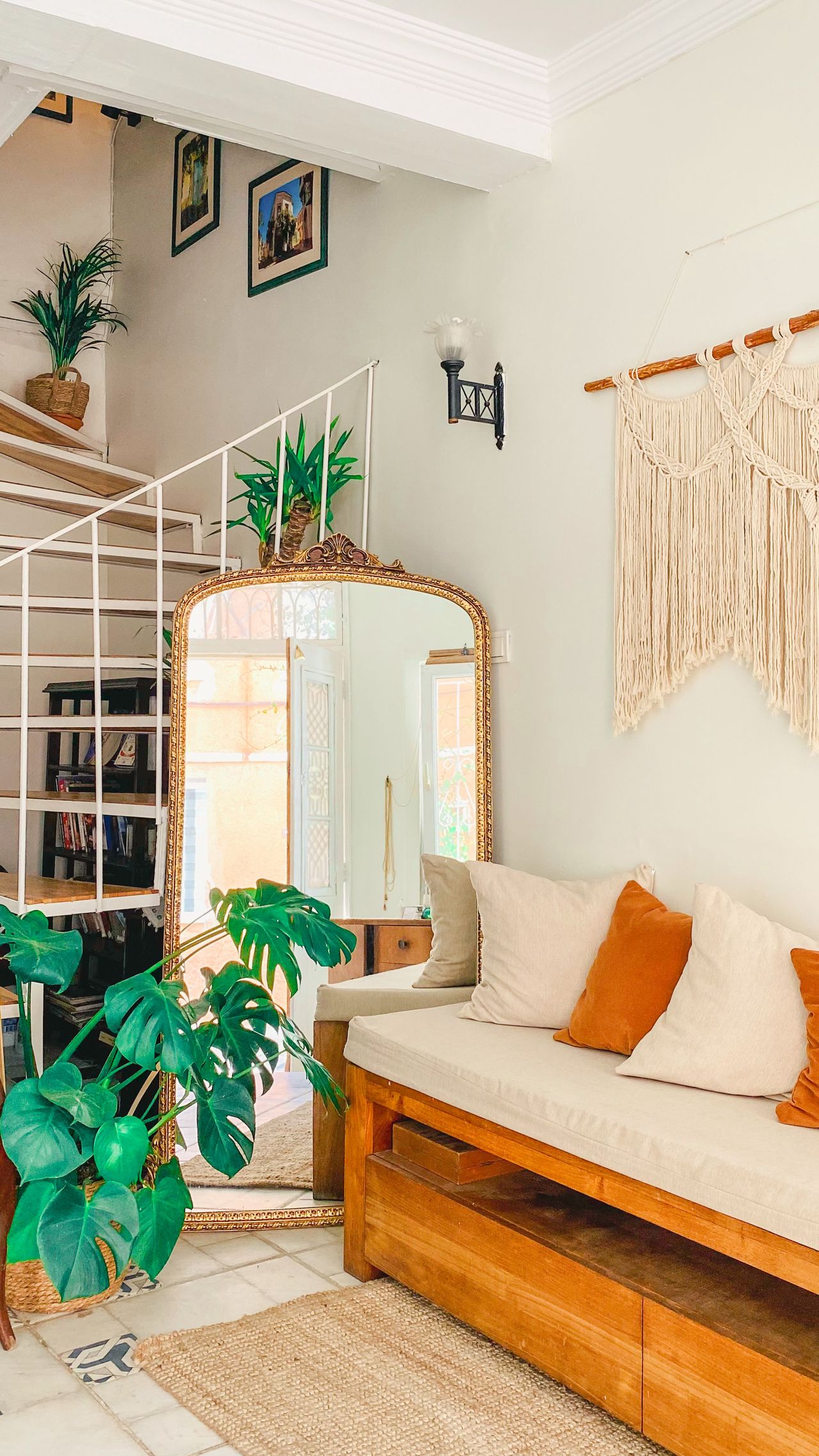
Photo via Pexels
Soft woven hangings add the final layer of texture. Macrame, made by knotting cotton cord by hand, is a classic boho craft, and it sits very happily next to African textiles because both are handmade and full of touchable texture. A cream or natural cotton hanging also gives the eye a rest between bolder patterns like kente and mudcloth.
Hang a macrame piece above the sofa, over a sideboard, or in the entry area of the room. A good width is about two-thirds the width of the furniture below it, and most home hangings are 24 to 48 inches wide. Many are sold on a wooden dowel, so hanging takes one or two small hooks and five minutes. Prices run about $30 to $80. Dust it now and then with a soft vacuum brush, and if the fringe tangles, comb it gently with your fingers. Mixed with baskets on one wall and textiles on the sofa, the room feels complete.
Frequently Asked Questions
What is the African boho style?
It is a mix of relaxed bohemian layering with African craft traditions. Think earthy colors like terracotta, sand, and espresso brown, natural materials like wood, rattan, clay, and leather, and handmade pieces with history, such as mudcloth, kente, woven baskets, and carved stools. The room should feel warm, welcoming, and personal.
Which colors work best in this style?
Start with warm base colors: terracotta, ochre, sand, warm beige, and deep espresso brown. Then add small amounts of strong accent colors like mustard yellow, burnt orange, indigo blue, and forest green. Green plants count as a color too, and they look beautiful against all of these warm tones.
How can I try this look on a small budget?
Spend your money in this order: first, two mudcloth-style cushion covers, about $50 for the pair. Second, three woven baskets for one wall, about $45 to $75. Third, one clay pot with a plant, about $25. That is roughly $120 to $150 total, and it already changes the whole feeling of the room. Add bigger pieces like a carved stool or leather pouf later, one at a time.
How do I use African pieces in a respectful way?
Buy from African makers, African-owned shops, or fair-trade sellers when you can, so the money supports the craft. Learn the short story behind what you buy, like what bogolan patterns mean or why kente colors matter. Choose decorative pieces made for the home, and be careful with items that are sacred or ceremonial to the people who made them. Respect and real craft always look better than cheap copies.
Can this style work in a small living room?
Yes, it works very well in small rooms if you keep the base light and choose fewer, bigger pieces. Use a cream sofa, one basket wall, and two or three strong textiles instead of many small items. Keep the floor as clear as you can, use poufs that can move out of the way, and let one corner hold the plants. The room will feel rich, not crowded.
Final Thoughts
The best African boho living room ideas are not about copying a photo from the internet. They are about building a room slowly, with pieces that were made by hand and carry a story. A mudcloth cushion, a wall of woven baskets, a carved stool from Ghana — each one adds warmth that no plain store-bought decor can match.
Start with just one or two ideas from this list, live with them for a while, and then add the next layer when you are ready. Mix the textures, keep the colors warm, and choose real craft over fast copies. Your living room will soon feel like the coziest seat in the house, for you and for everyone who visits.
Sources
- The Metropolitan Museum of Art — Bògòlanfini (mineral-dyed cloth), Bamana peoples
- Fashion History Timeline, FIT — Bogolanfini
- Wikipedia — Kente cloth
- Brighter Craft — Afro Bohemian Living Room Decor Ideas
- DIY Home U — Afro-Boho Living Room Trend
Gallery

Photo via Wikimedia Commons

Photo via Wikimedia Commons
Photo via Pexels

No comments:
Post a Comment