Getting dressed on a cold morning should not hurt. But for many older adults, stiff fingers, sore shoulders, and aching joints turn buttons, zippers, and heavy coats into a daily battle. Adaptive winter clothing for seniors is designed around those real problems — clothes that look completely normal but open, close, and layer with almost no effort.
This guide walks through 10 practical ideas, from magnetic shirts to seated-fit coats, gathered from caregiver guides, adaptive clothing makers, and real dressing-room experience shared by families online. Every pick keeps one rule first: warmth and dignity, without the struggle.
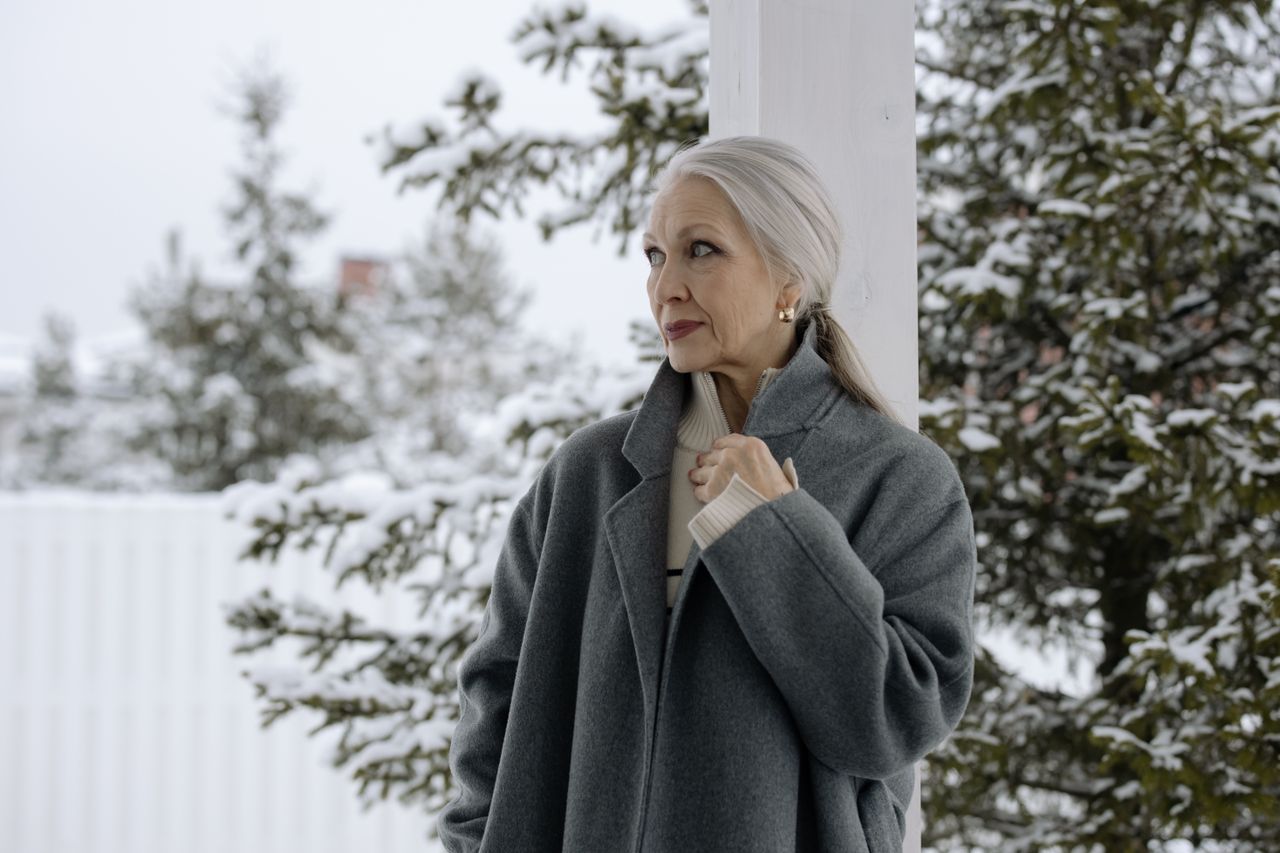
Image via Pexels
Table of Contents
- 1. Magnetic-Closure Shirts and Blouses
- 2. Velcro-Strap Winter Shoes
- 3. Seated-Fit Winter Coats
- 4. Quarter-Zip Fleece Pullovers
- 5. Pull-On Turtleneck Sweaters
- 6. Elastic-Waist Trousers with Side Zippers
- 7. Thermal Base Layers
- 8. Arthritis-Friendly Gloves and Mittens
- 9. Easy Hats and Neck Gaiters
- 10. Gripper Socks for Indoor Safety
- Frequently Asked Questions
- Final Thoughts
- Sources
- Gallery
1. Magnetic-Closure Shirts and Blouses

Image via Pexels
Tiny shirt buttons are the number-one enemy of arthritic hands. Magnetic-closure shirts solve the problem invisibly: small magnets hide behind a normal-looking button placket, so the shirt looks exactly like a classic button-down but snaps shut in seconds. Caregivers online report the same happy result again and again — a parent who needed help every morning starts dressing alone.
Look for machine-washable designs with rust-proof magnets and a little stretch in the fabric, which forgives stiff shoulders. Established makers such as MagnaReady and Joe & Bella sell versions from about $40 to $70 that survive dozens of wash cycles without losing their snap.
2. Velcro-Strap Winter Shoes
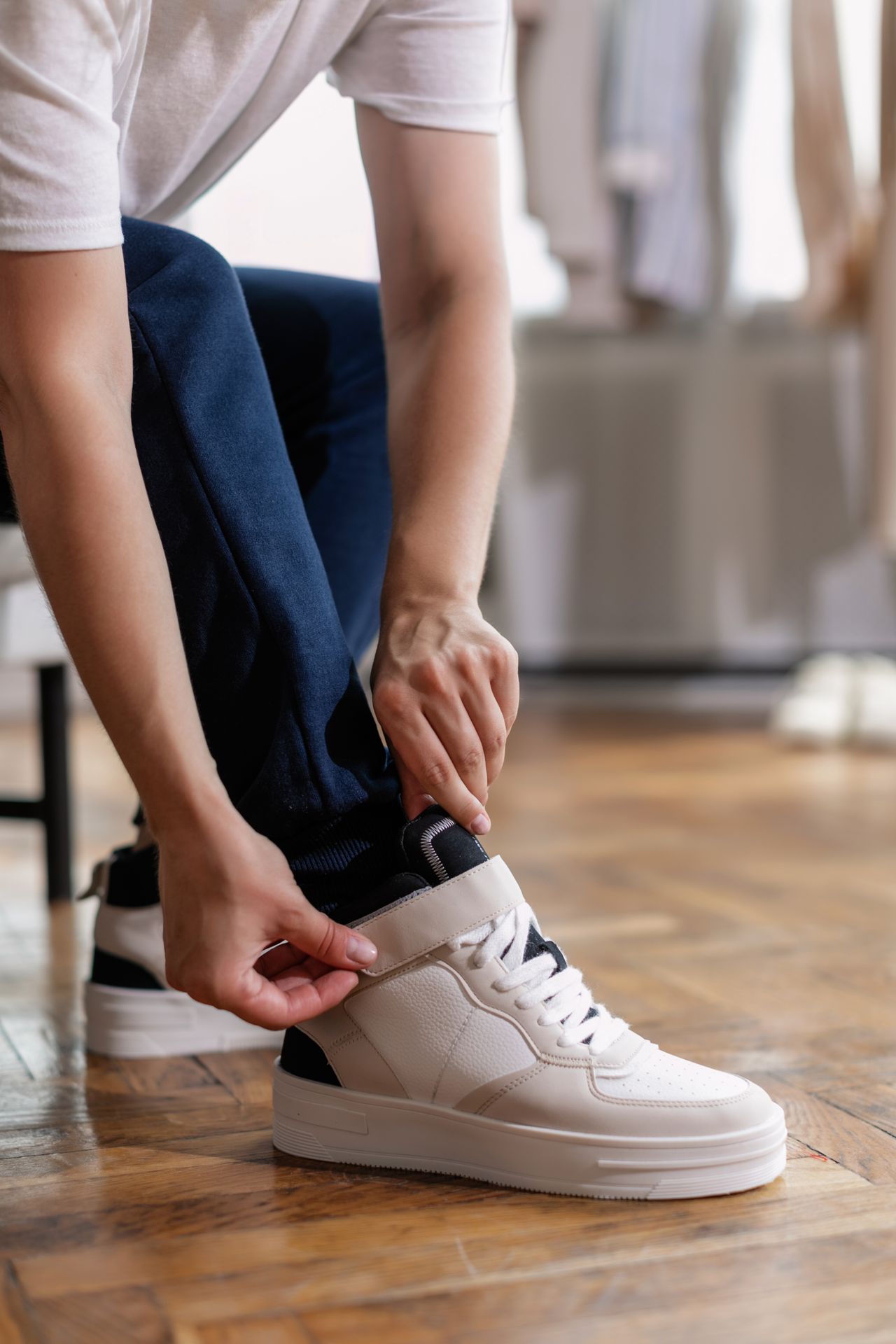
Image via Pexels
Bending down to tie laces is hard on backs, hips, and balance — and in winter, cold stiff fingers make knots nearly impossible. Shoes with wide Velcro straps open fully so the foot slides straight in, then press closed in one motion. They adjust in seconds for swollen feet or thick socks, which matters on cold days when feet swell and layers pile up.
Choose pairs with slip-resistant rubber soles and a slightly raised heel cup for ankle support. (For deep snow and ice, dedicated winter boots are a separate topic — see our comfortable winter boots guide — but for everyday cold-weather errands, a sturdy Velcro shoe covers most days.)
3. Seated-Fit Winter Coats

Image via Pexels
Standard coats are cut for standing. When you sit — in a wheelchair, a car, or a favorite armchair — the back rides up, the front bunches, and cold air sneaks in at the waist. Seated-fit coats fix the geometry with a longer back panel, a slightly shorter front, and extra room through the shoulders so arms move freely without the coat fighting back.
Pick lightweight insulation like quilted synthetic fill rather than a heavy 5-pound wool overcoat, which tires shoulders fast — a point style creators for the over-50 crowd make constantly. A big, easy-grab zipper pull or a magnetic front placket finishes the job, so there is no wrestling with tiny frozen buttons at the door.
4. Quarter-Zip Fleece Pullovers
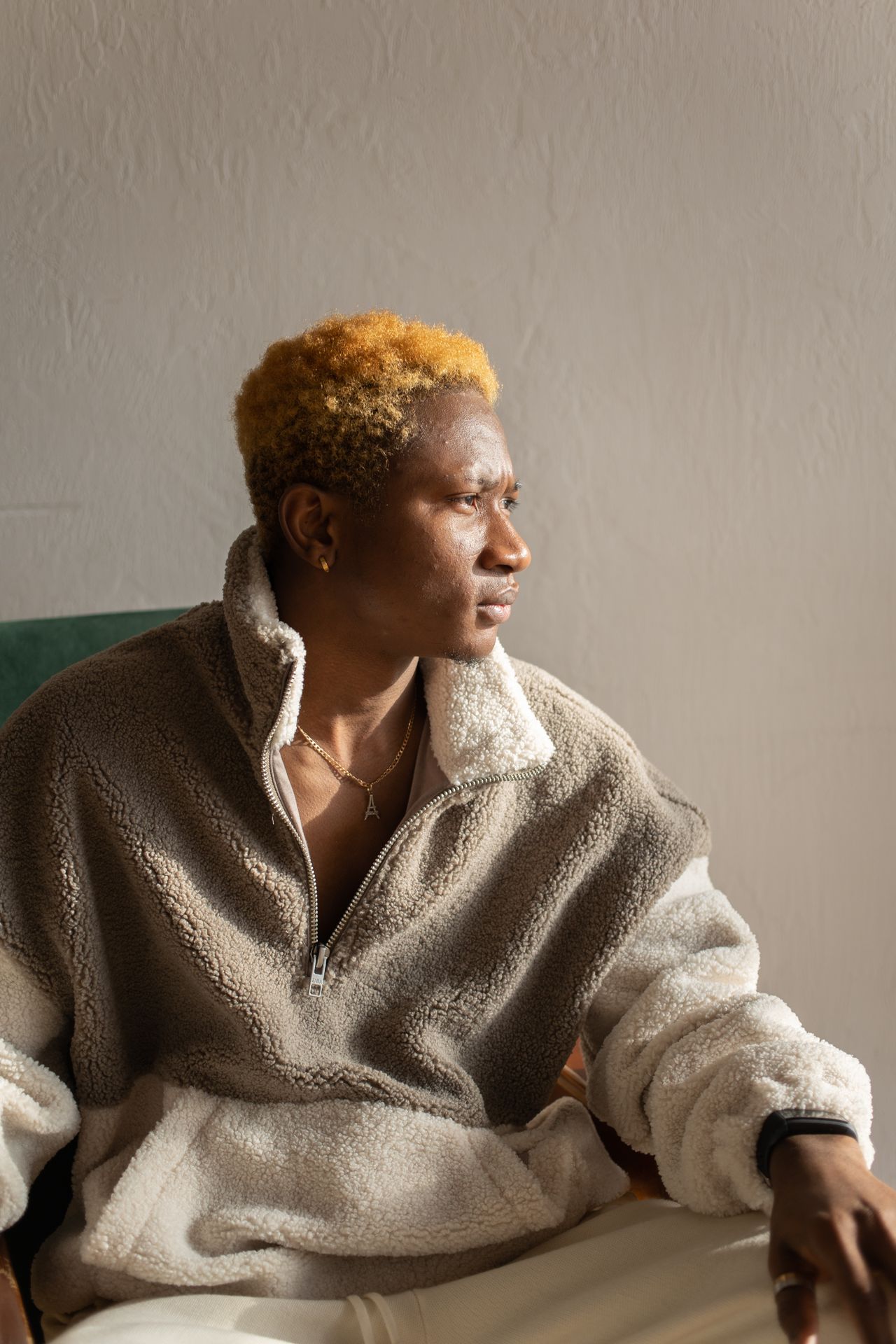
Image via Pexels
A quarter-zip pullover is the hardest-working layer in a senior winter wardrobe: no buttons at all, a neckline that opens wide enough to slip over the head without a struggle, and fleece that traps warmth even when damp. The best versions use an oversized ring or tab zipper pull you can hook with a single finger.
Wear it as a mid-layer under a coat when temperatures drop below 40°F, or on its own indoors — heated homes often sit near 70°F, so a breathable fleece beats a heavy sweater that causes overheating. Look for flat seams at the shoulders, which sit far more comfortably under coat straps and seatbelts.
5. Pull-On Turtleneck Sweaters

Image via Pexels
A soft turtleneck in merino wool or a wool blend does two jobs at once: it seals the draft-prone neck area without a scarf, and it pulls on in a single motion. Merino is the standout fabric here — it regulates temperature, resists odor for multiple wears, and feels soft against sensitive skin, unlike scratchy traditional wool.
Choose a relaxed neck rather than a tight one; it should slide over the head without tugging ears or glasses. A slightly longer back keeps coverage when seated, and machine-washable blends (often labeled “superwash”) mean no hand-washing fuss.
6. Elastic-Waist Trousers with Side Zippers
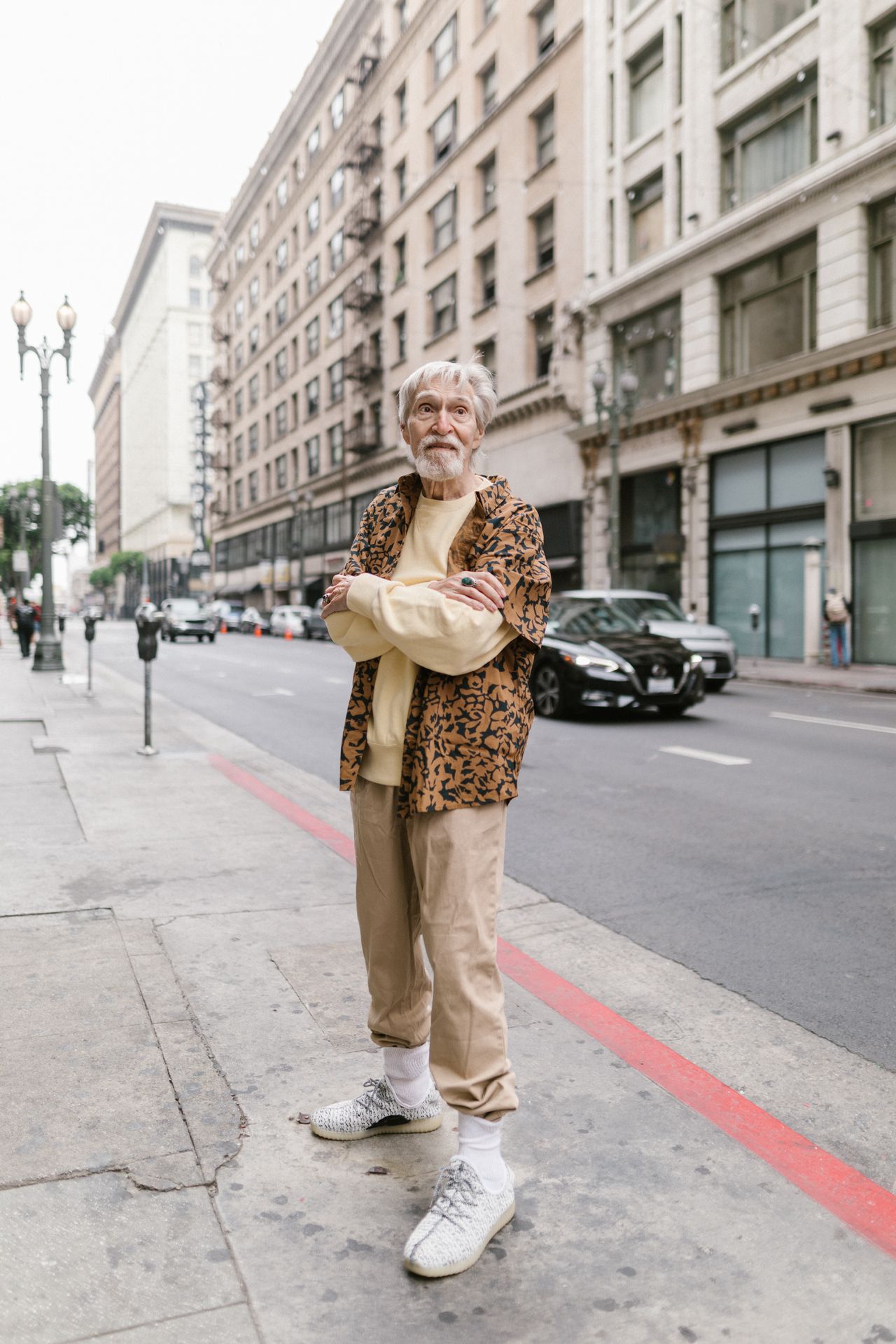
Image via Pexels
After hip or knee surgery, bending to pull on pants is off-limits for weeks — and for anyone with a bad back, it is painful year-round. Elastic-waist trousers pull up smoothly while seated, and styles with full-length side zippers open flat so each leg goes in without lifting, twisting, or standing on one foot.
For winter, look for fleece-lined versions or a soft brushed interior; they add real warmth without the bulk of long underwear plus trousers. A higher back rise keeps coverage when sitting, and skip back pockets if the wearer spends long hours seated — they turn into uncomfortable pressure points.
7. Thermal Base Layers
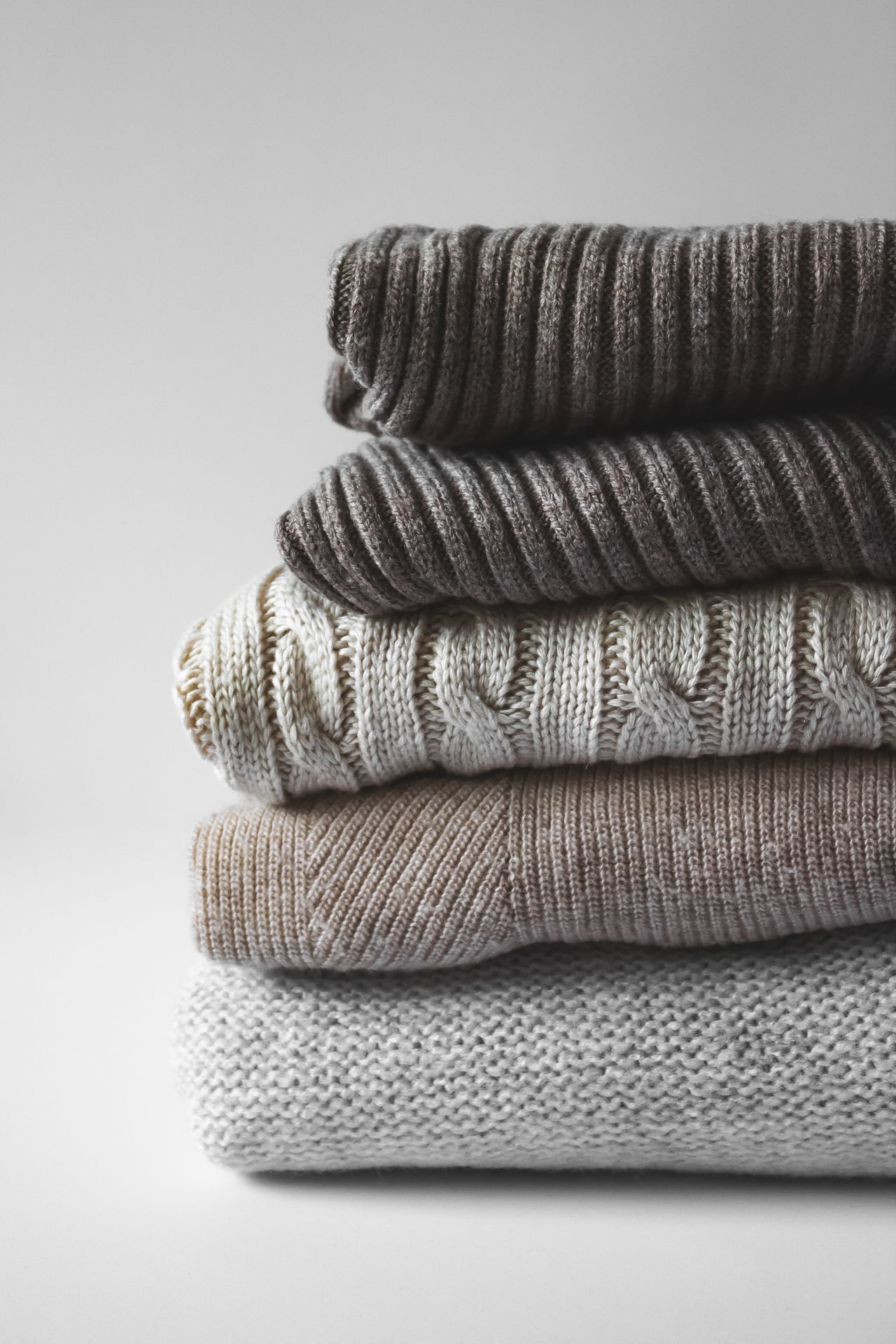
Image via Pexels
Warmth without heavy bulk starts against the skin. A thin thermal top and leggings in merino wool or moisture-wicking synthetic add surprising warmth — often enough to drop one bulky outer layer — because they trap a thin cushion of heated air right at the body. This is the “warm without looking bulky” secret that stylists who dress adults over 50 swear by.
Avoid 100% cotton as a base layer; cotton holds sweat and turns cold and clammy, which chills older adults fast. Fold a week’s worth of layers into a drawer stack so getting dressed stays a grab-and-go routine instead of a morning excavation.
8. Arthritis-Friendly Gloves and Mittens
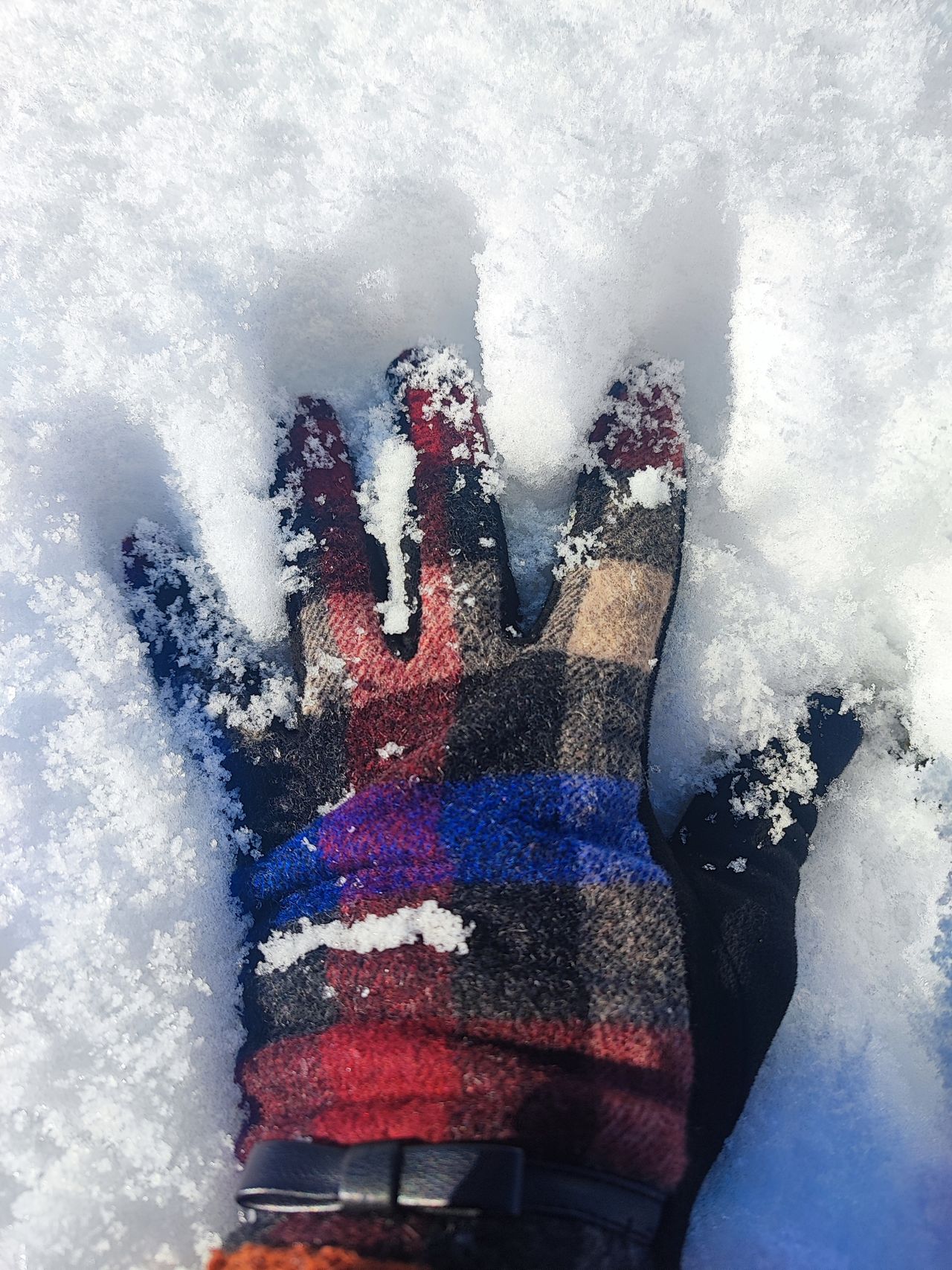
Image via Pexels
Standard gloves punish stiff fingers twice: squeezing each finger into narrow slots, then working tiny wrist buttons. Mittens are warmer anyway — fingers share heat instead of losing it separately — and the best senior-friendly designs use a wide, stretchy cuff that pulls on with the other hand, no fiddly fastener required.
Look for flip-back mitten tops that expose fingertips for keys, phones, and door handles without removing the whole glove. A textured silicone palm adds grip on canes, walkers, and car doors, and a simple wrist strap means a dropped glove never lands in a slushy parking lot.
9. Easy Hats and Neck Gaiters

Image via Pexels
Older adults lose heat quickly from the head and neck, yet fiddly hat adjustments and long scarves cause their own problems. A simple pull-on knit beanie with a soft fleece lining goes on in one motion and stays put in wind. For the neck, a tube-style gaiter beats a traditional scarf: no wrapping, no tying, and nothing dangling near wheelchair wheels or car doors.
Choose hats that cover the ears fully — earaches in cold wind are miserable at any age, and seniors feel them more. Keep a spare hat and gaiter by the door; they are the most-forgotten items, and a cold 10-minute wait for a ride is exactly when they matter most.
10. Gripper Socks for Indoor Safety
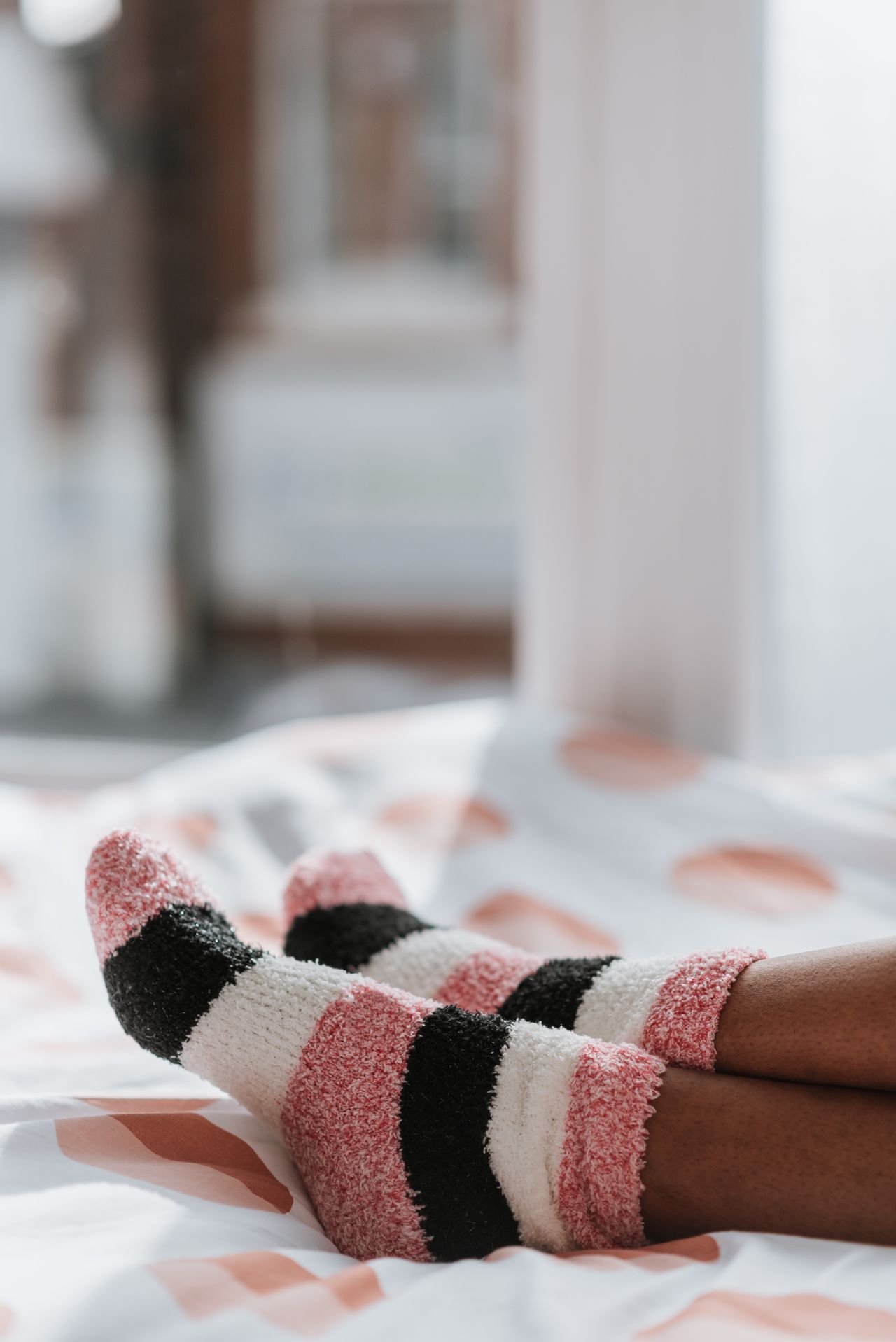
Image via Pexels
Falls are the most common serious accident for seniors at home, and smooth winter socks on hardwood or tile are a hidden culprit. Socks with silicone gripper dots on the soles add real traction on slick floors — a small detail that genuinely reduces slip risk during those first stiff steps of the morning.
Pick warm, cushioned pairs with a non-binding top band that does not squeeze swollen ankles. Build the routine: grippers on inside, supportive shoes on outside, both kept by the door. Machine-washable cotton blends hold their grip through dozens of washes.
Frequently Asked Questions
What is adaptive clothing for seniors?
Adaptive winter clothing for seniors means garments designed for limited mobility, stiff joints, or low hand strength — magnetic closures instead of buttons, elastic waists, seated-fit cuts, and easy on-and-off layers. It looks like normal clothing but removes the physical struggle of getting dressed.
Are magnetic closures safe for someone with a pacemaker?
Clothing magnets are small and generally considered low-risk, but anyone with a pacemaker or implanted defibrillator should check with their cardiologist first. As a rule, keep magnetic closures at least 6 inches from the device site.
How do I dress a parent with dementia who resists getting dressed?
Keep it calm and consistent: same order, same time of day, a warm room, and simple pull-on clothes with few choices. Back-closure tops and elastic-waist pants reduce the wrestling, and laying clothes out in dressing order helps the routine feel familiar.
What should a senior wear after hip or knee surgery in winter?
Side-zip trousers that open flat for seated dressing, supportive slip-on shoes, and front-opening tops that do not require raising arms overhead. Avoid anything that needs bending, twisting, or standing on one leg until the surgeon clears it.
Where can I buy adaptive clothing for older adults?
Established specialists include Silverts, Joe & Bella, MagnaReady, Buck & Buck, and Tommy Hilfiger’s Tommy Adaptive line. Expect roughly $30–$80 per piece; start with one shirt and one pair of pants to test the fit before building a full wardrobe.
Final Thoughts
Getting dressed should start the day with confidence, not frustration. The right adaptive winter clothing for seniors does exactly that — it trades tiny buttons for magnets, heavy coats for smart light layers, and slippery socks for safe ones, all while looking like the clothes they have always loved. Start with the single hardest garment, swap it, and feel the difference tomorrow morning.
Sources
- How To Stay Warm Without Looking Bulky After 50 | 5 Winter Layering Secrets (YouTube)
- Mix & Match Cozy Adaptive Outfits | February Looks from Spoonie Threads (YouTube)
- Silverts: What Is Adaptive Clothing? An Assisted Dressing Guide
- Joe & Bella: Adaptive Clothing for Seniors with Limited Mobility — A Complete Guide
Gallery
Image via Pexels
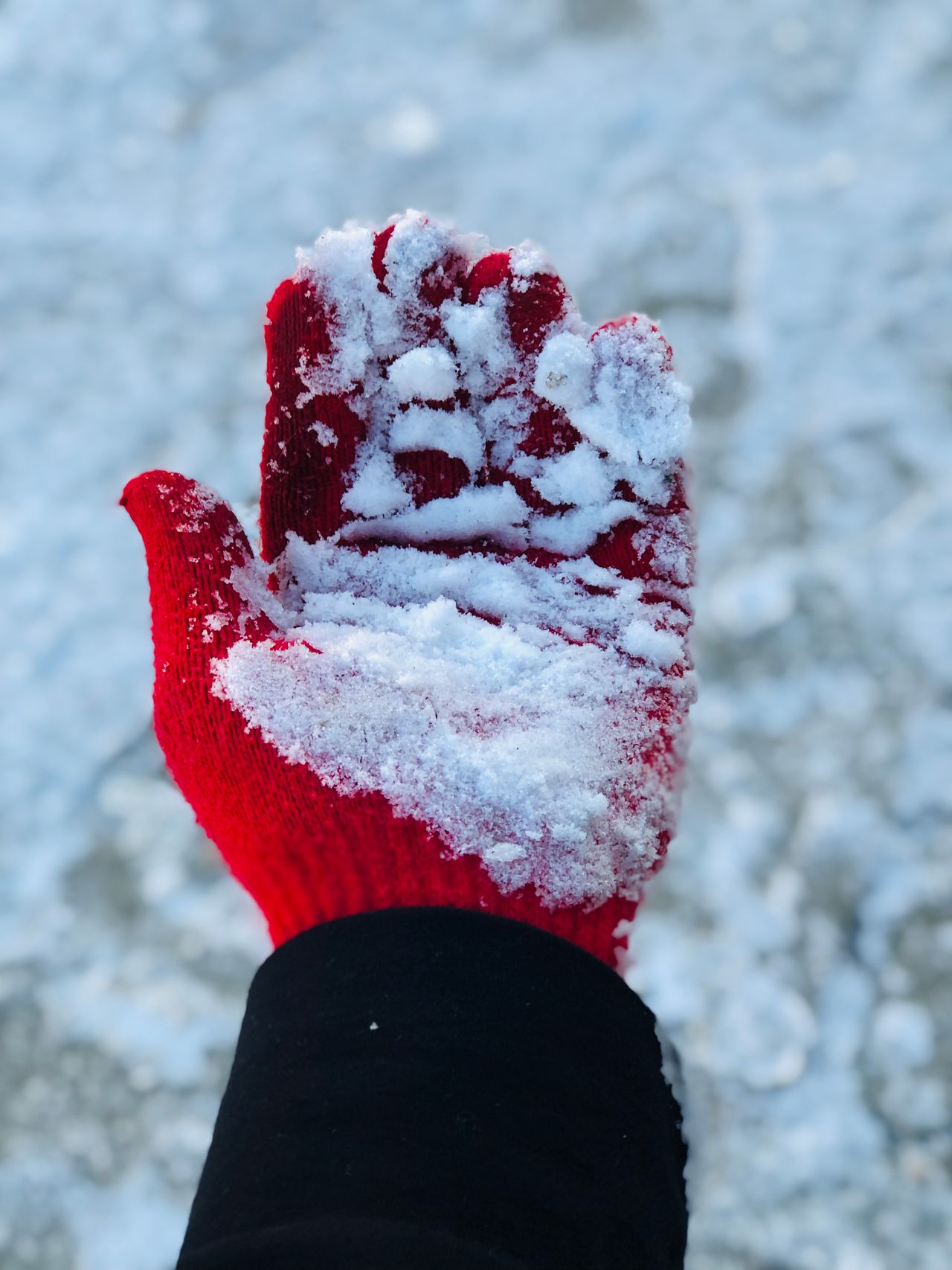
Image via Pexels
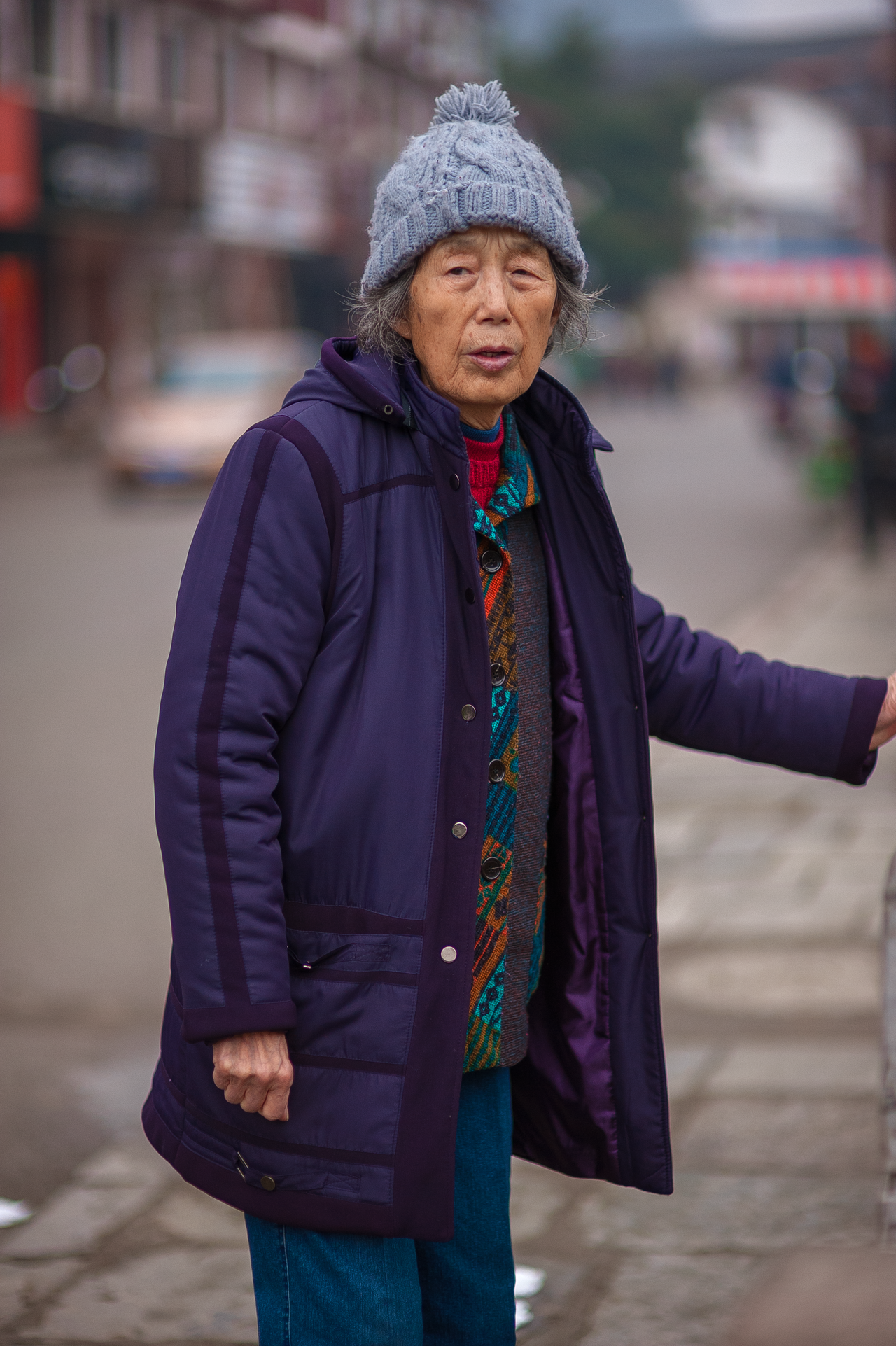
Image via Pexels

No comments:
Post a Comment