
A calm minimalist living room in soft white tones. Photo by Beyza Kılıçdere via Pexels (Pexels License).
Walk into two different homes on the same street. In one, everything is white and quiet — a low sofa, one plant, sunlight across an empty floor. In the other, the walls are bold, the sofa is bright, and every shelf holds something that makes you smile. Both homes feel good. But they feel good in completely different ways.
That difference is the heart of the minimalism versus dopamine decor debate. It is not really about which style looks better in photos. It is about which style makes you feel better when you live inside it every day. Minimal decor promises calm. Dopamine decor promises joy. And the right answer depends on something nobody else can decide for you: your mood, your energy, and the way your brain reacts to the space around you.
This guide breaks both styles down honestly — what they look like, how they affect your mood, where each one struggles, and how to mix them if you love parts of both. By the end, you will know exactly which direction your home should take.
What Minimal Decor Really Is

Minimal decor keeps only what matters. Photo by Ksenia Chernaya via Pexels (Pexels License).
Minimal decor follows one rule: less, but better. Every item in the room has to earn its place. If it does not serve a purpose or bring genuine value, it goes. What remains is a space with clean lines, open floor, and a soft, neutral palette — white, beige, warm gray, light wood.
But real minimalism is not an empty room. The best minimalist spaces are warm, not cold. They use texture to do the work that color does elsewhere: a chunky knit throw on a plain sofa, a linen curtain, a handmade clay vase, sunlight moving across a bare wall. These small choices keep the room from feeling like a waiting room.
Minimalism also asks something of you as a person. It works best when your daily habits support it — you put things away, you buy less, you notice what you actually use. If that sounds peaceful to you, minimal decor might be speaking your language. If it sounds like a chore, that is useful information too.
What Dopamine Decor Really Is
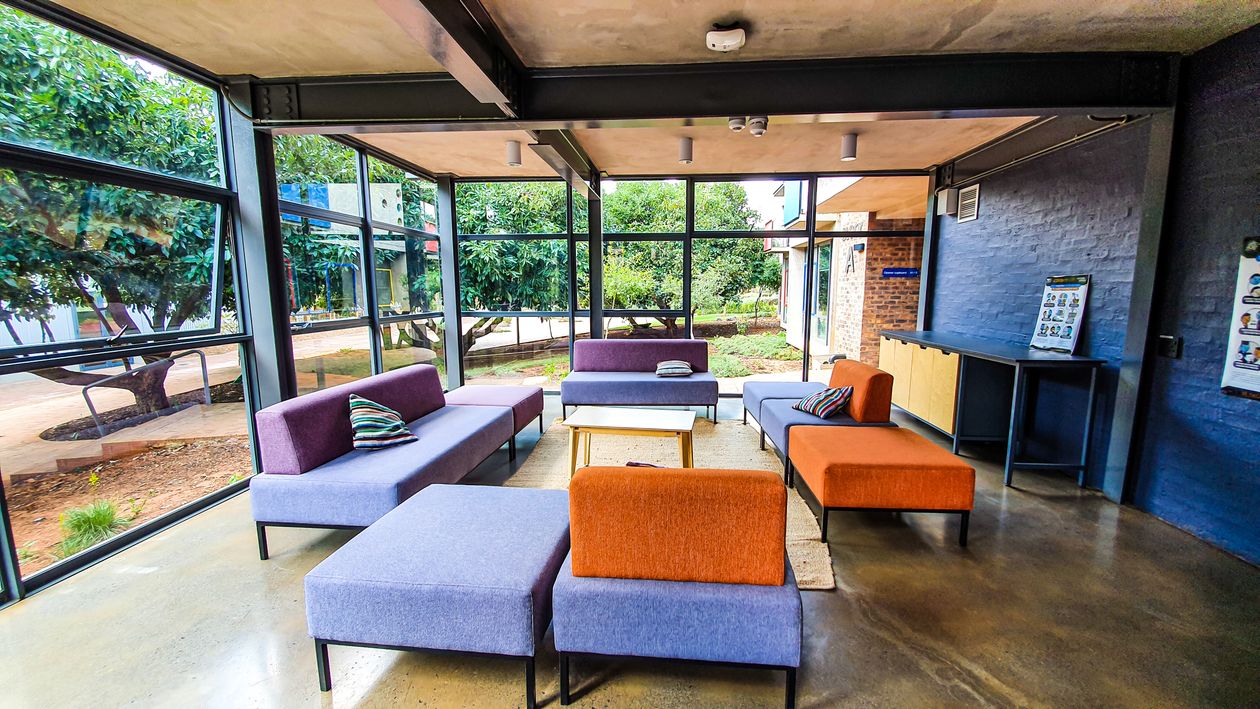
Dopamine decor celebrates bold color and personality. Photo by Silver Works via Pexels (Pexels License).
Dopamine decor takes the opposite approach. Instead of removing things, it celebrates them. Bright colors, fun patterns, quirky art, and objects with personal meaning fill the room. The goal is simple: surround yourself with things that lift your mood the moment you see them.
The name comes from dopamine, the brain chemical tied to pleasure, reward, and motivation. The idea is that your surroundings can nudge your feelings — a bright yellow chair, a wall of framed art, a shelf of travel souvenirs can genuinely lift a gray morning. Nobody is saying a pink wall cures sadness. But there is a real difference between coming home to a room that feels alive and coming home to one that feels flat.
Dopamine decor is also the more personal of the two styles. Minimalist rooms can look alike from house to house. A dopamine-decorated room cannot — it is built from your memories, your taste, your favorite colors. It tells visitors who you are before you say a word.
How Each Style Changes Your Mood
Your home talks to your nervous system all day, whether you notice it or not. Here is what each style tends to do to the people who live in it.
The Calm Case for Minimalism

A minimal bedroom lowers visual noise and invites rest. Photo by Aljona Ovtšinnikova via Pexels (Pexels License).
Minimal spaces reduce visual noise. Every object in your field of view is a tiny piece of information your brain has to process. When there is less to process, many people feel less stressed, think more clearly, and find it easier to relax or focus. That is why minimal decor is popular with people who work from home, feel overwhelmed easily, or come home mentally tired.
The soft colors and open space also create a sense of order and control. When life feels chaotic, a calm room can feel like an anchor. Many people say their minimalist bedroom helps them fall asleep faster — there is simply less competing for their attention at the end of the day.
The honest downside: done carelessly, minimalism can tip from calm into cold. A room with too little warmth, too little texture, and nothing personal can feel empty rather than peaceful. The fix is easy, though — one plant, one warm lamp, one piece of art you love. Minimal does not mean personality-free.
The Energy Case for Dopamine Decor

Bold color wakes a room up and lifts its energy. Photo by omergulen via Pexels (Pexels License).
Dopamine decor works on your senses. Bright colors and lively patterns can spark energy, creativity, and a better mood — especially on days when you feel flat. A colorful kitchen can make mornings feel less gray. A playful home office can make long workdays feel lighter. People who describe themselves as bored, low-energy, or stuck in a routine often come alive in these rooms.
There is a catch, though: too much stimulation can work against you. If every corner is bright and busy, it can be hard to rest, focus, or fall asleep — especially in bedrooms and workspaces. The key is to aim the energy where you want it and let quiet rooms stay quiet. Dopamine decor is at its best when it is joyful, not noisy.
Minimal vs Dopamine: The Real Differences

A calm base with one bold accent: the middle ground between the two styles. Photo by Ksenia Chernaya via Pexels (Pexels License).
Strip away the photos, and the two styles differ in five practical ways that matter more than looks:
Color palette. Minimalism leans on soft neutrals — white, beige, gray, light wood — to keep the eye relaxed. Dopamine decor leans on saturated, confident color — jewel tones, brights, clashing patterns — to keep the eye awake.
Amount of stuff. Minimalism edits down to the essentials: fewer objects, more breathing room. Dopamine decor layers up: more objects, more texture, more stories on the shelves.
Effect on mood. Minimalism calms the mind and helps with focus and rest. Dopamine decor lifts energy, sparks creativity, and adds playfulness to the day.
Personal expression. Minimalism expresses personality quietly, through materials and a few chosen pieces. Dopamine decor expresses it loudly, through color, art, and collections.
Upkeep. Minimalist rooms are quick to clean — there is simply less to dust and arrange. Dopamine rooms take more care, because every extra object needs a home and a wipe-down. That is not a flaw, just a trade-off to know about.
Which Style Is Better for Your Mood?

White bedding with one vibrant accent: calm and joyful in one room. Photo by Ksenia Chernaya via Pexels (Pexels License).
There is no universal winner. The better style is the one that fits your personality, your daily life, and what your mind needs most right now. A few honest questions will point you to the answer:
Pick minimal if you feel overstimulated by busy spaces, you crave order, you work or study at home, or you find deep comfort in quiet. If clutter — even pretty clutter — makes your shoulders tense, a calm neutral home will probably make you happier.
Pick dopamine decor if you feel flat in plain rooms, you light up around color, your home is where you play and gather, or you want your space to show who you are. If white walls make you yawn, do not force yourself to live in them just because minimalism is trendy.
Consider your season of life, too. A new parent running on broken sleep may need calm more than color. Someone settling into a first apartment after a hard year may need joy more than order. Your answer can change — and that is completely fine. Rooms can change with you.
And remember the option most designers quietly recommend: the hybrid. A calm, minimal base with a few joyful, colorful pieces gives you the best of both — peace that does not bore you and energy that does not exhaust you.
6 Ways to Mix Both Styles Without the Mess

Colorful pillows on a neutral bed: the easiest hybrid trick. Photo by Lachlan Ross via Pexels (Pexels License).
You do not have to choose one team. Here is how to blend them so the room feels intentional instead of confused:
1. Keep the base calm, add color on top. Neutral walls, sofa, and flooring form a quiet background. Then add joy in layers that are easy to change: cushions, throws, art, a rug. You get the calm foundation with the happy details.
2. Use one statement piece per room. A single bold chair, one bright painting, or one patterned armchair gives the dopamine hit without tipping the room into chaos. Restraint is what keeps the mix working.
3. Give each room a job. Let your bedroom and home office stay calm and minimal for rest and focus. Let the living room, kitchen, or entryway carry the color and personality. Different rooms, different moods.
4. Repeat your colors. Pick two or three joyful colors and repeat them around the room instead of using ten different ones. Repetition makes bold color feel designed rather than random.
5. Keep surfaces clear, style the walls. If you love objects, move the personality upward: gallery walls, shelves, and art give you the dopamine layer while tables and floors stay clean and minimal.
6. Edit seasonally. Every few months, remove one thing that no longer makes you happy and add one thing that does. This keeps a colorful room from slowly turning into clutter, and keeps a minimal room from going stale.
Final Thoughts
Choosing between minimal and dopamine decor is really about understanding your mood and what makes you feel good at home. Minimal decor offers calm, clarity, and simplicity — the perfect recipe for a stress-free space. Dopamine decor brings energy, joy, and personality — the perfect recipe for a home that makes you smile.
The wisest approach is to listen to yourself. If you want peace, go minimal. If you want excitement, go bold. Or better yet, blend both: a calm base with joyful accents, quiet rooms balanced with lively ones. Your home should support the life you actually live — not the one in someone else's photos. Build the room that makes your own days better, and you will have chosen correctly.
Style Inspiration Gallery
|
Minimalist living room with indoor plants. Photo by juliane Monari via Pexels (Pexels License). |
Sitting room with bold colored walls. Photo by Max Vakhtbovych via Pexels (Pexels License). |
|
Bright minimalist bedroom with modern decor. Photo by michaelgaultphotos via Pexels (Pexels License). |
Living room with beige walls and wooden floors. Photo by Curtis Adams via Pexels (Pexels License). |
|
Bedroom with a bright coral wall. Photo by Curtis Adams via Pexels (Pexels License). |
Minimalist bedroom with white walls and wood floor. Photo by Max Vakhtbovych via Pexels (Pexels License). |


Frequently Asked Questions (FAQs)
1. What is the main difference between minimal and dopamine decor?
The main difference in Minimal vs Dopamine Decor is that minimal decor focuses on simplicity and calmness, while dopamine decor uses bold colors and items to boost happiness and energy.
2. Which decor style is better for mental health?
Both styles can support mental health in different ways. Minimal decor reduces stress, while dopamine decor improves mood and motivation.
3. Can I mix minimal and dopamine decor?
Yes, combining both styles is very popular. You can keep a clean base and add colorful, joyful elements for balance.
4. Is dopamine decor expensive?
Not necessarily. You can use affordable items like cushions, art, or DIY decor to create a dopamine-inspired space.
5. Is minimal decor boring?
Minimal decor can feel boring if done without personality, but adding textures and small details can make it warm and stylish.

No comments:
Post a Comment