A classroom is more than four walls and a whiteboard — it is where students spend most of their day, and the space around them shapes how they feel, focus, and learn. Thoughtful classroom decor turns a plain room into a place that invites curiosity, celebrates effort, and calms busy minds. These 17 classroom decor ideas are practical, affordable, and easy to apply, whether you teach preschoolers or teenagers.
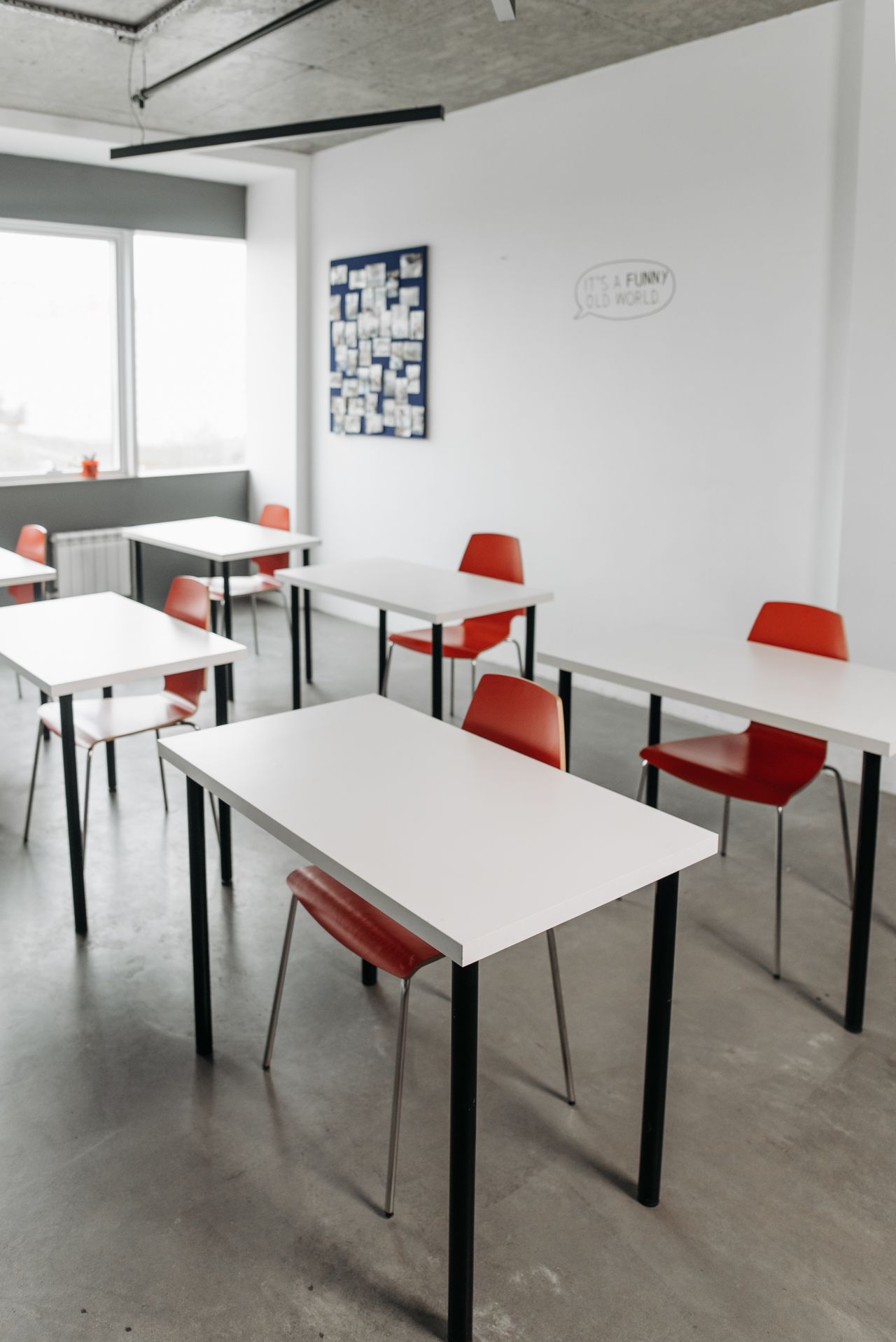
A bright, welcoming classroom with neat desks and bold accent chairs. Photo via Pexels (free license).
1. Motivational Quote Wall

A bold wall display sets a positive tone the moment students walk in. Photo via Pexels (free license).
A wall of encouraging words is one of the simplest ways to shape a classroom's mood. Phrases like "Mistakes help us learn" or "You can do hard things" remind students that effort matters. Use bright colors and big, readable lettering, and rotate the quotes every few weeks so they stay fresh instead of becoming wallpaper.
Try this: let students write or illustrate one quote each — their handwriting makes the wall personal.
2. Interactive Bulletin Boards
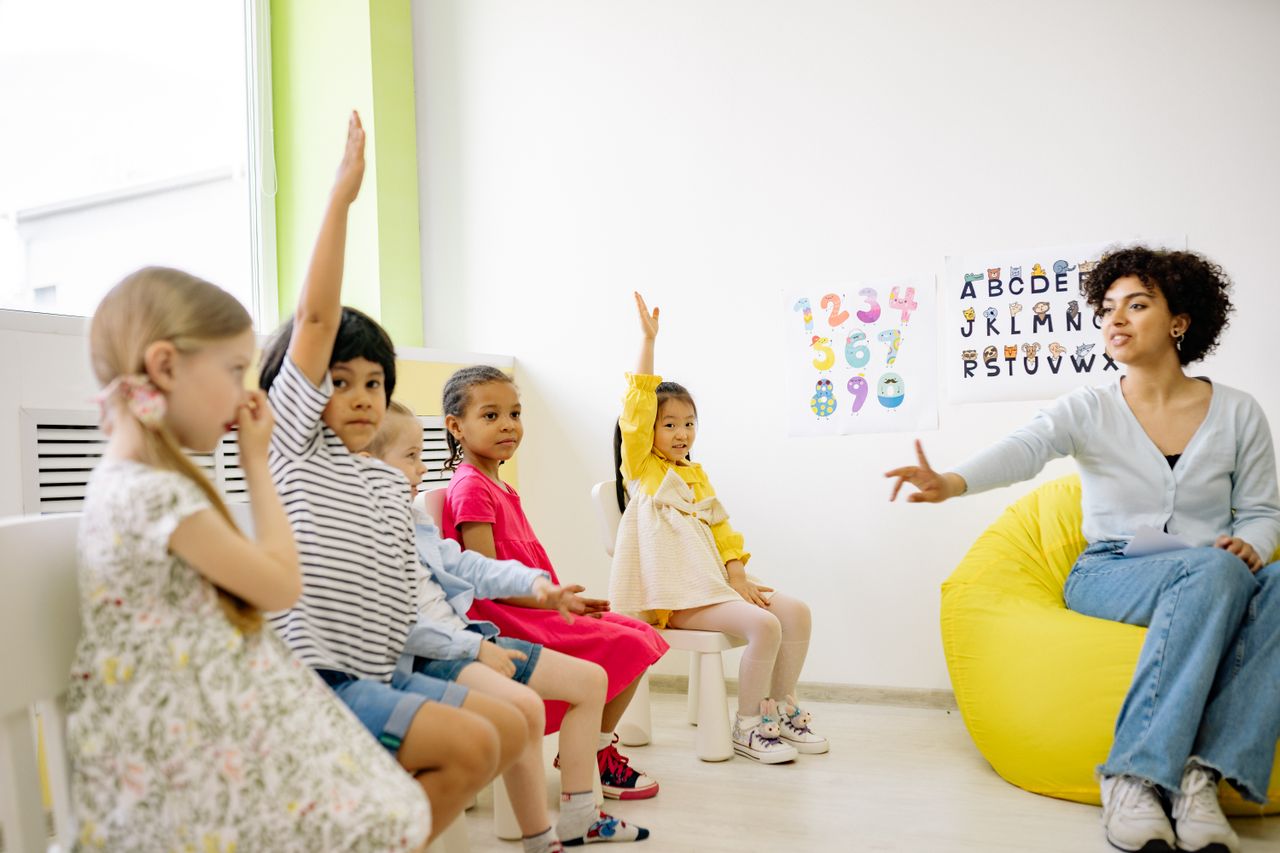
Interactive displays invite students to participate, not just look. Photo via Pexels (free license).
Static bulletin boards get ignored after a week. Interactive ones keep working: a "Question of the Week" students answer on sticky notes, a vocabulary wall they add to, or a puzzle corner they solve together. The board becomes a living part of the classroom that students check on their own.
Try this: start with one interactive board and change its challenge every Monday morning.
3. Student Work Display Area

Student artwork displayed proudly builds confidence and ownership. Photo via Pexels (free license).
Nothing motivates like seeing your own work on the wall. Dedicate a "Student Showcase" area where artwork, essays, and projects rotate regularly. Label each piece with the student's name — it tells the whole class that their efforts are seen and valued, and it encourages everyone to aim a little higher.
Try this: rotate the display monthly so every student gets a turn in the spotlight.
4. Flexible Seating Area
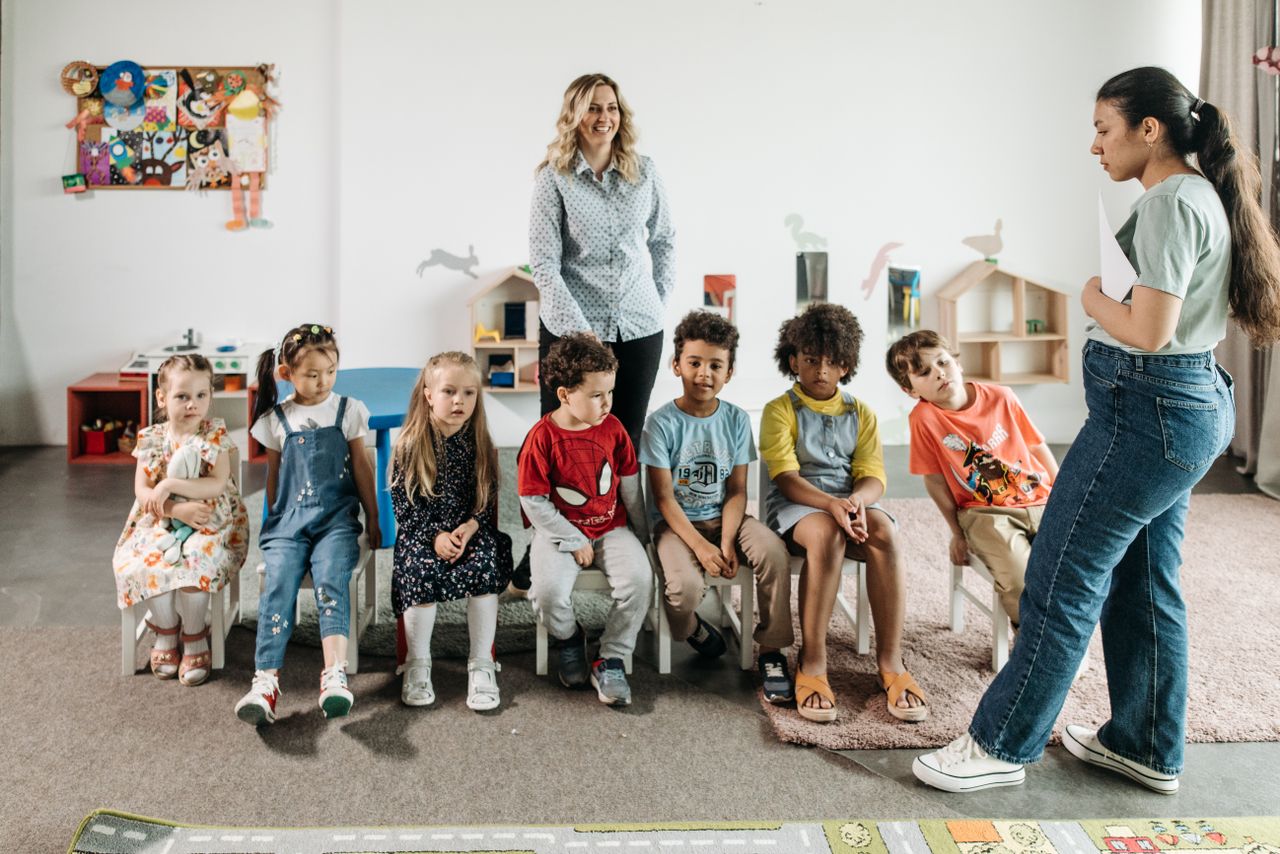
Choice in seating helps students find where they learn best. Photo via Pexels (free license).
Rows of identical desks are not the only option. Bean bags, floor cushions, wobble stools, or a small rug area give students choices that suit how they concentrate. Flexible seating works best with clear routines — teach students when and how each option is used, and the freedom becomes productive rather than chaotic.
Try this: start with one flexible corner and expand it as students prove they can handle the choice.
5. Reading Corner or Cozy Nook
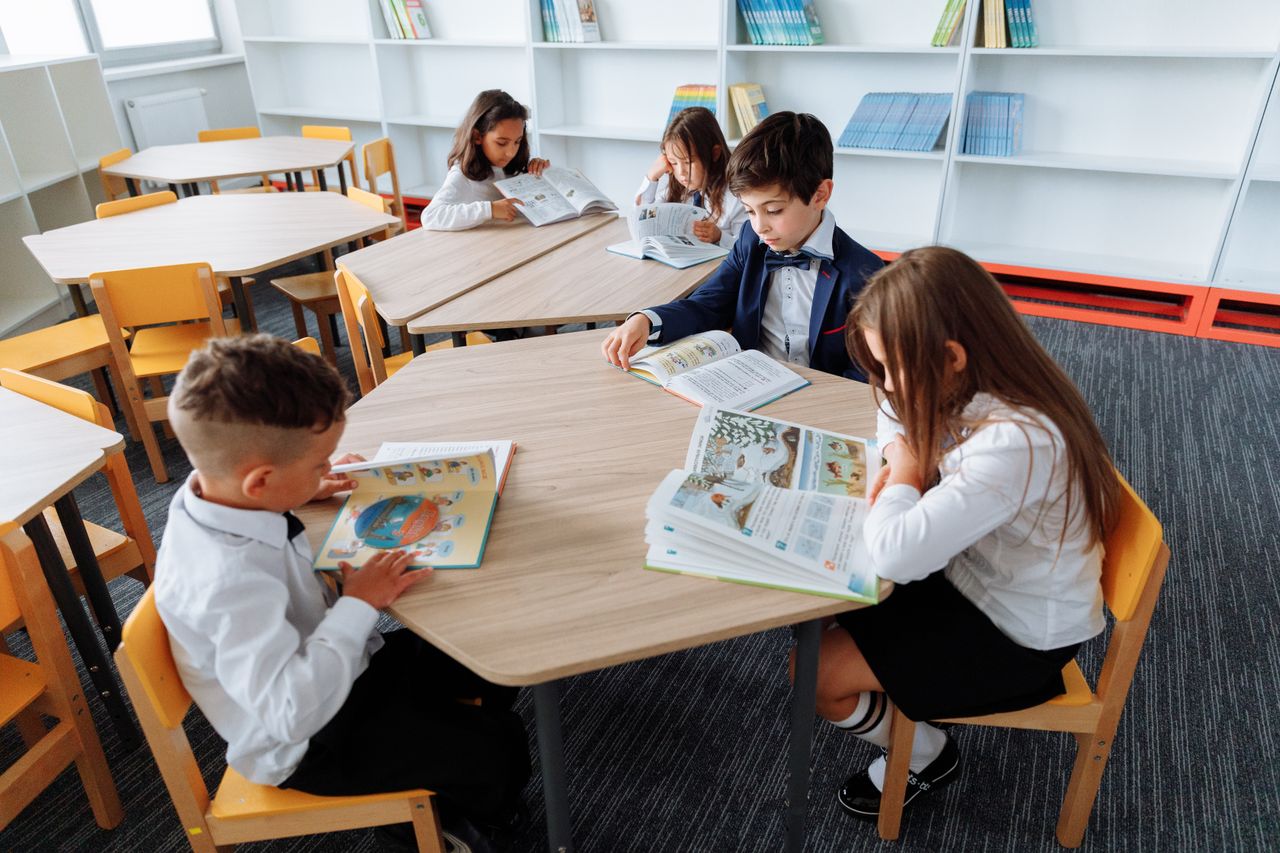
A cozy reading nook makes books feel like a treat, not a task. Photo via Pexels (free license).
Every classroom benefits from a quiet spot dedicated to reading. A small bookshelf, a rug, a few cushions, and soft lighting are all it takes. The corner should feel separate from the bustle of the room — a calm retreat where students actually want to open a book. Add a few fairy lights for warmth without clutter.
Try this: stock the shelf with a mix of levels and let students donate favorite books to the collection.
6. Color-Themed Classroom Design
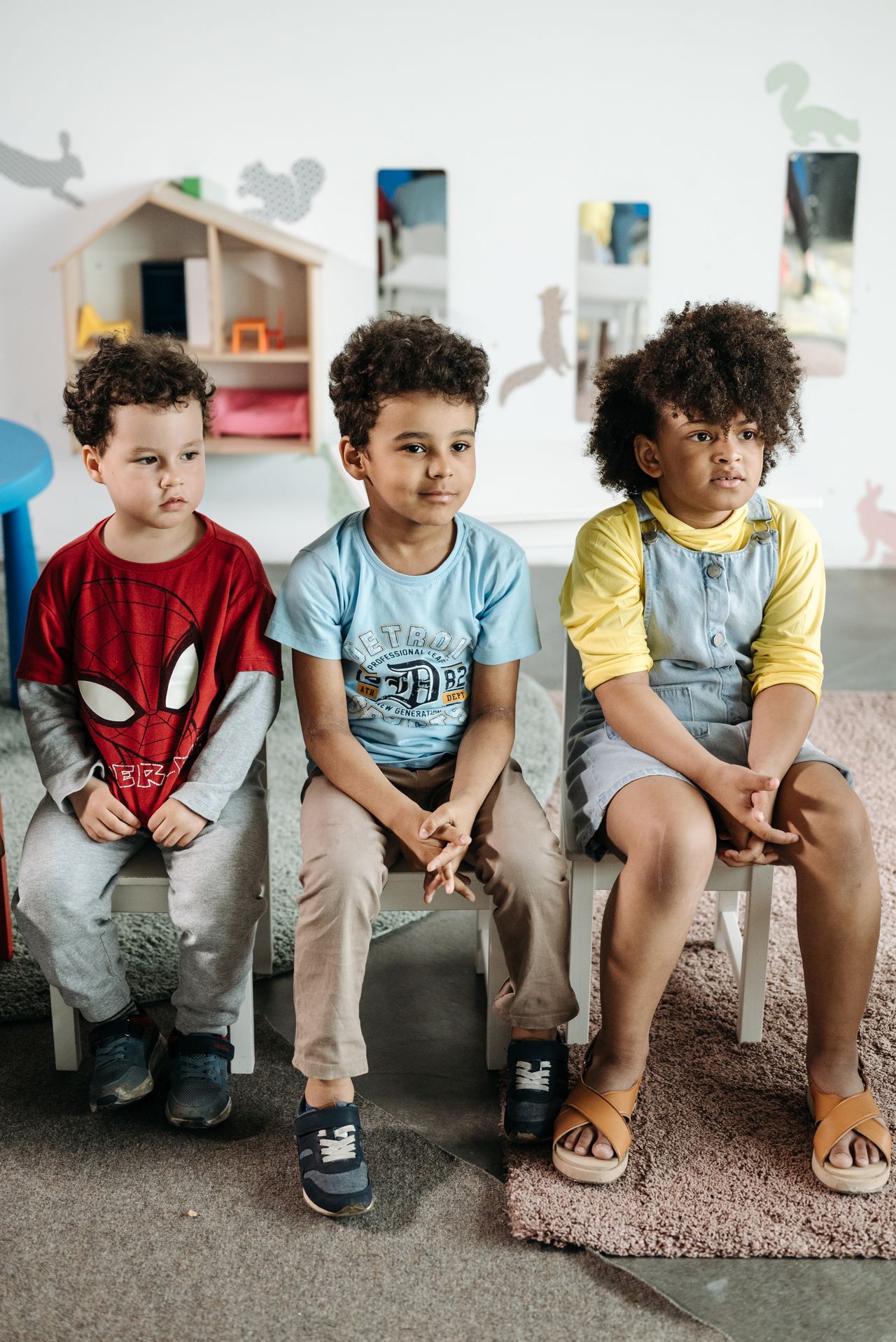
A cheerful, coordinated palette keeps the room lively but calm. Photo via Pexels (free license).
Color affects mood: blues calm, yellows energize, greens help focus. Pick a theme with two or three coordinating colors and carry it through borders, bins, labels, and wall displays. The consistency makes the room feel intentional. Avoid mixing too many bright colors at once — a restrained palette is easier on young eyes.
Try this: choose your theme from colors already in your existing furniture to save money.
7. Growth Mindset Wall
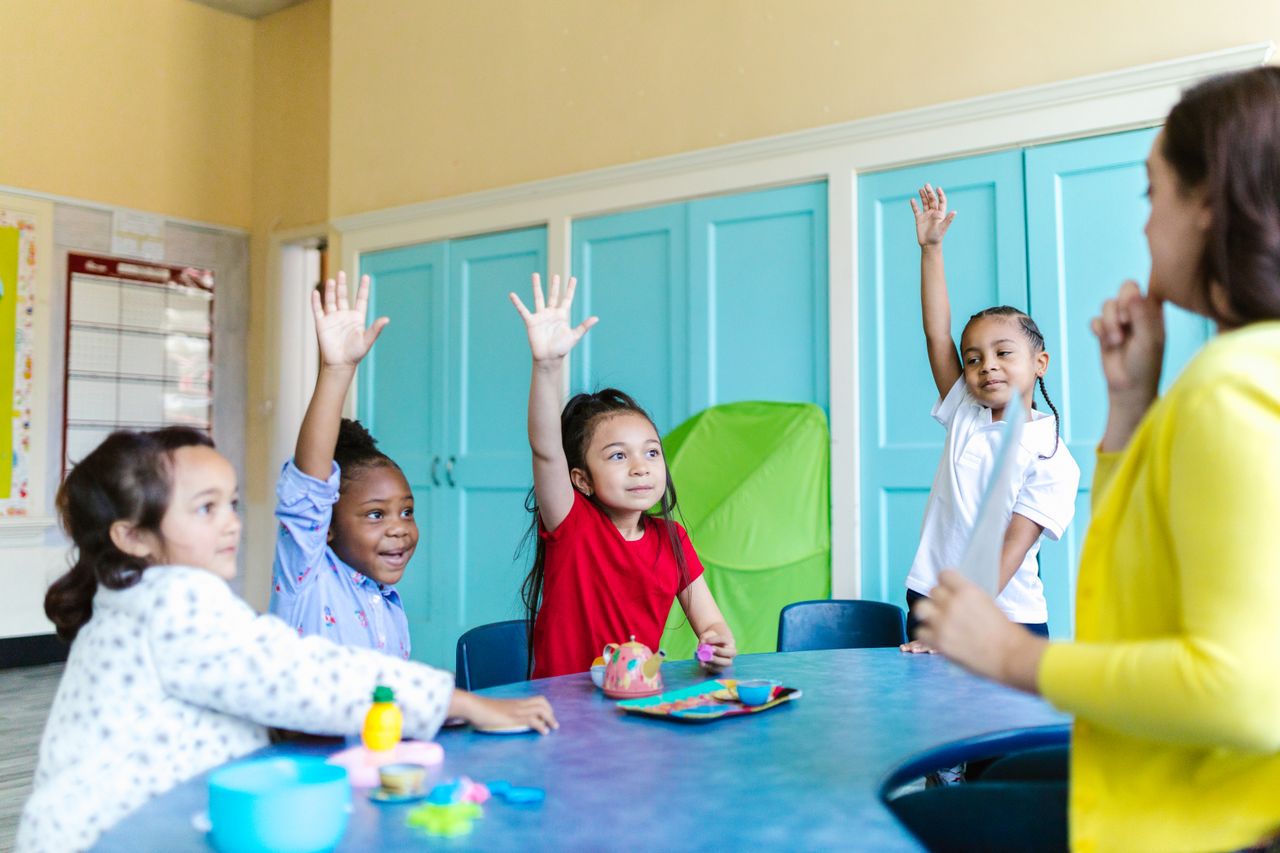
A growth mindset wall teaches students that effort leads to improvement. Photo via Pexels (free license).
A dedicated growth mindset display teaches the most important lesson of all: abilities grow with practice. Fill it with phrases like "I can improve with effort" alongside real examples — challenges the class overcame, skills students leveled up. It turns abstract encouragement into visible proof.
Try this: add a "before and after" section showing real student progress across the term.
8. Calendar and Daily Schedule Board
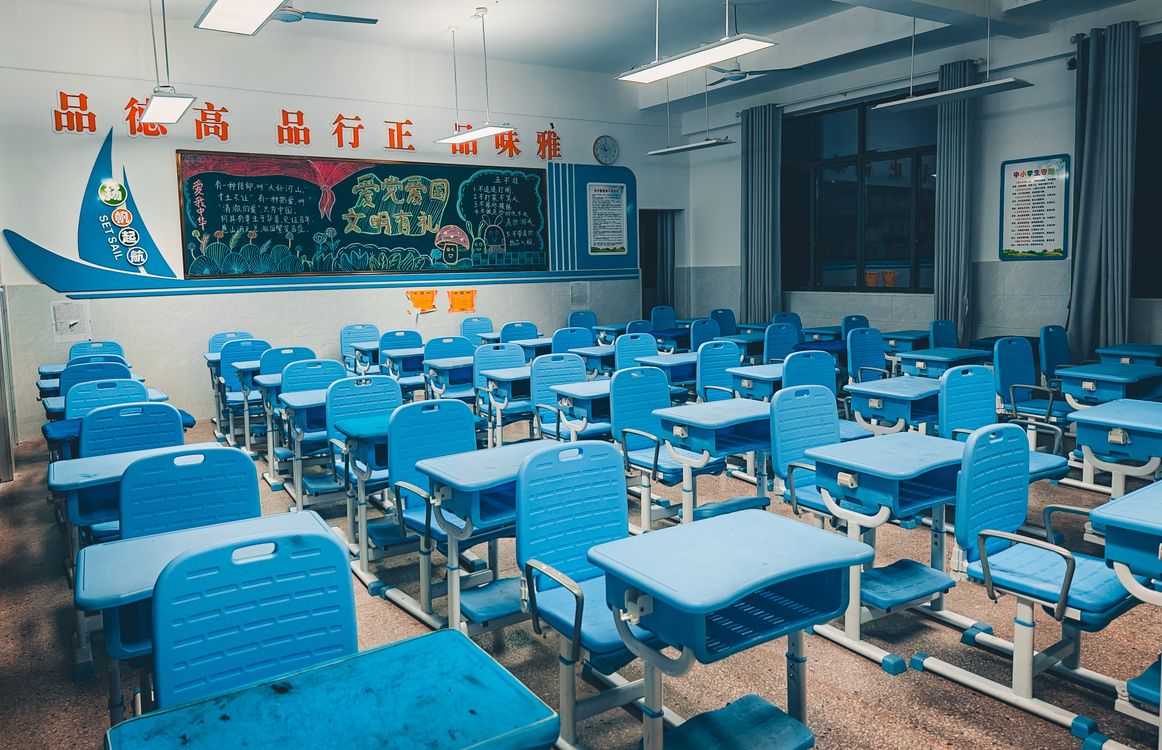
A clear schedule board keeps the day's plan visible for everyone. Photo via Pexels (free license).
Students feel safer when they know what is coming. A visible daily schedule — with times, subjects, and upcoming events — reduces anxiety and transitions run smoother. For younger students, use pictures alongside words. Keep it at eye level near the door or the board where everyone can check it.
Try this: make the schedule magnetic or velcro-backed so students can help rearrange it.
9. Nature-Inspired Decor

Bright, natural light and living color keep a classroom feeling fresh. Photo via Pexels (free license).
Plants, nature posters, and earthy colors bring a calming presence into the room. Even a few low-maintenance plants on the windowsill soften the space and give students something living to care for. Nature-inspired decor lowers stress and makes the classroom feel less institutional.
Try this: assign each table a plant to water — it becomes a shared responsibility, not just decor.
10. STEM or Subject-Based Corners

A hands-on math corner makes abstract ideas tangible. Photo via Pexels (free license).
Dedicated zones for math, science, or art help students switch into subject mode. Stock each corner with the right tools — measuring cups and rulers for math, magnifiers and specimens for science, quality paper and pencils for art. Labeled bins keep materials findable, and the corners double as built-in station activities.
Try this: rotate corner materials with your units so the space always matches what you are teaching.
11. Inspirational Ceiling Decor

Looking up should be inspiring too — use the ceiling's full potential. Photo via Pexels (free license).
Most classrooms ignore the ceiling entirely. Hanging paper clouds, stars, or inspiring words adds dimension without taking up a single inch of wall or floor. Keep hanging decor high, light, and fire-safe — and make sure nothing blocks sightlines to the board. A little overhead interest makes the room feel immersive.
Try this: hang student-made decorations at the start of each term for an instant refresh.
12. Minimalist Classroom Setup

Clean, uncluttered spaces help students focus on what matters. Photo via Pexels (free license).
More decor is not always better. A minimalist classroom keeps only what is essential and beautiful, reducing visual noise that distracts young minds. Clear surfaces, organized supplies, and intentional empty space help students concentrate. If you want the same calm logic for a home study area, these small living room decor tips apply the same principles to tight spaces.
Try this: remove one decorative item each week until the room feels calm but not bare.
13. Interactive Word Wall

Interactive word walls turn vocabulary into a game. Photo via Pexels (free license).
A word wall gives vocabulary a permanent, visible home. Arrange words by topic or alphabetically, and make them big enough to read from every seat. The interactive part matters: challenge students to use wall words in sentences, spot them in texts, or add new ones as units progress.
Try this: add pictures next to trickier words to support younger or multilingual learners.
14. Cultural Diversity Display
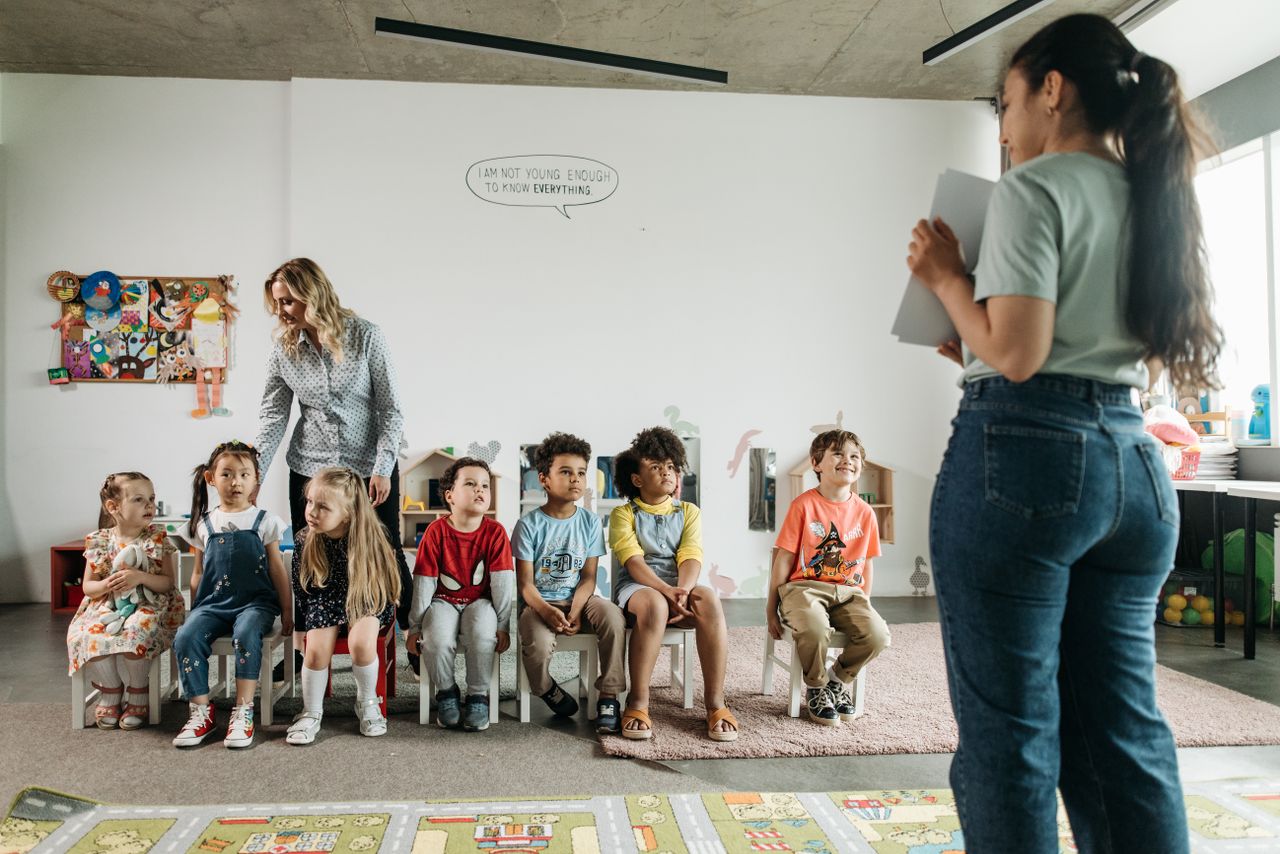
Celebrating many cultures helps every student feel they belong. Photo via Pexels (free license).
Flags, maps, books, and artifacts from many cultures tell every student they belong. Go beyond decoration: feature student family traditions, holiday customs, and languages spoken in the class. When children see their own culture represented, engagement and confidence rise together.
Try this: invite families to contribute one item or photo that represents their heritage.
15. Reward and Achievement Board
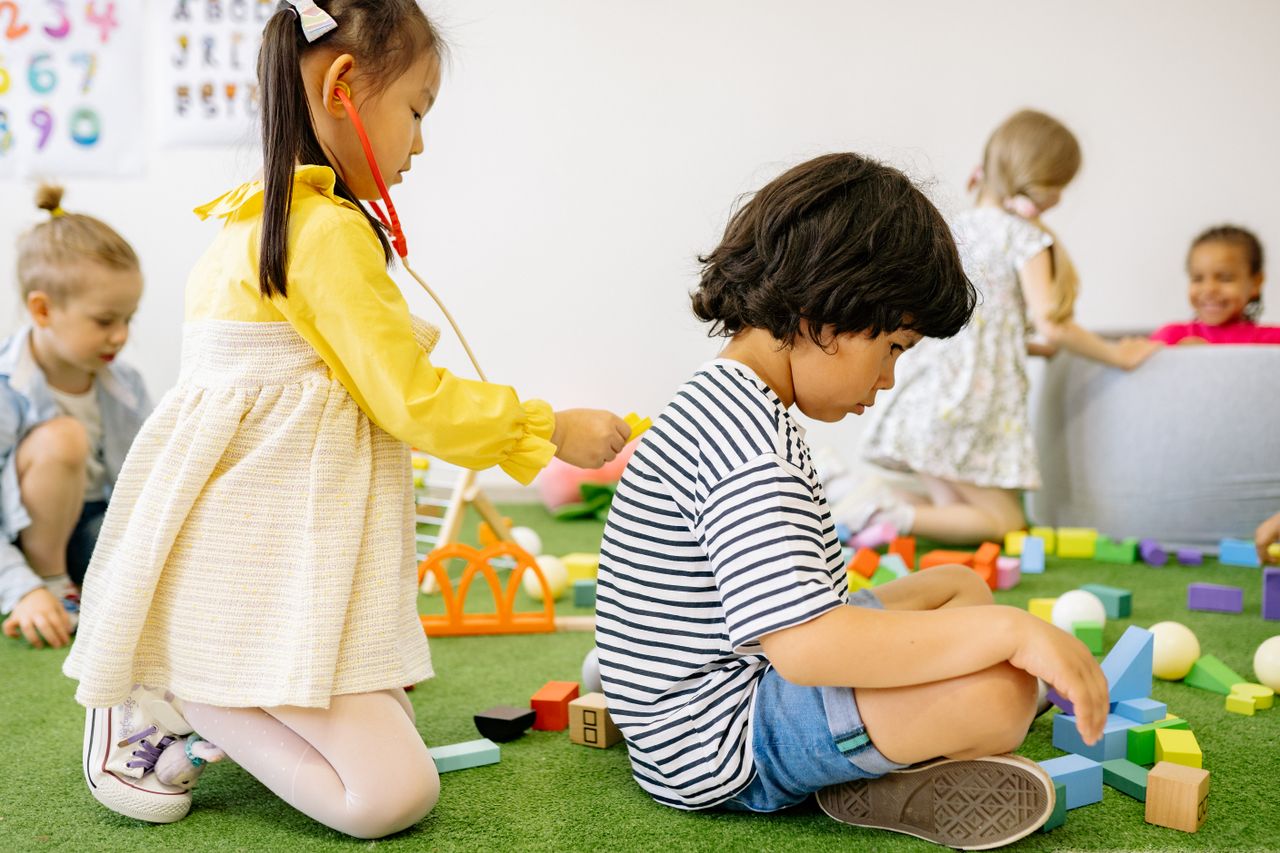
Celebrating effort publicly encourages more of it. Photo via Pexels (free license).
Public recognition of effort — not just achievement — builds a culture where trying matters. Use the board for stars, badges, certificates, and shout-outs for kindness, persistence, and improvement. Keep criteria transparent so every student can see a path to being celebrated.
Try this: add a weekly "caught being kind" section alongside academic achievements.
16. Tech-Friendly Learning Zone

A tidy tech corner keeps devices charged, safe, and ready. Photo via Pexels (free license).
Tablets and laptops need a home, not a tangle. Create a charging station with labeled slots, a check-in routine, and clear rules for when devices are in use. A dedicated zone keeps cables contained, devices safe, and digital learning time structured instead of chaotic.
Try this: number each charging slot and assign it — lost chargers become a thing of the past.
17. Seasonal and Theme-Based Decor
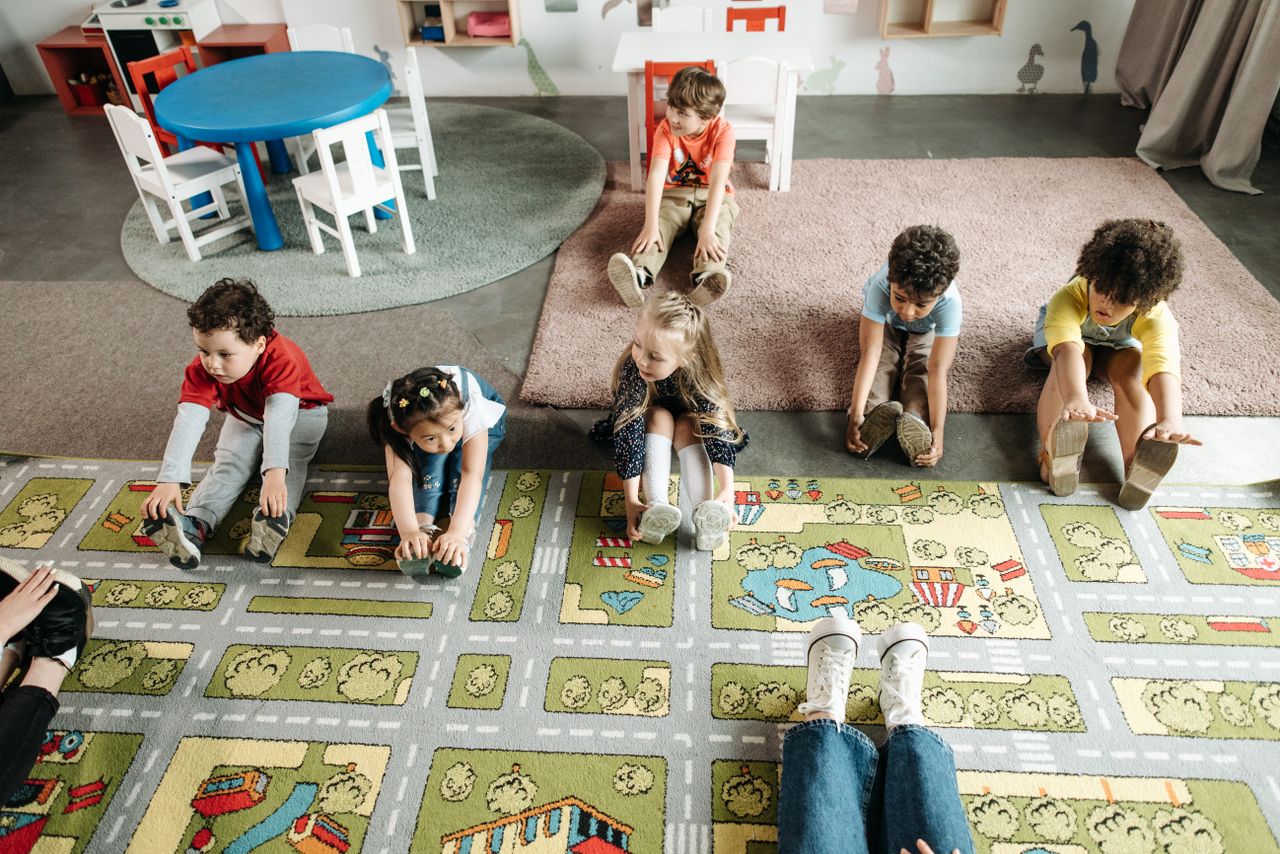
Seasonal themes keep the classroom feeling fresh all year. Photo via Pexels (free license).
Rotating themes — autumn leaves, winter wonderland, ocean exploration — keep the room feeling alive through the year. Themes give lessons a built-in hook and give the class something to build together. Keep the base decor neutral so theme swaps are quick and cheap.
Try this: let each season's theme connect to your science or social studies unit for double value.
Conclusion
Great classroom decor is not about having the prettiest room — it is about building an environment where students feel motivated, safe, and curious. Start with one or two ideas that fit your teaching style and your budget, then let the room grow with your class. Small, intentional changes add up to a classroom students genuinely love walking into. For more joyful color inspiration, see these cheap dopamine decor ideas — the same mood-lifting principles work in any learning space.
Frequently Asked Questions
Q: What are the best classroom decor ideas for small spaces?
A: Use minimalist designs, vertical storage, and light colors. Keep the layout simple to avoid clutter.
Q: How can classroom decor improve student learning?
A: It creates a positive environment, boosts motivation, and helps students stay focused and engaged.
Q: What colors are best for classroom decor?
A: Soft blues, greens, and neutral tones are ideal. They help maintain calmness and focus.
Q: How often should I change classroom decor?
A: Update small elements monthly and bigger themes seasonally to keep things fresh.
Q: Are classroom decor ideas expensive?
A: No, many ideas use low-cost materials like paper, charts, and DIY crafts.
Classroom Decor Inspiration Gallery
More real classroom looks to spark ideas for your own learning space.

A classic classroom with warm wooden desks. Photo via Pexels (free license).

Students engaged at their desks. Photo via Pexels (free license).

A teacher bringing geography to life with a globe. Photo via Pexels (free license).
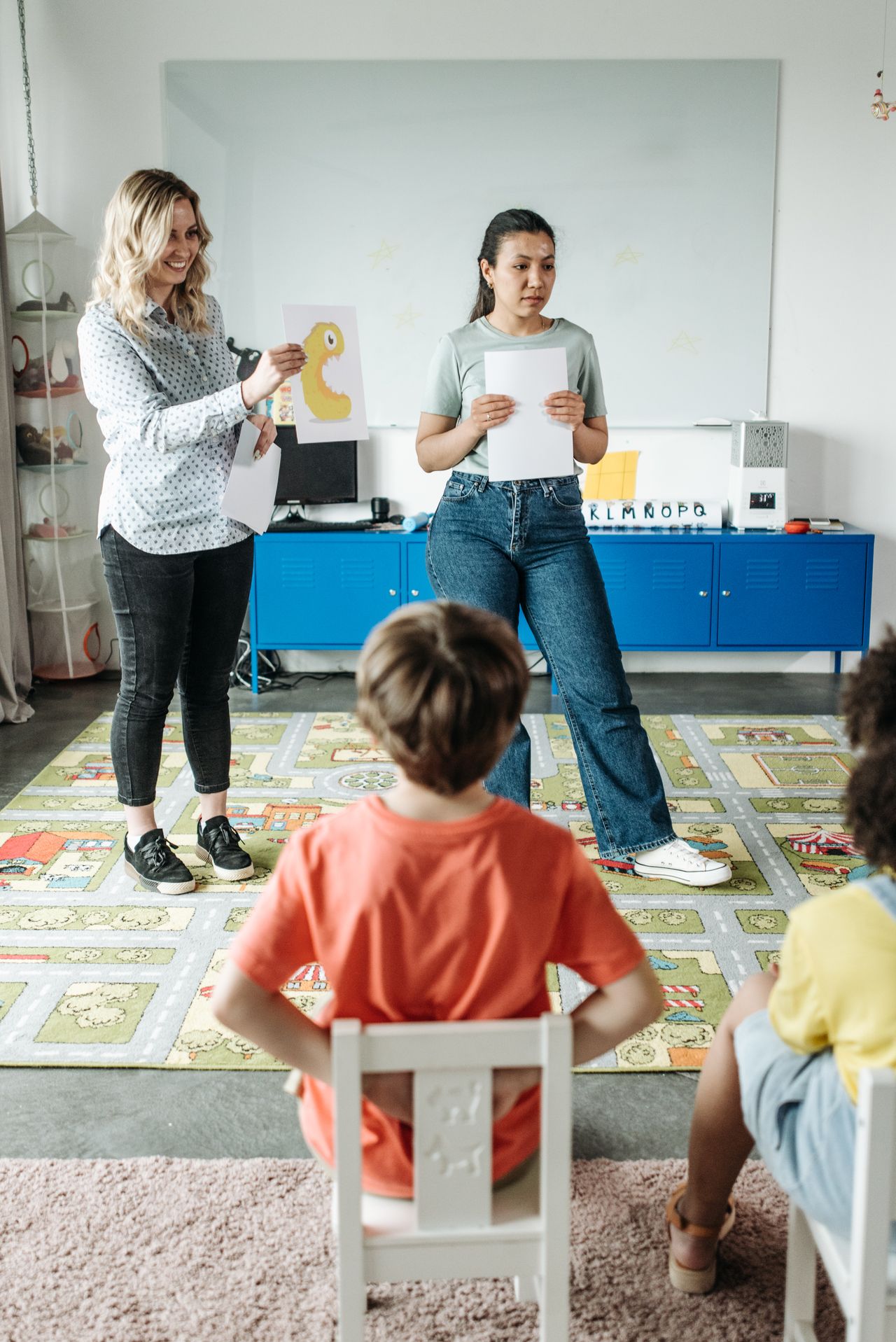
Teachers guiding children through an activity. Photo via Pexels (free license).

Hands-on crafts keep young learners engaged. Photo via Pexels (free license).
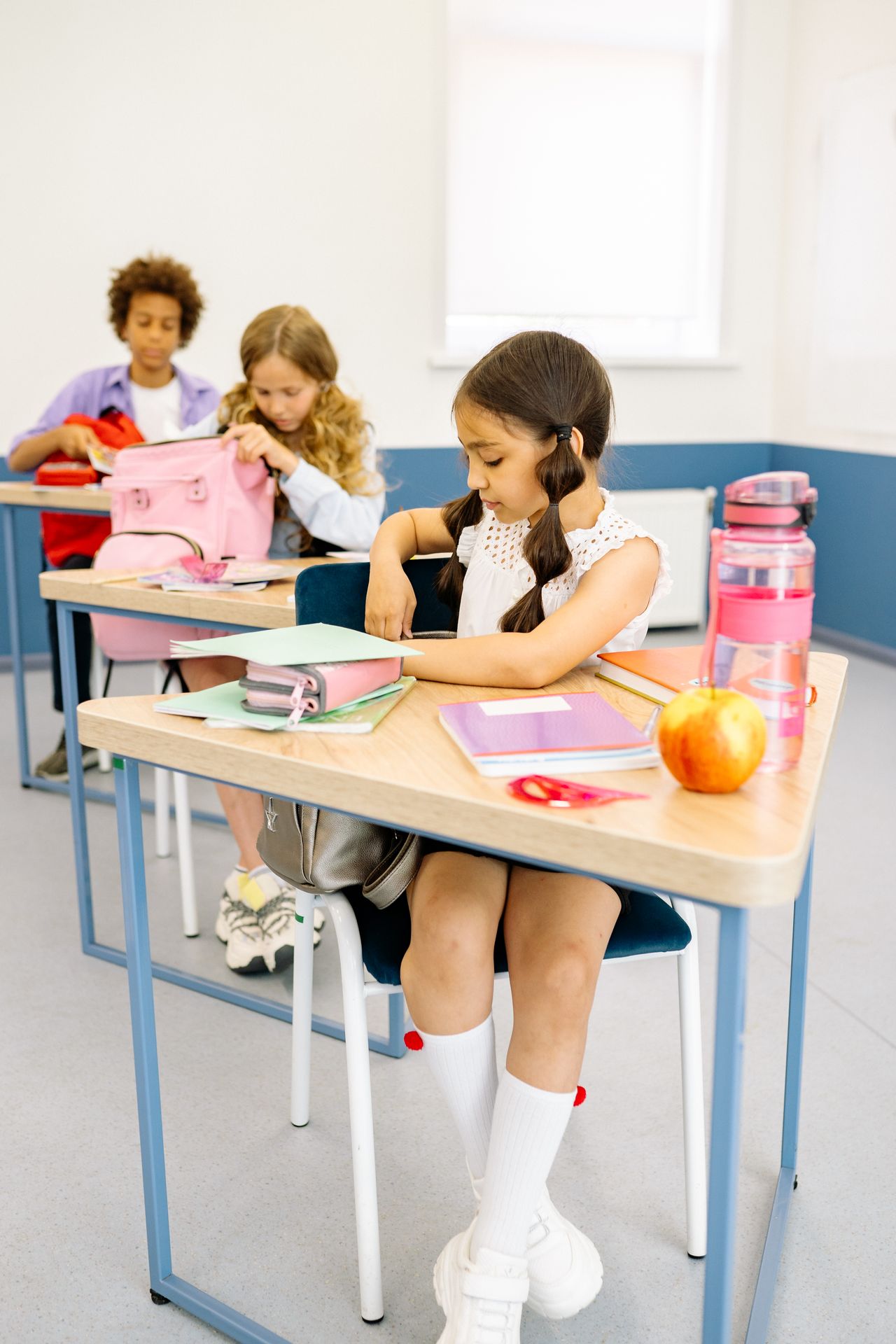
A bright, modern classroom ready for the day. Photo via Pexels (free license).

No comments:
Post a Comment