A dining table is the one piece of furniture that works overtime — homework station by day, dinner host by night, and the first thing guests really look at when they walk in. The good news: styling it well has nothing to do with money and everything to do with one idea. Think of your table as a stage with three layers: a base (cloth or runner), an anchor (one thing worth looking at), and a sparkle (something that catches the light). Get those three right and the rest is garnish. Here are 17 ideas built on that simple formula.
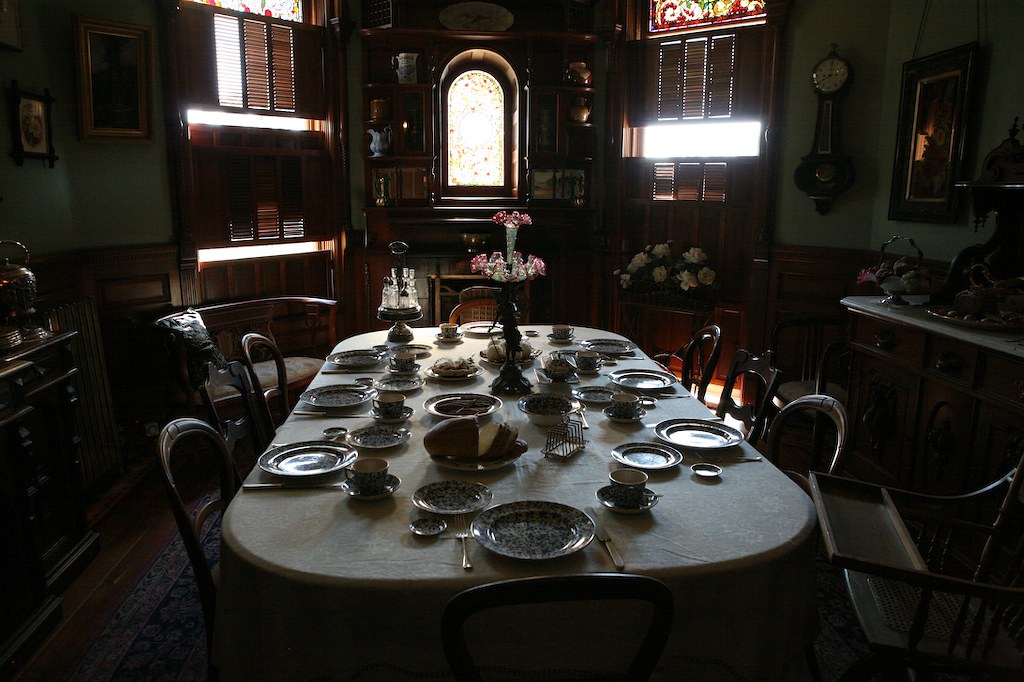
A well-set table before the guests arrive — photo by Walt Stoneburner, CC BY 2.0, via Flickr.
1. The Statement Centerpiece

One bold floral arrangement does the work of ten small objects — photo by Didriks, CC BY 2.0, via Flickr.
Every table needs one thing that says "look here." A generous floral arrangement, a sculptural bowl, or a cluster of lanterns — pick one hero and let everything else play support. The rule is simple: if you have to choose between one big thing and five small ones, the big thing wins every time. Keep it low enough that people can see each other across it, or tall and slim enough to talk around.
2. Layering Linens for Texture

A full place setting built on layered linens — photo by Didriks, CC BY 2.0, via Flickr.
Tablecloth, runner, placemats, napkins — linens are the cheapest way to make a table look considered. The trick is mixing textures rather than matching sets: a linen runner over a plain cloth, woven placemats, and napkins in a contrasting weave. Crisp cotton reads formal; washed linen reads relaxed. Either way, iron the creases out of the cloth — wrinkled linen looks intentional, a wrinkled tablecloth does not.
3. Seasonal Transformations

Gold accents and autumn tones give a holiday table its moment — photo by Berries.com, CC BY 2.0, via Flickr.
You do not need a new tablescape for every season — you need one box of swaps. Pumpkins and dried leaves in October, pine sprigs and gold ribbon in December, fresh blossoms in spring. Change the centerpiece and the napkin color and the whole table feels new, while the plates and glasses stay the same. Store the seasonal box near the dining room so the swap takes ten minutes, not an afternoon.
4. The Monochromatic Magic

An all-white dinner setup — monochrome at its most dramatic — photo by mmmavocado, CC BY 2.0, via Flickr.
Pick one color and commit. An all-white table — white cloth, white plates, white candles, white flowers — looks expensive and photographs beautifully. All-black does the same with more drama. The secret is texture variety: matte plates, glossy glasses, rough linen, smooth stone. Without texture, monochrome falls flat; with it, a single color looks richer than a rainbow.
5. Mixing Materials for Dimension

Wood, ceramic, glass and metal sharing one table — photo by Didriks, CC BY 2.0, via Flickr.
Wood against stone, brass next to linen, glass beside clay — mixed materials are what separate a styled table from a matched set. Aim for three different materials at minimum: a wooden board, ceramic plates, metal flatware, glass stems. The contrast gives the eye somewhere to travel. Just keep the finishes in the same mood — rustic wood pairs with handmade ceramics, not with chrome.
6. The Cozy Glow of Candlelight

Candlelight flatters everything on the table — photo by PattayaPatrol, CC BY-SA 4.0, via Wikimedia Commons.
Candles are the single fastest upgrade in all of decorating. A dozen tea lights scattered down the table cost almost nothing and make every dinner feel like an occasion. Vary the heights — tall tapers in holders, low votives between them — and stick to unscented so they never fight the food. Light them before guests sit down; a table already glowing sets the mood the second people arrive.
7. Personalized Place Settings
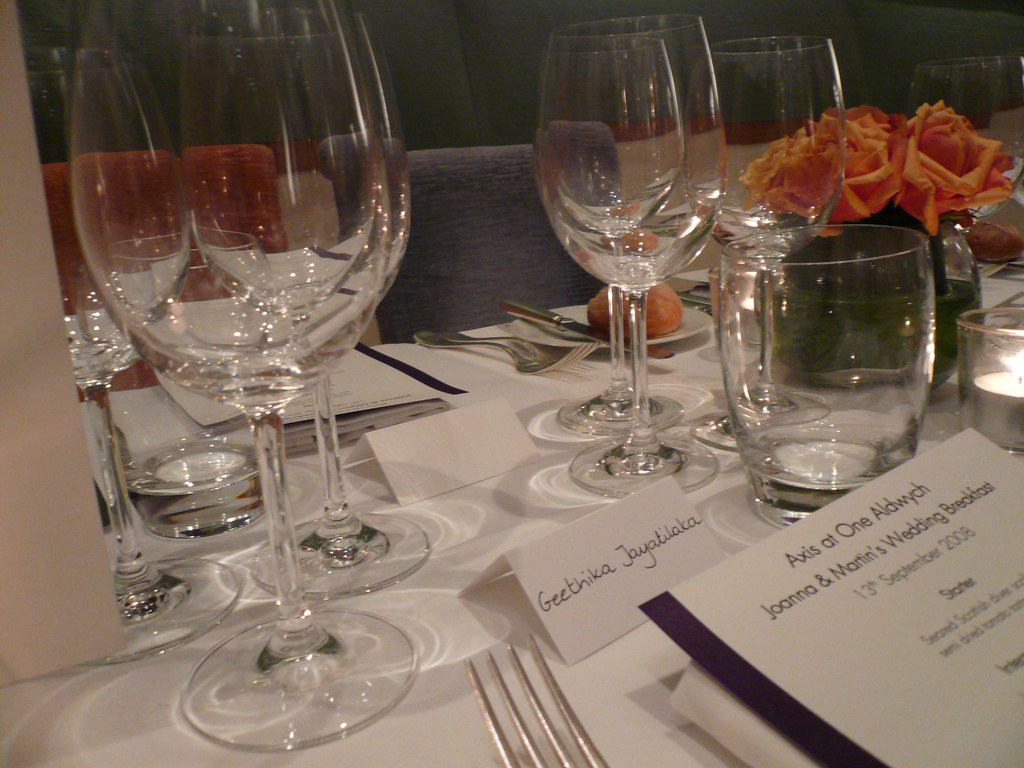
Name cards and printed menus make every seat feel considered — photo by psflannery, CC BY 2.0, via Flickr.
A place card takes thirty seconds and makes a guest feel like the dinner was planned around them. Folded card stock, a sprig of rosemary tied to the napkin, a handwritten menu — small touches with outsized effect. For casual nights, skip the cards and set one thoughtful detail per place: a small chocolate, a single flower, the good glass. People notice.
8. The Allure of Single Blooms
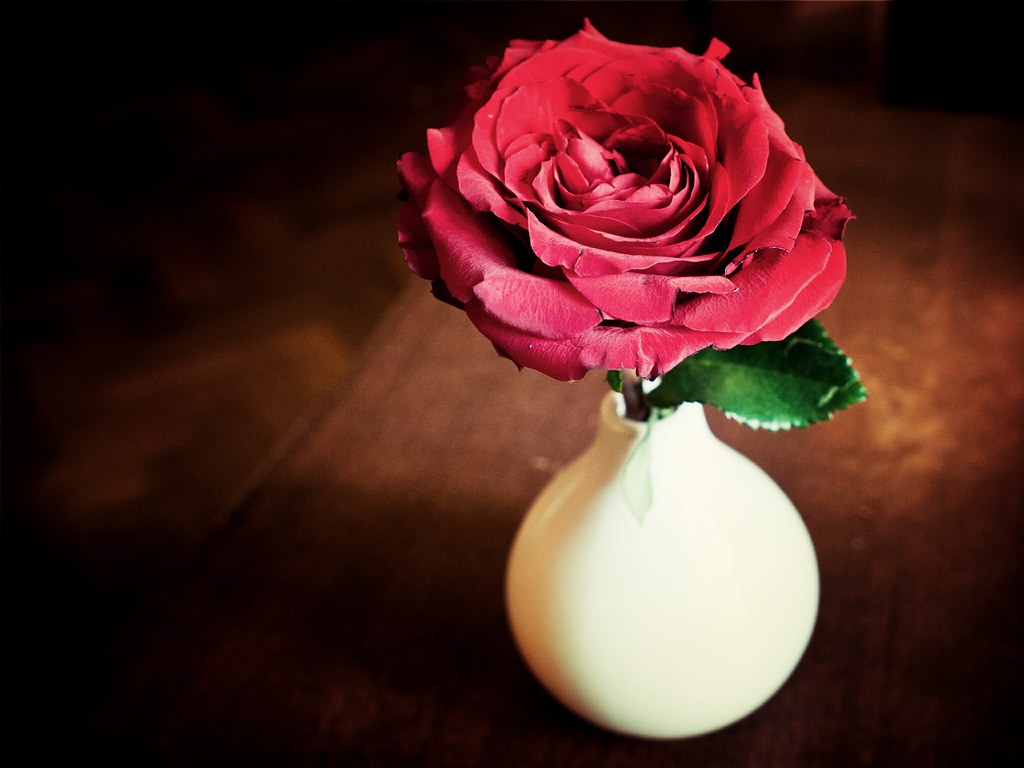
One perfect bloom beats a crowded bouquet — photo by Nick Page Photos, CC BY 2.0, via Flickr.
You do not need a florist's budget — you need one great stem. A single rose, a tall ranunculus, or one stem of eucalyptus in a slim vase looks deliberate and modern. Line up three or five small bud vases with one stem each down the table for a runner effect that costs less than a sandwich. Change the water every two days and a single bloom lasts the week.
9. Found Objects as Decor
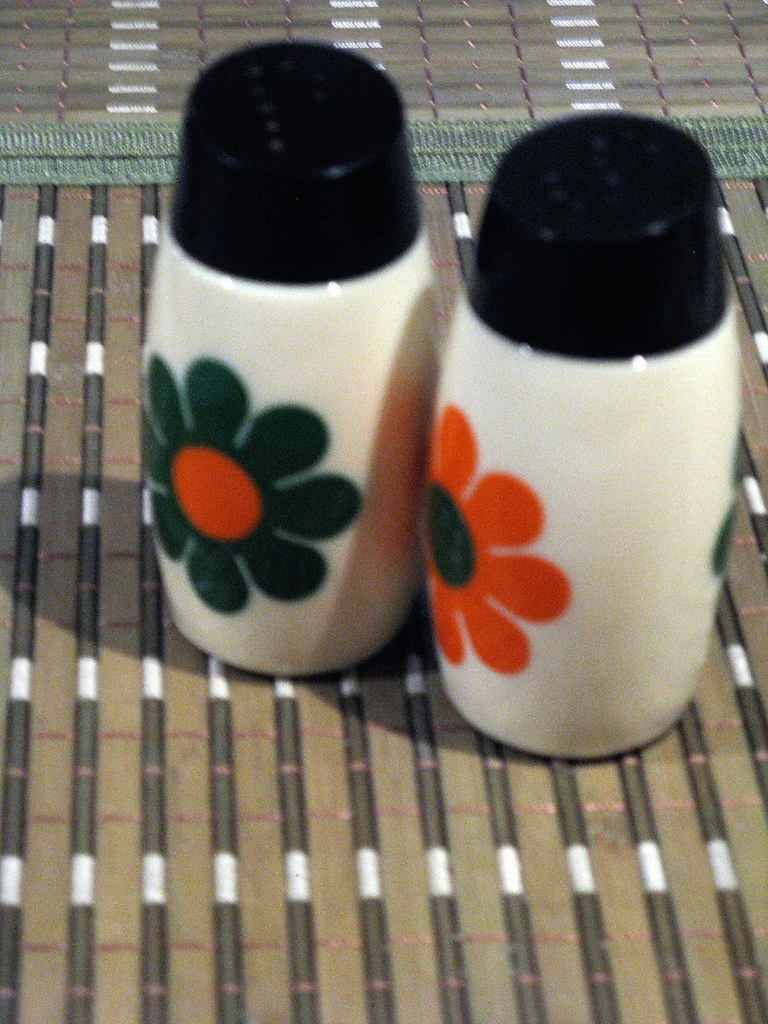
Vintage finds like these floral shakers give a table its personality — photo by GranniesKitchen, CC BY 2.0, via Flickr.
The most interesting tables are part flea market. A chipped vintage pitcher holding the water, your grandmother's salt shakers, a brass candlestick found for two dollars — objects with a past give a table warmth that new things cannot fake. The rule: one or two found pieces per table, not a museum. Let them be the conversation starters they want to be.
10. Rustic Charm with Natural Textures

Raw wood, woven placemats and simple blooms — rustic done right — photo by ProFlowers.com, CC BY 2.0, via Flickr.
Rustic styling is about honesty: show the wood, skip the polish. A bare wooden table needs no cloth — just a runner, woven placemats, and something green down the middle. Burlap, jute, raw linen, and unglazed pottery are your materials. It works because it is forgiving: a water ring on a farmhouse table is character, not a crisis.
11. Modern Minimalism

Less, but better — a minimalist setting lets each piece breathe — photo by ProFlowers.com, CC BY 2.0, via Flickr.
Minimalism on a table means every object earns its place. One runner, simple white plates, one low green arrangement, good glasses — done. The discipline is in what you remove: no chargers under chargers, no decorative objects that serve nothing. It suits small dining rooms especially well, because a spare table makes the whole room feel larger.
12. Bringing in Coastal Vibes

Shells, sea-glass tones and light wood — coastal without the kitsch — photo by DesignFolly.com, CC BY-SA 2.0, via Flickr.
Coastal styling done well is about light and air, not anchors and rope. Bleached wood, sea-glass blues, white linen, and one natural element — shells in a glass hurricane, driftwood, a bowl of sand with a candle. Keep the palette to sand, white, and one blue. The moment you add a third blue or a plastic starfish, it tips from coastal into theme party.
13. A Pop of Color with Fruits

A bowl of fruit is the centerpiece you can eat — CC0 photo via Rawpixel.
The oldest centerpiece trick still works: pile fruit in a beautiful bowl. Lemons in summer, pomegranates in winter, figs when you can find them — color, shape, and scent in one move, and guests can actually eat it. Choose fruit in one color family for a designed look, or go full harvest rainbow for abundance. Replace anything that bruises before dinner.
14. Vintage Flair with Antiques
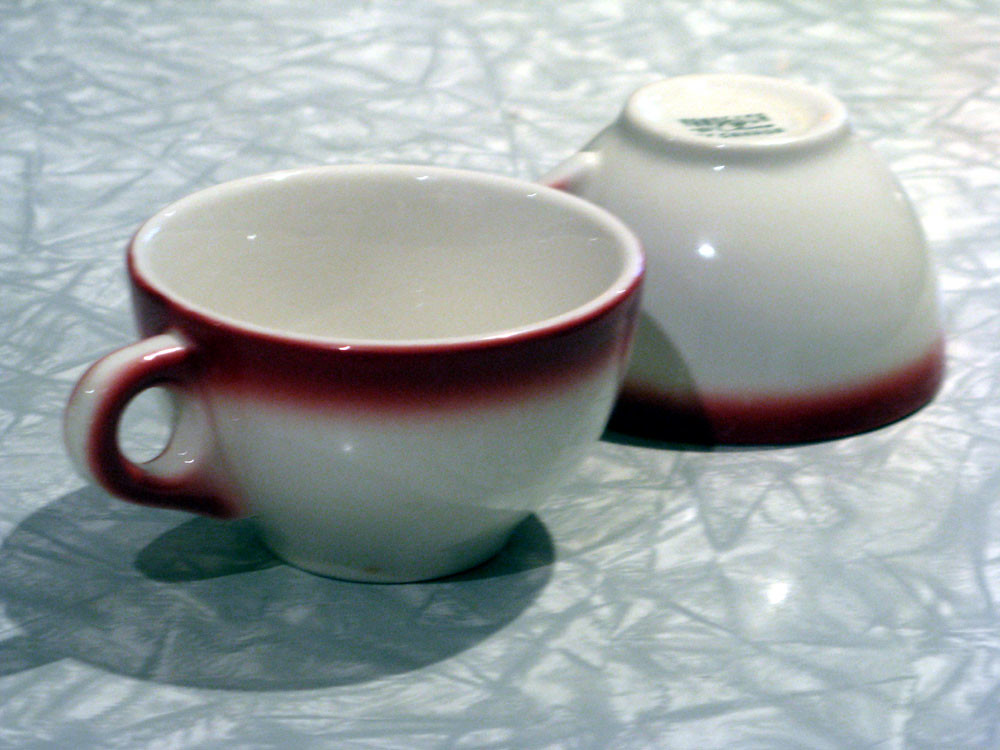
Mismatched vintage cups bring history to the table — photo by GranniesKitchen, CC BY 2.0, via Flickr.
Mismatched antique china is the opposite of boring — it is a collection. Hunt thrift stores for transferware plates, silverplate flatware, and cut-glass tumblers, then mix them freely. The trick is a common thread: all blue-and-white, all floral, all silver. One thread holds the mix together, and every place setting becomes its own little story.
15. Creating Height & Dimension

A tall candelabra pulls the eye up and gives the table architecture — photo by Phineas_Gage, CC BY 2.0, via Flickr.
Flat tables look flat — height fixes that. A tall candelabra, a footed bowl of fruit, stacked cake stands, or branches in a high vase give the table architecture. The classic formula: one tall thing, one medium thing, and low fillers around them. Vary heights in odd numbers and keep sightlines open where people sit across from each other.
16. The Beauty of Asymmetrical Balance

Off-center and loose — asymmetry keeps a table feeling alive — photo by priyam.n, CC BY 2.0, via Flickr.
Perfect symmetry looks like a hotel lobby; a little imbalance looks like a home. Shift the centerpiece off-center, let a runner drape unevenly, cluster candles in odd numbers on one side. The eye finds asymmetry more interesting because it has to work a little. Just keep the imbalance intentional — one side heavy, the other light, never both fighting.
17. The Art of the Unstaged Look
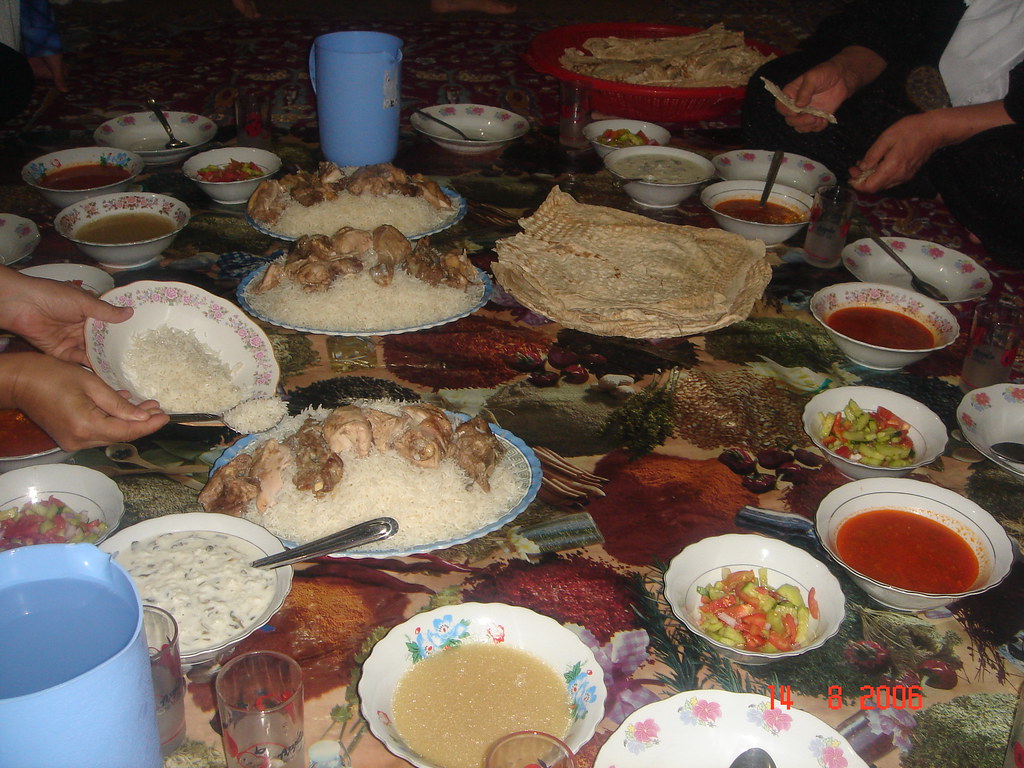
A real, unstaged dinner spread — the table at its most honest — photo by Lezan, CC BY 2.0, via Flickr.
Here is the secret the styled photos skip: the best-looking table is often the one mid-dinner, a little messy, full of life. Style for the photograph, then let the meal happen. Leave the serving dishes on the table, let the bread basket stay out, do not rush to clear. A table that shows it is loved beats a table that shows it is styled. If you want more room ideas in this spirit, see our dining room ideas.
Final Thoughts
Seventeen ideas, one formula: base, anchor, sparkle. Start with whatever you already own — a cloth, a candle, one good bowl — and build from there. The tables people remember are never the most expensive ones; they are the ones where someone clearly cared. Light the candles, sit down, and let dinner do the rest.
Dining Table Inspiration Gallery
More real tables to borrow ideas from — save the ones that speak to you.
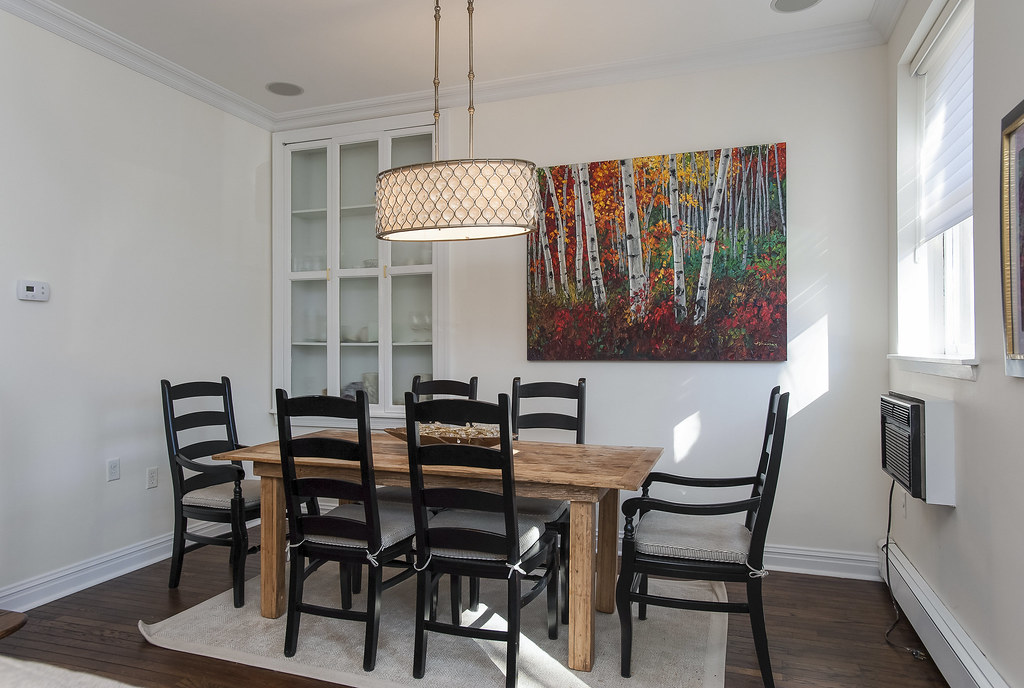
A dining room styled around its table — photo by Paintzen, CC BY 2.0, via Flickr.

A Christmas Eve table ready for the family — photo by Erik Anestad, CC BY 2.0, via Flickr.

A festively dressed table for a special night — photo by Infrogmation, CC BY 2.0, via Flickr.

Holiday place settings with candles and greenery — Photo via Pexels.

A warm traditional dining room built around the table — photo by Jeremy Levine Design, CC BY 2.0, via Flickr.

Rustic wood overhead, a simple table below — photo by Jeremy Levine Design, CC BY 2.0, via Flickr.

No comments:
Post a Comment