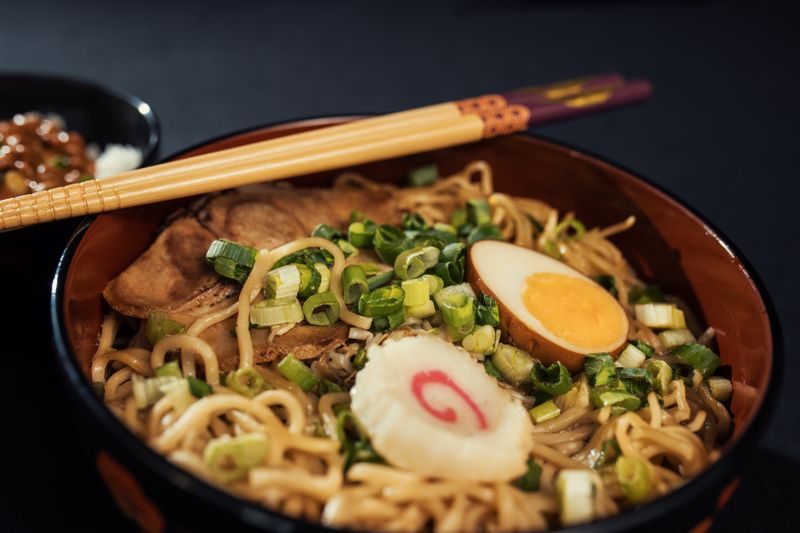
A steaming bowl of homemade-style ramen with a soft egg and scallions. Photo by Matheus Bertelli via Pexels (free to use).
There is a moment in every good ramen shop when the bowl lands on the counter: steam curling up, the broth glossy, a soft egg glistening beside neat slices of pork. It looks like magic, but it is really just a method. Ramen is not one recipe. It is five small building blocks — broth, seasoning, noodles, chashu, and toppings — stacked in the right order. Learn the blocks once, and you can make a bowl that tastes like your favorite noodle bar any night of the week.
Ramen began as humble wheat noodles, and it grew into one of Japan's most loved dishes, with famous regional styles like rich tonkotsu from Hakata, hearty miso from Sapporo, and clear shoyu from Tokyo (you can read the full story on Wikipedia's ramen page). The beautiful thing for a home cook is that you do not need to master all of it. You need one shortcut broth, one clever pork technique, and a little confidence. This guide gives you all three, in plain steps.
The Soul of the Bowl: A Fast, Flavorful Broth
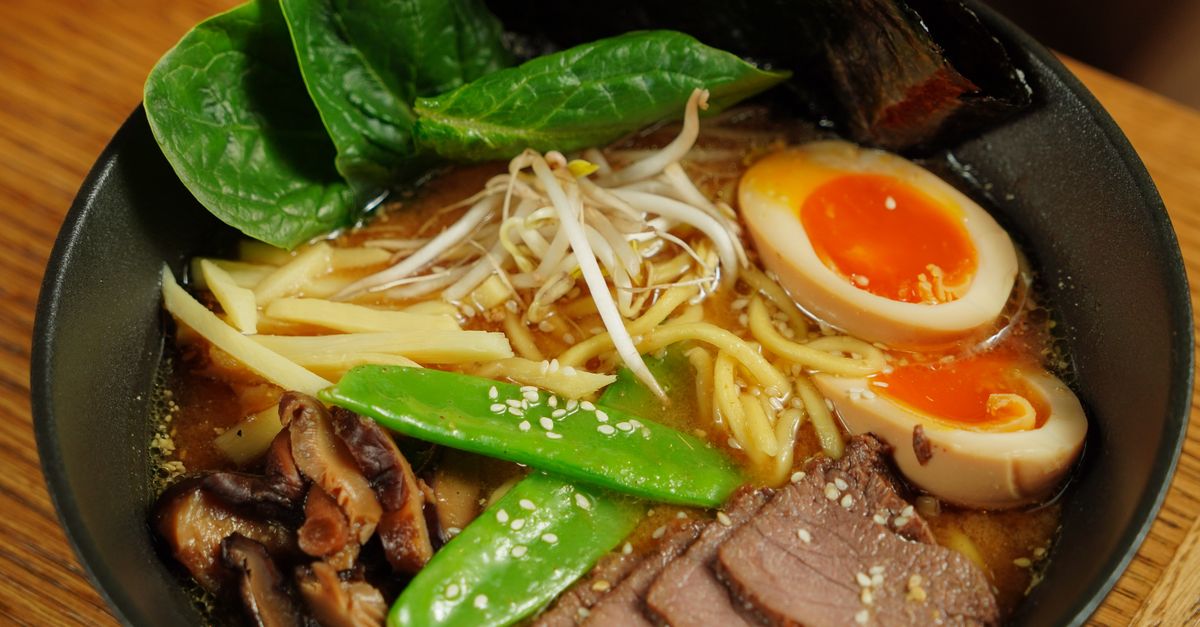
A rich, clear broth is the soul of the bowl. Photo by Nadin Sh via Pexels (free to use).
Traditional ramen shops simmer bones for twelve hours or more. You will not do that on a Tuesday evening, and you do not have to. Start with a good store-bought chicken or vegetable stock, then fortify it. This one trick closes most of the gap between "soup from a box" and "noodle shop."
Pour two quarts of stock into a large pot and add a small handful of dried shiitake mushrooms, one piece of kombu (dried kelp, about the size of your palm), a few smashed garlic cloves, a thumb of sliced ginger, and the white parts of three scallions. Bring it to a gentle simmer — not a rolling boil — and let it go for 30 to 45 minutes. The mushrooms and kombu release a deep, savory umami that plain stock simply does not have. Fish out the kombu after about 20 minutes so the broth stays clean-tasting, and skim off any foam that rises.
Here is the professional secret that changes everything: the tare. In a ramen shop, the seasoning lives separately from the broth. A spoonful of concentrated tare goes into the bottom of each empty bowl, and the hot broth is poured over it. For a beginner's shoyu-style tare, whisk together a quarter cup of soy sauce, a tablespoon of mirin, and a half teaspoon of sea salt. That is it. Because the seasoning is separate, every person at your table gets their bowl exactly as salty as they like it — and you never risk over-seasoning the whole pot. If you enjoy experimenting with broths, our savory broth recipes for hot pot show how one good base can travel in many delicious directions.
The Star of the Show: Simple Chashu Pork Rolls
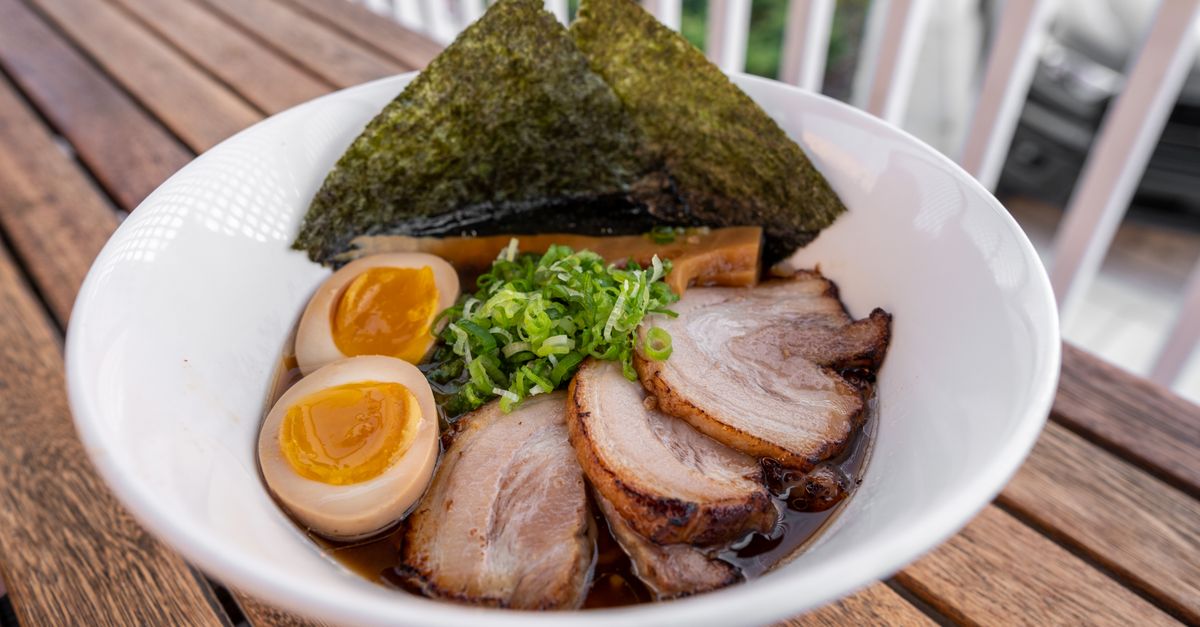
Sliced chashu pork with egg and greens over noodles. Photo by Connor Scott McManus via Pexels (free to use).
Those perfect round slices of pork draped over a ramen bowl are called chashu, and they look far harder than they are. The "roll" in this recipe's title is the whole technique: you roll the pork belly up like a sleeping bag, tie it with kitchen twine, and braise it low and slow. The roll keeps the meat juicy, and when you slice it cold, every piece comes out as a beautiful spiral.
Buy a slab of skinless pork belly, roughly one and a half to two pounds. Lay it flat, roll it up tightly from one long edge, and tie it with cotton kitchen twine every inch or so — snug, not strangling. Sear the whole roll in a hot, lightly oiled pan until golden on all sides. This browning step builds flavor you cannot get from simmering alone.
Now the braise. In a pot that fits the roll snugly, combine a cup of soy sauce, a cup of mirin, a third of a cup of sugar, a cup of water, several slices of ginger, and four smashed garlic cloves. Lower in the pork, bring to the gentlest simmer, cover, and cook for about two hours, turning the roll every half hour so it colors evenly. When a skewer slides through with no resistance, it is done.
Here is the step beginners always want to skip — do not. Lift the roll out, wrap it, and chill it in the refrigerator until completely cold, preferably overnight. Cold meat slices cleanly; warm meat shreds. Untie the twine and cut the roll into slices about a quarter inch thick. Each slice shows the spiral of meat and fat that makes chashu so tender. Warm the slices you need in a little hot broth right before serving, and keep the rest of the roll in its braising liquid in the fridge, where it stays good for four to five days and actually tastes better on day two.
Noodles: The One Rule That Matters
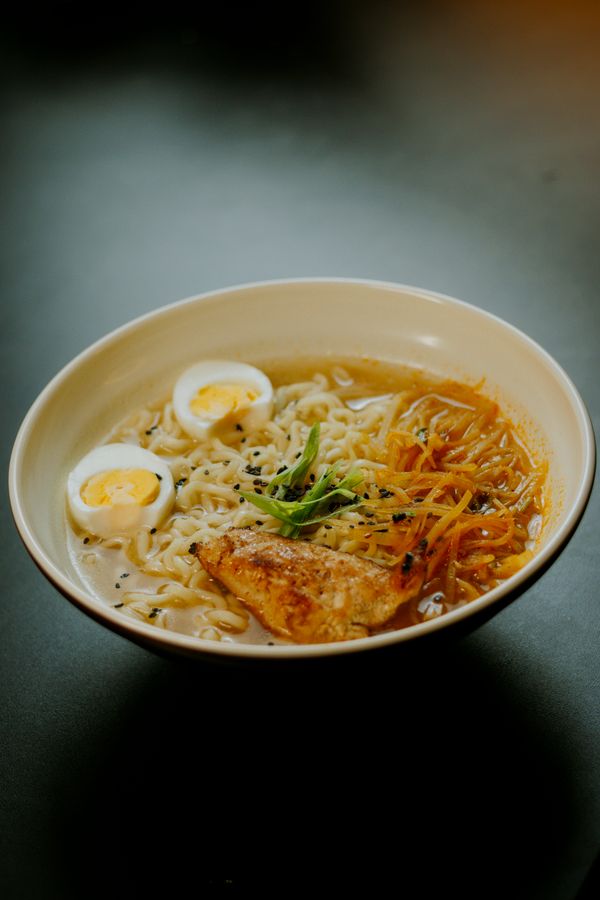
Springy ramen noodles with soft eggs in savory broth. Photo by Vitor Diniz via Pexels (free to use).
You do not need to make noodles from scratch. What you want are alkaline noodles — the kind made with kansui, which gives ramen its signature springy bite and pale yellow color. Look for fresh or refrigerated ramen noodles at an Asian grocery store; high-quality dried ramen noodles are a fine backup.
The one rule: always cook the noodles in a separate pot of plain boiling water, never in your broth. Noodles release starch as they cook, and that starch would turn your carefully built broth cloudy and gummy. Fresh noodles need only two to three minutes; dried need whatever the package says, usually four to five. Taste one a minute early — ramen noodles go from perfect to mushy fast. Drain them well, give the colander a firm shake, and get them into the bowl immediately. Hot noodles in hot broth is the whole game; lukewarm noodles drag the temperature of everything down.
Portion about three to four ounces of dry noodles (a small fistful) per person. It looks like less than you expect in the package and exactly right in the bowl.
Toppings That Finish the Bowl
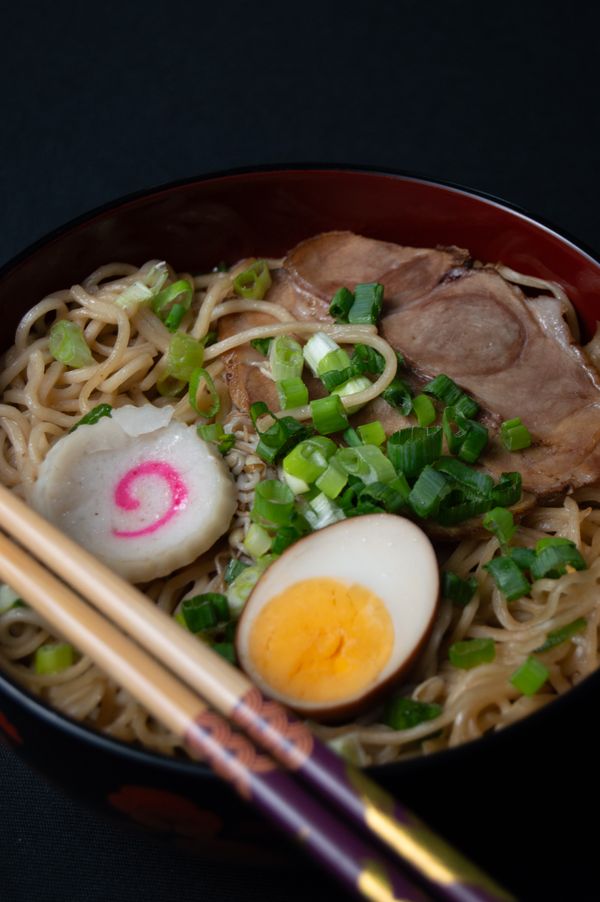
Classic toppings: soft egg, narutomaki, and chashu. Photo by Julio Ribeiro via Pexels (free to use).
Toppings are where a bowl goes from good to memorable, but restraint wins. Three or four well-chosen toppings beat a crowded bowl every time. Here are the classics, in the order a ramen shop would reach for them:
- Ajitama (marinated soft egg): the single highest-impact topping. Boil eggs for exactly six and a half minutes, move them straight into ice water, peel, and soak them in a mix of soy sauce, mirin, and water for at least four hours. The white turns amber and savory; the yolk stays jammy.
- Scallions: thinly sliced on a sharp diagonal. They add freshness and a mild bite that cuts the richness.
- Nori: one or two sheets of dried seaweed tucked against the side of the bowl. It softens in the steam and adds ocean depth.
- Narutomaki: the white fish cake with the pink spiral. It is mostly there for color and tradition, and a bowl looks naked without it.
- Menma (seasoned bamboo shoots): chewy, savory, and sold ready to eat at Asian groceries.
Finish with a few drops of toasted sesame oil or chili oil. Aroma is half of flavor — that first breath of steam over the bowl is doing real work, so do not skip it.
Assemble Like a Ramen Shop
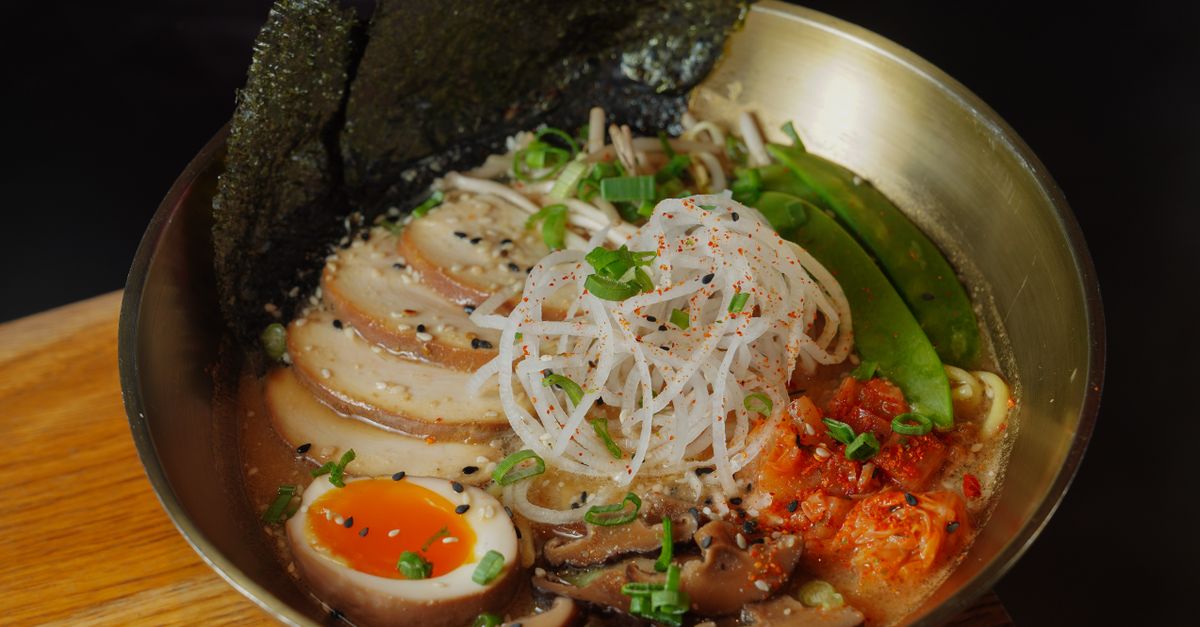
A finished bowl with nori, ready to serve. Photo by Nadin Sh via Pexels (free to use).
Assembly order matters, and shops do it the same way every time. First, warm your serving bowls with hot water and dump it out — a cold bowl steals heat. Spoon a tablespoon or two of tare into the bottom of each warm bowl. Ladle over about two cups of steaming broth and stir once to mix. Add the drained noodles, then lift and fold them gently with chopsticks so they loosen instead of clumping.
Now arrange the toppings in neat little piles rather than scattering them: chashu slices fanned on one side, the halved ajitama yolk-up, scallions in the center, nori standing along the edge. It takes ten extra seconds and it is the difference between "homemade" and "restaurant." Serve immediately — ramen waits for no one, and noodles keep absorbing broth by the minute.
This assembly-line method is also why ramen makes a wonderful dinner party dish. Set out the broth, noodles, chashu, and toppings, and let guests build their own bowls. It is interactive, it accommodates every appetite, and you spend the evening at the table instead of at the stove.
A Beginner's Timeline (So Nothing Is Rushed)
The secret to relaxed ramen night is that almost everything happens ahead of time:
- Up to 3 days before: make the chashu roll and the ajitama eggs. Both improve with a day or two in the fridge.
- Morning of: make the fortified broth and the tare. Both reheat perfectly.
- 20 minutes before eating: slice scallions, warm the bowls, set out toppings, and slice the cold chashu.
- At serving time: boil the noodles, assemble the bowls, and eat right away.
When the only thing happening at the last minute is boiling noodles, ramen night feels easy — because it is.
Final Thoughts
You now know the whole system: a fortified broth, a spoonful of tare, springy noodles cooked separately, a rolled-and-braised chashu, and a few thoughtful toppings assembled in order. None of these steps is difficult on its own. Together, they are the difference between noodles in soup and actual ramen. Make the chashu roll once and you will understand why it is the centerpiece — it is the most impressive thing in the bowl, and it was mostly just waiting in the fridge. Your first bowl will not be perfect, and that is exactly how every ramen cook starts. The second bowl will be better. By the third, people will ask for the recipe.
Ramen Bowl Inspiration Gallery
Four bowls, four moods — a little inspiration for your next ramen night:
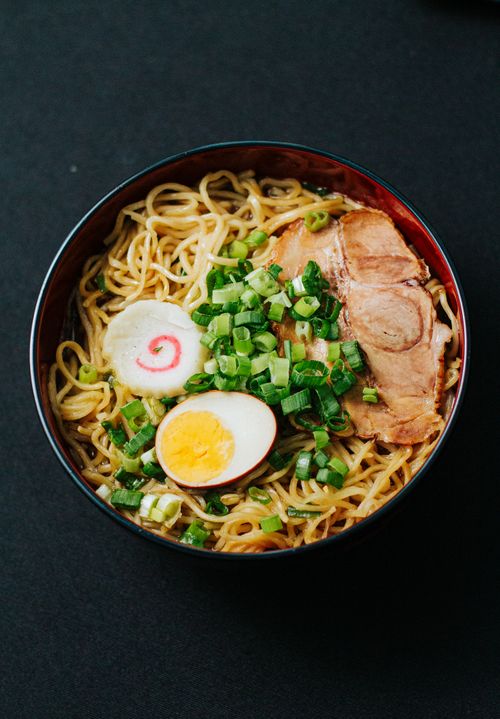
A traditional bowl of Japanese ramen. Photo by Emanuel Pedro via Pexels (free to use). |
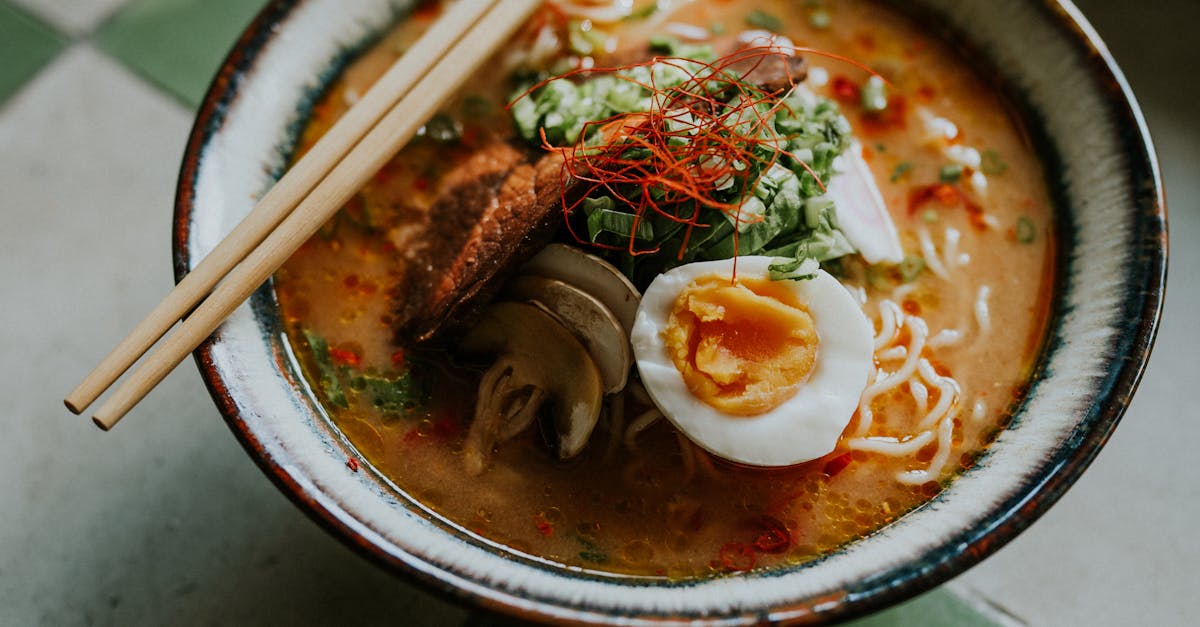
Ramen with a soft egg in rich broth. Photo by Amar Preciado via Pexels (free to use). |

A fully loaded ramen bowl with classic toppings. Photo by Emanuel Pedro via Pexels (free to use). |

Overhead view of a finished ramen bowl. Photo by Isabella Figoli via Pexels (free to use). |
Frequently Asked Questions (FAQs)
1. Can I use instant ramen noodles for this recipe?
Yes, you can use the noodles from an instant packet, but throw away the flavor sachet! The "bricks" of noodles work fine in a pinch, but for the best experience, try to find fresh or air-dried ramen noodles in the store.
2. How long can I keep the pork rolls in the fridge?
You can keep the cooked Chashu rolls in their braising liquid in the fridge for up to 4 or 5 days. In fact, they taste even better after a day or two as the flavors have more time to fully develop.
3. What if I don't have mirin for the broth or pork?
If you cannot find mirin, a common substitute is to use a splash of dry white wine or sake mixed with a little bit of sugar. This will give you the same sweet and savory tang that is essential for Japanese ramen.
4. Can I make this vegetarian?
Yes! Use a rich mushroom or kombu-based vegetable stock for the broth, skip the chashu, and load up on toppings like marinated tofu, corn, bamboo shoots, and extra nori. The tare and assembly method stay exactly the same.
5. Do I need special equipment?
No. A large pot, a separate smaller pot for noodles, a colander, and kitchen twine for the chashu roll are all you need. A spider strainer helps for lifting noodles, but tongs work fine.

No comments:
Post a Comment