Hot pot is a fun dinner, but the broth is only half the story. The real magic happens in your small dipping bowl. One bite dipped in a sesame-garlic mix tastes completely different from the same bite dipped in chili oil. That is why the sauce matters so much. This guide gives you 15 real, easy dipping sauce recipes you can make at home in minutes. No special skills needed — just stir, taste, and adjust. If you are new to this dinner style, start with our How to Make Hot Pot at Home guide first, then come back and build your sauce bar.

A condiment bar with chili oils, soy sauce, scallions and pickles — build your own sauce station. Photo by Pratyeka via Wikimedia Commons (CC BY-SA 4.0).
How to Use This Guide
Every recipe below makes enough for one or two people. Each sauce takes about five minutes. You need nothing more than a few small bowls, spoons, and chopsticks. A good rule: start with a base (soy sauce, sesame paste, or chili oil), then add one salty thing, one aromatic thing, and one fresh thing. Taste as you go — your tongue knows best. For the full meal, pair these sauces with the foods from our Best Ingredients for Hot Pot at Home list.
1. Classic Soy Sauce Base
This is where most hot pot lovers begin. Pour 3 tablespoons of light soy sauce into a bowl. Stir in 1 teaspoon of minced garlic, 1 tablespoon of chopped green onions, and 1 teaspoon of sesame oil. That is the whole recipe. The soy gives saltiness, the garlic gives punch, the green onions give freshness, and the sesame oil ties it together. Thin it with a spoon of hot broth if it tastes too salty. This sauce loves beef slices, mushrooms, and tofu. It is also the base you can build on for half the recipes below.
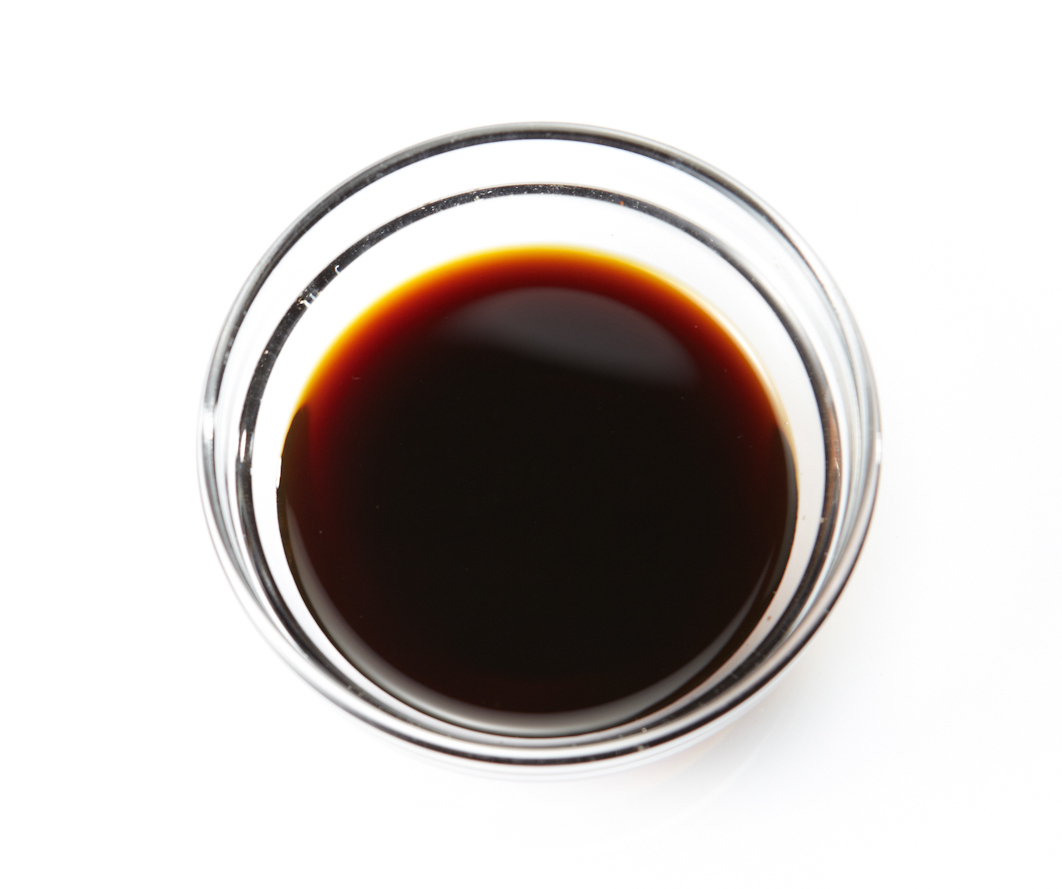
Light soy sauce — the starting point for most hot pot dips. Photo by National Institute of the Korean Language via Wikimedia Commons (CC BY-SA 2.0 kr).
2. Spicy Chili Oil Sauce
For people who want heat with every bite. Mix 1 tablespoon of chili oil, 1 tablespoon of soy sauce, 1 teaspoon of minced garlic, and a small pinch of sugar. Stir until the sugar melts into the oil. The sugar does not make it sweet — it rounds out the edges so the heat feels smooth instead of harsh. This coats fatty meats like lamb and beef beautifully because the oil clings to the meat. Toss in crushed roasted peanuts for crunch. If your chili oil is very hot, start with half a spoon and add more after tasting.

Homemade chili oil with dried peppers — rich color and deep heat. Photo by Suginami via Wikimedia Commons (CC0).
3. Sesame Paste Sauce
This thick, creamy sauce is the soul of northern Chinese hot pot. Spoon 2 tablespoons of sesame paste into a bowl and add 3 tablespoons of warm water, a little at a time, stirring in one direction. The paste will look lumpy at first — keep stirring and it turns silky. Then mix in 1 tablespoon of soy sauce, 1 teaspoon of minced garlic, and 1 teaspoon of rice vinegar. The result is nutty, mild, and clinging — perfect for noodles and leafy greens. Add chili oil on top if you want heat. If you cannot find Chinese sesame paste, tahini works well in its place.

Sesame paste thinned with warm water turns silky and smooth. Photo by Fumikas Sagisavas via Wikimedia Commons (CC0).
4. Garlic Soy Vinegar Sauce
Light, sharp, and refreshing. Combine 2 tablespoons of soy sauce with 1 tablespoon of black vinegar and 2 teaspoons of minced garlic — use more garlic than feels sensible. Scatter chopped cilantro on top. The vinegar cuts through rich broth and fatty meat, so each bite tastes fresh instead of heavy. This is excellent with shrimp, fish balls, and mushrooms. If black vinegar is hard to find, rice vinegar works, but use a little less since it is sharper.

Fresh garlic — the backbone of many hot pot sauces. Photo by Ivar Leidus via Wikimedia Commons (CC BY-SA 4.0).
5. Peanut Butter Sauce
Yes, the same jar from your pantry. Stir 2 tablespoons of smooth peanut butter with 1 tablespoon of warm water until loose and creamy. Add 1 tablespoon of soy sauce, 1 teaspoon of sugar, and 1 teaspoon of minced garlic. The result is thick, slightly sweet, and deeply comforting. It goes beautifully with chicken, tofu, and thick noodles. Use unsweetened peanut butter if you can, so you control the sweetness yourself. A squeeze of lime on top keeps it bright.

Peanuts, shelled and peeled — the base of a rich creamy sauce. Photo by Ivar Leidus via Wikimedia Commons (CC BY-SA 4.0).
6. Thai-Style Sweet Chili Sauce
Sweet, tangy, and gently spicy — a crowd-pleaser. Mix 3 tablespoons of sweet chili sauce with 1 teaspoon of fish sauce, 1 teaspoon of lime juice, and 1 teaspoon of minced garlic. The lime juice is the secret: it keeps the sweetness from feeling flat. This sauce is made for seafood — shrimp, fish balls, squid — but kids tend to love it with anything. If you like more heat, add a few drops of sriracha.

Sweet chili sauce — sweet, tangy and gently spicy. Photo by ImpromptuKitchen via Wikimedia Commons (CC BY 2.0).
7. Sesame Oil and Salt Dip
The simplest sauce in this whole guide, and one of the best. Pour 2 tablespoons of toasted sesame oil into a bowl, add a small pinch of salt, and scatter chopped green onions over the top. That is all. This dip does not cover the food — it lifts it. Use it with the best-quality beef slices you have, because you will actually taste the meat. Cantonese hot pot lovers swear by this with just beef and nothing else.

Toasted sesame oil — nutty and fragrant, perfect with just salt. Photo by Adam Engelhart via Wikimedia Commons (CC BY-SA 2.0).
8. Hoisin Sauce Mix
Hoisin is the thick, dark, slightly sweet sauce you know from Peking duck and summer rolls. Stir 2 tablespoons of hoisin sauce with 1 tablespoon of soy sauce, 1 teaspoon of minced garlic, and 1 teaspoon of sesame oil. It turns out glossy, bold, and restaurant-like. It shines with mushrooms, beef, and anything with a little char. Because hoisin is already sweet and salty, taste before you add anything else — it usually needs nothing more.

Hoisin sauce with crushed peanuts — thick, glossy and bold. Photo by Alice Wiegand via Wikimedia Commons (CC BY-SA 4.0).
9. Sichuan Mala Sauce
This one is for spice lovers. Mix 1 tablespoon of chili oil, 1 tablespoon of soy sauce, 1 teaspoon of minced garlic, and half a teaspoon of ground Sichuan peppercorns. The peppercorns create the famous "mala" tingle — a numbing buzz on your lips and tongue that makes the heat feel electric rather than painful. Toast whole peppercorns in a dry pan for a minute and grind them fresh for the strongest effect. Pair with beef and lamb; skip this one if your guests are heat-shy.

Sichuan peppercorns — the source of the signature numbing tingle. Photo by Charles Haynes via Wikimedia Commons (CC BY-SA 2.0).
10. Citrus Soy Sauce
When the meal starts feeling heavy, this wakes everything up. Combine 2 tablespoons of soy sauce with 1 tablespoon of fresh lime or lemon juice and 1 teaspoon of sugar. Stir until the sugar dissolves. Add a pinch of chili flakes if you like a kick. The citrus keeps your palate fresh between bites of rich broth and fatty meat. It is best with shrimp, fish, and mushrooms. Squeeze the lime fresh — bottled juice tastes flat by comparison.

Fresh limes — their juice keeps rich sauces tasting bright. Photo by Evan-Amos via Wikimedia Commons (CC0).
11. Fermented Tofu Sauce
A classic with a strong personality. Mash 1 small cube of fermented tofu (from the jar) with 1 tablespoon of sesame oil until smooth. Stir in 1 teaspoon of chili oil and a pinch of sugar. The flavor is salty, funky, and a little cheesy — not for everyone, but deeply loved by hot pot regulars. Try it with leafy greens, tofu, and mushrooms, where its boldness has something to play against. Start with a small amount; a little goes a long way.

Fermented bean curd — salty, funky and intensely savory. Photo by N509FZ via Wikimedia Commons (CC BY-SA 4.0).
12. Garlic Chili Crunch Sauce
This is all about texture. Spoon 1 tablespoon of chili crisp (the kind with crunchy bits in oil) into a bowl. Add 1 tablespoon of soy sauce, 1 teaspoon of minced fresh garlic, and 1 teaspoon of toasted sesame seeds. Stir gently so the crunch stays crunchy. The crispy bits cling to soft foods — silken tofu, noodles, mushrooms — and make every bite interesting. Keep the jar of chili crisp on the table too; people will want to add more.

Dried red chilies — the crunchy, fiery heart of this sauce. Photo by Basile Morin via Wikimedia Commons (CC BY-SA 4.0).
13. Yogurt Herb Sauce
A cooling break from the heat. Stir 3 tablespoons of plain yogurt with 1 teaspoon of minced garlic, a pinch of salt, and 1 tablespoon of chopped fresh herbs — parsley, dill, or cilantro all work. Keep it cold in the fridge until serving. This one is unusual for hot pot, which is exactly why it works: it calms a spicy broth and feels fresh next to grilled-style meats. It is also the friendliest option for kids and spice-averse guests.

Fresh herbs — chop them into plain yogurt for a cooling dip. Photo by Thomas Rehehäuser via Wikimedia Commons (CC0).
14. Brown Sugar Soy Glaze
Sweet, sticky, and deeply savory. Simmer 2 tablespoons of soy sauce with 1 tablespoon of brown sugar and 1 tablespoon of water in a small pan for 2–3 minutes, until it thickens slightly and turns glossy. Let it cool before serving. It tastes like a light teriyaki — lovely with beef slices and mushrooms. Brush it on cooked meat with a spoon rather than dunking, so the glaze stays thick on the surface.

Brown sugar — melted into soy sauce it becomes a glossy glaze. Photo by EstherDje via Wikimedia Commons (CC BY-SA 4.0).
15. DIY Custom Sauce Bar Tips
The best part of hot pot is building your own sauce. Set out small bowls of the basics and let everyone mix their own:
- Bases: soy sauce, sesame paste, chili oil, hoisin, black vinegar
- Aromatics: minced garlic, chopped green onions, fresh cilantro
- Heat: chili crisp, chili flakes, ground Sichuan peppercorns
- Crunch: crushed peanuts, toasted sesame seeds
- Balance: sugar, lime juice, sesame oil
Always balance the four tastes: salty, spicy, sweet, and sour. Taste after every addition and stop when it makes you happy. If you are cooking for a group, make two or three of the recipes above as "house sauces" and let guests tweak from there. New to hot pot nights? Our Hot Pot for Beginners guide walks through the whole evening step by step.

A full hot pot table — pot in the middle, ingredients and sauces all around. Photo by Angelsu52 via Wikimedia Commons (CC BY-SA 4.0).
Final Thoughts
Great dipping sauces do not need rare ingredients or chef skills. A bowl of soy sauce with garlic, a spoon of sesame paste thinned with warm water, or a simple chili oil mix can change your whole hot pot night. Make two or three recipes from this list, set out a few extra bowls for experimenting, and let everyone find their favorite. Once you have your sauces ready, browse our Best Ingredients for Hot Pot at Home to fill the pot itself.
 Chongqing hot pot with a divided spicy broth. Photo by Zhou Guanhuai via Wikimedia Commons (CC BY-SA 4.0). |
 A homemade hotpot bubbling with fresh ingredients. Photo by Jonathan Lin via Wikimedia Commons (CC BY-SA 2.0). |
 Thai suki hot pot ingredients, ready for the table. Photo by Vyacheslav Argenberg via Wikimedia Commons (CC BY 4.0). |
 Vegetables, tofu and noodles ready for a Japanese hot pot. Photo by Geoff Peters via Wikimedia Commons (CC BY 2.0). |
Frequently Asked Questions
What is the most popular hot pot dipping sauce?
The sesame paste sauce is one of the most popular because of its creamy texture and rich flavor.
Can I make hot pot sauces without soy sauce?
Yes, you can use alternatives like coconut aminos, yogurt-based sauces, or vinegar blends.
How many dipping sauces should I prepare?
It's best to have 3–5 options so everyone can choose their favorite.
Are hot pot dipping sauces spicy?
Not always. You can make mild, sweet, or tangy sauces depending on your taste.
Can I prepare sauces in advance?
Yes, most sauces can be made a few hours ahead and stored in the fridge.

No comments:
Post a Comment